
Home Blog Page 43

Vimānas: When ithaas Described the Impossible

From the oldest Sanskrit verses, something stirs—half light, half thunder. The poets didn’t call them aircraft, yet described them like beings who had tasted flight long before humanity remembered how.

I. The Forgotten Sky-Architecture of the Ancients

🔹 Vimānas: More Than Myth, Less Than Explanation

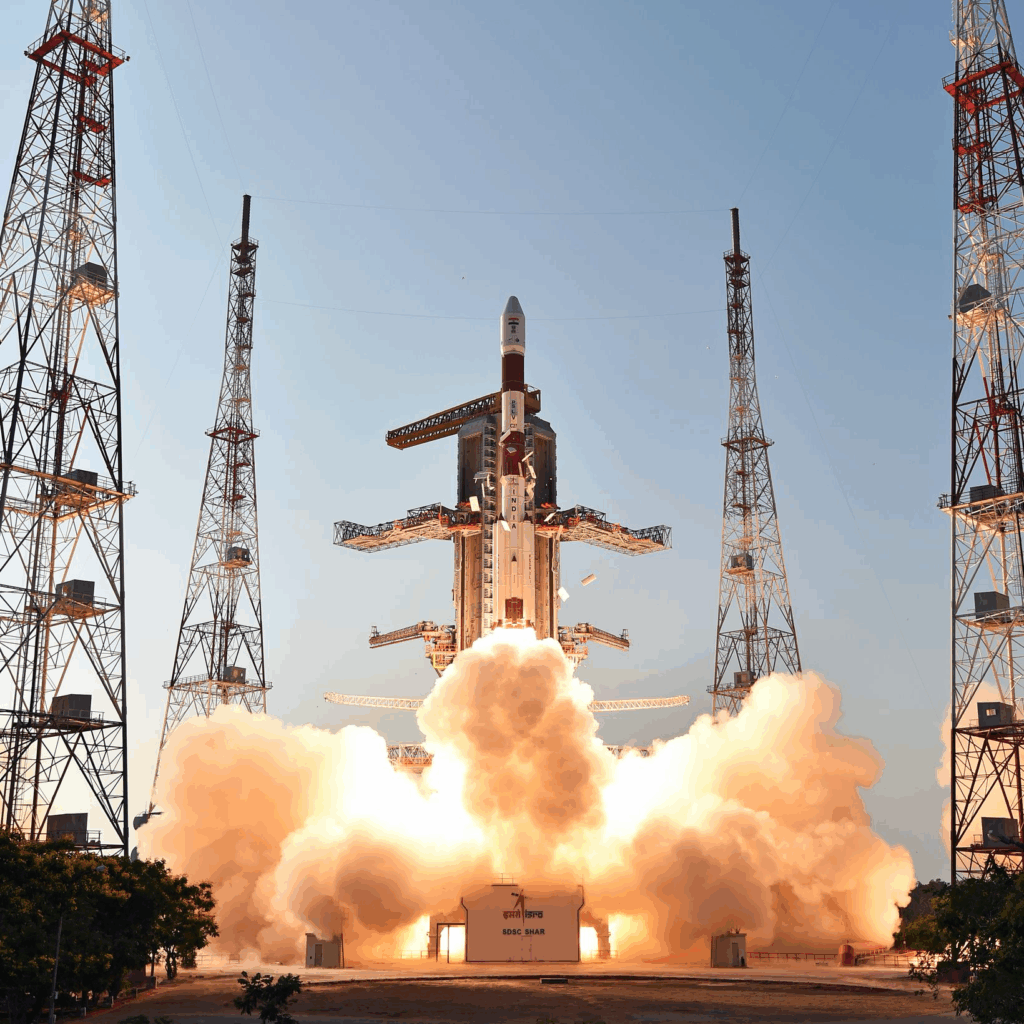
The Vedic poets portrayed vimānas not as metaphors but as structures. Some were radiant chariots rising vertically on silent pillars of flame—an image eerily similar to modern rockets.

Others? Floating fortresses, tiered and luminous, so vast they resembled airborne cities drifting between Earth and the star-path of Dhruva.

🔸 Features That Astonish Modern Minds
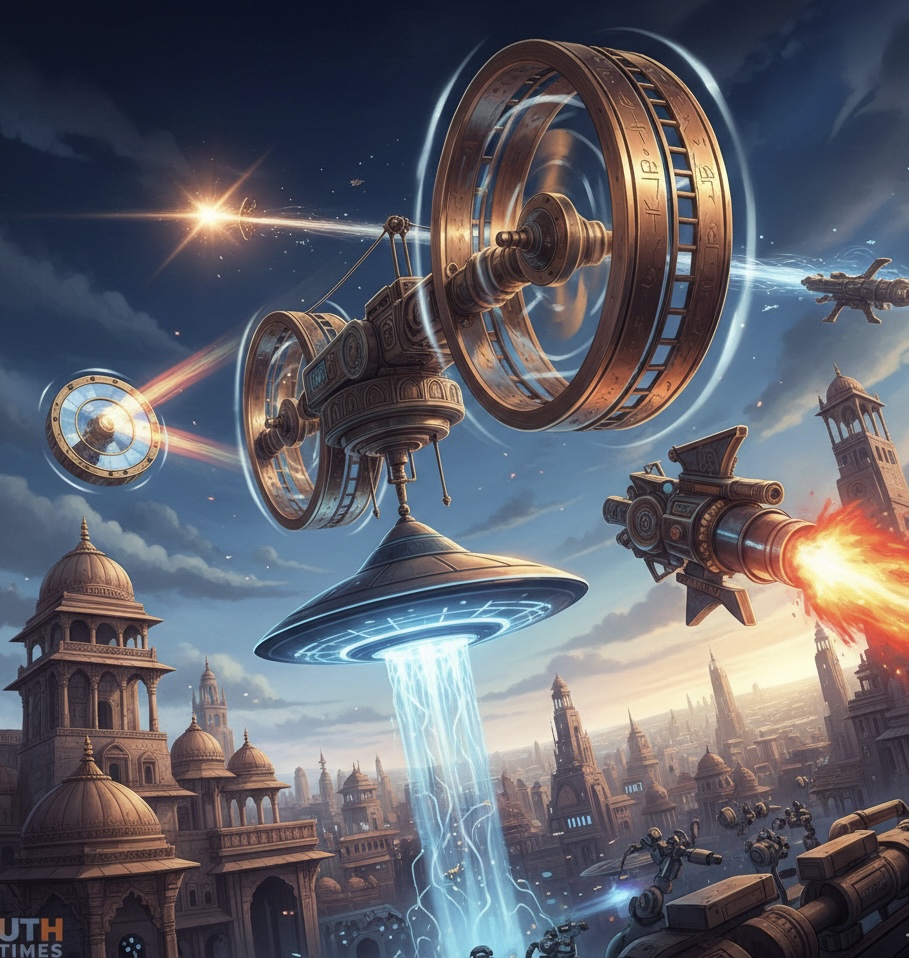
  • ✨ Wheels within wheels—counter-rotating assemblies that mimic gyroscopes or propulsion rotors.
  • 🔥 Silent ascents—craft lifting straight up, powered by something the texts describe as “mercury” or “śabda” (sound).
  • 💫 Blink travel—appearing across the world within moments, defying both time and physics.
  • 🔮 Blinding mirrors—reflective devices used to disorient enemy pilots.
  • ⚡ Thought-fire weapons—beams that reduced armies to ash, echoing directed-energy weaponry.

These aren’t vague metaphors. They are technical blueprints disguised as hymns.

II. When Gods Became Pilots

🔹 Divine Craft or Advanced Technology?

The rishis never describe vimānas as machines. They call them thrones, palaces, weapons—gifts forged by celestial architects. Yet every divine passenger seems shockingly… trained.

  • ✨ Gods operating controls
  • ✨ Navigating sky-roads
  • ✨ Engaging in aerial combat
  • ✨ Submerging the crafts into oceans and resurfacing unharmed

These accounts read less like mythology and more like ancient aeronautics witnessed through poetic eyes.

III. The Empire of Reason—and Its Uneasy Footnotes

🔹 How Science Tried to Silence the Sky
Centuries later, rational scholars folded these descriptions into the drawer marked “myth.” Mercury engines became symbols of mindfulness, sky-travel a metaphor for transcendence.

But the precision refused to fade. Allegory does not need fuel ducts or layered plating that rings like metal when struck.

🔸 If Not Allegory, Then What?

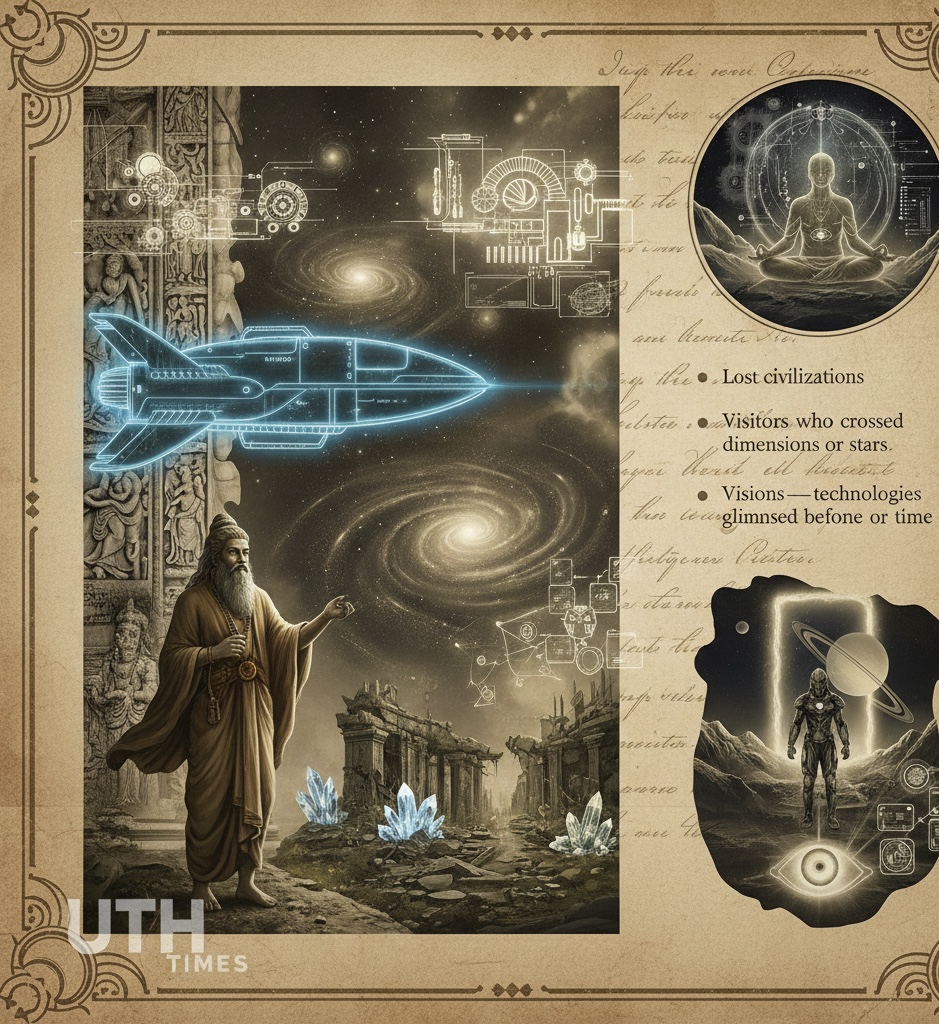
  • 🌌 Were rishis preserving memories of lost civilizations?
  • 🌠 Or were they eyewitnesses to visitors who crossed dimensions or stars?
  • 🕉️ Or did they access visions—technologies glimpsed long before their time?

The verses sit between truth and imagination, crackling with a mystery neither dismissed nor solved.

🌕 Ending

The vimānas wait—between clouds, between interpretations, between epochs. Not disproven. Not forgotten. Only silent… and watching.


Indrajaal Ranger — India’s First Anti-Drone Patrol Vehicle

0

🚀 A Bold Step: Why This Matters

The Indrajaal Ranger has just been unveiled — and it’s being hailed as India’s first fully mobile, AI-driven Anti-Drone Patrol Vehicle (ADPV). Unlike traditional drone-defence setups, this is a combat-grade vehicle capable of detecting, tracking and neutralising hostile drones while on the move. That mobility — combined with real-time intelligence — marks a major shift in how India plans to defend its airspace, borders, cities and critical infrastructure. 

With drone-based smuggling, illicit arms drops, and cross-border infiltration becoming more frequent, static anti-drone installations are no longer enough. The Ranger aims to close that gap — giving security forces a mobile shield that can patrol remote roads, border belts, urban zones, and sensitive installations with equal ease. 

🧠 What Powers the Ranger: Tech & Capabilities

  • AI-Brain “SkyOS” — At the heart of Ranger is the proprietary autonomy engine, SkyOS™, which fuses data from multiple sensors to deliver dynamic drone detection, classification, tracking, and threat assessment. It’s not just a sensor-platform — it’s an autonomous decision-making centre, capable of acting even when the vehicle is moving.  
  • Sensor Suite & Detection Range — Ranger can detect drones from as far as 10 kilometres away, giving early warning and reaction time even against low-flying or fast-moving aerial threats.  
  • Countermeasures — From Soft to Hard Kill
    • Cyber takeover / “Soft Capture” — Ability to hijack rogue drones (within ~5 km), potentially taking control without destroying them.  
    • Soft-kill (RF jamming / GNSS spoofing) — Disrupts navigation and control of drones, rendering them harmless.  
    • Hard-kill (Interceptor drones / kinetic kill) — If the threat escalates, Ranger can deploy interceptor (or “kamikaze”) drones to physically neutralise the hostile drone. Mitigation range goes up to ~4 km.  
  • On-the-Move Deployment — Built on a rugged 4×4 platform (similar to a combat or tactical vehicle), Ranger is designed for versatile terrain — border roads, canals, farms, urban spaces — and ready for rapid redeployment.  

🛡️ Where Ranger Makes the Most Impact

  • Border & Supply-line Security — With smuggling of drugs, weapons and explosives increasingly using drones along northern and western borders, Ranger gives forces a mobile response to intercept aerial threats before they reach border-side convoys or remote outposts.  
  • Critical Infrastructure Protection — Airports, refineries, industrial installations, power plants — anywhere a fixed anti-drone dome might not be feasible — Ranger can patrol and defend on-demand, creating a “moving security shield.”  
  • Urban & Event Security — For big events, urban centers or crowd-heavy zones, Ranger can be deployed for aerial surveillance, drone threat detection, and quick neutralisation — bridging the gap between static security and full air defence setup.  

🎯 Bigger Picture: What This Means for India’s Defence Strategy

The launch of Indrajaal Ranger signals more than just a new vehicle — it’s a paradigm shift. As drones become a go-to tool for smugglers, extremists, and spies, having a mobile, intelligent counter-UAV platform gives India agility and autonomy. This capability isn’t limited to borders: it extends to protecting cities, infrastructure, supply chains, and events — a comprehensive answer to modern aerial threats. 

By empowering security forces with rapid-response aerial defence — even in remote or dynamic environments — Ranger may well redefine what “airspace security” means in 2025 and beyond.

✨ Final Word

The Indrajaal Ranger doesn’t just represent a new technology — it’s India’s aerial watchdog on wheels, a sentinel that turns every patrol into a protective bubble. In a world where threats often come from above — silent, fast, and unseen — Ranger aims to make the skies safer for every Indian.

37,000-Year-Old Bamboo from Manipur’s Imphal Valley — Ice Age’s Silent Survivor 🌿

0

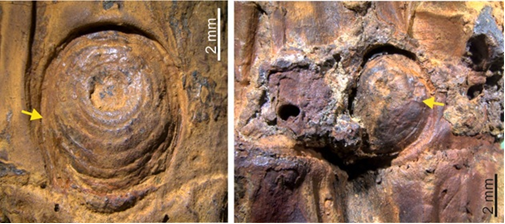
A single stem, fossilized and silent — yet carrying the story of life through thin ice and shifting climates. Scientists from Birbal Sahni Institute of Palaeosciences (BSIP) have unearthed a 37,000-year-old bamboo fossil from the silt deposits of Chirang River in Imphal Valley, Manipur. This small relic holds a big secret — thorn scars that reveal how bamboo survived the Ice Age. 

🌱 The Remarkable Find: Nature’s Time Capsule

  • The fossil was found buried in silt-rich floodplain deposits of the Chirang River — sediment layers dating back to the Late Pleistocene (about 37,000 years ago).  
  • Despite being a fragile plant — with hollow stems and fibrous tissues that usually decay fast — this bamboo stem survived with extraordinary detail: nodes, internodes, buds, and most importantly — the scars of once-living thorns.  
  • In laboratories, scientists compared its morphology (node spacing, bud positions, thorn-scar patterns) with that of modern thorny bamboos (like Bambusa bambos and Chimonobambusa callosa). Based on that, they assigned the fossil to the genus Chimonobambusa — and more specifically named it Chimonobambusa manipurensis.  

🛡️ Thorn Scars: Evidence of an Ancient Survival Strategy

  • Those tiny scars are more than just marks on a fossil — they point to an evolutionary defense system. Bamboo had grown thorns to deter hungry herbivores thousands of years ago.  
  • Their existence tells us that the forests around Imphal Valley were once home to large animals — perhaps wild cattle, rhinos, deer — grazing on young shoots. To survive in such a hostile environment, bamboo had already evolved thorn-based deterrence.  
  • This is the first fossil evidence in Asia of a bamboo species that had thorns — turning assumptions about bamboo defense mechanisms being “modern” on their head.  

🌍 Manipur — A Climate Refuge Amid Ice Age Turmoil

  • During the Ice Age, much of the world — including regions like Europe — saw global cooling and drying, wiping out sensitive plants such as bamboo.  
  • But the discovery of C. manipurensis from 37,000 years ago proves that parts of Northeast India (including Imphal Valley) remained warm and humid enough, acting as a climatic refuge. Here, bamboo populations survived while elsewhere they vanished.  
  • This survival under extreme global conditions highlights the importance of the region — not just geographically, but ecologically — in preserving biodiversity through deep time.  

🔭 Why This Matters — For Science, Climate & Future Ecology

  • The fossil gives palaeobotanists direct evidence of plant-animal interaction from tens of thousands of years ago — via the thorn scars. That’s rare in fossil records.  
  • It enriches our understanding of bamboo evolution: when thorny defenses evolved, under what ecological pressures, and how resilient bamboo lineages remained through climatic upheavals.  
  • For climate science: knowing species that survived dramatic climatic changes in refuges like Imphal Valley gives clues about how biodiversity might weather future climate shifts. The survival story of C. manipurensis becomes a natural lesson in resilience.

🌿 Closing

A slender bamboo stem, silenced by time — yet speaking volumes about survival, evolution, and resilience. The discovery of a 37,000-year-old thorny bamboo in Manipur’s Imphal Valley isn’t just a paleobotanical curiosity. It’s a message from Earth’s past: even when ice cold shadows fell across continents, life found a refuge, adapted, and endured. That tiny, ancient bamboo holds a timeless lesson — resilience isn’t accidental; it’s forged by hardship and preserved by time.

ISRO Chief Narayanan Signals a Bold Shift: India Needs Private Players in Navigation Tech NOW

0

India at the Cusp of a Navigation Tech Revolution

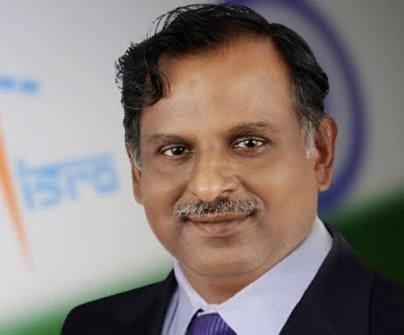
On 25 November 2025, Indian Space Research Organisation (ISRO) Chairman V. Narayanan unveiled what could be a turning point for India’s aerospace and defence ambitions. Speaking after inaugurating a new hub — the first-of-its-kind private-sector “Centre of Excellence in Navigation” by Ananth Technologies in Thiruvananthapuram — Narayanan laid out a bold vision: to end foreign dependence on navigation systems and build a self-reliant India by 2047. 

He stressed that navigation systems are among the most complex technologies in aerospace — so complex that relying solely on ISRO would no longer suffice. 

🔧 Why Private Sector Must Drive Navigation Technology

  • 🚨 Navigation Tech is Ultra-Critical and Complex
    Narayanan emphasized that navigation systems — encompassing Positioning, Navigation and Timing (PNT) — are foundational to satellites, rockets, missiles, defence systems and even civilian infrastructure. Their complexity demands specialized expertise and scale — beyond the scope of a single government organisation.  
  • 🏭 From Prototype to Mass Production — Lower Costs, Better Reach
    Historically, India has relied heavily on imported navigation components for space missions and defence hardware. That dependence hurts strategic autonomy, inflates costs, and slows deployments. 
    By bringing in private firms like Ananth Technologies, the aim is to transition from prototype-only production to large-scale manufacturing. As Narayanan noted: while initial units might mirror global costs, large-scale production domestically could drastically reduce prices.  
  • 🇮🇳 Strategic Self-Reliance & 2047 Ambitions
    Tying this shift to the national goal of Viksit Bharat 2047, Narayanan argued that for India to truly emerge as a developed nation, it needs technological independence — especially in critical fields like navigation. Private-sector participation isn’t just welcome; it’s essential.  

🚀 What This Means for India: Space, Defence — and Beyond

  • ✅ Strategic Autonomy Gains Strength
    With domestic firms handling navigation tech, India can avoid supply-chain uncertainty, dependencies, and vulnerabilities intrinsic to foreign imports — vital for rockets, satellites, missiles, and defence systems.
  • 💰 Affordability & Faster Rollout
    Mass-scale local production means lower unit costs. That could translate to more satellites, quicker launches, more missiles — without cost-overheads choking programmes.
  • 🛰️ Boost to Space & Defence Capabilities
    A vibrant domestic navigation-tech industry could speed up rollout of satellites, improve precision of defence systems, and even benefit civilian services (mapping, positioning, communication).
  • 🔄 Stimulates Private Innovation & Collaboration
    Involving private firms encourages healthy competition, innovation, and strengthens collaboration between public and private sectors — a paradigm India’s space sector has been gradually moving toward.

🌟 What This Move Symbolises — And Why to Watch It

The inauguration of Ananth Technologies’ navigation hub underlines a larger shift: India is no longer content being a taker of foreign tech — it wants to build and control it. As Narayanan put it, navigation is “a very critical area” — and entrusting it partly to private industry signals trust, ambition, and readiness for the next phase of India’s aerospace journey. 

If all goes well, in coming years we could see a cascade of Indian-built satellites, rockets, defence gear, and technologies — all powered by indigenous navigation systems. A stronger, self-reliant, space-ready India.

Naubhandana: The Lost Name of the World’s Roof

0

A legend sleeps behind the snow-laden summit of the highest peak on Earth — a legend that whispers the name Naubhandana.

🌄 What’s in a Name: From Sagarmatha to Naubhandana

  • In local lore, the mighty mountain stands known as Sagarmatha, or by other regional names.
  • But ancient texts — echoing the sacred voices of past ages — speak of it as Naubhandana:
    “Nau” meaning boat, and “bhandana” meaning to tie or anchor.
  • This name is no poetic flourish — it carries the memory of a cosmic event when the world was reclaimed from the flood.

🌊 The Great Deluge and the Cosmic Ark

  • As time’s wheel turned to the end of the Chaksusha Manu Era, a catastrophic flood (Pralaya) consumed the lands.
  • The wise king Satyavrata Manu was commanded by Vishnu to build a massive boat — carrying sages, seeds, animals, and hope itself.
  • When the deluge rose to swallow everything, Vishnu manifested as the Matsya Avatar. With his mighty horn, he towed that ark through the endless waters.

🏔️ The Ark Anchored on the Lone Peak

  • Amid infinite waves, only one peak pierced the watery horizon: the mountain we now call Everest.
  • According to scripture, the boat was tied to that peak — hence the name Naubhandana.
  • Storytellers claim the summit still bears a faint, circular “band”— a subtle mark — visible at extreme altitude, said to be the ancient tethering point of the sacred vessel.

🔱 A Peak of Eternal Significance

  • Naubhandana is not just a geological wonder — it is a cosmic anchor, a bridge between mortal disaster and divine salvation.
  • The legend reminds humanity: even if the world drowns in chaos, a sacred refuge — the unshakeable mountain — endures.
  • For believers and seekers alike, the peak becomes more than rock and snow; it becomes hope carved into the Himalayas.

This is the tale of Naubhandana — not merely the tallest mountain, but the anchored beacon of life after the flood.

May its silent summit continue to remind us that even in the darkest deluge, salvation awaits the steadfast.

India Powers Up: Safran–DRDO’s Game-Changing Jet Engine Deal 🚀

0

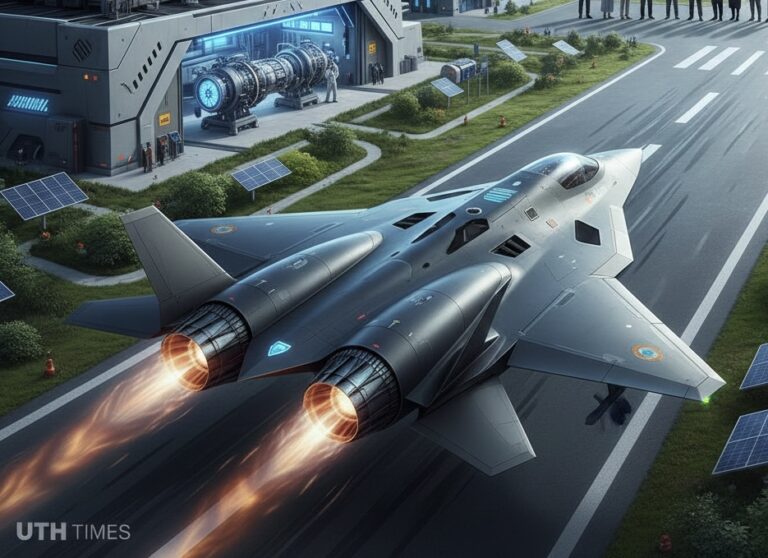
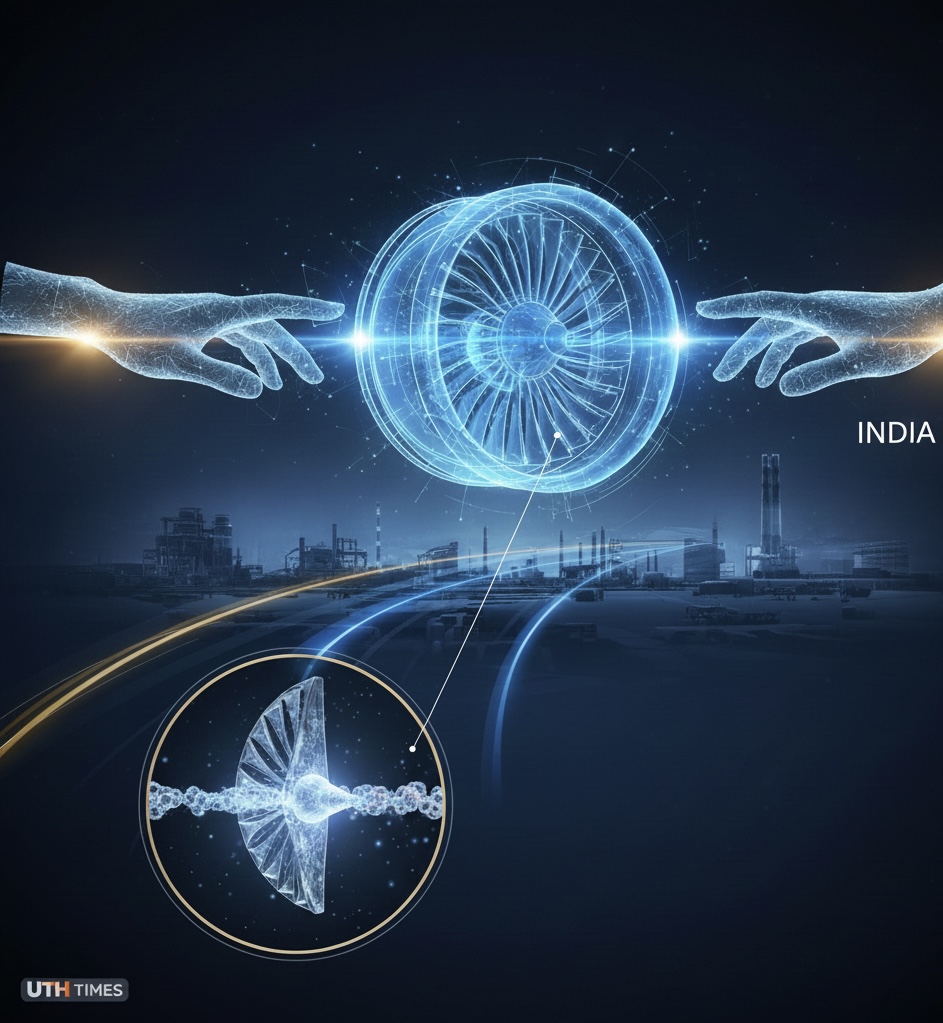
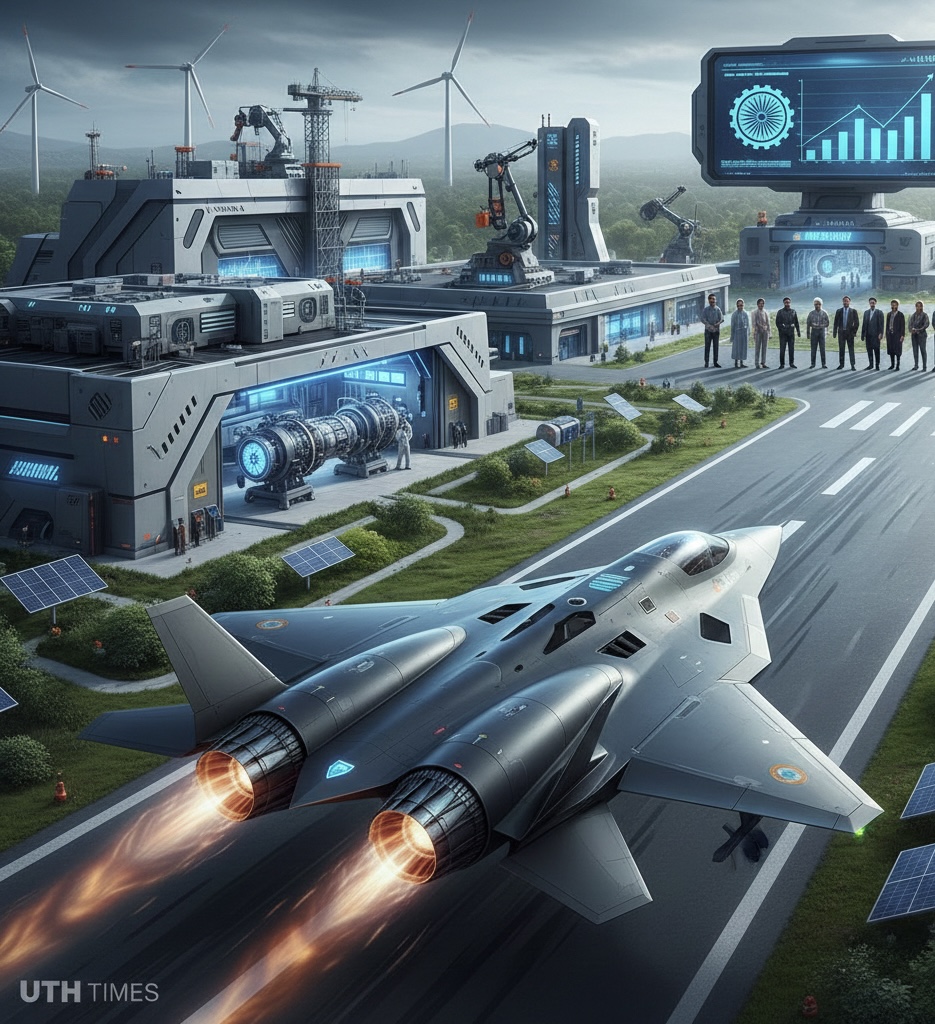
In a landmark move, French aerospace giant Safran has committed to full technology transfer to India for a next-generation fighter-jet engine — a first for any foreign defence vendor. This isn’t just assembly or licensed manufacture, but a complete handover: design, hot-section materials, turbine architecture — everything. The engine will be co-developed with Defence Research and Development Organisation (DRDO) under full Indian ownership of IP. 

The project, valued around US $7 billion, aims to deliver a high-thrust 120–140 kN class turbofan for India’s own fifth-generation stealth jet programme. 

🔧 What’s Being Transferred — And Why It Matters

  • 🌀 Full engine architecture and “hot-section” tech: Safran is handing over sensitive capabilities — like advanced combustors, turbine design, and hot-section metallurgy — often strictly guarded by leading aerospace nations.  
  • 🔬 Single-crystal turbine blade manufacturing: Producing single-crystal blades is a next-gen capability — improving heat resistance, efficiency, and engine lifespan. With this know-how, India can build engines that endure extreme performance demands.  
  • 🏭 Complete IPR and domestic production ecosystem: The transfer ensures India — not just DRDO — owns the intellectual property and manufacturing rights. Domestic firms (private and public) like Tata Advanced Systems, Larsen & Toubro and Adani Defence & Aerospace are expected to join the production effort.  

This deal moves India beyond dependence on foreign engines and begins building a self-reliant aerospace propulsion base — long a critical gap. 

✈️ What It Means for India’s Air Force & Defence Industry

  • Power for stealth and future jets: The engine is slated to power AMCA Mk‑2 — India’s indigenous 5th-gen stealth jet — giving it high thrust, better manoeuvrability, and stealth-compatible performance.  
  • Strategic autonomy: With full IPR and domestic manufacture, India gains sovereign control over engine supply, maintenance, upgrades — safeguarding against geopolitical supply-chain disruptions.
  • Boost to “Make in India”: Engine production, testing, certification, maintenance — all become domestic. This could lead to new jobs, technology-development hubs, and a robust aerospace ecosystem.  
  • Learning from past lessons: Earlier projects (like the indigenous Kaveri engine) struggled to deliver high-thrust engines suitable for modern fighters. This fresh start with global expertise + full transfer may finally bridge that gap.  

📆 What’s the Timeline

  • 🧪 The plan involves building around nine prototypes over a 10–12 year program.  
  • ✈️ First prototype flights are expected by ~2028, with full production forecast by 2035.  
  • ⚙️ In the interim, early versions of jets like the stealthfighter will likely use interim engines (e.g. US-sourced), while the joint Safran-DRDO engine comes online.  

🌍 Why This Move Is Geopolitically & Strategically Huge

Choosing a foreign vendor willing to give full tech + IPR transfer is rare — and the fact that Safran agreed signals deep trust and strategic alignment. This signals India’s readiness to break out of “import-only” defence culture and marks an aerospace-industry watershed.

Plus, modern aerial combat demands engines with high thrust-to-weight ratios, stealth-compatible exhaust signatures, reliability under harsh conditions — all of which only a few nations have mastered. India joining that club will shift regional power dynamics.

✅ Final Word

This $7 billion DRDO–Safran deal could be the turning point in India’s defence aviation story. Full tech transfer, domestic manufacturing, and world-class engine capability — the country is not just buying jets now, it’s building its future wings.

Why Attacking boAt’s IPO Looks Like Part of a Much Bigger Conspiracy

0

The criticism surrounding boAt’s IPO isn’t happening in isolation — it fits into a larger, repeating pattern where every major Indian corporate success story gets attacked right before key economic milestones.

And when you look closely, the pattern tells you something uncomfortable:

There is a well-coordinated ideological ecosystem — often aligned with deep-left, radical, anti-growth narratives — that needs Indian IPOs to fail, because India’s economic rise dismantles their political agenda.

1️⃣ The Bigger Picture: “Attack India Inc, Attack India”

Every time a homegrown brand prepares to list, a section of the ecosystem starts pushing:

  • “It’s overvalued.”
  • “It’s a bubble.”
  • “It will fail.”
  • “Investors will be cheated.”

Never mind the facts.

Never mind the fundamentals.

Never mind global norms.

The objective is simple:

👉 Undermine trust in Indian startups → weaken Indian markets → weaken India’s growth story.

2️⃣ IPOs Are India’s Soft Power — That’s Why They Get Targeted

An IPO isn’t just a financial event.

It’s a signal:

✔ India is innovating

✔ India is building brands

✔ India is attracting capital

✔ India is becoming self-reliant

This directly threatens ideologies that survive on portraying India as:

  • “failing,”
  • “collapsing,”
  • “broken,”
  • “crony-driven,”
  • “anti-business,”
  • “anti-investor.”

A successful IPO kills their favourite narrative — so they attack it before success is even possible.

3️⃣ Why boAt Specifically? Because It Breaks Too Many Stories

boAt is everything the “anti-India economic ecosystem” hates:

  • A young Indian consumer brand beating foreign giants
  • Built by millennial entrepreneurs, not “old establishment”
  • Scaling without political patronage
  • A brand that dominates youth culture
  • A symbol of the New India economy

If boAt’s IPO succeeds, it shows the world that Indian lifestyle brands can achieve global-scale valuations.

This is exactly the kind of success the ideological left wants to prevent.

4️⃣ The Playbook Is Always the Same

You’ll notice the pattern:

  1. Leak fear-driven narratives
  2. Amplify selectively negative data
  3. Present opinions as financial analysis
  4. Seed doubt among retail investors
  5. Create a cloud of “controversy”

If retail investors lose trust → IPO demand drops → listing struggles.

Then the same ecosystem uses the dip to scream:

“See! India Inc is failing!”

➡️ It’s a self-fulfilling propaganda loop.

5️⃣ The Final Objective: Damage India’s Economic Mood

Make no mistake — it’s not just about boAt.

It’s about India’s economic confidence.

🔹 If India’s IPO market grows → India becomes the preferred hub for global capital.

🔹 If India’s startups succeed → India becomes the blueprint for emerging markets.

🔹 If India’s brands go global → the “old ideological ecosystem” becomes irrelevant.

So they attack precisely the things that represent India’s rise.

🧭 Conclusion: The boAt IPO Attacks Aren’t Random — They’re Strategic

This isn’t criticism.

This isn’t analysis.

This is narrative warfare.

And boAt is simply the latest battlefield.

The ecosystem that thrives on negativity, hopelessness, economic distrust, and ideological disruption doesn’t want India Inc to succeed — because a confident, growing India leaves no space for their politics.

That’s why boAt is being targeted.

That’s why Indian IPOs are constantly attacked.

And that’s why India must recognise this for what it is:

👉 A coordinated attempt to weaken the story of New India.

The Hidden Switch of the Mind: The Discovery That Changed 1963

0

1963 wasn’t just another year. It was the year a man claimed he had found the universe’s greatest secret—not in the stars, but inside the human mind. What he found was not magic… but mental mechanics.

🧠 THE SWITCH THAT CONTROLS REALITY

⚡ The Theory That Shocked Scientists

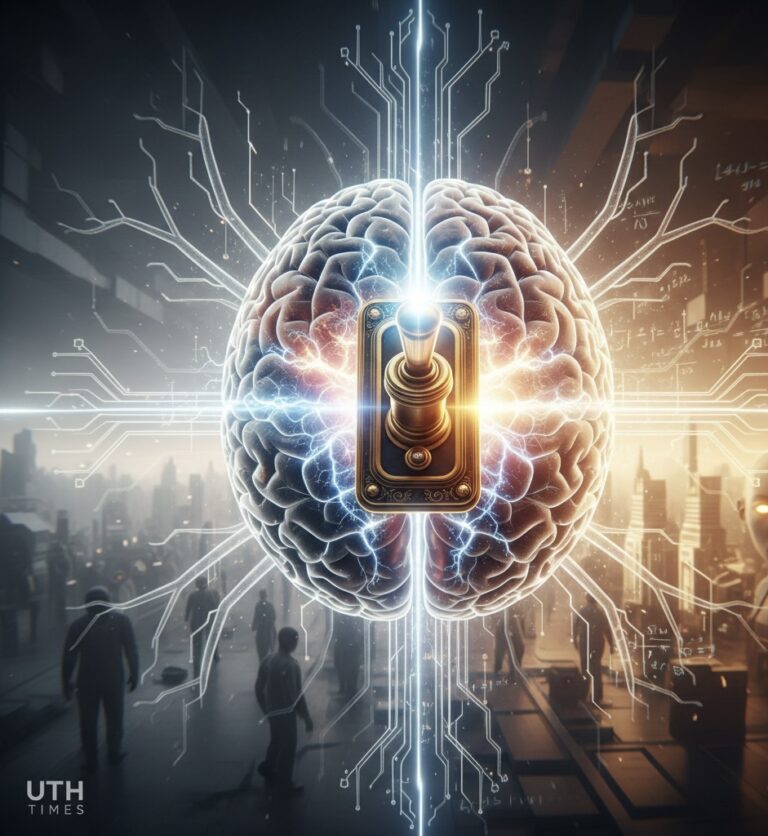
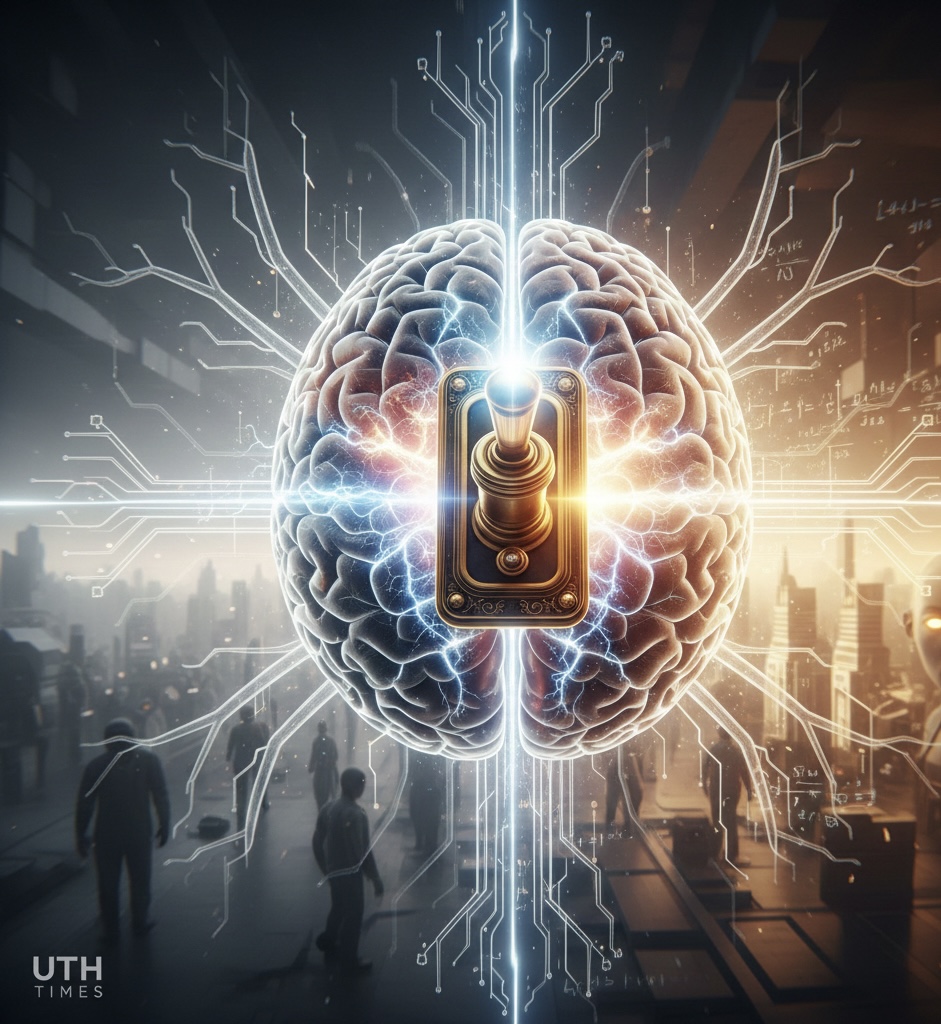
🔹 The claim: the human brain carries a psychological “switch”—a point of activation that transforms perception, attention, and even physical reactions.

🔹 When activated, it changes how reality is processed, making people:

  • Experience intense clarity
  • Feel stronger focus
  • Solve problems faster
  • Notice opportunities they previously ignored

🔹 It was not religious. Not mystical. It was neuropsychological. Researchers saw that when someone believes deeply in a thought, the subconscious rewires the brain’s Reticular Activating System (RAS)—a tiny structure that filters information and shapes what the mind sees as “reality.”

💡 In simple words: what you focus on becomes your reality.

🧬 THE 1963 DISCOVERY

🧪 The Man Who Found It

A behavioral researcher in 1963 noticed something unusual:

👉 When people were given a trigger phrase (“I decide what I see”), their brains shifted instantly. Heartbeat slowed. Eyes widened. Muscles relaxed.

👉 They behaved like they had overridden fear, and locked into problem-solving mode.

This was not hypnosis.

It was called Cognitive Switching—a rare mental state where the mind shifts from survival mode to creation mode.

🛠️ The Switch Happens When:

  • 🧠 Belief overrides doubt
  • 🎯 Focus overpowers fear
  • 🧩 Imagination replaces limitation
  • 💭 Vision becomes more real than memory

⚠️ THE WARNING

🚨 Activating the Switch Isn’t Always Safe

Researchers noticed a dangerous side:

👉 Some people used this mental switch for ego, control, or manipulation.

👉 Others became disconnected from reality, mistaking imagination for truth.

The real warning:

You can switch your mind into a higher gear…

but you must also stay grounded—otherwise the switch controls you.

🔍 HOW TO ACCESS IT (Scientifically Backed)

  • 🧘‍♂️ Slow breathing (activates vagus nerve)
  • 📜 Repeat a power statement: “I choose what my mind sees.”
  • 🎬 Visualize ONE goal as if it already exists
  • ✍️ Write it once daily — the act programs the RAS

This isn’t magic.

It’s Neural Intentional Programming.
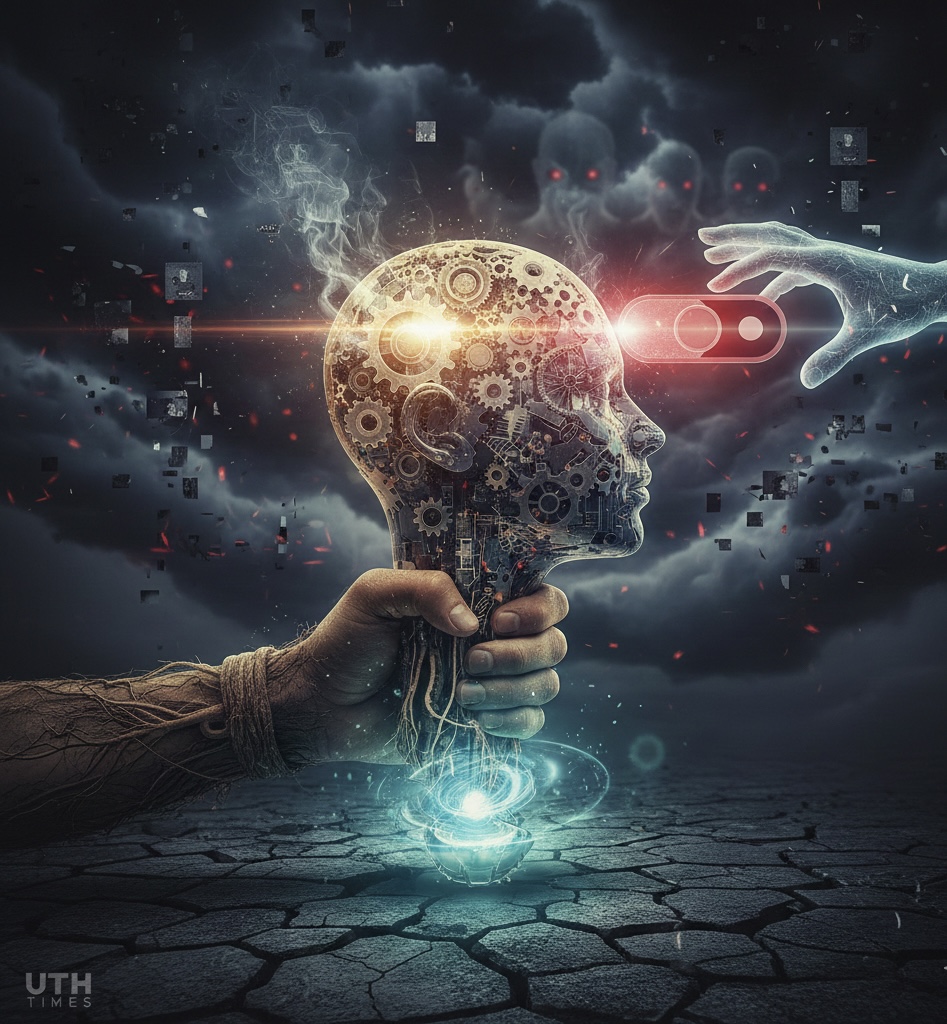
The mind doesn’t obey logic.

It obeys repetition.

🪐 Ending

The greatest switch is real—and it’s inside you. But the question remains:

Are you using it? Or is it using you?

 India’s Export Shift: Breaking Free from US — Bold New Markets Fuel Growth

0

India’s export story in 2025 is evolving — fast. According to a fresh State Bank of India (SBI) report, the country’s merchandise exports during April–September 2025 climbed to USD 220 billion, up from USD 214 billion in the same period last year. 

What’s striking is not just this modest overall growth — but the clear shift away from over-reliance on the US.

📦 Exports Up, But US Share Slides

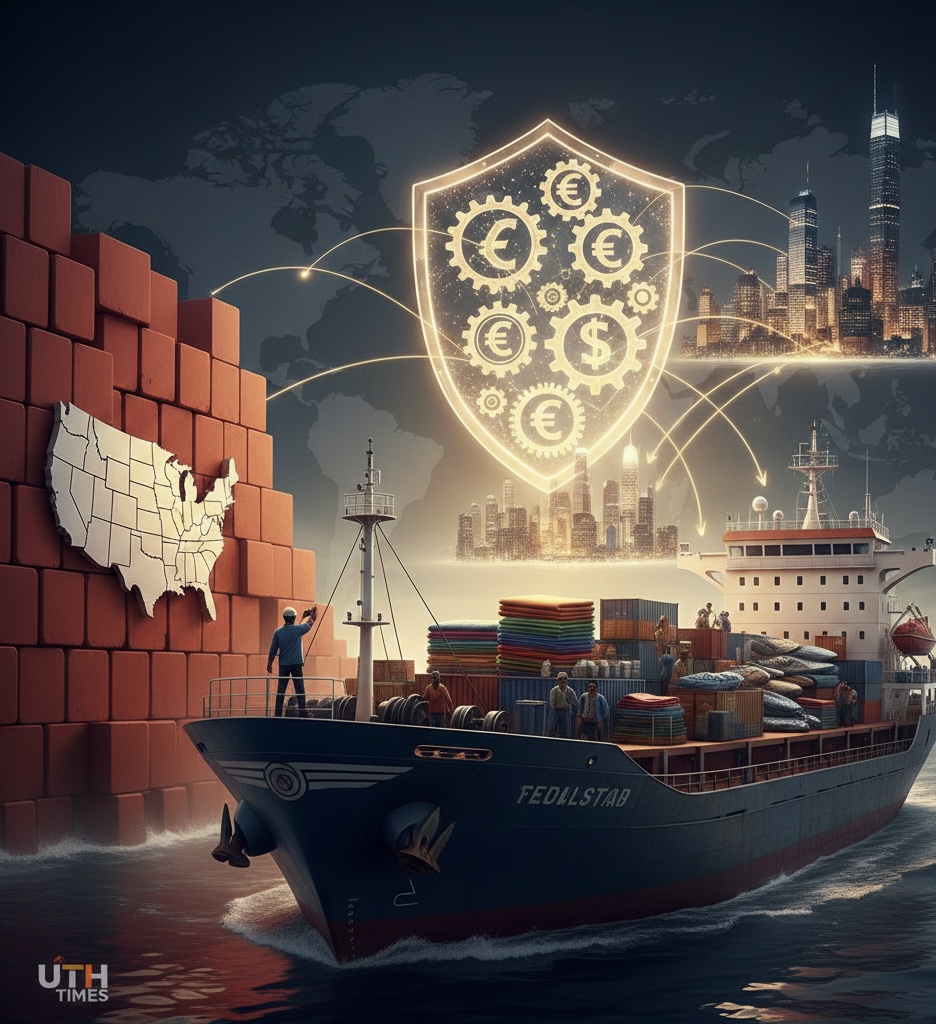
  • While total merchandise exports rose 2.9%, the share destined for the United States has been shrinking since July 2025, sliding to about 15% by September.  
  • In absolute terms, shipments to the US still grew: cumulative US exports in Apr–Sep rose ~13% (from USD 40 bn to ~USD 45 bn).  
  • But September saw a sharp drop: US-bound exports fell nearly 12% compared to a year ago, especially hitting sectors like marine products, precious/semi-precious stones, ready-made garments and cotton fabrics.  

This contrast — overall export growth despite a slump in US shipments — points to a deliberate diversification strategy.

🌍 A Global Spread: New Markets Taking Centre Stage

The SBI report notes that export destinations are diversifying fast. Besides the US, top growth is coming from United Arab Emirates (UAE), China, Vietnam, Japan, Hong Kong, Bangladesh, Sri Lanka, Nigeria and many more. 

  • In fact, exporters recorded positive growth across 24 countries, collectively accounting for about 59% of India’s exports in H1 FY26.  
  • This growth spans across a broad mix of sectors — not just traditional garments or jewels — signalling a structural shift rather than a short-term blip.  

This transformation reduces concentration risk: instead of depending on one big buyer (US), India now seems to be building a diversified network of buyers globally.

⚠️ What Prompted the Shift? Tariffs, Strategy & Survival

Why this pivot? A few big drivers:

  • The US imposed high tariffs on many Indian exports, especially labour-intensive items like garments, textiles, gems & jewellery, and marine products — squeezing margins dramatically.  
  • In response, exporters seemed to have recalibrated: instead of fighting tariff headwinds in one country, they broadened their reach — tapping new demand centers across Middle East, Asia, Africa and beyond.
  • Meanwhile, government support — including credit guarantees — also appears to have cushioned exporters and helped them adjust.  

🚀 What This Means for India’s Trade Future

  • The diversification trend builds resilience: global demand shocks, tariff wars, or geopolitical issues hit one country less hard if trade is more spread out.
  • For Indian exporters, this could mean more stability — less dependency on a single market, and more incentive to scale up production and diversify product lines.
  • On a macro level, India’s export architecture is evolving — from “US-heavy” to “global-spread,” which could reshape trade strategy, logistics, and even how trade agreements are approached.

🔚 Closing Thought

India’s trade story in 2025 isn’t about wild growth or record-breaking numbers. It’s smarter, craftier, and more resilient. By diversifying exports beyond the US — reaching across continents — India seems to be crafting a globally balanced export portfolio. The message is loud and clear: the world is now India’s customer base.

Sanatan Temples: The Most Advanced Mind Technology on Earth

What if temples were never religious spaces — but neuroscience hubs built to transform human consciousness? Sanatan Dharma didn’t just create places of prayer. It created technologies for the human mind — centuries before modern science even had names for them.

🧠 Temples as Human Energy Upgraders

Ancient rishis viewed humans as energy receivers. Temples were built where Earth’s geomagnetic field was strong — so simply standing there could recalibrate brainwaves, reduce stress, and induce clarity.

  • 🧲 Located on magnetic hotspots to balance body energy
  • 🧘 Brain shifts to Alpha waves — same as deep meditation
  • 💓 Heart rate slows down & cortisol (stress hormone) drops

You don’t go to a temple — the temple works on you.

🔊 Bell Physics: A Reset Button for the Brain

The bell in a temple is not symbolism. It is frequency engineering.

  • Produces 7 healing sound frequencies → activates all chakras
  • Creates a thoughtless gap for 6–7 seconds — proven by EEG scans
  • Synchronizes both sides of the brain — a rare neurological phenomenon

⚖️ Right brain (emotion)

⚙️ Left brain (logic)

➡️ After the bell rings — they operate in harmony.

🔆 Murti Is Not an Idol — It’s a Charged Energy System

Murtis were never God’s face. They were energy receivers:

  • 🪨 Made from black granite — a powerful conductor
  • 📐 Built with sacred yantra geometry — never random
  • ⚛️ Energized through Prana Pratishtha — transferring energy via sound & rituals

Think of it as charging a battery — the murti becomes a live transmitter of energy frequencies.

🔉 Mantra: Sound as a Science, Not Prayer

  • 🧬 Every mantra is a precise frequency algorithm
  • 🔄 Repetition structures water molecules in your body
  • 🎯 “Om” vibrates at 136.1 Hz — same frequency as Earth’s orbit around the Sun
  • 🧠 MRI scans: mantra chanting reduces anxiety & depression

🧠 Mantras are not spiritual requests — they are neurological tools.

🔥 Rituals = Psychological & Energetic Reprogramming

  • 🪔 Lighting a lamp releases negative ions → purifies air
  • 🌀 Parikrama balances both brain hemispheres through circular motion
  • 💧 Sprinkling water activates sensory reset in neural pathways
  • 👁️ Tilak stimulates the pineal gland — your “third eye”

➡️ Temples were not places of belief — they were clinics for the mind.

🛕 Temple Architecture = Sonic Geometry

Temples were designed using Vaastu & Sonic Resonance Architecture:

  • The Garbhagriha (sanctum) produces echo-free silence
  • Stone absorbs chant vibrations & releases them slowly
  • The temple floor naturally grounds electric charge from your body

➡️ Every step inside a temple changes your body without you realizing it.

🔷 END

Temples were never just places of worship.

They were human upgrade centers —

built not to control belief,

but to unlock consciousness.