
Home Blog Page 42

India–Russia Rocket Upgrade: How RD-191M Could Transform LVM3

0

Russia’s proposal to transfer full RD-191M engine technology to ISRO isn’t just a deal — it’s a turning point that could rewrite India’s heavy-lift capabilities and push LVM3 into a new global league.

🚀 The RD-191M Advantage: Why This Engine Changes Everything
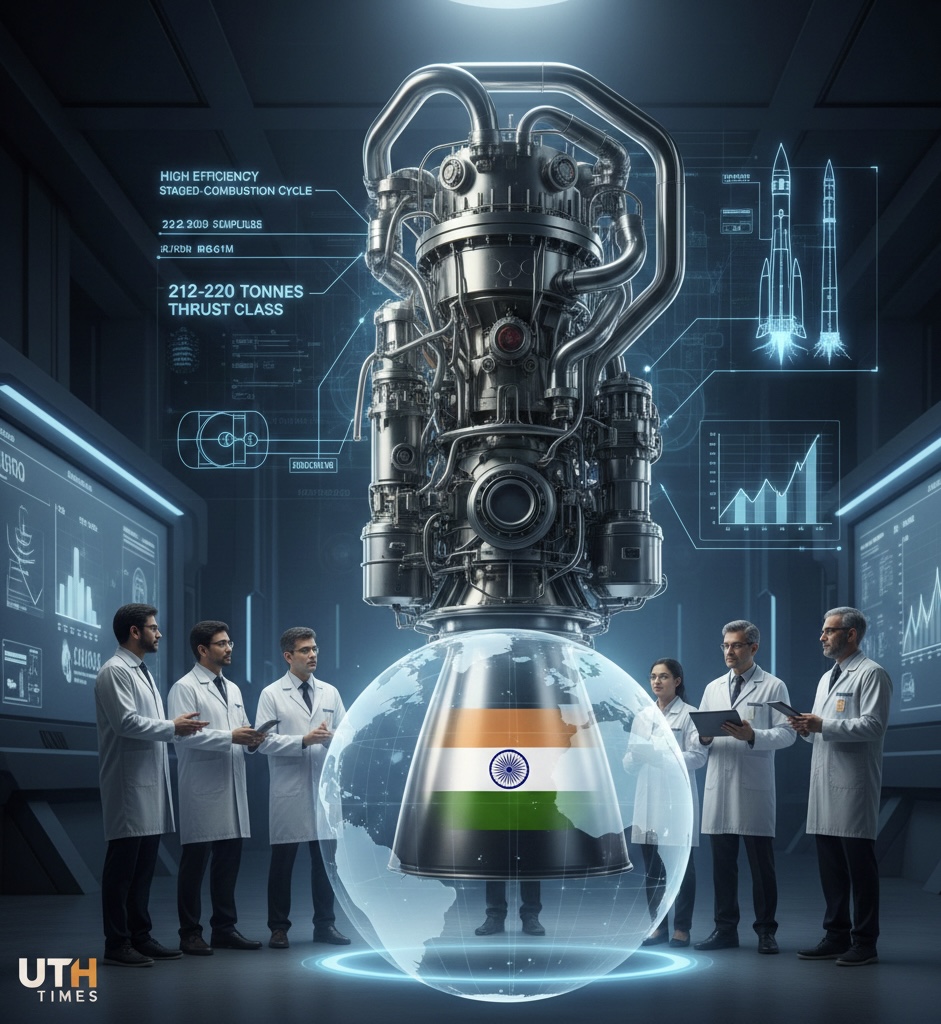
The RD-191M, a high-performance, single-chamber, staged-combustion kerosene engine, is one of the world’s most advanced rocket engines. Designed for the Angara family, it delivers insane thrust levels with incredible efficiency — something most nations can only dream of mastering.

What makes RD-191M special?

  • ⭐ High Efficiency Staged-Combustion Cycle
    This cycle burns fuel more completely, giving a huge jump in specific impulse and thrust—ideal for heavy-lift missions.
  • ⭐ Thrust Class of 212–220 tonnes
    A massive upgrade compared to the LVM3’s current S200 boosters and L110 liquid stage.
  • ⭐ Modern, Modular, Scalable
    Its design can be adapted for Indian conditions, materials, and future heavy-lift variants.

With a tech transfer, ISRO wouldn’t just get an engine — it would gain the knowledge, metallurgy, turbopump designs, fuel management systems, and combustion chamber technologies that normally stay locked inside Russian vaults.

🛰️ LVM3: From 4T to 7T — A Potential Payload Breakthrough
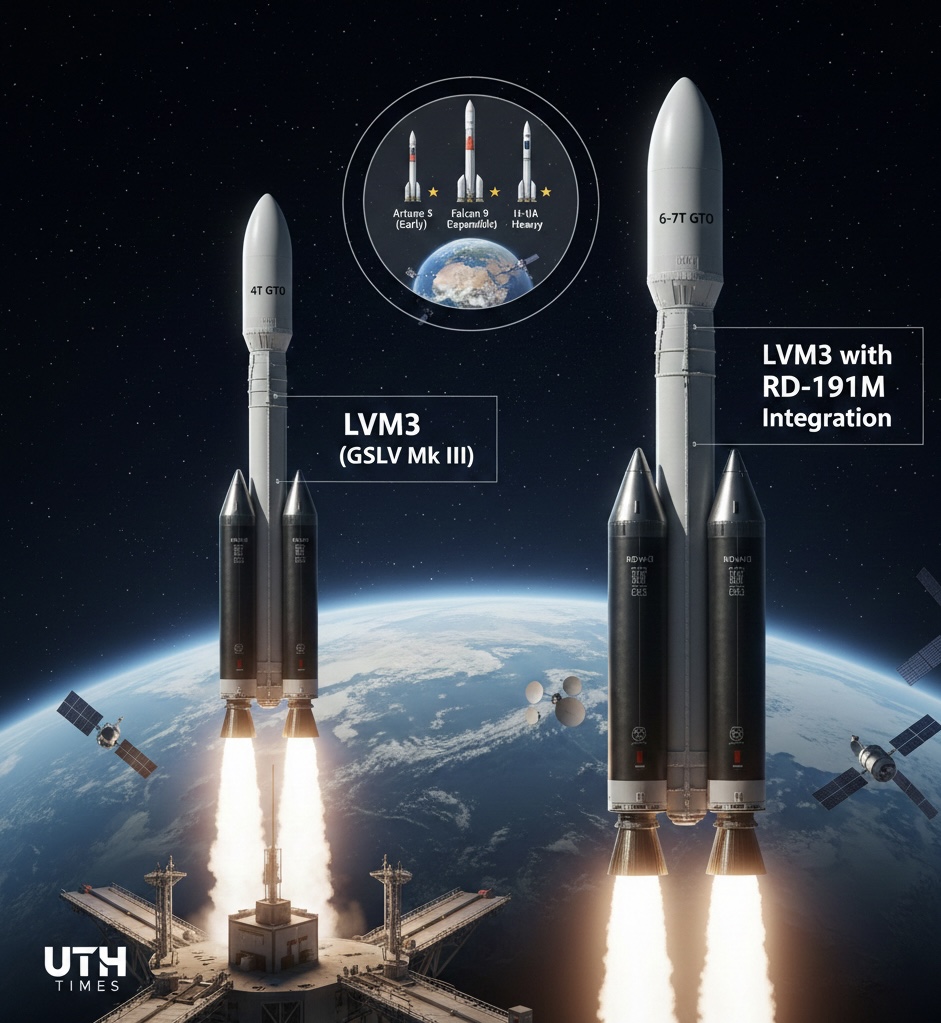
Today, the LVM3 (GSLV Mk III) can place ~4 tonnes to GTO.

With RD-191M integration (either on side boosters or a redesigned core stage), experts estimate a jump to:

📌 6–7 tonnes to GTO

This places LVM3 shoulder-to-shoulder with:

  • ⭐ Ariane 5’s earlier variants
  • ⭐ Falcon 9’s early expendable versions
  • ⭐ Japan’s H-IIA heavy models

India would suddenly become a global contender for commercial GEO launches, where per-kg prices are extremely lucrative.

🤝 Strategic Shift: Why Russia Wants This Deal Now

Several geopolitical and commercial factors align:

  • ⭐ Russia wants deeper space ties with India amid Western sanctions.
  • ⭐ India is emerging as the world’s fastest-growing launch market.
  • ⭐ ISRO’s upcoming Next-Gen Launch Vehicle (NGLV) could use this tech as a stepping stone.

Full engine tech transfer is extremely rare — even China never received such depth for RD-180/191 class engines.

If approved, India becomes the only nation outside Russia to fully master the RD-191M architecture.

🔭 What This Means for India’s Space Future
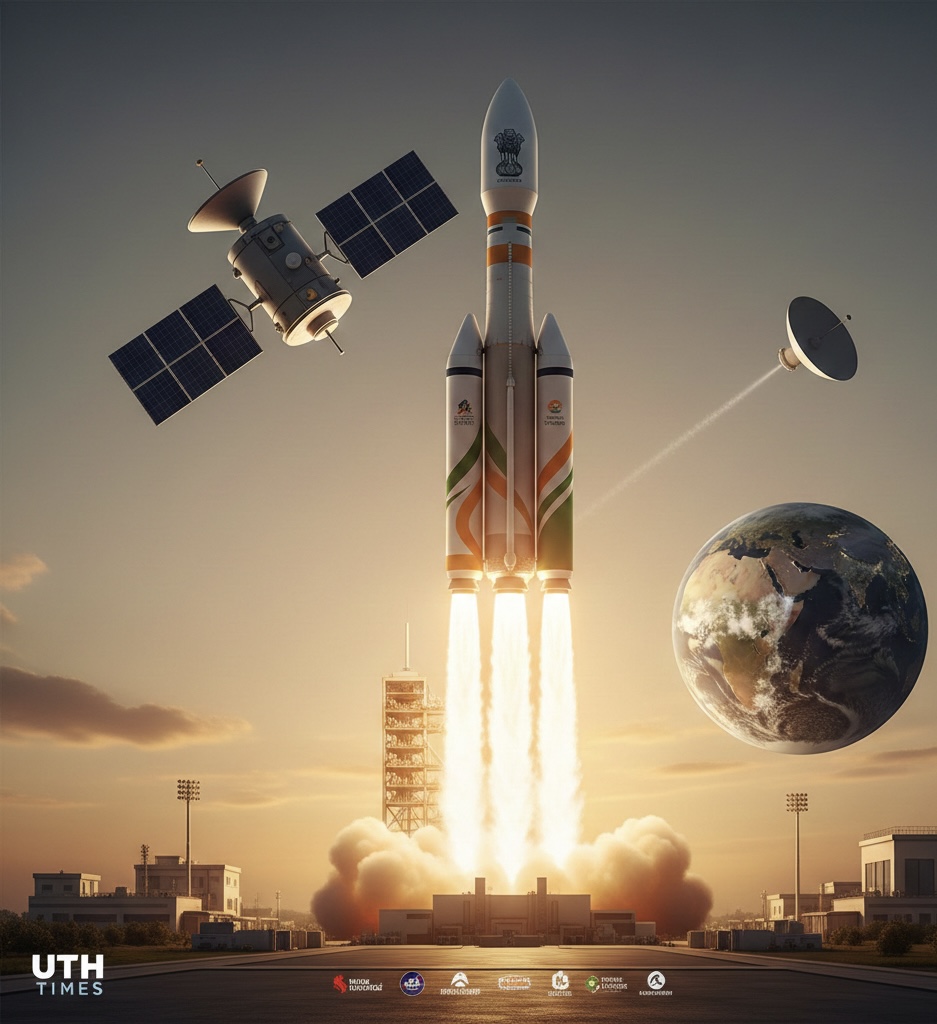
  • ⭐ Cheaper GEO satellite launches
  • ⭐ Bigger payloads for deep-space missions
  • ⭐ Faster timeline for NGLV development
  • ⭐ Major boost to private launch startups through shared know-how

This isn’t just an engine upgrade; it’s an industrial revolution for India’s launch sector.

If the deal goes through, RD-191M could become the spark that launches India into the heavy-lift elite — a shift that will echo across global space economics for years.


The Truth Behind INR/USD and the Anti-Modi Narrative

0

Every time the rupee moves towards ₹90 per dollar, a familiar chorus starts: “Modi destroyed the rupee.”

This sounds dramatic, but it ignores basic economics, global shocks, and India’s own history.

Here’s a simple, fact-based breakdown.

10 Key Points

1. Rupee has always fallen vs dollar

Under every government, INR has depreciated because India has higher inflation and imports a lot (oil, defence, machinery).

2. Rate of fall is similar to UPA years

The percentage depreciation in the last decade is broadly in line with 2004–2014.

3. Dollar is unusually strong

The US dollar has surged against most world currencies, not just the rupee.

4. Look at a basket, not just USD

Against a group of major currencies, the rupee has done better than the USD-only headline suggests.

5. Forex reserves are near record highs

A “collapsing” currency doesn’t usually coexist with one of the world’s largest FX reserves.

6. Growth is among the highest globally

India is still one of the fastest-growing major economies, even with a weaker rupee.

7. Inflation is largely contained

No hyperinflation, no currency crisis — just normal emerging-market pressures.

8. Global shocks matter

Tariffs, foreign outflows, oil prices and wars hit all emerging markets, not only India.

9. RBI follows a managed float

The central bank lets INR move gradually and steps in mainly to smooth volatility.

10. Artificially “strong” rupee is worse

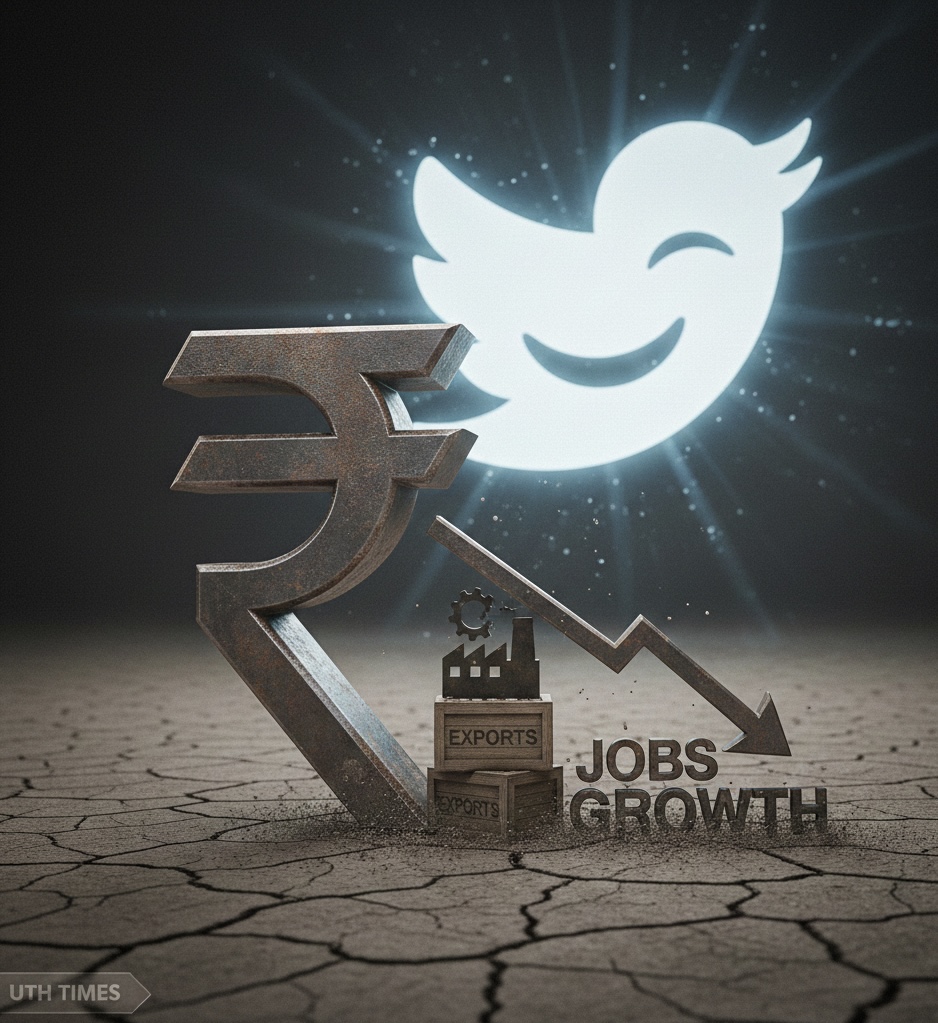
Forcing a high rupee level would kill exports, jobs and growth, just to look good on Twitter.

Summary

Attacking only the Modi government for INR/USD levels is more about politics than economics.

The rupee’s slide is part historical, part global, and partly a deliberate choice to protect growth and jobs.

Context, not propaganda, tells the real story.

Why Elon Musk Says AI Must Move to Space: The Case for Solar-Powered Satellites Within Five Years

0

AI’s Energy Escape Route

Elon Musk is sounding an alarm the world can’t ignore: AI’s growth is about to hit a wall—not because of algorithms, but because Earth won’t be able to power what’s coming.

🌍 AI’s Insatiable Power Demand: Earth Is Too Small

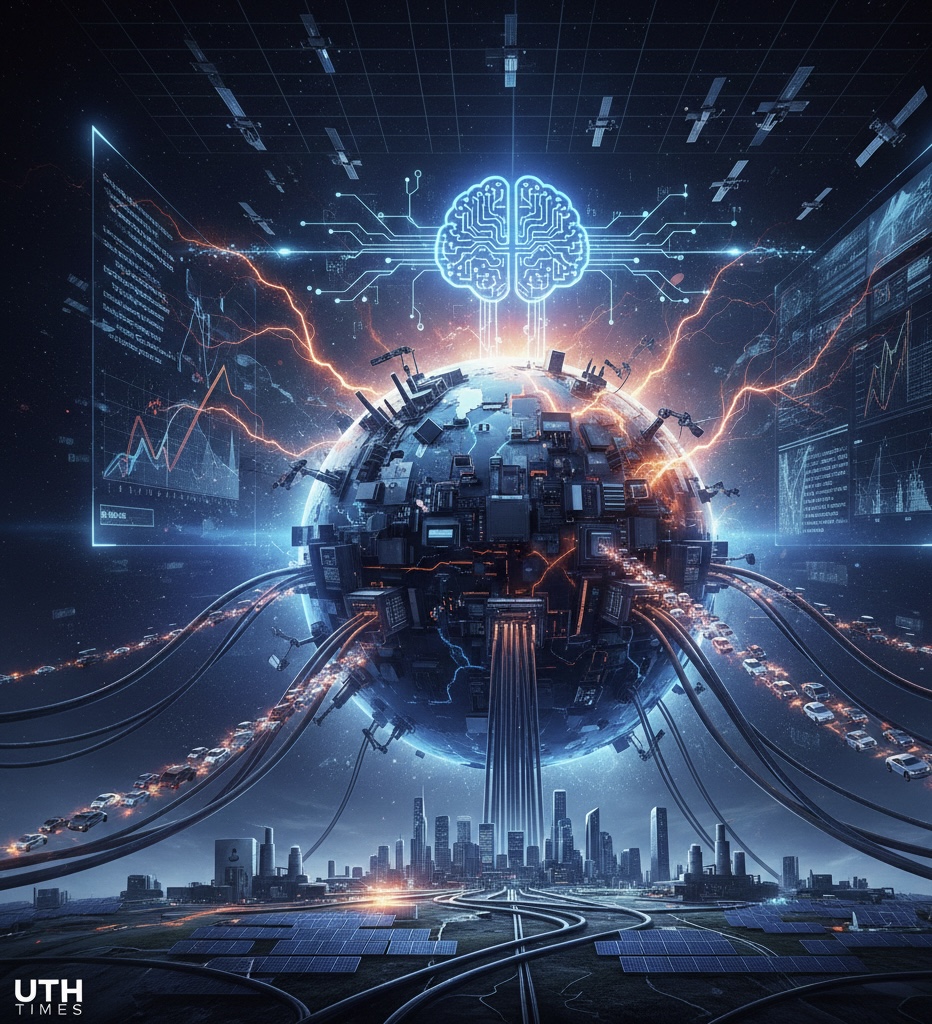
AI isn’t just advancing—it’s scaling at a planetary level. Musk highlights a staggering projection: within the next few years, AI could consume 300 gigawatts of power annually.

🟡 That’s nearly two-thirds of the entire electricity output of the U.S.

🟡 That’s more than many nations produce in a decade.

Why so extreme?

  • 🤖 Trillion-parameter AI models
  • 🏭 Robotics and automation across industries
  • 🚗 Self-driving fleets needing nonstop computation
  • 🌐 Massive inference load from billions of users

Even with expanding solar farms, nuclear capacity, better grids, and faster data centers—Earth’s infrastructure can’t scale fast enough.

⚡ The 1-Terawatt Wall: Earth Reaches Its Limit

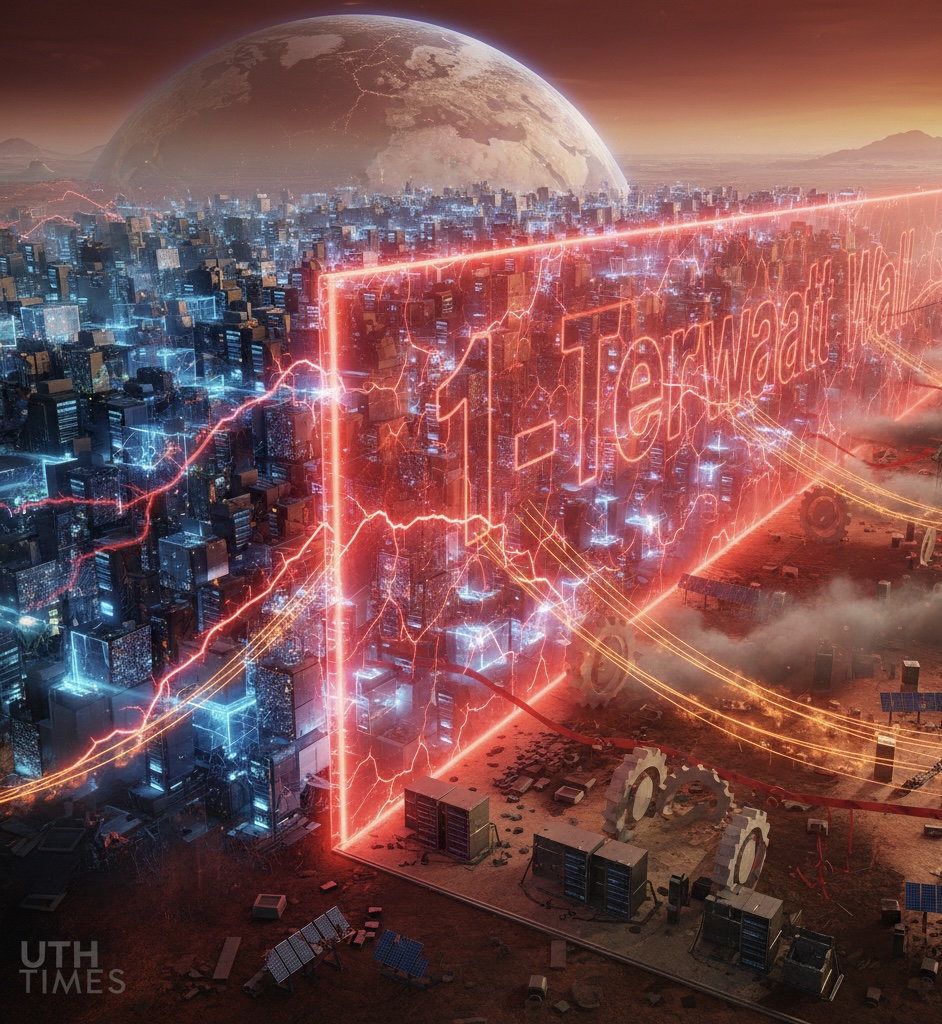
Once AI hits 1 terawatt of annual energy consumption, Musk says the world will hit a hard physical limit.

Earth’s constraints become unavoidable:

  • 🟥 Limited land for solar arrays
  • 🟥 Transmission losses across long-distance grids
  • 🟥 Battery storage shortages
  • 🟥 Environmental and regulatory bottlenecks

Even doubling or tripling renewable capacity won’t solve it. We’d be trying to power a digital universe using a grid designed for the 20th century.

AI will simply outgrow the planet that built it.

☀️ Space: The Only Place With Unlimited Power

This is where Musk’s bold solution steps in:

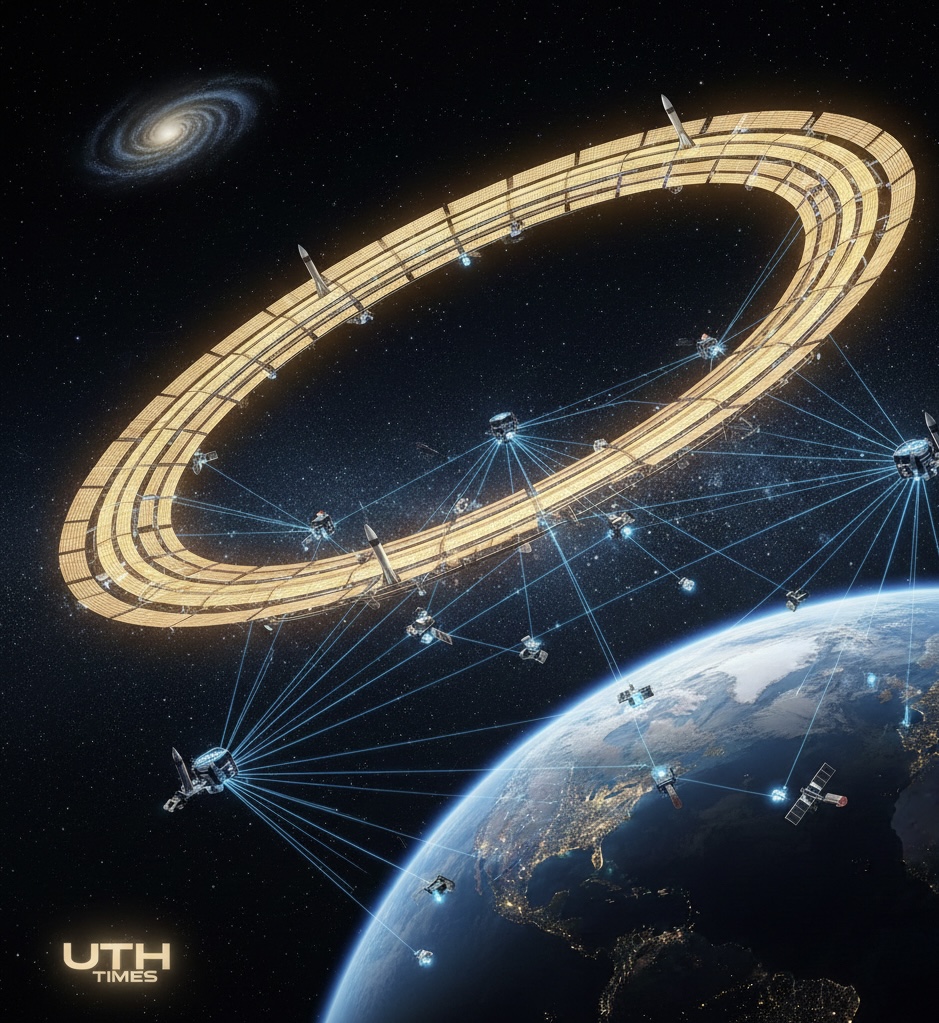
Build solar-powered AI satellites in orbit.

Space offers advantages Earth never will:

  • ☀️ Continuous sunlight—no clouds, no night
  • 🔆 3–4x more efficient solar generation than Earth
  • 🛰 Zero land usage
  • 🔋 No environmental impact
  • ♾️ Limitless expansion capacity

Imagine clusters of solar megastructures powering orbital AI supercomputers—training models, running global inference, optimizing Earth systems, and even beaming energy back to the surface.

This isn’t sci-fi. Musk argues it’s the only logical next step.

🚀 The Five-Year Window: Why This Must Happen Soon

Musk believes solar-powered AI satellites will emerge within five years due to:

  • 🚀 Starship slashing launch costs
  • 🧠 Exponential AI compute demands
  • 🌞 Advances in ultra-thin space solar arrays
  • 📡 Breakthroughs in wireless power transmission

The energy future of AI won’t be on the ground—it’ll be in orbit.

Ending:

AI is becoming too powerful for Earth’s limits. And as Musk warns, the sky is no longer the limit—it’s the destination. Space will become the engine room of the world’s intelligence revolution.

India’s FDI Surge: How $35.18 Billion Became a Signal of a New Economic Dawn

0

India just unlocked a new chapter in its economic playbook—FDI rising 18% to $35.18 billion, with U.S. inflows more than doubling. Numbers alone don’t tell the story; the transformation behind them does.

Why FDI Jumped: The Forces Behind India’s 18% Surge

🌐 1. Policy Reforms That Finally Hit Critical Mass

India’s policy architecture has silently matured over the last 5–6 years.

Key drivers:

  • ⭐ Ease of Doing Business upgrades — simplified approvals & fast-tracking strategic sectors
  • ⭐ Liberalised FDI norms in defence, space-tech, telecom, semiconductors
  • ⭐ Corporate tax cut to 22% (and 15% for new manufacturing)
  • ⭐ PLI schemes offering performance-based incentives across 14+ sectors

These reforms didn’t work overnight. But 2024–25 is the year they finally triggered investor confidence at scale.

🤝 2. U.S.–India Tech Alignment Became Stronger Than Ever

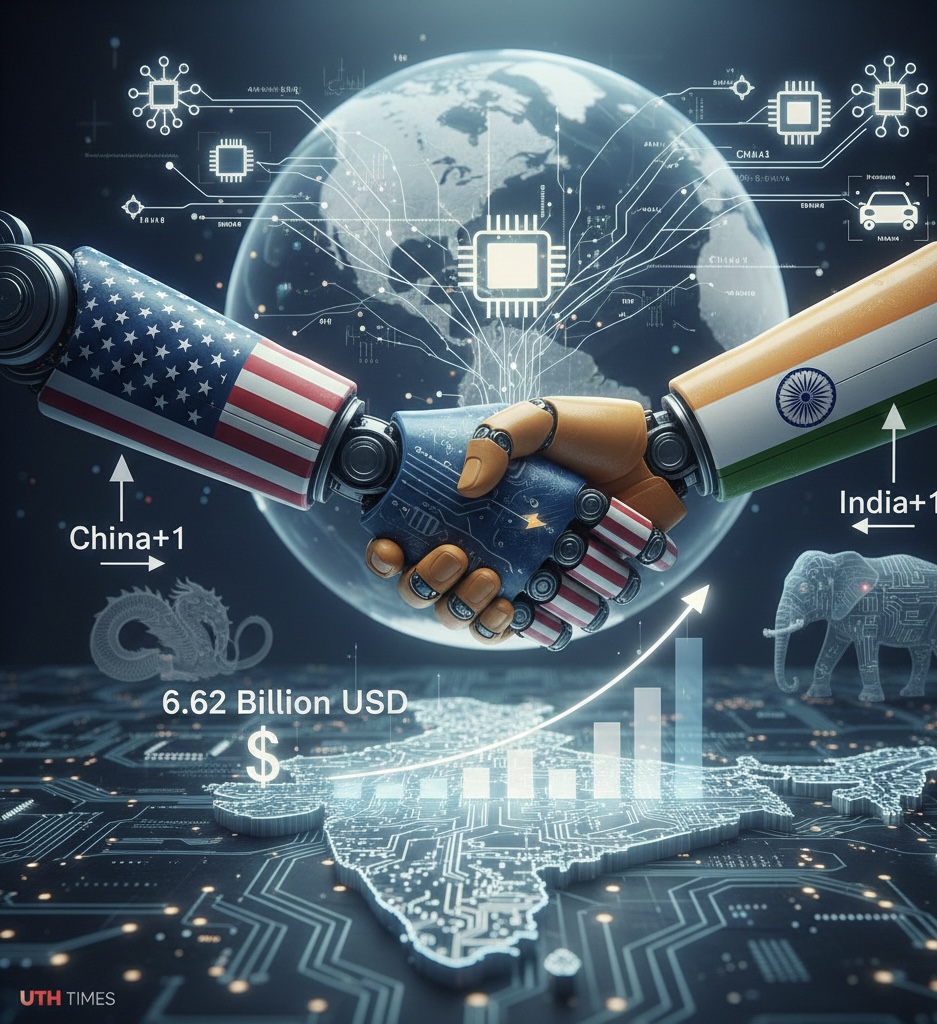
FDI inflows from the U.S. jumped to $6.62 billion because:

  • ⭐ AI, semiconductor and critical-tech partnerships accelerated
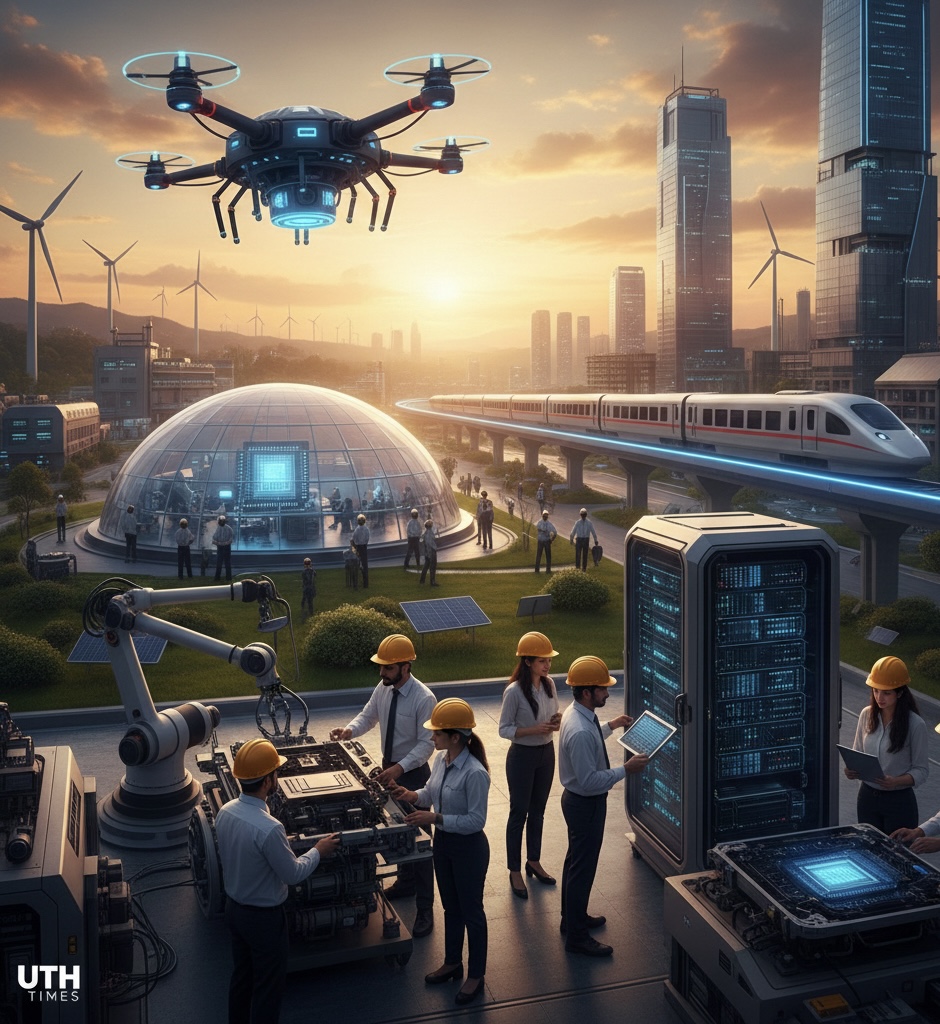
  • ⭐ Major U.S. firms expanded manufacturing footprints (electronics, cloud, EV components)
  • ⭐ India’s stable digital regulatory environment made it a prime alternative to China

The geopolitical shift—China+1 becoming India+1—is now visible in hard data.

🏗️ 3. India’s Massive Infrastructure Momentum Pulled Investors In

Investors are following the highways, ports, data centres, and freight corridors that India is rapidly completing.

  • ⭐ BharatNet & 5G expansion
  • ⭐ Industrial corridors like DMIC
  • ⭐ New logistics policy reducing costs

FDI flows where the foundation looks strong — and India is building that foundation brick by brick.

How This FDI Boom Will Transform India

🚀 1. Faster Job Creation & Industry Upgradation

  • ⭐ More high-value jobs in electronics, EVs, cloud, robotics, semiconductors
  • ⭐ Tech transfer → Indian industries become more efficient and globally competitive

FDI isn’t just capital — it’s knowledge, patents, and global networks.

🧵 2. Boost to Manufacturing: India Inches Toward Becoming the World’s Factory

  • ⭐ Diversification away from China
  • ⭐ PLI-driven mega factories in phones, batteries, solar modules
  • ⭐ Deeper participation in global supply chains

This is how India moves from assembling to manufacturing.

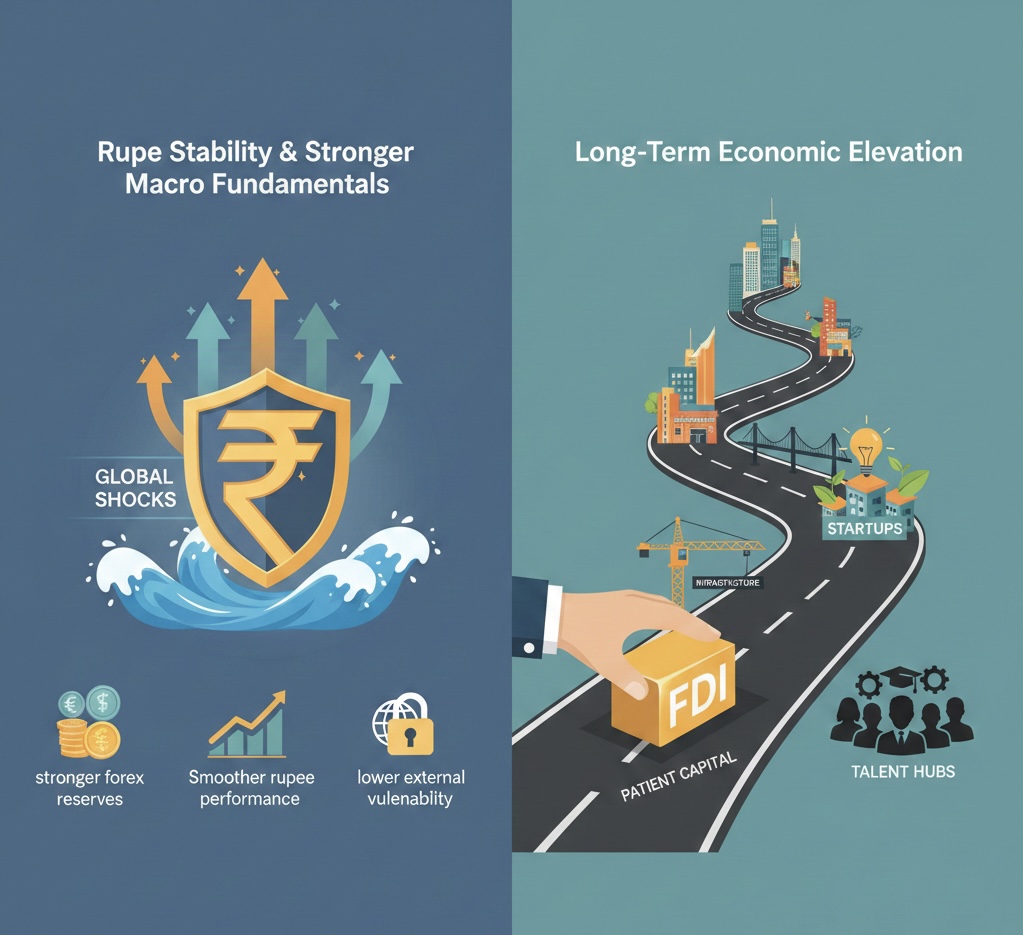
💸 3. Rupee Stability & Stronger Macro Fundamentals

More FDI →

  • ⭐ stronger forex reserves
  • ⭐ smoother rupee performance
  • ⭐ lower external vulnerability

It protects India from global shocks.

🛣️ 4. Long-Term Economic Elevation

FDI is not hot money — it’s patient capital.

Once committed, it stays for decades, building ecosystems that uplift:

  • cities
  • startups
  • infrastructure
  • talent hubs

This is nation-building disguised as investment.

Ending

FDI isn’t just a statistic — it’s a signal.

A signal that the world finally sees India not just as a market, but as a partner in shaping the next era of global growth.

And the story has only begun.

How Amaravati’s 50-Acre Quantum Valley Is Shaping India’s Next Technological Breakthrough

0

Amaravati is quietly scripting one of India’s boldest science revolutions. With its new 50-acre Quantum Valley, the city is stepping into the elite league of global quantum innovation hubs—where physics meets futuristic engineering.

🚀 A Vision That Pushes Beyond the Present

The Andhra Pradesh government’s Quantum Valley project is not just infrastructure—it’s a national capability-building mission.

Designed across 50 acres, the Valley aims to become a complete quantum ecosystem, blending research, industry, academia, and startups into one high-energy innovation corridor.

The Vision Includes:

  • ⭐ A world-class Quantum Computing Centre (QCC)
  • ⭐ A high-security Quantum Cyber Lab
  • ⭐ Photonics & semiconductor innovation zones
  • ⭐ A deep-tech incubation park for startups
  • ⭐ Talent pipelines connected with global institutions

Amaravati wants to ensure India doesn’t just participate in the quantum era—it leads it.

⚛️ Quantum Computing Centre: The Core of India’s Next Tech Frontier

At the heart of the Valley lies the Quantum Computing Centre, a future-proof facility built for breakthrough-level research.

🌟 What Powers the QCC

  • ⚛️ Superconducting qubit labs with cryogenic cooling
  • ⚛️ Ion-trap & photonic quantum testbeds
  • ⚛️ Quantum algorithm foundry for solving real-world challenges
  • ⚛️ National quantum cloud access for researchers across India
  • ⚛️ Quantum-secure cryptography units for defence & finance sectors

This centre will enable India to develop quantum processors, experiment with hybrid AI+Quantum models, and build encryption that even supercomputers cannot break.

🌐 Why Amaravati? The Perfect Quantum Launchpad

Unlike traditional metros burdened with legacy infrastructure, Amaravati is a blank canvas engineered for high-tech development.

Key Advantages:

  • 🌱 Smart-city infrastructure ideal for precision labs
  • 🏗️ Massive land availability for scaling deep-tech clusters
  • 🚆 Connectivity to major educational zones and airports
  • 💼 Policy incentives designed to attract global researchers & corporations

Amaravati’s clean slate gives it what most cities lack: space, structure, and stability for cutting-edge science.

💡 What Quantum Valley Means for India

This project is expected to reshape India’s role in the global tech race.

  • 💠 Quantum-safe governance for cyber-resilient India
  • 💠 Breakthroughs in drug discovery & climate modeling
  • 💠 Boost to semiconductor manufacturing
  • 💠 A new wave of deep-tech startups
  • 💠 High-end jobs & research fellowships for India’s youth
  • Quantum Valley positions India not as a follower, but as a pioneer.

Inside Xiaomi’s Bold Plan to Bring Humanoid Robots Into Factories Within Five Years

0

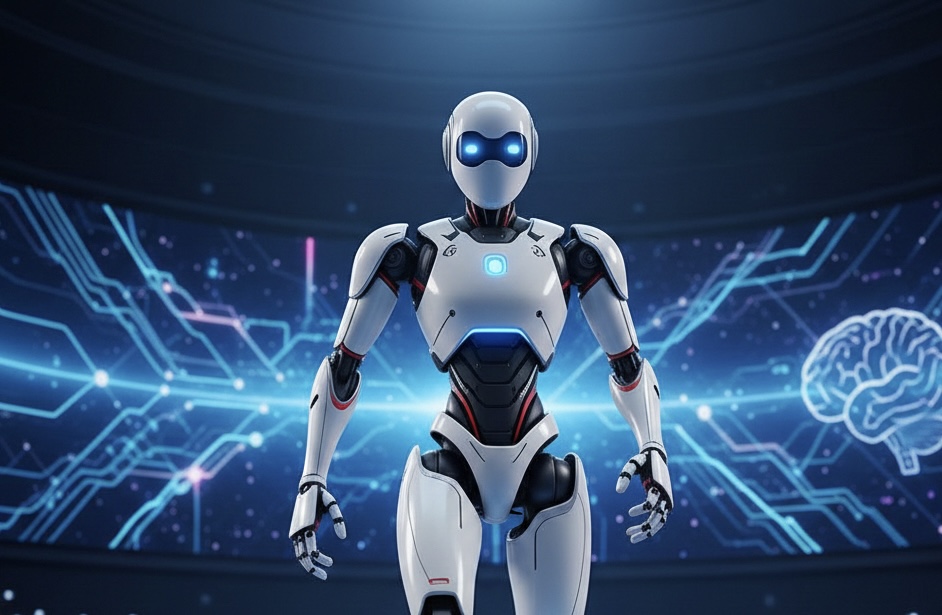
Xiaomi isn’t just building gadgets anymore—it’s building a future where factories think, machines adapt, and humanoid robots walk beside humans. Lei Jun’s latest vision marks the biggest technological leap in Xiaomi’s history.

🏭 AI + Humanoids: Xiaomi’s New Industrial Formula

Xiaomi’s factories are evolving into hyper-intelligent hubs powered by AI, robotics, and real-time automation. Lei Jun believes “every industry is worth rebuilding with AI,” and Xiaomi is positioning itself at the center of this transformation.

🔍 Where It Started: The EV Revolution

Xiaomi’s electric vehicle plant has become a testbed for next-gen industrial intelligence.

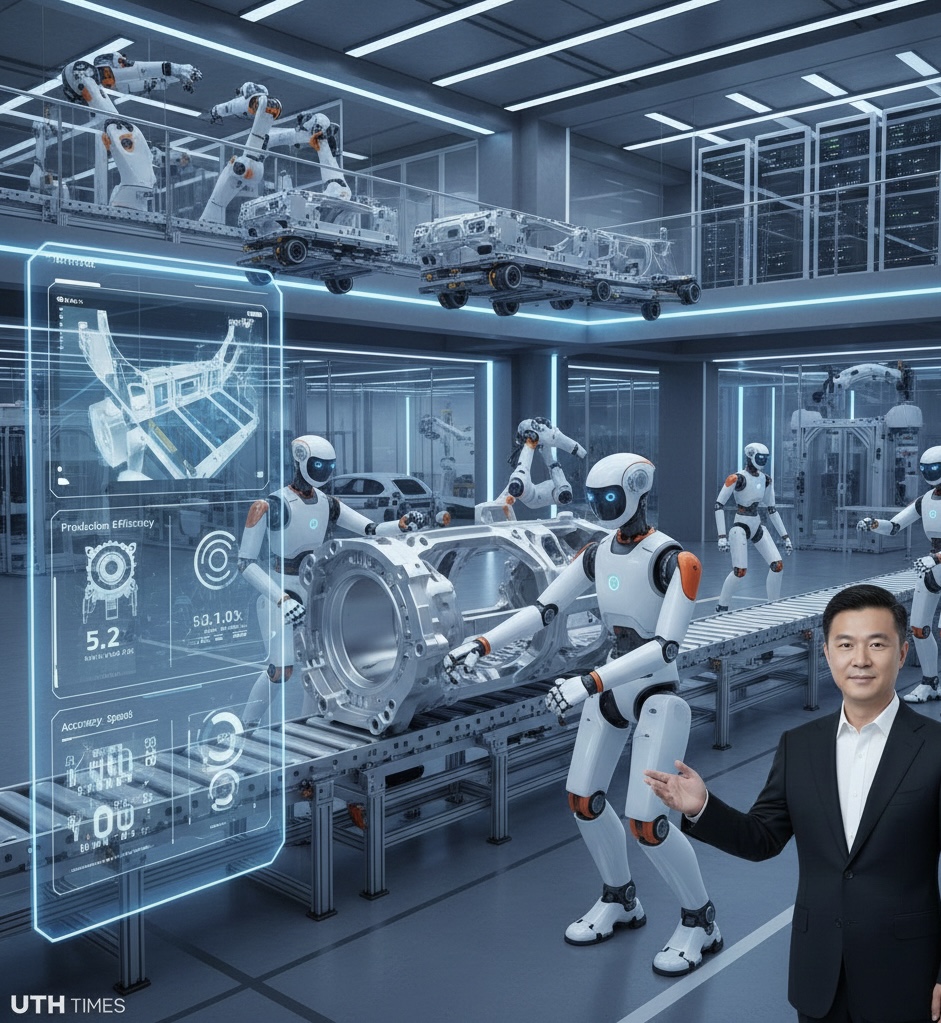
  • 🤖 Traditional manual inspection of large die-cast EV parts was slow and inconsistent.
  • ⚡ With AI-enhanced X-ray imaging, the process now takes just two seconds.
  • 🎯 Accuracy has increased by over 5×, while speed has jumped 10×.

This breakthrough became the backbone for the next step: deploying humanoid robots to handle complex tasks that require flexibility, precision, and adaptability.

🤖 CyberOne: The First Humanoid Footstep

In August 2022, Xiaomi unveiled CyberOne, its first humanoid robot—177 cm tall, 52 kg, and built to understand the world around it.

CyberOne’s Core Strengths

  • 🦿 21-joint motion coordination for fluid balance
  • 👁️ 3D spatial vision to map and navigate environments
  • 🧠 AI perception engine to interpret sounds and surroundings
  • 💬 Emotion recognition, enabling seamless interaction

CyberOne wasn’t just a showcase—it was Xiaomi’s announcement that humanoid robotics is now part of its long-term roadmap.

🧠 The Talent Powering the Robot Dream

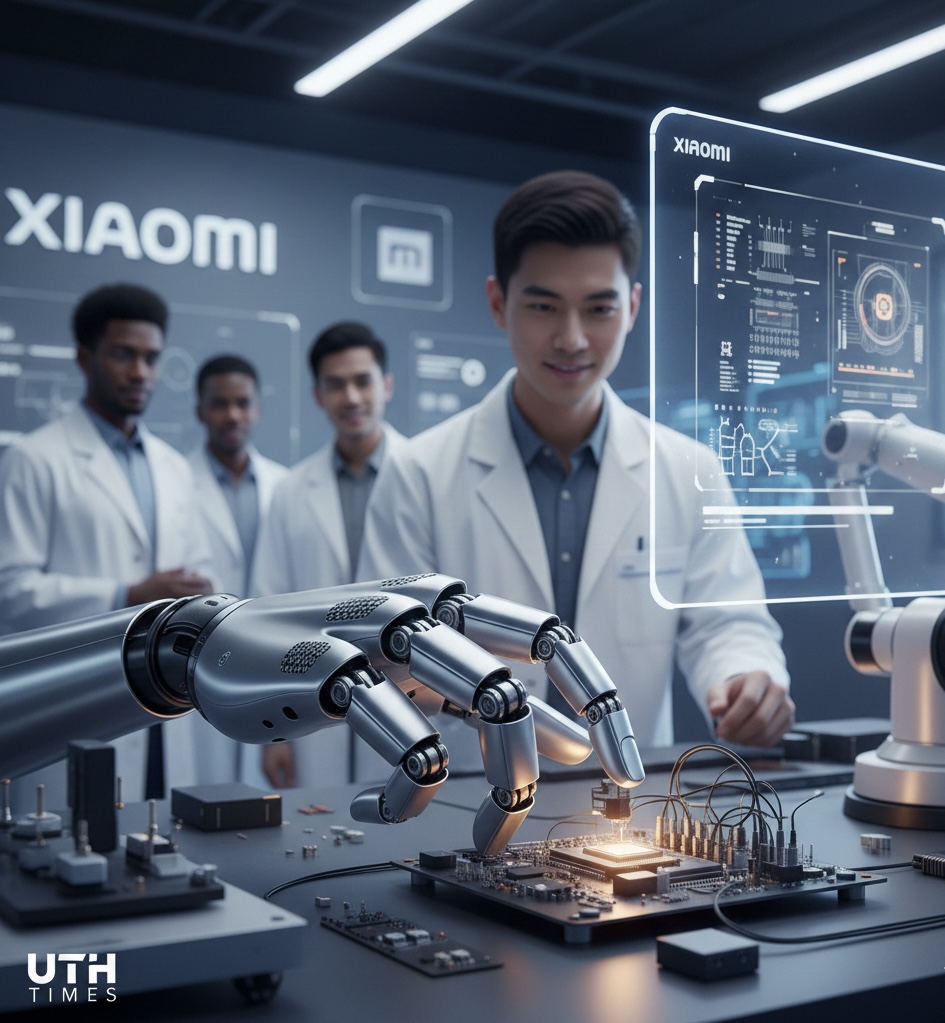
To accelerate development, Xiaomi has begun assembling a world-class robotics team.

The Tesla Connection

In October, the company hired Zach Lu Zeyu, a former senior engineer from Tesla’s Optimus team.

  • ✋ Expert in dexterous manipulation
  • 🔎 Specialized in tactile sensing
  • 🧩 Critical for giving robots human-like precision

This hire alone signals Xiaomi’s intent to play in the same league as global leaders in humanoid robotics.

Massive Recruitment Wave

  • 👨‍🔬 10+ new roles for dexterous-hand engineers
  • 🏗️ 200+ robotics positions across AI, control systems, and motion engineering

Xiaomi is not experimenting. Xiaomi is scaling.

🦾 The Five-Year Factory Roadmap

According to Lei Jun, humanoid robots will become widely deployed across Xiaomi factories within five years.
Why This Matters

  • ⚙️ Robots can adapt to dynamic tasks better than fixed machinery
  • 🛠️ They can perform precision work at superhuman levels
  • 🔁 They bring consistency to every step of manufacturing
  • 🧩 They integrate directly with AI decision systems

The next era of manufacturing will no longer revolve around conveyor belts—it will revolve around intelligent humanoids orchestrating complex workflows.

🏠 Beyond the Factory: The Real Trillion-Dollar Prize

Lei Jun says the bigger opportunity lies inside homes.

Once humanoids master factory-grade complexity, home tasks become the next frontier.

Imagine Xiaomi’s ecosystem—phones, smart devices, EVs—now paired with a personal robot assistant.

  • 🧹 Cleaning
  • 🍳 Kitchen support
  • 📦 Carrying items
  • 🧠 Personal AI assistance
  • 🔗 Sync with everything Xiaomi

The future “smart home” won’t just be connected—it will be alive.

✨ A Short Ending, A Long Vision

Xiaomi’s humanoid ambition isn’t a side project—it’s the company’s new identity. With AI, robotics, and massive talent acquisition, Xiaomi is preparing to step into an era where factories evolve, homes transform, and humanoids become part of everyday life.

Ancient Floods, Eternal Cycles: The Vedic Explanation for Marine Fossils on Mountains

0

Marine fossils on mountain peaks have puzzled scientists for centuries, but the Vedic tradition offers an astonishingly grand, cyclical explanation—one that spans billions of years, divine interventions, and repeated cosmic floods that reshape Earth again and again.

🌊 Vedic Cosmology & the Rise of Marine Fossils on Mountains

A High-Profile, Deep-Dive Explanation into Pralaya & Planetary Cycles

📜 The Vedic Time Scale: Cycles Beyond Imagination

The Vedas describe time not as a straight historical line but as an eternal wheel. Unlike modern geology’s linear timeline, Śrīmad-Bhāgavatam presents a universe that dissolves and regenerates in repeating phases:

  • 🌟 One Day of Brahmā = 4.32 billion years
  • 🌑 One Night of Brahmā = another 4.32 billion years
  • 🔱 At every nightfall: the naimittika-pralaya begins

During this cosmic night, the Garbhodaka Ocean rises and submerges the entire Bhūloka (Earth), including the highest peaks of the Himalayas.

SB 3.11.8–14 and SB 12.4.2–5 describe this in remarkable detail.

🌊 Repeated Inundations: Why Marine Fossils Sit on Himalayas & Govardhana

Marine fossils (śaṅkha, śukti, etc.) found on lofty mountains are not accidental anomalies—they are echoes of past destructions.

  • 🐚 Fossils form when water covers land, trapping marine life in sediment.
  • 🏔️ When waters recede, these sediments harden into rocky layers.
  • 📜 The Bhāgavatam notes that after every pralaya, mountains rise and sink, reshaped by divine will—not random geological chance.

Thus, when we find conch shells on Himalayan peaks, Vedic texts boldly claim:

“This is evidence of ancient global floods—many cycles, not one.”

🐟 Matsya Avatāra: Historical Memory of a Past Flood

During a previous yuga within Brahmā’s ongoing day, a colossal flood again swallowed Earth.

Lord Matsya guided Manu and the sages over the surging waters—symbolic, yes, but also geological memory encoded in narrative:

  • 🧭 Ancient mountains submerged
  • 🌍 Land reshaped
  • 📚 The fossil record preserving the aftermath

This connects mythology with physical evidence—a harmonization of spiritual cosmology and Earth’s geology.

🌄 Divine Geology vs Modern Geology

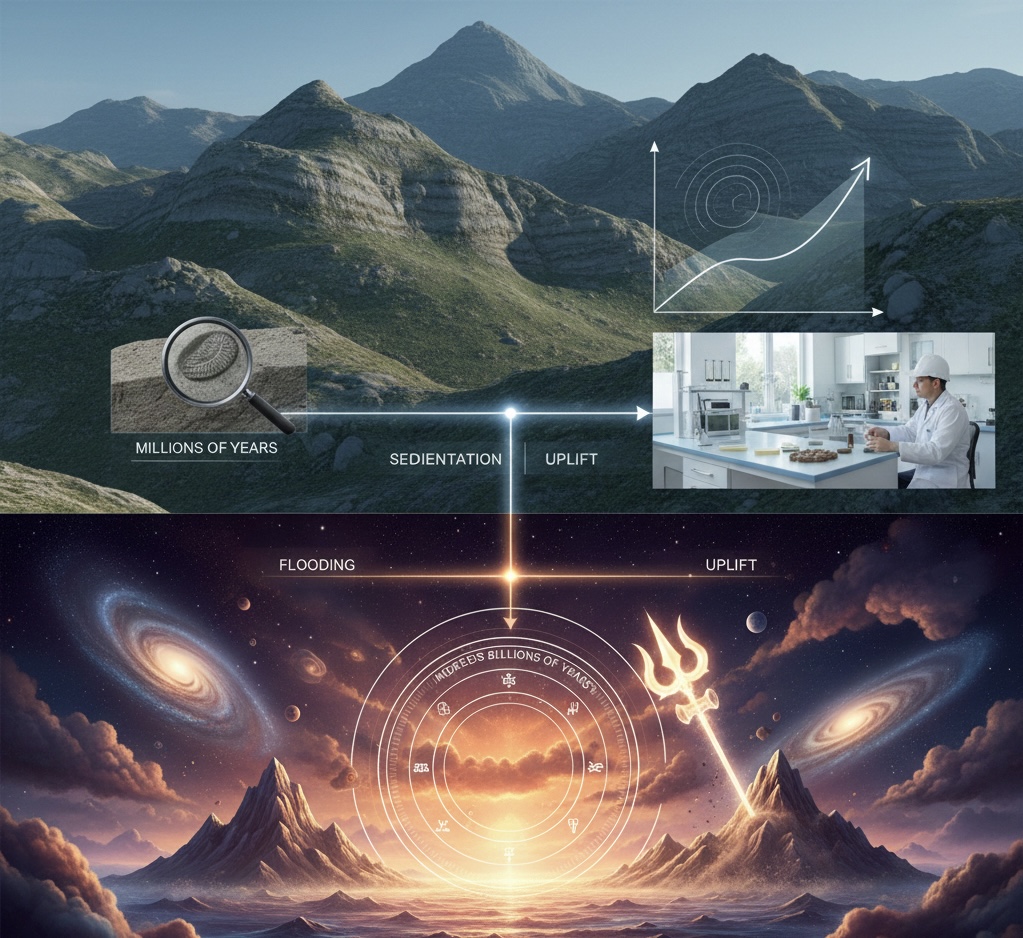
Modern science says mountains rose slowly over millions of years.
Vedic literature says they can rise, collapse, or submerge through cycles spanning hundreds of billions of years.
  • 🌊 Same processes (flooding, sedimentation, uplift)
  • 🔱 Different cause—cosmic design instead of blind nature

The Bhāgavatam’s worldview is not primitive—it is vast, cyclical, and cosmologically advanced.

✨ Ending

Marine fossils on mountains aren’t mysteries. They are signatures of pralaya, written into the Earth long before we learned to read them—reminders that creation moves not once, but in eternal, divine cycles.

Starlink Set to Transform Rural India with Next-Gen Connectivity

0

India stands at the edge of a connectivity revolution — and this time, it’s not coming from a telecom tower, but from the sky. Elon Musk has confirmed that Starlink is ready for India, unlocking a future where even the most remote villages can tap into high-speed internet with zero dependence on terrestrial infrastructure.

🚀 Starlink’s Arrival: A New Digital Chapter for India

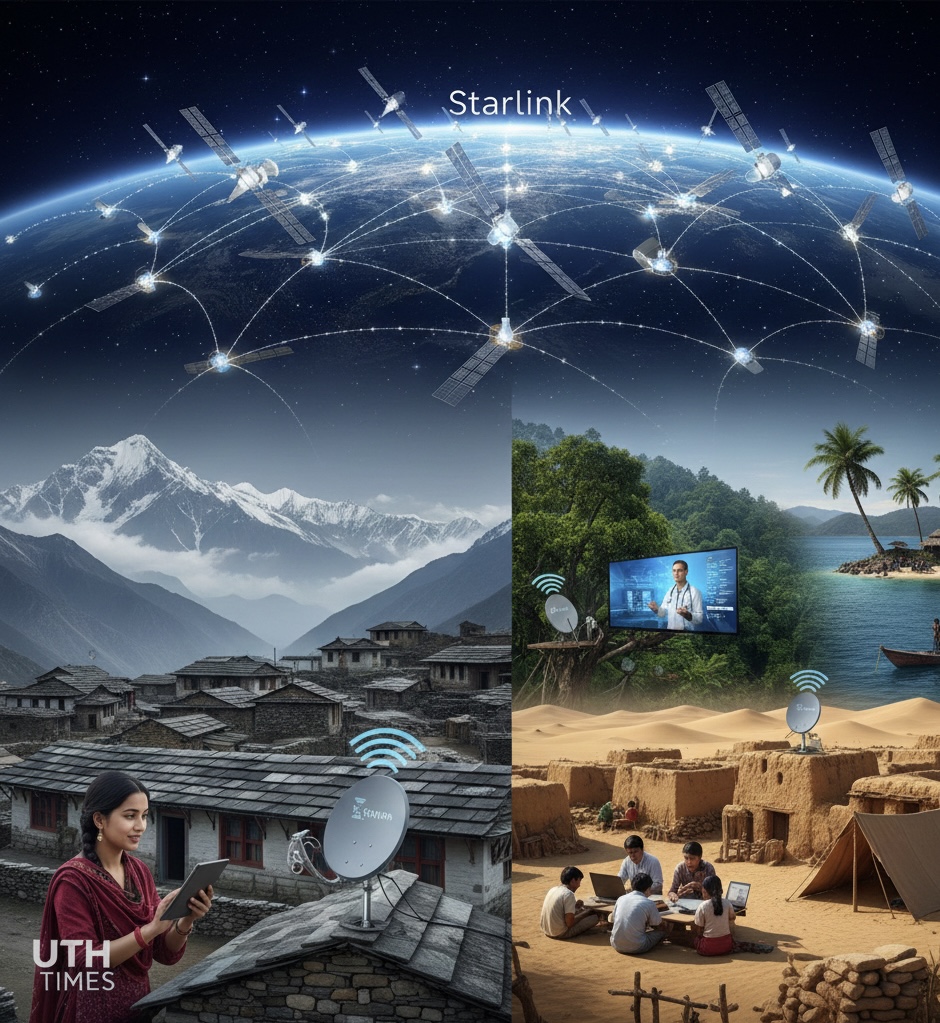
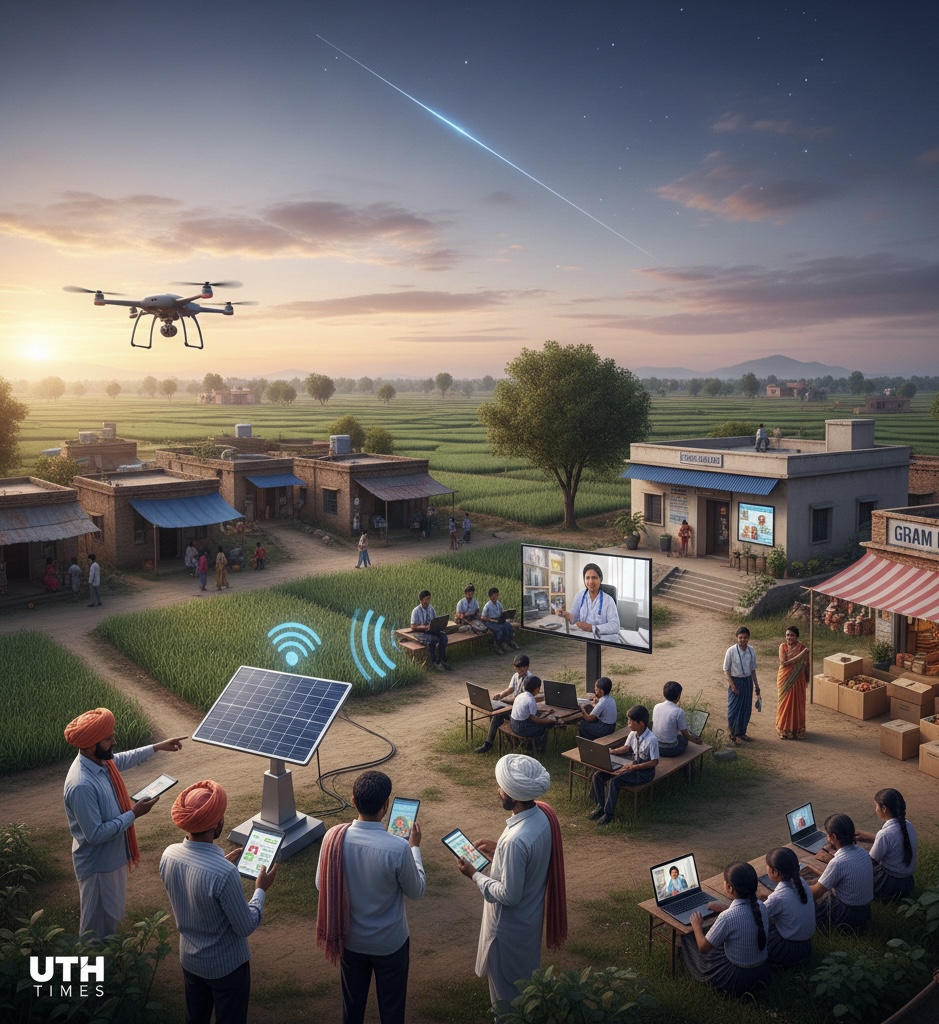
India’s digital growth story has long been held back by gaps in rural connectivity. Starlink enters as a direct answer to this challenge, powered by its global constellation of low-Earth-orbit satellites engineered to deliver uninterrupted internet across deserts, islands, mountains, and deep rural zones.

Why Starlink matters now

  • ⭐ Accelerated inclusion: India has 65% rural population — millions still outside reliable broadband reach.
  • ⭐ Direct satellite access: No cables, no towers, no terrain limitations. Just a small dish and sky access.
  • ⭐ Fast deployment: Remote zones can go online in hours instead of years.
Elon Musk highlighted that India represents one of Starlink’s largest potential markets due to its massive rural demographic and government focus on digital empowerment.

📡 How Starlink Works: India’s Sky Network

Starlink is not just another internet service — it’s a space-based mesh of more than 6,000 satellites circling just 550 km above Earth.

What this means for India

  • ⚡ Low latency: Ideal for video calls, telemedicine, online classes, and even real-time business operations.
  • 🌐 High bandwidth: Speeds ranging from 100–220 Mbps even in remote zones.
  • 🛰️ Weather-resistant links: Designed to maintain stability during rain, storms, and uneven terrain.

For the first time, Himalayan villages, desert hamlets, forest settlements, and island communities can operate with the same digital strength as cities.

🏞️ Rural Transformation: Beyond Internet Access

Starlink’s impact is not just technological — it’s socioeconomic.

Major benefits for remote India

  • 🌱 Farmers: Access to real-time crop data, agri-weather forecasts, and digital marketplaces.
  • 🏫 Students: Seamless online classes, digital libraries, global learning access.
  • 🏥 Healthcare: Remote diagnosis, emergency support, and specialist consultations via telehealth.
  • 💼 Businesses: Rural entrepreneurs can expand via e-commerce, logistics, and digital payments.
  • 👮 Governance: Panchayats get stronger digital connectivity for public services and e-governance.

This isn’t just internet — it’s digital empowerment on demand.

📑 Regulatory Green Signal: India Gives the Go-Ahead

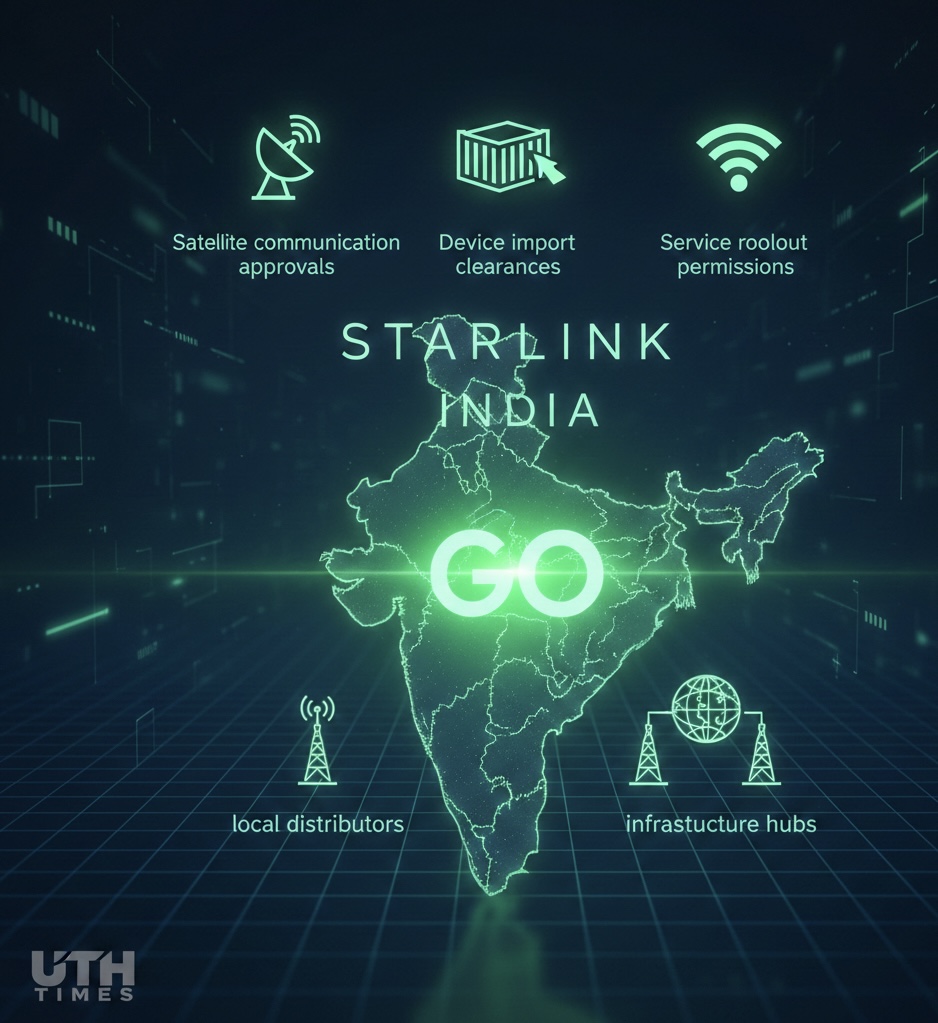
After months of evaluation, policy discussions, and spectrum considerations, India has now paved the way for Starlink to operate formally. This includes:

  • 📄 Satellite communication approvals
  • 📦 Device import clearances
  • 📶 Service rollout permissions

Starlink is expected to partner with local distributors and create India-based infrastructure hubs for hardware availability and service management.

🌟 Conclusion

Starlink’s entry marks a defining moment for India — a shift from uneven connectivity to sky-powered digital equality. If executed well, Starlink won’t just connect villages; it will redefine opportunity itself.

India’s Nuclear Renaissance: Private Firms Energise a 100 GW Vision ⚡

0

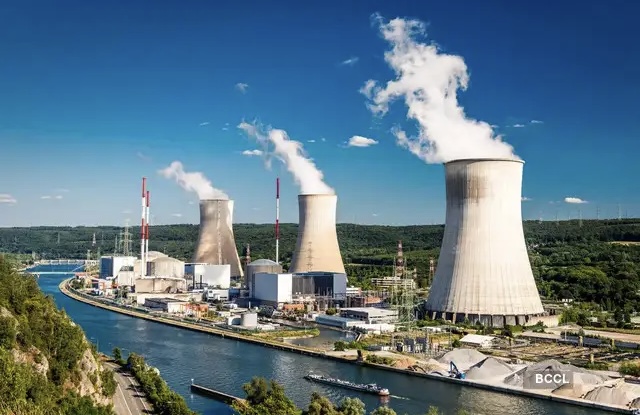
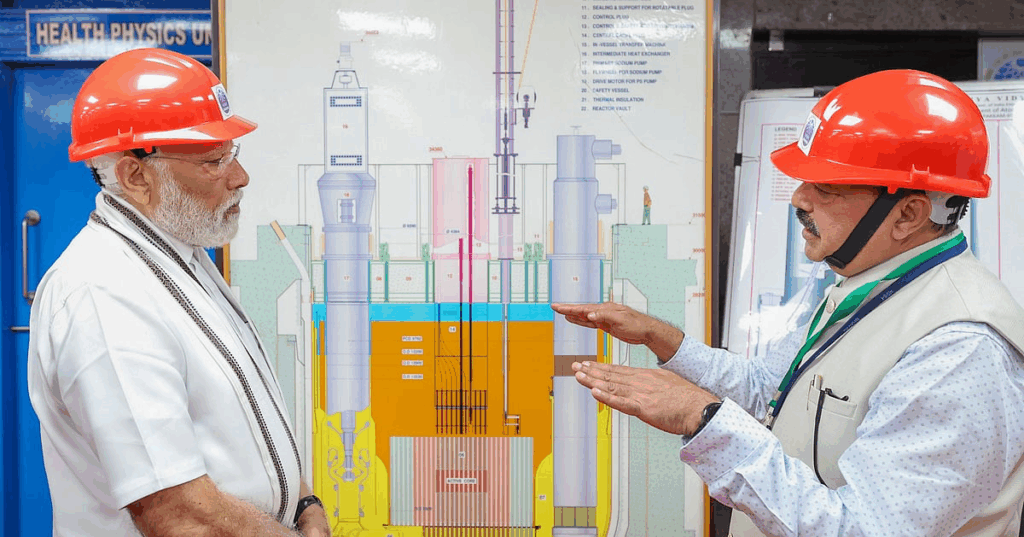
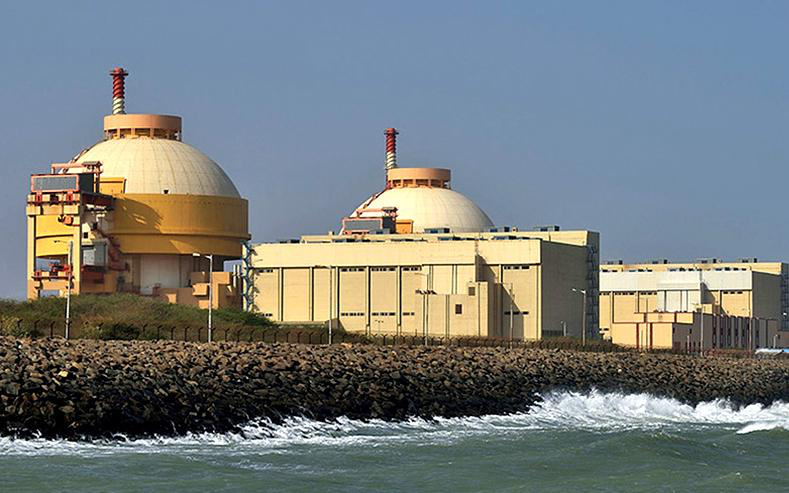
From the corridors of power to the boardrooms of industry, India is embarking on a nuclear revolution. The announcement by Narendra Modi that the nuclear energy sector will be opened up to private firms marks a landmark shift — one that could reshape the country’s energy landscape in the decades to come. 

🧭 Why This Leap — And Why Now

India’s current nuclear capacity hovers around 8.8 GW, powered almost entirely by state-run entities.  But as electricity demand surges and the urgency to cut carbon emissions grows, government analysts forecast that demand could multiply four to five times by 2047.  Traditional renewables — solar, wind, hydro — will play a major role, but they alone can’t reliably meet base-load demand. Nuclear power emerges as the steady, low-emission backbone for India’s energy future. 

Enter the new vision: ramp up to 100 GW by 2047 — a bold target that signals long-term ambition for energy security, climate commitment, and technological leadership. 

🔧 What’s Changing: Private Sector, New Reactors

Until now, the nuclear domain was tightly held under the umbrella of public institutions — but that is about to change. The upcoming Atomic Energy Bill 2025, slated for Parliament’s Winter Session, aims to amend the current regulatory framework and allow private firms to invest, build, and operate nuclear plants. 

Alongside, a dedicated Nuclear Energy Mission with an allocation of ₹20,000 crore has been launched. Its focus: research and development of advanced reactor technologies, especially Small Modular Reactors (SMRs), with at least five indigenously developed ones expected to be operational by 2033. 

The private sector is already preparing to step in. A case in point: Jindal Nuclear — a subsidiary of a major industrial group — has announced plans to build 18 GW of nuclear capacity over the next two decades, aligning with the 2047 target. 

With private investment, innovation and competition — India’s nuclear ecosystem could soon be buzzing with activity: advanced reactors, faster execution timelines, and hybrid public-private collaborations.

🌱 Why It Matters — The Bigger Picture

  • ✅ Energy security & base-load power: Nuclear provides continuous, stable electricity — crucial as the nation electrifies more, industrialises faster, and shifts away from fossil fuels.
  • 🌍 Low-carbon future: With climate change pressing, nuclear energy offers a clean, high-output complement to renewables — helping India inch closer to its net-zero goals.
  • 🚀 Technology & innovation push: The move could unleash cutting-edge research, reactor design, fuel cycle technologies and local manufacturing — transforming India into a global nuclear-tech hub.
  • 💼 Private-public synergy: Encouraging private players doesn’t mean sidelining public institutions. Instead, private investment could accelerate capacity building while ensuring state oversight and safety standards.

⚠️ Challenges Ahead: Safety, Scale, Uranium & Execution

Of course, scaling nuclear from 8.8 GW to 100 GW is not trivial. Industry experts caution about long gestation periods — nuclear plants in India currently take around 8–10 years to build, compared to the global best of ~6 years. 

Moreover, ensuring robust regulatory oversight, strengthening liability laws (through amendments to the Civil Liability for Nuclear Damage Act), and maintaining high safety norms — are all essential to foster public trust. 

Another challenge: fuel supply. India has limited domestic uranium reserves — to go big, it will need strategic international supply agreements and fuel-cycle solutions. 

Conclusion

India’s decision to open its nuclear sector to private players is more than a policy shift — it’s a bold declaration of ambition. As the nation gears up for 100 GW by 2047, this move could unlock a new era of energy security, low-carbon growth and technological self-reliance. But ambition must walk hand in hand with responsibility: safety, regulation and vision will decide whether this nuclear renaissance truly powers India’s future.

Mokshada Ekadashi: The Day Heaven Unlocks Its Gates

0

Mokshada Ekadashi isn’t just a festival—it’s a doorway. A cosmic password. A rare spiritual alignment where the universe whispers, “Let go, ascend, evolve.” Today isn’t about rituals alone; it’s about remembering who you really are.

🌌 The Day When Heaven Opens Its Doors

Why Mokshada Ekadashi Stands Apart

Mokshada Ekadashi, falling in the bright phase of Margashirsha month, is celebrated as the Ekadashi of ultimate release. Scriptures describe it as the day when the gates of higher lokas open and souls receive divine upliftment.

On this day, the effect of karmic burdens becomes lighter, not because fate changes, but because consciousness rises. The mind becomes still, intuition sharpens, and the subtle body becomes capable of receiving divine vibrations.

  • 🌟 A bridge between mortal and immortal realms
  • 🌟 A rare cosmic window where spiritual effort multiplies
  • 🌟 A day believed to liberate even ancestors

🕉️ Moksha: The Freedom Beyond Existence

What Liberation Truly Means

Moksha is often misunderstood as “end of birth.” But ancient teachings make it deeper:

  • 🔱 Freedom from karmic compulsion
  • 🔱 Freedom from inner noise, fear, and duality
  • 🔱 Realization of the soul’s original, eternal nature

On Mokshada Ekadashi, the human mind temporarily rises above egoic patterns. This clarity is what makes karmic weight feel lighter—because suffering comes from attachment to karma, not karma itself.

📜 The Divine Code Behind the Day

Why Fasting & Prayer Work Today

Ekadashi is linked with the movement of the moon. The 11th lunar day brings a natural rise in mental discipline and pranic flow.

  • ✨ Mental purity increases
  • ✨ Old emotional patterns loosen
  • ✨ Spiritual receptivity peaks

Fasting reduces tamas (inertia), while mantra increases sattva (purity). Together, they open the channel within us where liberation begins.

🔥 The Soul’s Journey & Today’s Significance

A Day for Inner Renewal

Scriptures say:

“Even the weight of lifetimes of karma becomes light on this day.”

This does not magically erase karma—

It transforms the soul’s relationship with karma.

Awareness deepens.

Old knots untie.

Destiny shifts direction.

Mokshada Ekadashi becomes a reset point for your soul’s journey.

Today isn’t just sacred—it’s powerful. Use it. Rise with it. Let it unlock the door within you that leads to the freedom you’ve always carried inside.