
From the corridors of power to the boardrooms of industry, India is embarking on a nuclear revolution. The announcement by Narendra Modi that the nuclear energy sector will be opened up to private firms marks a landmark shift — one that could reshape the country’s energy landscape in the decades to come.
🧭 Why This Leap — And Why Now
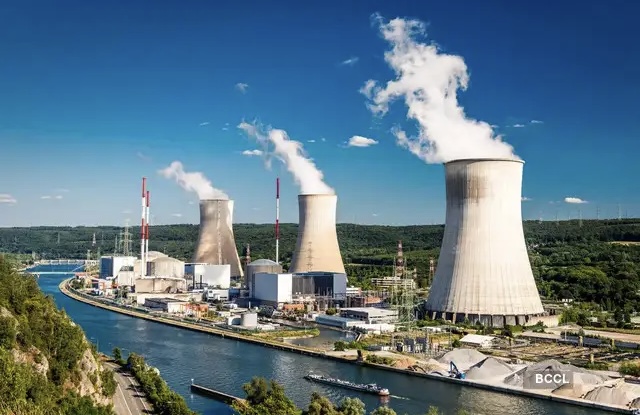
India’s current nuclear capacity hovers around 8.8 GW, powered almost entirely by state-run entities. But as electricity demand surges and the urgency to cut carbon emissions grows, government analysts forecast that demand could multiply four to five times by 2047. Traditional renewables — solar, wind, hydro — will play a major role, but they alone can’t reliably meet base-load demand. Nuclear power emerges as the steady, low-emission backbone for India’s energy future.
Enter the new vision: ramp up to 100 GW by 2047 — a bold target that signals long-term ambition for energy security, climate commitment, and technological leadership.
🔧 What’s Changing: Private Sector, New Reactors
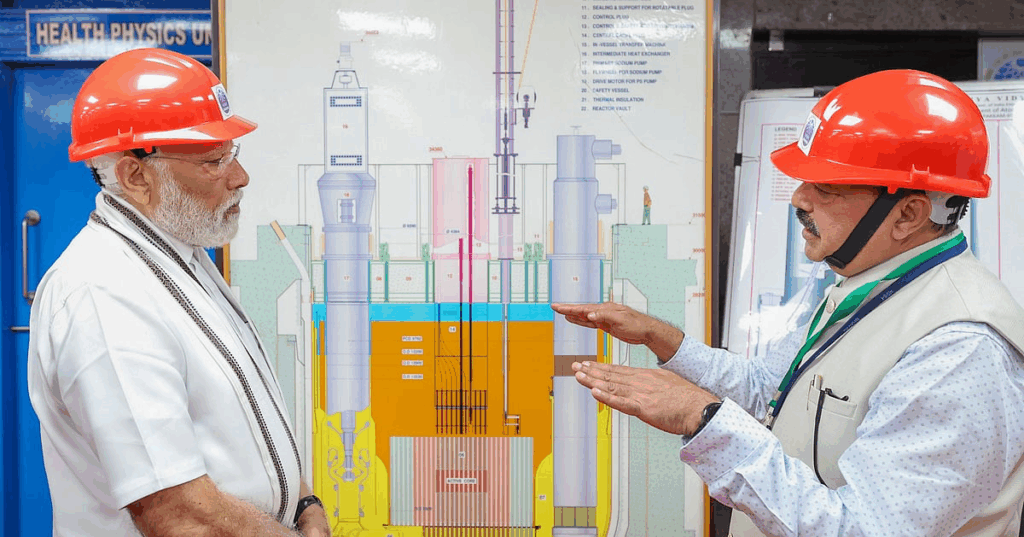
Until now, the nuclear domain was tightly held under the umbrella of public institutions — but that is about to change. The upcoming Atomic Energy Bill 2025, slated for Parliament’s Winter Session, aims to amend the current regulatory framework and allow private firms to invest, build, and operate nuclear plants.
Alongside, a dedicated Nuclear Energy Mission with an allocation of ₹20,000 crore has been launched. Its focus: research and development of advanced reactor technologies, especially Small Modular Reactors (SMRs), with at least five indigenously developed ones expected to be operational by 2033.
The private sector is already preparing to step in. A case in point: Jindal Nuclear — a subsidiary of a major industrial group — has announced plans to build 18 GW of nuclear capacity over the next two decades, aligning with the 2047 target.
With private investment, innovation and competition — India’s nuclear ecosystem could soon be buzzing with activity: advanced reactors, faster execution timelines, and hybrid public-private collaborations.
🌱 Why It Matters — The Bigger Picture
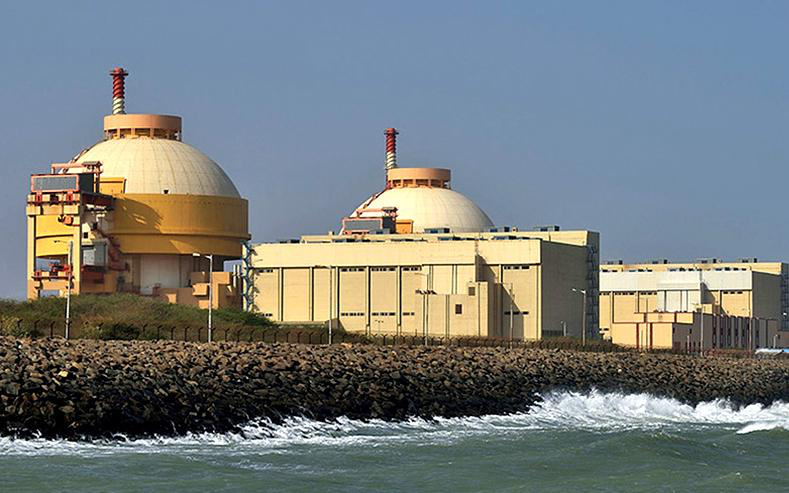
- ✅ Energy security & base-load power: Nuclear provides continuous, stable electricity — crucial as the nation electrifies more, industrialises faster, and shifts away from fossil fuels.
- 🌍 Low-carbon future: With climate change pressing, nuclear energy offers a clean, high-output complement to renewables — helping India inch closer to its net-zero goals.
- 🚀 Technology & innovation push: The move could unleash cutting-edge research, reactor design, fuel cycle technologies and local manufacturing — transforming India into a global nuclear-tech hub.
- 💼 Private-public synergy: Encouraging private players doesn’t mean sidelining public institutions. Instead, private investment could accelerate capacity building while ensuring state oversight and safety standards.
⚠️ Challenges Ahead: Safety, Scale, Uranium & Execution
Of course, scaling nuclear from 8.8 GW to 100 GW is not trivial. Industry experts caution about long gestation periods — nuclear plants in India currently take around 8–10 years to build, compared to the global best of ~6 years.
Moreover, ensuring robust regulatory oversight, strengthening liability laws (through amendments to the Civil Liability for Nuclear Damage Act), and maintaining high safety norms — are all essential to foster public trust.
Another challenge: fuel supply. India has limited domestic uranium reserves — to go big, it will need strategic international supply agreements and fuel-cycle solutions.
Conclusion
India’s decision to open its nuclear sector to private players is more than a policy shift — it’s a bold declaration of ambition. As the nation gears up for 100 GW by 2047, this move could unlock a new era of energy security, low-carbon growth and technological self-reliance. But ambition must walk hand in hand with responsibility: safety, regulation and vision will decide whether this nuclear renaissance truly powers India’s future.

