
Russia’s proposal to transfer full RD-191M engine technology to ISRO isn’t just a deal — it’s a turning point that could rewrite India’s heavy-lift capabilities and push LVM3 into a new global league.
🚀 The RD-191M Advantage: Why This Engine Changes Everything
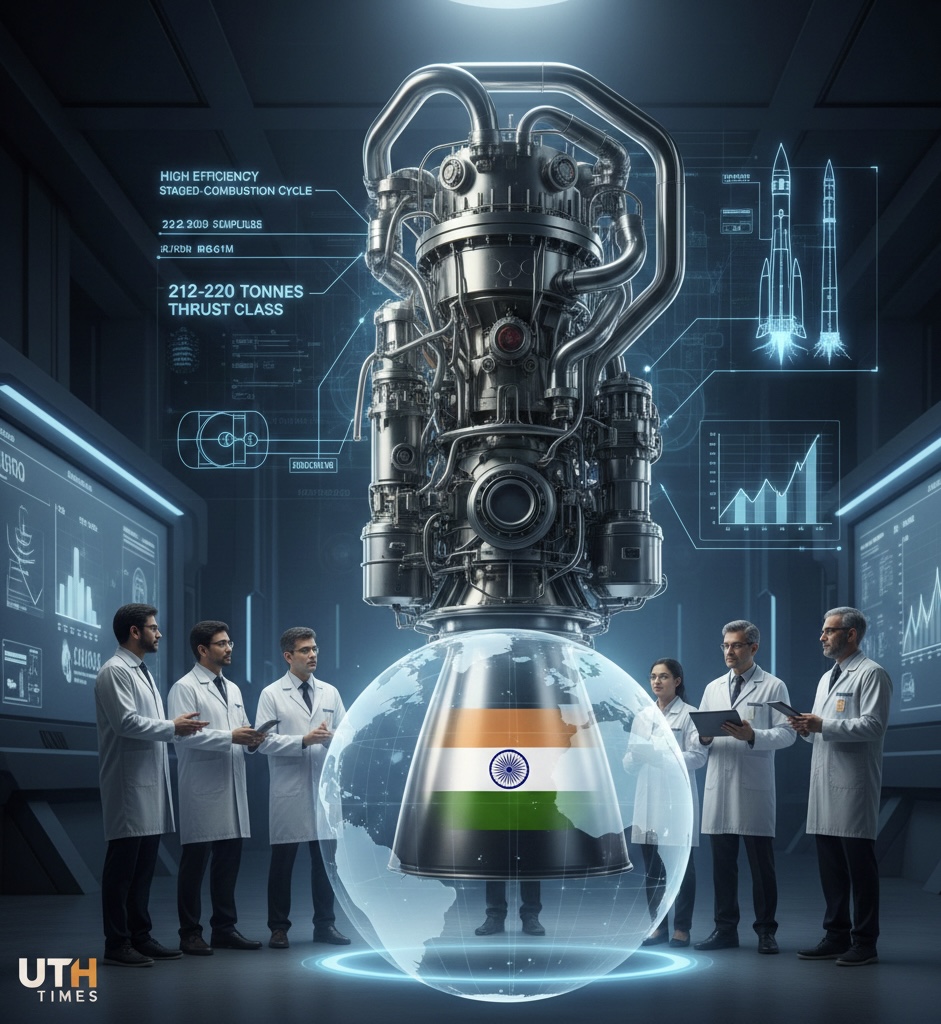
The RD-191M, a high-performance, single-chamber, staged-combustion kerosene engine, is one of the world’s most advanced rocket engines. Designed for the Angara family, it delivers insane thrust levels with incredible efficiency — something most nations can only dream of mastering.
What makes RD-191M special?
- ⭐ High Efficiency Staged-Combustion Cycle
This cycle burns fuel more completely, giving a huge jump in specific impulse and thrust—ideal for heavy-lift missions. - ⭐ Thrust Class of 212–220 tonnes
A massive upgrade compared to the LVM3’s current S200 boosters and L110 liquid stage. - ⭐ Modern, Modular, Scalable
Its design can be adapted for Indian conditions, materials, and future heavy-lift variants.
With a tech transfer, ISRO wouldn’t just get an engine — it would gain the knowledge, metallurgy, turbopump designs, fuel management systems, and combustion chamber technologies that normally stay locked inside Russian vaults.
🛰️ LVM3: From 4T to 7T — A Potential Payload Breakthrough
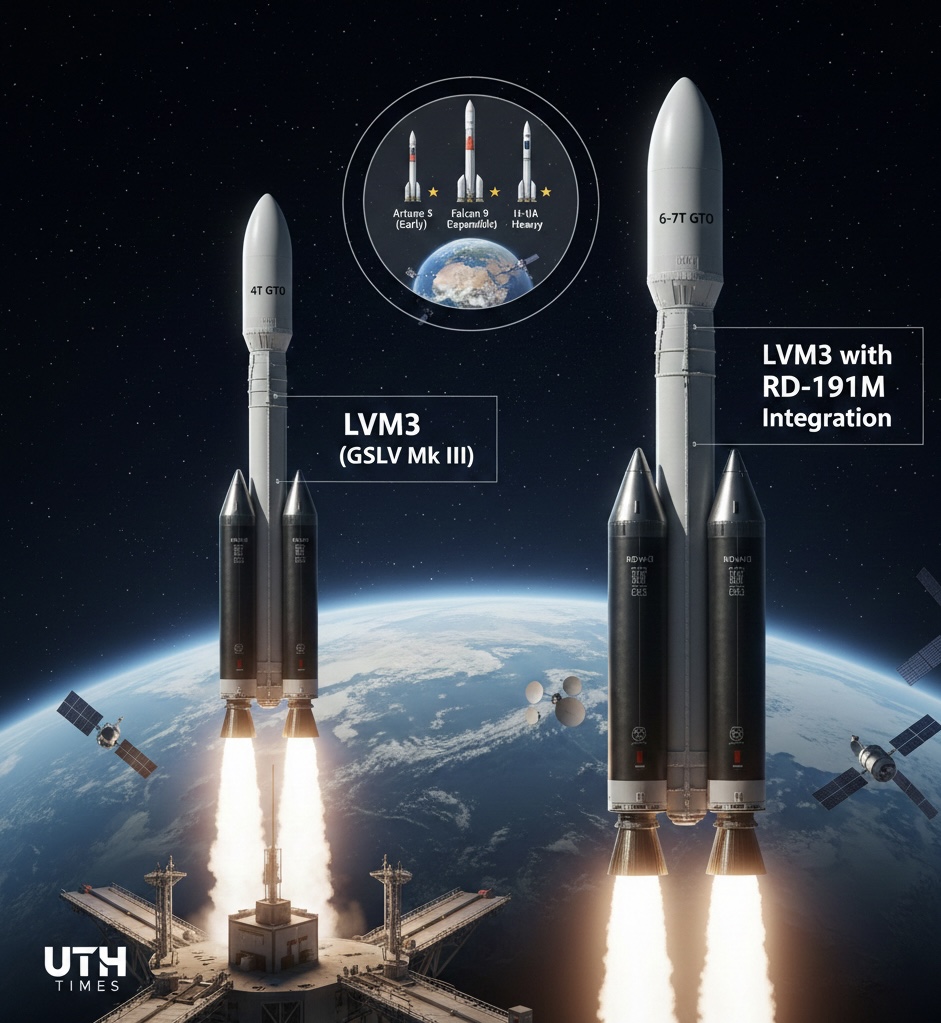
Today, the LVM3 (GSLV Mk III) can place ~4 tonnes to GTO.
With RD-191M integration (either on side boosters or a redesigned core stage), experts estimate a jump to:
📌 6–7 tonnes to GTO
This places LVM3 shoulder-to-shoulder with:
- ⭐ Ariane 5’s earlier variants
- ⭐ Falcon 9’s early expendable versions
- ⭐ Japan’s H-IIA heavy models
India would suddenly become a global contender for commercial GEO launches, where per-kg prices are extremely lucrative.
🤝 Strategic Shift: Why Russia Wants This Deal Now

Several geopolitical and commercial factors align:
- ⭐ Russia wants deeper space ties with India amid Western sanctions.
- ⭐ India is emerging as the world’s fastest-growing launch market.
- ⭐ ISRO’s upcoming Next-Gen Launch Vehicle (NGLV) could use this tech as a stepping stone.
Full engine tech transfer is extremely rare — even China never received such depth for RD-180/191 class engines.
If approved, India becomes the only nation outside Russia to fully master the RD-191M architecture.
🔭 What This Means for India’s Space Future
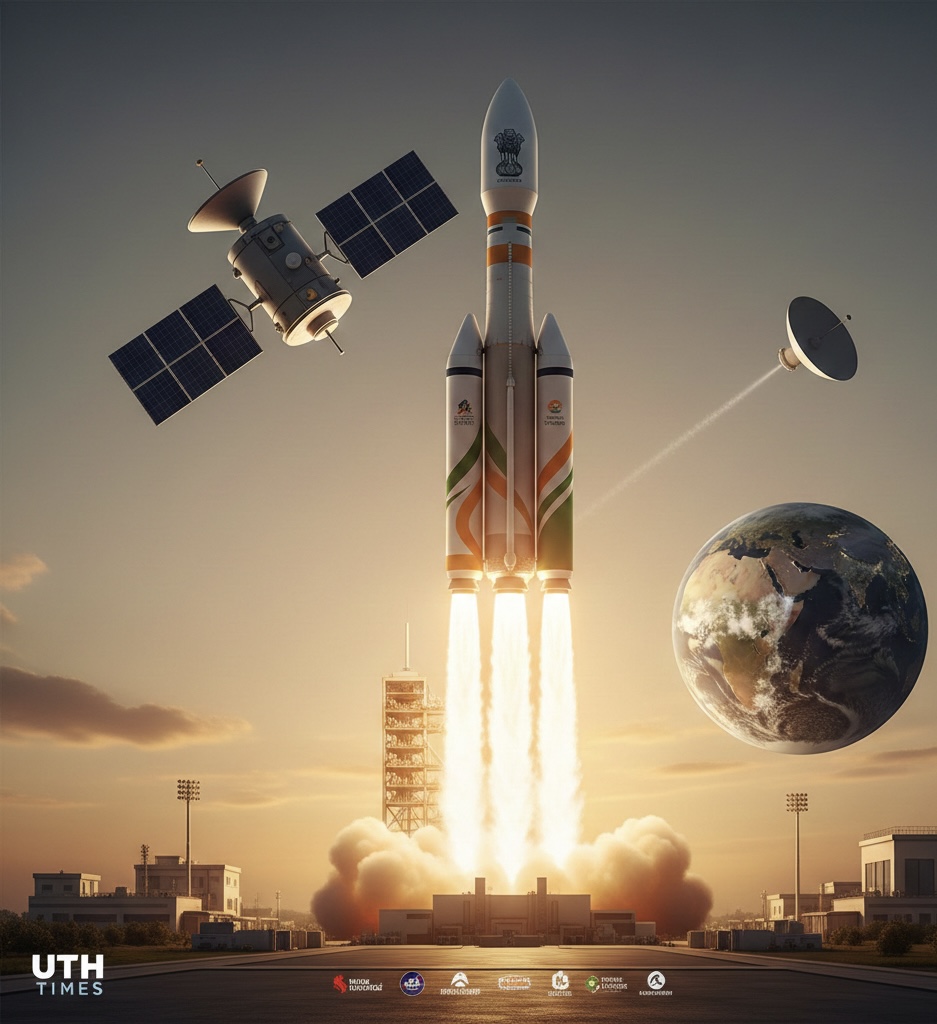
- ⭐ Cheaper GEO satellite launches
- ⭐ Bigger payloads for deep-space missions
- ⭐ Faster timeline for NGLV development
- ⭐ Major boost to private launch startups through shared know-how
This isn’t just an engine upgrade; it’s an industrial revolution for India’s launch sector.
If the deal goes through, RD-191M could become the spark that launches India into the heavy-lift elite — a shift that will echo across global space economics for years.

