
India has crossed a historic milestone — 5.05 lakh MW of installed generation capacity. But the nation’s bigger leap lies ahead: achieving 500 GW of non-fossil energy by 2030, a target that could redefine India’s global energy identity.
🚀 India’s Power Surge: What 5.05 Lakh MW Really Means
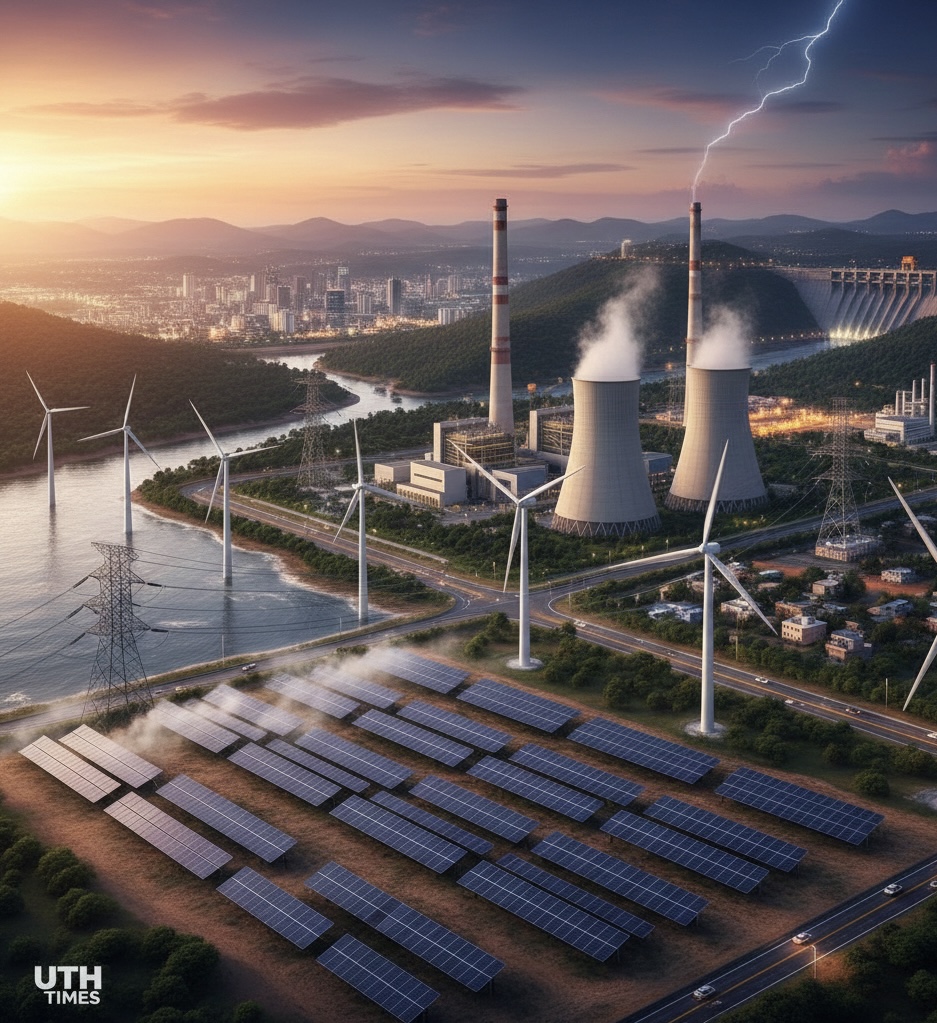
India’s power architecture has transformed from crisis-driven shortages to surplus-driven confidence, marking a generational shift in national capability.
⚡ Foundations of the 5.05 Lakh MW Milestone
- 🌞 Solar dominance rising — Rajasthan, Gujarat, Karnataka, and MP emerging as solar superstates.
- 💨 Wind corridors expanding — Tamil Nadu and Gujarat leading, offshore wind getting policy push.
- 🔥 Modernized thermal backbone — High-efficiency, low-emission plants stabilizing grid volatility.
- 🌊 Hydro energy revival — Northeast and Himalayan states boosting long-term green capacity.
📈 Why This Matters
- 🌍 Strengthened energy security
- 🏭 Reliable power supply powering factories, IT parks, and new industrial clusters
- 🏡 Stable electrification across rural & semi-urban India
- 💡 Preparedness for record peak demand driven by GDP growth, EV adoption, and AI-era digital load
🌱 India’s 2030 Clean Power Mission: 500 GW Non-Fossil Capacity
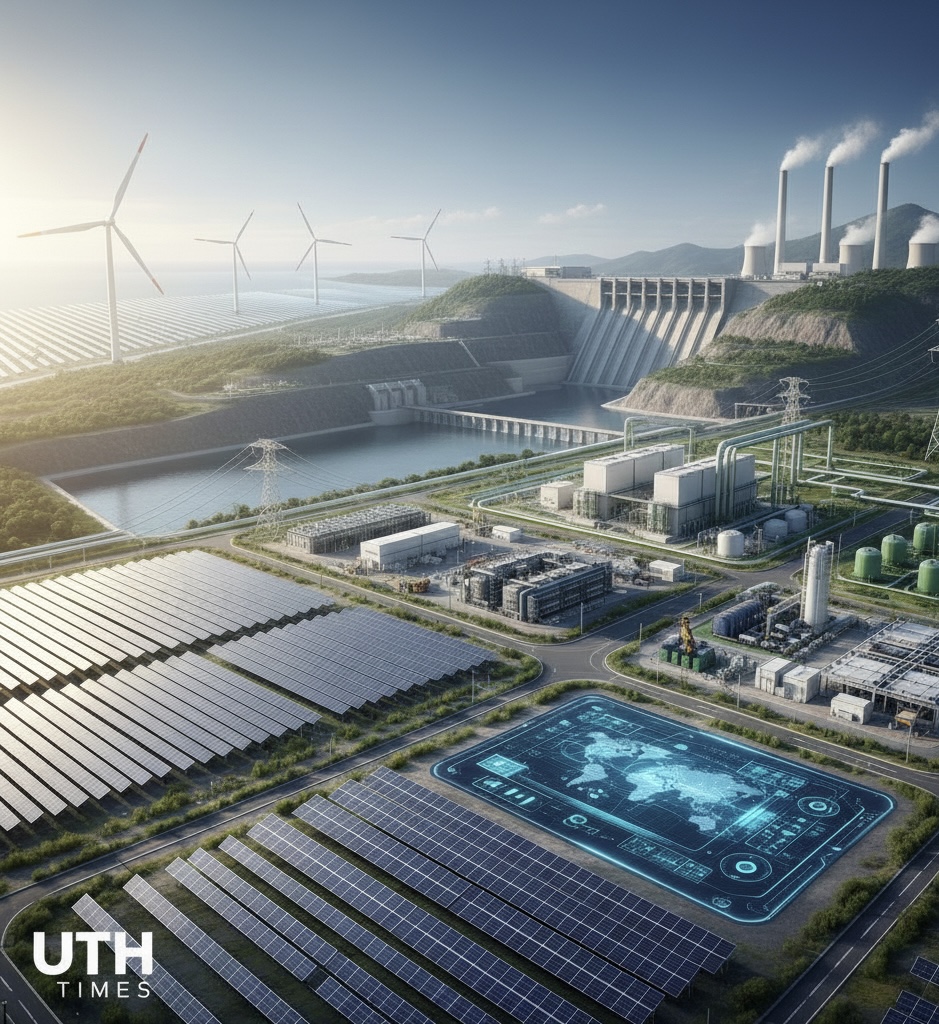
This is not just an energy plan — it’s a strategic rewiring of India’s economic, environmental, and geopolitical future.
🔥 What “500 GW Non-Fossil” Includes
- 🌞 Solar: 300+ GW (rooftop + utility-scale)
- 💨 Wind: 140+ GW potential including offshore wind
- 🌊 Hydro & pumped storage as renewable stabilizers
- 🔋 Nuclear + green hydrogen infrastructure
🧭 How India Plans to Achieve It
- ⚡ Biggest renewable parks in Asia (Gujarat’s RE park, Rajasthan’s Mega Solar Belt)
- 🛠️ PLI schemes supercharging solar module, cell, and battery manufacturing
- 🏞️ National Pumped Storage Mission for 24×7 renewable reliability
- 🌐 Green hydrogen hubs turning India into a clean-fuel exporter
- ⚙️ AI-based grid modernization, smart meters, and transmission corridors
🌏 The Global Picture: India as a Clean Energy Titan
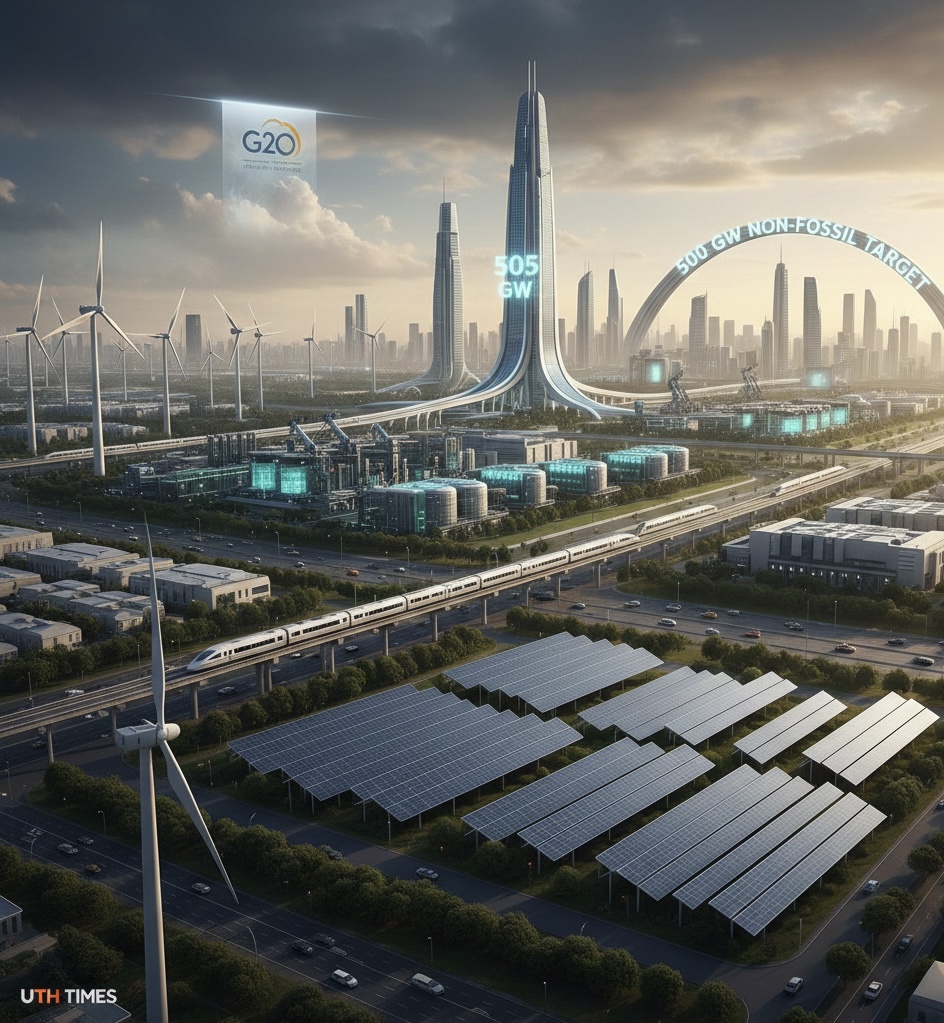
India is shaping itself into a global clean-energy leader through:
- 🚀 Ultra-low renewable tariffs
- 🔋 Battery storage & electrolyzer manufacturing boom
- 📉 Reduced fossil dependence
- 🛡️ Strong climate leadership at G20 & COP
🔚 Conclusion
India’s 5.05 lakh MW achievement is monumental — but the 500 GW non-fossil target is transformative. It positions India for a future where power is cleaner, cheaper, and globally competitive.

