
India at the Cusp of a Navigation Tech Revolution

On 25 November 2025, Indian Space Research Organisation (ISRO) Chairman V. Narayanan unveiled what could be a turning point for India’s aerospace and defence ambitions. Speaking after inaugurating a new hub — the first-of-its-kind private-sector “Centre of Excellence in Navigation” by Ananth Technologies in Thiruvananthapuram — Narayanan laid out a bold vision: to end foreign dependence on navigation systems and build a self-reliant India by 2047.
He stressed that navigation systems are among the most complex technologies in aerospace — so complex that relying solely on ISRO would no longer suffice.
🔧 Why Private Sector Must Drive Navigation Technology
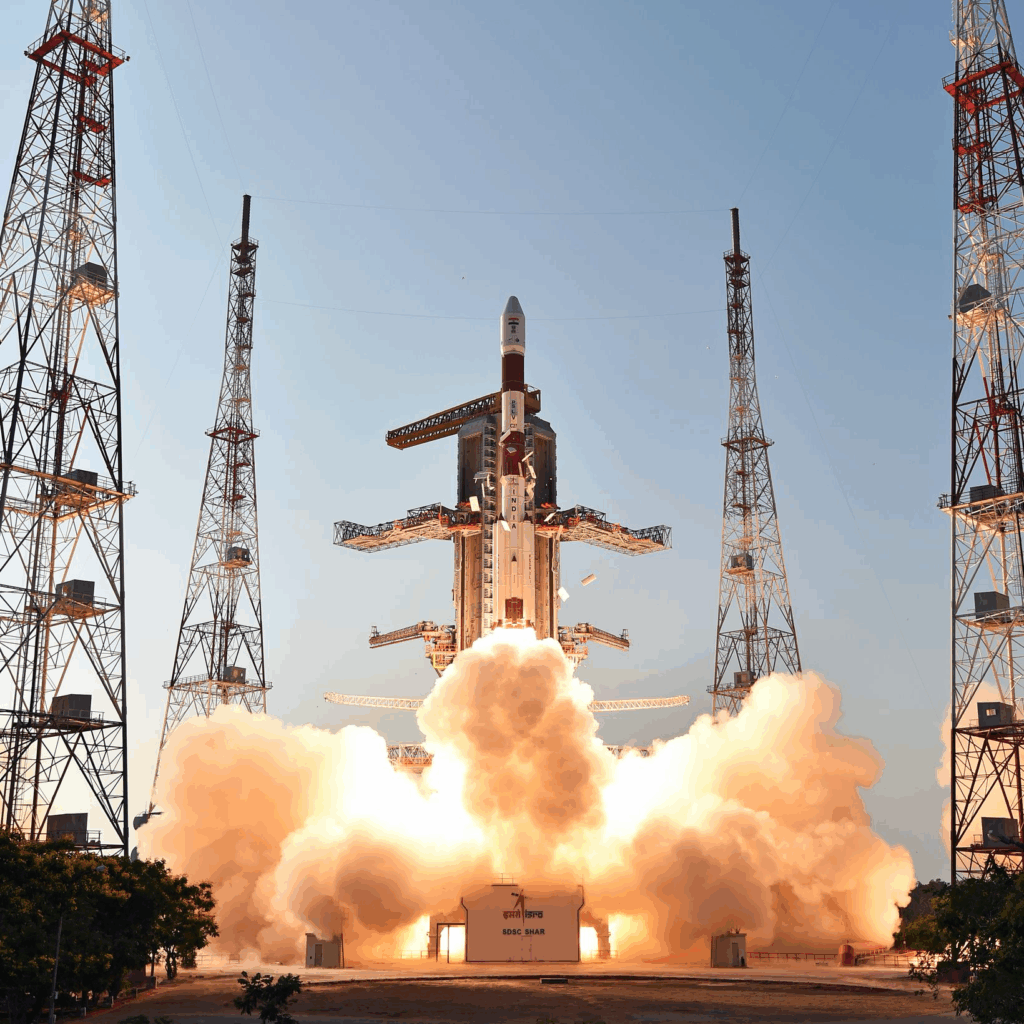
- 🚨 Navigation Tech is Ultra-Critical and Complex
Narayanan emphasized that navigation systems — encompassing Positioning, Navigation and Timing (PNT) — are foundational to satellites, rockets, missiles, defence systems and even civilian infrastructure. Their complexity demands specialized expertise and scale — beyond the scope of a single government organisation. - 🏭 From Prototype to Mass Production — Lower Costs, Better Reach
Historically, India has relied heavily on imported navigation components for space missions and defence hardware. That dependence hurts strategic autonomy, inflates costs, and slows deployments.
By bringing in private firms like Ananth Technologies, the aim is to transition from prototype-only production to large-scale manufacturing. As Narayanan noted: while initial units might mirror global costs, large-scale production domestically could drastically reduce prices. - 🇮🇳 Strategic Self-Reliance & 2047 Ambitions
Tying this shift to the national goal of Viksit Bharat 2047, Narayanan argued that for India to truly emerge as a developed nation, it needs technological independence — especially in critical fields like navigation. Private-sector participation isn’t just welcome; it’s essential.
🚀 What This Means for India: Space, Defence — and Beyond

- ✅ Strategic Autonomy Gains Strength
With domestic firms handling navigation tech, India can avoid supply-chain uncertainty, dependencies, and vulnerabilities intrinsic to foreign imports — vital for rockets, satellites, missiles, and defence systems. - 💰 Affordability & Faster Rollout
Mass-scale local production means lower unit costs. That could translate to more satellites, quicker launches, more missiles — without cost-overheads choking programmes. - 🛰️ Boost to Space & Defence Capabilities
A vibrant domestic navigation-tech industry could speed up rollout of satellites, improve precision of defence systems, and even benefit civilian services (mapping, positioning, communication). - 🔄 Stimulates Private Innovation & Collaboration
Involving private firms encourages healthy competition, innovation, and strengthens collaboration between public and private sectors — a paradigm India’s space sector has been gradually moving toward.
🌟 What This Move Symbolises — And Why to Watch It
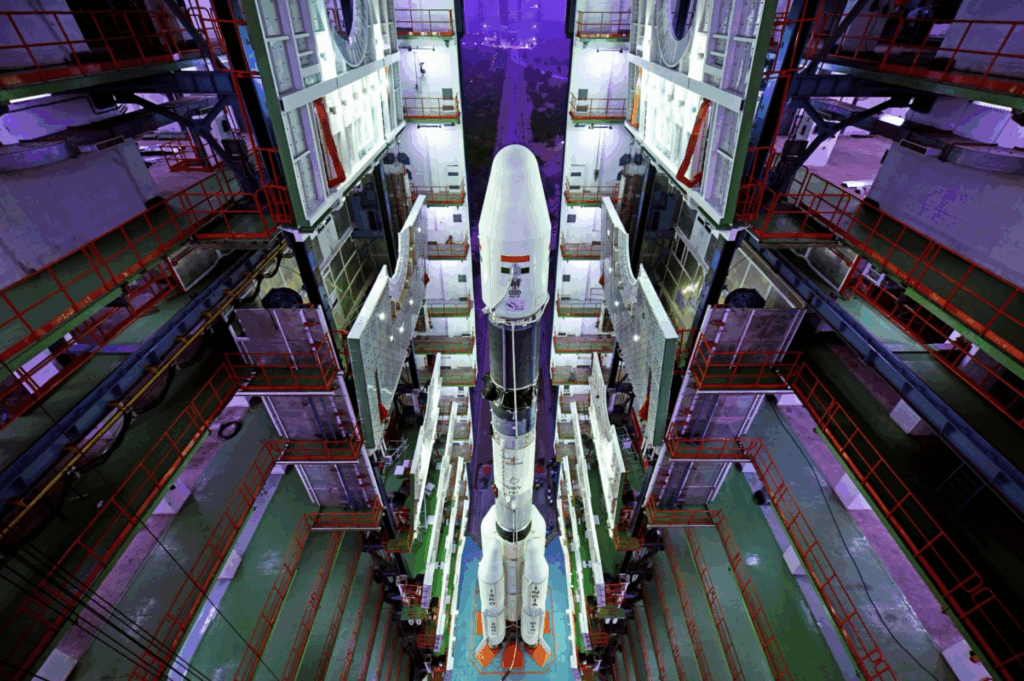
The inauguration of Ananth Technologies’ navigation hub underlines a larger shift: India is no longer content being a taker of foreign tech — it wants to build and control it. As Narayanan put it, navigation is “a very critical area” — and entrusting it partly to private industry signals trust, ambition, and readiness for the next phase of India’s aerospace journey.
If all goes well, in coming years we could see a cascade of Indian-built satellites, rockets, defence gear, and technologies — all powered by indigenous navigation systems. A stronger, self-reliant, space-ready India.

