
In a landmark move, French aerospace giant Safran has committed to full technology transfer to India for a next-generation fighter-jet engine — a first for any foreign defence vendor. This isn’t just assembly or licensed manufacture, but a complete handover: design, hot-section materials, turbine architecture — everything. The engine will be co-developed with Defence Research and Development Organisation (DRDO) under full Indian ownership of IP.
The project, valued around US $7 billion, aims to deliver a high-thrust 120–140 kN class turbofan for India’s own fifth-generation stealth jet programme.
🔧 What’s Being Transferred — And Why It Matters
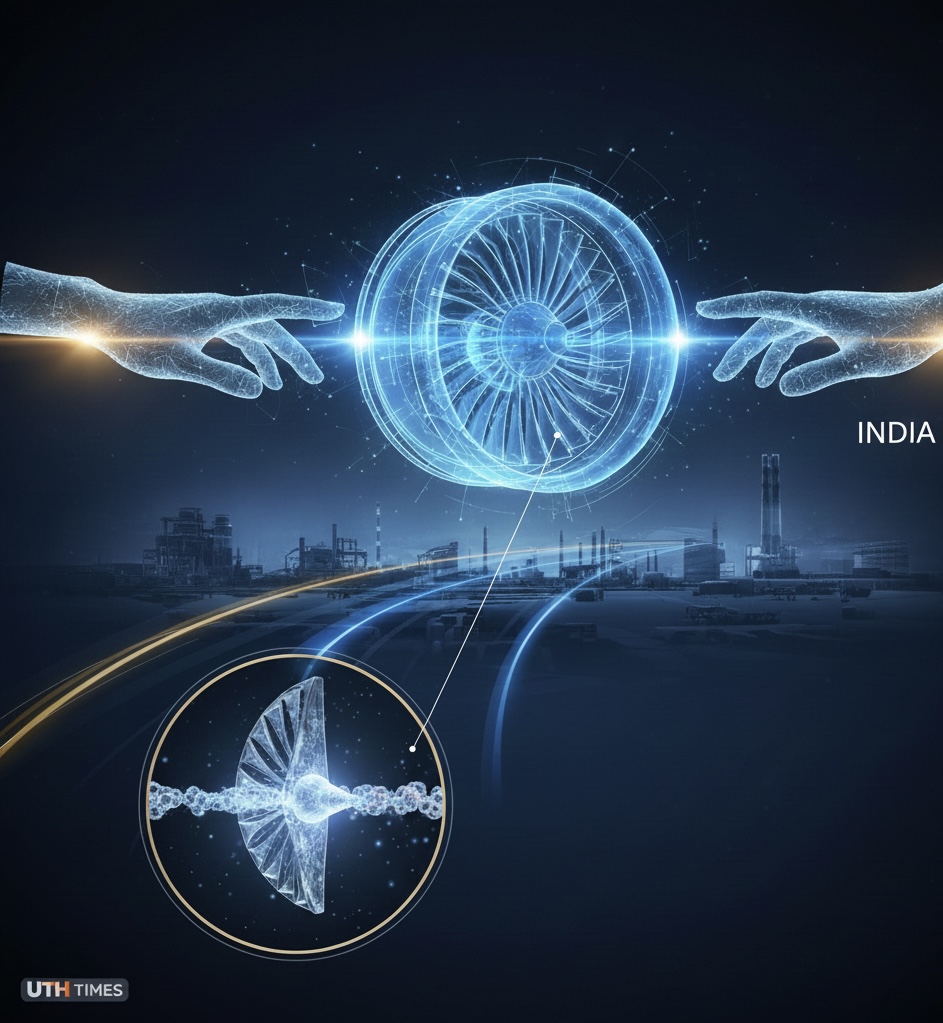
- 🌀 Full engine architecture and “hot-section” tech: Safran is handing over sensitive capabilities — like advanced combustors, turbine design, and hot-section metallurgy — often strictly guarded by leading aerospace nations.
- 🔬 Single-crystal turbine blade manufacturing: Producing single-crystal blades is a next-gen capability — improving heat resistance, efficiency, and engine lifespan. With this know-how, India can build engines that endure extreme performance demands.
- 🏭 Complete IPR and domestic production ecosystem: The transfer ensures India — not just DRDO — owns the intellectual property and manufacturing rights. Domestic firms (private and public) like Tata Advanced Systems, Larsen & Toubro and Adani Defence & Aerospace are expected to join the production effort.
This deal moves India beyond dependence on foreign engines and begins building a self-reliant aerospace propulsion base — long a critical gap.
✈️ What It Means for India’s Air Force & Defence Industry
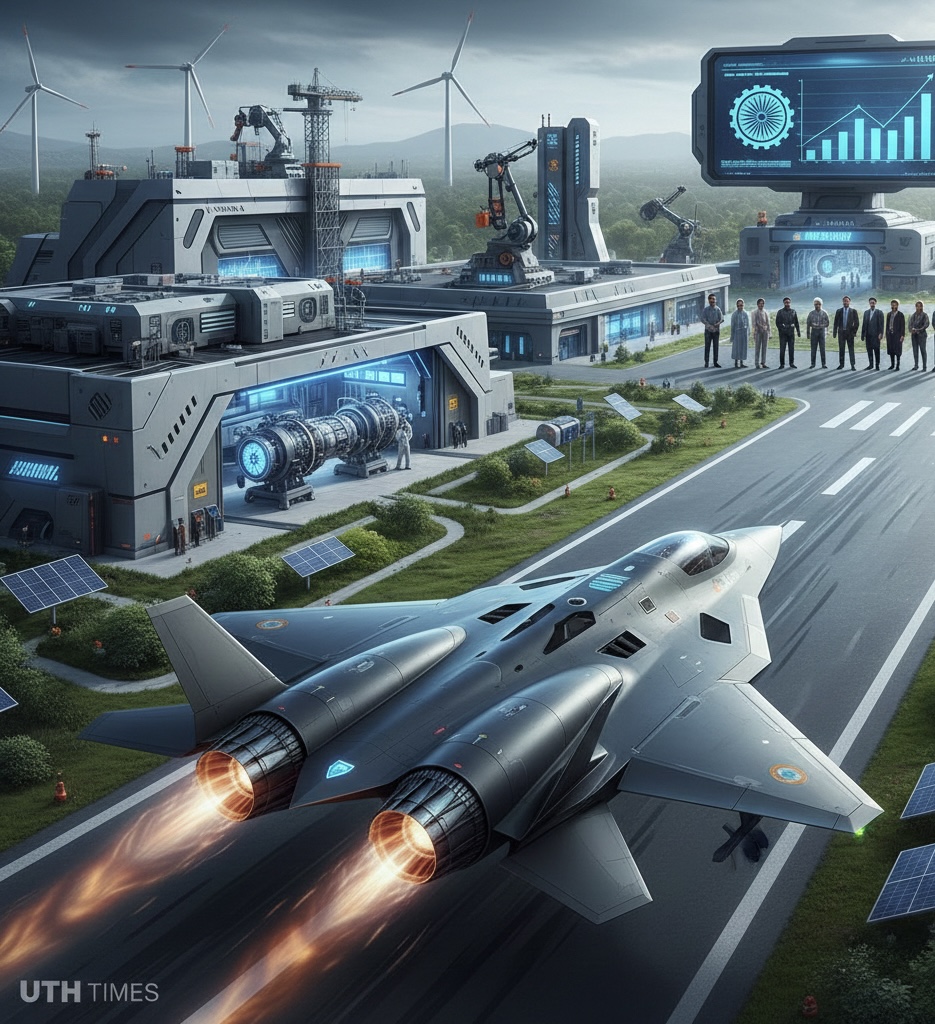
- Power for stealth and future jets: The engine is slated to power AMCA Mk‑2 — India’s indigenous 5th-gen stealth jet — giving it high thrust, better manoeuvrability, and stealth-compatible performance.
- Strategic autonomy: With full IPR and domestic manufacture, India gains sovereign control over engine supply, maintenance, upgrades — safeguarding against geopolitical supply-chain disruptions.
- Boost to “Make in India”: Engine production, testing, certification, maintenance — all become domestic. This could lead to new jobs, technology-development hubs, and a robust aerospace ecosystem.
- Learning from past lessons: Earlier projects (like the indigenous Kaveri engine) struggled to deliver high-thrust engines suitable for modern fighters. This fresh start with global expertise + full transfer may finally bridge that gap.
📆 What’s the Timeline

- 🧪 The plan involves building around nine prototypes over a 10–12 year program.
- ✈️ First prototype flights are expected by ~2028, with full production forecast by 2035.
- ⚙️ In the interim, early versions of jets like the stealthfighter will likely use interim engines (e.g. US-sourced), while the joint Safran-DRDO engine comes online.
🌍 Why This Move Is Geopolitically & Strategically Huge

Choosing a foreign vendor willing to give full tech + IPR transfer is rare — and the fact that Safran agreed signals deep trust and strategic alignment. This signals India’s readiness to break out of “import-only” defence culture and marks an aerospace-industry watershed.
Plus, modern aerial combat demands engines with high thrust-to-weight ratios, stealth-compatible exhaust signatures, reliability under harsh conditions — all of which only a few nations have mastered. India joining that club will shift regional power dynamics.
✅ Final Word
This $7 billion DRDO–Safran deal could be the turning point in India’s defence aviation story. Full tech transfer, domestic manufacturing, and world-class engine capability — the country is not just buying jets now, it’s building its future wings.

