
Home Blog Page 25

India’s Orbital Shield: ISRO’s 150-Satellite Push for Border Security

0

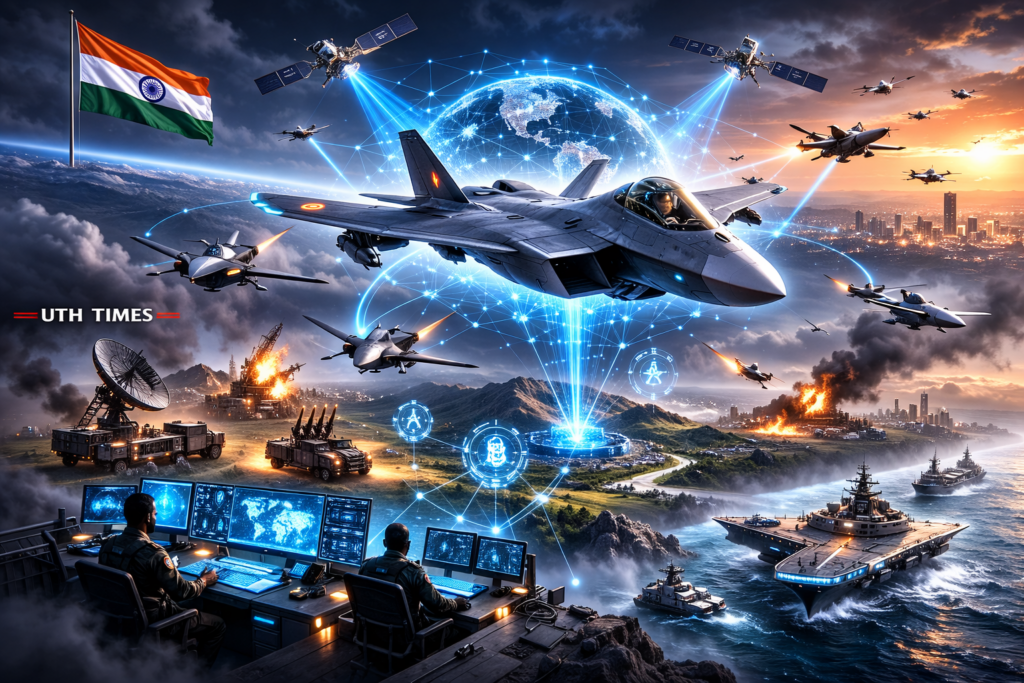
India is preparing for a strategic leap in space-based security. In a major announcement, the Chief of Indian Space Research Organisation (ISRO) revealed plans to deploy 100–150 satellites over the next three years — a move aimed at dramatically strengthening border surveillance, intelligence gathering, and national security readiness. This is not just an expansion of satellites; it’s the birth of an orbital security architecture.

🛰️ The Plan: A Dense Constellation, Not Isolated Satellites

Unlike traditional single-satellite missions, this initiative focuses on constellation-based deployment.

🔹 Low Earth Orbit (LEO) satellites for high-resolution, frequent imaging

🔹 Near-real-time monitoring of land borders, coastlines, and sensitive zones

🔹 Persistent coverage — no blind spots, no long revisit gaps

This layered constellation ensures that every strategic inch of India’s borders is observed multiple times a day, transforming how threats are detected and tracked.

🛡️ Why Border Security Needs Space Power

India’s borders stretch across mountains, deserts, dense forests, and oceans — terrains where human surveillance is limited.

✨ Space-based monitoring enables:

  • 🚨 Detection of infiltration attempts in real time
  • 🚚 Tracking of unauthorised movements and logistics
  • 🌊 Enhanced coastal and maritime domain awareness
  • 🔥 Early warning for conflict escalation or unusual activity

This system acts as a silent guardian, watching even when ground forces cannot.

🧠 Intelligence, Integration & Military Readiness

These satellites won’t operate in isolation.

🧩 They will be integrated with:

  • 🛰️ Existing military satellites
  • 🧠 AI-driven image analysis systems
  • 📡 Ground-based radar & drone networks

The result? Actionable intelligence, not just images — enabling faster decisions, quicker deployments, and strategic dominance.

🇮🇳 Atmanirbhar Bharat in Orbit

This ambitious expansion reinforces India’s push for self-reliance in critical technologies.

💡 Key highlights:

  • Majority indigenous satellite design & launch capability
  • Boost to private space startups and defence-tech ecosystem
  • Long-term reduction in dependence on foreign surveillance data

India isn’t just securing borders — it’s building sovereign space power.

🌍 Beyond Security: Dual-Use Advantages

While security is the core driver, these satellites will also support:

🌱 Disaster management

🌾 Agricultural monitoring

🛣️ Infrastructure planning

🌊 Climate & environmental tracking

A single constellation — multiple national benefits.

This 150-satellite vision marks a doctrinal shift: from reactive defence to predictive, space-enabled security. As India fortifies its borders from orbit, the message is clear — the future of national security is written in the stars, and India is ready.

India’s First Bullet Train Begins August 15, 2027 — A High-Speed Revolution on Rails

0

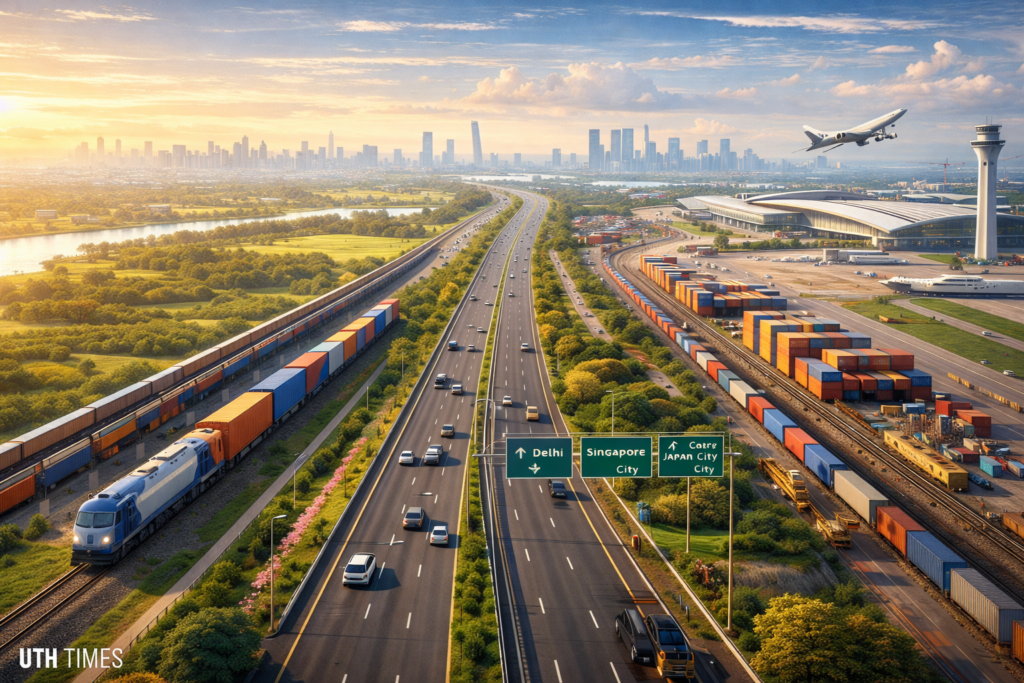
India is preparing for a transportation milestone. On August 15, 2027, the country will witness the historic launch of its first-ever bullet train, inaugurating the Mumbai–Ahmedabad High-Speed Rail Corridor. The date is symbolic — Independence Day — marking India’s liberation not only in spirit, but now in speed, technology, and ambition.

🚆 ⚙️ The MAHSR Corridor: India’s High-Speed Backbone

📏 Epic Specs

  • 🚄 Length: ~508 km from Mumbai (Maharashtra) to Ahmedabad (Gujarat)
  • ⚡ Speed: 320 km/h — reducing travel time from 8 hours ➝ just 2–2.5 hours
  • 🏢 Stations: 12 ultra-modern stops including Thane, Surat, Vadodara & Vapi
  • 🧬 Technology: Japan’s world-famous Shinkansen system for precision, earthquake-proofing & safety
  • 🏗️ Symbolism: Represents India’s shift from delayed rails ➝ to bullet-fast execution

This is not just a train — it is India saying to the world: we have arrived.

📅 Phased Launch: Smart Rollout Strategy

Rather than opening the full track at once, the Indian Railways will execute a strategic phased release:

  • 🚉 Phase 1 (Aug 15, 2027): Surat ➝ Bilimora begins
  • 🚉 Next: Vapi ➝ Surat section joins
  • 🚉 Then: Vapi ➝ Ahmedabad expands
  • 🚉 Later: Thane ➝ Ahmedabad
  • 🚉 Full Corridor Completion: Mumbai ➝ Ahmedabad completely operational (EXPECTED 2029)

This modular rollout ensures engineering precision + passenger acclimatization — the hallmark of successful mega rail projects.

🌍 Why It Matters – More Than Just Speed

💰 Economic Engine

  • Sparks trade synergy between Mumbai’s financial hub & Gujarat’s industrial capital
  • Elevates Western India’s business-tourism-startup ecosystem

🧳 Tourism & Lifestyle Transformation

  • One weekend = Two cities ✔
  • Jet-speed comfort will make “impulse travel” normal in India

🧑‍🏭 Jobs, Skill-Transfer & Tech Legacy

  • Thousands employed during construction, operations, maintenance
  • Japanese tech infusion ➝ India becomes self-reliant for future high-speed railway projects

🌱 Sustainability

  • Electric bullet trains mean clean travel, low emissions, and less pressure on highways & aviation

🎯 Challenges — The Real Story

Land acquisition hurdles, questions over cost (~₹1.1 lakh crore), and ticket affordability remain in public debate.

But every great nation-building project begins with doubt — before it becomes pride.

🏁 Conclusion: When the Future Arrives at the Platform

On August 15, 2027, when passengers step into that aerodynamic silver bullet — India will not just start a train.

It will start a mindset shift.

A belief: Speed belongs to us too.

Kamdev vs Shiva — The Legendary Clash of Desire and Divine Power

Deep in the Himalayan silence, where snow whispers and time dissolves, destiny staged a divine confrontation — Kamdev, the god of desire, dared to aim his floral bow at the supreme ascetic, Lord Shiva. What happened next became one of the most defining spiritual moments in Hindu mythology.

🌼 Why Kamdev Took the Ultimate Risk — Desire as a Cosmic Duty

Kamdev did not act out of mischief — he acted for the survival of creation itself.

✨ His Divine Purpose

  • 🌺 Shiva’s endless tapasya threatened balance — the world needed the birth of Kartikeya to defeat the demon Tarakasura.
  • 🌺 Parvati’s devotion awaited fulfilment — love had to awaken for union to manifest.
  • 🌺 Kamdev became the chosen spark — willingly stepping into danger.

✨ Kamdev’s Floral Weapon — A Symbolic Strike

  • 🌸 Flowers show desire appears softly — never forceful, always seductive.
  • 🌸 His arrows target the mind, proving temptation begins internally.
  • 🌸 His presence represents life, fertility, and continuity of existence.

🔥 Shiva’s Third Eye Ignites — The Fire of Ultimate Truth

In a single micro-second, meditation turned into cosmic eruption. Shiva — unmoving like the eternal mountain — opened his third eye.

✨ What the Third Eye Represents

  • 🔥 Awareness that sees beyond illusion (Maya)
  • 🔥 Fire that burns ego, uncontrolled craving, and attachment
  • 🔥 State where divinity is not emotional — but absolute and impartial

✨ The Incineration

  • ⚡ Kamdev was reduced to ash — but not out of rage
  • ⚡ Shiva did not kill desire — he purified it
  • ⚡ Love was transformed, not destroyed — returning later in subtler, divine form

🌌 Witnessing the Unthinkable — The Universe Holds Its Breath

Celestial beings, nature, and Parvati herself felt the tremor of this act.

✨ Cosmic Observations

  • 🪷 Destruction here was evolution — ego burned, destiny awakened
  • 🪷 Even gods must sometimes sacrifice for balance
  • 🪷 Kamdev’s fall became a reminder: uncontrolled passion blinds, but aligned desire enlightens

🕉 The Eternal Lesson — A Scripture for Human Life

This moment is not just mythology — it is a mirror for every seeker.

✨ Spiritual Takeaway

  • 💠 Desire is a tool — not a master
  • 💠 Too much attachment consumes; total denial disconnects
  • 💠 Balance between desire and discipline is the true path of liberation

Kamdev vanished — but love remained, now sacred, refined, and eternal. His sacrifice etched a universal truth: sometimes, fire destroys not to end — but to elevate.

Tariff-Free Triumph: How Australia’s Zero-Duty Move Ignites Indian Export Boom

0

🌏 Setting the Stage: A New Era in India-Australia Trade

From January 1, 2026, a historic shift in global trade is set in motion as Australia abolishes tariffs on all Indian goods under the India-Australia Economic Cooperation and Trade Agreement (ECTA) — a pact that has been carefully phased in since its entry into force in December 2022. This landmark move signifies the fullest expression yet of one of India’s most ambitious trade agreements with a developed economy, bringing every tariff line to zero duty and massively enhancing market access for Indian exporters in a high-income market. 

🚀 Why This Moment Matters: A Trade Game-Changer

📈 🔥 Zero Tariffs = Unlimited Opportunity

✔️ From January 1, 2026, 100 % of Australian tariff lines on Indian exports will attract zero customs duty — meaning goods ranging from textiles to machinery can enter Australia without additional taxation.

✔️ Until now, Australia had already eliminated tariffs on the vast majority of Indian exports; this final phase completes the transition.

✔️ This is especially powerful for labour-intensive sectors and MSMEs, where thinner margins now gain breathing room to price aggressively and scale exports. 

Impact Snapshot:

👉 Indian manufacturing goods

👉 Textiles & leather products

👉 Chemicals & pharmaceuticals

👉 Petroleum goods

👉 Gems & jewellery

👉 Agriculture & processed foods

All now enjoy frictionless entry into the Australian market.

🤝 How ECTA Built This Bridge

The India-Australia ECTA, which came into force at the end of 2022, was designed to systematically dismantle tariff barriers on both sides. Before this final phase:

🔹 Australia had already moved to tariff-free access on well over 90% of Indian export value.

🔹 India also offered concessions on a range of goods, strengthening reciprocal access.

🔹 The phased approach ensured stable adjustment and allowed exporters to adapt strategically. 

This infrastructure now culminates in a true duty-free regime, providing clarity and predictability for businesses.

💼 Real Gains Beyond Numbers

📊 India’s exports to Australia have already grown impressively — recording an 8 % rise in 2024-25 under ECTA’s influence — and the fully duty-free regime is expected to accelerate this further. 

Sectoral Benefits:

✨ Manufacturing & Engineering: Lower landed costs boost competitiveness.

✨ Agri & Food Processing: Farmers and processors find new outlets for produce.

✨ Services & Supply Chains: Stronger linkages, especially through mutual recognition arrangements like organic products.

✨ MSMEs: Easier access means greater scale and global reach.

⚡ Strategic Implications: A Partnership Beyond Trade

This is not just economics — it’s strategy. By deepening economic ties, both nations solidify a partnership that enhances regional supply chain resilience, diversifies trade away from traditional partners, and reinforces Indo-Pacific cooperation. 

🔚 The Dawn of a Dynamic Trade Frontier

As Australia drops tariffs on all Indian goods, a new trade frontier unfolds. Indian exporters gain unfettered access to a premium market, while Australia taps into India’s dynamic production ecosystem. This is not merely a policy shift — it is a strategic alliance transforming bilateral trade, economic growth, and shared prosperity. 

Rama Worships the Divine Mother — Shakti as the Source of Victory

Before Rama raised his bow against Ravana, he raised his heart in devotion. His pause before war was not hesitation— it was a declaration that no action is righteous unless aligned with divine purpose.

👑 I. Humility of the Ideal Ruler

Lord Rama, hailed as Maryada Purushottam, is often remembered for courage, dharma, and kingly duty. Yet the greatest revelation of his character lies in this moment of surrender—when even an incarnation of Vishnu bows to the Mother Goddess.

What This Symbolizes:

  • 🌺 🕉️ Strength is borrowed, not owned
  • 🌺 👑 Power is purified when ego dissolves
  • 🌺 🔱 Leadership blossoms when guided by a higher force

Rama’s humility redefines what it means to rule: authority must be anchored in reverence, not arrogance.

🌙 II. Worship Before War — Choosing Dharma Over Pride

The battle against Ravana was not a personal feud, but the restoration of balance. Before stepping into the battlefield, Rama invoked Shakti through sacred worship—seeking blessings to act as an instrument of dharma, not a conqueror.

Deeper Insight:

  • 🪷 Shakti is the cosmic force that sustains courage and protection
  • 🪷 Valor without divine alignment becomes violence
  • 🪷 Victory gained through ego is defeat in disguise

Rama ensured his mission carried purity in intention—turning war into a spiritual vow.

🔥 III. Shakti — The Feminine Energy Behind Every Triumph

In Hindu cosmology, even gods are incomplete without the feminine. Vishnu–Lakshmi, Shiva–Parvati, Rama–Shakti—divinity is always dual.

Rama’s worship is a universal truth:

No being, however exalted, can conquer darkness without first invoking the light.

Lessons Hidden in This Act:

  • ✨ True power flows through Shakti, never around it
  • ✨ Courage is strongest when rooted in surrender
  • ✨ Moral balance is sustained by the sacred feminine

This reverence brings balance to masculine force—preventing strength from becoming tyranny.

🕊️ IV. The Modern Takeaway — Leadership Rewritten

Rama teaches today’s world—from political leaders to dream-chasers—that success must begin with grounding.

  • 🧭 Bow to purpose before you chase victory
  • 🧭 Humility is a strategy, not a weakness
  • 🧭 Divine connection turns action into destiny

When we let ego step aside, Shakti enters—and life transforms.

🌈 The Prayer Behind the Power

Rama’s worship whispers across ages:

“Let my victory be Yours. Let my action be pure.”

In surrender, he found Shakti. And in Shakti, he found triumph.

Whispers of Shiva: Rare Glimpses of His Eternal Abodes

There are temples — and then there are places where the universe itself bends in silence. These rare old photos of Mahadev’s divine shrines capture not stone… but shakti — frozen in time.

🕉️ THE SACRED TEN — WHERE SHIVA BREATHES THROUGH AGES

1️⃣ Kedarnath, Uttarakhand — Where Earth Touches Heaven

Nestled at 3,583 m in the snow-clad Himalayas, Kedarnath is not just a Jyotirlinga — it’s a test of devotion. ❄️

  • 🪶 Believed to be established by Pandavas seeking liberation
  • 🕯️ Ancient stone architecture said to have stood against centuries of storms
    Here, the air is thin — but faith is thick enough to carry you.

2️⃣ Sri Amarnath Cave Temple, J&K — Ice That Speaks

In this mystical cave, an ice-lingam forms naturally each year — believed to be Shiva himself manifesting.

  • 🔺 Legend: Lord Shiva revealed the secret of immortality (Amar Katha) here to Parvati
  • 🕉️ A trek through glaciers and cliffs — where every breath is a prayer

3️⃣ Mahakaleshwar Jyotirling, Ujjain — Time Bows Here

This is the only Jyotirlinga facing south, symbolizing Mahakala — the Lord of Time.

  • 🔥 Famous for its Bhasma Aarti performed with sacred ash
    A temple where dawn begins with fire… and ends with surrender.

4️⃣ Omkareshwar, Madhya Pradesh — The Island Shaped Like OM

Floating on river Narmada’s island of Mandhata (ॐ) itself — Omkareshwar is devotion carved by nature.

  • 🌊 Pilgrims say even the winds whisper the mantra “Om Namah Shivaya.”

5️⃣ Kashi Vishwanath, Uttar Pradesh — Moksha’s Final Doorway

Ancient texts say — Shiva whispers the Taraka Mantra here at death.

  • 🛕 One of the world’s most worshipped Shiva shrines
  • 🌙 A place where life and liberation meet

6️⃣ Somnath, Gujarat — Temple Death Couldn’t Kill

Destroyed 17 times by invaders, rebuilt each time — Somnath is a heartbeat that refuses to stop.

  • 🏹 Testament to India’s spiritual spine
  • 🏛️ Overlooking the Arabian Sea — where waves chant endlessly

7️⃣ Nageshwar Jyotirling, Gujarat Protector From Poison

Known for shielding devotees from negativity and venom — physical or emotional.

  • 🧿 Ancient lore: Shiva killed the serpent demon Daruka here

8️⃣ Grishneshwar, Maharashtra — Final Jyotirling, Final Realization

Close to Ellora Caves — a fusion of art, history, and divinity.

  • 💎 Carved pillars echo ancient sculptors’ devotion
  • 🕍 The smallest — yet spiritually the most intimate shrine

9️⃣ Bhimashankar, Maharashtra — Jungle of Legends

Hidden inside the Sahyadris, shielded by forests and fog —

  • 🐅 Here, Shiva defeated the demon Bhima
  • 🌧️ Origin of sacred Bhima River

🔟 Trimbakeshwar, Maharashtra — Where the Holy River Is Born

The cradle of River Godavari — believed to wash away karmas.

  • 🔱 Home of the trinity-lingam — Brahma, Vishnu & Shiva

These aren’t monuments.

They are portals — where every stone hums “Har Har Mahadev.”

Once in a lifetime… witness them — before life itself ends.

India’s Ultimate Sea Warrior: Project 18 Destroyer – The Future of Naval Power

0

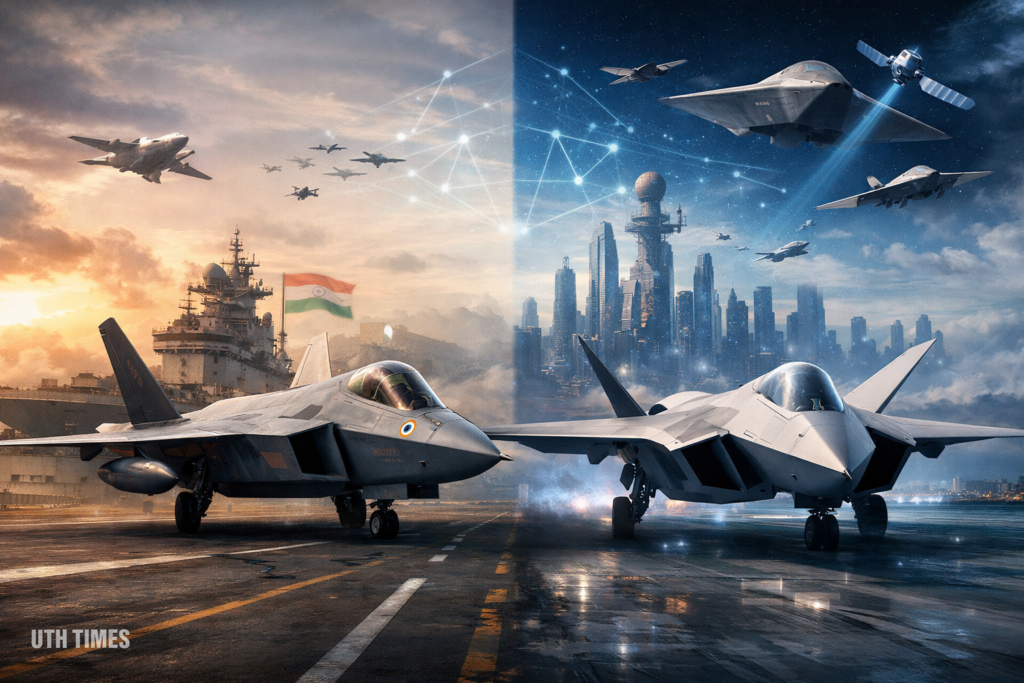
India is crafting a maritime behemoth — the Project 18 (P-18) Next-Generation Destroyer (NGD) — set to redefine naval warfare and power projection. Designed to be the most potent surface combatant in the Indian fleet, this warship promises unparalleled striking power, advanced sensors, and sovereign combat capability. 

🛡️ A Colossus at Sea: Displacement & Classification

🔹 Massive Displacement: At an estimated 13,000 tonnes, the P-18 dwarf’s India’s current Visakhapatnam-class destroyers and might be classified internationally as a cruiser due to its sheer size. 

🔹 Flagship Potential: This next-level surface combatant is slated to be among the largest indigenous warships ever produced, marking India’s ambition to dominate deep-water engagements in the Indo-Pacific. 

🚀 Arsenal Unleashed: 144 Missiles of Destruction

🔥 Formidable Vertical Launch System (VLS):

The P-18 is designed with 144 VLS cells — triple the missile load of current Indian destroyers — making it one of the most heavily armed warships globally. 

✨ Layered Firepower Configuration:

• 🛫 Long-Range Air Defense: ~32 VLS dedicated to long-range SAMs (like PGLRSAM) protecting from aircraft and ballistic threats. 

• 💥 Strike Power: ~48 cells for BrahMos extended-range supersonic cruise missiles and indigenous cruise missiles targeting ships or land objectives. 

• 🛡️ Short-Range Defense: ~64 cells for very short-range surface-to-air missiles, creating a tight defensive bubble. 

This layered configuration enables the P-18 to fight in anti-air, anti-surface, and layered defense scenarios — a true multi-domain powerhouse. 

📡 Eyes That Never Blink: Advanced Sensors & Tracking

👁️‍🗨️ State-of-the-Art Radar Suite:

Equipped with four AESA radar panels and advanced sensor arrays developed by DRDO and BEL, the ship can detect and track threats beyond 500 km — a strategic edge in modern warfare. 

🔍 360° Battlefield Awareness:

The integrated radar and sensor suite delivers comprehensive situational awareness, allowing simultaneous tracking of multiple aerial and surface threats — a critical capability in contested waters. 

🛠️ Indigenous Design & Versatile Combat Roles

🇮🇳 Atmanirbhar Bharat Vision:

With around 75% indigenous content, Project 18 aligns with India’s self-reliance goals, showcasing cutting-edge naval engineering and domestic tech integration. 

⚙️ Multi-Role Warfare:

• 🚁 Operates two multi-role helicopters

• 🤖 Launches autonomous underwater drones

• 🪖 Performs anti-submarine, anti-air, and surface warfare missions

This adaptability makes P-18 a true warfighting platform across conflict spectrums. 

🏁 Conclusion: A Strategic Game-Changer

The Project 18 destroyer isn’t just a ship — it’s India’s bold statement to the world. By integrating immense firepower, long-range sensors, and indigenous systems, it positions the Indian Navy as a decisive force in the Indo-Pacific and beyond. As maritime competition intensifies, this next-generation destroyer could very well be the crown jewel of India’s future fleet.

India Women Rewrite T20I History with Spectacular Record

0

In an extraordinary cricketing performance, India Women not only smashed records—they redefined T20I excellence.

🧨 Unstoppable India Set a New High-Water Mark

✨ Historic Total of 221/2:

India Women posted a mammoth 221 for 2 in the 4th T20I against Sri Lanka—establishing a new benchmark in women’s international T20 cricket. This wasn’t just a big score; it was a statement. The Indian team transcended expectations, showcasing dazzling strokeplay and professional precision throughout their innings.

✨ Record Opening Stand:

The opening partnership between Smriti Mandhana and Shafali Verma wasn’t just dominant—it was record-breaking. Their 162-run stand is now the highest opening partnership in women’s T20Is. From the first ball, this duo played with supreme confidence and attacking intent, setting fans alight and leaving the opposition scrambling for answers.

💥 Star Power: Verma, Mandhana & Ghosh Shine

⭐ Shafali Verma – Fearless Dynamism:

Verma’s 79 off 46 balls was a masterclass in controlled aggression. Every boundary was a statement; every shot carried swagger. Her innings was vibrant, electric, and pivotal in powering India to the record tally.

⭐ Richa Ghosh – Fireworks at the End:

Finishing with a blazing 40* off just 16 deliveries, Ghosh brought the innings home with authority. Three towering sixes highlighted her fearless batting mindset—announcing her arrival as a match-turning force in crunch moments.

⭐ Mandhana’s Tactical Brilliance:

While her partner’s power grabbed headlines, Mandhana’s composed anchoring and intelligent stroke selection completed a perfect opening recipe—mixing rhythm, timing and resilience.

🛡️ Bowling Brilliance Seals the Win

✨ Defending with Precision:

India’s bowlers backed the sensational batting performance with a calculated, disciplined bowling display. By restricting Sri Lanka and defending the colossal total, India clinched the match by 30 runs, proving that this team dominates with both bat and ball.

✨ Captaincy & Leadership:

Under skipper Harmanpreet Kaur, India exuded confidence and cohesion. With this victory, Kaur now holds the record for most T20I wins as captain (77)—a testimony to her strategic acumen and relentless leadership.

🏆 Milestones & Glorious Legacies

🌟 Mandhana’s Elite Achievement:

Alongside being Player of the Match, Mandhana achieved a rare personal milestone—becoming only the second Indian woman to score 10,000 international runs after legend Mithali Raj. This cements her place among the true icons of the game.

India Women’s sensational show wasn’t just a victory—it was history written in bold. A team setting new standards, inspiring generations, and rewriting the limits of possibility.

The Sacred Divide — Shaktipeeth vs Siddhpeeth: Power, Penance & Divine Presence

0

🌅 Power Doesn’t Always Come From Where You Think

Across India, devotees bow before temples of Devi, often believing each powerful shrine is a Shaktipeeth. But the truth is deeper. Some lands became sacred not because the Goddess descended — but because humans ascended. Two kinds of spiritual forces shape India: where the divine fell, and where humans rose.

🔱 What is a Shaktipeeth? — Where the Goddess Became Earth

Shaktipeeths are not temples. They are geographical scars of cosmic sorrow — physical locations where the body parts of Goddess Sati fell when Lord Shiva, maddened with grief, carried her charred form across the universe.

🕉️ Why They Matter

Shaktipeeths are considered:

  • ✨ Seats of unfiltered cosmic feminine energy
  • ✨ Portals where devotees experience Shakti without human mediation
  • ✨ Temples watched over by Shakti + Bhairava (Shiva) — both energies present

📍 How Many?

There are traditionally 51 Shaktipeeths (some traditions mention 108). Each corresponds to a specific limb or ornament of Sati — from her hair to heart, from anklet to tongue.

🧿 Spiritual Vibe

Here — the atmosphere is charged. Devotees often report:

  • 🙏 Instant emotional shift
  • 🔥 Intense energy surges
  • 💗 Tears without reason
    Because these sites are cosmic accidents — not human creations.

🌄 What is a Siddhpeeth? — Where Humans Became Divine

If Shaktipeeths are where God touched Earth, Siddhpeeths are where Earth touched God.

These are places where:

  • 🧘‍♂️ Great sadhus performed tapasyā (penance)
  • 🕯️ Attained siddhi (supernatural mastery)
  • 🪷 Their energy transformed ordinary land into sacred terrain

📜 Examples of Legendary Siddhpeeths

  • 🏔️ Girnar — where Guru Dattatreya is believed to still roam
  • 🕍 Shikharji (Parasnath Hill) — Jain tirth where 20+ Tirthankaras achieved Nirvana
    These aren’t divine because something fell —
    They’re divine because someone rose through effort powerful enough to shake the universe.

🔥 Their Power Feels Different

Instead of emotional surges, Siddhpeeths offer:

  • 🌬️ Mental clarity
  • 🧠 Calm expansion
  • 🎯 Discipline + tapas energy
    They are places where humans become more than human.
India’s NavIC Standards: Rewriting the GPS Rulebook

0

India is steering its satellite navigation future with bold confidence — introducing comprehensive, government-backed standards for NavIC location receivers, signaling a major shift from reliance on America’s GPS towards an indigenous, world-class navigation ecosystem. 

📡 NavIC: The Homegrown GPS Alternative

India’s Navigation with Indian Constellation (NavIC) system is a satellite navigation network developed by the Indian Space Research Organisation (ISRO) to deliver accurate location and timing services over India and up to 1,500 km beyond its borders. 

Unlike the Global Positioning System (GPS) — controlled by the U.S. Department of Defense — NavIC is civilian-oriented and tailored to India’s unique terrain, needs, and strategic priorities. 

📏 Why Standards Matter: Setting the Benchmark

To unlock NavIC’s full potential, the Bureau of Indian Standards (BIS) has unveiled a first-of-its-kind set of technical specifications for NavIC receivers. These are not just guidelines — they are quality, performance, and reliability criteria designed to create trust and uniformity in every device or application that uses NavIC. 

🔹 Signal acquisition & tracking: Defines how receivers must lock onto NavIC signals efficiently. 

🔹 Positioning accuracy: Ensures precise location data, with benchmarks comparable to global standards. 

🔹 Timing precision: Critical for synchronization in telecom, transport, and financial systems. 

🔹 Interference resilience: Robust performance even in challenging environments. 

These standards make sure that smartphones, vehicles, drones, agricultural equipment and industrial IoT devices using NavIC deliver consistent, reliable location data. 

🇮🇳 A Strategic, Self-Reliant Move

Why now? India’s push to standardize NavIC comes from a decades-old desire for technological self-sufficiency — a lesson underscored during the 1999 Kargil conflict, when reliance on foreign GPS data exposed vulnerabilities in defence and disaster response. 

With these standards, India steps up alongside global navigation powers like the U.S. (GPS), China (BeiDou), Russia (GLONASS), and Europe (Galileo), asserting its place in the elite league of sovereign satellite navigation systems. 

📊 What This Means for Industries & Users

📍 Tech Manufacturers: Now have clear technical frameworks to build NavIC-compatible chips and devices. 

📍 Navigation Apps & Services: Gain a dependable platform with standardized performance metrics. 

📍 Strategic Sectors (Transport, Agriculture, Disaster Management): Can adopt NavIC solutions with confidence in accuracy and reliability. 

Currently, BIS certification is voluntary, but industry experts anticipate rapid adoption as NavIC becomes integrated into mainstream technologies. 

🛰️ Conclusion: Forging a New Navigation Era

India’s introduction of comprehensive standards for NavIC receivers is far more than a technical milestone — it marks a strategic, self-reliant transformation in satellite navigation. With this initiative, India isn’t merely reducing dependence on foreign systems like GPS — it’s shaping the future of precision location services across its economy and beyond. 
The world will now watch as NavIC transitions from an ambitious national project to a powerful, standardized navigation backbone that could redefine how devices locate, communicate, and operate — starting from India and radiating outward.