
India has achieved a historic milestone by successfully extending the operational life of Tarapur Atomic Power Station Unit-1 (TAPS-1) through fully indigenous nuclear engineering. The reactor has now returned to the grid after a comprehensive modernization program — marking a decisive step toward nuclear self-reliance and long-term energy security.
India’s First Fully Indigenous Reactor Life Extension
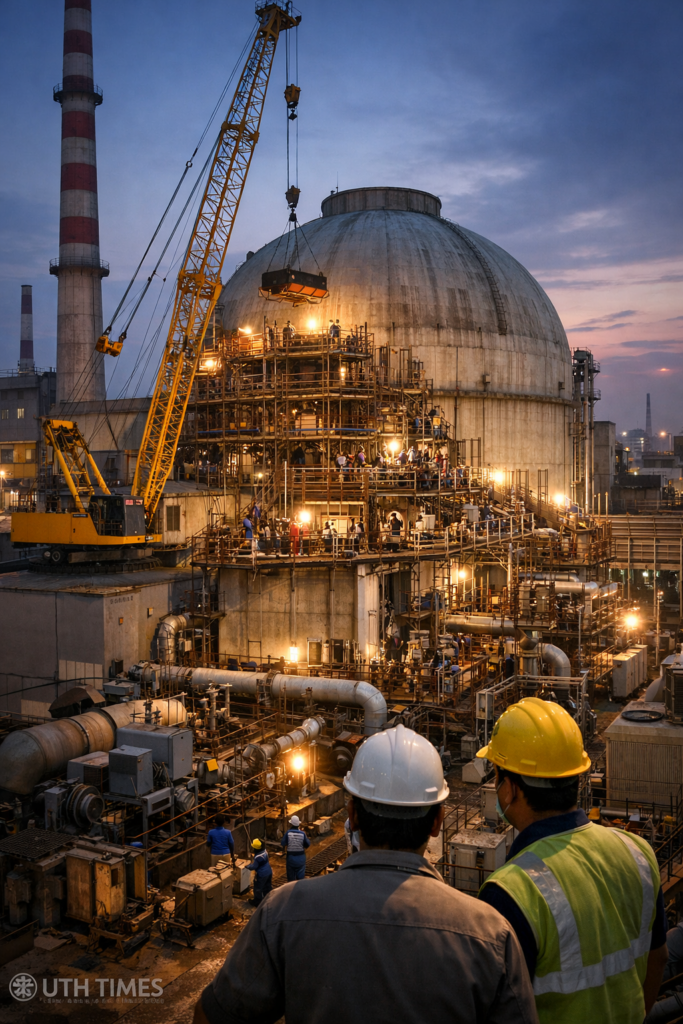
Tarapur-1, commissioned in 1969, is one of Asia’s oldest operating nuclear reactors. Instead of retiring the aging facility, Indian engineers carried out a complete life extension and safety overhaul without foreign technical assistance.
Key Achievements
🔹 Full replacement and refurbishment of critical reactor systems
🔹 Indigenous design validation and safety upgrades
🔹 Structural reinforcement for extended operational life
🔹 Advanced instrumentation and control modernization
🔹 Compliance with latest nuclear safety standards
This achievement places India among a very small group of nations capable of extending reactor lifetimes through domestic expertise alone, making it the first country in Asia to complete such a project independently.
Engineering Complexity Behind the Upgrade
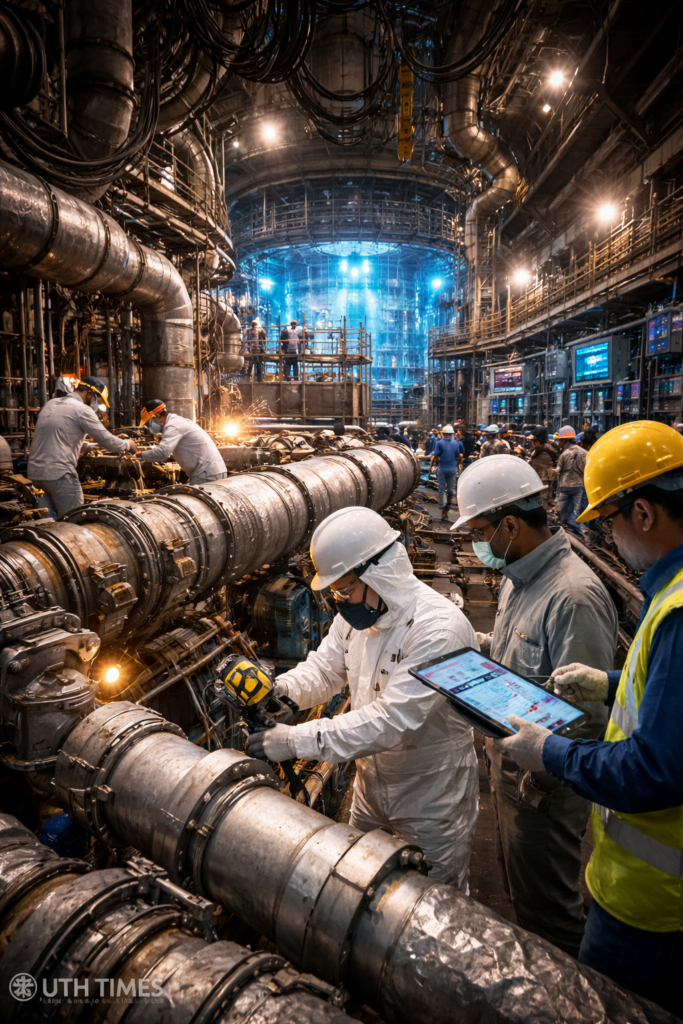
Extending the life of a nuclear reactor is far more complicated than routine maintenance. It requires deep knowledge of reactor physics, metallurgy, radiation effects, and safety engineering.
⚙️ Reactor component ageing assessment and redesign
⚙️ Replacement of critical piping and coolant systems
⚙️ Modern digital control architecture installation
⚙️ Enhanced seismic and thermal safety margins
⚙️ Advanced radiation monitoring systems
Engineers had to work within extreme radiation environments while ensuring zero compromise on safety — demonstrating India’s end-to-end nuclear engineering capability.
The project also reduced dependence on imported nuclear technology, strengthening domestic capabilities across the entire nuclear supply chain.
Strategic Importance for India’s Energy Future
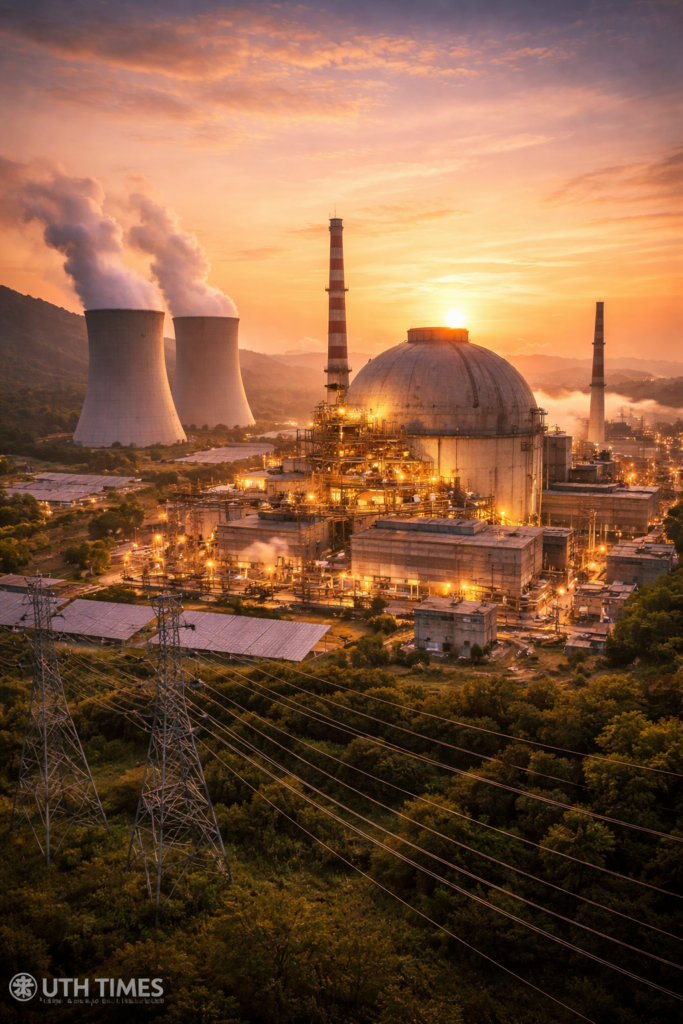
The successful life extension of Tarapur-1 signals a new era in India’s nuclear program.
⚡ Long-term baseload clean energy generation
⚡ Reduced need for costly new reactor construction
⚡ Strengthening of indigenous nuclear industry
⚡ Improved energy security
⚡ Lower carbon emissions
By extending the reactor’s lifespan, India gains decades of additional clean electricity, supporting the country’s growing energy demand without increasing fossil fuel dependence.
A Blueprint for Nuclear Self-Reliance
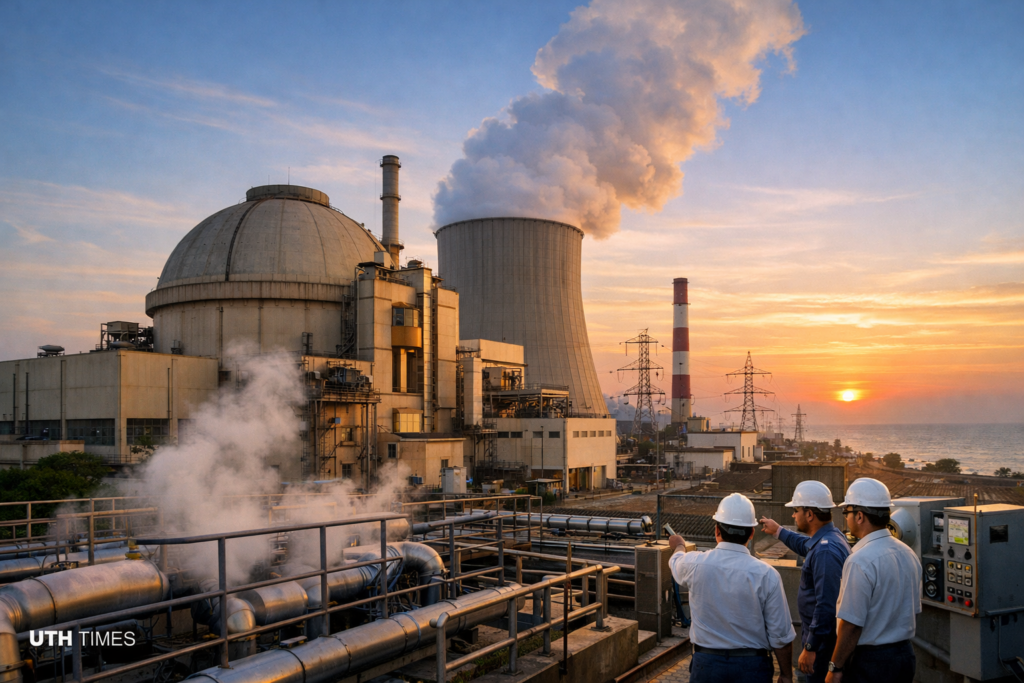
The Tarapur-1 project demonstrates that India can independently manage the entire lifecycle of nuclear reactors — from construction to modernization and long-term operation.
It represents more than a technical upgrade — it is proof that India’s nuclear sector is evolving into a self-sustaining technological ecosystem capable of powering the nation for decades.

