Home Blog Page 4

Varanasi’s Industrial Rise: ₹24,187 Crore Investment Push

0

Varanasi is increasingly moving beyond its identity as a spiritual and cultural capital, emerging as a growing centre for industry, investment and enterprise.

🏭 76 Companies Betting Big on Kashi
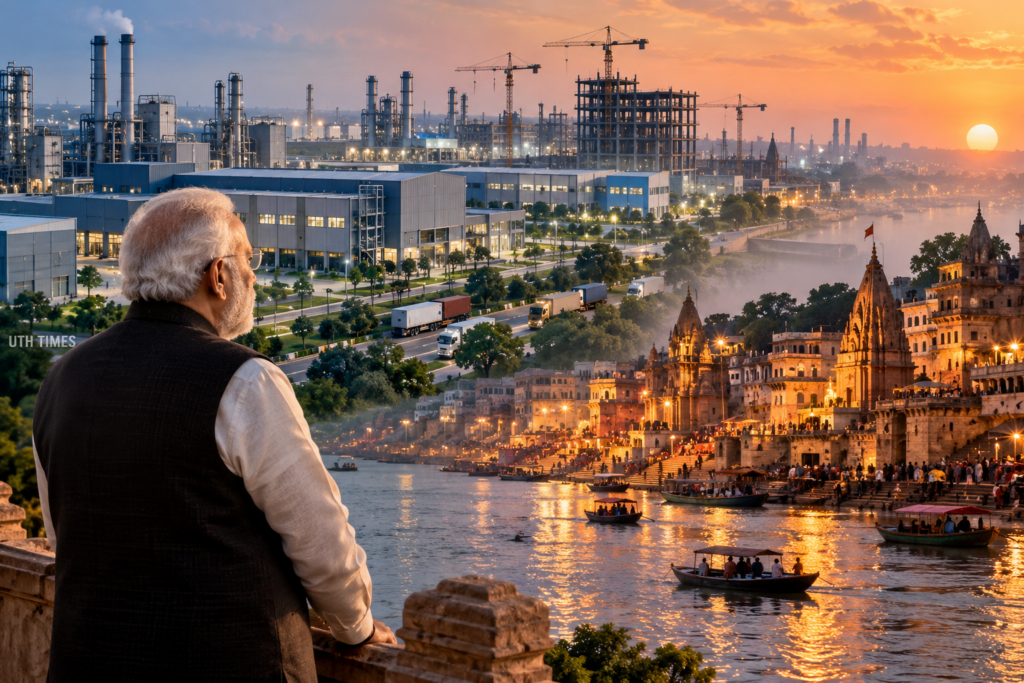
A significant investment wave is taking shape in Prime Minister Narendra Modi’s parliamentary constituency, with 76 companies investing in Varanasi.

💰 ₹24,187 crore — total investment proposed by companies in the city.

📈 ₹9,180 crore — investment already realised on the ground.

🚀 The numbers point to a clear shift: Varanasi is becoming an increasingly attractive destination for businesses looking to expand their operations and tap into the region’s growing economic potential.

The gap between proposed and realised investment is also important. With thousands of crores already deployed, the transformation is no longer limited to announcements—it reflects capital actually moving into the local economy.

🏗️ From Heritage City to Emerging Business Hub

For decades, Varanasi’s global identity has been dominated by its temples, ghats, handicrafts, silk industry and religious tourism. But the city’s economic story is becoming broader.

🔹 New investments can strengthen industrial activity and create additional demand for supporting businesses.

🔹 Manufacturing, logistics, services and allied sectors can benefit as the investment ecosystem expands.

🔹 Greater private-sector participation can generate employment opportunities for local workers and young professionals.

🔹 A stronger industrial base can also create opportunities for small and medium enterprises operating within local supply chains.

This evolution matters because industrial growth can complement—not replace—Varanasi’s traditional economy. The city’s famous crafts, textiles, tourism and cultural industries can coexist with modern commercial and industrial activity, creating a more diversified economic base.

💼 ₹9,180 Crore Already on the Ground

The ₹9,180 crore already invested is arguably the strongest indicator of momentum.

🔥 It demonstrates that Varanasi’s investment story is moving beyond proposals.

📊 As more projects become operational, the resulting economic activity could extend well beyond the companies making the investments, benefiting suppliers, contractors, transport operators, service providers and local businesses.

👷 The employment impact could become another important dimension, particularly if investment translates into new manufacturing facilities, offices, warehouses and business operations.

🌆 Why Varanasi’s Transformation Matters

The larger significance lies in the changing perception of Kashi.

Varanasi is now being positioned not only as a destination for pilgrims and tourists, but also as a city capable of attracting serious private investment.

The combination of infrastructure development, connectivity, a large consumer and labour base, established traditional industries and increasing business activity could help the city strengthen its position in Uttar Pradesh’s economic landscape.

The ₹24,187-crore investment pipeline represents more than a headline figure. It signals growing corporate confidence in Varanasi and the possibility of a much larger economic transformation.

If proposed investments continue converting into completed projects, Kashi could increasingly be recognised as a modern industrial and commercial hub alongside its centuries-old cultural identity.

From the ghats to the factory floor, Varanasi’s economic story is entering a new chapter.
Sheetal Devi Wins Historic Gold in Dramatic Shoot-Off

0

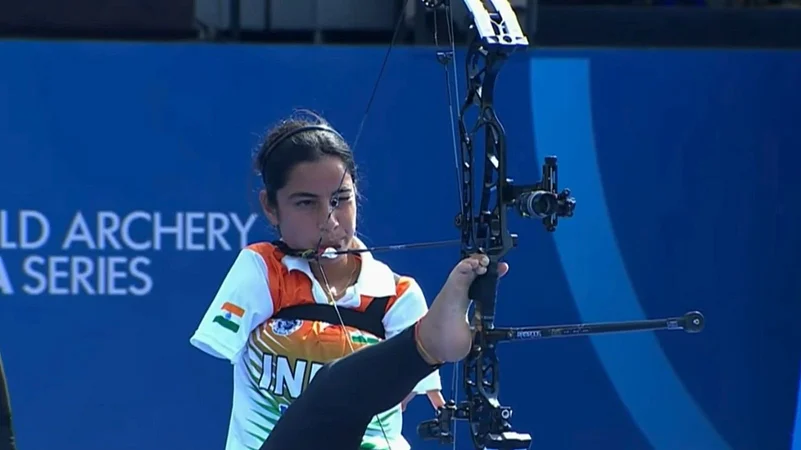
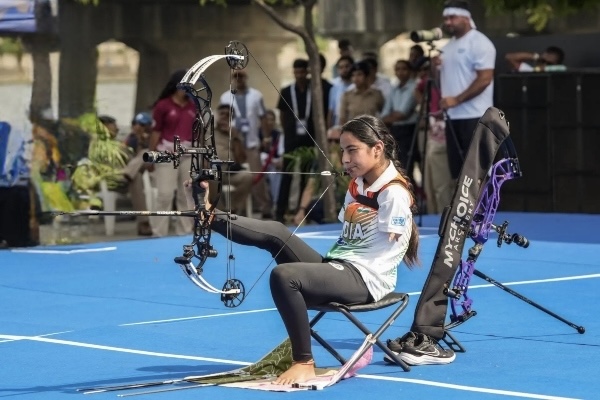
Sheetal Devi has done it again — but this time, the finish was truly unforgettable. In front of the home crowd in Ahmedabad, India’s reigning world champion produced a clutch performance to defeat Kazakhstan’s Aizada Seidan 10-9 in a one-arrow shoot-off, capturing her first individual World Archery Para Series gold. 

🔥 A Final That Went Down to the Last Arrow

The women’s compound final was a battle of nerves from the very beginning.

🏹 Both Sheetal and Seidan opened strongly, with each producing a perfect 30 in the opening end.

⚡ After two ends, the contest remained extremely tight at 59-59, leaving virtually nothing between the two archers.

🎯 Seidan then found a narrow advantage in the third end, scoring 28 to Sheetal’s 27 and moving one point ahead.

💥 The fourth end offered no escape for either competitor as both posted 29, meaning Sheetal entered the final end still trailing by a single point.

Then came the moment that defined the championship.

🇮🇳 Sheetal’s Comeback Under Pressure

With the title slipping toward her opponent, Sheetal delivered exactly when India needed her most.

🔥 She shot 29 in the final end, while Seidan managed 28, bringing the overall score to a breathtaking 144-144 and forcing a one-arrow shoot-off. 

At that point, there was nowhere to hide. One arrow. One target. One championship.

And Sheetal stayed ice-cold.

🎯 The 10 That Changed Everything

The shoot-off became a snapshot of Sheetal Devi’s extraordinary composure.

🏹 Sheetal released her arrow and found the inner 10/X zone — the most decisive possible response under that kind of pressure.

🔥 Seidan answered with a 9.

The result was instantly clear: 10-9 to Sheetal Devi. Gold for India.

The Ahmedabad crowd erupted as Sheetal secured her maiden individual World Para Series title, adding another major achievement to an already remarkable career. 

🌟 A Champion Already at the Top

Sheetal had announced her intentions even before the final.

📊 In qualification, the 19-year-old shot a season-best 698, topping the field and improving her own Asian record by one point.

🥇 She entered the Ahmedabad stage as the world No. 1 and reigning world champion.

🏆 Her latest victory now adds an individual World Para Series crown to her growing collection of international honours.

🇮🇳 The triumph also came on home soil, making the achievement even more significant as India hosted a World Archery Para Series stage in Ahmedabad. 

Sheetal’s Ahmedabad victory was not simply about winning a final.

It was about surviving pressure, recovering from a deficit and producing perfection when the championship came down to a single arrow.

144-144. One arrow. 10-9. Champion.

And once again, Sheetal Devi has shown why she belongs among the biggest names in world para sport. 

Russia Opens Su-57 Technology Door for India Ahead of BRICS

0

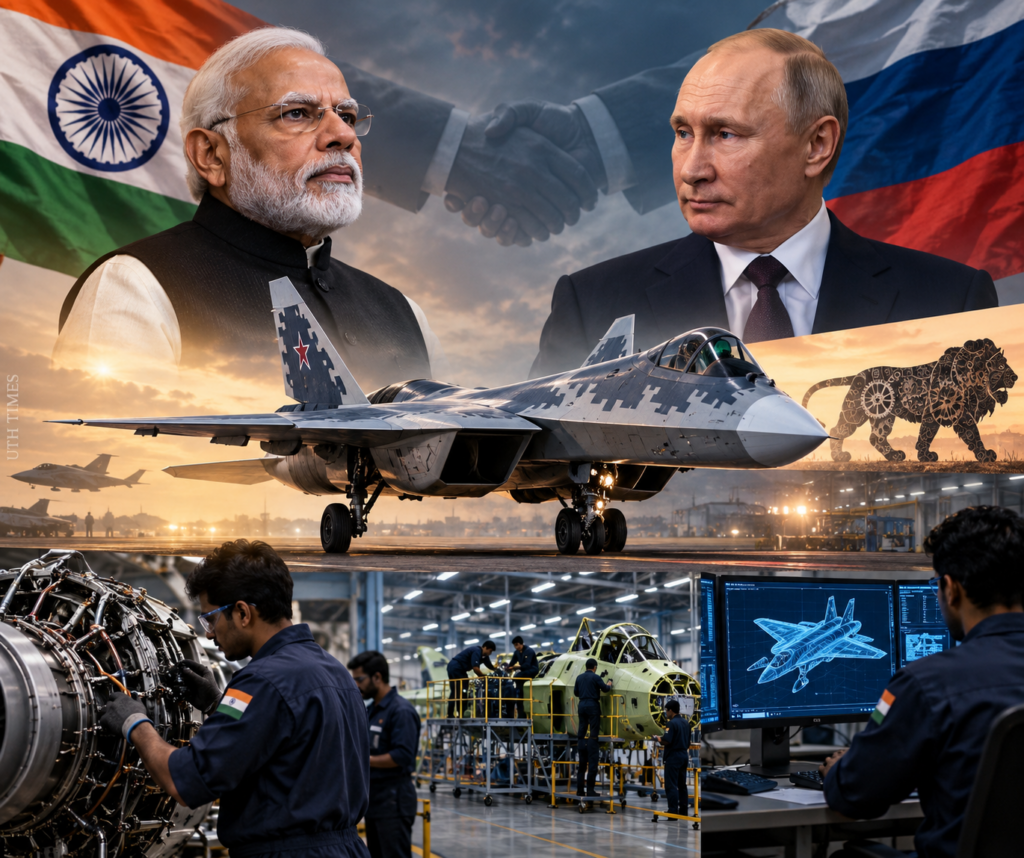
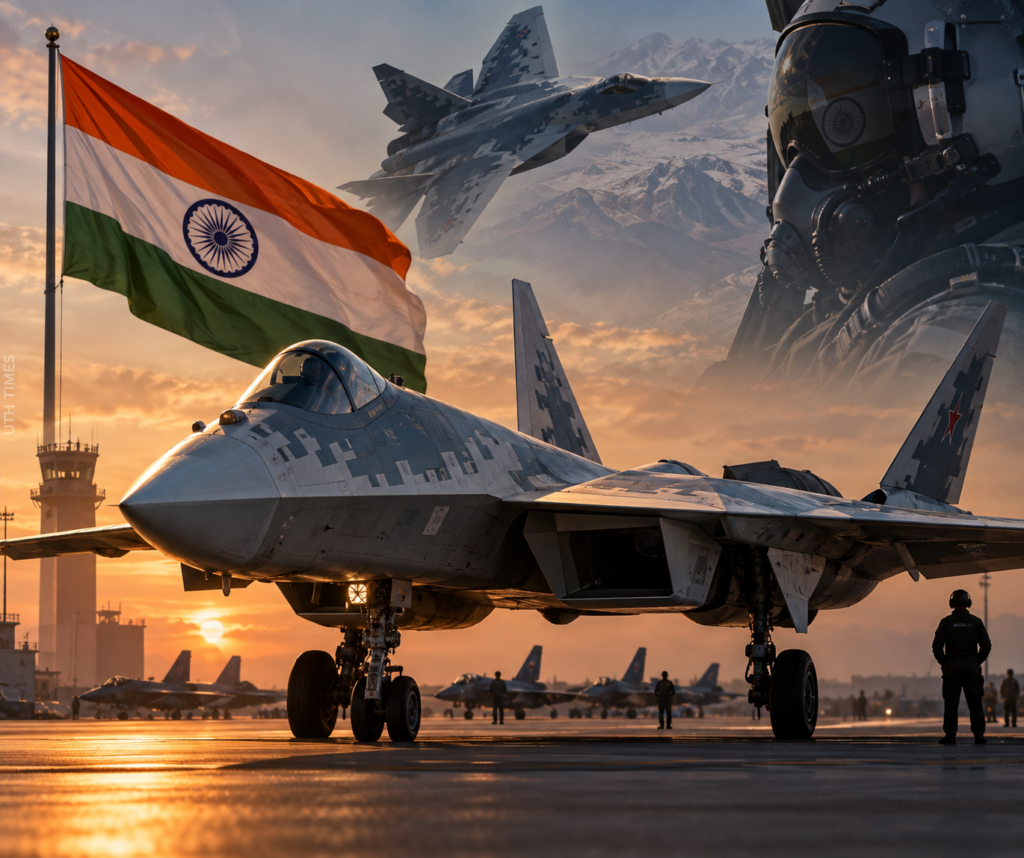
A potential Su-57 technology-transfer deal could take India-Russia defence cooperation into a new generation—combining stealth-fighter capability with the “Make in India” ambition.

🇷🇺 Moscow Puts Su-57 on the Table

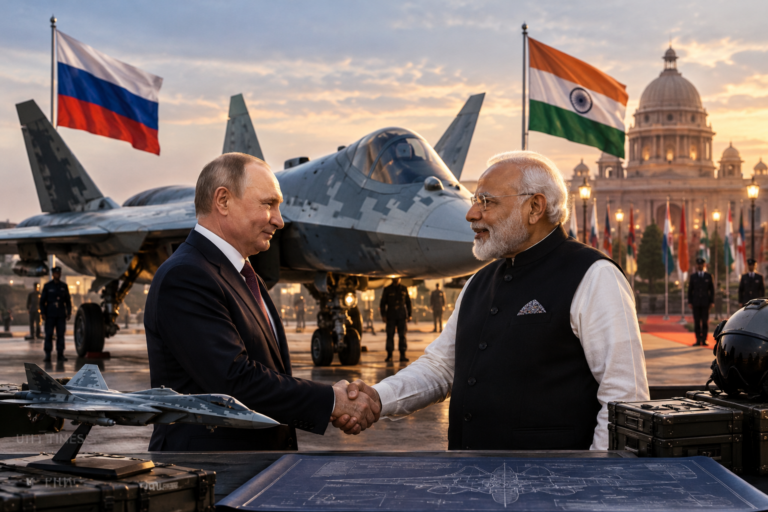
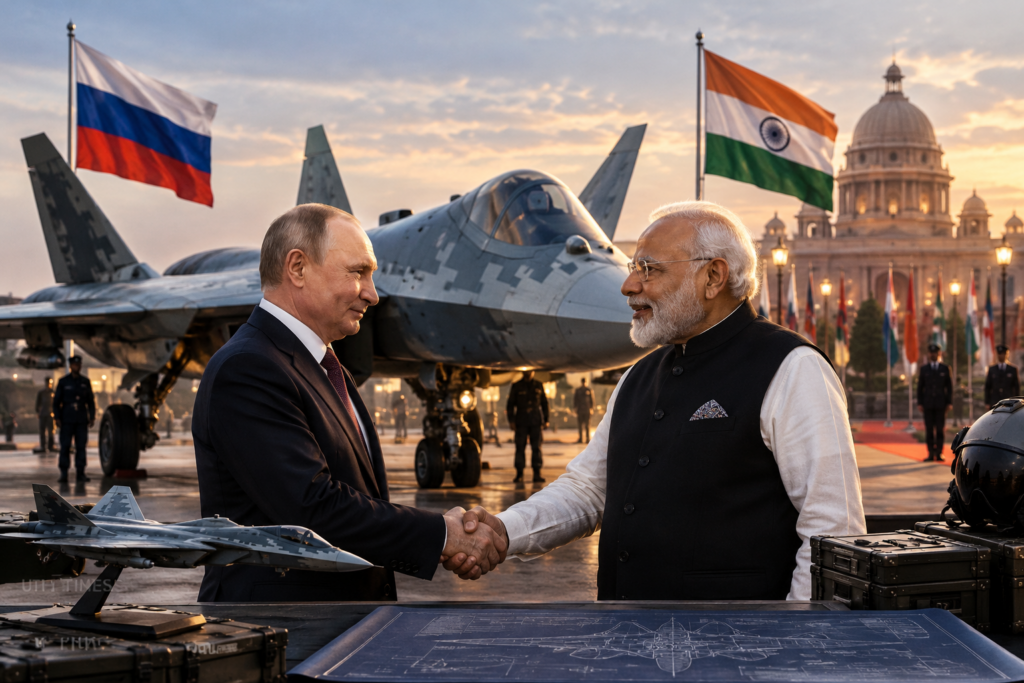
Ahead of Russian President Vladimir Putin’s scheduled meeting with Prime Minister Narendra Modi during the BRICS Summit in New Delhi, Moscow has confirmed that the Su-57 is a major item on the bilateral defence agenda.

Kremlin spokesperson Dmitry Peskov said Russia is discussing India’s request for Su-57 production technology, while stressing that the fighter incorporates highly sensitive technologies that Moscow would normally protect closely. 

This is significant because the conversation is no longer simply about buying finished aircraft. It is potentially about allowing India to participate much more deeply in the aircraft’s production and technological ecosystem.

✈️ From Buying Jets to Building Them

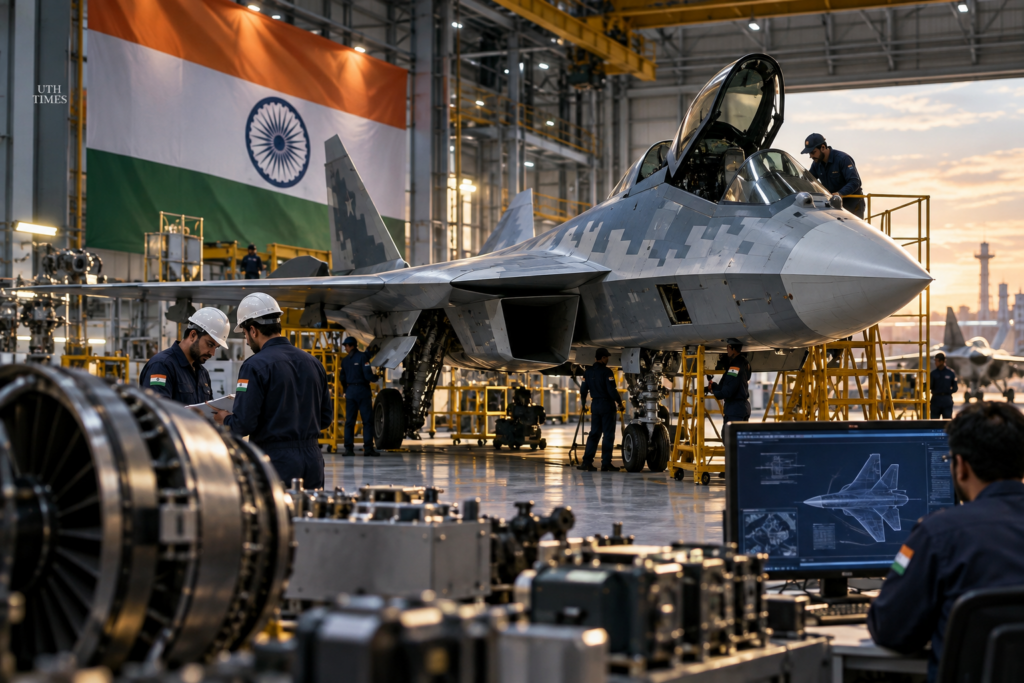
The biggest attraction for New Delhi could be the possibility of localised manufacturing.

🇮🇳 India has increasingly pushed defence partnerships toward domestic production, technology absorption and greater self-reliance.

🔧 Russia has previously indicated willingness to explore licensed production and deeper technology transfer for the Su-57E, potentially drawing on the long-running experience of programmes such as the Su-30MKI. 

🛠️ Earlier Russian industry statements have also discussed potentially providing extensive technical documentation and even source-code access if suitable agreements are reached—although the precise scope of any future transfer remains subject to negotiations. 

That distinction matters. A conventional purchase would add aircraft to the Indian Air Force. A genuine technology-transfer arrangement could help expand India’s aerospace manufacturing, maintenance, software and systems-integration capabilities.

🛡️ Why the Su-57 Matters to India

The Su-57 is Russia’s fifth-generation fighter, designed around stealth, advanced avionics, high manoeuvrability and multi-role combat capability.

⚡ Its appeal comes from combining air-to-air and air-to-ground missions on a single advanced platform.

🎯 Its modern weapons architecture and internal weapon bays are intended to support operations in heavily contested environments.

🔄 Its potential importance for India also lies in modernisation: Russian officials have presented the aircraft as a platform with substantial room for future upgrades. 

For India, such a platform could potentially serve as an interim capability while the country’s indigenous AMCA programme moves toward operational maturity.

🇮🇳 Make in India Could Be the Real Prize

The most strategically important phrase in this entire development may not be “Su-57”—but “technology transfer.”

India has been steadily attempting to move from being primarily an importer of sophisticated military equipment toward becoming a manufacturer and technology developer.

A deeper Su-57 partnership could potentially create opportunities across:

🔹 Aircraft assembly and manufacturing
🔹 Aerospace components and supply chains
🔹 Maintenance and overhaul capabilities
🔹 Avionics and software integration
🔹 Indigenous weapons integration
🔹 Long-term fighter modernisation

Russia has simultaneously been seeking stronger industrial and technology partnerships with India ahead of the BRICS summit, with Russian companies showcasing technologies and manufacturing opportunities under the broader Make in India framework. 

🤝 More Than Just One Fighter Deal

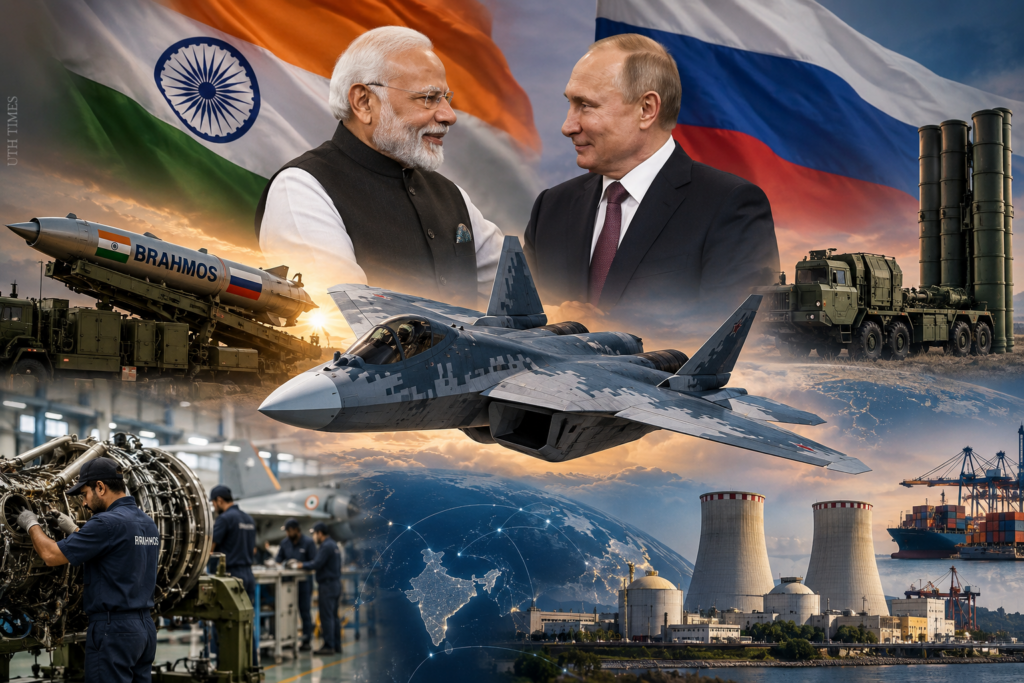
The Su-57 discussion is emerging alongside a much wider India-Russia strategic conversation.

🚀 Moscow has also indicated interest in upgrading the jointly developed BrahMos system.

🛡️ The S-400 air-defence programme remains part of the defence relationship.

⚛️ Nuclear-energy cooperation and potential new nuclear projects are also expected to feature in discussions.

💰 Trade, payments and broader economic cooperation are additional priorities surrounding the Modi-Putin meeting. 

If India and Russia eventually agree on meaningful Su-57 technology transfer and local production, the significance would extend far beyond another fighter acquisition.

It could become a test of whether India can turn a foreign fifth-generation platform into a deeper domestic aerospace capability.

For now, however, no final Su-57 production or technology-transfer agreement has been announced. The upcoming Modi-Putin discussions could determine just how far Moscow is prepared to go—and how much technology New Delhi is prepared to absorb.

The aircraft may be Russian. The bigger ambition is unmistakably Indian: build more, import less, and master the technology.

France Opens Its First Traditional Stone Hindu Temple Near Paris

0

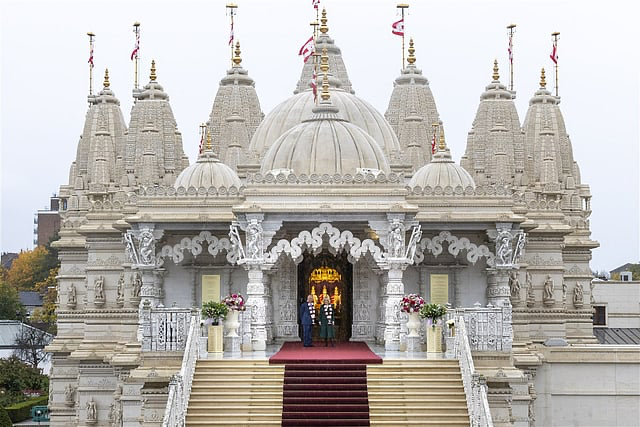
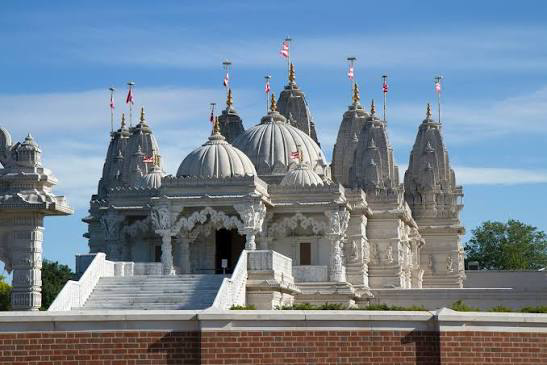
France has marked a historic cultural moment with the opening of the BAPS Swaminarayan Hindu Mandir in Bussy-Saint-Georges, east of Paris. Built in traditional Hindu architectural style, the temple is being presented as France’s first purpose-built Hindu mandir constructed according to traditional principles. 

🛕 A New Landmark for Hindu Culture in France

The magnificent mandir stands on the Esplanade des Religions et des Cultures, an area specifically developed around religious and cultural diversity. The temple is not simply a place of worship; BAPS describes it as a centre for spirituality, learning, celebration, cultural exchange and community service.

Its location is particularly symbolic. The mandir stands alongside other places of worship, making the site a striking representation of France’s multicultural and multifaith character. 
🪨 Stone From India, Tradition Preserved in Europe

One of the temple’s most distinctive features is its traditional stone craftsmanship.

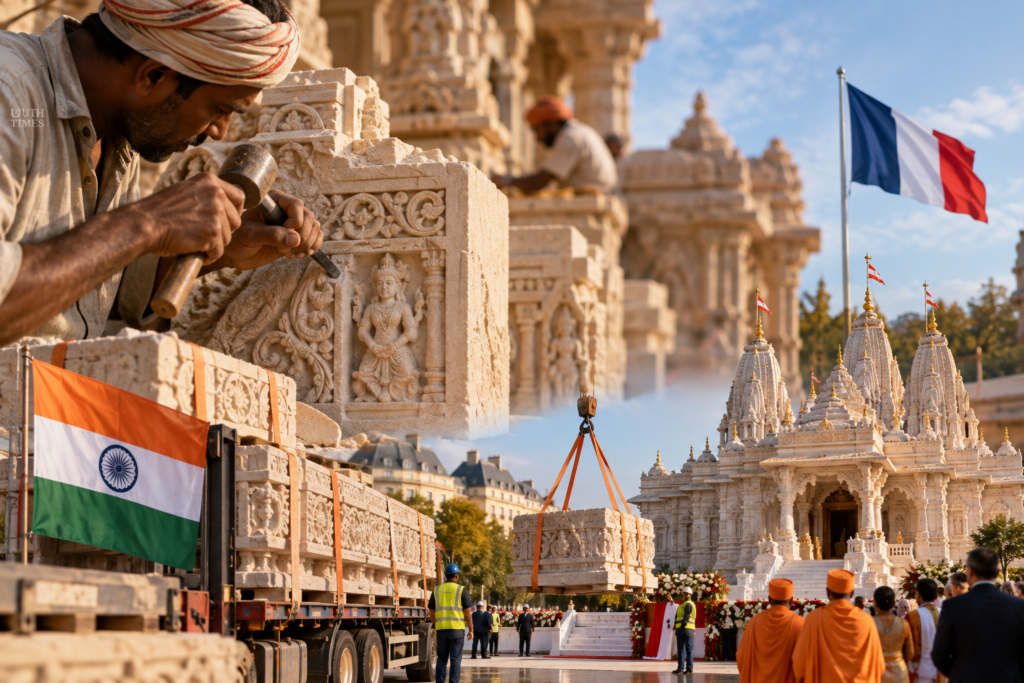
🪷 Stones used for the mandir were prepared in India using time-honoured techniques.

🛕 Skilled artisans hand-carved selected elements, preserving architectural traditions that have been passed down through generations.

🇮🇳 The craftsmanship effectively brings a piece of India’s ancient architectural heritage into the heart of France.

The first stones from India were ceremonially welcomed in Bussy-Saint-Georges in January 2026 before stone installation began. 

🙏 A Vision That Began Decades Ago

The story behind the mandir stretches far beyond its recent construction.

The vision for a spiritual home for the Hindu community in France was first conceived in 1970 by Yogiji Maharaj, the third spiritual successor of the BAPS Swaminarayan tradition. That vision was subsequently carried forward by Pramukh Swami Maharaj and Mahant Swami Maharaj. 

Construction formally moved forward in 2024, when BAPS marked the beginning of foundation piling at the Bussy-Saint-Georges site. The project ultimately transformed a long-standing spiritual vision into a physical landmark. 

🌍 More Than a Temple

The mandir’s significance extends beyond religion.

📚 It is intended to support learning and cultural education.

🤝 It promotes intercultural dialogue and community interaction.

🕊️ BAPS presents the space as one dedicated to harmony, peace and service.

🎭 Its opening is being accompanied by a 13-day Festival of Culture from September 2 to 14, bringing together traditions, performances, ceremonies and visitors from different backgrounds. 

The scale is remarkable: local authorities say the celebrations involve participants from 38 nationalities and around 3,000 volunteers, with thousands of visitors expected. 

🇮🇳🇫🇷 A Symbol of India-France Cultural Ties

The mandir also arrives at a moment when India-France relations continue to deepen across strategic, economic and cultural spheres. Prime Minister Narendra Modi virtually participated in the inauguration, describing the occasion as significant for the relationship between the two countries. 

This is more than the opening of a new religious building.

It is the arrival of Indian craftsmanship, Hindu architectural heritage and a centuries-old spiritual tradition on French soil in a monumental new form.

From hand-carved stone originating in India to a multicultural neighbourhood near Paris, the BAPS Swaminarayan Hindu Mandir represents a remarkable meeting point between tradition and modern Europe.

IIT Bombay Makes Waves at RoboSub 2026 With Autonomous Underwater Win

0

India’s underwater robotics story just made a major splash on the global stage.

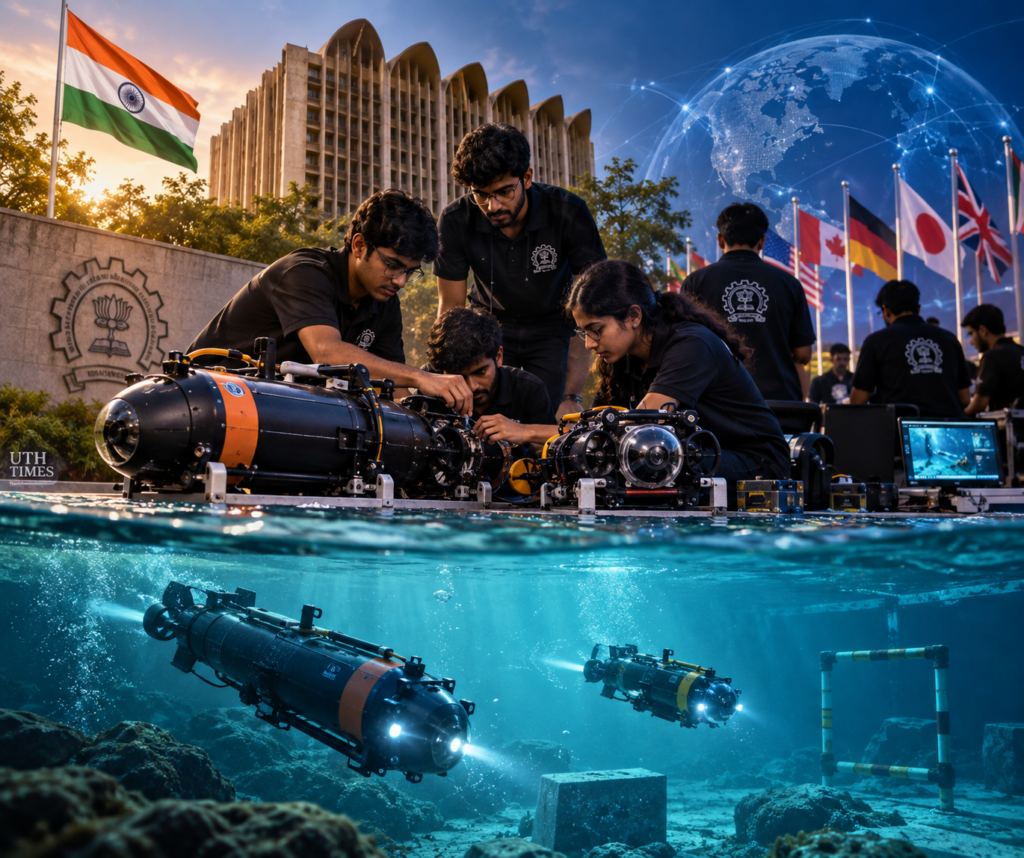
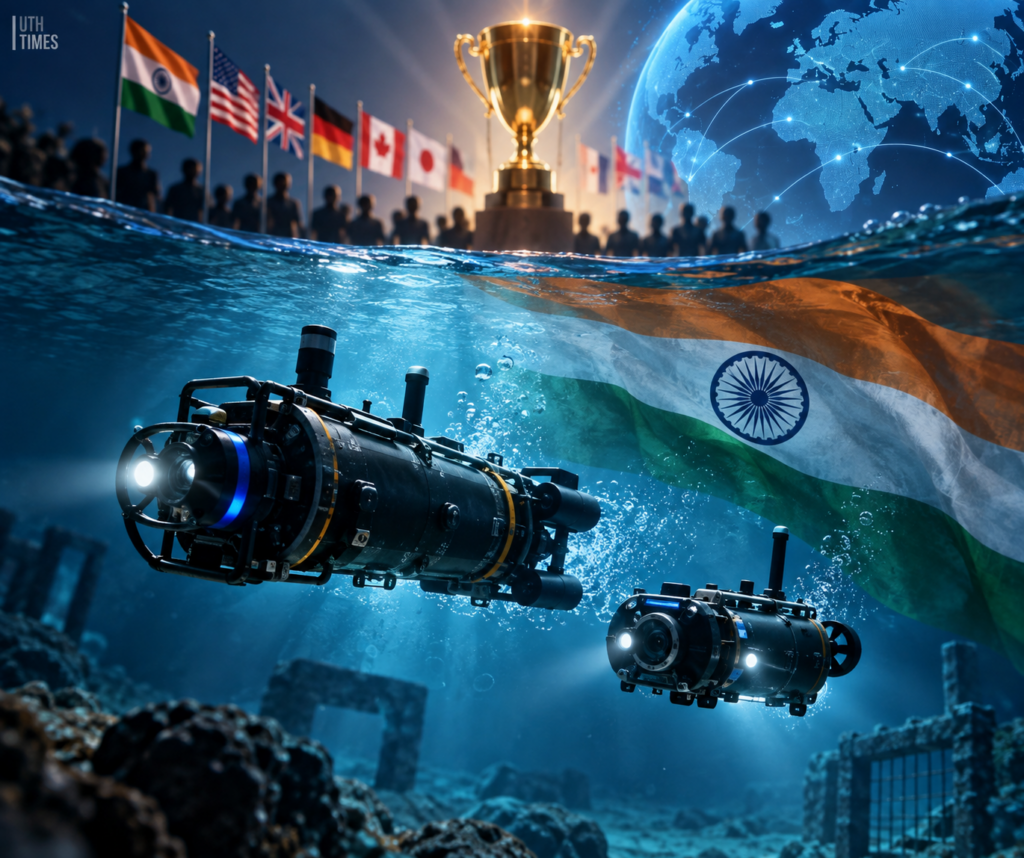
The IIT Bombay AUV team has emerged as the winner of the Wildcard Challenge at RoboSub 2026 in California, taking on 58 teams representing 9 countries in one of the world’s prominent autonomous underwater robotics competitions.

🌊 Two AUVs. One Mission. A Global Challenge.

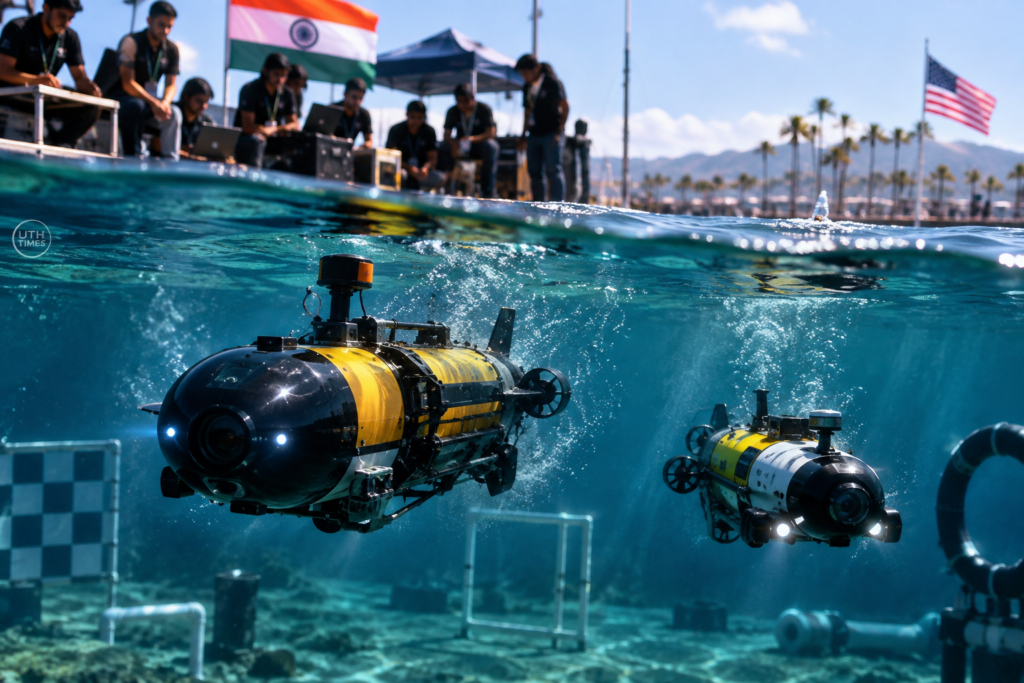
What made IIT Bombay’s performance particularly impressive was its decision to deploy two autonomous underwater vehicles (AUVs) — Matsya 7 and Mini Matsya — and operate them in parallel.

Rather than relying on a single vehicle to handle the underwater mission, the team demonstrated a coordinated multi-vehicle approach designed to tackle different elements of the challenge efficiently.

🤖 Matsya 7 — the team’s advanced full-scale autonomous underwater vehicle, built to undertake complex underwater operations.

🤖 Mini Matsya — a smaller autonomous platform that adds flexibility and enables the team to approach mission requirements through a second robotic system.

⚙️ Parallel operation — running both vehicles simultaneously showcased not just hardware capability, but also the team’s ability to manage autonomous decision-making, navigation and mission execution in a demanding environment.

🏆 What the Wildcard Victory Means

Winning the Wildcard Challenge against an international field of 58 teams from 9 countries is more than another competition trophy.

It represents a significant demonstration of India’s growing capabilities in autonomous underwater systems, robotics and intelligent machines.

🌐 RoboSub places teams in scenarios where underwater vehicles must perform tasks with limited human intervention.

🧭 That makes reliable navigation and autonomous decision-making crucial.

📡 The vehicles must interpret their surroundings, maintain their mission objectives and respond to changing underwater conditions.

🛠️ For a student-led engineering team, successfully integrating these capabilities into functioning AUVs represents a substantial technical achievement.

🇮🇳 From IIT Bombay to the Global Robotics Arena

The achievement also highlights the increasingly sophisticated engineering ecosystem emerging from Indian universities.

IIT Bombay’s AUV programme has been working on underwater robotics for years, with the Matsya series representing an evolving platform for experimentation and technological development.

The RoboSub 2026 result puts that work under an international spotlight.

And perhaps most importantly, it demonstrates that Indian student engineers are not merely learning about advanced robotics — they are building, testing and competing with autonomous machines on the global stage.

🚀 The Bigger Picture

Underwater autonomy has applications far beyond competitions, spanning areas such as ocean exploration, marine research, infrastructure inspection, environmental monitoring and defence-related technologies.

That makes achievements like this particularly significant.

The real victory isn’t simply that two robots completed underwater tasks.

It is that IIT Bombay showed what Indian engineering talent can accomplish when sophisticated autonomy, robotics and relentless experimentation come together.
From the depths of California’s RoboSub arena, Matsya 7 and Mini Matsya have delivered a powerful message: India’s next generation of underwater robotics is already making waves.

India’s Forex Reserves Hit a Record $740.80 Billion

0

A new financial milestone has put India’s external economic strength firmly in the spotlight.

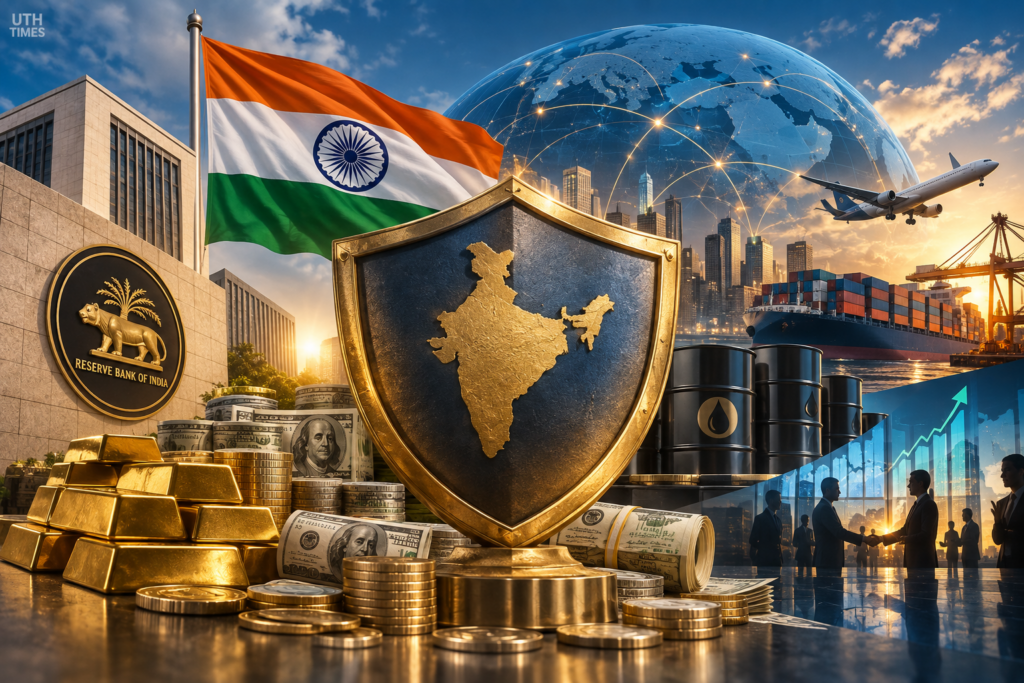
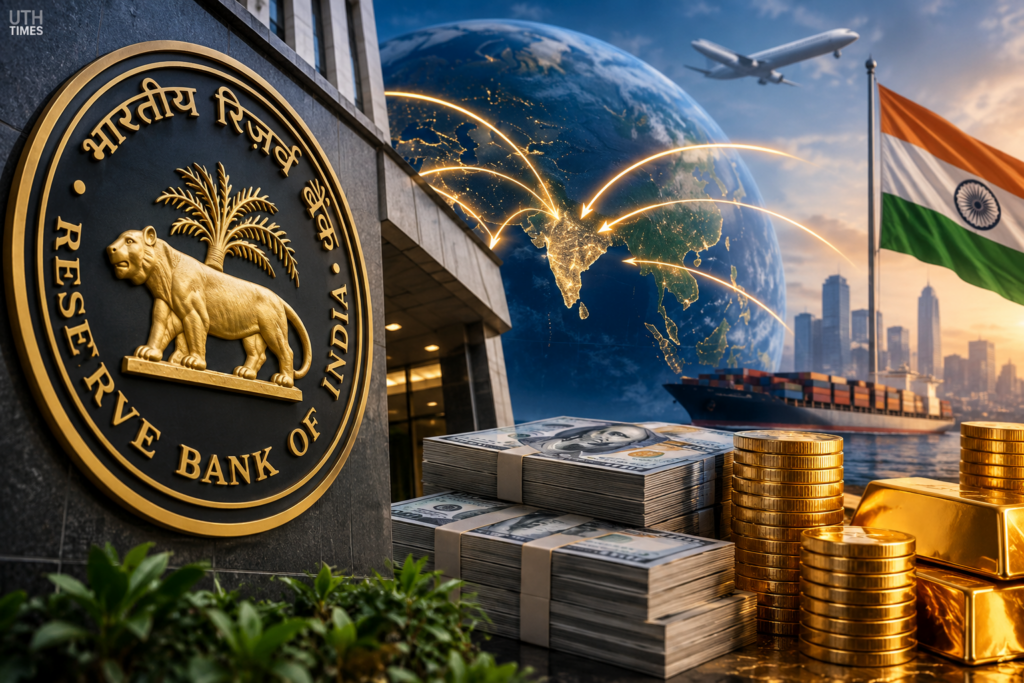
India’s foreign exchange reserves have climbed to an unprecedented $740.80 billion, marking the highest level ever recorded by the country. According to the Reserve Bank of India (RBI), reserves rose by $11.475 billion in the week ended August 28, 2026, extending the streak to a remarkable ninth consecutive weekly increase.

💰 A Record-Breaking Forex War Chest

The latest jump is not merely another weekly movement in India’s financial data—it represents a significantly stronger external cushion at a time when global markets remain vulnerable to geopolitical tensions, energy-price shocks and sudden capital movements.

🚀 Total reserves: $740.80 billion
🚀 Foreign Currency Assets: $600.67 billion
🚀 Gold reserves: $116.41 billion
🚀 SDRs: $18.81 billion
🚀 IMF Reserve Position: $4.91 billion

Foreign Currency Assets, the largest component of India’s reserves, alone increased by $9.337 billion during the week. Gold reserves added another $2.191 billion, demonstrating that the latest record was supported by multiple components of the reserve portfolio.

🏦 The RBI Factor Behind the Surge

One of the biggest stories behind this record is the RBI’s special foreign-currency mobilisation measures.

🔥 A special swap facility encouraged banks to attract foreign-currency deposits, particularly FCNR(B) deposits from non-resident Indians, alongside overseas foreign-currency borrowings.

🔥 Between June and August, these measures attracted more than $136 billion in foreign-currency inflows, with NRI deposits accounting for the overwhelming share.

This is crucial: the $740.80-billion reserve figure should not be interpreted as meaning the entire $136 billion of mobilised funds simply became additional reserves. The inflows interacted with the banking system and RBI operations, while the reported reserve stock also reflects asset movements and valuation changes.

🛡️ Why $740.80 Billion Matters

For India, massive reserves are essentially an external financial safety shield.

⚡ They give the RBI greater firepower to manage excessive volatility in the rupee.

⚡ They provide a buffer when crude-oil prices surge, particularly because India remains heavily dependent on imported energy.

⚡ They strengthen confidence among international investors, lenders and businesses dealing with India.

⚡ They improve India’s ability to withstand sudden capital outflows or global financial turbulence.

The timing is especially significant. With geopolitical conflicts disrupting energy markets and global capital flows, a large reserve cushion can provide valuable room for policymakers to respond to external shocks.

📈 From $728 Billion to $740.80 Billion

The previous record stood at around $728.49 billion, recorded for the week ended February 27, 2026. The latest figure therefore pushes India decisively beyond its earlier peak.

The bigger picture is even more striking: reserves have risen by nearly $75 billion across the nine-week run.

India’s $740.80-billion forex reserve milestone is ultimately a story about financial resilience.

It gives the country a deeper cushion against an unpredictable world—and gives the RBI more room to act when global volatility strikes.

India is not just building reserves. It is building economic shock-absorption capacity.

Hyderabad Startup’s Drone Hits 498 km/h

0

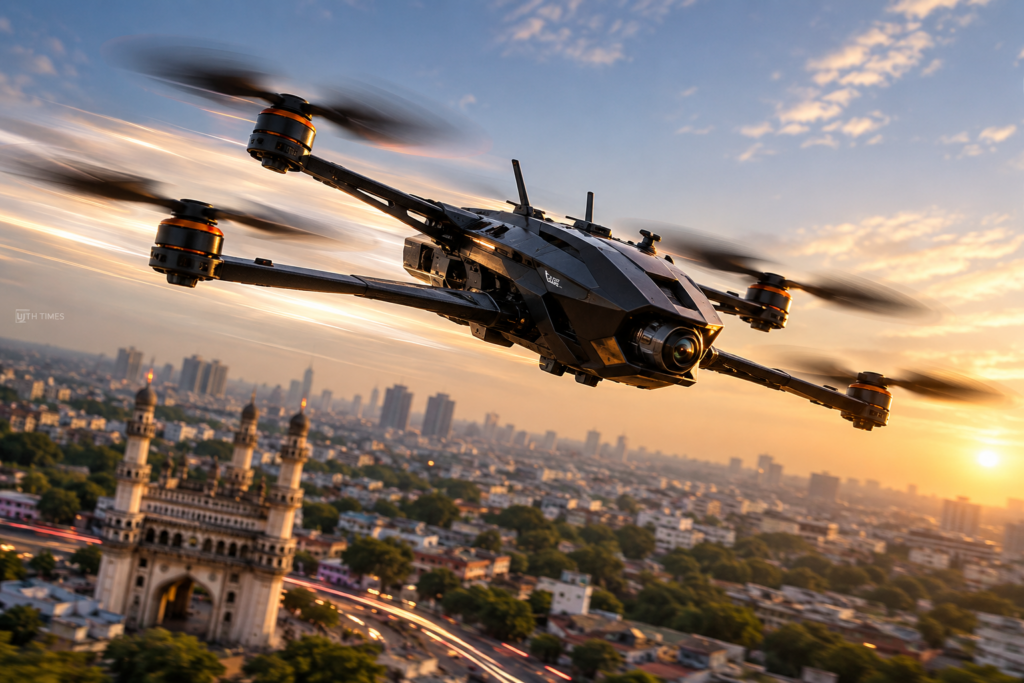
A Hyderabad defence-tech startup has pushed multirotor drone technology into a new speed bracket. Apollyon Dynamics’ electric interceptor, Ahuti Mk II, has reached a certified 498 km/h—setting a new Indian speed benchmark for multirotor UAVs.

🚀 498 km/h: A Record-Breaking Flight

⚡ Ahuti Mk II has been recognised by the India Book of Records under the category for the Maximum Speed Achieved by a Multirotor UAV, making it the fastest multirotor UAV recorded in India.

⚡ The number is particularly striking because the company says the earlier benchmark stood at around 325 km/h. The new achievement therefore represents an increase of more than 170 km/h, underlining just how aggressively Apollyon has pushed the platform’s performance envelope.

⚡ Apollyon has also described the achievement as a benchmark for multirotor speed in South Asia based on publicly available data.

🛩️ Ahuti Mk II Was Built to Intercept—Not Hover

Most conventional multirotor drones are designed around stability, hovering, manoeuvrability or carrying payloads. Ahuti Mk II takes a fundamentally different approach.

🎯 It is an electric multirotor interceptor, designed around rapid response and the ability to close distance against aerial threats at extreme speed.

🎯 That mission changes the engineering priorities completely. Instead of simply asking how long a drone can remain airborne, the challenge becomes how quickly it can accelerate, remain controllable at high velocity and deliver the responsiveness expected from an interceptor platform.

🎯 Apollyon says the system is intended for autonomous aerial and unmanned applications for the Indian armed forces, placing the record within a much broader defence-technology effort rather than treating speed as a standalone

🔧 Ten Iterations Behind One Extraordinary Number

The 498 km/h figure did not emerge from a single prototype.

🧩 Founder Jayant Khatri said Ahuti Mk II underwent around 10 iterations involving its frame, propulsion system and motor configuration.

🧩 Each redesign was aimed at solving the engineering problems that emerge when a multirotor is pushed far beyond the speeds normally associated with this class of aircraft.

🧩 The development team included Aman Virani, Manas Vichare and Ishaan Suri, who worked through repeated design changes, testing and failures before reaching the record-setting configuration.

🇮🇳 From Startup Experiment to Defence Milestone

Apollyon Dynamics was founded in 2025 by Jayant Khatri and Sourya Choudhary and was incubated at BITS Pilani’s Hyderabad campus. The company develops autonomous aerial systems aimed at defence applications and has already fielded drone systems with the Indian Army.

What makes the story particularly compelling is the speed of that journey: a young Indian deep-tech company has moved from early-stage experimentation to developing high-performance defence platforms in a remarkably short period.

🔥 Why 498 km/h Matters

The record is bigger than a headline number.
⚙️ For an interceptor, speed can translate into shorter response times and faster engagement capability.
⚙️ For India’s defence-tech ecosystem, it demonstrates that advanced unmanned systems are increasingly being designed and developed domestically.

⚙️ And for Apollyon Dynamics, 498 km/h appears to be a milestone—not a finishing line. The company itself has signalled its ambition with a simple message: “498 km/h today. Faster tomorrow.”

Apollyon Dynamics’ Ahuti Mk II has turned a Hyderabad startup into the centre of a striking Indian aerospace story. 498 km/h is the record—but the real story is how quickly India’s young defence-tech companies are learning to build at the edge of what drones can do.

Did Krishna Break the Rules of War to Protect Dharma?

The Kurukshetra war is remembered as a Dharma Yuddha—yet some of Krishna’s most decisive strategies appear to bend, stretch, or even violate conventional rules of warfare. That contradiction is precisely what makes Krishna’s role in the Mahabharata so fascinating.

Krishna did not simply teach Arjuna how to fight. He forced him to confront a far harder question: Is dharma merely following rules—or protecting righteousness when the rules themselves are being exploited?

⚔️ When the Rules Became a Weapon

The Kaurava side possessed formidable warriors—Bhishma, Drona, Karna and others. Defeating them through conventional combat was extraordinarily difficult.

Krishna therefore adopted a different philosophy: strategy had to respond to strategy.

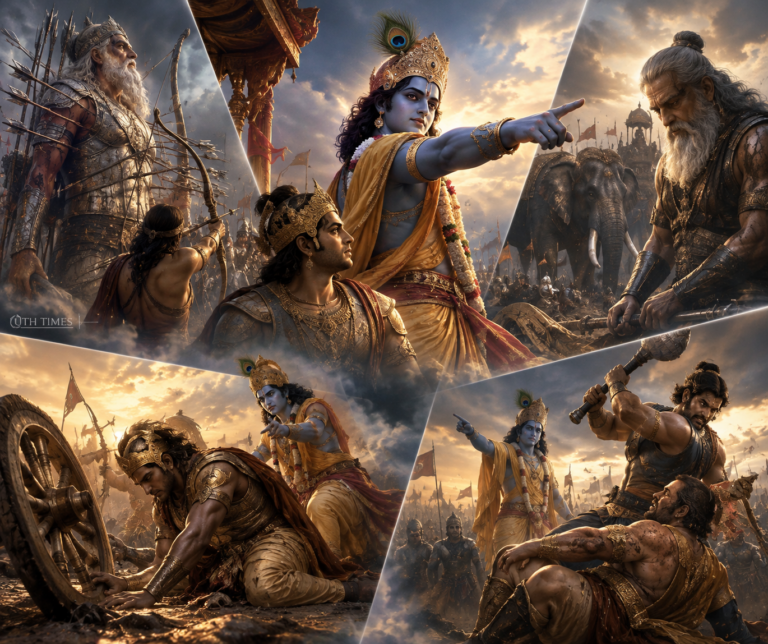
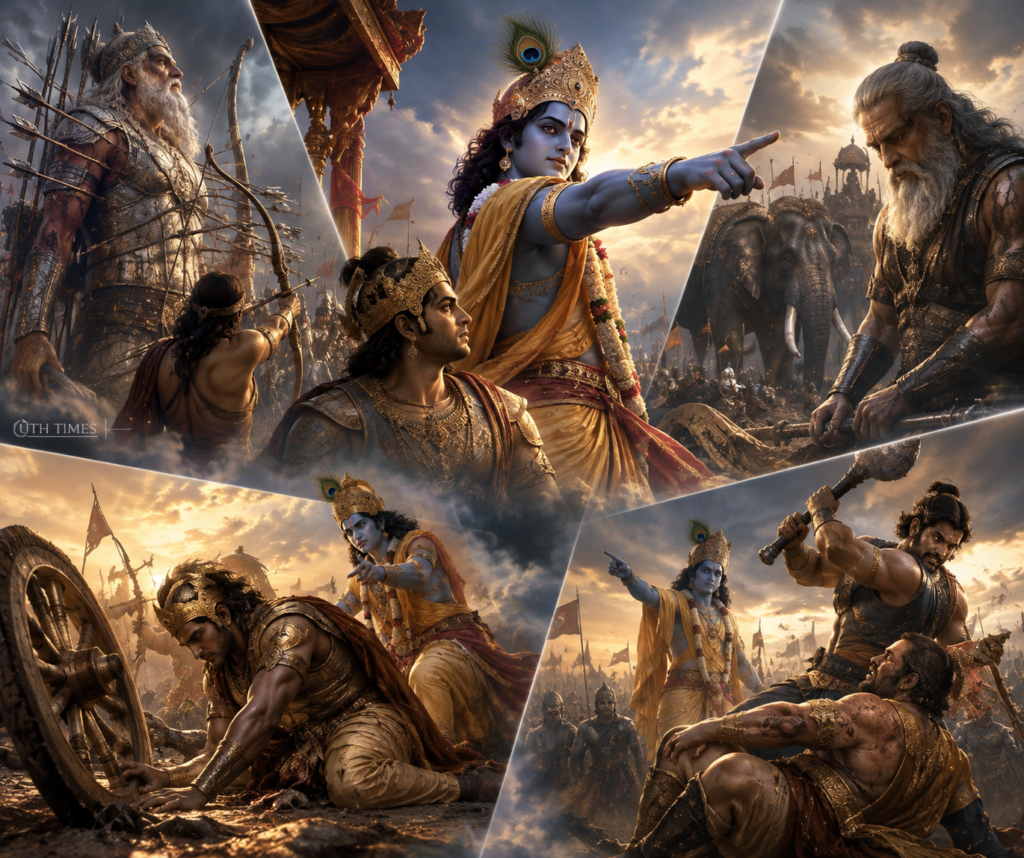
🔹 Bhishma: Bhishma could not be easily defeated while fighting at full strength. Krishna guided Arjuna toward using Shikhandi as the shield through which Bhishma would finally lower his weapons.

🔹 Drona: Drona’s battlefield power seemed almost unstoppable. Krishna recognised that Drona’s emotional attachment to his son Ashwatthama could become the key to stopping him. Yudhishthira announced that Ashwatthama was dead—referring to an elephant bearing that name, while Drona understood the statement differently. Once Drona abandoned his weapons, he was killed.

🔹 Karna: When Karna’s chariot wheel became stuck, he appealed to the accepted warrior code for a pause. Krishna reminded Arjuna of Karna’s earlier participation in actions that had already violated the spirit of that code, including the assault on Draupadi and the killing of Abhimanyu. Arjuna then struck.

🔹 Duryodhana: In the final mace duel, Krishna indicated the vulnerable point on Duryodhana’s body, enabling Bhima to strike his thigh—an act contrary to the conventional rules of mace combat.

These were not random acts of deception. They formed a pattern: Krishna repeatedly prioritised the destruction of a system he regarded as fundamentally corrupted over the preservation of rules that his opponents had already manipulated.

🕉️ Dharma Was Bigger Than a Rulebook

This is where Krishna becomes more than a battlefield strategist.

The Bhagavad Gita, embedded within the Mahabharata, presents Arjuna’s crisis as a conflict between personal emotion, duty and righteousness. Krishna urges him to perform his duty without attachment to the fruits of action.

But the wider Mahabharata makes the moral picture far more complicated.

The epic does not present Krishna’s strategies as a comfortable shortcut to victory. They raise uncomfortable questions about whether an apparently righteous cause can remain completely righteous when its enemies refuse to play by the same rules.

That is the genius of the story.

Krishna does not make morality easy. He makes it difficult.

🔥 So, Did Krishna Break the Rules?

Yes—if we judge his actions strictly by conventional battlefield rules.

But the deeper Mahabharata question is different:

What should happen when rigid adherence to rules protects adharma instead of preventing it?

Krishna’s answer appears to be that dharma cannot always be reduced to procedure. Sometimes, protecting the larger moral order demands decisions that carry their own moral cost. Scholars and commentators have long debated precisely this tension between Krishna’s pursuit of dharma and his use of deception during the war.

Krishna’s greatest battlefield weapon was not the Sudarshan Chakra.

It was clarity.

He understood that winning a war and preserving dharma were not necessarily the same thing—and that sometimes the path to restoring order could itself look morally uncomfortable.

That is why Krishna remains one of the most complex figures in the Mahabharata.

He did not teach that every rule should be broken.

He taught that dharma must ultimately serve justice—not become a shield for injustice.

ISRO’s EOS-05: India’s New Eye in the Sky

0

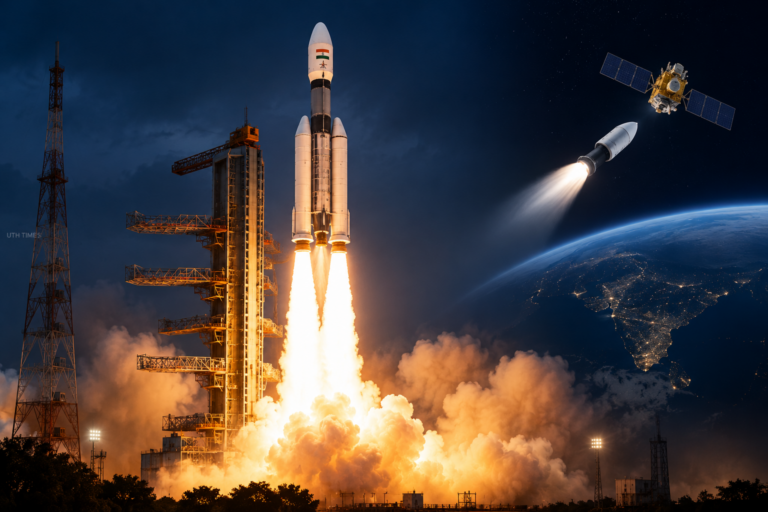
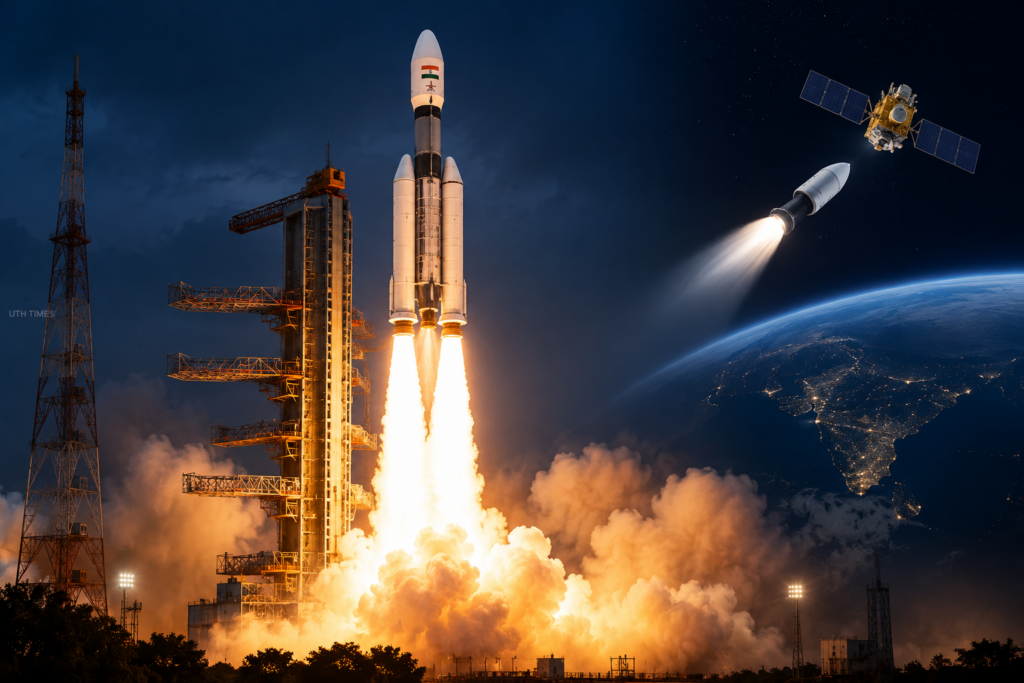
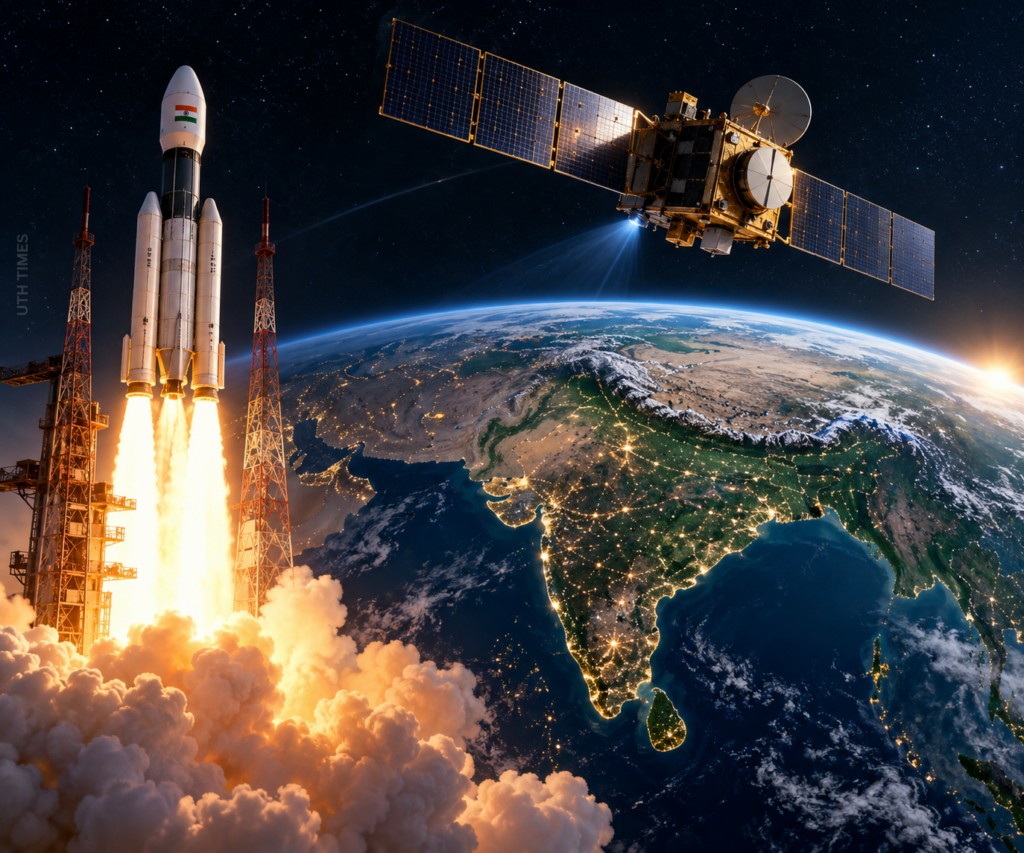
India has just achieved a major milestone in Earth observation. In the early hours of September 4, 2026, ISRO successfully launched EOS-05 aboard GSLV-F17, placing the satellite into its intended Sub-Geosynchronous Transfer Orbit. The mission opens a new chapter in how India watches, understands and responds to events on Earth.

🚀 A Historic GSLV-F17 Mission

The 51.7-metre-tall, 420.5-tonne GSLV-F17 lifted off from the Second Launch Pad at Satish Dhawan Space Centre, Sriharikota, at 2:55 AM IST. Roughly 18–19 minutes later, the rocket separated and injected the approximately 2,367-kg EOS-05 spacecraft into its planned transfer orbit.

🔹 This was the 19th flight of the GSLV.

🔹 EOS-05 is the heaviest payload ever carried by a GSLV, surpassing the vehicle’s earlier payload capability. ISRO says improvements in structural mass optimisation and propulsion performance helped make this possible.

🔹 The mission also represents an important return to flight for GSLV after its previous Earth-observation mission, EOS-03, was unsuccessful in 2021.

🛰️ Why EOS-05 Is Different

The real significance lies in where EOS-05 is designed to operate.

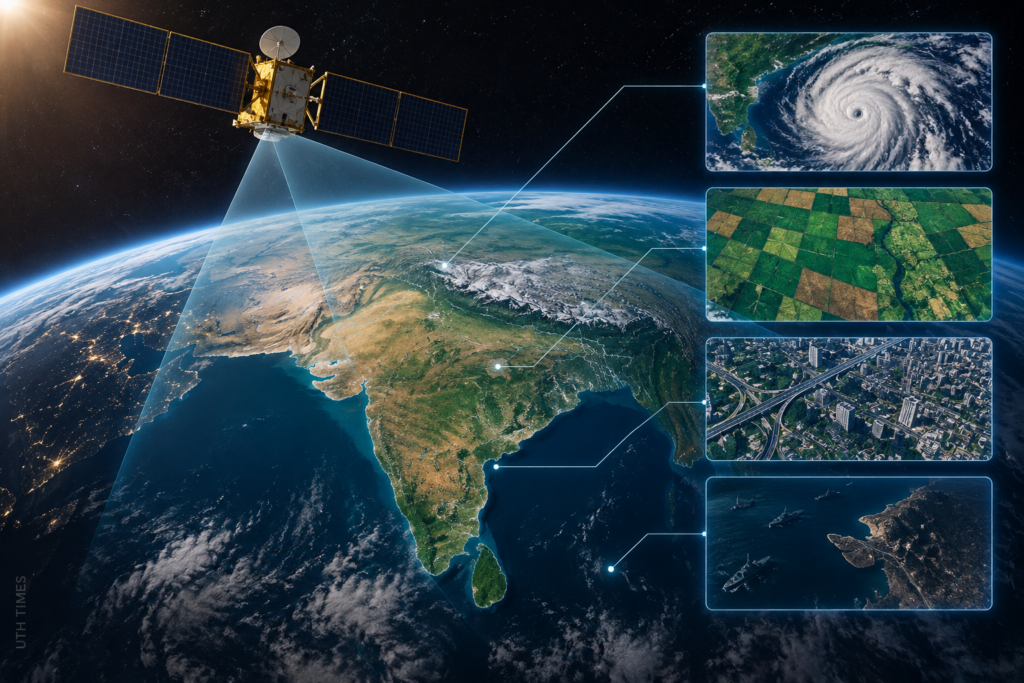
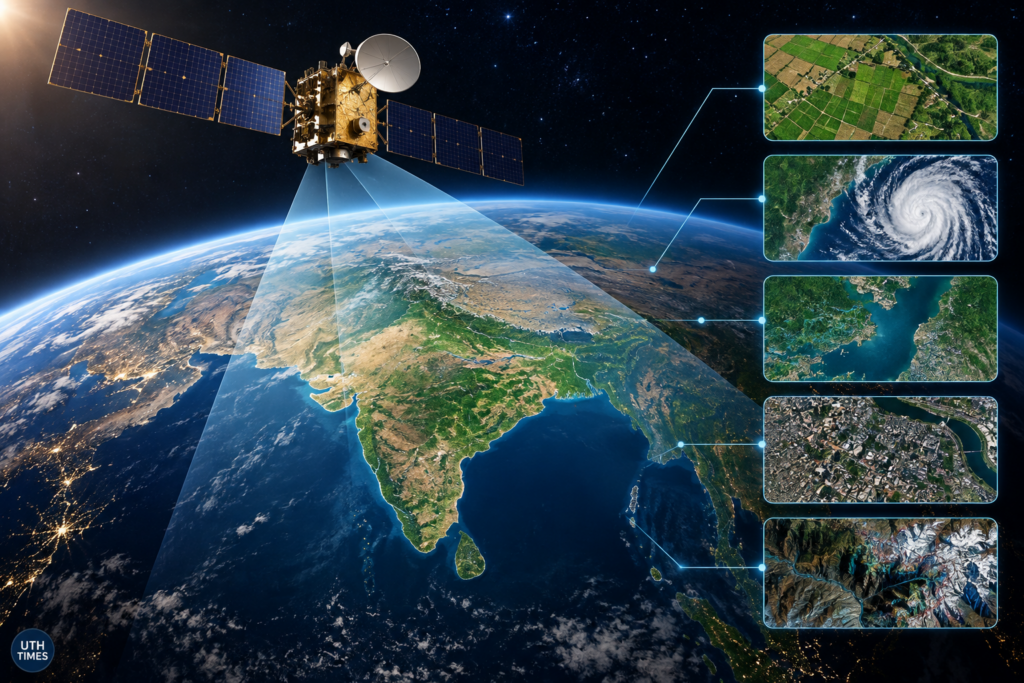
Most Indian Earth-observation satellites operate from much lower orbits, including polar and sun-synchronous orbits. EOS-05 takes a different approach: it is India’s first dedicated imaging satellite designed to operate from a geosynchronous orbit.

🔹 From roughly 36,000 km above Earth, the satellite can repeatedly observe a broad region instead of rapidly moving across the sky like conventional low-orbit imaging satellites.

🔹 That makes the mission particularly valuable for applications where frequent, consistent observation matters.

🔹 Its imagery can support areas including agriculture, disaster management, environmental monitoring, water resources, urban planning and strategic applications.

🌍 From Imaging to Intelligence

Think of EOS-05 as a new kind of persistent eye over India.

A lower-orbit satellite can capture highly detailed images but revisits a particular location periodically. A geosynchronous imaging platform can instead maintain a much more consistent view of a large geographical region.

🔹 Disaster response: Track floods, cyclones and major emergencies with repeated observations.

🔹 Agriculture: Monitor large agricultural regions and changing land conditions.

🔹 Infrastructure: Observe expanding cities, roads and other major developments.

🔹 Strategic needs: Provide timely Earth-observation data for national requirements.

🇮🇳 More Than Another Launch

The mission is not simply about putting another satellite into space. It demonstrates India’s growing ability to combine heavy-lift launch capability, advanced spacecraft design and high-altitude Earth observation into a single operational architecture.

The successful injection is the beginning of the next phase: EOS-05 will use onboard propulsion to move from its transfer orbit toward its intended operational geosynchronous orbit.

With EOS-05, ISRO is pushing Earth observation beyond conventional satellite architecture. The objective is clear: see more, revisit faster and turn space-based imagery into actionable intelligence.

This is not just another satellite above India.

It is a new vantage point.

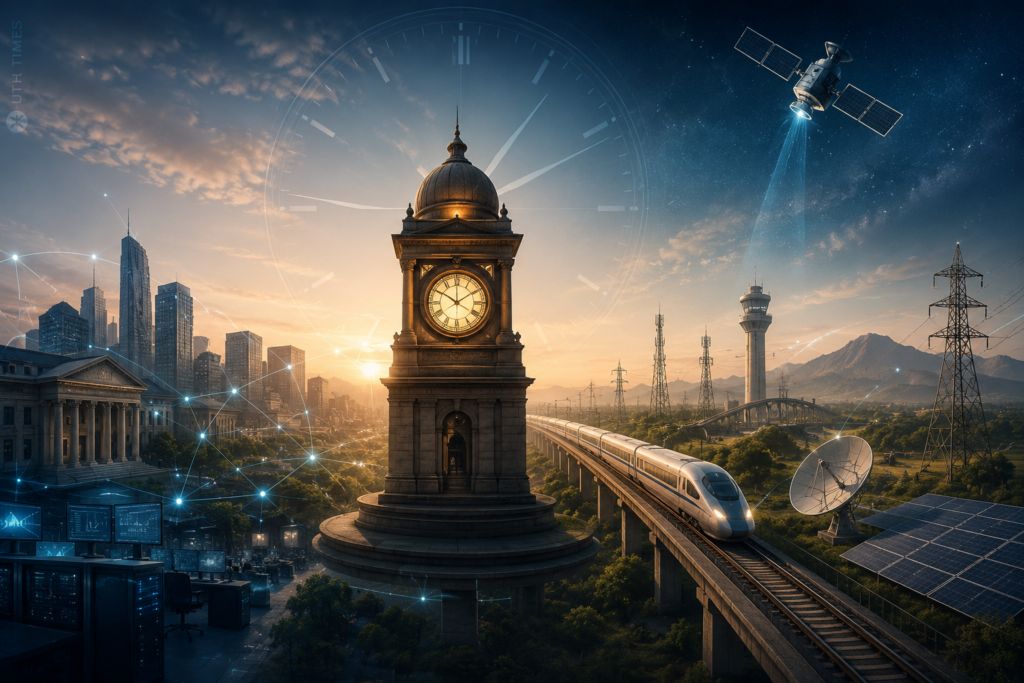
India’s “One Nation, One Time”: Why IST Is Becoming the Backbone of Critical Infrastructure 🇮🇳⏱️

0

India is not changing its time zone. It is doing something far more strategic: making one nationally controlled time reference the backbone of the country’s critical systems.

The Legal Metrology (Indian Standard Time) Rules, 2026, notified on 27 August 2026, establish IST as the common reference for legal, administrative, commercial and official purposes. The rules will take effect 180 days after Gazette publication, giving organisations time to upgrade and synchronise their systems. 

🇮🇳 One Country, One Authoritative Clock

The significance of the move lies not in what people see on their watches, but in what happens inside machines.

🔹 Banking & digital payments: Financial transactions depend on accurate timestamps to establish the precise sequence of events.

🔹 Telecommunications: Network operations require highly coordinated clocks for synchronisation, data transmission and infrastructure management.

🔹 Power & transport: Electricity grids, railways and other large-scale infrastructure generate enormous volumes of time-sensitive data where even small timing discrepancies can matter.

🔹 Government & digital governance: Official records and technology-driven public services can operate against a common, traceable national reference. 

In other words, India is standardising the invisible clockwork behind the visible economy.

🕰️ The Master Reference: UTC(NPLI)

At the centre of the system is CSIR-National Physical Laboratory (NPL), which maintains UTC(NPLI)—India’s realisation of Coordinated Universal Time.

IST is derived from this national reference by adding 5 hours and 30 minutes. The new framework requires time used by regulated systems to be traceable to authorised Indian timing sources. 

That traceability is crucial. It means a system should not merely display “IST”; its clock must be connected through an authorised chain to India’s national time standard.

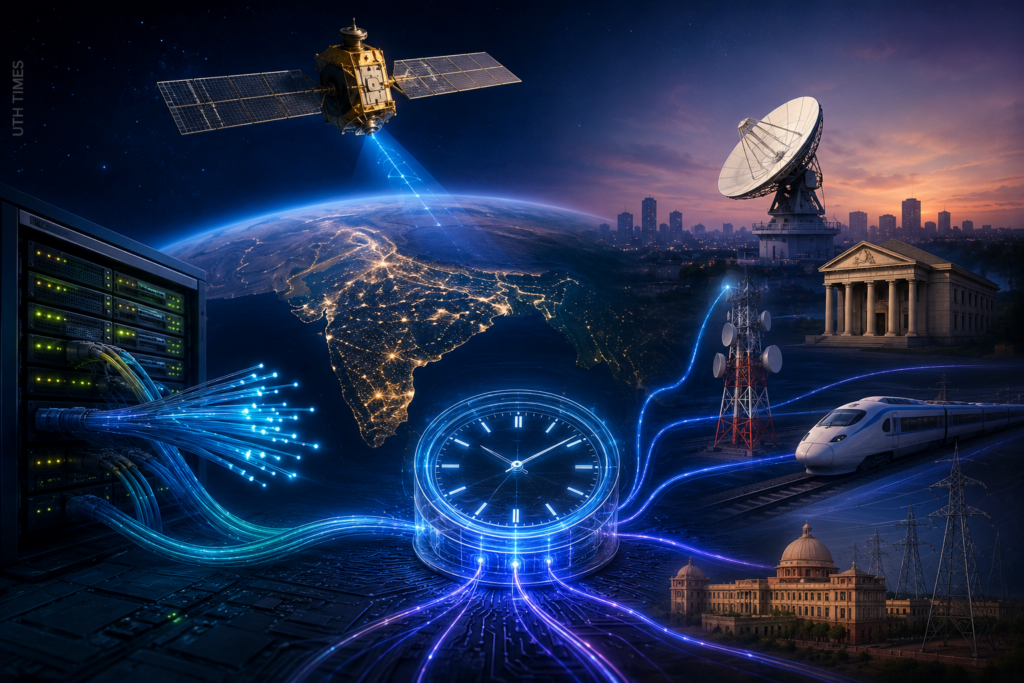
🛰️ NavIC + White Rabbit: Building India’s Time Infrastructure

India is also developing indigenous ways to distribute this precise time.

🔹 NavIC, India’s satellite-navigation system, along with other authorised Indian sources, can support secure domestic time dissemination.

🔹 White Rabbit Technology enables extremely precise synchronisation through fibre networks. A demonstration network was commissioned at the Regional Reference Standards Laboratory in Bengaluru in July 2026.

🔹 The system has already demonstrated IST dissemination for banking, telecom, power, transportation and digital governance, including a secure link between Bengaluru and NSE Chennai. 

🔐 More Than Timekeeping: Digital Sovereignty

The deeper objective is resilience.

Many modern systems can obtain timing from foreign satellite-based sources. Building a robust Indian timing-distribution network gives critical infrastructure another nationally controlled option and reduces dependence on external timing infrastructure. 

“One Nation, One Time” is therefore not really about clocks.

It is about control, precision and digital sovereignty—ensuring that when India’s banks, networks, power systems, transport infrastructure and government platforms record an event, they are all measuring it against the same trusted national clock.

India is not changing the time. It is taking greater control of it.