In Sanatan Dharma, 108 is not a statistic — it’s a cosmic password, a spiritual algorithm, a sacred heartbeat vibrating through mantras, temples, and even galaxies. It’s whispered in yogic breaths, embedded in ancient texts, and reflected in the very geometry of existence.
This is not just the story of a number.
It’s the story of the soul’s journey — from self to source.
🔮 The Inner Equation of 108: The Soul’s Map
Let’s decode 108 digit by digit — because this isn’t numerology. It’s spiritual physics.
🔹 1 – The Self (Aham)
You begin as one — the jiva, the embodied soul, wrapped in karma and illusion. You are the spark that seeks light, the seeker beginning the journey.
🔹 0 –The Void (Shunyata)
Here begins ego death. The zero stands for surrender, silence, the pause between inhale and exhale. It’s where all identities dissolve, and oneness whispers.
🔹 8 – Infinity (Ananta)
Turn the 8 sideways, and it becomes the symbol of eternity. It represents cosmic law — karma, rebirth, moksha — the final destination where the self merges with the infinite.
✨ 108 = The Journey
From individual → to ego death → to universal union.
📿 Where 108 Echoes in Sanatan Dharma
This isn’t mythology. This is sacred design.
Everywhere 108 shows up, it encodes a spiritual pattern.
📿 108 Beads in a Japa Mala
Not random. Each bead = a breath, a beat, a barrier falling.
108 mantras = one complete circle of purification.
📜 108 Upanishads
The crown jewels of Vedic wisdom. 108 portals to Atma Gyaan (self-knowledge). Each one a thread in the spiritual fabric of Bharat.
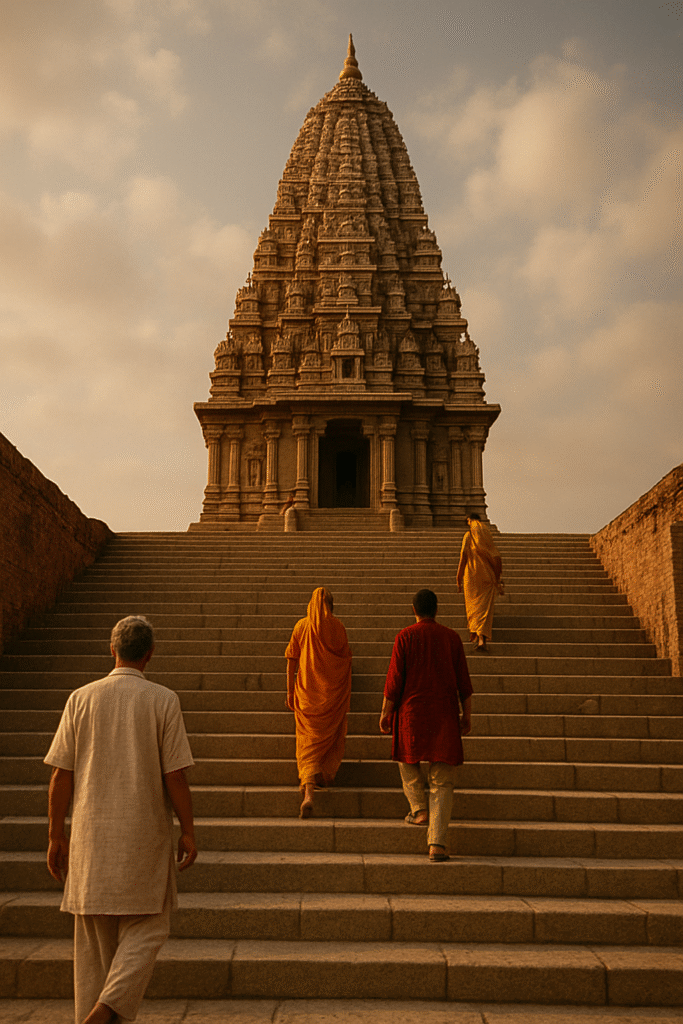
🛕 108 Steps in Temples
Each step upward = a layer of maya shed.
You ascend physically to descend spiritually — into your true self.
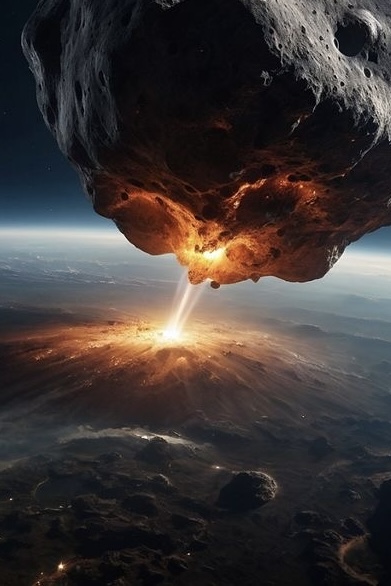
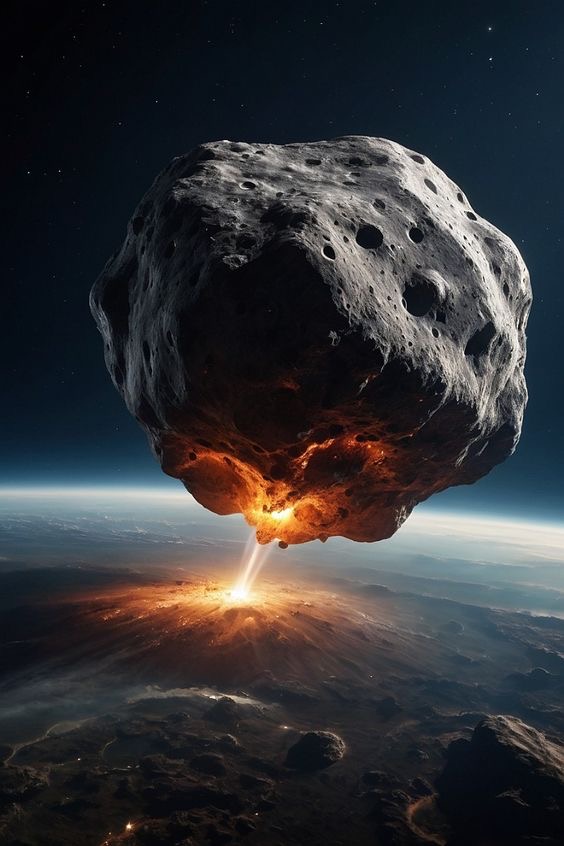
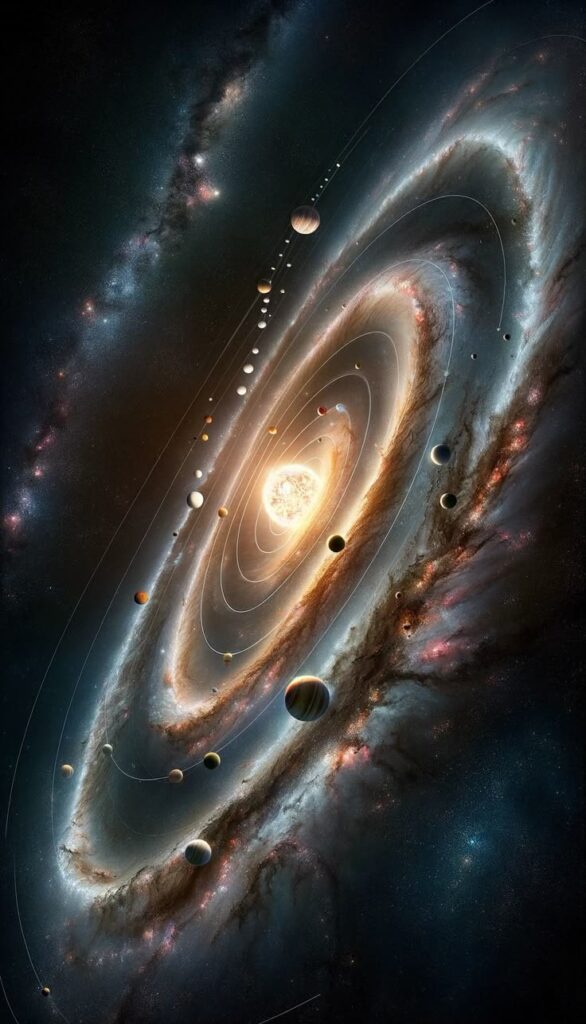
When astronomers detected 3I/ATLAS—an object hurtling through our solar system—they expected a comet. Instead, Harvard astrophysicist Avi Loeb proposes a provocative hypothesis: could it be alien-made, even hostile? While Loeb’s theory grabs headlines, the scientific community largely favors the simpler, natural explanation.
🔬 The Discovery and Controversy
🛰️ Detected on July 1, 2025 by the ATLAS survey telescope in Chile, 3I/ATLAS entered our solar system at extraordinary speed and with an unusual trajectory .
Loeb and co-authors suggest its motion near Venus, Mars, and Jupiter, combined with its timing and size, make it unlikely to be purely random—pointing to a potential alien “probe” under a Dark Forest scenario
🧠 Loeb’s Hypothesis: What Makes 3I/ATLAS Suspicious?
Trajectory Alignment: The object’s orbit lies within 5° of the solar system’s plane—an alignment with only ~0.2% chance if random .
Planetary Flybys: It passes near Venus, Mars, and Jupiter—calculated to be a mere ~0.005% likelihood by chance .
Hidden Approach at Perihelion: It will reach its closest point to the Sun on October 29, 2025, while Earth is on the opposite side—Loeb suggests this could conceal it during critical observation windows .
Lack of Gas Signature: No typical cometary spectral lines have yet been observed, which Loeb claims is suspicious—though critics argue they may be too faint at this distance .
Loeb insists his speculation is a thought experiment meant to provoke rigorous investigation—not a confirmed claim
🔭 Scientific Consensus: Natural Comet
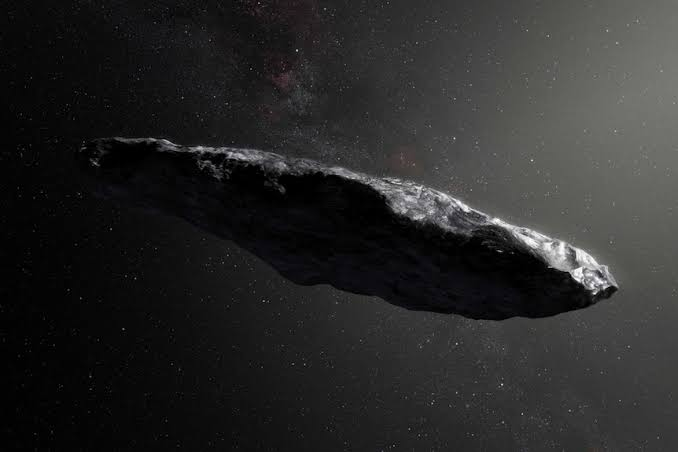
Most astronomers, including Darryl Seligman and Samantha Lawler, firmly state that all current observations match cometary behavior consistent with previous interstellar visitors like Oumuamua and Borisov .
Evidence includes:
Visible cometary coma showing gas and dust,
Activity detected as far out as 6 AU pre-discovery,
Ongoing infrared and ultraviolet observations from Hubble and JWST will soon reveal volatile composition .
Seligman and others highlight that extraordinary claims need extraordinary evidence—which 3I/ATLAS currently lacks
🌏 Why This Matters
Understanding 3I/ATLAS impacts both planetary defense and the search for extraterrestrial intelligence:
If artificial, it could represent the first technosignature study opportunity.
If natural, it helps refine models of interstellar cometary behavior and age (~7–14 billion years old) .
Upcoming observations from JWST, Hubble, and the Vera Rubin Observatory are expected to settle whether 3I/ATLAS is an artifact of nature—or potentially, something more deliberate.
🧭 The Bigger Picture: Why It Matters So Much
🧩 A Clue to the Unified Theory?
If Object 3 is confirmed as something truly new, it could lead us to a long-sought goal: the Theory of Everything — a framework unifying quantum mechanics with general relativity.
🌐 Einstein dreamed of it. Hawking searched for it. Could ATLAS have just stumbled onto its first trace?
🔋 Technological Fallout
Like all discoveries in fundamental physics, the ripples could spread far beyond theory:
🛸 Quantum computing
🧬 Medical imaging
🛰️ Particle-based propulsion
🔒 Unbreakable encryption
Physics isn’t just about understanding the universe. It’s about rebuilding it with better tools.
🔮 What Object 3 Could Actually Be💫 Leading Theories in the Race
🧿 Dark Photon
A hypothetical force carrier for dark matter interactions. If Object 3 is a dark photon, we may finally be able to detect and interact with dark matter.
🧿 Graviton Imposter
Some propose Object 3 mimics properties expected from the elusive graviton, the never-detected particle that would explain gravity’s quantum nature.
🧿 String Resonance
String theorists are giddy — some properties of Object 3 could match vibrational modes predicted in string theory, giving experimental hints to the deepest layer of reality.
⚔️ The Challenge: Proof, Politics, and Patience
🧪 Scientific Rigor
CERN isn’t jumping the gun. Confirmation needs 5-sigma certainty — meaning a 1 in 3.5 million chance of being a fluke. Researchers are now conducting focused high-luminosity runs to collect deeper data.
💼 Scientific Rivalry
Other colliders (like CMS at CERN, or future successors in Japan and China) are racing to confirm or refute the signal. This is a global showdown in precision physics.
⌛ Time Pressure
The LHC’s current operational cycle ends soon. If Object 3 isn’t confirmed in time, it may go down as the greatest ghost particle — never truly caught, never truly explained.
🌌 CONCLUSION: The Universe Just Got Weirder
Object 3 is not just a signal. It’s a cosmic breadcrumb, possibly leading to new laws of nature, new forces, even new dimensions.
In a world obsessed with certainty, Object 3 is a reminder that mystery is the mother of discovery. Whether it fades into error or explodes into the greatest scientific breakthrough in a century — we are witnessing history being written in particles.
The question is not just “What is Object 3?”
The real question is — Are we ready to understand it? 🔓
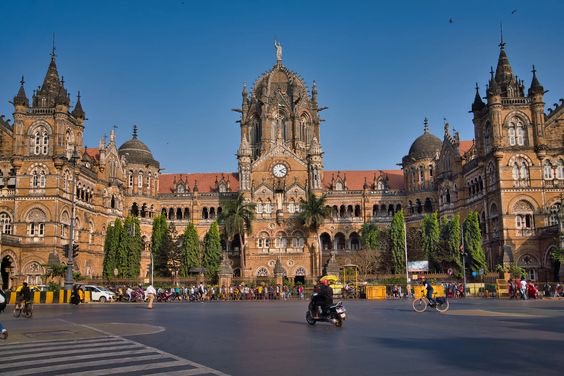
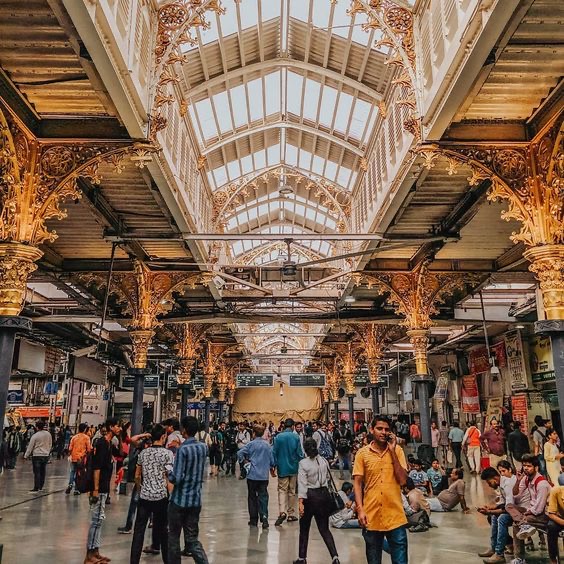
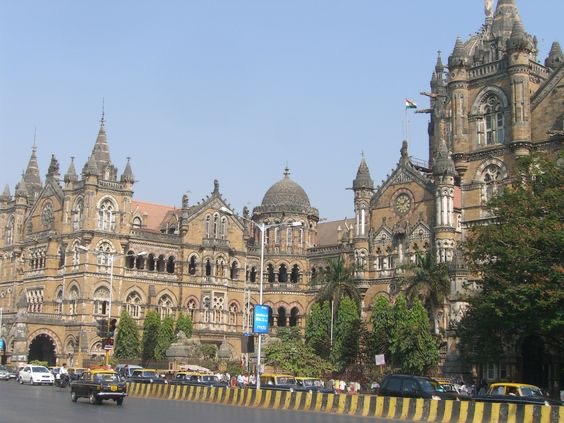
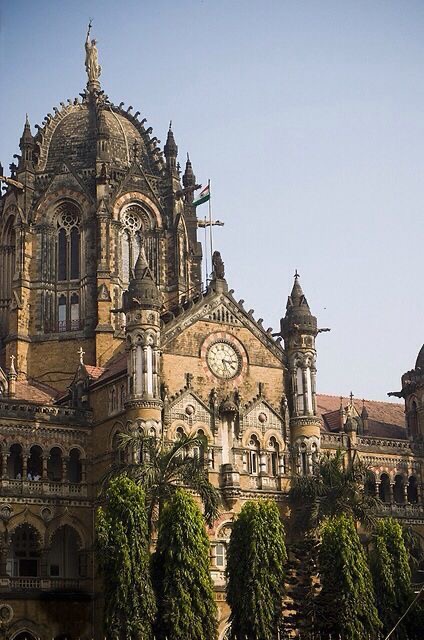
The Chhatrapati Shivaji Maharaj Terminus (CSMT) isn’t just a railway station — it’s a palace where steel rails kiss stone heritage. Once known as Victoria Terminus, this Mumbai marvel became the first standalone railway station in the world to be recognized as a UNESCO World Heritage Site in 2004 — not part of a group, but celebrated in singular glory.
A fusion of functionality and fine art, CSMT embodies the rhythm of a city and the soul of a nation.
🏛️ Born from the British Raj, Inspired by India
Designed by the brilliant British architect Frederick William Stevens, the station was constructed over 10 years (1878–1888) at a then-staggering cost of ₹16.14 lakh.
🎨 Architectural Brilliance
🏰 Victorian Gothic Revival: Soaring pointed arches, turrets, ribbed vaults, and flying buttresses — echoing European cathedrals
🕌 Traditional Indian Craftsmanship: Carved stone screens (jaalis), peacocks, elephants, and intricate woodwork — all deeply Indian
🧱 Locally sourced sandstone and limestone created a proud Indian foundation for a colonial dream
CSMT became the architectural icon of British colonial railways, combining Western aesthetics with Indian storytelling.
🛤️ More Than Just A Terminal — A Timeline in Itself
While the terminus bustles with over 3 million daily commuters, it also guards the memory of the first passenger train in India — which ran from Bori Bunder (old name of CSMT) to Thane on 16 April 1853.
🕰️ A Station Frozen in Motion
📚 A 19th-century Italian marble lion flanks the entrance — symbolising power and vigilance
🕊️ A grand central dome (inspired by St. Pancras in London) stands over the main concourse — as if time itself watches over
🔔 The old mechanical railway clock still ticks — unbothered by tech, beating with legacy
🏆 A UNESCO Recognition Like No Other
Unlike other stations in a group listing, CSMT was recognized as a standalone heritage site — a rare honour. It was praised not just for architecture, but for its dual mastery of art and engineering. It wasn’t just beautiful; it worked — and still does.
UNESCO called it a “perfect blend of cultures”, where Gothic meets Mumbai, and tradition meets transport.
🔚 A Platform to the Past, Present & Future
From steam to speed trains, CSMT has seen India change. And yet, it stands proud — not just as a place where journeys start and end, but as a journey in itself. A place where bricks breathe history, and platforms pulse with life.
Next time you pass through it, don’t just catch a train. Catch the story.
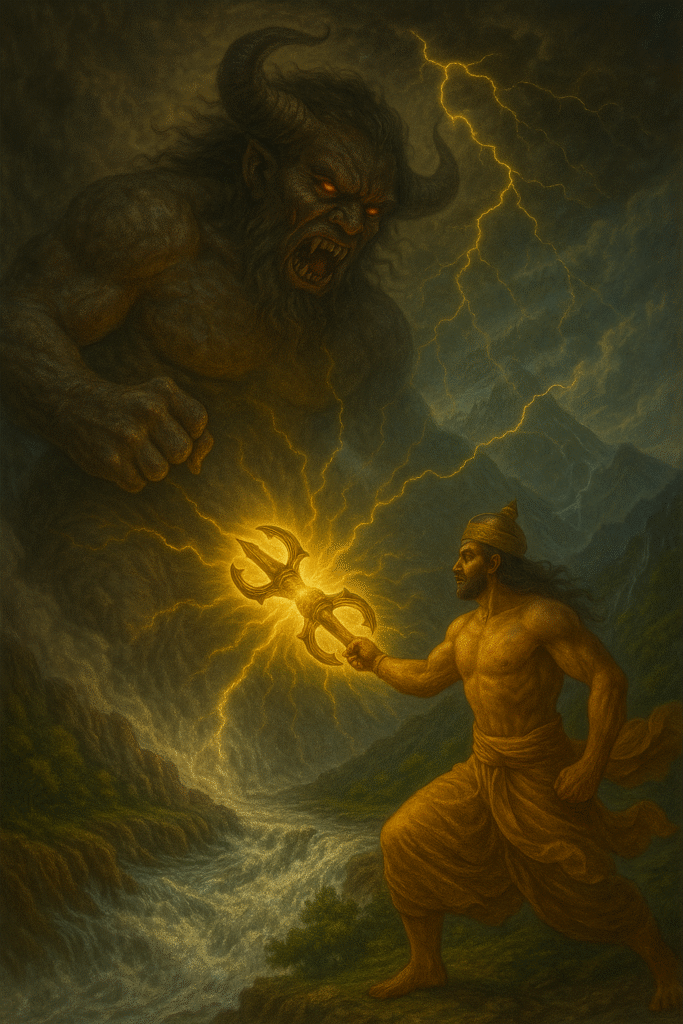
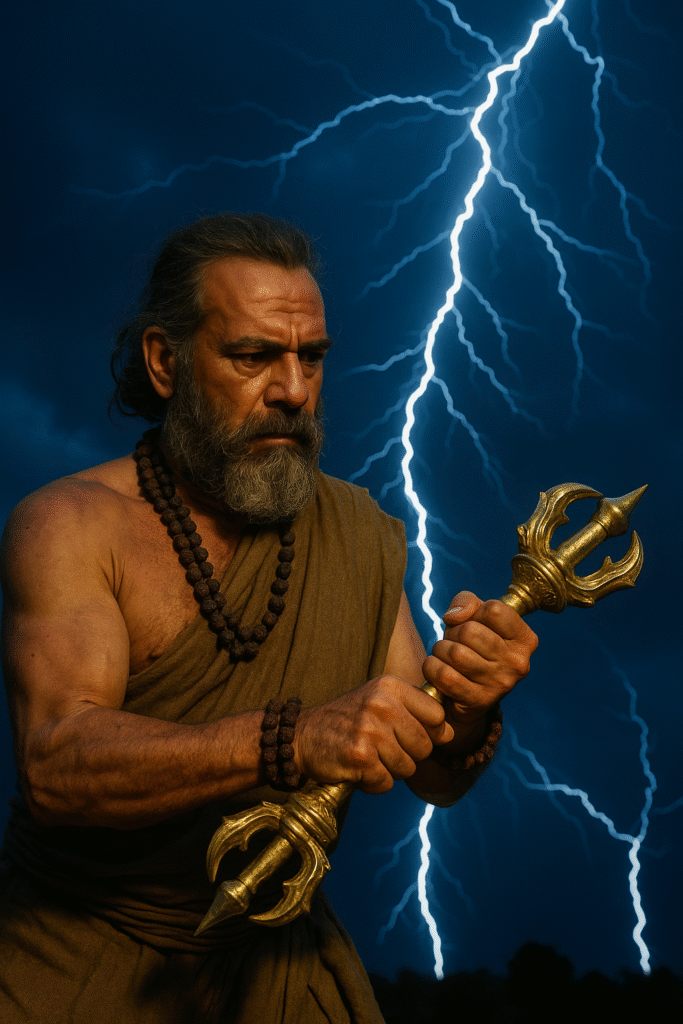
⚡️ Vajra: The Thunderbolt That Shook Heaven and Earth
A flash in the sky. A weapon of gods.
The Vajra, once hurled by Indra, king of Devas, isn’t just a mythical weapon — it’s a symbol of unbreakable will, spiritual awakening, and cosmic truth.
Crafted from sacrifice, powered by dharma, and echoed in yogic energy systems — this divine thunderbolt has crossed myth into the realm of personal transformation.
💎 Why is Vajra ‘Indestructible’?
🧵THREAD: Vajrayudham – The Thunderbolt of Gods
Not just mythology. The Vajra is one of the most mysterious, powerful, and symbolic weapons in the world – used by Indra Dev, King of Devas. Let’s decode its origins, power & symbolism.👇#SanatanDharma#AncientIndiapic.twitter.com/ALoWRzTInP
What if the universe isn’t what we thought it was?
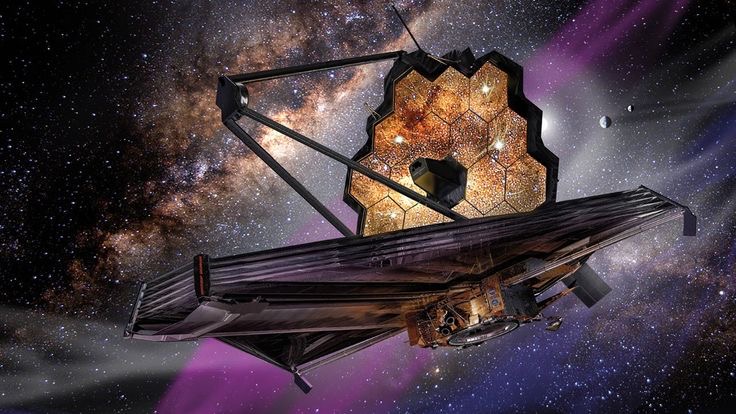
James Webb Space Telescope didn’t just look deeper into space — it looked deeper into reality itself, and what it saw doesn’t fit the story we’ve believed for decades.
🚨 The Cosmic Shock: Galaxies Too Grown, Too Soon
🚨: James Webb confirms there's something seriously wrong with our understanding of the universe — and reveals unknown physics exists. pic.twitter.com/5RL39bkIjn
James Webb’s infrared vision has uncovered galaxies that existed just 300–500 million years after the Big Bang — and yet, they look fully formed. Instead of chaotic baby galaxies, JWST sees massive, bright, spiral-like structures that resemble mature systems.
🧩 These galaxies are:
🧠 Too big: Some have masses rivaling the Milky Way
💡 Too bright: Their luminosity doesn’t match expected star formation rates
🕰️ Too evolved: Structures appear settled, organized — not turbulent or primitive
This breaks the standard Lambda-CDM model — the framework that describes how dark energy, dark matter, and normal matter shaped the universe across time. If this model can’t explain JWST’s data, it may not just be wrong — it may be irrelevant.
🌀 Dark Matter, Broken Mirror? Theories in Trouble
To “fix” this, some physicists suggest patching the model:
🧪 Rewriting dark matter behavior
⚡ Rethinking dark energy’s role in acceleration
📉 Speeding up early star formation unnaturally
But each patch leads to more questions than answers.
Is it possible the entire framework — from gravity to time — needs to be rewritten?
🧠 Beyond the Big Bang: A New Language of the Universe?
What if our current theories are linguistic fossils — brilliant guesses rooted in limited observation?
🌀 Some physicists now propose:
🧬 Modified gravity — gravity behaves differently across time and space
🪞 Temporal asymmetry — time may not be one-directional
🧠 Recursive cosmic evolution — the universe may “think” in patterns, not lines
Just like quantum mechanics exposed how observers change the observed, JWST may be showing us that the cosmic observer (us) is still too young to understand what it’s seeing.
The galaxies aren’t necessarily too old. Our ideas may just be too premature.
🧭 Conclusion: Time to Think Bigger
This isn’t just a crack in the model — it’s a philosophical rupture. JWST didn’t just see galaxies — it exposed the blind spot in human understanding.
Unlocking the DMT Realm: Aliens, Machine Elves, and Humanity’s Hidden FrontierI
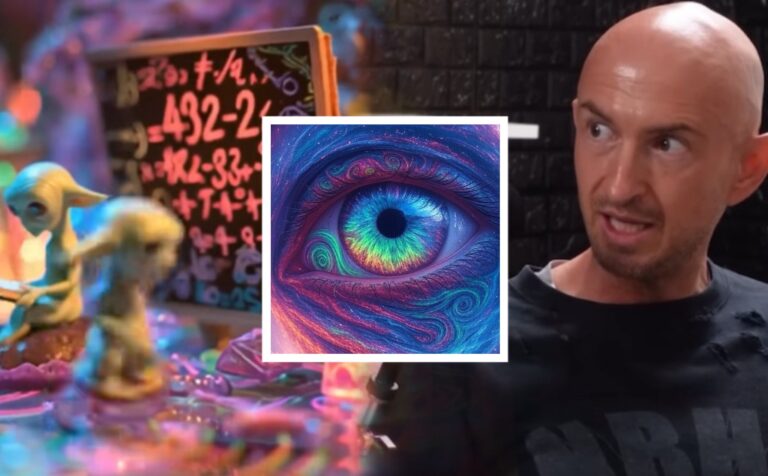
Imagine inhaling a substance that catapults you into a vibrant, otherworldly dimension teeming with intelligent beings—aliens who aren’t from distant stars but from the fabric of reality itself.
This isn’t science fiction; it’s the bold claim of neuroscientist Andrew Gallimore, as unpacked in a riveting X thread by Holden Culotta. Gallimore, a decades-long DMT researcher, posits that dimethyltryptamine (DMT), a potent psychedelic found in plants and even our own brains, serves as a portal to communicate with non-physical entities that have “transcended biology.”Culotta’s thread dives deep into the eerie parallels between DMT trips and alien abductions.
Users often report encounters with “machine elves”—jovial, multidimensional sprites that bounce with energy, showcasing bizarre objects—or insectoid beings that perform psychic surgeries, rewiring brains to cure ailments like depression or chronic pain. These visions echo ancient Amazonian shamans’ descriptions of Hekura spirits and fearsome Warusinari insects, suggesting humanity has been tapping into this realm for millennia.Gallimore dismisses the idea of mere hallucinations, arguing DMT grants these discarnate intelligences access to our neural machinery, building a “directed world” in our minds.
This neuroscientist just revealed that DMT lets you communicate with aliens.
The DMT realm is allegedly full of creatures who “transcended biology”—and ancient civilizations have communicated with them for thousands of years.
He draws connections to UFO lore: abductees describe similar hierarchies of worker grays overseen by towering Nordics or mantids, mirroring DMT entities. But not all trips are benevolent; one harrowing account details a soul-torturing “alien scientist” revealing dystopian visions of humanity trapped in a matrix.
Looking ahead, Gallimore envisions a post-biological future where advanced civilizations ditch physical forms, manipulating reality’s core—echoing physicist John Barrow’s “anti-Kardashev” scale of inward exploration.
With emerging tech like extended DMT infusions (DMTx), we could stabilize these journeys, turning fleeting glimpses into sustained dialogues. The nostalgia many feel—”welcome home”—hints this realm might be our true origin.Culotta’s thread, blending clips from Gallimore’s interview with Jesse Michels, challenges anthropocentric arrogance: DMT humbles us, revealing intelligences far beyond our grasp.
As we edge toward transcending biology, could these beings be our guides—or warnings? The implications? Mind-bending, paradigm-shattering, and utterly transformative.
In a historic leap for astronomy, scientists have unveiled the first-ever direct image of the “cosmic web” — the massive hydrogen network that secretly binds galaxies across space. The long-theorized structure, once only a concept in simulations, is now an awe-inspiring reality.
🔭 The Discovery: A Thread Through Time and Space
NEWS🚨: Scientists just captured the first direct image of the cosmic web — the mysterious structure that holds the universe together pic.twitter.com/XiGOavzTqX
Astronomers, peering 12 billion years into the past, used the MUSE instrument on the European Southern Observatory’s Very Large Telescope (VLT) to detect a glowing 3-million-light-year-long filament. This slender, ghostly structure stretched between two ancient quasars, dating back to when the universe was just 2 billion years old.
🌀 What they saw:
✨ A glowing ribbon of hydrogen gas
🌠 Spanning across intergalactic space
💫 Linking galaxies like a gravitational lifeline
This filament marks a direct observation of the vast cosmic scaffold, a structure previously known only from theoretical models.
🧬 The Cosmic Web: The Universe’s Hidden Architecture
The cosmic web is an intricate network of filaments composed of gas and dark matter, connecting galaxies like beads on a string. It’s the invisible backbone of the universe, directing how galaxies move, form, and evolve.
🧩 Key Facts:
🧪 Composed mainly of cold hydrogen gas
🌌 Structured by the influence of dark matter
🧭 Guides galactic growth and star formation
This discovery affirms the long-standing hypothesis that galaxies feed off this web, drawing gas through filaments to birth new stars and continue expanding.
💻 From Simulation to Reality: A Perfect Match
What truly astonished scientists was the accuracy of computer models. When the observed filament was compared with supercomputer simulations, the alignment was near-perfect. This offered strong support for the Cold Dark Matter (CDM) model — the leading theory for cosmic evolution.
📊 Simulation insights:
🔍 Predicts filament locations with precision
⚛️ Confirms dark matter’s role in shaping the universe
🔄 Validates decades of astrophysical modeling
This rare glimpse acts as a cosmic litmus test, proving the real universe follows the invisible patterns scientists have long believed existed.
🌠 A New Era of Discovery Begins
This first direct view opens a new frontier in cosmology. With more powerful telescopes and deeper surveys, astronomers are now racing to map the entire cosmic web — filament by filament.
🌐 What’s Next:
🚀 Searching for more filaments
🛰️ Studying how galaxies feed from them
🌌 Unlocking secrets of early universe formation
This is just the beginning of seeing the universe as it truly is — not just a scatter of galaxies, but a living, breathing network of connected cosmic threads.
🌟 CONCLUSION
For centuries, the cosmic web was a silent skeleton in the universe’s closet. Today, it has emerged from the shadows, revealing the true structure of everything we see in the sky. And with it, humanity inches closer to understanding the grand design of existence.
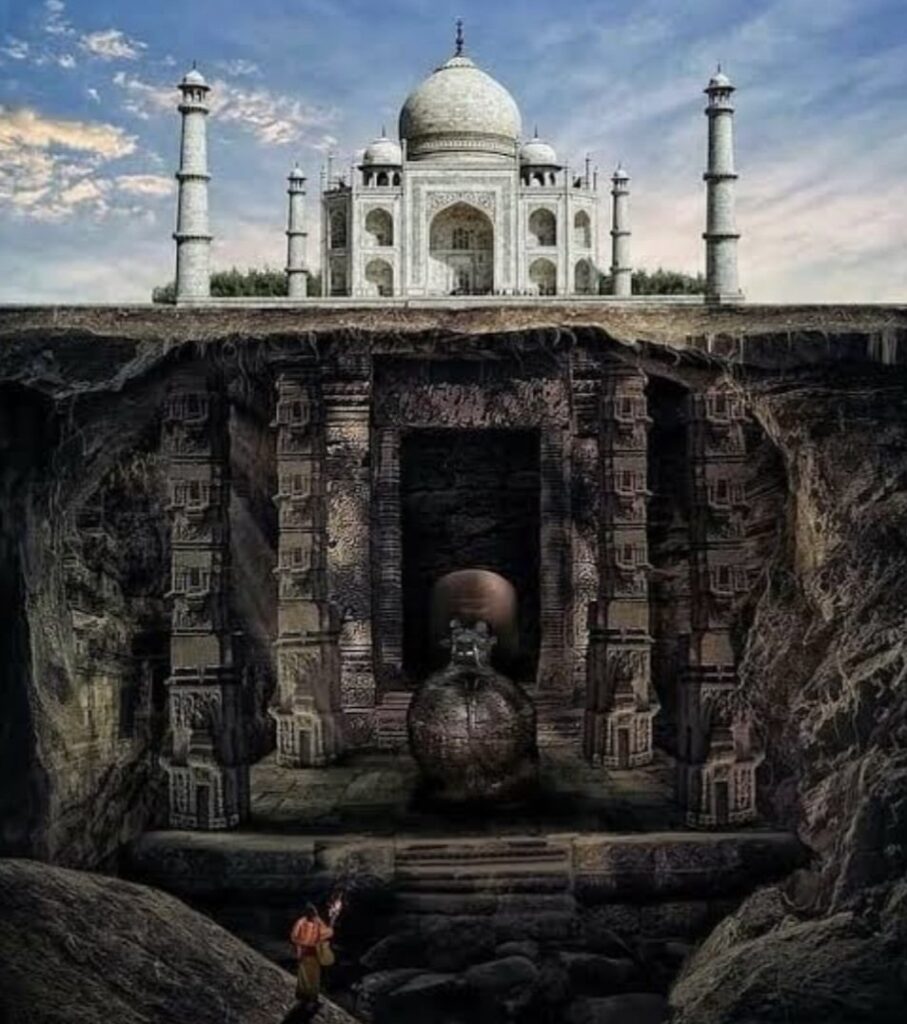
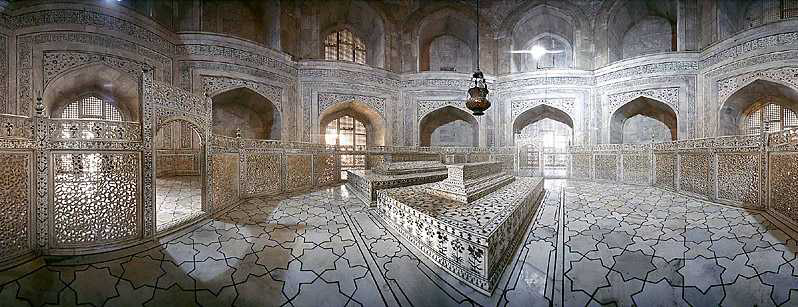
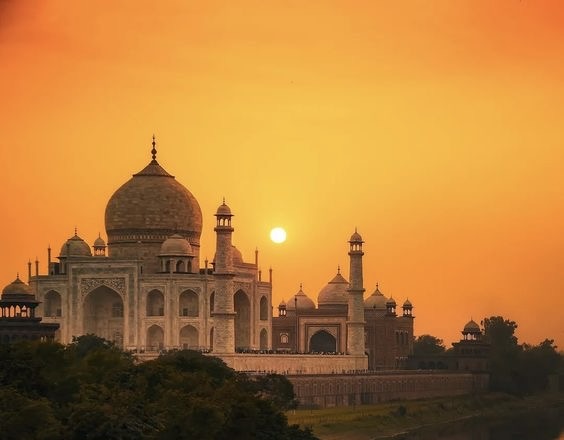
The Taj Mahal is revered globally as a symbol of love, yet some voices suggest it might hold secrets far older than Shah Jahan’s time. Could this marble wonder once have echoed with chants to Lord Shiva, under the name Tejo Mahalaya? Let’s explore a tale where beauty meets mystery.
🕉️ Tejo Mahalaya: A Temple Beneath the Tomb?
📜 Where It Began:
Historian P.N. Oak first proposed that the Taj Mahal was originally a grand temple-palace dedicated to Mahadev—Tejo Mahalaya. He cited Sanskrit texts, old records, and architectural clues to support his theory.
🔠 A Name Reinterpreted:
While “Taj Mahal” is commonly believed to honor Mumtaz Mahal, some researchers argue it’s a variation of “Tejo Mahalaya”—where “Tejo” refers to Shiva and “Mahalaya” means abode or palace.
🧭 Eyewitnesses from the Past
🧳 Before Mumtaz’s Death:
Travelers like Peter Mundy and Jean-Baptiste Tavernier, who visited Agra in the early 1600s, wrote about a majestic structure already standing at the Taj’s location—before Mumtaz passed away. These travelogues add a fascinating layer to the mystery.
🔧 Minor Modifications?:
According to some researchers, Shah Jahan may have renovated rather than built the Taj from scratch. They believe changes like the addition of Quranic calligraphy and a cenotaph were made to repurpose an older structure.
🛕 Architectural Echoes of a Temple
📐 Vedic Geometry:
The Taj’s layout—a central dome with four corner towers, octagonal symmetry, and a chhatri-laden roofline—bears uncanny resemblance to classical Hindu temple architecture rooted in Vedic math.
🪷 Sacred Symbols:
Inside and out, the monument features lotus motifs, trishul-like designs, and intricate carvings not typically found in Islamic tombs. These elements have led some to believe the structure was once a spiritual center of worship.
🚪 The Mystery of the Sealed Rooms:
The 22 locked basement rooms have been a topic of speculation for decades. Petitioners have argued that these chambers may hold statues, ancient carvings, or inscriptions connected to a pre-Mughal past.
🧾 History or Hypothesis? The Ongoing Curiosity
⚖️ Court Cases and Requests :
Several legal pleas have asked for the opening of the sealed rooms and a thorough archaeological study. While none have succeeded so far, public interest in the monument’s true history continues to grow.
📚 Official Silence, Public Interest:
Mainstream historians still support the tomb theory, citing Mughal records. However, the alternate view has carved out a curious space in public consciousness—raising questions, not conclusions.
🪔 Conclusion
Whether it’s a timeless love story or a monument with a layered past, the Taj Mahal remains India’s most enigmatic jewel. Its pristine white marble may hold more than beauty—perhaps echoes of a forgotten era still waiting to be heard.
Sometimes, the truth lies not in rewriting history—but in daring to ask: what if?
At The Startup Mahakumbh in Delhi, innovation reached new heights — quite literally. Among the sea of startups and visionaries stood a jaw-dropping showcase: India’s first flying taxi prototype. Designed to make short-distance travel faster, cleaner, and cheaper, these air taxis are all set to redefine how India moves in the next decade.
The eVTOL industry is obsessed with building bigger.
Forget the endless hours stuck in traffic jams or waiting for a cab to show up. This futuristic vehicle promises to airlift you from point A to point B in just a fraction of the time — with up to 90% time saved compared to traditional road transport.
✈️ Meet India’s First Flying Taxi
The Design. The Dream. The Disruption.
The flying taxi on display was a Vertical Take-Off and Landing (VTOL) vehicle — a compact, drone-like aircraft powered by clean electric energy. With a range of 200+ km and speeds up to 200 km/h, this skycab is tailored for city-to-city hops and intra-city traffic escape.
🛩️ Silent Propulsion System for noise-free operation
⚡ Battery-powered, making it eco-friendly and carbon-neutral
👨✈️ Autonomous & AI-driven with real-time navigation systems
🧳 Room for 2-4 passengers with lightweight luggage
Whether you’re heading to the airport, office, or across town, this innovation could soon make your morning commute feel like a sci-fi movie — minus the fiction.
💸 Will It Burn a Hole in Your Pocket? Think Again.
From the Skies, at the Price of an Auto.
Straight from the founder’s mouth — the vision is “mobility for all.” Early estimates suggest the cost per ride will be comparable to a regular auto rickshaw fare.
How’s that possible?
🌐 Shared economy model similar to Uber/Airbnb
🔋 Electric infrastructure reduces operational costs
🔧 Minimal moving parts lowers maintenance
🎯 Mass production goals to scale down manufacturing cost
The team is working closely with aviation authorities and urban transport regulators to bring this to Indian skies by late 2025 or early 2026. Trials are already underway in select locations.
🌟 Startup Mahakumbh: Breeding Ground for Giants
The Platform That Propelled the Skycab.
Organized in Delhi, Startup Mahakumbh 2025 wasn’t just another tech fest. It was a launchpad of ideas — and the flying taxi stole the show. From high-tech booths to pitch arenas packed with investors and government delegates, this was the ideal space for such revolutionary ideas to take flight.
🚀 Empowered by Make in India and Startup India
🧠 Backed by top aerospace engineers and IIT alumni
💰 In talks with major venture capital firms and government funding arms
🔚 Final Descent
The skies are no longer a dream — they’re a destination. As India stands on the brink of an urban air mobility revolution, flying taxis are more than just innovation; they’re a promise of what’s next. With platforms like Startup Mahakumbh igniting possibilities, the future is no longer down the road — it’s above us.
So next time you’re stuck in traffic, just look up — your ride might be flying overhead.
Zero isn’t “nothing.” It’s everything. Without zero, there’s no calculus, coding, or quantum computing. India didn’t just invent it — it redefined mathematics with it.
While Arab scholars transmitted it westward, the seed was Vedic.
The modern digital world rests on an ancient Indian circle
⚗️ 2. Zinc Smelting – The First Industrial Chemistry
🗓️ Origin: 9th century CE, Zawar (Rajasthan)
🌍 Miscredited To: Chinese or European alchemists
India was the first to master the difficult process of zinc extraction — a metal that vaporizes before it melts. Zawar’s ancient furnaces had condensation chambers, showing early chemical engineering genius.
Europe struggled till the 18th century. India did it 800 years earlier.
🛕 3. Civil Engineering – Indus Valley Urban Planning
🗓️ Origin: 2600–1900 BCE (Harappa, Mohenjo-daro)
🌍 Miscredited To: Romans and Greeks
Ancient Indian cities had straight roads, underground drainage, public baths, and flood control — long before Rome laid its aqueducts.
And unlike Roman sewage, Indus sanitation didn’t flow into streets.
They didn’t just build homes. They built sustainable civilizations.
🩺 4. Surgical Techniques – From Cataracts to C-sections
🗓️ Origin: c. 600 BCE (Sushruta Samhita)
🌍 Miscredited To: Medieval European medicine
Sushruta described over 300 surgeries including plastic surgery, cesarean births, kidney stone removal, and even detailed anatomical dissections.
He used over 100 surgical instruments — many similar to today’s scalpels and forceps.
When Europe thought surgery was heresy, India had surgical classrooms.
🏺5.Clay Pot Refrigeration: India’s Eco-Friendly Cooling Tech Before Fridges
Long before modern refrigeration, India had already mastered natural cooling with porous clay pots—called matkas, surahis, and gharas.
🧊 How it worked: The porous walls of these earthen pots allowed slow evaporation of water, which cooled the contents inside—an early, sustainable form of refrigeration.
🌍 Global Influence: Today, eco-conscious designers and engineers are reviving this concept in the West under terms like “zero-electricity fridge” and “evaporative coolers”. Innovations like the Zeer Pot Fridge and Mitticool owe their roots to this ancient Indian principle.
It wasn’t just clever—it was green, centuries before sustainability became a global buzzword.
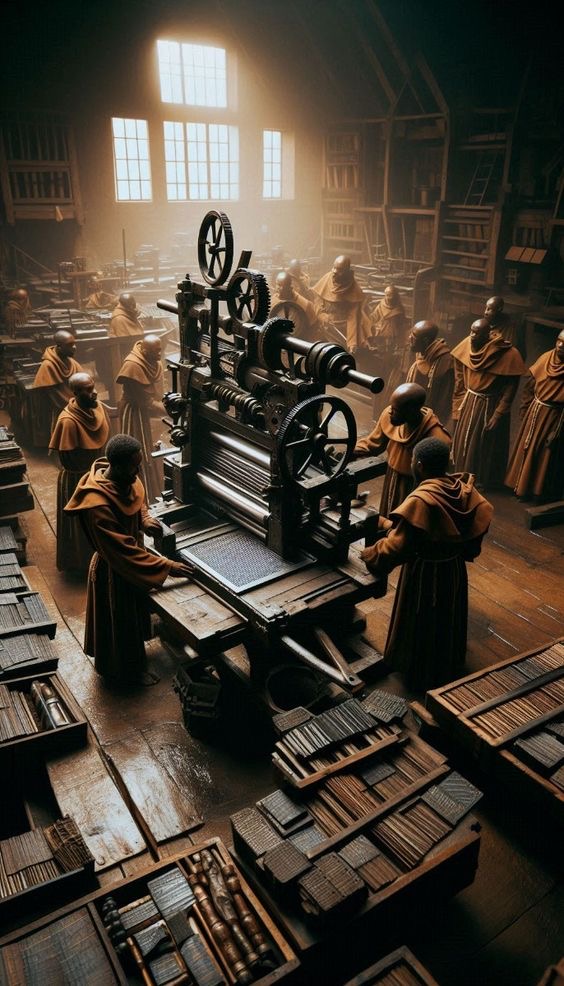
📜6. Ancient India’s Knowledge Copy Machine (Before the Printing Press)
Long before Gutenberg, India had its own way of mass-copying texts.
🖋️ At places like Nalanda, scribes etched scriptures, science, and philosophy onto palm leaves with metal styluses — replicating knowledge by hand, with stunning precision.
📚 It wasn’t a printing press, but it worked like one — spreading wisdom across centuries.
🌾 7. Agricultural Science – Ancient Manuals of Soil & Seasons
India had ancient manuals on crop rotation, soil types, monsoon prediction, seed preservation, and irrigation. The Krishi-Parashara outlined scientific farming tailored to climate zones.
Our ancestors didn’t just farm — they understood Earth’s biology.
🧠 A Legacy Buried, Not Broken
Ancient India didn’t just dream — it designed, discovered, and delivered. From metallurgy to medicine, the roots of modern civilization were sown in Indian soil.
It’s time the world stopped calling our genius a coincidence… and started calling it history.