
The Taj Mahal is revered globally as a symbol of love, yet some voices suggest it might hold secrets far older than Shah Jahan’s time. Could this marble wonder once have echoed with chants to Lord Shiva, under the name Tejo Mahalaya? Let’s explore a tale where beauty meets mystery.
🕉️ Tejo Mahalaya: A Temple Beneath the Tomb?
📜 Where It Began:
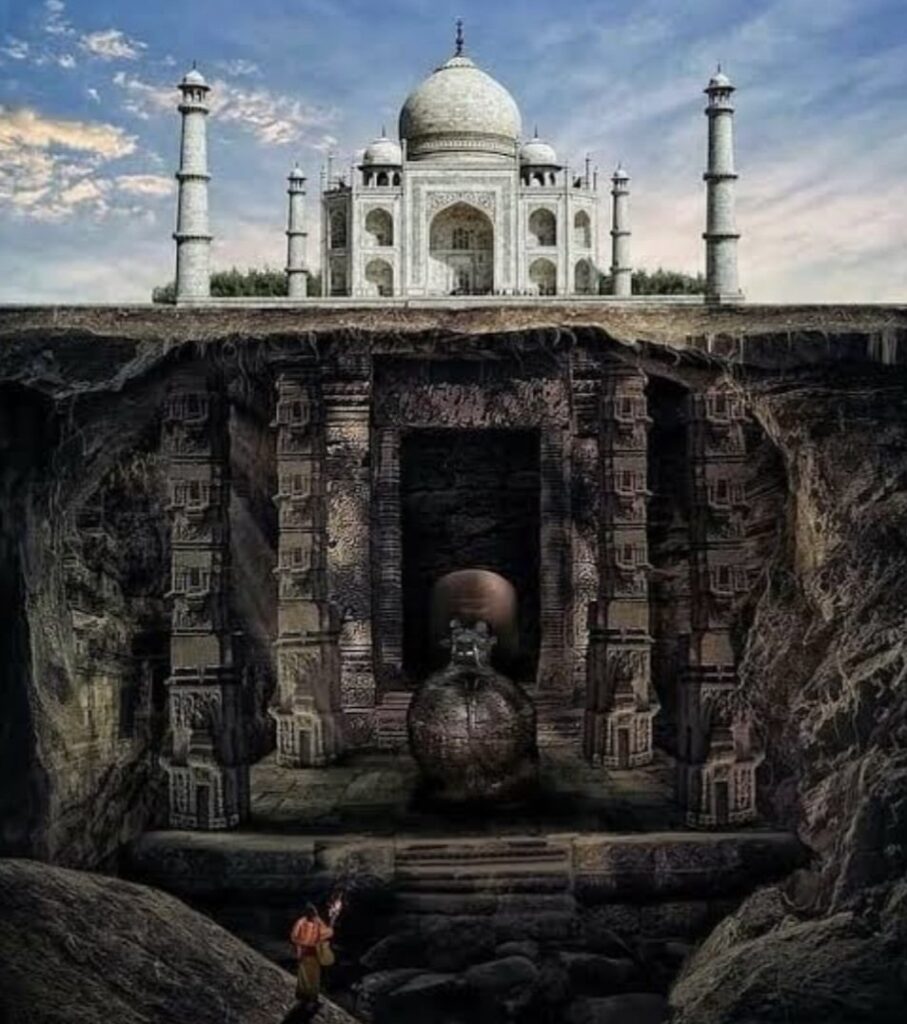
Historian P.N. Oak first proposed that the Taj Mahal was originally a grand temple-palace dedicated to Mahadev—Tejo Mahalaya. He cited Sanskrit texts, old records, and architectural clues to support his theory.
🔠 A Name Reinterpreted:
While “Taj Mahal” is commonly believed to honor Mumtaz Mahal, some researchers argue it’s a variation of “Tejo Mahalaya”—where “Tejo” refers to Shiva and “Mahalaya” means abode or palace.
🧭 Eyewitnesses from the Past
🧳 Before Mumtaz’s Death:
Travelers like Peter Mundy and Jean-Baptiste Tavernier, who visited Agra in the early 1600s, wrote about a majestic structure already standing at the Taj’s location—before Mumtaz passed away. These travelogues add a fascinating layer to the mystery.
🔧 Minor Modifications?:
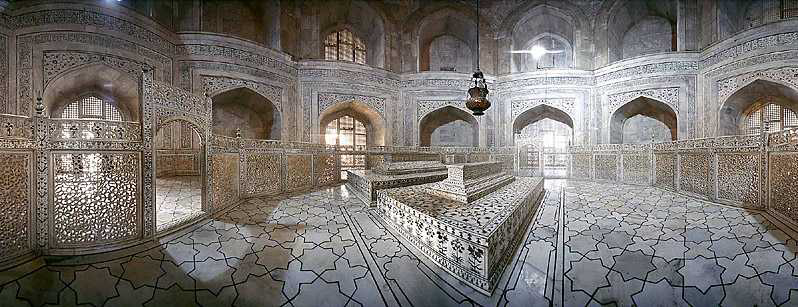
According to some researchers, Shah Jahan may have renovated rather than built the Taj from scratch. They believe changes like the addition of Quranic calligraphy and a cenotaph were made to repurpose an older structure.
🛕 Architectural Echoes of a Temple
📐 Vedic Geometry:
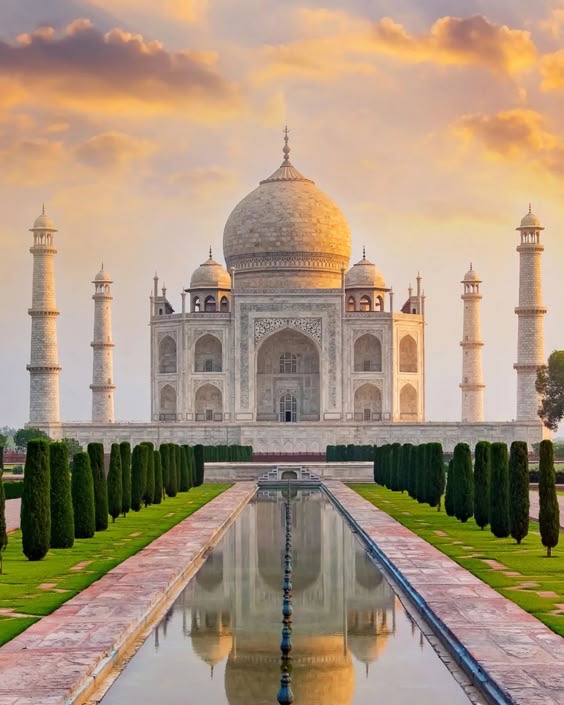
The Taj’s layout—a central dome with four corner towers, octagonal symmetry, and a chhatri-laden roofline—bears uncanny resemblance to classical Hindu temple architecture rooted in Vedic math.
🪷 Sacred Symbols:
Inside and out, the monument features lotus motifs, trishul-like designs, and intricate carvings not typically found in Islamic tombs. These elements have led some to believe the structure was once a spiritual center of worship.
🚪 The Mystery of the Sealed Rooms:
The 22 locked basement rooms have been a topic of speculation for decades. Petitioners have argued that these chambers may hold statues, ancient carvings, or inscriptions connected to a pre-Mughal past.
🧾 History or Hypothesis? The Ongoing Curiosity
⚖️ Court Cases and Requests :
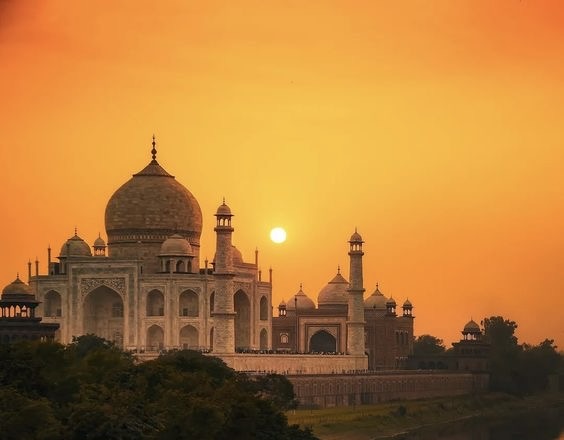
Several legal pleas have asked for the opening of the sealed rooms and a thorough archaeological study. While none have succeeded so far, public interest in the monument’s true history continues to grow.
📚 Official Silence, Public Interest:
Mainstream historians still support the tomb theory, citing Mughal records. However, the alternate view has carved out a curious space in public consciousness—raising questions, not conclusions.
🪔 Conclusion
Whether it’s a timeless love story or a monument with a layered past, the Taj Mahal remains India’s most enigmatic jewel. Its pristine white marble may hold more than beauty—perhaps echoes of a forgotten era still waiting to be heard.
Sometimes, the truth lies not in rewriting history—but in daring to ask: what if?

