
🧮 1. Zero – India’s Silent Superpower

🗓️ Origin: 5th century CE (Brahmagupta)
🌍 Miscredited To: Islamic mathematicians
Zero isn’t “nothing.” It’s everything. Without zero, there’s no calculus, coding, or quantum computing. India didn’t just invent it — it redefined mathematics with it.
While Arab scholars transmitted it westward, the seed was Vedic.
The modern digital world rests on an ancient Indian circle
⚗️ 2. Zinc Smelting – The First Industrial Chemistry
🗓️ Origin: 9th century CE, Zawar (Rajasthan)
🌍 Miscredited To: Chinese or European alchemists
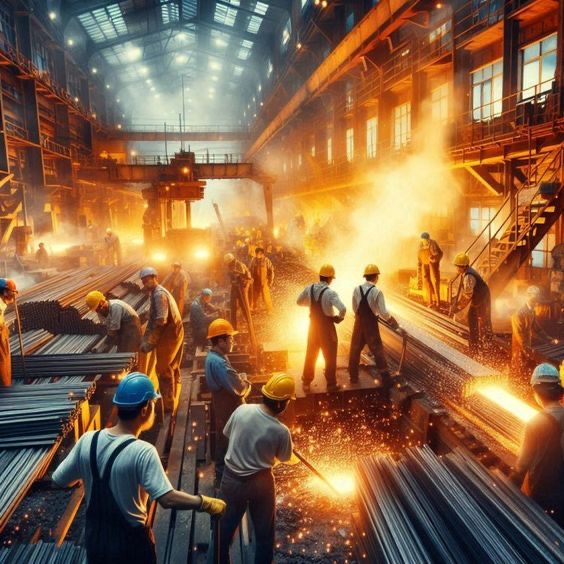
India was the first to master the difficult process of zinc extraction — a metal that vaporizes before it melts. Zawar’s ancient furnaces had condensation chambers, showing early chemical engineering genius.
Europe struggled till the 18th century. India did it 800 years earlier.
🛕 3. Civil Engineering – Indus Valley Urban Planning

🗓️ Origin: 2600–1900 BCE (Harappa, Mohenjo-daro)
🌍 Miscredited To: Romans and Greeks
Ancient Indian cities had straight roads, underground drainage, public baths, and flood control — long before Rome laid its aqueducts.
And unlike Roman sewage, Indus sanitation didn’t flow into streets.
They didn’t just build homes. They built sustainable civilizations.
🩺 4. Surgical Techniques – From Cataracts to C-sections
🗓️ Origin: c. 600 BCE (Sushruta Samhita)
🌍 Miscredited To: Medieval European medicine
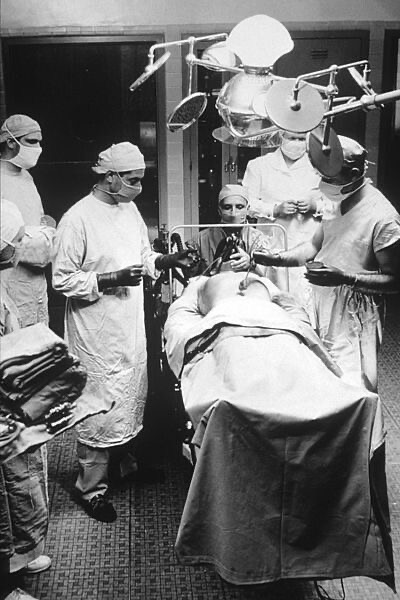
Sushruta described over 300 surgeries including plastic surgery, cesarean births, kidney stone removal, and even detailed anatomical dissections.
He used over 100 surgical instruments — many similar to today’s scalpels and forceps.
When Europe thought surgery was heresy, India had surgical classrooms.
🏺5. Clay Pot Refrigeration: India’s Eco-Friendly Cooling Tech Before Fridges
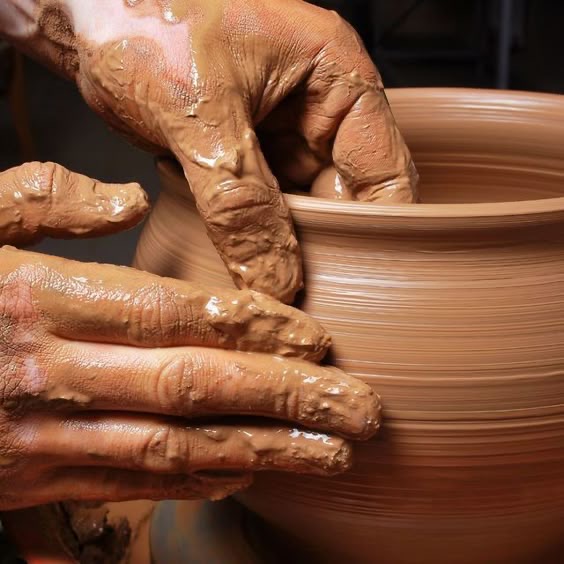
Long before modern refrigeration, India had already mastered natural cooling with porous clay pots—called matkas, surahis, and gharas.
🧊 How it worked: The porous walls of these earthen pots allowed slow evaporation of water, which cooled the contents inside—an early, sustainable form of refrigeration.
🌍 Global Influence: Today, eco-conscious designers and engineers are reviving this concept in the West under terms like “zero-electricity fridge” and “evaporative coolers”. Innovations like the Zeer Pot Fridge and Mitticool owe their roots to this ancient Indian principle.
It wasn’t just clever—it was green, centuries before sustainability became a global buzzword.
📜6. Ancient India’s Knowledge Copy Machine (Before the Printing Press)
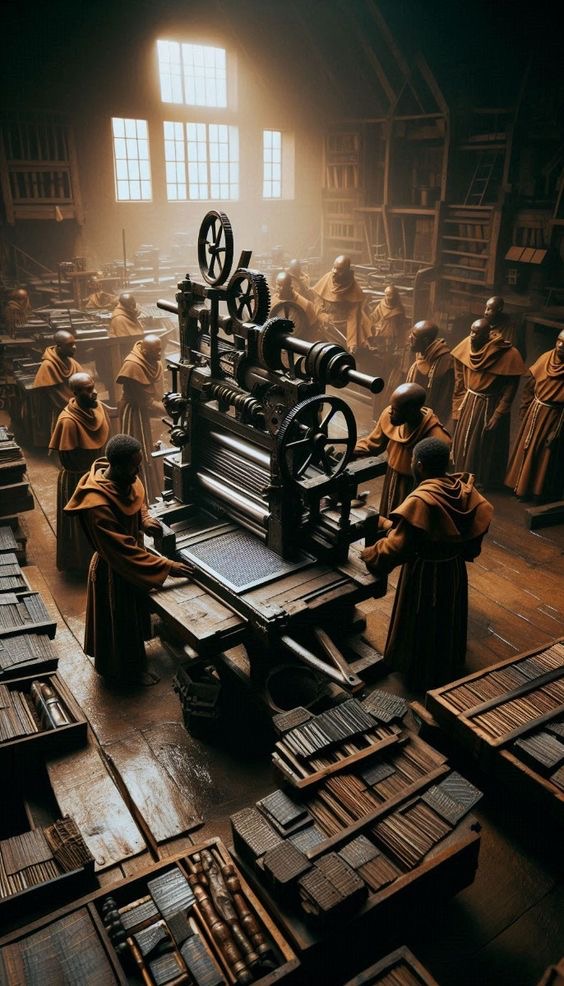
Long before Gutenberg, India had its own way of mass-copying texts.
🖋️ At places like Nalanda, scribes etched scriptures, science, and philosophy onto palm leaves with metal styluses — replicating knowledge by hand, with stunning precision.
📚 It wasn’t a printing press, but it worked like one — spreading wisdom across centuries.
🌾 7. Agricultural Science – Ancient Manuals of Soil & Seasons
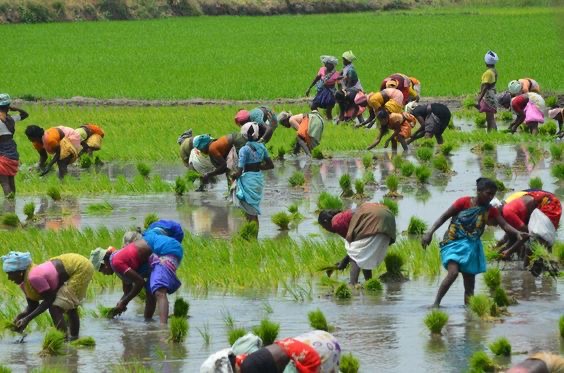
🗓️ Origin: Krishi-Parashara (~100 BCE) & Vedic texts
🌍 Miscredited To: Chinese and Roman sources
India had ancient manuals on crop rotation, soil types, monsoon prediction, seed preservation, and irrigation. The Krishi-Parashara outlined scientific farming tailored to climate zones.
Our ancestors didn’t just farm — they understood Earth’s biology.
🧠 A Legacy Buried, Not Broken
Ancient India didn’t just dream — it designed, discovered, and delivered. From metallurgy to medicine, the roots of modern civilization were sown in Indian soil.
It’s time the world stopped calling our genius a coincidence… and started calling it history.

