
Home Blog Page 45

India’s 3,500-Year-Old Inscription on the Brink of Extinction

0

🕰️ A Glimpse Into the Dawn of Indian Writing

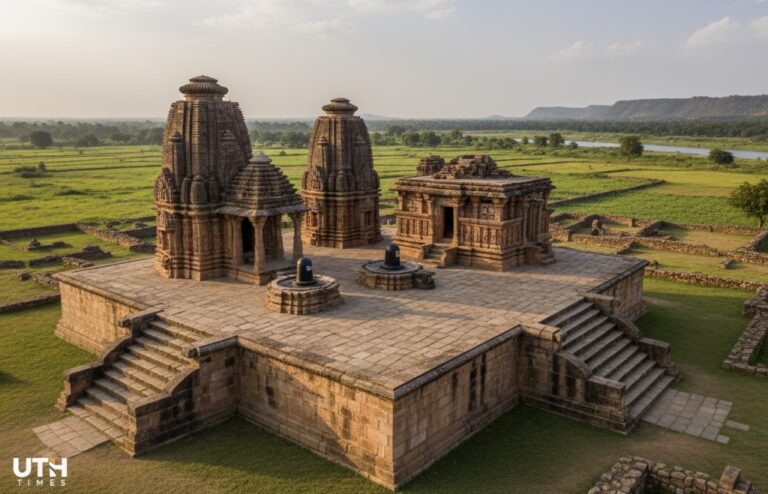
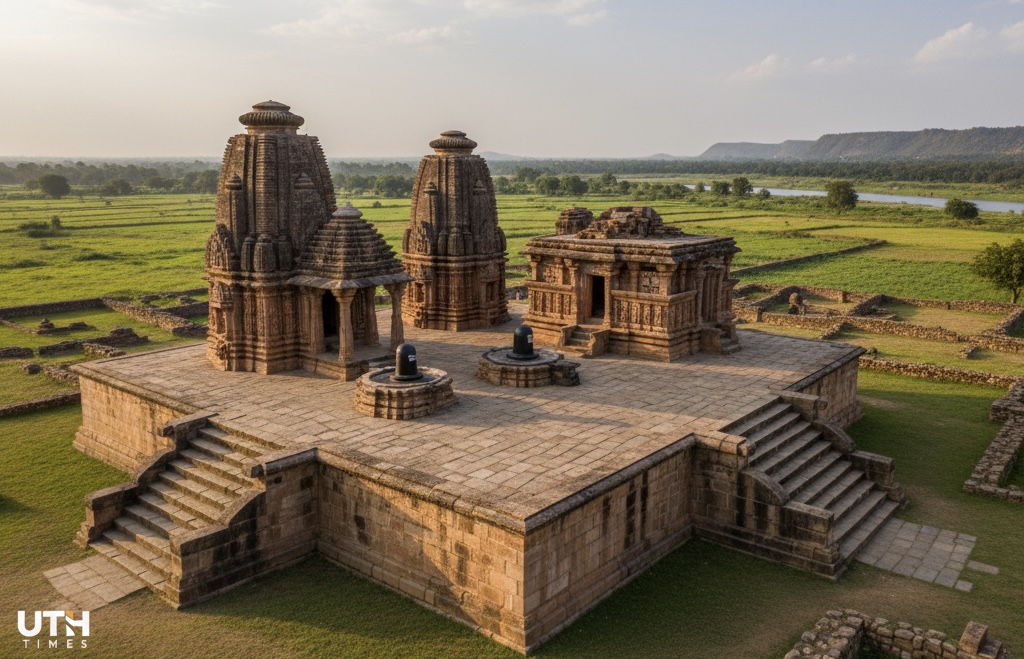
For centuries, scholars believed that early Indians relied mainly on oral traditions, leaving no trace of written language before the later Vedic age. But nestled in a fragile corner of India lies a site that shatters this assumption—a 3,500-year-old inscription from 1500 BCE, the only one of its kind. This mysterious script does not just whisper history—it roars with the possibility of being the Rosetta Stone for decoding the Indus script, a key to unlocking one of the world’s most perplexing linguistic puzzles.

📜 Why This Inscription Matters

  • 🌍 A Singular Survivor: Unlike scattered carvings or undeciphered marks, this inscription provides structured linguistic data, making it a potential breakthrough for understanding ancient Indian civilization.
  • 🔑 Decoding the Indus Script: Just as the Rosetta Stone unlocked Egyptian hieroglyphs, this could hold the parallel language key scholars have long prayed for.
  • 🧬 Rewriting History: If fully deciphered, it could push back the timeline of Indian literacy by centuries, reframing how we understand Vedic culture, trade, and knowledge systems.

⚠️ A Legacy in Peril

Despite surviving invasions, climate shifts, and 35 centuries of erosion, this cultural treasure now faces its greatest threat yet:

  • ⛏️ Mining Menace: Nearby coal and sponge mining operations are shaking its very foundation, slowly eating into the earth that protects it.
  • 🖊️ Vandalism’s Shadow: Graffiti and reckless damage already scar parts of the site, a painful reminder of negligence.
  • ⏳ Time Is Running Out: Experts warn that in just 35 years, what survived millennia may vanish forever.

🌐 The Call to Protect

This isn’t just an inscription—it’s a civilizational code. Protecting it means:

  • 📖 Preserving Knowledge: Giving future generations the chance to decode the Indus script.
  • 🛡️ Cultural Responsibility: Safeguarding a heritage that predates empires, borders, and modern nations.
  • 🌎 Global Significance: This is not just India’s story—it is humanity’s shared memory of how writing, culture, and thought first evolved.

✨ Conclusion

The inscription of 1500 BCE has waited silently for us to listen. If lost, we lose not just a stone but a key to history itself. The question is—will we act before silence swallows it forever?

The Vanished Lineage: 7,000-Year-Old Desert Mummies Rewrite Human History

0

In the silent sands of a forgotten desert, time has preserved a secret. Scientists have unearthed 7,000-year-old mummies—people who lived, thrived, and vanished, leaving behind no descendants. Their DNA reveals a lineage unlike our own, opening a haunting new chapter in the story of humanity.

🌍 A Forgotten Branch of Humanity

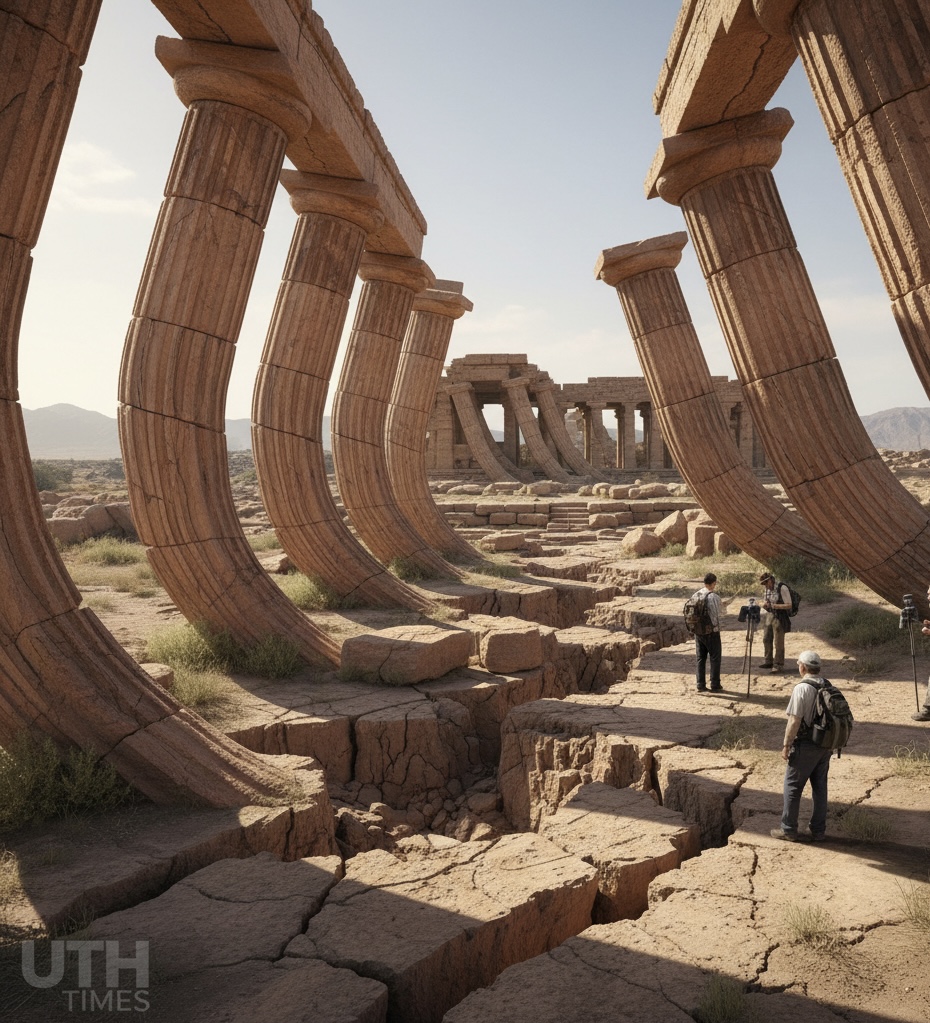
When researchers extracted DNA from these mummies, they discovered something astonishing: no genetic continuity with modern humans. Unlike Egyptians, Peruvians, or other known ancient groups, this population was part of a branch that diverged long ago—and ultimately died out. They are not our ancestors, but distant relatives whose story ended thousands of years before ours continued.

This discovery challenges the idea of human history as a straight line. Instead, it reveals a complex web where many branches flourished briefly, then disappeared, carrying entire worlds of knowledge and tradition into silence.

🏜️ Nature’s Own Mummification

Unlike the embalmed pharaohs of Egypt, these desert mummies were preserved naturally. The arid, scorching sands acted as a perfect time capsule, preventing decay for millennia. Their bodies, still recognizable after 7,000 years, stand as proof of nature’s hand in shaping history.

Even more fascinating is that these mummies predate Egyptian mummification by thousands of years—making them the earliest known preserved bodies in the world. Humanity was experimenting with remembrance long before pyramids rose on the Nile.

🔍 Traces of Daily Life

Archaeologists uncovered artifacts buried alongside the mummies—tools for hunting, fishing, and farming. These objects reveal how they survived in one of the harshest landscapes on Earth.

⚔️ Stone blades for hunting game

🎣 Fishing implements for harvesting rivers and lakes

🌾 Early signs of agriculture, pointing toward an emerging shift from nomadic life

These details show not just survival, but innovation and resilience—qualities that echo across all human societies, even those that eventually vanished.

🧬 Lessons for Today

For science, these mummies are more than relics—they are a rare genetic archive. They remind us that humanity is not a single story but a tapestry woven from countless lives, most of which ended without descendants.

Their existence whispers a humbling truth: we are just one surviving thread, and many “other us-es” once walked this planet.

Conclusion

The desert mummies are not ghosts of Egypt or echoes of familiar civilizations. They are strangers—our lost cousins—proof that human history is wider, stranger, and more fragile than we imagine.

The Enigma of Adhai Din ka Jhonpra: A Temple ? A University ? A Mosque?

0

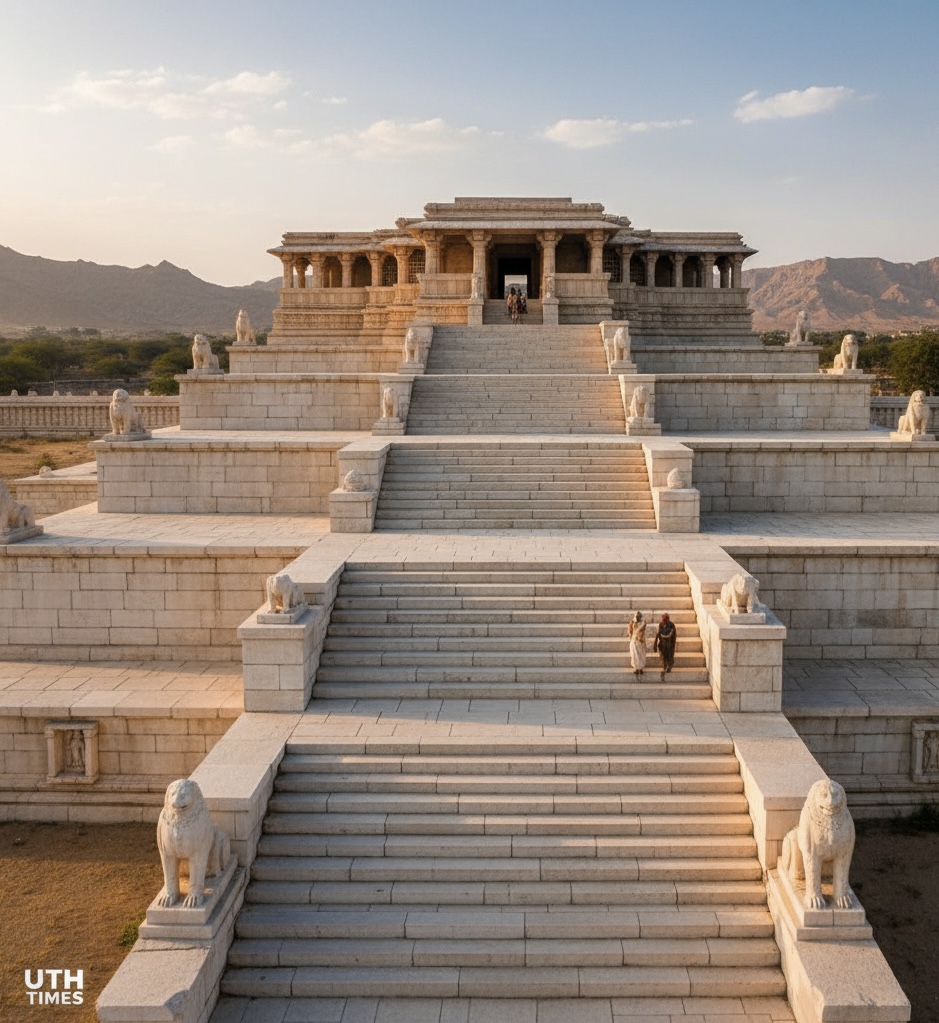
In the heart of Ajmer, Rajasthan, stands a monument that whispers of conquests, legends, and cultural shifts—Adhai Din ka Jhonpra. Its name alone sparks curiosity, but its layered history makes it one of India’s most fascinating medieval sites.

📜 From Knowledge to Faith: The Origins

Before the arrival of the Delhi Sultanate, this site wasn’t a mosque at all. Built in 1153 CE, it was originally a grand Sanskrit University, dedicated to the pursuit of learning and philosophy under the Chauhan rulers. The structure, adorned with intricate carvings, echoed with the recitations of scholars and seekers of wisdom.

⚔️ The Transformation by Qutub Din Aibak

In 1199 CE, after the conquest of Ajmer, Qutub Din Aibak, general of Muhammad Ghori and later the first Sultan of Delhi, seized the complex. The university was repurposed into a mosque, marking the triumph of Islamic power in northern India. The story goes that this transformation was carried out in record speed—giving rise to the name “Adhai Din ka Jhonpra.”

🏛️ Why the Name ‘Adhai Din’?

The phrase “Adhai Din” literally means two and a half days. The legend claims that Qutub Din’s forces converted the structure into a mosque within this short span, a symbolic demonstration of power and urgency. However, historians argue that the actual construction and modifications likely took years. The name, thus, remains more of a legend—an echo of speed, conquest, and folklore.

🌿 The Architecture: A Fusion of Worlds

The mosque is not just a monument—it is a collision of cultures.

  • 🪷 Hindu & Jain Origins: The remains of temple columns, lotus motifs, and finely carved stonework speak of its pre-Islamic beginnings.
  • ☪️ Islamic Additions: Pointed arches, calligraphic inscriptions, and domes overlay the structure, showcasing the Sultanate’s architectural imprint.
    This unique fusion style makes Adhai Din ka Jhonpra one of the earliest examples of Indo-Islamic architecture in India.

🕰️ A Symbol of Transition

Standing just decades before the rise of the Qutub Minar, this mosque represents a turning point—the shift from Hindu-Jain temple traditions to Indo-Islamic architectural dominance. It is more than stone and mortar; it is a testimony to the political, cultural, and spiritual upheavals of 12th-century India.

Conclusion

Adhai Din ka Jhonpra isn’t just a monument—it is a story carved in stone. From a Sanskrit University to a mosque in “two and a half days,” it reflects India’s layered past where conquest, legend, and architecture merge into one timeless narrative.

India Achieves 250 GW Non-Fossil Energy Milestone🇮🇳

0

India has crossed a historic green energy landmark by achieving 250 GW of installed non-fossil capacity as of September 2025. This reflects the country’s rapid progress toward clean energy and sustainable growth.

🔑 Five Key Takeaways

1. ☀️ Solar Leads the Way

With 123.13 GW, solar power has become the backbone of India’s renewable energy story. From rooftop panels to vast solar parks, India is now one of the world leaders in tapping sunlight to power homes, businesses, and industries.

2. 💧 Hydro Powering Stability

India’s 55.22 GW of hydro capacity ensures round-the-clock clean power. Hydropower provides both renewable energy and grid stability, acting as a balancing source during fluctuations in solar and wind supply.

3. 🌬️ Wind Energy Gains Momentum

At 52.68 GW, wind power is another crucial pillar of India’s non-fossil strategy. Wind farms across Tamil Nadu, Gujarat, and coastal belts continue to harness natural resources efficiently, cutting dependency on fossil fuels.

4. 🌱 Diversified Mix: Bio & Nuclear

While smaller in scale, 11.6 GW of bio-energy and 8.78 GW of nuclear contribute significantly to India’s clean energy diversity.

  • Bio-energy supports rural economies by converting agricultural waste.
  • Nuclear adds a reliable low-carbon base load.

5. 🌍 A Big Step Toward Net Zero

Crossing 250 GW non-fossil capacity positions India strongly on its path to achieving 500 GW of renewables by 2030 and the Net Zero 2070 vision. This milestone highlights India’s commitment to green growth, global climate leadership, and energy independence.

✅ Conclusion

India’s 250 GW achievement isn’t just a number—it is a signal of transformation. With solar, wind, hydro, bio, and nuclear working together, India is powering its future sustainably, creating green jobs, reducing carbon footprint, and setting an example for the world.

The 12,000-Year-Old Protector of Ratnagiri: A Forgotten Guardian in Stone

0

A Guardian Awakens from Stone

In the rugged coastal lands of Ratnagiri, Maharashtra, an ancient figure carved into rock has resurfaced—12,000 years old and still standing strong. This petroglyph is no ordinary relic. It bears the likeness of a protector, a being etched with uncanny detail: helmeted head, four arms, a circular emblem on its chest, and a stance radiating sheer power. 💪

It feels less like prehistoric art and more like a message—a guardian from the past, watching over us across millennia.

The Protector’s Astonishing Design

Every line on the petroglyph whispers intention. It isn’t random—it’s visionary.

  • 🪨 Helmet of Power: Suggesting defense, cosmic might, or warrior status.
  • 👐 Four Arms: A timeless Indian motif for strength, divine energy, and control.
  • 🔵 Chest Emblem: A circle that could symbolize eternity, cosmic balance, or identity.
  • 💪 Mighty Pose: Muscular, commanding, as if lifting the weight of the world.

Archaeologists call it a petroglyph, but its detail hints at something deeper: a glimpse into the imagination of people we thought were only hunters and gatherers.

From Earth’s Embrace to Human Gaze

For 12 millennia, this protector lay buried beneath layers of soil, shielded by time itself. When locals unearthed it, the past met the present in a startling reveal.

But with discovery came vulnerability:

  • ☀️ Sun and Rain: Slowly eroding the grooves carved by ancient hands.
  • 🚶 Tourist Steps: Innocent feet causing irreversible damage.
  • 🏛️ Neglect: With little official protection, the guardian stands exposed, alone.

Unlike treasures displayed in museums, this relic lives under the open sky—raw, unguarded, and at risk of vanishing again, but this time forever.

Why the Protector Matters

This isn’t just prehistoric art—it’s a cultural beacon. It shows that 12,000 years ago, humans already had myths, imagination, and a vision of larger-than-life protectors. It challenges our perception of ancient societies as “primitive.” They were dreamers, creators, storytellers.

To let this figure fade is to silence a voice that has spoken to us across time. Local voices are calling for it to be covered again until proper conservation is possible—a rare case where burying history may save it.

Closing Thought

The Ratnagiri petroglyph is not just a relic—it’s a guardian in stone, a reminder that even in humanity’s earliest days, we carved protectors to watch over us. The question is—will we now protect the protector?

Have You Heard About Skyroot Aerospace? 5 Key Points

0

Hyderabad-based Skyroot Aerospace has once again made headlines with its ambitious leap in the private space sector. The company is now set to invest ₹400 crore in establishing a cutting-edge facility in Tirupati, Andhra Pradesh, reaffirming its role as a torchbearer of India’s new space economy.

🚀 1. Pioneering India’s Private Space Sector

Skyroot is the first Indian private company to launch a space rocket (Vikram-S in 2022). By breaking into a field traditionally dominated by ISRO, Skyroot has opened the doors for private innovation in India’s space journey.

🛰️ 2. Strategic Investment in Tirupati

The new ₹400 crore state-of-the-art plant in Tirupati is more than an expansion—it is a symbol of India’s intent to become a global space hub. The facility will enable:

  • Faster production
  • Advanced R&D
  • Large-scale testing of rocket engines and satellites

🇮🇳 3. Boost to ‘Make in India’ Vision

This investment aligns with the government’s push to encourage indigenous space technology. By manufacturing rockets and components domestically, Skyroot strengthens India’s self-reliance and reduces dependency on foreign suppliers.

👷 4. Catalyst for Jobs & Local Economy

The Tirupati plant will not just serve aerospace ambitions but also create thousands of direct and indirect jobs. Skilled engineers, technicians, and allied industries will thrive, boosting the economy of Andhra Pradesh.

🌍 5. Global Competitiveness

With the global space economy expected to reach $1 trillion by 2040, India is positioning itself as a serious contender. Skyroot’s cost-effective rocket technology could capture international satellite launch markets, much like ISRO’s PSLV did.

✨ Conclusion

In essence, Skyroot’s expansion is not just a company milestone but a national leap—cementing India’s rise as a global space power and inspiring a new era of private participation in the cosmos.

Sadashiva Emerges from the Earth: Katni’s Forgotten Treasure

0

A Chance Encounter with History

January 2020 began as an ordinary month for workers in Katni, Madhya Pradesh, who were preparing the foundations for a new bridge. But as shovels struck deeper, the soil loosened more than rock and gravel—it awakened the past. What emerged from the earth was a stunning statue of Sadashiva, accompanied by several other ancient idols. This unplanned discovery transformed a construction site into a living archive of India’s forgotten spiritual heritage.

Who is Sadashiva? 🕉️

In Shaiva philosophy, Sadashiva is the eternal, benevolent form of Lord Shiva—the union of stillness and creation. He represents cosmic balance, unlike the fierce Rudra aspect. Statues of Sadashiva are not commonly found, making this revelation in Katni extraordinarily significant. Each carving of Sadashiva carries layers of symbolism, from his calm expression to his sacred attributes, reminding us of India’s deep connection to divine philosophy.

The Katni Unearthing: More Than One Statue 🗿

The Sadashiva idol did not stand alone. Excavators soon uncovered multiple statues of deities, possibly linked to a once-thriving temple complex. Among the fragments were figures resembling Vishnu, Parvati, and other guardians, each adorned with detailed carvings that spoke of exceptional craftsmanship. Scholars suggest these idols could date back several centuries—perhaps to medieval India, when Shaiva and Vaishnava traditions flourished in Central India’s cultural corridors.

What the Find Tells Us About Katni 📜

Katni’s geographical location placed it on vital trade and cultural routes in ancient and medieval times. The discovery of Sadashiva and other idols suggests the presence of a prominent temple site, long lost to erosion, abandonment, or historical upheaval. Such finds are not just archaeological curiosities—they are silent storytellers of dynasties, worship practices, and the spiritual pulse of an era. Each statue is a clue that helps piece together India’s fragmented temple heritage.

The Local Response & Preservation Concerns 🌿

When news spread, villagers and devotees thronged the site, awestruck by the unexpected revelation. Authorities secured the idols, but the episode sparked a broader debate—how many treasures still lie buried beneath India’s modern development projects? While infrastructure grows, cultural preservation often takes a back seat. The Katni discovery serves as a reminder that progress must walk hand in hand with heritage protection.

Conclusion: Stones That Whisper Eternity

The unearthing of Sadashiva in Katni is not just about statues—it is about memory, legacy, and the endurance of faith. From beneath layers of forgotten soil, history whispered once more, reminding us that India’s spiritual and cultural heartbeat still lies hidden in its earth, waiting for its moment to emerge.

7 UFO Sightings in India You’ve Probably Never Heard Of…

0

When we think of UFO sightings, Roswell or Area 51 usually come to mind. But India, with its vast skies and ancient mysteries, has had its own share of puzzling encounters. From Himalayan villages to military bases, these UFO stories remain lesser-known, yet deeply fascinating. 🛸✨

1. 👀 Ladakh, 2012 – The Mysterious Flying Objects

In 2012, Indian Army troops stationed along the Indo-China border in Ladakh reported over 100 sightings of unidentified flying objects across two months. These weren’t drones or satellites—the objects flew vertically, glowed, and lasted much longer than any man-made craft could. Despite scientific teams being sent, no conclusive explanation emerged.

2. 🌌 Kanpur, 1967 – The Fiery Disc in the Sky

In Kanpur, Uttar Pradesh, locals spotted a fiery disc-shaped object hovering in the sky. Witnesses claimed it radiated intense light and made a humming sound before shooting away at incredible speed. The event created waves in the media but soon faded into obscurity.

3. 🏔️ Kongka La, Himalayas – The Alleged UFO Base

The Kongka La Pass in Ladakh, lying between India and China, has long been rumored to be a UFO hotspot. Locals and even travelers have reported glowing objects emerging from the ground and vanishing into the sky. Some conspiracy theorists even suggest there’s a hidden base deep beneath the mountains.

4. 🐄 West Bengal, 2007 – UFO Over a Village

In 2007, a small village in West Bengal reported a glowing object hovering low over fields, frightening locals and even causing panic among cattle. Villagers described it as a bright ball of light that shifted colors before disappearing into the night.

5. ✈️ Pune, 2014 – Air Force Scramble

In October 2014, the Indian Air Force in Pune received reports of a strange aerial object near Lohegaon Airbase. Jets were scrambled, but nothing was found. Authorities dismissed it as a false alarm, yet eyewitnesses maintain they saw a glowing craft hovering silently before vanishing.

6. 🌠 Manbhum, 1951 – The Sparkling Saucer

One of India’s earliest recorded UFO reports came from Manbhum (then Bihar, now Jharkhand). A British officer and his wife saw a “sparkling saucer-like object” in the evening sky. The couple described it as moving in ways no known aircraft of that time could manage.

7. 🏜️ Rajasthan, 2015 – The Alien Sighting

In 2015, villagers in Rajasthan claimed not only to have seen a UFO but also a humanoid figure emerging from it. The small figure reportedly examined the fields before retreating into the craft, which then shot skyward. While skeptics dismissed it, the story spread quickly across local media.

🌌 Final Word

From mysterious lights over the Himalayas to glowing discs above villages, India’s UFO sightings are both baffling and captivating. While skeptics argue they’re natural phenomena, satellites, or drones, one question remains:

👉 Are these just tricks of the sky—or proof that we’re not alone?

6 Abandoned Cities That Time Froze Forever🥶

0

Cities rise, flourish, and sometimes vanish—leaving behind ghostly ruins that whisper stories of their lost glory. These abandoned cities, once alive with trade, laughter, and culture, now stand silent as if time itself stopped. 🌍⏳

🏛️ 1. Pompeii, Italy – Buried in Fire and Ash

In 79 CE, Mount Vesuvius erupted, showering Pompeii in molten ash and pumice. Thousands were trapped instantly, their final moments preserved in chilling casts. Today, walking through Pompeii feels like stepping into a snapshot of Roman life—homes, frescoes, and even bread loaves remain eerily intact.

🏜️ 2. Petra, Jordan – The Rose-Red City Lost in Sand

Carved directly into pink sandstone cliffs, Petra was once a thriving Nabataean trade hub. But changing trade routes and earthquakes led to its decline. For centuries, it lay hidden until rediscovered in the 1800s. Its dramatic façades, like Al-Khazneh (“The Treasury”), still radiate an eternal mystique.

🌲 3. Machu Picchu, Peru – The Incan City in the Clouds

High in the Andes, Machu Picchu was mysteriously abandoned by the Incas around the 16th century. Spanish conquistadors never found it, leaving it untouched until its 1911 rediscovery. The stone citadel still puzzles historians: Was it a royal retreat, a ceremonial site, or something even deeper?

🏚️ 4. Fatehpur Sikri, India – Akbar’s Deserted Capital

Built in the 16th century by Emperor Akbar, Fatehpur Sikri was a grand Mughal capital. Yet within decades, it was abandoned—likely due to water shortages. Today, its palaces, mosques, and courtyards remain frozen in perfection, echoing the lost dreams of an emperor.

🌊 5. Atlantis (If It Existed) – The Eternal Mystery

Perhaps the most famous “lost city,” Atlantis was described by Plato as a mighty civilization swallowed by the sea. Historians debate if it was pure myth, a moral allegory, or based on real events like the destruction of Santorini’s Minoan culture. Regardless, the legend of Atlantis still captivates dreamers.

☢️ 6. Pripyat, Ukraine – Silenced by Nuclear Disaster

Founded in 1970 to house Chernobyl workers, Pripyat was abandoned overnight after the 1986 reactor explosion. Schools, amusement parks, and apartments remain frozen in place, eerily preserved as if waiting for residents to return. Today, it’s a haunting symbol of human ambition—and its catastrophic risks.

🌌 Final Thought

These ghost cities are not just ruins—they are time capsules of human ambition, tragedy, and mystery. Some remind us of nature’s fury, others of political dreams, and a few blur the line between myth and reality.

Each city whispers the same haunting truth: nothing lasts forever, not even the greatest civilizations.

The Bodhi Tree That Refuses to Die: From Buddha’s Enlightenment to Today 🌿☸️

0

🌸 A Living Witness of Enlightenment

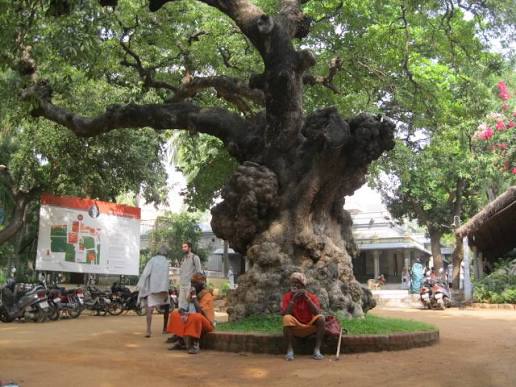
In the sacred soil of Bodh Gaya, Bihar, stands a tree unlike any other—the Bodhi Tree. It is here that Prince Siddhartha transformed into the Buddha after meditating beneath its branches 2,500 years ago. Today’s Bodhi Tree is revered as the fourth direct descendant of that original fig tree, a living bridge between history, spirituality, and resilience.

🌿 The Lineage of the Sacred Tree

The original Bodhi Tree faced threats of destruction from rulers and invaders who saw it as a symbol of Buddhism’s growing power. Yet, its legacy endured:

  • 🌱 First Sapling: Before its destruction, Emperor Ashoka’s daughter, Sanghamitta, carried a branch to Sri Lanka, planting it at Anuradhapura, where it still flourishes as the oldest recorded human-planted tree.
  • 🌱 Second Generation: Saplings brought back from Sri Lanka revived the sacred presence in Bodh Gaya.
  • 🌱 Third & Fourth Descendants: Each time enemies tried to uproot it—whether through fire, axe, or neglect—the tree regenerated or was replanted, ensuring the Buddha’s enlightenment site was never left barren.

Thus, the tree standing today is the fourth generation, yet spiritually considered inseparable from the original.

🪷 Attempts of Destruction, Echoes of Resilience

History records multiple attempts to erase the Bodhi Tree:

  • 🔥 In the 2nd century BCE, Emperor Pushyamitra allegedly ordered it to be burned.
  • 🪓 Later, Queen Tissarakkhā, jealous of its reverence, tried to kill it with poisonous thorns.
  • ⚔️ During foreign invasions, it was repeatedly cut down, yet each time, it rose again, nurtured by monks, devotees, and emperors alike.

Each attempt failed. What was meant to be its end became its rebirth—a story mirroring the Buddhist teaching of impermanence and renewal.

☸️ The Bodhi Tree Today

Encircled by the Mahabodhi Temple complex (a UNESCO World Heritage Site), the Bodhi Tree continues to draw pilgrims and seekers from across the globe. Monks chant, devotees meditate, and countless candles glow beneath its shade. For millions, it is not just a tree but a symbol of awakening, resilience, and the eternal Dharma.

🌺 Conclusion: More Than Just a Tree

The Bodhi Tree of Bodh Gaya is not merely botanical—it is living history, sacred testimony, and undying inspiration. Despite centuries of attempts to erase it, the tree endures, reminding us that truth and wisdom cannot be cut down. It is, indeed, the Bodhi Tree that refuses to die—from Buddha’s enlightenment to today. 🌿