
In the heart of Ajmer, Rajasthan, stands a monument that whispers of conquests, legends, and cultural shifts—Adhai Din ka Jhonpra. Its name alone sparks curiosity, but its layered history makes it one of India’s most fascinating medieval sites.
📜 From Knowledge to Faith: The Origins
Before the arrival of the Delhi Sultanate, this site wasn’t a mosque at all. Built in 1153 CE, it was originally a grand Sanskrit University, dedicated to the pursuit of learning and philosophy under the Chauhan rulers. The structure, adorned with intricate carvings, echoed with the recitations of scholars and seekers of wisdom.
⚔️ The Transformation by Qutub Din Aibak
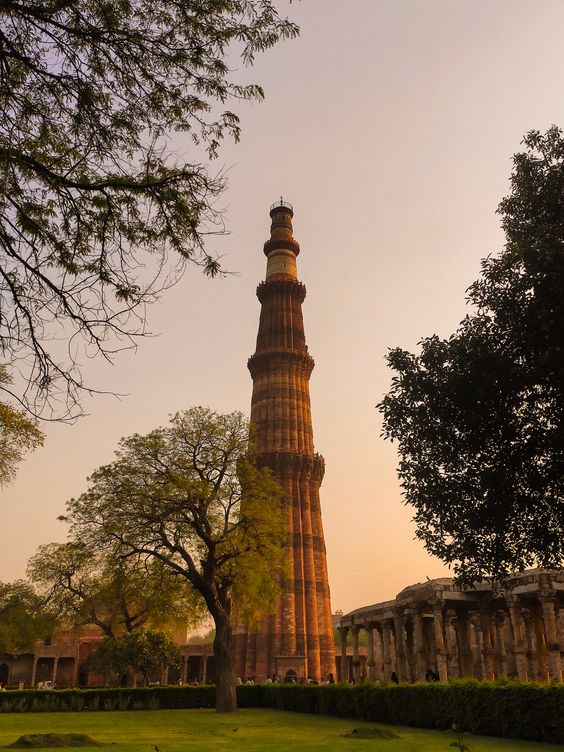
In 1199 CE, after the conquest of Ajmer, Qutub Din Aibak, general of Muhammad Ghori and later the first Sultan of Delhi, seized the complex. The university was repurposed into a mosque, marking the triumph of Islamic power in northern India. The story goes that this transformation was carried out in record speed—giving rise to the name “Adhai Din ka Jhonpra.”
🏛️ Why the Name ‘Adhai Din’?
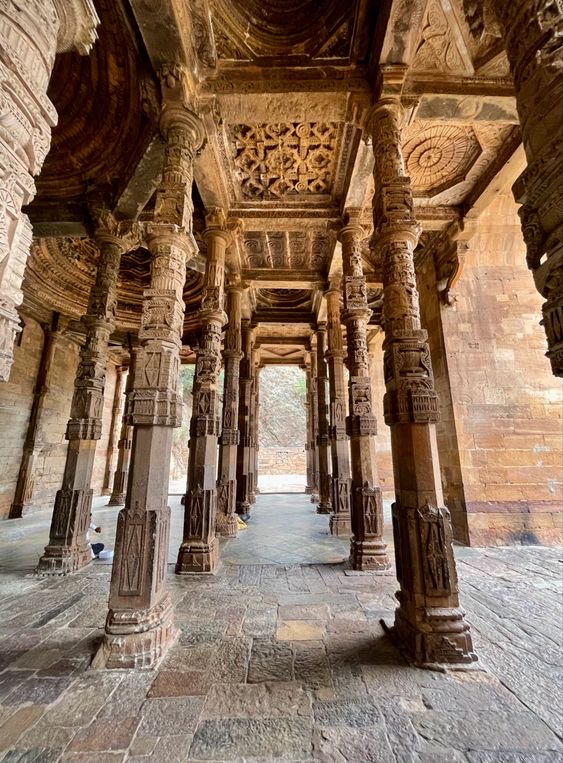
The phrase “Adhai Din” literally means two and a half days. The legend claims that Qutub Din’s forces converted the structure into a mosque within this short span, a symbolic demonstration of power and urgency. However, historians argue that the actual construction and modifications likely took years. The name, thus, remains more of a legend—an echo of speed, conquest, and folklore.
🌿 The Architecture: A Fusion of Worlds
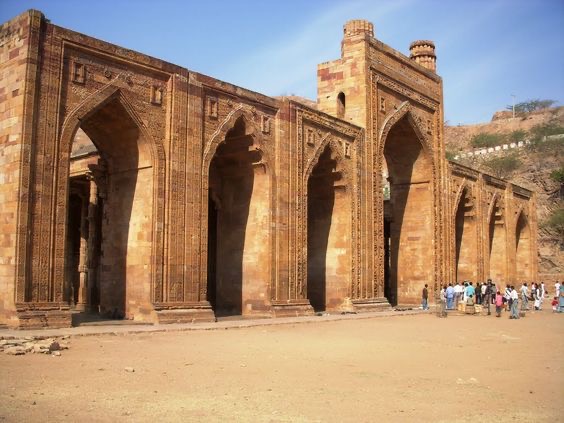
The mosque is not just a monument—it is a collision of cultures.
- 🪷 Hindu & Jain Origins: The remains of temple columns, lotus motifs, and finely carved stonework speak of its pre-Islamic beginnings.
- ☪️ Islamic Additions: Pointed arches, calligraphic inscriptions, and domes overlay the structure, showcasing the Sultanate’s architectural imprint.
This unique fusion style makes Adhai Din ka Jhonpra one of the earliest examples of Indo-Islamic architecture in India.
🕰️ A Symbol of Transition
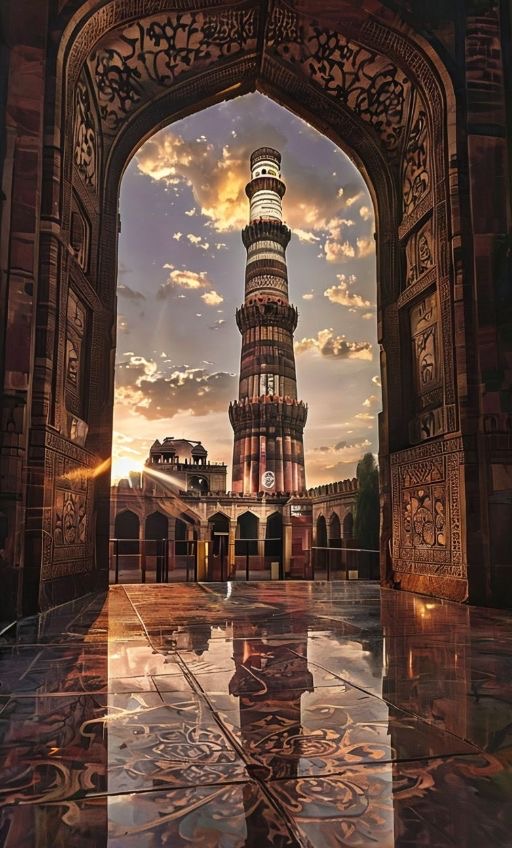
Standing just decades before the rise of the Qutub Minar, this mosque represents a turning point—the shift from Hindu-Jain temple traditions to Indo-Islamic architectural dominance. It is more than stone and mortar; it is a testimony to the political, cultural, and spiritual upheavals of 12th-century India.
Conclusion
Adhai Din ka Jhonpra isn’t just a monument—it is a story carved in stone. From a Sanskrit University to a mosque in “two and a half days,” it reflects India’s layered past where conquest, legend, and architecture merge into one timeless narrative.

