Home Blog Page 79

World Heritage in Danger: 2025 UNESCO Watchlist and What’s at Stake

0

In 2025, UNESCO’s updated List of World Heritage in Danger reveals a sobering reality: some of the planet’s most treasured cultural and natural sites are at critical risk due to war, climate change, urban development, and neglect. This list, compiled annually, serves as a global alert system—reminding the world of what we stand to lose without urgent collective action.

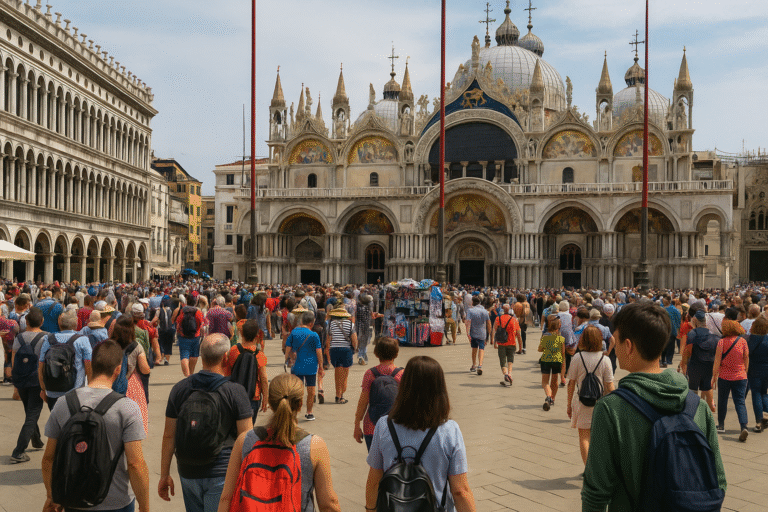
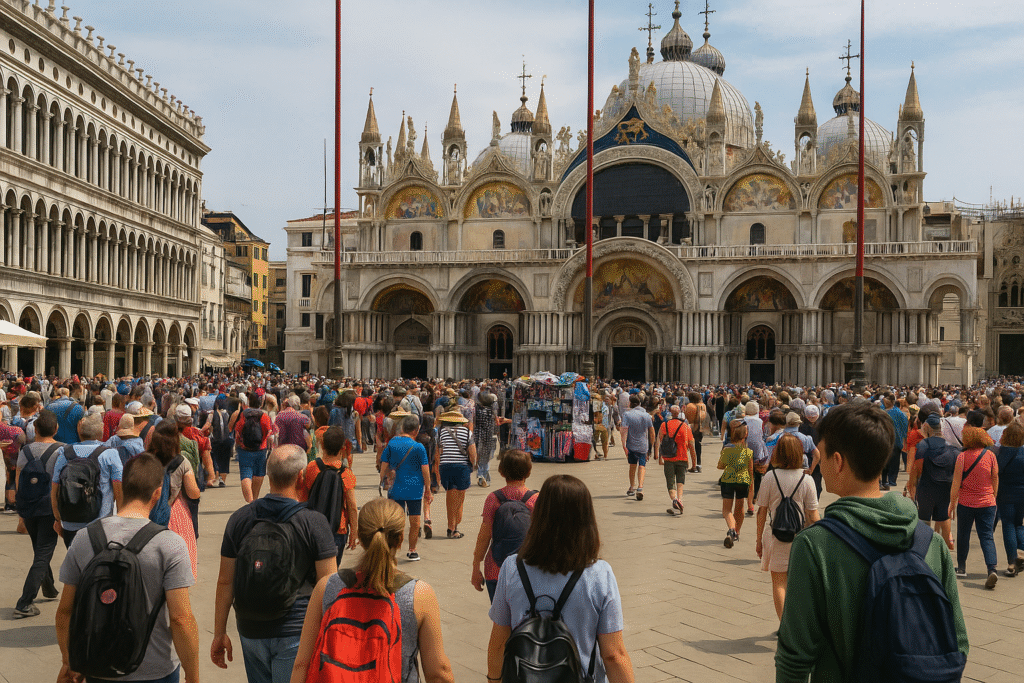
Among the most talked-about additions this year is Venice, Italy, which has faced mounting threats from mass tourism, cruise ship traffic, and rising sea levels. Despite several warnings in past years, limited progress in sustainable tourism regulation and environmental safeguards has led to its official inclusion in the danger list.

In the Middle East, the ancient city of Aleppo in Syria remains under threat. Though partial restoration has begun, ongoing instability and the aftermath of war have left its historic architecture vulnerable. Similarly, Timbuktu in Mali, once a beacon of Islamic scholarship, remains affected by extremist damage and desertification.

Environmental degradation is another pressing concern. The Great Barrier Reef in Australia remains under close scrutiny. Despite conservation efforts, climate change continues to cause coral bleaching and ecosystem disruption. Meanwhile, the Amazon Rainforest—spanning across Brazil, Colombia, and Peru—faces intensified deforestation, putting both biodiversity and indigenous cultures at risk.
UNESCO’s danger list is not merely symbolic—it activates international funding, technical support, and monitoring. However, political cooperation is crucial. Countries must demonstrate a commitment to reversing the damage to be removed from the list. For example, Angkor Wat in Cambodia was previously listed but was removed after comprehensive restoration efforts.

In many cases, the threats are not only environmental or military, but also economic. Urban sprawl, mining, and unregulated tourism continue to damage irreplaceable heritage, especially in developing regions where resources for preservation are limited.

The 2025 list is both a warning and a call to action. Protecting heritage is not just about monuments—it’s about preserving identity, memory, and the shared legacy of humanity. As UNESCO Director-General Audrey Azoulay noted, “When a heritage site is lost, a part of our collective story disappears.”

Preserving these sites is no longer optional—it’s urgent.
Microsoft Copilot Quantum: Bridging AI and Quantum Computing

0

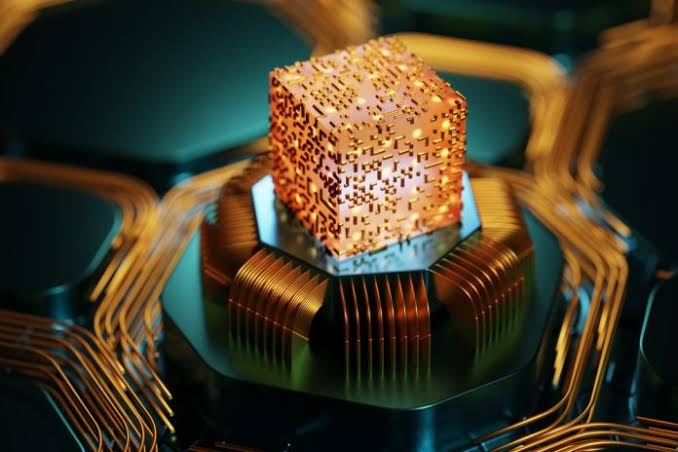
In May 2025, Microsoft unveiled a significant advancement in the realm of quantum computing with the introduction of Copilot in Microsoft Quantum. This AI-powered assistant is designed to simplify the complexities of quantum computing, making it more accessible to researchers and developers.

Copilot in Microsoft Quantum leverages the capabilities of GPT-4, hosted on Azure OpenAI, to provide users with intuitive explanations of quantum concepts, generate sample code in Q#, and assist in quantum algorithm development. By integrating natural language processing with quantum computing, Microsoft aims to accelerate learning and innovation in this challenging field . 
This initiative is part of Microsoft’s broader strategy to democratize quantum computing and integrate it seamlessly with classical computing systems. Through platforms like Azure Quantum, Microsoft is fostering a hybrid computing environment where AI and quantum technologies complement each other, paving the way for breakthroughs in areas such as cryptography, material science, and complex system simulations. 

As quantum computing continues to evolve, tools like Copilot in Microsoft Quantum are poised to play a crucial role in educating the next generation of scientists and engineers, ultimately bringing us closer to realizing the full potential of quantum technologies. 

India’s EV Boom: Can We Charge Ahead Without Power Grid Crashes?

0

“Silent Streets, Loud Shift: India’s Electric Revolution is Here”
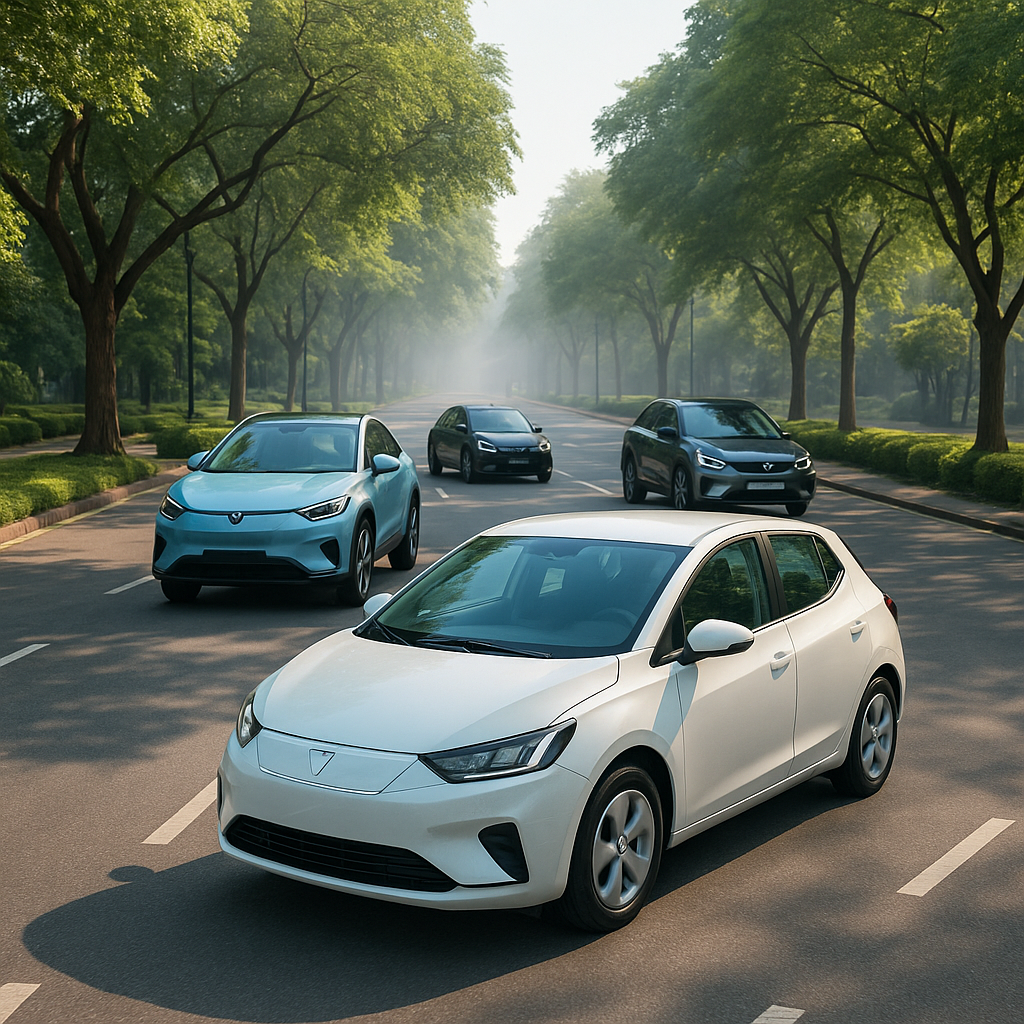
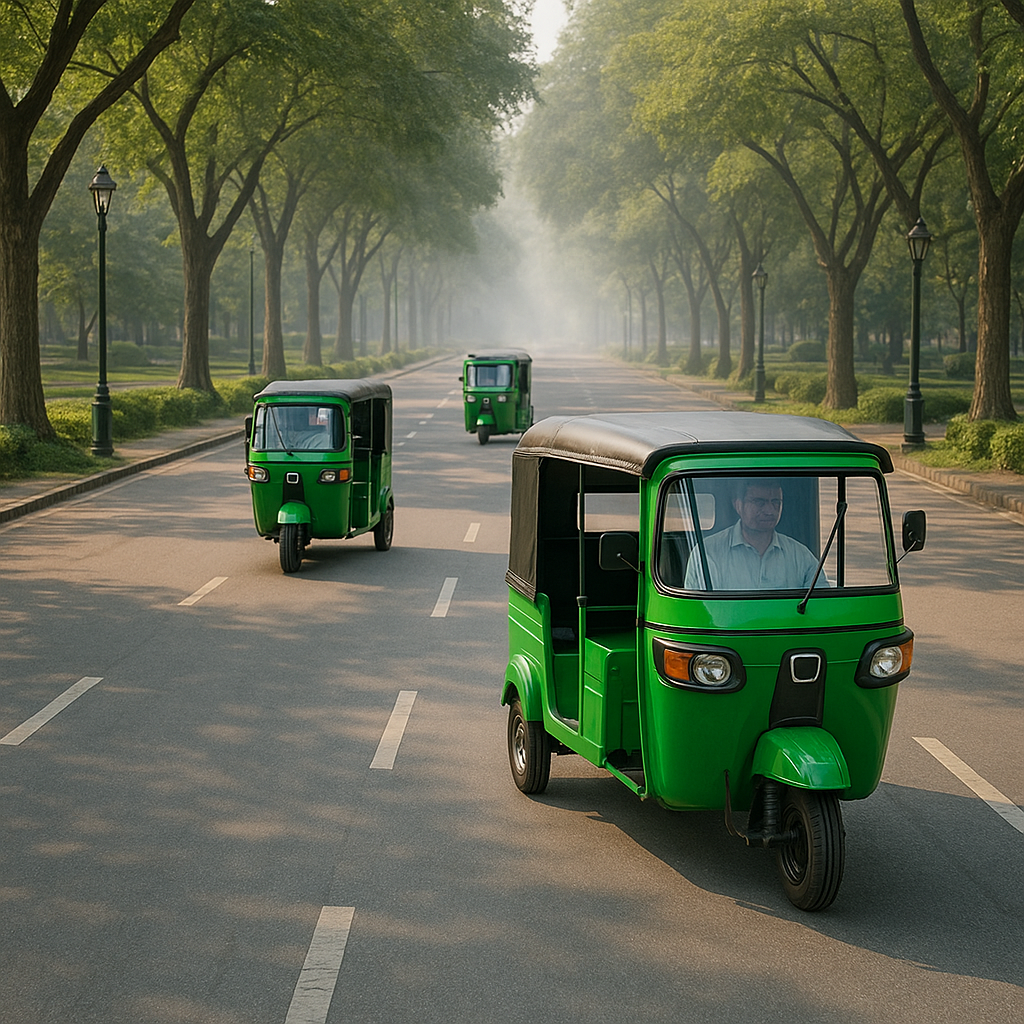
Not long ago, the loud hum of scooters and the growl of diesel engines were trademarks of Indian streets. Today, that familiar noise is fading. In its place? A quiet surge of electric vehicles gliding through cities and small towns alike. It’s not just a shift in technology—it’s a shift in mindset. India’s journey toward an electric future is picking up speed, but there’s one question sparking concern behind the scenes: can our power grid keep up with this electrifying pace?

The current infrastructure, designed long before the EV wave, is now facing an unexpected surge in electricity demand. Most EVs are charged at night when power usage already spikes due to residential needs. If millions begin plugging in their vehicles simultaneously, it could lead to localized grid failures, voltage drops, or even blackouts in overburdened areas.

According to a report by NITI Aayog, India’s electricity demand could increase by 100–150 terawatt-hours annually by 2030 due to EV charging alone. This calls for urgent upgrades to the grid, including smarter energy management systems, widespread adoption of solar-powered charging stations, and robust infrastructure in Tier-2 and Tier-3 cities, which are seeing a faster rise in EV sales.

Moreover, while big cities like Delhi and Bengaluru are investing in fast-charging networks, rural and semi-urban areas still lack the basic EV charging infrastructure. Without a decentralized and renewable-powered grid expansion, the EV dream risks becoming an urban privilege rather than a nationwide movement.

However, the challenge also brings opportunity. India’s growing focus on green hydrogen, smart grids, and battery swapping technologies shows promise. Companies like Tata Power and Adani Electricity are already working on integrating AI-driven load balancing systems to manage electricity usage more efficiently.

The road ahead isn’t without bumps, but the momentum is undeniable. With the right mix of policy, innovation, and public-private partnerships, India can not only sustain its EV boom but also become a global leader in clean mobility.

Because in the race toward a greener future, it’s not just about the speed of adoption—it’s about charging ahead smartly, sustainably, and inclusively.

Skythrower Unleashed: Neeraj Chopra’s 90.23m Breakthrough

0

When a javelin tears through the air and lands in history, you know Neeraj Chopra is on the field.

On May 16, 2025, at the Doha Diamond League, India’s golden boy finally breached the elusive 90-meter barrier with a stunning throw of 90.23 meters on his third attempt . This personal best not only set a new national record but also made him the first Indian javelin thrower to cross this significant milestone . 

Despite this monumental achievement, Chopra secured the silver medal, as Germany’s Julian Weber clinched gold with a final throw of 91.06 meters . Nevertheless, Chopra’s accomplishment places him among the elite group of javelin throwers worldwide, becoming the 25th man to surpass the 90-meter mark .

Prime Minister Narendra Modi lauded Chopra’s feat, stating, “This is the outcome of his relentless dedication, discipline, and passion. India is elated and proud” .

Chopra’s journey from the fields of Khandra, Haryana, to the global stage exemplifies determination and excellence. His latest achievement not only adds to his illustrious career but also inspires a new generation of athletes in India.

As his javelin continues to soar, Neeraj Chopra isn’t just breaking records; he’s launching dreams, one throw at a time.

The Rise of Synthetic Brains: How AI Is Mimicking Human Cognition at the Neurons Level

0

When we think of artificial intelligence, we often picture powerful algorithms crunching data in the cloud. But what if the future of AI doesn’t live in server farms or smartphones — but in synthetic brains that mirror our own?

Welcome to the world of neuromorphic computing — a radical rethinking of machines based on how the human brain actually works.

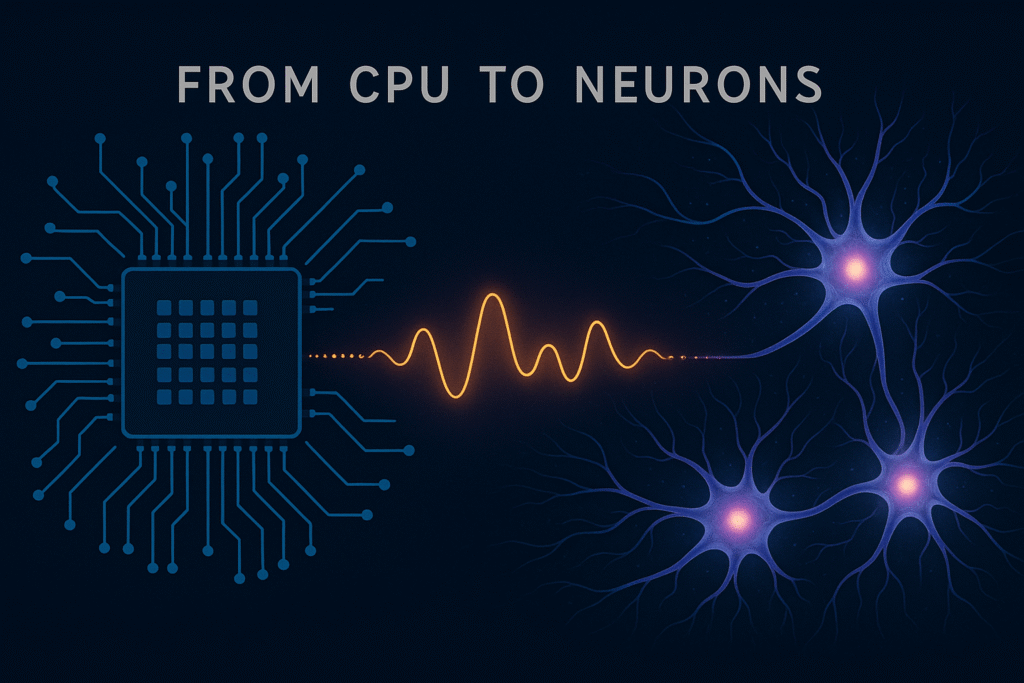
🧩 From CPUs to Neurons

Traditional computers rely on Von Neumann architecture — a rigid system where memory and processing are separate. But our brains don’t work that way. Instead, we use around 86 billion neurons firing in complex, parallel patterns to process information with astonishing speed and energy efficiency.

Neuromorphic systems aim to replicate this. They use spiking neural networks (SNNs) — digital “neurons” that fire electrical signals, just like biological ones. These spikes aren’t just 1s and 0s; they carry timing information, allowing machines to respond more like living organisms.

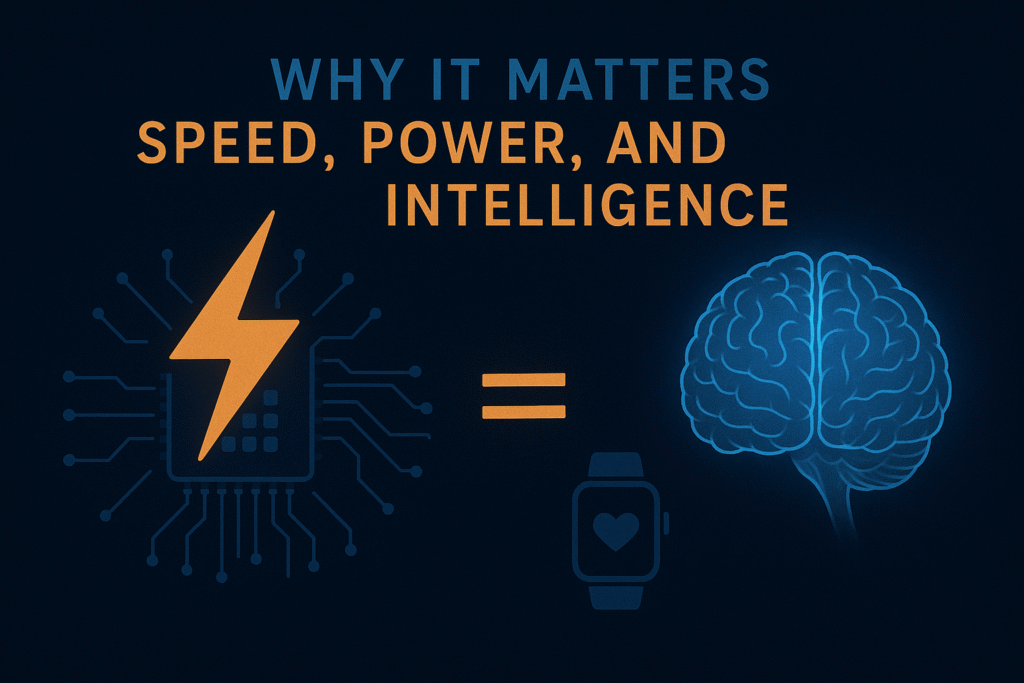
⚡ Why It Matters: Speed, Power, and Intelligence

Neuromorphic chips can process information using a fraction of the energy required by conventional chips — often 1000x less. This opens the door to always-on, real-time AI for robotics, smart sensors, and wearables — without draining power or needing internet access.

In essence, we’re talking about AI that thinks more like us — fast, adaptive, and context-aware.

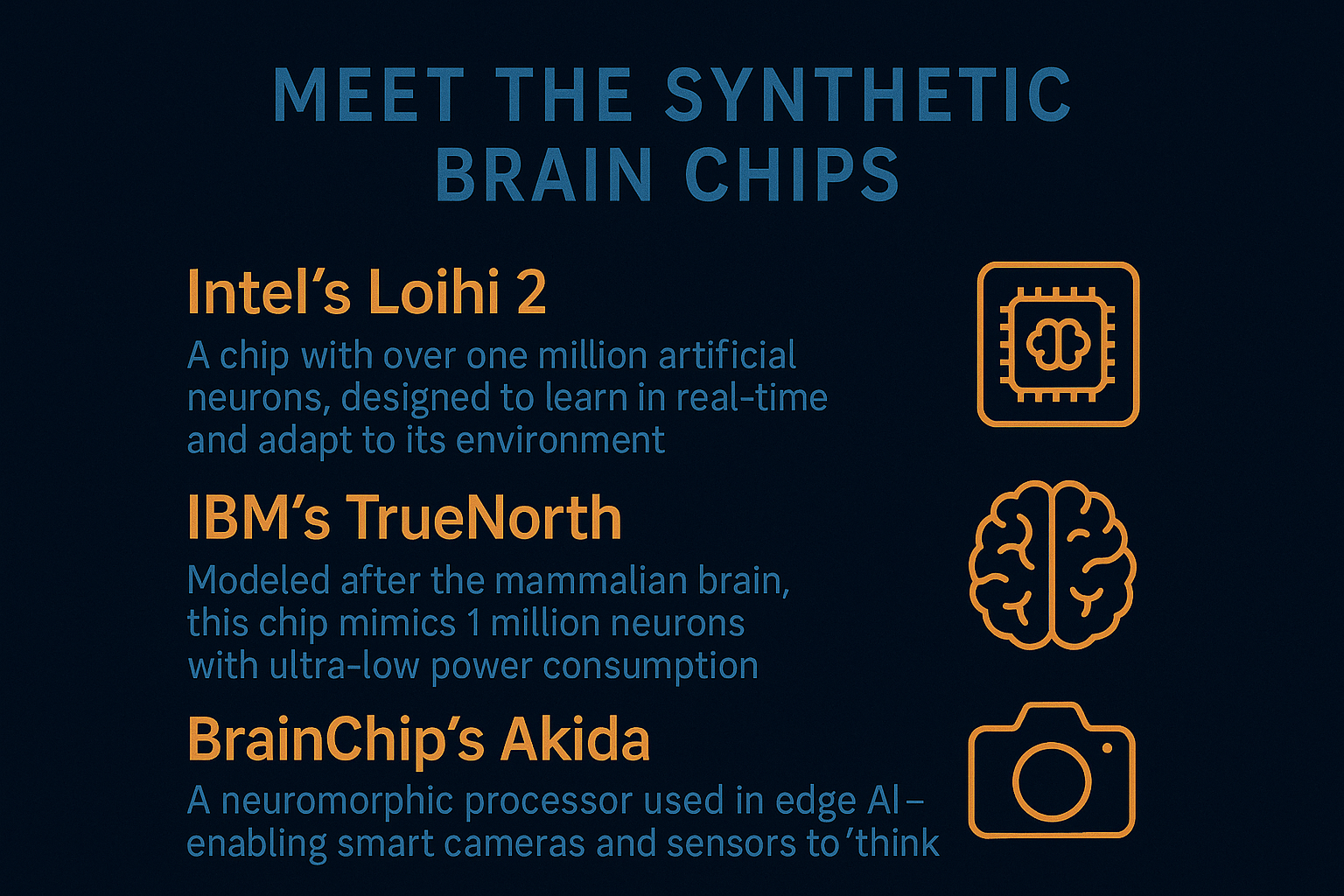
🧠 Meet the Synthetic Brain Chips

Some of the most exciting projects in this field include:

  • Intel’s Loihi 2: A chip with over one million artificial neurons, designed to learn in real-time and adapt to its environment.

  • IBM’s TrueNorth: Modeled after the mammalian brain, this chip mimics 1 million neurons with ultra-low power consumption.

  • BrainChip’s Akida: A neuromorphic processor used in edge AI — enabling smart cameras and sensors to “think locally.”

These chips don’t just run code — they evolve their behavior through unsupervised learning, just like an infant learning through interaction.

🔬 The Science Behind the Magic

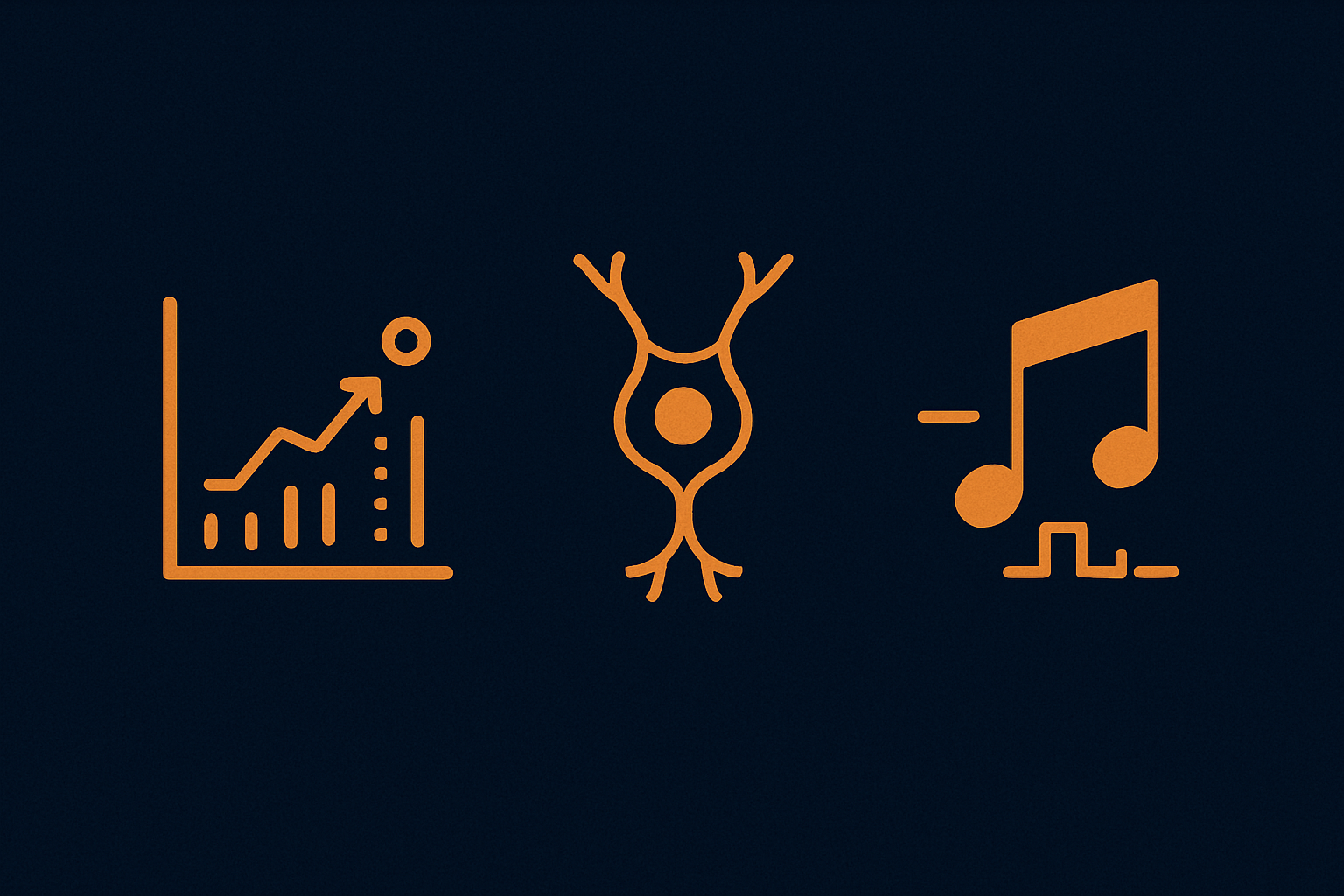
Neuromorphic systems rely heavily on:

  • Event-driven processing: Unlike traditional systems, they only activate when needed, like when a neuron is stimulated.
  • Plasticity: Inspired by brain plasticity, synapses in neuromorphic systems can strengthen or weaken over time.
  • Temporal coding: The timing of a signal, not just its strength, carries meaning — much like rhythm in music.

🚀 Where We’re Headed: The Path to Embodied AI

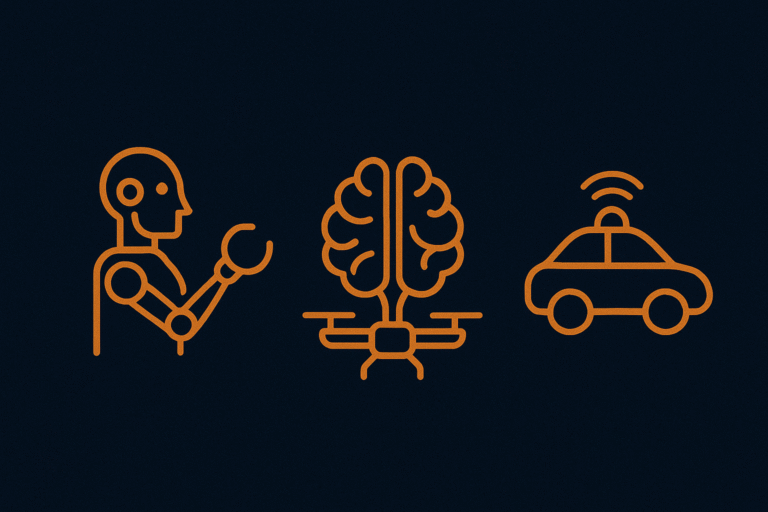
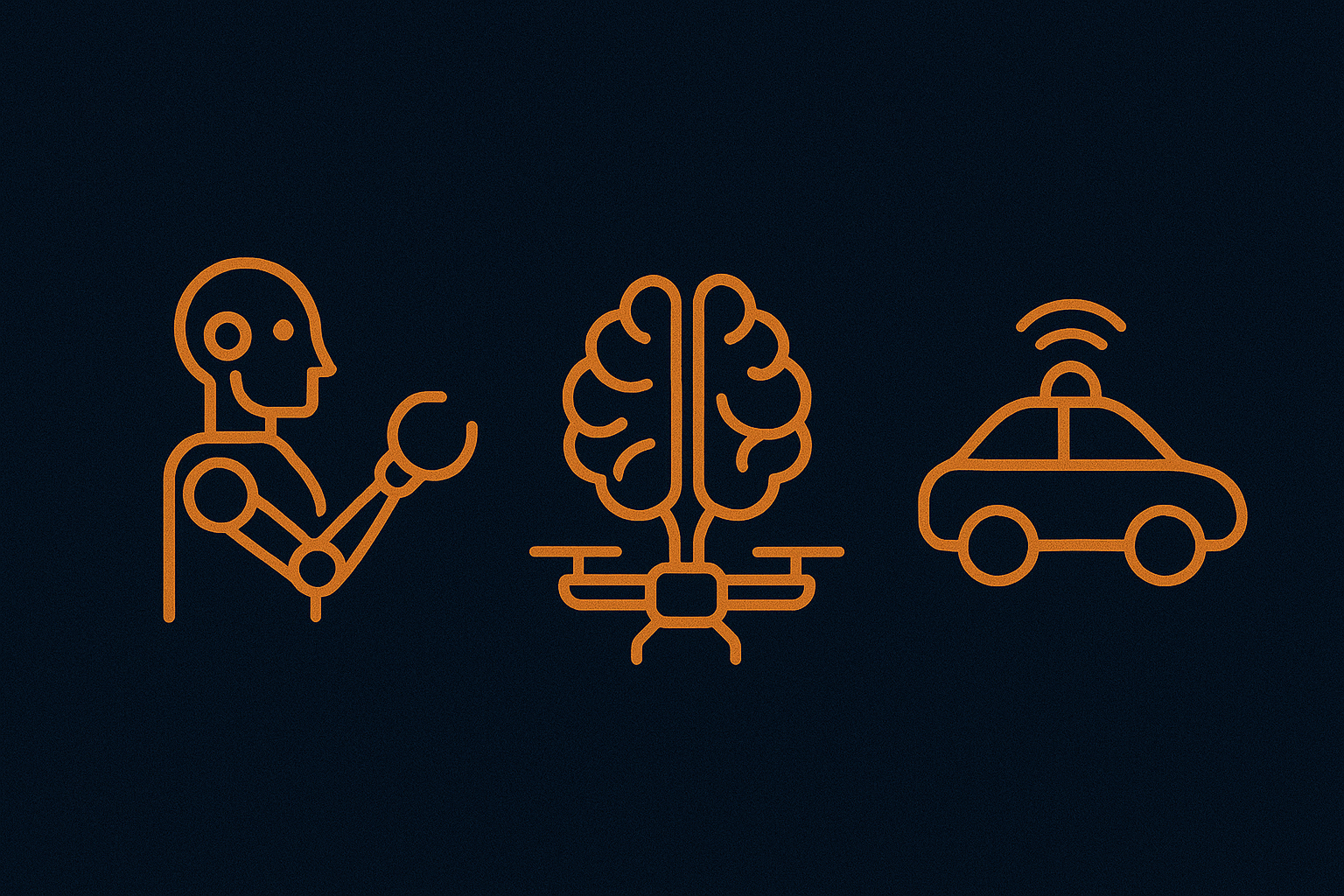
Neuromorphic computing isn’t just about smarter software — it’s about smarter machines. Robots, drones, prosthetics, and even autonomous cars could use these chips to perceive and react in real-time, much like a biological brain. Think: an AI that doesn’t just analyze data but experiences its environment.

Some researchers even believe that neuromorphic hardware is a stepping stone toward Artificial General Intelligence (AGI) — machines that can reason, adapt, and learn as broadly as humans do.

👩‍🔬 What It Means for Youth Innovators

If you’re into neuroscience, robotics, or deep learning, this field is wide open. Universities, startups, and tech giants are pouring resources into neuromorphic research — and they’re looking for young minds with cross-disciplinary curiosity.

Want to build the next synthetic brain? You’ll need a fusion of skills: biology, coding, physics, and a healthy obsession with how we think.

🧠 Final Thought

The brain remains the most powerful computer in existence — but for the first time, we’re starting to catch up. As AI continues to evolve beyond data crunching into something more alive, more intuitive, and more human, the age of synthetic cognition may just be beginning.

AI Unplugged: 5 Futuristic Gadgets You’ve Never Heard of (But Soon Will)

0

While AI assistants and smart speakers have become household names, a new breed of AI-powered gadgets is quietly emerging — gadgets that feel straight out of a sci-fi movie. These five revolutionary devices, currently in development or limited release, are about to redefine how we live, learn, and connect.

1. Acer FreeSense Ring & AI TransBuds

This smart titanium ring goes far beyond tracking steps — it continuously monitors your vitals using AI to deliver real-time health insights. Paired with Acer’s AI TransBuds, you can have live conversations in 15 languages, even if only you are wearing the earbuds. It’s a portable translator and health coach, all in your pocket.

2. Nuwa Pen

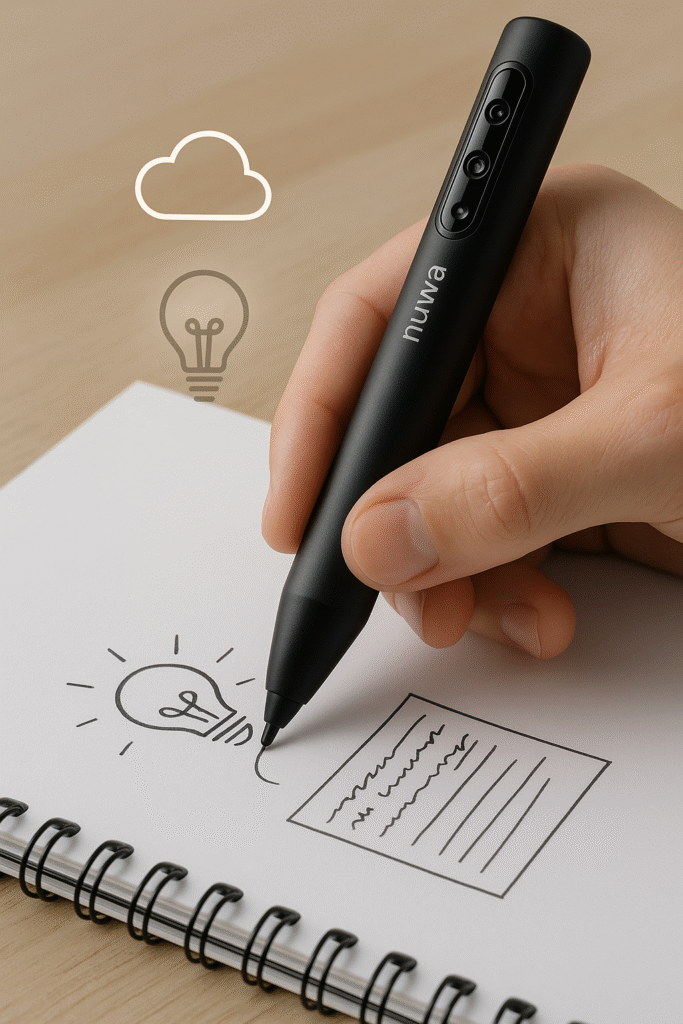
This isn’t just a pen — it’s a digital bridge between paper and the cloud. With a built-in TRIDENT camera system and AI, the Nuwa Pen digitizes your handwriting as you write — on any paper. Whether you’re sketching or note-taking, your ideas instantly appear in digital form, making it ideal for students, designers, and thinkers.

3. Halliday Smart Glasses

Forget looking down at your phone. These smart glasses project a 3.5-inch floating screen into your field of vision. Powered by AI, they can translate 40+ languages in real-time, offer GPS navigation, and even respond to voice commands. Think of it as your personal Jarvis — stylish, silent, and always watching out for you.

4. Mudra Neural Wristband

The Mudra Band is a next-gen wearable that reads your neural signals. It lets you control your phone or laptop with subtle finger movements, without even touching the screen. Developed for seamless human-computer interaction, it’s like having invisible powers — no voice, no buttons, just thought-guided motion.

5. Omi AI Pendant

Sleek and minimal, the Omi Pendant is an AI assistant you wear. It uses voice AI for now, but its ambition is to tap into brain-interface technology, letting users operate devices through neural cues. This wearable is set to make our interaction with machines more intuitive than ever before.

🚀 The Future Is Wearing Us

These gadgets aren’t just cool — they’re the beginning of a world where technology adapts to you, not the other way around. From whispering thoughts into your wristband to reading translations through your glasses, AI is no longer something you type into — it’s something you live in.

So next time you blink, swipe, or even think, remember: the next big revolution won’t be in your hands — it’ll be on your face, your wrist, or quietly hanging around your neck.

The future isn’t arriving. It’s already watching. Are you ready to wear it?

The Teen Spy Who Fooled the British: Khudiram Bose, The Revolutionary They Couldn’t Tame

0

In a world where freedom was only a distant dream, an 18-year-old boy dared to shake the foundations of the British Empire. His name? Khudiram Bose — a name many have forgotten, but whose courage sparked a fire that never died.

Born in 1889 in a small village in Bengal, Khudiram wasn’t much older than a high schooler when he joined the freedom struggle. Inspired by nationalist leaders and revolutionary literature, he began distributing anti-British pamphlets at just 15. But he didn’t stop there.

At 17, he took part in a secret mission — the assassination attempt on British magistrate Kingsford, notorious for harsh punishments against Indian nationalists. Alongside Prafulla Chaki, Khudiram waited outside Kingsford’s carriage route in Muzaffarpur. On April 30, 1908, they hurled bombs at the vehicle — but mistakenly hit another carriage, killing two British women.

Khudiram fled but was captured soon after, barefoot and hungry, with only a few rupees in his pocket. What stunned the British, however, wasn’t the act — but his fearless smile.

At just 18 years and 8 months, Khudiram was sentenced to death. His calmness at the gallows shocked even the executioners. “I am not afraid to die,” he reportedly said. “My country will remember me.”

But did it?

Today, his story lies in footnotes, erased from most schoolbooks. Yet he was one of the youngest revolutionaries to be hanged by the British. A teen — just like you — who believed freedom was worth everything, even his life.

🔍 Why it matters today:

In a world of instant fame and viral trends, Khudiram Bose reminds us of timeless courage — where youth was not about rebellion for chaos, but rebellion for purpose.

How the British Smuggled the Kohinoor: The Real Story Beyond the Diamond

0

The Kohinoor is more than just a diamond — it’s a silent witness to centuries of power, betrayal, and colonial greed. We see it today locked in the crown of British royalty, but very few know the shadowy route through which it traveled from Indian soil to the Tower of London.

This is not a story of simple conquest — it’s one of manipulation, loss, and a stolen legacy.

💎 A Diamond with a Bloodied Crown

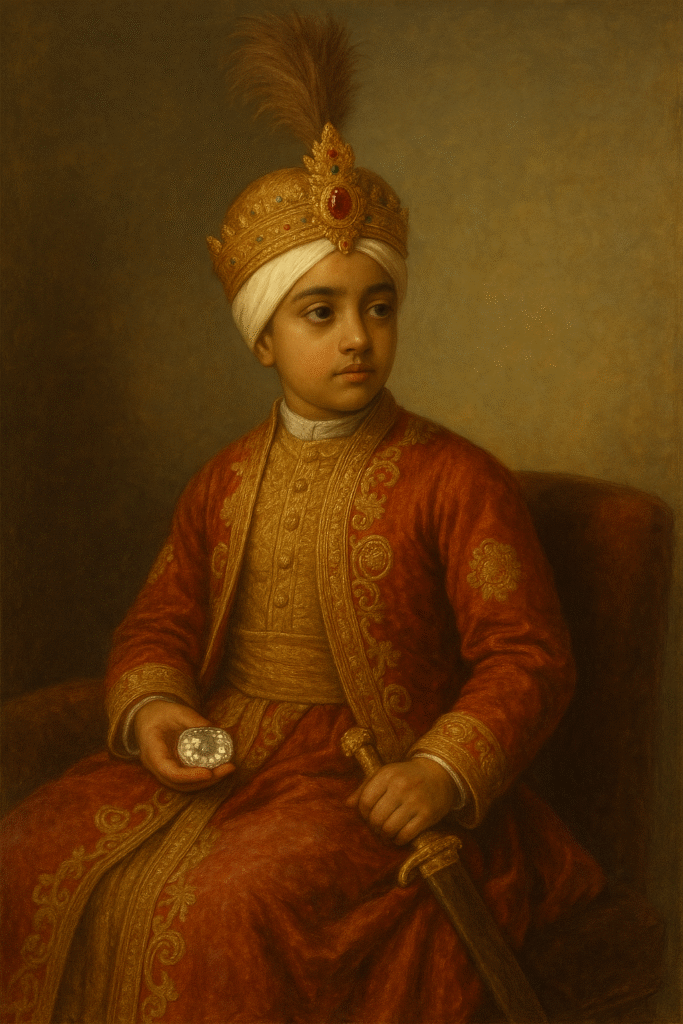
The Kohinoor, believed to have been mined from Golconda in Andhra Pradesh, was passed down through many hands — from Mughal emperors to Afghan warlords and Sikh rulers. By the 1800s, it was in the proud possession of the Sikh Empire, under the 10-year-old Maharaja Duleep Singh.

👑 The Puppet Prince

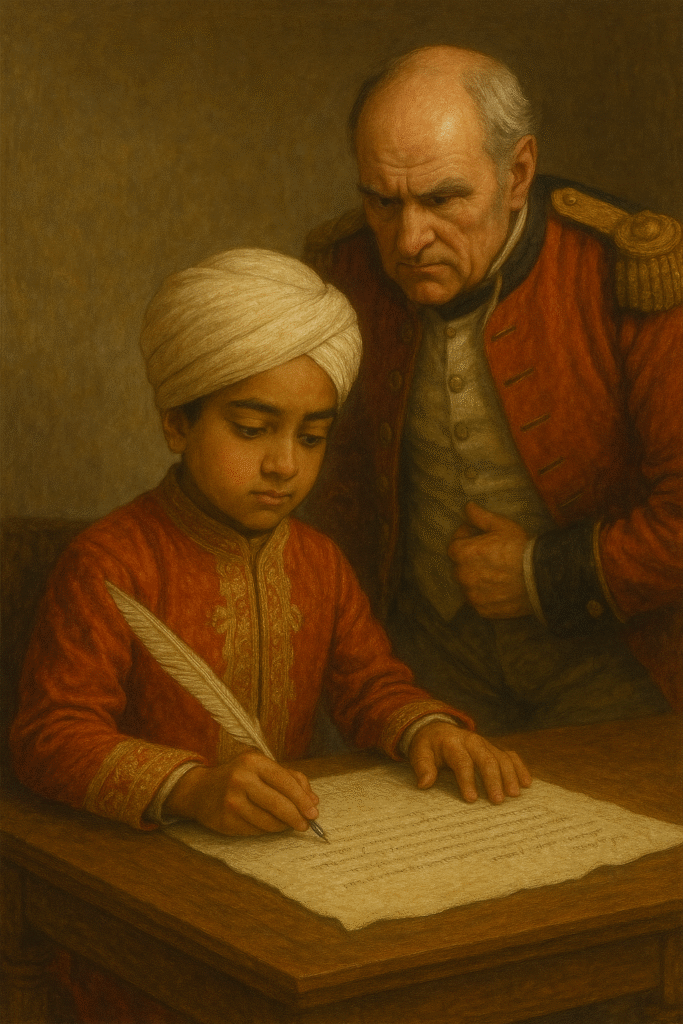
After the death of Ranjit Singh and the fall of the Sikh Empire, the British annexed Punjab. In 1849, under the Treaty of Lahore, the British forced a child — Maharaja Duleep Singh — to sign away not only his kingdom, but the Kohinoor itself. A boy of 10 surrendered a 793-carat legacy he barely understood.

🇬🇧 A Gift or a Grab?

The British called it a “gift” to Queen Victoria, but let’s not be fooled — this was a political act of imperial theatre. The Kohinoor was taken, polished, and displayed at the Great Exhibition in London. Far from being admired, it was criticized for lacking sparkle — until they recut it, losing over 40% of its size just to suit Western tastes.

🚢 Smuggled with Secrecy

Fearing Indian rebellion and pirate attacks, the British shipped the Kohinoor under tight secrecy aboard the HMS Medea in 1850. Its arrival was celebrated in England — but back in India, it marked the ultimate insult: even our jewels weren’t left behind.

💔 Duleep Singh: A Life in Exile

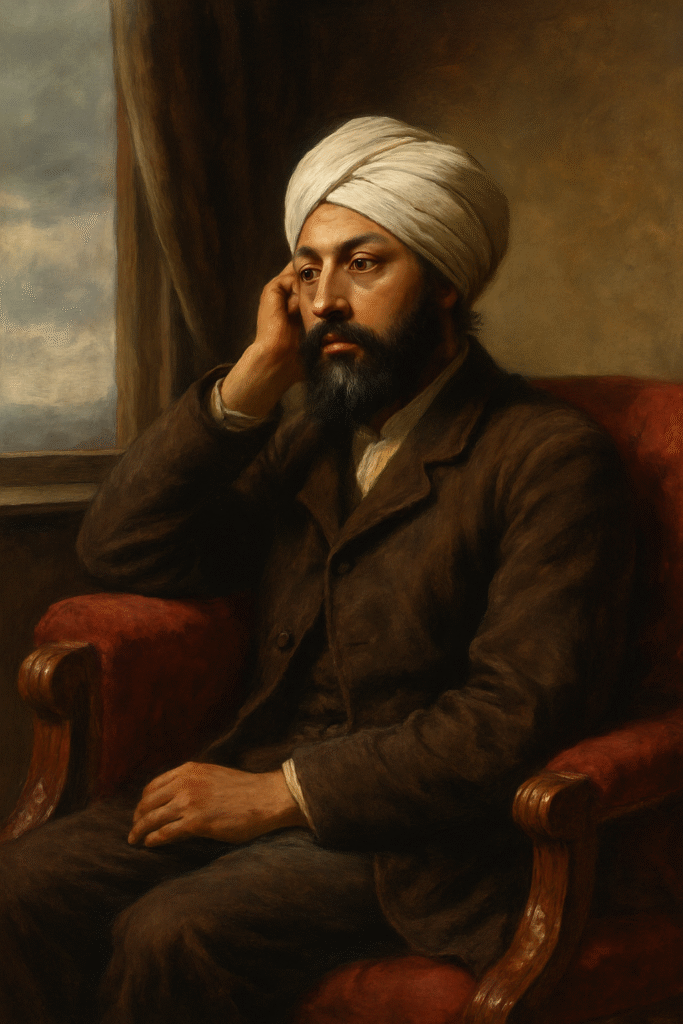
The story didn’t end with the diamond. Duleep Singh was taken to England, converted to Christianity, and cut off from his roots. His repeated pleas to return to India were denied. He died a heartbroken exile, separated from his land and faith — and the diamond he was made to sign away.

—

📌 Why It Still Matters

The Kohinoor isn’t just about a stone — it’s about the cost of empire. The loss of culture, dignity, and self-rule. The British may have worn it on their crowns, but for us, it remains a wound wrapped in velvet.

🗣 Should India ask for it back?

Debate continues. But more important than reclaiming the stone is reclaiming the story — and remembering the people behind it.

Forgotten Queens of India: Tales That Deserved a Throne in Our Memory

0

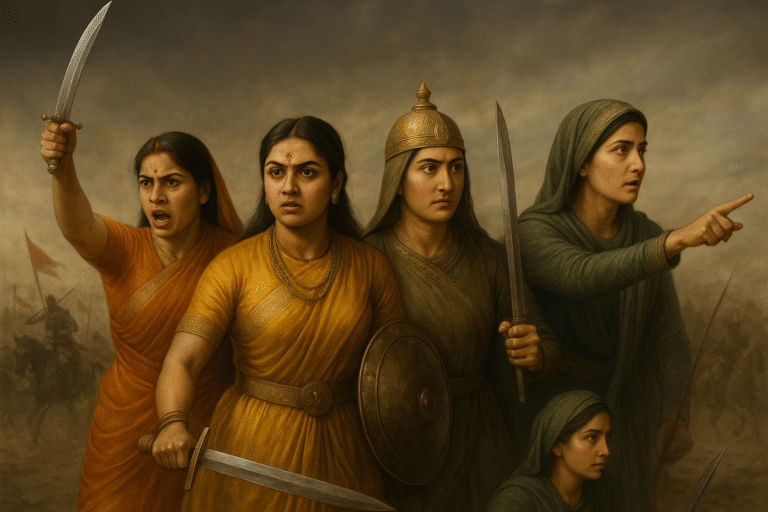
When we talk about India’s history, we often hear tales of mighty kings, fierce battles, and golden empires. But hidden between those chapters are pages that rarely got turned—stories of queens who led, fought, and ruled with a strength that could shake empires. It’s time to bring their names back to light.

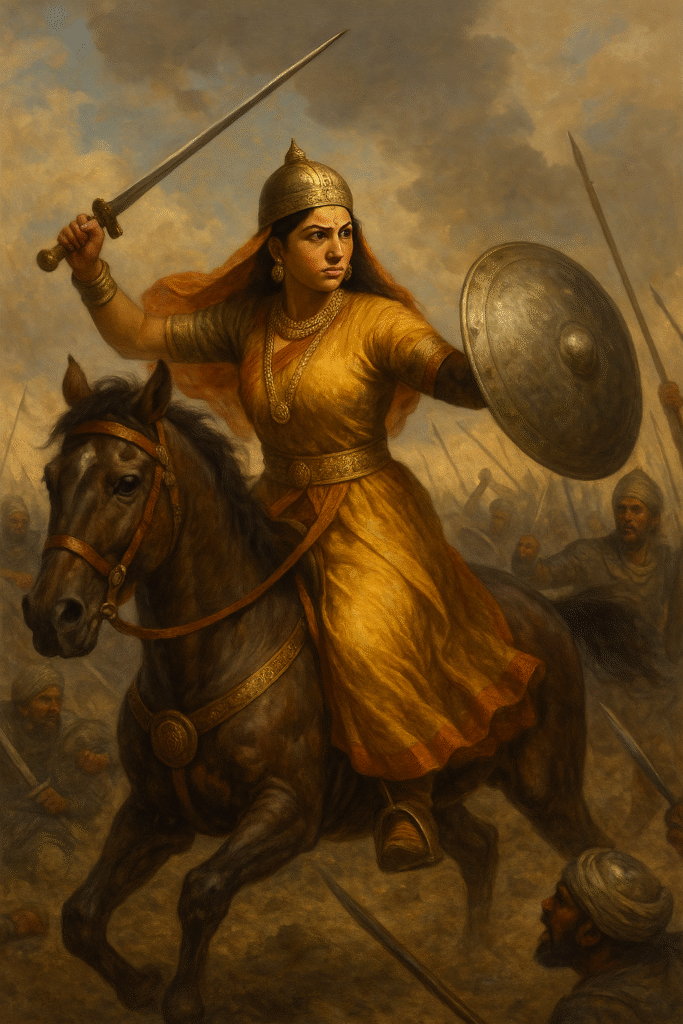
Rani Durgavati of Gondwana was a warrior queen who ruled in the 16th century. Widowed early, she took charge of her kingdom and led her army into battle against the Mughals. Rather than surrender, she chose martyrdom. Her valor is still remembered in parts of Madhya Pradesh.

Rani Abbakka Chowta, the Queen of Ullal (in present-day Karnataka), was one of the first Indian rulers to resist Portuguese colonization in the 16th century. Using guerrilla warfare, she repelled multiple attacks and became a symbol of resistance in coastal India.

Naiki Devi, the Solanki queen of Gujarat, defeated Muhammad Ghori in 1178 at the battle of Kayadara. A widowed mother, she led her troops from the front and stunned the invaders at a time when female rulers were a rarity.

Chand Bibi, the Regent of Ahmednagar and later of Bijapur, was known for her intelligence and military skills. She defended her fort against the mighty Mughal army not once, but twice, proving that courage doesn’t see gender.

Despite their bravery and leadership, these queens remain shadows in mainstream history. Their absence from school syllabi reflects a deeper issue: the tendency to overlook female agency in power structures.

But today, as Indian society slowly reclaims its diverse roots, there’s a growing interest in these hidden heroines. Books, films, and local folk tales are reviving their legacy—one story at a time.

Maybe the true tragedy is not that these queens were forgotten, but that we never really looked for them. Because in every lost name, there’s a tale of strength waiting to rise again—not just to inspire young girls, but to remind us that history was never just his story. It was hers too.


The Energy You Give is the Energy You Get

0

“What goes around, comes around.”

You’ve heard this a thousand times, right? But have you ever thought of karma as your personal Google search history? Everything you search, click, or say gets recorded—and someday, it pops back up when you least expect it. Karma works the same way, but instead of data, it’s your thoughts, words, and actions that circle back to you.

Karma isn’t some mystical punishment system waiting to ‘get you.’ The word karma comes from the Sanskrit “Kri,” meaning “to do.” In simple words, karma is cause and effect in motion. Every small choice you make creates ripples of energy that shape your life’s experiences.

Imagine throwing a pebble into a calm lake. The ripples spread far and wide. Similarly, your actions—good or bad—send out vibrations into the universe. Eventually, they return to you, often magnified. That’s karma.

Even modern science agrees with this logic. The principle of cause and effect and studies on brain patterns show how repeated behaviors form your reality. Simply put, you are the creator of your own vibe.

For Gen Z and millennials, karma isn’t limited to ‘real life’ anymore. Every hateful comment, every act of kindness online adds up to your digital karma. You may not see instant results, but the energy you emit shapes your mental space and future interactions.

The good news? Karma is not destiny. It’s a living energy you can shift anytime. By being mindful of your intentions and actions, you start planting seeds of positivity.

Small steps matter:

  • . A genuine compliment.
  • . Helping without expecting.
  • . Choosing kindness over ego.
  • . Practicing gratitude daily.

Spiritual tools like meditation and self-reflection help cleanse negative patterns, creating space for positive karma to flow.

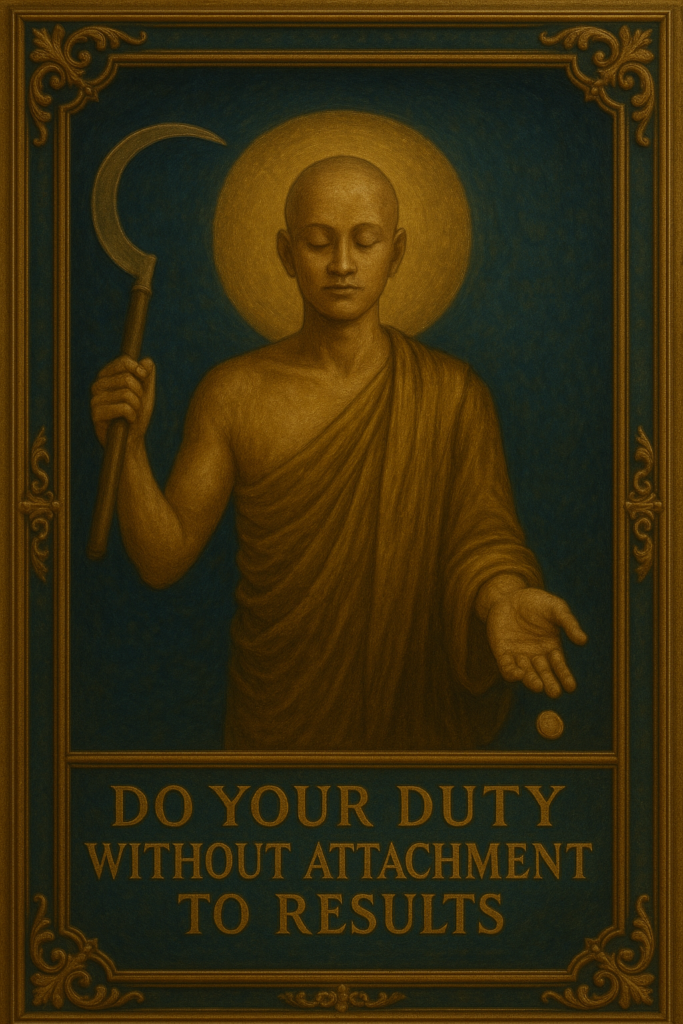
As the Bhagavad Gita beautifully says, “Do your duty without attachment to results.” Focus on what you’re sending out into the world, not what you’ll get back. Because when your energy is pure, the universe will always respond in your favor.

So, next time you’re about to react, pause and ask:

“Is this the kind of energy I want returning to me?”

Karma listens, always.