Home Blog Page 51

5 Places on Earth That Defy Science (and Logic)

0

Some corners of our planet are so bizarre that they seem to laugh in the face of physics, logic, and even science itself. From mountains that pull cars uphill to waterfalls that disappear into thin air — these places remind us that Earth is full of mysteries yet to be decoded.

Let’s uncover five locations where the laws of nature simply refuse to play by the rules. 👇

🧲 1. Magnetic Hill, India – The Mountain That Pulls You Uphill
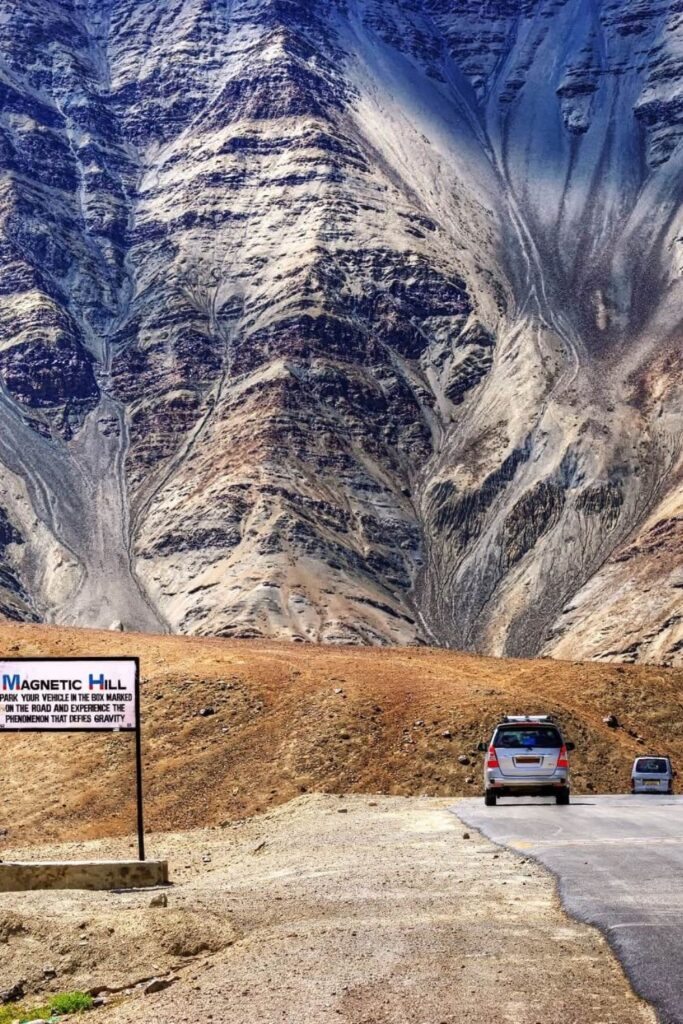
Nestled near Leh in Ladakh, Magnetic Hill looks like any other road cutting through the rugged Himalayas — until you stop your car.

🌀 Put your vehicle in neutral, and it mysteriously rolls uphill at a steady speed of 10–20 km/h!

Scientists say it’s just an optical illusion — the surrounding slopes create a false horizon, making a downhill slope appear like an uphill climb. But ask any traveler who’s been there, and they’ll tell you — it feels like magic.

🔥 2. The Door to Hell, Turkmenistan – The Eternal Flame Pit
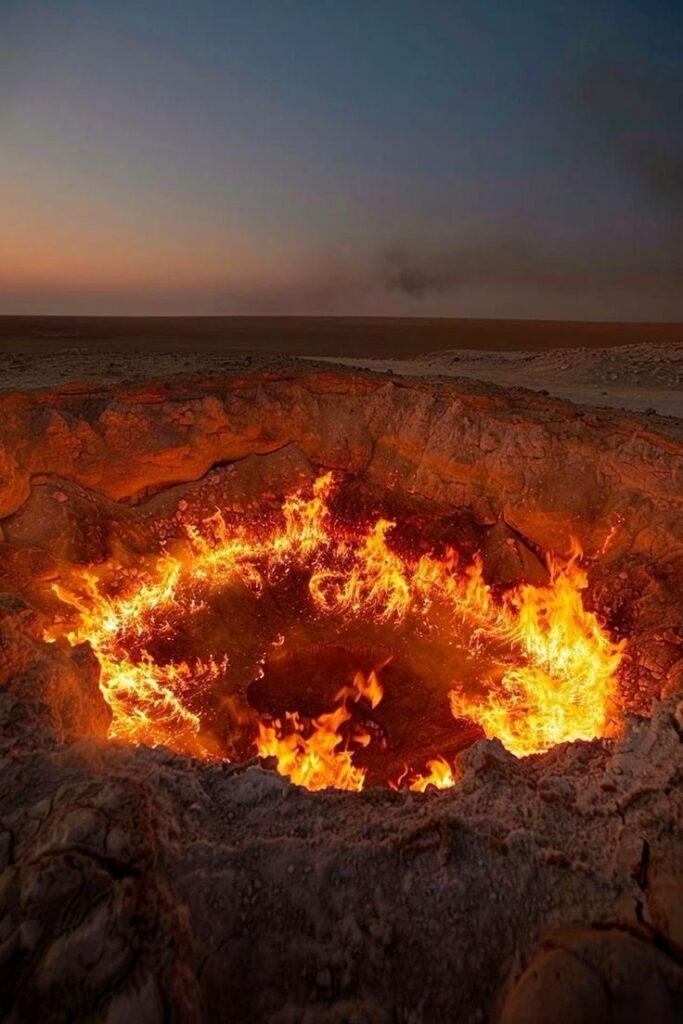
Deep in the Karakum Desert of Turkmenistan burns a massive crater known as The Door to Hell.

In 1971, Soviet scientists accidentally drilled into a pocket of natural gas. The ground collapsed, creating a crater 70 meters wide — and to prevent poisonous methane from escaping, they set it on fire.

🔥 It was supposed to burn for a few days.

🔥 It’s still burning over 50 years later.

No one knows exactly how deep it goes or how long it will keep burning — but at night, it glows like a portal to another world.

💧 3. The Boiling River, Peru – Nature’s Steaming Mystery
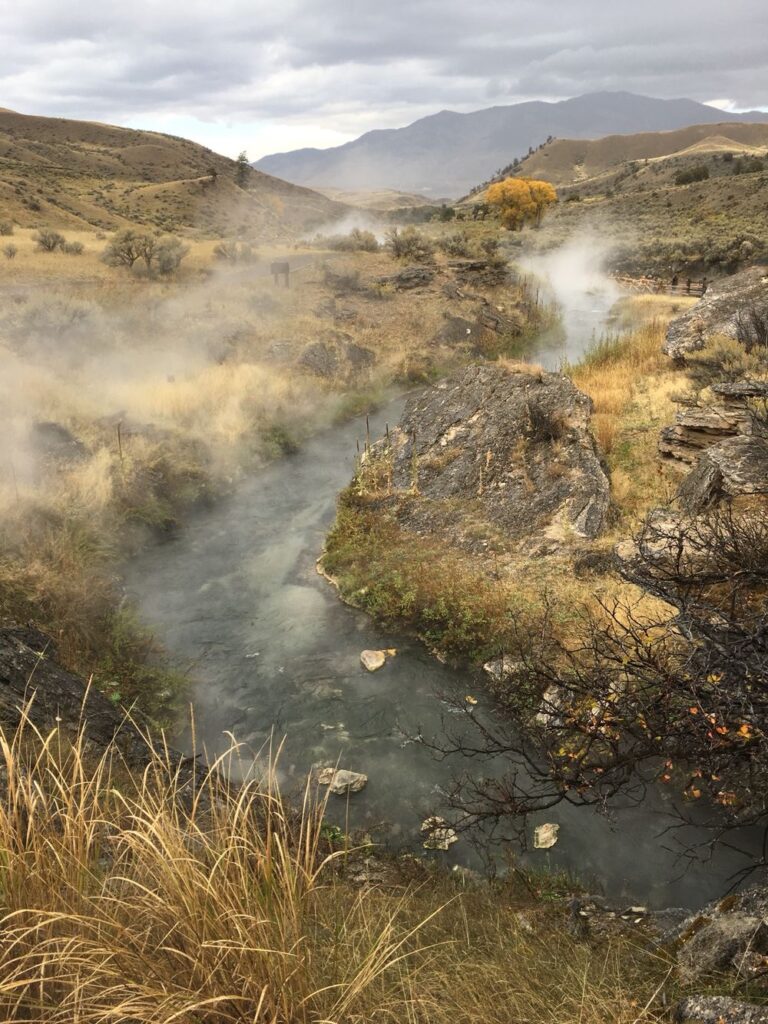
Hidden in the heart of the Amazon, there’s a river so hot it can boil anything alive that falls in. Locals call it Shanay-Timpishka, meaning “Boiled by the Sun.”

Temperatures reach up to 95°C (203°F) — hot enough to cook an egg!

What’s strange is that there’s no volcanic activity nearby. Scientists are baffled — geothermal heat like this should only exist near active volcanoes. Some believe the water travels through deep fissures in Earth’s crust before surfacing, superheated, in the Amazon basin.

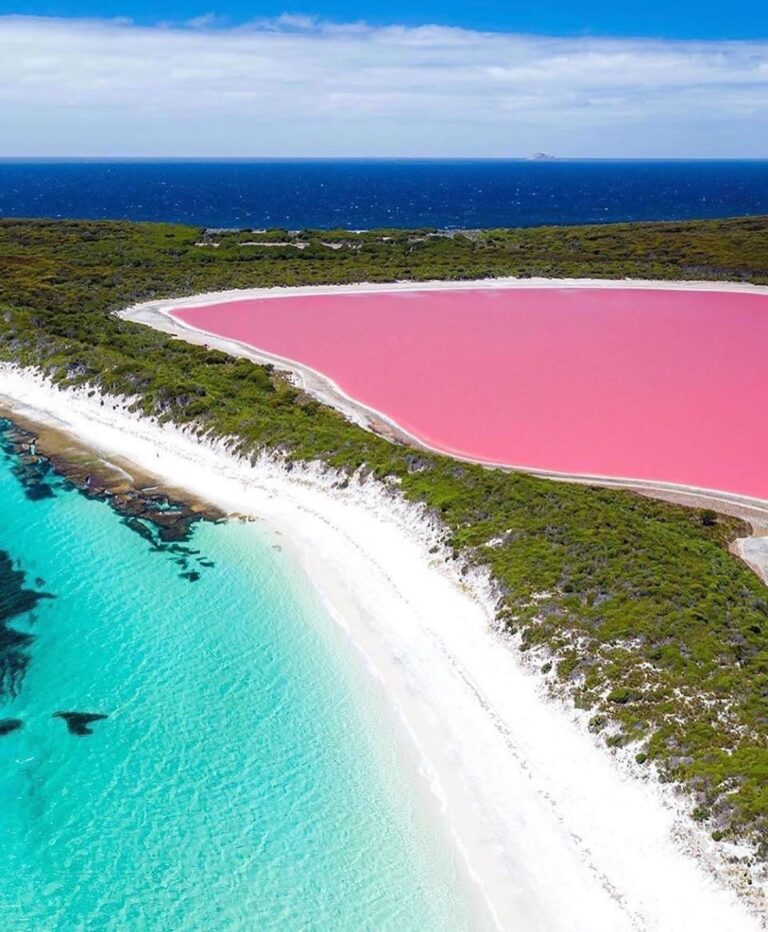
🌀 4. Lake Hillier, Australia – The Pink Lake That Stays Pink
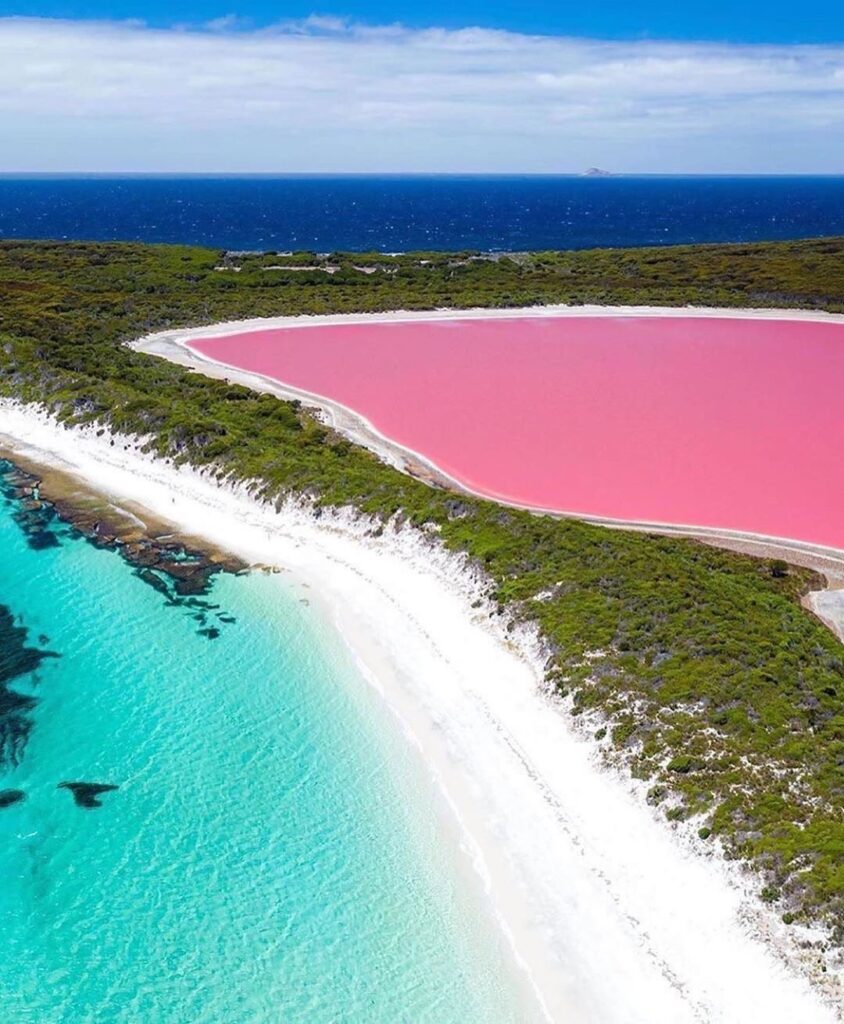
On Middle Island in Western Australia, there’s a lake so bubblegum-pink it looks like a Photoshop edit. But it’s 100% real. 💗

Even when you scoop its water into a bottle — it stays pink! Scientists discovered that the color comes from microscopic organisms like Dunaliella salina, which produce red pigments under high salt and sunlight conditions.

Still, the most puzzling part? No one knows why the color never fades, even when the water is isolated or removed from the lake.

🧊 5. The Sailing Stones, Death Valley – Rocks That Move Themselves
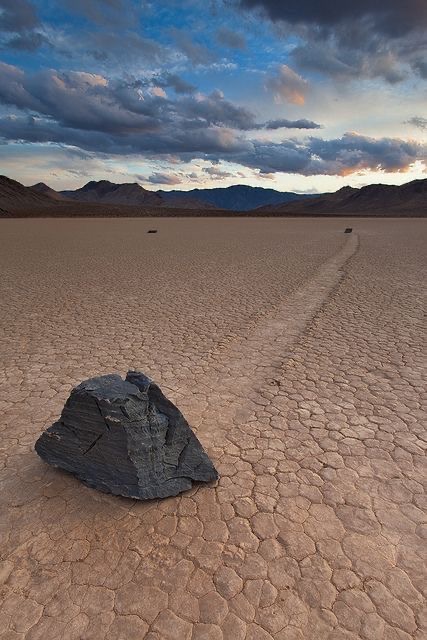
Imagine walking through a desert and seeing heavy rocks gliding across the ground, leaving trails behind them. That’s what happens at Racetrack Playa, a dry lakebed in California’s Death Valley.

For decades, geologists were stumped — how could stones weighing hundreds of pounds move on their own?

In 2014, a breakthrough came: thin layers of ice form beneath the rocks at night, and when sunlight melts them slightly, wind pushes the stones slowly across the slick surface.

🪄 Science finally caught up — but witnessing the stones’ ghostly trails still feels like watching Earth perform a quiet miracle.

🌌 The Takeaway

From boiling rivers to pink lakes, these places prove one thing — our planet is still full of riddles waiting to be solved.

Every time we think we’ve mastered the laws of nature, the Earth smiles and says, “Think again.”
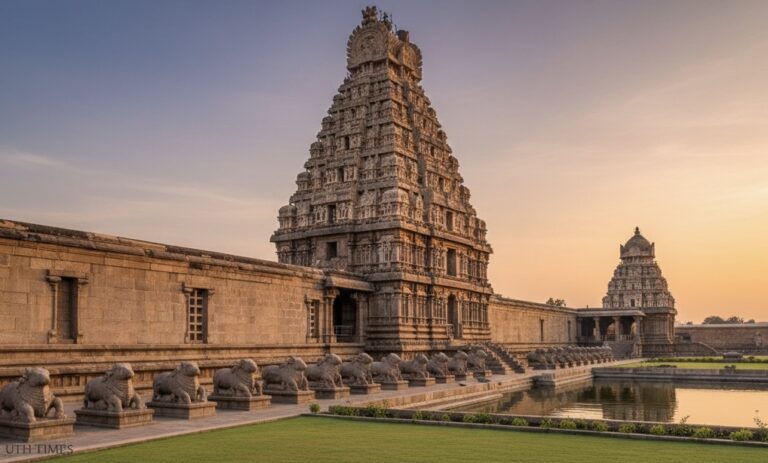
Temples Beyond Rivalry: When the Pandyas Honoured the Cholas Through Sacred Art

0

A Rivalry Etched in Stone, Yet Rooted in Respect

In the grand narrative of South Indian history, few rivalries burn as brightly as that between the Pandyas and the Cholas. Fierce contenders for supremacy, they battled across centuries for dominance over Tamilakam’s fertile plains and pearl-rich coasts. Yet beneath this turbulent rivalry lay something deeply admirable — a shared reverence for culture, divinity, and art.

Both dynasties believed that temple architecture was not merely a symbol of power but a vessel of spiritual continuity. And nowhere is this sentiment better illustrated than in Thanjavur’s sacred heart — the Brihadeeswara Temple.

🕍 The Periyanayaki Amman Shrine: A Gesture of Sacred Continuity

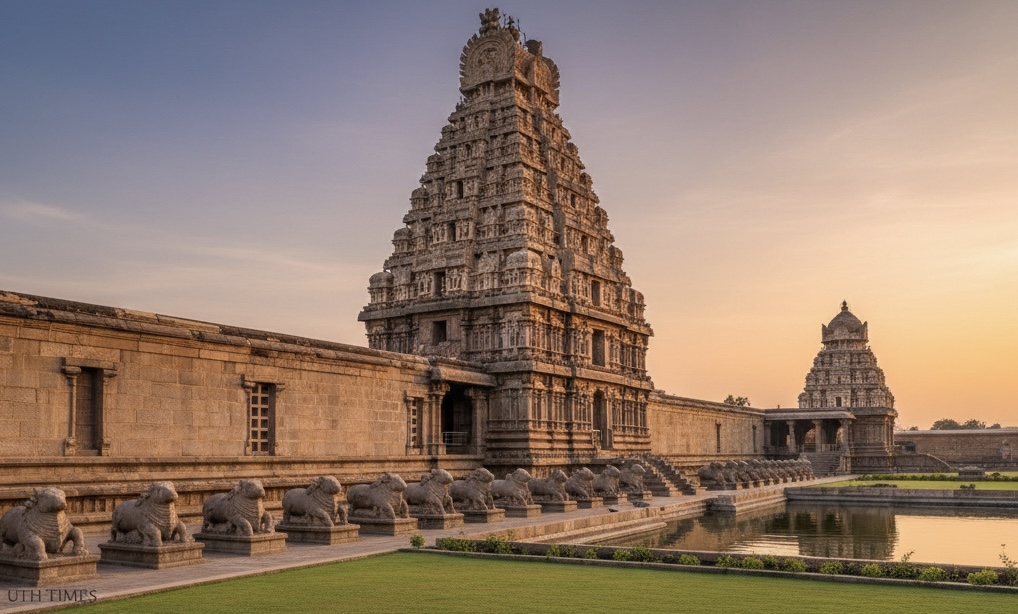
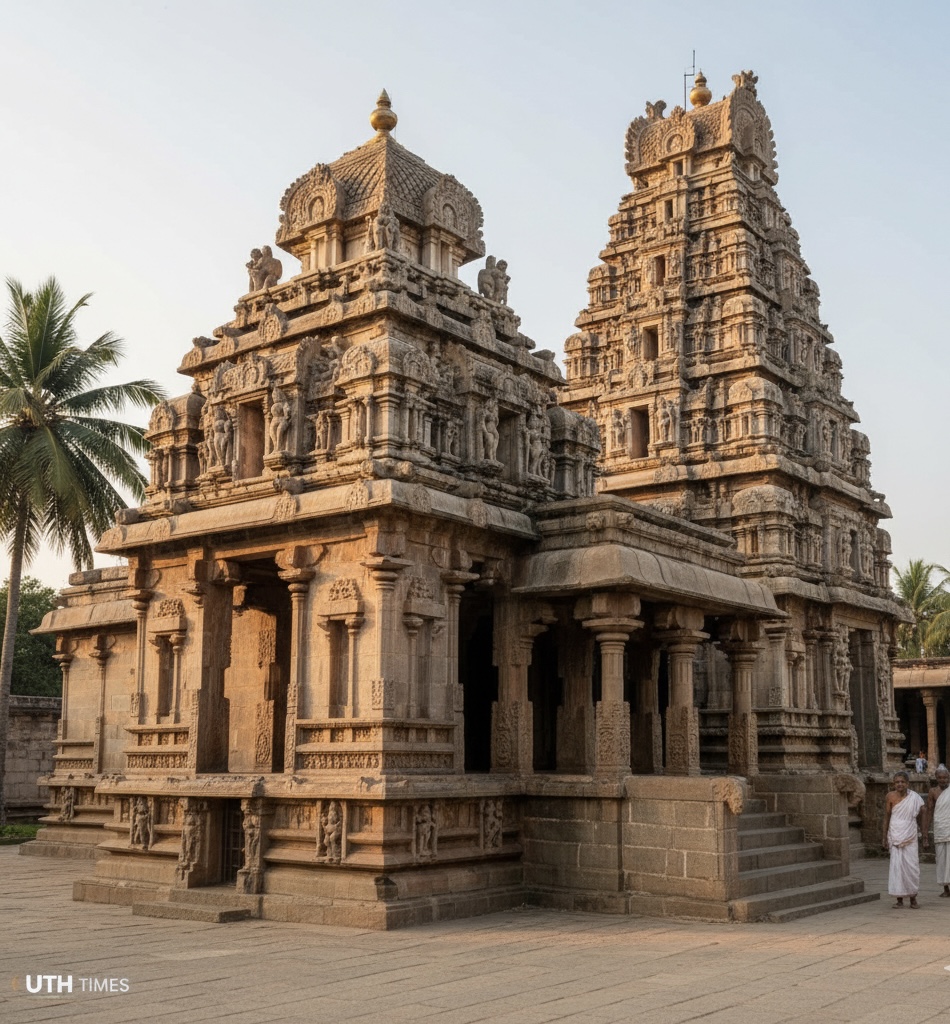
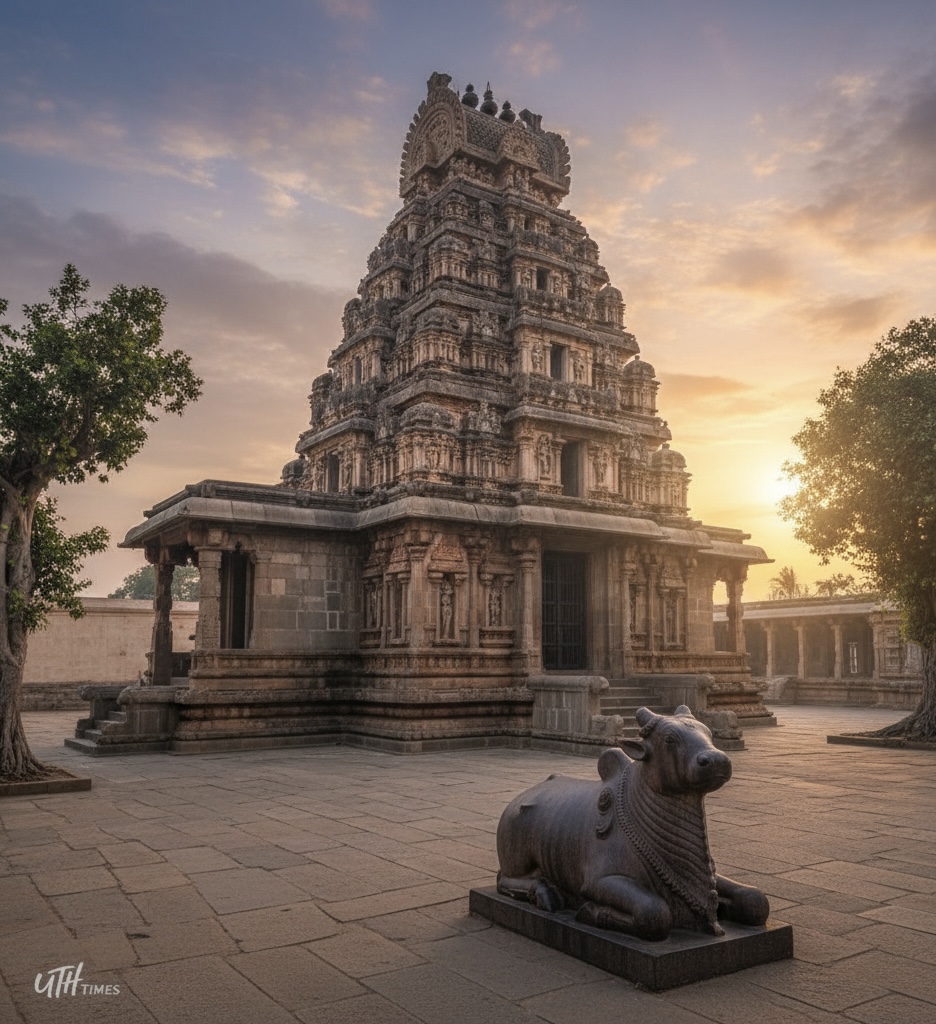
In an extraordinary act of cultural reverence, Jatavarman Sundara Pandyan, one of the most illustrious Pandya rulers, constructed the Periyanayaki Amman shrine within the Brihadeeswara Temple complex — the very citadel of Chola glory.

What makes this gesture remarkable is not merely the act itself, but the architectural harmony the Pandyas ensured. The shrine was built in the same Chola Dravidian style, mirroring the grandeur of Rajaraja Chola’s masterpiece. Every pillar, curve, and carving reflected a deep understanding of Chola aesthetics — as though the Pandyas were conversing with their rivals through stone.

Such unity in style amid political tension is a testament to how the sacred transcended the secular. The Pandyas did not attempt to outshine or dominate; instead, they blended reverence with rivalry, ensuring the shrine stood as part of the Chola legacy — not apart from it.

🔱 When Rivalry Bows Before Divinity

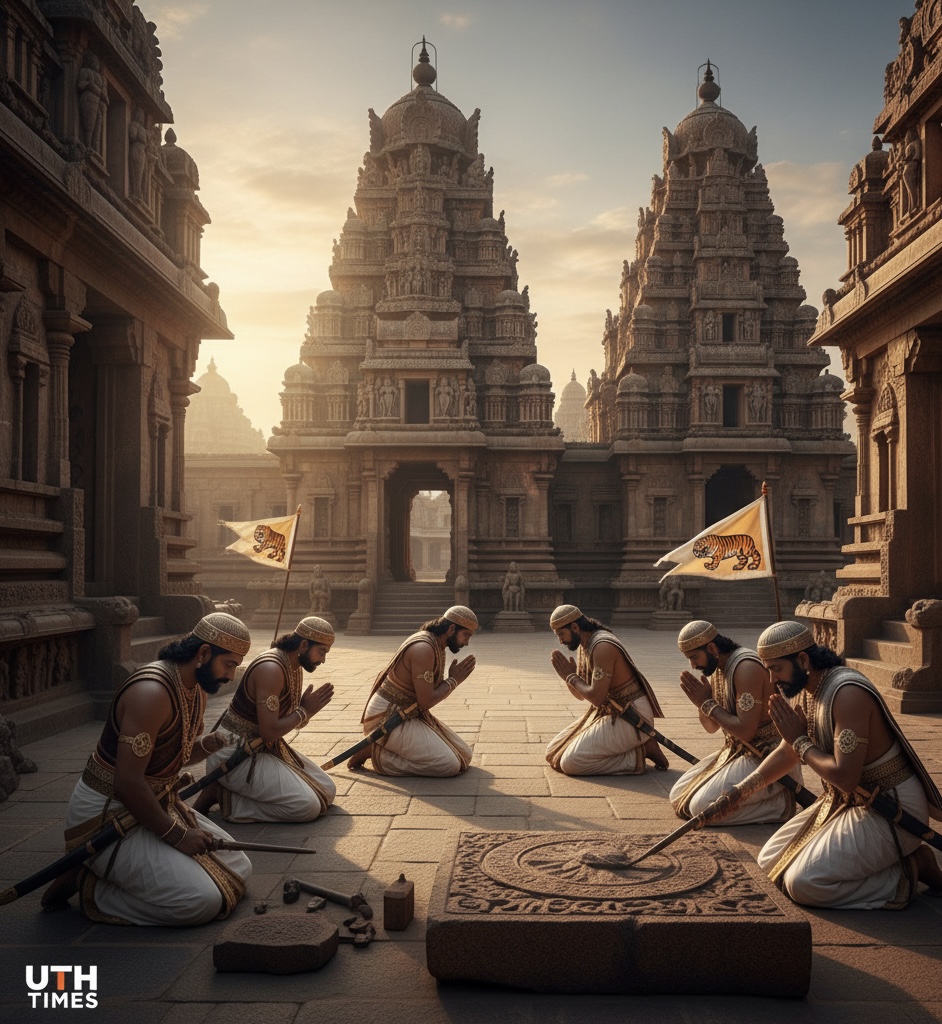
This rare act symbolizes a profound truth — that civilization thrives when cultural continuity triumphs over conquest. The Cholas and Pandyas may have drawn swords on battlefields, but in temples, they built bridges through devotion.

Even at the height of political friction, their artisans spoke a shared language of stone, rhythm, and faith, preserving the sacred identity of Tamil architecture for generations.

🌺 Epilogue: Stones That Whisper Harmony

The Periyanayaki Amman shrine stands not just as a monument, but as a message — that true greatness lies not in destroying the legacy of one’s rivals, but in honouring and elevating it. In Thanjavur’s timeless air, the stones still whisper — empires may fall, but art and devotion endure forever.

KANTARA & KANTARA CH 1: The Films That Awakened India’s Ancient Soul 🕉🚩🔥💪🕉

Context and Introduction

The films Kantara (2022) and Kantara: A Legend – Chapter 1 (2025), directed by Rishab Shetty, have been widely cited as changing the face of Indian cinema — especially regional cinema and how it appeals nationally and globally.

Below we unpack how and why they’ve achieved that, and what aspects mark their significance.

What They Did Differently

1️⃣ Rootedness & Folklore + Mass Appeal

🪶 Kantara (2022) is deeply rooted in the local traditions of coastal Karnataka — especially the “Bhoota Kola” ritual and tribal/mystic folklore — yet spoke powerfully to broad audiences.

🌿 The newer film Kantara: Chapter 1 carries that tradition further — exploring mythological pre‐colonial Karnataka, tribal vs royal conflict, spirituality, and nature.

📰 India Today notes that the film “shapes rooted cinema for a global audience.”
Why this matters:

A film doesn’t have to sacrifice local culture to become commercially successful. It shows that regional stories can become national blockbusters without diluting their cultural specificity.

2️⃣ Big Commercial Success from a Regional Language

💰 Kantara reportedly collected ₹400 crore+ worldwide.

🔥 Kantara: Chapter 1 is breaking records — e.g., becoming the 12th Indian film to cross ₹500 crore domestically.

🎬 Industry voices call it “a benchmark for Indian cinema.”

Why this matters:

It shows that Kannada cinema (or any regional film) can compete on a pan‐India scale, both in box office and cultural reach. It challenges the dominance of Bollywood/Hindi mainstream as the only big player.

3️⃣ Blending Genres & Spectacle with Authenticity

⚔️ The films don’t just stick to one genre — they mix action, myth, mysticism, folklore, and social commentary (land/forest rights, tribal identity).

🏞️ Chapter 1 raises the scale with massive war sequences and visual grandeur, while still using an authentic local setting.

Why this matters:

They prove that authenticity and spectacle aren’t at odds. They also raise the bar for production values in regional films.

4️⃣ Narrative & World-Building Ambition

🌌 The original Kantara introduced a self‐contained story with strong local flavour; Chapter 1 expands that universe — a prequel set centuries earlier that builds mythic depth.

💭 Critics note that this ambition — to build “a legend,” not just a film — is part of why the work resonates.

Why this matters:

It signals that regional cinema is ready for universe-building and serialized storytelling — territory often assumed to belong only to mainstream big-budget films.

5️⃣ Cultural Impact Beyond Cinema

🙏 Kantara (2022) inspired real-world policy — for example, the Government of Karnataka initiated a monthly allowance for Buta Kola performers.

🔥 The films have revived interest in local traditions, languages, and folklore as powerful subjects for mainstream cinema.

Why this matters:

When a film resonates culturally and socially, not just commercially, it reshapes what cinema can do in India — especially in regional languages.

Why It Might Be Seen as “Changing the Face of Indian Cinema”

Putting the above together, these films mark broader transformations:

🌍 Regional films going mainstream:

They blur the lines between “regional audience only” and “all-India audience.”

💫 Audience appetite for local + universal:

Viewers are willing to engage with culturally specific stories if told compellingly.

🎥 Shift in power dynamics:

Their success empowers filmmakers to craft authentic stories rather than formulaic pan-India scripts.

🏗️ New benchmarks:

Their production values, marketing, and multilingual releases set new standards for regional cinema.

🏞️ Cultural pride & identity:

They bring local folklore, rituals, and landscapes into the space of big cinema — not just niche storytelling.

Conclusion

In sum, Kantara and Kantara: Chapter 1 matter because they combine:

✨ Commercial blockbuster scale

🌾 Deep local culture

🌐 Pan‐India language appeal

And they do so from a regional base (Kannada) rather than imitating Bollywood.

They chart a path for Indian cinema where authenticity, ambition, and mass appeal align.

That’s why many commentators say these films are “changing the face of Indian cinema” — by transforming what kinds of stories get told, from where, and how far they can reach.

Japan’s MedTech Powerhouse Lands in Noida: A Global Hub in the Making 🌏

0

The Dawn of a Global MedTech Hub

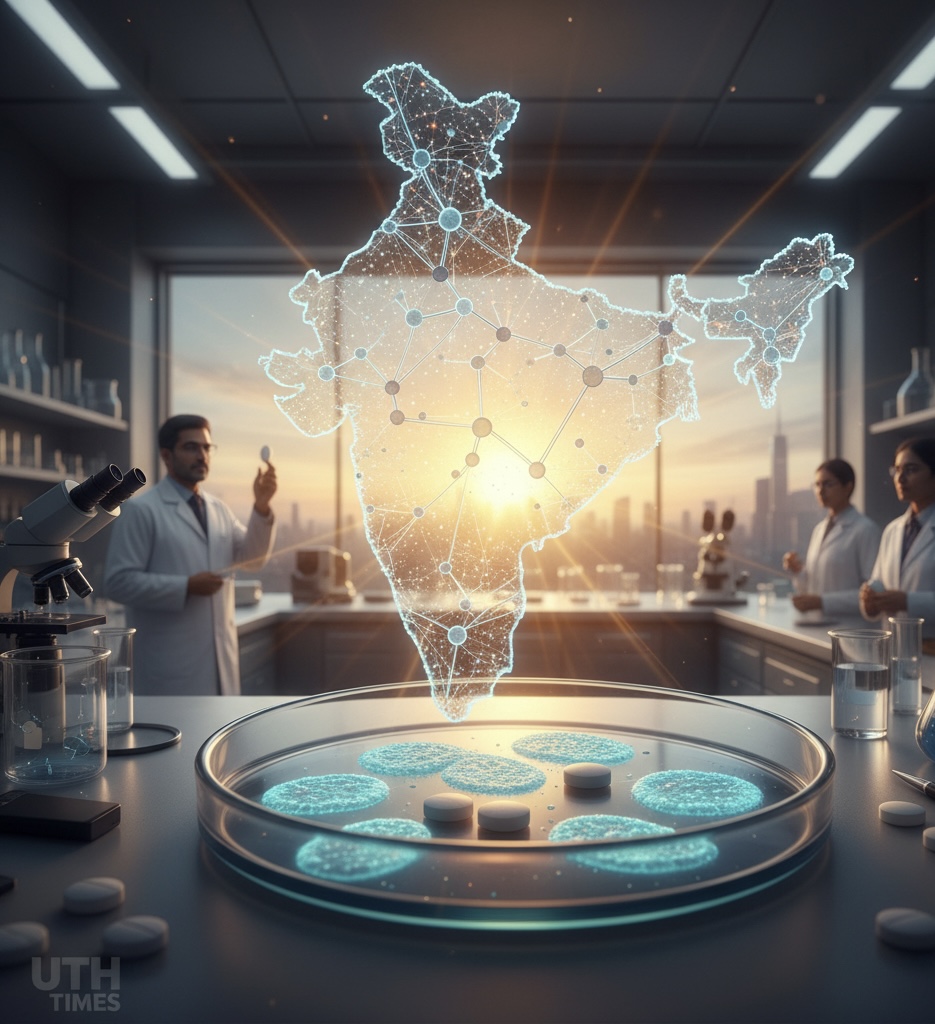
In a groundbreaking move, Noida is set to house a Japanese Medical Device Manufacturing Cluster near the Jewar International Airport, marking a historic collaboration between India and Japan in high-tech healthcare manufacturing. The initiative is poised to transform India into a global MedTech powerhouse, attracting billions in foreign investment and generating thousands of skilled jobs.

Strategically located near one of India’s most advanced airports, the cluster will ensure seamless exports, especially to Southeast Asia, Europe, and the Middle East — making Noida a frontline player in global medical innovation.

🏗️ The Vision: India Meets Japan’s Precision

At the heart of this project lies a fusion of Japanese engineering excellence and India’s manufacturing dynamism. The cluster will specialize in producing high-end diagnostic tools, surgical robotics, imaging equipment, and implantable devices — technologies currently imported at massive costs.

💠 Backed by Japan’s JETRO (Japan External Trade Organization) and India’s Department for Promotion of Industry and Internal Trade (DPIIT), the plan will host over 50 MedTech companies in its first phase.

💠 The focus is on self-reliance in healthcare equipment, aligning perfectly with the Make in India and Atmanirbhar Bharat initiatives.

💠 Facilities will include R&D labs, clean rooms, testing centers, and precision engineering units built to international standards.

🌱 Economic and Social Impact

The project isn’t just about machines — it’s about momentum.

💠 The cluster is expected to create over 25,000 direct and indirect jobs, from engineers and technicians to logistics and research experts.

💠 It will boost medical exports by 40% within five years, helping India become a top-5 MedTech exporter in Asia.

💠 With eco-friendly design, solar-powered factories, and zero-waste goals, the cluster will set a new benchmark in sustainable industrial development.

✈️ Strategic Advantage: The Airport Connection

Situated minutes away from Noida International Airport, the cluster enjoys unmatched logistics efficiency. Faster export clearances and direct international freight connectivity will cut shipping times by 60%, allowing India to compete head-to-head with Japan, Germany, and the U.S. in medical equipment exports.

🌟 The Future of Healing Technology

This collaboration isn’t just industrial — it’s transformative. By merging Japan’s technological finesse with India’s cost-effective innovation, the Noida MedTech cluster signals the birth of a new health revolution in Asia.

✨ From surgical robots to AI-powered diagnostics, the future of medicine may just be engineered in Noida.

Hidden Gems of India: 7 Untouched Wonders You Need to Visit Before Everyone Else

India is a country where every corner hums a story — yet, most travelers chase the same few names. Beyond the Taj Mahal and Goa’s beaches lie hidden worlds — valleys frozen in time, villages painted in myths, and lakes that mirror paradise itself. Here are 7 secret Indian destinations that deserve the spotlight ✨

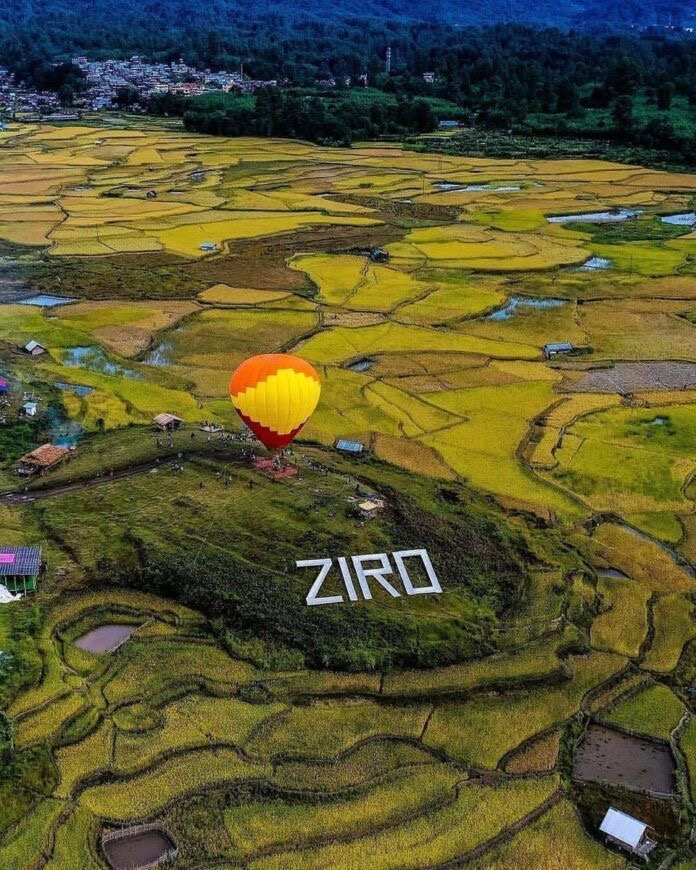
1. 🏞️ Ziro Valley, Arunachal Pradesh — The Land That Sings

A quiet cradle of green paddy fields and pine hills, Ziro Valley is home to the Apatani tribe — one of India’s most eco-conscious communities. Every September, it transforms into a melody-filled paradise during the Ziro Music Festival, where indie artists perform under open skies.

🎧 Best for: Nature lovers, music explorers, and cultural wanderers.

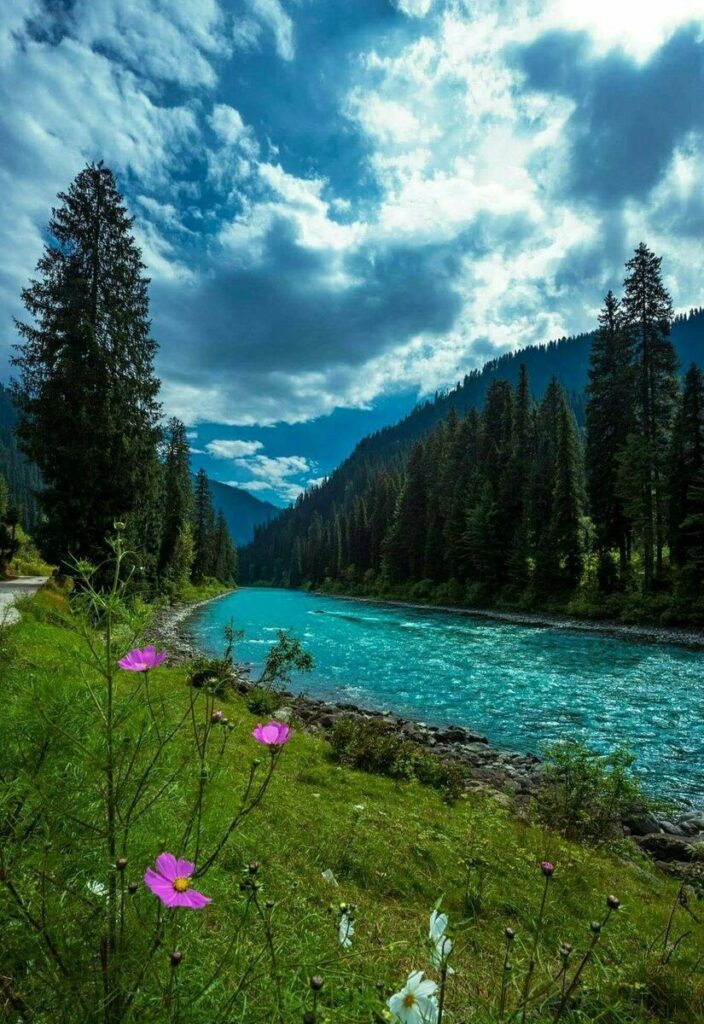
2. 🏔️ Gurez Valley, Jammu & Kashmir — Heaven Beyond the Mountains

Just north of Srinagar lies Gurez, a serene valley kissed by the Kishanganga River. Until recently, it was off-limits to tourists due to its proximity to the LoC — which is exactly why it remains untouched. Wooden homes, vast meadows, and kind smiles define this Himalayan secret.

🌸 Best for: Peace seekers and mountain dreamers.

3. 🏝️ Majuli Island, Assam — India’s Floating Cultural Hub

The world’s largest river island, Majuli sits atop the Brahmaputra’s shimmering waters. It’s not just scenic — it’s spiritual. Home to ancient Vaishnavite monasteries (Satras), mask-making traditions, and tribal dance forms, Majuli feels like a living museum of Assamese soul.

🌊 Best for: Cultural explorers and photography enthusiasts.

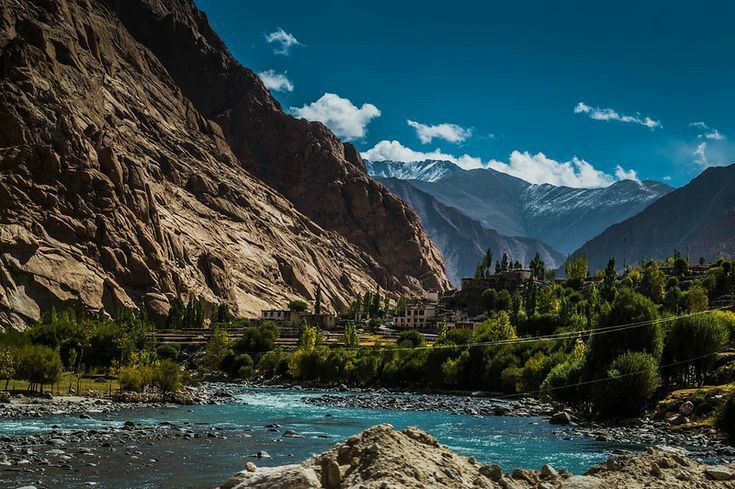
4. 🏜️ Turtuk, Ladakh — India’s Northernmost Village

Nestled near the Indo-Pak border, Turtuk is a Balti village where apricot orchards bloom against rugged cliffs. Its people are warm, the air is pure, and the views — surreal. It’s the kind of place that whispers, not shouts, its beauty.

🍑 Best for: History buffs and offbeat adventurers.

5. 🐚 Varkala, Kerala — The Cliffside Beach Town

While everyone flocks to Kovalam, Varkala offers a more soulful seaside escape. Imagine red cliffs dropping into turquoise waters, yoga cafés overlooking the Arabian Sea, and palm-lined pathways perfect for sunset strolls.

🌅 Best for: Solo travelers, writers, and beach lovers.

6. 🐘 Araku Valley, Andhra Pradesh — The Eastern Ghats’ Emerald Secret

Rolling hills, tribal coffee plantations, and hidden waterfalls define Araku Valley. A scenic train ride from Visakhapatnam takes you through 50 tunnels and lush forests before you reach this serene escape.

☕ Best for: Coffee enthusiasts and monsoon travelers.

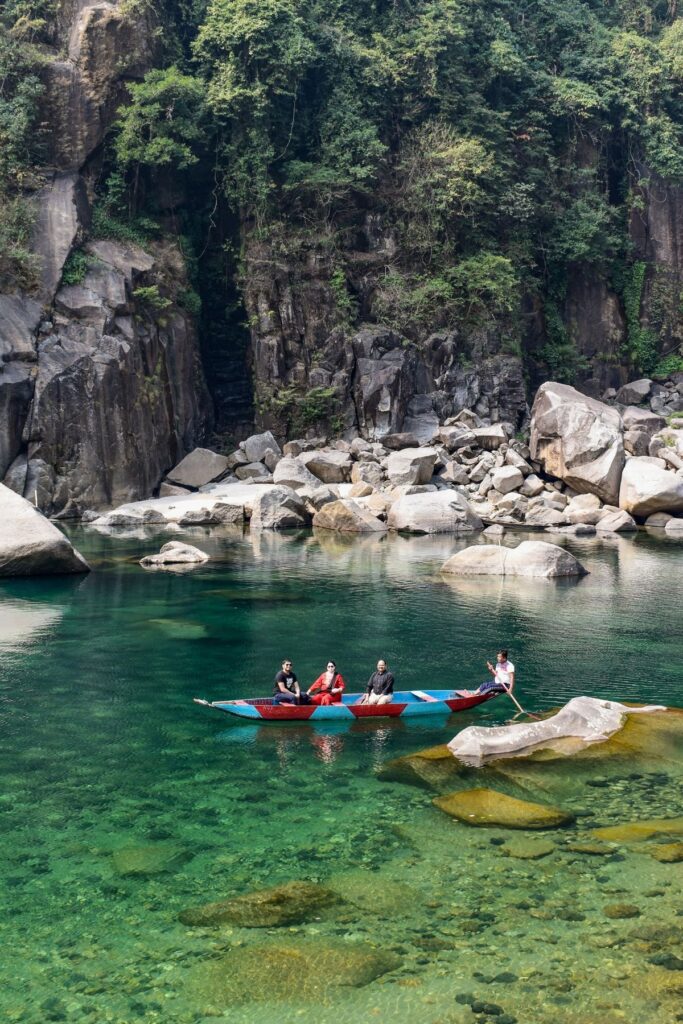
7. 🌄 Mawlynnong, Meghalaya — The Cleanest Village in Asia

Known as “God’s Own Garden,” this Khasi village is where community and cleanliness go hand in hand. Bamboo walkways, living root bridges, and panoramic views of Bangladesh make it one of the most unique villages in India.

🍃 Best for: Eco-tourists and families.

🌏 Why These Hidden Gems Matter

In an age of over-tourism, India’s lesser-known destinations remind us that travel isn’t about ticking boxes — it’s about feeling places. These gems preserve culture, biodiversity, and authenticity that modern travel often forgets.

🧩 Why Socialism Keeps Failing: 10 Simple Reasons

🕰️ A Brief History

The idea of socialism—where wealth and production are shared for the common good—emerged during Europe’s Industrial Revolution. Thinkers like Karl Marx and Friedrich Engels imagined a society free from capitalist exploitation.

Yet, whenever it was implemented—from the USSR and Mao’s China to Cuba, North Korea, and Venezuela—the dream repeatedly collapsed under its own weight.

🔟 10 Simplified Reasons

1️⃣ No Real Incentives

When everyone earns the same, motivation disappears. Productivity and innovation decline.

2️⃣ No Price Signals

Without market prices, governments can’t gauge what people truly need—leading to either shortages or useless oversupply.

3️⃣ Centralized Power

When a few “planners” control decisions, it breeds corruption, inefficiency, and fear—not equality.

4️⃣ Economic Misallocation

State-run systems often overinvest in heavy industry while ignoring consumer needs. People queue for bread while factories overproduce steel.

5️⃣ Suppressed Freedom

To maintain control, socialist regimes frequently silence dissent, killing both creativity and trust.

6️⃣ Human Cost of Utopian Experiments

From the USSR’s famines to Cambodia’s genocide, forced equality has too often turned deadly.

7️⃣ Stagnation After Early Growth

Socialist economies may grow quickly at first through mobilization, but soon hit a wall as inefficiency and rigidity take over.

8️⃣ Dependency on the State

Citizens begin to rely on the government for everything, weakening personal responsibility and entrepreneurship.

9️⃣ Corruption and Cronyism

Without competition or accountability, party elites replace private billionaires—just under a different name.

🔟 Ignoring Human Nature

Socialism assumes humans are selfless, but ambition, creativity, and competition are what truly drive progress.

⚖️ The Bottom Line

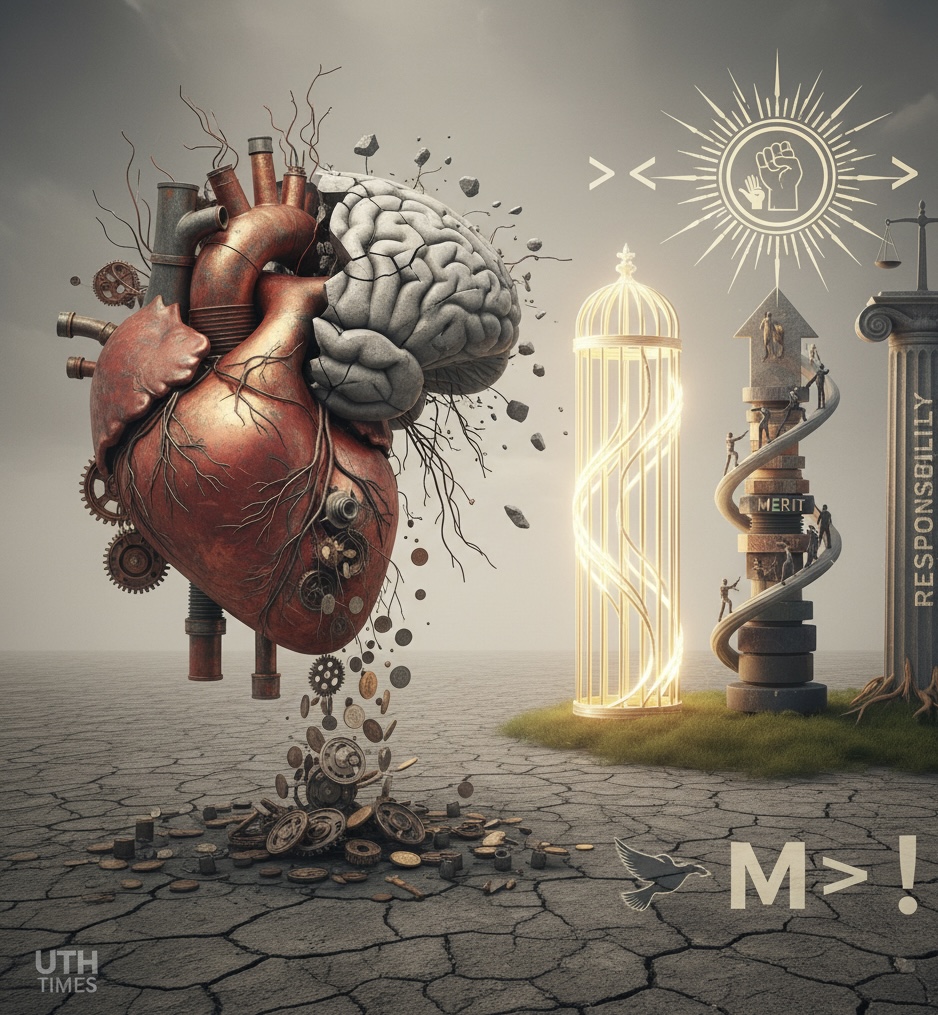
Socialism’s heart may be noble, but its brain fails to understand human behavior and economic reality.

Societies prosper when freedom, merit, and responsibility work together.

Merit > Mandate.

Freedom > Force.

India’s First Homegrown Antibiotic: Nafithromycin Breaks the Resistance Barrier

0

🌟 A New Dawn in Indian Medical Science

India has marked a historic milestone in pharmaceutical innovation with the discovery of Nafithromycin, the country’s first indigenously developed antibiotic. At a time when antibiotic resistance has become one of the world’s deadliest silent pandemics, this innovation signals a new era of self-reliant drug discovery and medical advancement.

🔬 What Makes Nafithromycin Unique

Developed by Indian researchers, Nafithromycin belongs to the macrolide class of antibiotics but stands apart due to its potency against multi-drug resistant respiratory pathogens. Unlike conventional antibiotics that are rapidly losing efficacy, Nafithromycin offers a shorter treatment course, superior tissue penetration, and a higher safety margin.

It targets community-acquired bacterial pneumonia (CABP) — a severe infection that affects millions worldwide — including those caused by resistant strains of Streptococcus pneumoniae and Haemophilus influenzae.

💪 A Lifeline for Vulnerable Patients

What makes this discovery even more impactful is its potential to protect the immunocompromised:

  • 🧬 Cancer Patients: Nafithromycin can combat respiratory infections common during chemotherapy, helping prevent secondary infections that often turn fatal.
  • 🍬 Diabetic Individuals: In people with poorly controlled diabetes, this antibiotic reduces complications arising from chronic respiratory illnesses, offering a crucial layer of defense.

Such a targeted approach makes Nafithromycin a therapeutic game-changer for India’s most vulnerable populations.

🌍 Global and Strategic Significance

This breakthrough isn’t just medical — it’s strategic. For decades, India, despite being the “pharmacy of the world,” has largely depended on foreign-discovered antibiotics. Nafithromycin changes that narrative by positioning India as a drug innovator rather than merely a drug manufacturer.

Its development reflects the country’s push for Atmanirbhar Bharat in healthcare and its growing capability to tackle global antimicrobial resistance (AMR) through indigenous science.

🔔 The Future of Indian Pharma Innovation

With Nafithromycin now setting the benchmark, India’s scientific community stands on the brink of a new pharmaceutical revolution. This antibiotic not only saves lives but also restores confidence in India’s ability to lead the world in healthcare innovation.

In short: Nafithromycin is not just a medicine — it’s India’s message to the world: We can discover, defend, and deliver. 💊🇮🇳

When India Drew the World’s First Urban Blueprint

0

🕰️ A Forgotten Beginning: The True Birthplace of Urban Design

The first organized city grid was not born in Mesopotamia or Greece — it was perfected in ancient India’s Indus–Sarasvati civilization.

Centuries before the world imagined cities, the Harappans had already built planned urban centers like Mohenjo-Daro, Harappa, Lothal, and Dholavira — each aligned precisely along north–south and east–west axes.

🧱 Streets ran in exact right angles, houses had private bathing areas, and covered drainage systems flowed beneath — an urban hygiene standard unmatched until modern times.

This was not coincidence; it was science, symmetry, and sustainability woven together — a civic code carved in baked bricks and geometry.

🌊 The Lost Port Before Troy: Poliochni’s Indian Connection

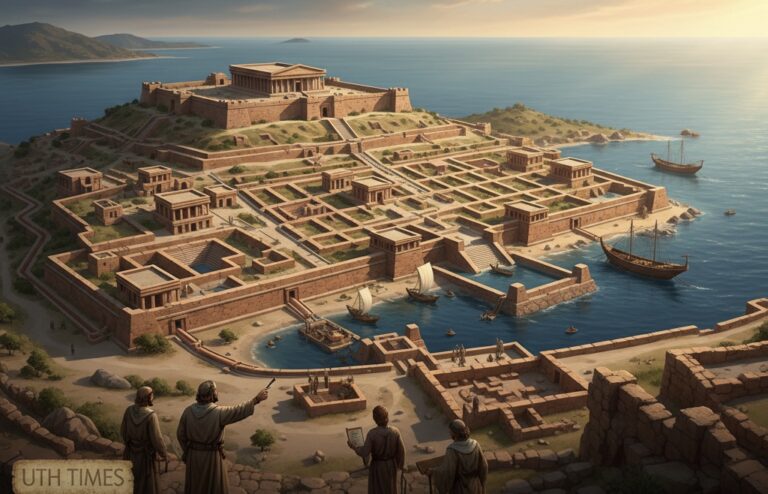
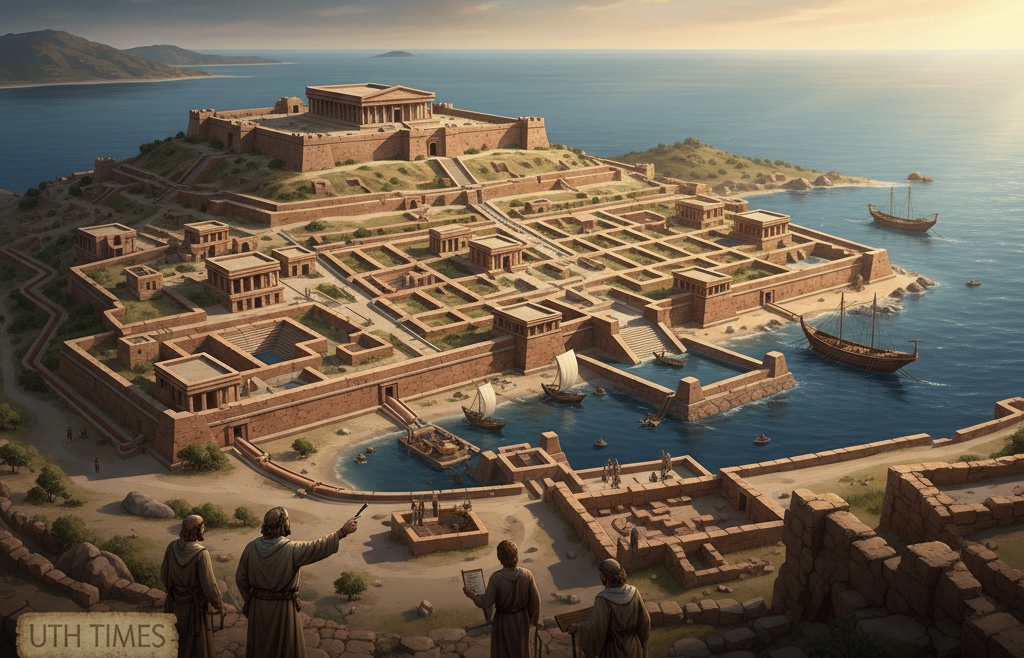
Far across the seas, around 4500 BC, stood Poliochni — a wealthy maritime port on Lemnos Island, off northwest Anatolia (present-day Turkey).

Long before Troy ruled the Aegean, Poliochni dominated the Mediterranean–Black Sea trade choke point, thriving on commerce and metallurgy.

What’s astonishing is its architectural DNA — grid-iron streets, wells, paved lanes, and an underground sewerage system.

Archaeologists note striking parallels with the Indus pattern — urban planning concepts that appeared in India millennia earlier.

Even more revealing, Poliochni practiced lost-wax casting — the same advanced technique used in the famed “Dancing Girl of Mohenjo-Daro” bronze figurine.

This method, believed to have originated in India, connects the technological dots between Indus metallurgists and Aegean artisans — a silent exchange across ancient seas.

⚔️ After the Sarasvati: The Great Migration That Redrew Empires

When the Sarasvati River began to dry (around 1900–1500 BC), it unleashed vast Indo-European migrations.

From India’s northwest emerged warriors and settlers who moved westward, influencing regions that would birth the Hittite, Mittanni, Phrygian, and early Greek dynasties.

By 1600–1500 BC, these Indo-European forces seized Troy, aiming to control the lucrative maritime chokepoint once held by Poliochni.

Behind these military shifts lay an echo of Indian migration, spreading technologies, myths, and governance structures across continents.

🌍 The Unwritten Legacy of Vedic Influence

Poliochni’s civilization — organized, engineered, and seafaring — mirrors the essence of Vedic India’s urban and spiritual ethos.

Its resemblance is not accidental but ancestral — a reflection of how Indian innovation shaped early global urbanism.

While textbooks glorify Mesopotamia or Greece as cradles of civilization, the blueprint of city life — from drainage to symmetry — was first drawn in India.

🪔 Closing Thought

Before the world learned to build cities, India had already mastered the art of living in them.

From the grids of Harappa to the drains of Poliochni, the Indus idea of order shaped humanity’s first urban dream — an influence still visible beneath the bricks of time.

India’s Next Frontier: 200 MW Nuclear Reactors to Power the Seas

0

🇮🇳 A New Wave of Power: India’s Nuclear Leap at Sea

In a move that could redefine global maritime energy, India is developing 200 MW nuclear power reactors designed specifically to power commercial ships, according to reports from The Economic Times.

This initiative isn’t just about innovation — it’s about energy independence, sustainability, and global prestige. These reactors could soon become the nuclear heartbeat of India’s blue economy, drastically cutting fuel costs and carbon emissions.

⚙️ Inside the Reactor Revolution: Compact, Clean, and Continuous Energy

Unlike traditional reactors used in land-based power plants, these miniaturized 200 MW reactors are being engineered for mobility and safety.

💠 Compact yet mighty: Designed to fit within maritime vessels without compromising cargo space or performance.

💠 Continuous energy supply: Nuclear propulsion allows ships to sail for years without refueling, eliminating dependence on fossil fuels.

💠 Zero-emission future: These reactors represent a giant step toward decarbonizing ocean trade, supporting India’s vision of a net-zero economy by 2070.

What makes this even more impressive is that India’s Department of Atomic Energy (DAE) and Bhabha Atomic Research Centre (BARC) are collaborating to ensure next-generation reactor safety, embedding passive cooling and self-regulating mechanisms that make catastrophic failures virtually impossible.

🚢 Strategic Depth: A Maritime Game-Changer

India’s nuclear-powered shipping ambitions have far-reaching strategic implications:

🌊 Maritime dominance: This technology will extend India’s oceanic reach, enhancing its ability to maintain continuous operations in the Indian Ocean and beyond.

🧭 Economic efficiency: With reduced dependence on imported fuel, nuclear propulsion could cut shipping costs by up to 40% over the vessel’s lifespan.

🌏 Global edge: Few nations — like the US, Russia, and China — have mastered nuclear-powered maritime systems. India’s entry could place it in an elite league of naval innovators.

🌞 A Step Toward the Future of Sustainable Seas

As India steers toward a nuclear-powered maritime age, it’s not merely chasing technological prestige — it’s crafting a blueprint for sustainable global shipping.

With every 200 MW reactor developed, India sails closer to a cleaner, faster, and stronger future — where the waves are powered not by oil, but by innovation.

India’s Golden Milestone — Gold Reserves Surge Past $100 Billion

0

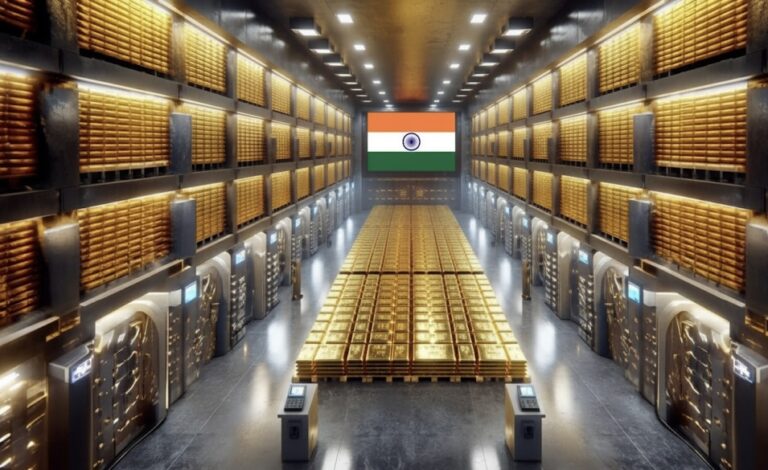
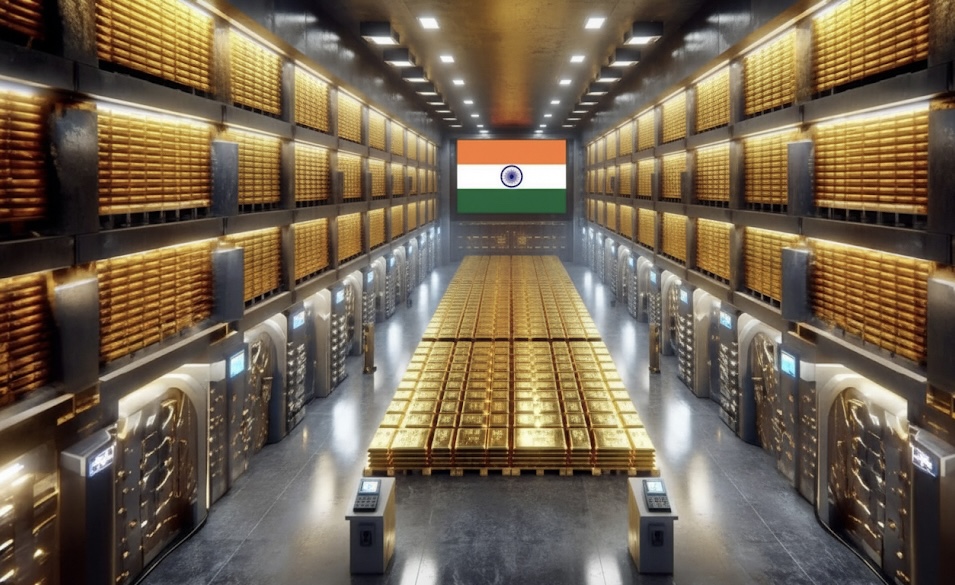
A momentous moment for India’s vaults: the Reserve Bank of India (RBI) has announced that the country’s gold holdings have finally broken through the $100 billion barrier. This isn’t just another number—it signals a strategic shift, a valuation triumph and a clear message about India’s place in global reserve management.

📊 Why This Milestone Is Big

For the week ending October 10, 2025, India’s gold holdings jumped by approximately US $3.595 billion, reaching US $102.365 billion.  Meanwhile, total foreign-exchange reserves of India slipped by ~US $2.18 billion to about US $697.784 billion. 

Gold’s share of the reserve-mix has expanded significantly: up to roughly 14.7 %, the highest since 1996-97. 

In short: even with central bank gold purchases slowing this year (just 4 tons from Jan–Sept 2025 versus ~50 tons for the same period in 2024) the valuation gains from the global gold surge have done the heavy lifting. 

💡 What’s Fueling the Surge

  • Bullion price rally: Global gold prices are up ~65 % in 2025, driven by geopolitical uncertainty, sanctions, de-dollarisation and central bank demand.  
  • Reserve diversification: The RBI, like many central banks, is re-balancing away from heavy reliance on foreign-currency assets (e.g., U.S. dollars), making gold a more prominent hedge.  
  • Cultural & structural anchors: India is the world’s second-largest consumer of gold, and the metal’s role as investment, wealth-preserver and status-symbol remains strong.  

📉 Why It Matters for India’s Economy

  • The rising share of gold means more of India’s reserves are insulated from currency swings and interest-rate risk that hit conventional foreign-assets.
  • A $100 billion plus gold buffer strengthens the RBI’s ability to handle external shocks, import-pressures and rupee volatility.
  • At the same time, the drop in total FX reserves signals pressures: subtle tension between accumulation and deploying resources to support the currency or manage external flows.
  • The valuation boon from gold is favourable — but it also means India rides on global gold-prices. Should bullion slump, some of this gain may reverse.

🌍 Global Context & Strategic Implications

Gold’s newly elevated role in India’s reserve composition mirrors a broader global trend: central banks in several nations accumulating gold as structural diversification. The RBI’s move isn’t just about digging into the vaults—it reflects a strategic stance amid shifting geopolitics and financial markets.

This milestone gives India a stronger hand in the global financial architecture: when gold is rising and currency/asset risks are elevated, having a substantial, credible gold reserve is a diplomatic + reassurance asset.

🔚 Closing

India’s gold-reserve landmark is more than a statistic—it is a statement. The RBI hitting the US $100 billion threshold signals deeper reserve sophistication, sharper risk-management and a tribute to gold’s enduring power. As global financial winds shift, India’s gold-vaults may be more than silent storage—they could reflect a new chapter in strategic financial architecture.