Home Blog Page 48

10 Sanatan Dharma Stories That Were Never Taught in School But Change Everything 🕉️

We all grew up hearing Ramayana, Mahabharata, and a few “popular” Sanātan tales. But the truth is — Sanātan Dharma is an ocean of hidden stories that rarely make it to textbooks. These tales aren’t just fascinating; they flip everything you thought you knew about gods, karma, and destiny.

📖 The List

1. Ashwatthama Still Roams the Earth

👉 “Ek immortal warrior jo abhi bhi zinda hai? Sounds crazy, but true.”

The cursed son of Dronacharya, Ashwatthama, is said to wander the earth forever, with a bleeding wound that never heals. Locals in India still claim sightings.

2. Shiva Drank Halahal Poison to Save the Cosmos

👉 “Blue throat ke peeche science bhi hai, sirf kahani nahin.”

During Samudra Manthan, deadly Halahal poison emerged that could destroy the universe. Shiva consumed it to protect creation — giving rise to his name Neelkanth.

3. Kauravas Were Born Through a Test-Tube Process

👉 “Mahabharat mein IVF ka prototype tha.”

Gandhari’s 100 sons were not born naturally. Their embryos were divided and placed in jars until they developed — a process shockingly similar to modern test-tube babies.

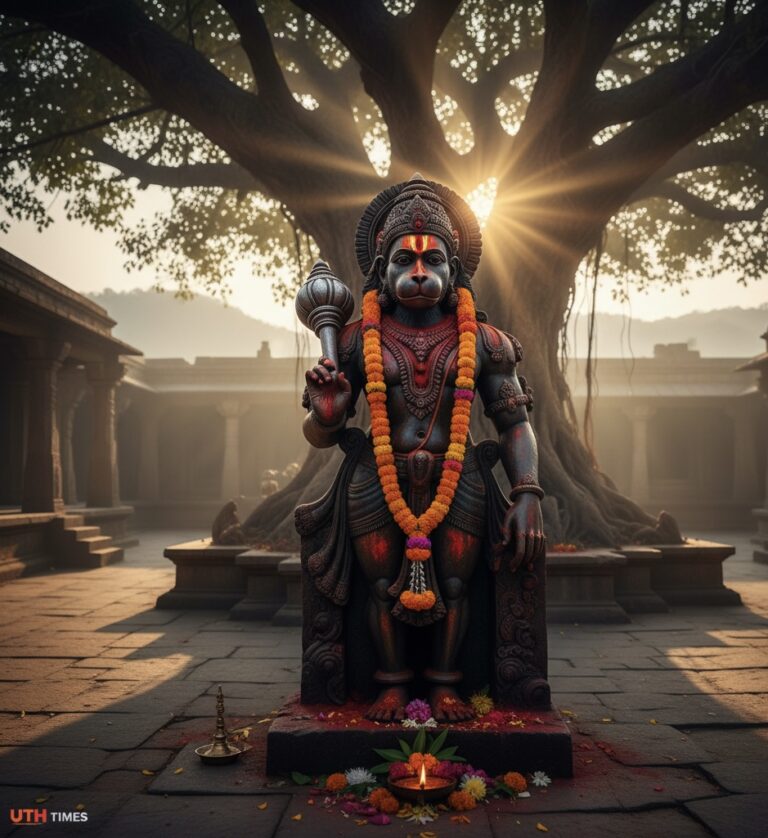
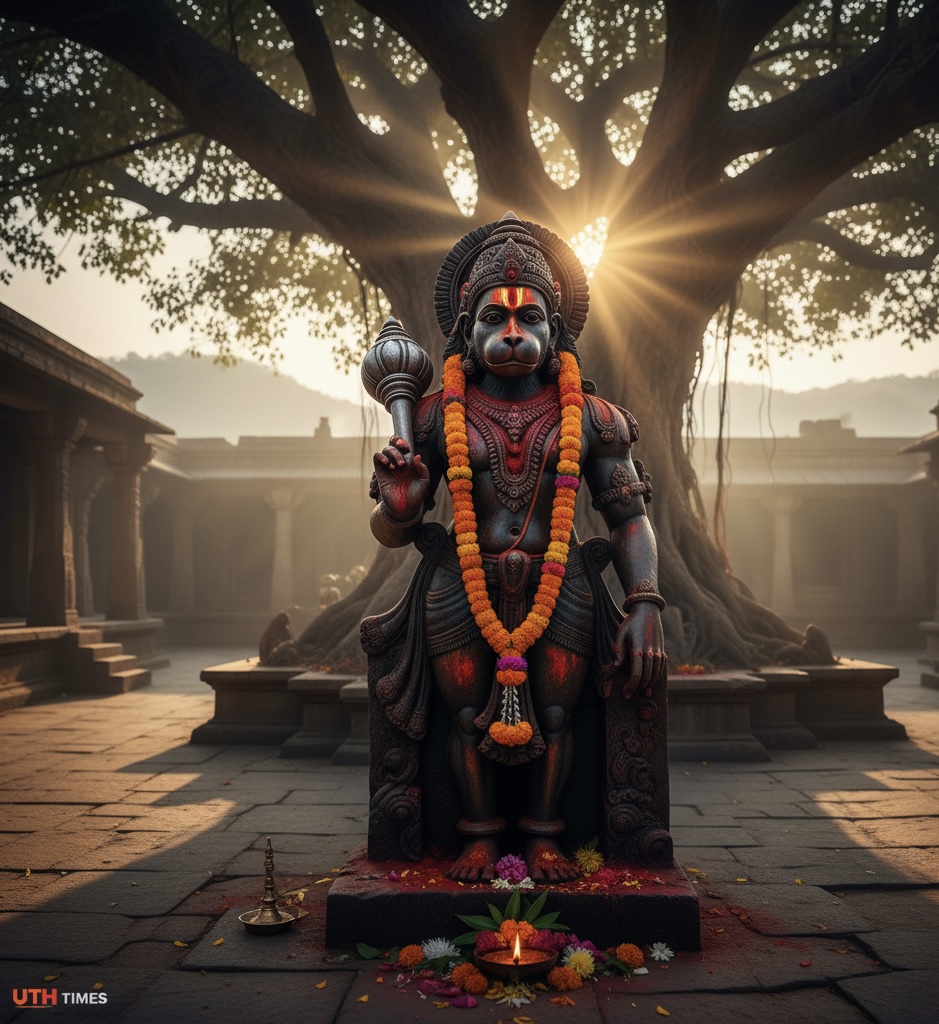
4. Hanuman Is Still Alive — the Chiranjeevi Legend

👉 “Hanuman sirf kahaniyon mein nahin, kal yug tak zinda hain.”

Sanātan texts describe Chiranjeevis — immortals destined to live till the end of time. Hanuman is one of them, believed to still roam the earth wherever Ram’s name is chanted.

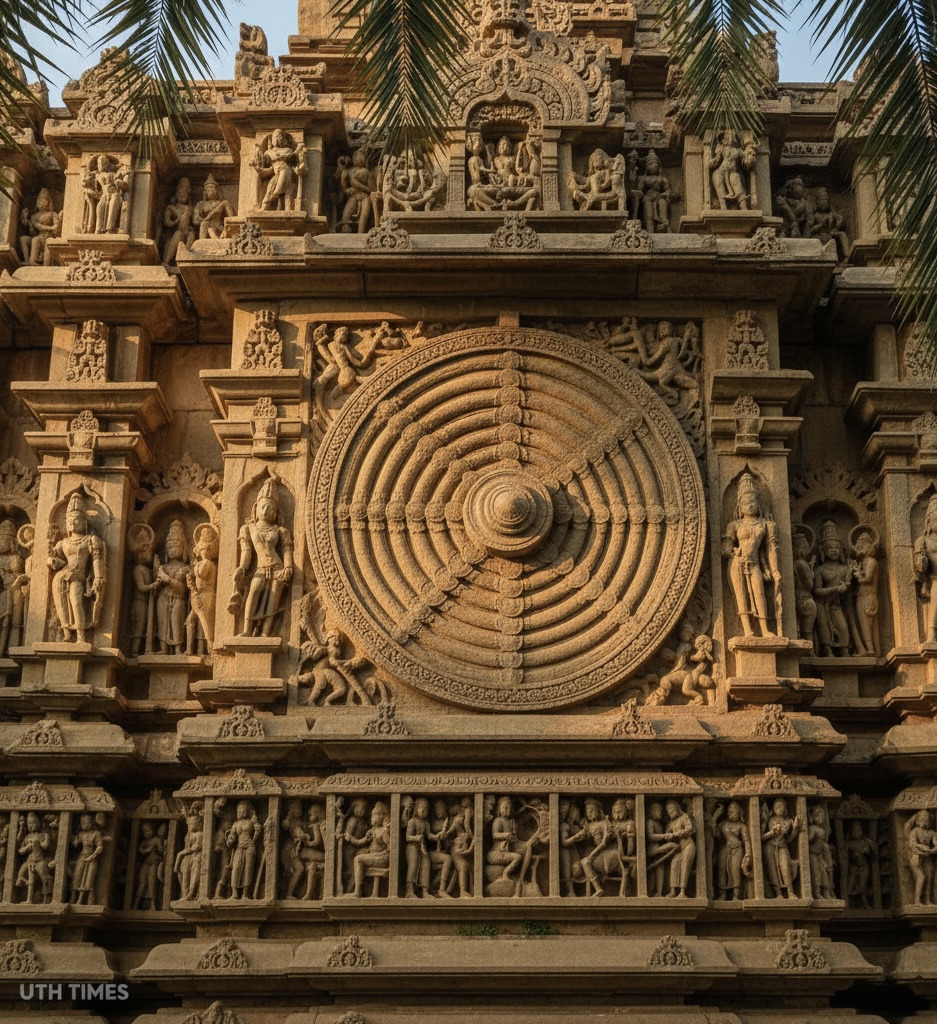
5. The Mysterious Sudarshan Chakra

👉 “Aisa weapon jo modern missiles ko bhi fail kar de.”

Vishnu’s divine weapon wasn’t just symbolic — it was a rotating disk of immense energy, guided by willpower. Ancient descriptions sound eerily like high-tech weapons.

6. Ravana Was Not Just a Villain

👉 “Dus sirf ek rakshas nahi tha, ek maha pandit bhi tha.”

Ravana was a brilliant scholar, a veena player, and a devotee of Shiva. His arrogance led to his downfall, but his wisdom was unparalleled.

7. The Curse of Brahma — Why He Isn’t Worshipped

👉 “Teen mukhya dev — Vishnu, Shiva, Brahma. Par mandir kyon nahi Brahma ka?”

Brahma, the creator, was cursed for lying, leading to his worship being forbidden in most temples. Only a handful of Brahma temples exist in the world.
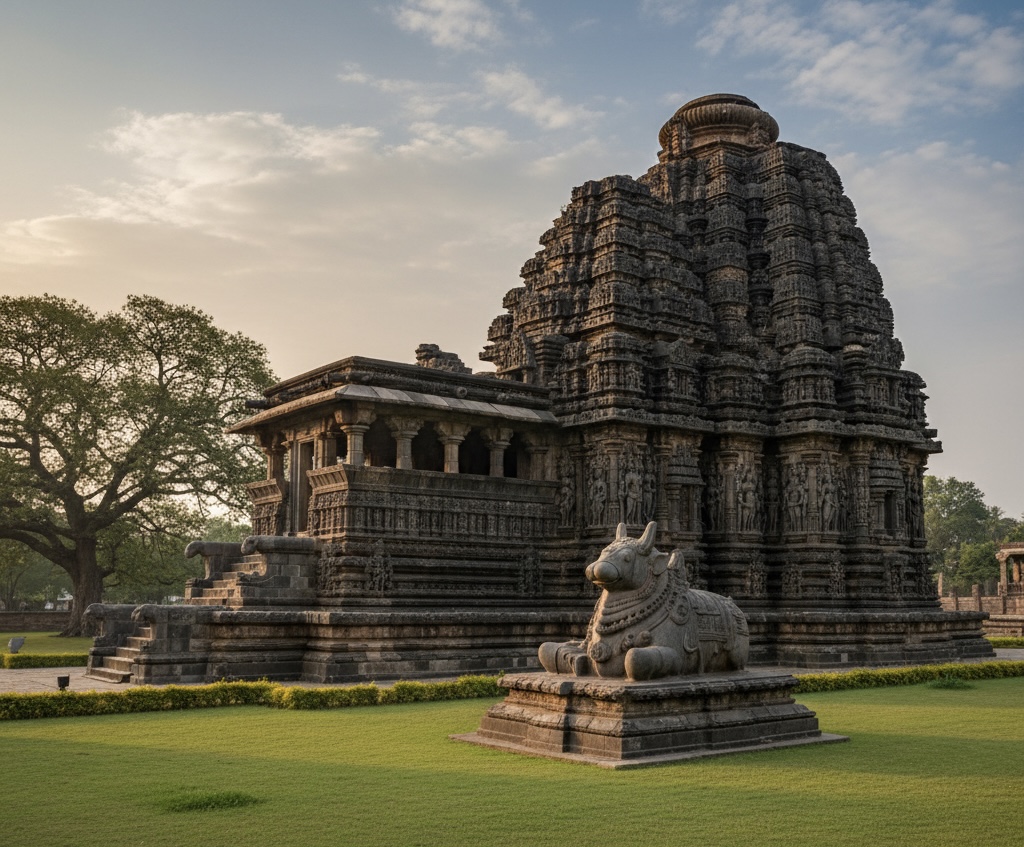
8. Ekalavya’s Thumb Wasn’t the End of His Story

👉 “Guru Dakshina ke baad bhi uski kahani khatam nahi hoti.”

After giving away his thumb to Drona, Ekalavya continued training and became a warrior of incredible skill, proving determination beats all odds.

9. Parashurama — The Immortal Warrior Sage

👉 “Ek rishi jinhone 21 baar dharti ko kshatriyon se saaf kar diya.”

Parashurama, the sixth avatar of Vishnu, lives even today according to Sanātan texts. He is said to appear again to train Kalki, the final avatar.

10. The Hidden Ninth Planet — Shani’s Brother Shweta Graha

👉 “NASA se pehle Sanātan ne 9th planet describe kar diya tha.”

Ancient texts describe a mysterious planet named Shweta Graha — unseen in modern astronomy but shockingly similar to speculations about Planet X.

🔮 Closing

Sanātan Dharma is not just religion — it’s a cosmic library of hidden truths. These stories were never part of our school syllabus, yet they reveal secrets about life, immortality, and the universe itself. Maybe it’s time we stop treating them as “myths” and start seeing them as forgotten knowledge.

10 Movies That Predicted the Future (Surprisingly Right)🎥

0

Movies are meant to entertain us, but some filmmakers ended up playing fortune tellers. From technology to world events, a few films didn’t just tell stories — they predicted reality years before it happened. Sounds crazy? Wait till you see how reel turned into real!

🎥 The List

1. Back to the Future II (1989)

👉 “Hoverboards, smart gadgets aur video calls – sab future se pehle dekh liya!”

This cult classic imagined hoverboards, wearable tech, and video calling long before they became real. While flying cars are still pending, FaceTime and smart glasses? Totally spot-on.

2. The Truman Show (1998)

👉 “Reality TV ka asli baap – sabse pehle dikhaya jhoothi duniya.”

Before Bigg Boss or Kardashians, this film nailed the idea of reality TV where an ordinary man’s life becomes entertainment. Today, we literally live in a world of 24×7 content creation.

3. 2001: A Space Odyssey (1968)

👉 “AI assistant ki future future me nahin… abhi thi!”

HAL 9000 was the OG Alexa/Siri — a talking AI system controlling an entire spaceship. Today’s smart assistants eerily resemble Kubrick’s vision, minus the murderous intentions (hopefully).

4. The Net (1995)

👉 “Internet ki dark side – sabse pehle yahin dikhayi gayi thi.”

Sandra Bullock starred in this cyber-thriller that predicted online identity theft and hacking. Back then, it sounded extreme. Today, cybercrime is a global threat.

5. Minority Report (2002)

👉 “Fingerprint scanners, gesture controls aur targeted ads – sab pehle dikh gaye.”

Tom Cruise’s futuristic world showed us predictive policing, gesture-based tech, and personalized ads. Now? Smartphones unlock with touch/face, and ads know you better than you know yourself.

6. Gattaca (1997)

👉 “DNA se career decide hoga? Lagbhag reality ban gaya!”

This film imagined a world where genetic testing dictates your future. Today, DNA tests reveal everything from ancestry to health risks, making this sci-fi eerily relevant.

7. WALL-E (2008)

👉 “Overweight humans, lazy lifestyle, aur AI-driven planet – kya yeh warning thi?”

Pixar’s animated gem showed humans glued to screens, overweight, and dependent on machines. With rising obesity and AI dominance, WALL-E looks less like fiction and more like prophecy.

8. Her (2013)

👉 “AI girlfriend – ab toh apps bhi ban gayi hain.”

A lonely man falls in love with an AI operating system. Back then, it was futuristic. Today? AI chatbots, virtual companions, and emotional AI are actually here.

9. Contagion (2011)

👉 “COVID ka trailer toh pehle hi de diya tha.”

This medical thriller eerily mirrored the COVID-19 pandemic — from a bat-borne virus to lockdowns, masks, and vaccine races. It was more documentary than fiction in hindsight.

10. The Matrix (1999)

👉 “Virtual duniya ke andar fasa insaan – metaverse ki prediction.”

The idea of humans living inside a simulated world? Welcome to the metaverse and VR headsets. Neo’s world doesn’t feel so impossible anymore.

🔚 the end

What’s mind-blowing is that these films weren’t just entertainment — they were blueprints of the future. Maybe the next time you watch sci-fi, don’t just enjoy the story… keep an eye out. Who knows, you might just be watching tomorrow’s headlines in disguise.

Click Here to Know the Secret Partnership Driving Digital India’s Financial revolution 🤑

🌟 A Beginning That Redefines Everyday Finance

India’s digital journey has been marked by bold partnerships, and the latest alliance between Flipkart and SBI Card is no exception. By introducing a co-branded credit card, these two giants are not just offering financial convenience but reshaping how households perceive and use credit in daily life.

🛒 What Makes This Card Unique?

Unlike generic credit cards, the Flipkart–SBI Card isn’t just a payment tool—it’s designed as an ecosystem of access, trust, and value.

  • 📌 Everyday Affordability: From online shopping to offline expenses, the card unlocks cashback and reward benefits that go beyond seasonal offers.
  • 📌 Pan-India Reach: Tailored for urban, semi-urban, and even rural households, ensuring credit access is not limited to metros.
  • 📌 Security & Trust: Backed by SBI’s banking legacy and Flipkart’s retail ecosystem, the card guarantees both reliability and convenience.

This makes it a gateway to formal credit for households that previously relied on cash or informal borrowing.

🌐 Driving Financial Inclusion Across India

India’s credit penetration remains relatively low compared to global benchmarks. The partnership aims to close this gap by:

  • 💳 Democratizing Credit: Bringing first-time users into the formal credit fold with simple eligibility and wide usability.
  • 🌍 Digital Empowerment: Encouraging families to adopt cashless lifestyles while building a robust credit history.
  • 🔗 Bridging Urban–Rural Divide: Ensuring that credit facilities are not just a privilege of urban India but a reality for tier-2 and tier-3 towns.

In essence, the card becomes an enabler of aspiration, aligning with the government’s #DigitalIndia mission.

🚀 Why This Partnership Matters Now

India is at a critical juncture where consumer spending, e-commerce growth, and digital finance are converging. This card is not just about discounts; it’s about:

  • 🛡️ Building consumer trust in digital payments.
  • 💼 Strengthening India’s credit culture.
  • 📈 Accelerating economic activity by putting more purchasing power into the hands of millions.

It’s a timely step—fueling both household convenience and the nation’s digital growth story.

🌟 The Bigger Picture

The Flipkart–SBI Card collaboration symbolizes more than a business deal—it represents a movement towards inclusive growth, financial literacy, and empowered consumption.

🔚 Conclusion: Small Plastic, Big Impact

At first glance, it’s just a card. But in reality, it’s a bridge between aspiration and access, affordability and empowerment. Flipkart and SBI Card have shown how partnerships can create ripples that extend far beyond business—directly into the lives of millions of Indians.

👉 A small swipe, but a giant leap for Digital India.

Ganesh Chaturthi: The Festival That Was Started to Shake the British Empire

🪔 A Beginning Beyond Devotion

Ganesh Chaturthi is often seen as a festival of devotion, music, and modaks. But hidden beneath its colors and chants lies a forgotten chapter of India’s freedom struggle. In the late 19th century, when the British Empire tried to break Indian unity, Lord Ganesha became the unlikely warrior who united millions.

🔥 Tilak’s Masterstroke: Turning Ritual into Revolution

  • In the 1890s, the British Raj had banned large political gatherings to prevent Indians from organizing.
  • Enter Bal Gangadhar Tilak, a visionary leader who realized that religious gatherings were exempt from the ban.
  • In 1893, Tilak transformed Ganesh Chaturthi from a private household ritual into a public festival of unity.
  • What looked like a simple puja was in reality a silent political uprising—where freedom fighters could meet, speak, and inspire without fear of British crackdowns.

🐘 Ganesh Mandals: Secret Arenas of Resistance

  • Public pandals weren’t just for prayers—they became forums for nationalist speeches, cultural programs, and underground discussions.
  • Thousands gathered under one banner, cutting across caste, class, and region.
  • To the British, it looked like devotion; in truth, it was organized defiance.
  • Lord Ganesha was reborn as the symbol of Swaraj, decades before the tricolor waved as a national emblem.

📰 Idols Made of Newspapers: Carriers of Hidden Codes

  • Early Ganesh idols were far from grand. Many were crafted with clay mixed with shredded newspapers.
  • But those newspapers weren’t ordinary—they carried coded revolutionary messages for freedom fighters.
  • The idol itself became a silent messenger of rebellion, carrying hope in its very core.

🇮🇳 Legacy: The God Who Challenged an Empire

Ganesh Chaturthi was never just about devotion—it was a weapon of unity, rebellion, and freedom.

Every chant of “Ganapati Bappa Morya!” was not only a prayer but a battle cry against British rule.

✨ Conclusion

Next time you witness Ganesh Utsav, remember—it was started not only as a festival of faith but as a movement to shake an empire.

The Night Tesla Heard the signals from universe ….

0

The Night That Changed Tesla Forever 🌌

In 1899, Nikola Tesla—already a global icon of electricity—retreated to his experimental lab in Colorado Springs. His ambition was audacious: to transmit electricity wirelessly through the atmosphere. In that quiet mountain town, surrounded by lightning storms and his colossal transmitter, Tesla stumbled upon something that would haunt him for life—a mysterious signal from the cosmos.

A Message in the Dark: “Beep. Beep-Beep. Beep-Beep-Beep.” 📡

Tesla’s laboratory was no ordinary workshop. His transmitter could detect electrical whispers too faint for the human ear. One night, the silence of the Colorado plains was broken by a strange rhythm captured on his instruments:

  • Beep.
  • Beep-Beep.
  • Beep-Beep-Beep.

It was not random static. It was a sequence. Like someone counting—One, two, three.

Tesla instantly knew this was deliberate. He scribbled in his journal with trembling certainty:

“I feel certain I was the first to hear the greeting of one planet to another.”

He was convinced: the voice came from Mars. Or perhaps Venus. Somewhere, intelligent beings were reaching out.

The World Calls Him Mad 🌀

When Tesla revealed his discovery, the scientific community recoiled. Messages from Mars? Communication from space? For many, this was madness. Newspapers mocked him. Rival inventors dismissed it as delusion.

But Tesla was undeterred. In 1900, he even wrote to the American Red Cross, declaring humanity would soon receive messages from other worlds. His plan for a reply was poetic and simple: send back the number “Four.”

A Truth Hidden for Nearly a Century ⚡

For decades, Tesla’s “cosmic signals” were ridiculed. But in 1955, NASA confirmed radio emissions from Jupiter. Later, scientists realized the exact conditions Tesla described matched the behavior of Jupiter’s moon Io, which generates powerful bursts when passing through the planet’s magnetic field.

In 2003, researchers rebuilt Tesla’s Colorado Springs receiver. The result was astonishing—the beep patterns Tesla heard aligned perfectly with Jupiter’s emissions. He had been right all along.

Tesla wasn’t delusional. He was the first human to stumble upon radio astronomy—decades before it officially existed.
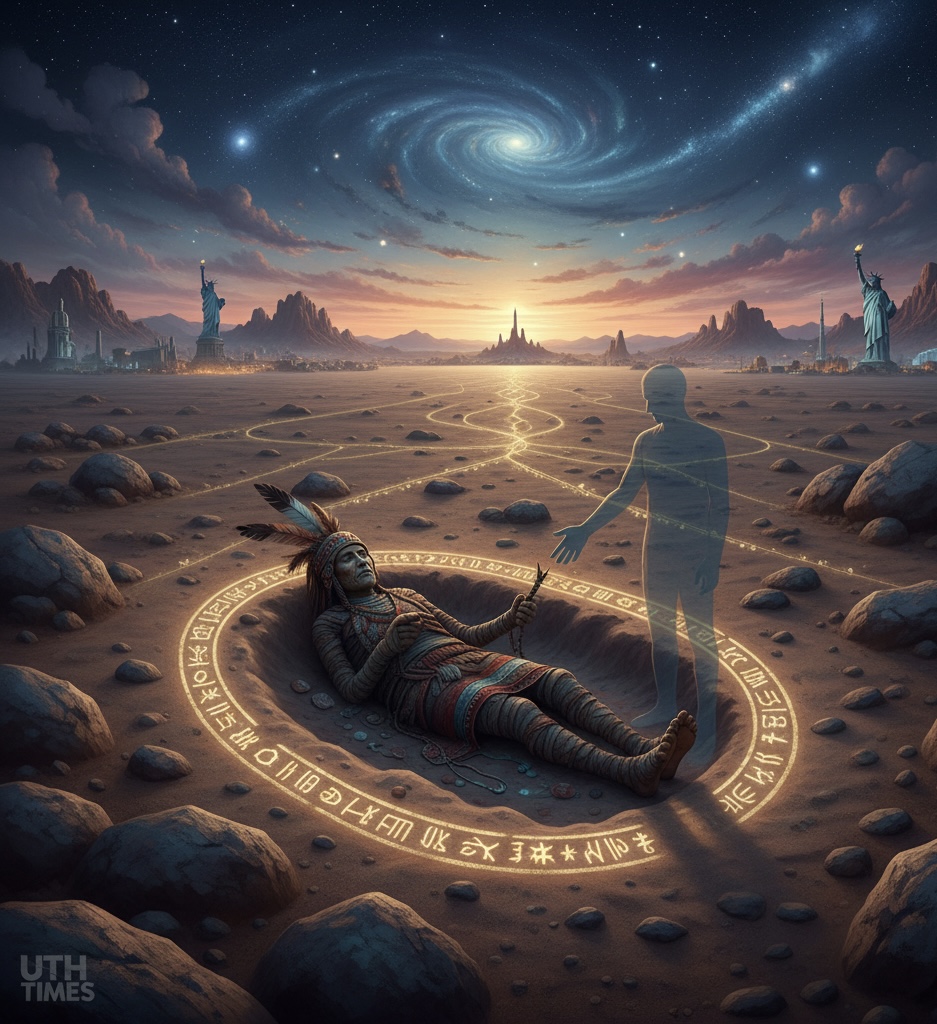
The Unanswered Question: Who Was Counting? ❓

Here lies the mystery that still lingers. Natural signals are usually chaotic, messy, and random. But Tesla’s recordings carried a pattern, almost like intelligent design. Why did it sound like counting? Was it coincidence—or communication?
Tesla himself spent his last years chasing this enigma. His papers, seized by the FBI after his death in 1943, remain partly classified. Some speculate they contained the first blueprints for interplanetary communication.

Conclusion: Tesla, The Cosmic Listener 🌠

In his lifetime, Tesla was mocked for hearing “Martians.” A century later, science vindicated him. He had touched the future with his bare hands, listening to voices the world wasn’t ready to hear.

Perhaps one day, when humanity truly makes contact, we’ll remember Tesla—the lonely genius in Colorado Springs who may have been the first to hear the universe whisper.

Modi Govt’s Act East: India’s Shield Against Tariff Wars💪

0

Trump’s tariff threat may sound daunting, but India of 2025 is not India of 2018. Powered by Modi govt’s Act East policy and Global South leadership, New Delhi has built economic shock absorbers that can turn trade wars into opportunities.

🌏 Act East = The Silent Shield

India’s eastward pivot has rewired global trade flows. Instead of relying excessively on Western markets, India has deepened ties with ASEAN, Japan, Korea, Vietnam, and Australia. With ASEAN trade already at $121B (FY24) and Japan committing ¥10 trillion ($68B) over a decade, the region is emerging as India’s growth engine.

  • 🌸 Japan brings capital + credibility with its industrial townships, semiconductor focus, and Supply Chain Resilience Initiative.
  • 🚢 ASEAN provides ready markets with an FTA under review (AITIGA) that will cut compliance costs and enhance margins.
  • 🇦🇺 Australia’s ECTA fuels double-digit export growth, offering immediate redirection lanes for goods hit by US tariffs.

In short, Act East has installed India’s economic airbags.

💰 Eastern FDI: Fuel for Factories

India recorded $81B in FDI in FY25 (+14%), with Singapore, Japan, and Korea leading the inflows. Unlike earlier decades when Western capital dominated, today Eastern FDI anchors India’s capex cycle.

  • 🏭 New factories, ports, and logistics hubs are increasingly East-funded.
  • 🔋 Investments are flowing into semiconductors, AI, logistics, and industrial clusters.
  • 📈 Since 2000, India has crossed $1.07T in FDI, with the bulk arriving post-2014 reforms.

This ensures that if the US market turns protectionist, India still has robust capital fueling its industrial expansion.

📦 New Markets, New Corridors

When tariffs hit, the real game is rerouting demand. India’s eastward markets provide this cushion:

  • 🦐 Seafood, leather, and textiles can move into ASEAN retail chains and Japan’s premium buyers.
  • 🏗 Engineering goods tap Australia’s infrastructure boom.
  • 💊 Pharma and IT expand deeper into Africa and Latin America under Global South partnerships.

Global South leadership doubles as demand insurance, ensuring India’s exports never run dry—even in tariff storms.

🚄 Supply Chains That Outrun Tariffs

Hard infrastructure is India’s stealth weapon. The India-Myanmar-Thailand highway, the Kaladan multimodal link, and Japan-backed port upgrades slash costs and time, keeping exports competitive.

Meanwhile, the India-Japan-Australia SCRI hardens supply webs in autos, electronics, and textiles—precisely the sectors that face tariff risks. By design, these networks redirect flows swiftly from the US to Asia-Pacific markets.

🔑 The Takeaway

India’s tariff shield isn’t rhetorical—it’s structural. Eastern FDI, ASEAN/Australia/Japan trade lanes, and Global South corridors mean India won’t just absorb US tariffs, it will pivot profitably eastward.

Conclusion:

For India, Trump’s tariffs are no longer a trap. They are a test—and Modi govt’s Act East ensures New Delhi passes it with resilience and opportunity.

Bizarre rock spotted on Mars by the Curiosity Rover

0

A Strange Sight on the Red Planet 🌌

NASA’s Curiosity Rover has once again captured global attention—this time with the discovery of a peculiar rock on Mars that looks anything but ordinary. Sitting quietly in the dusty Martian landscape, the oddly shaped stone has sparked debates ranging from geology to extraterrestrial speculation. While Mars has always been a planet of enigmas, this particular rock has taken curiosity—both human and robotic—to a whole new level.

What Does It Look Like? 🔍

At first glance, the rock appears almost sculpted—its sharp ridges, smooth curves, and unusual symmetry stand out in a desert of otherwise jagged terrain. Some observers online have compared it to:

  • 🪨 A shard of broken glass reflecting the Martian sunlight
  • 🏺 An ancient vase or artifact weathered by time
  • 🦴 A fossilized bone fragment hinting at past life
  • 🛸 Even a miniature spaceship lodged in the red dust

This is not the first time Mars has teased our imaginations with rocks shaped like animals, faces, or tools—but this one seems to be in a league of its own.

The Science Behind the Shape 🧪

Geologists suggest the bizarre form is most likely the result of erosion and wind activity, processes that sculpt Martian rocks into odd and dramatic structures over millions of years. Mars’ thin atmosphere and dust storms create natural sandblasting that can carve stone into unexpected geometries.

Yet, the precision of this rock’s angles has some researchers scratching their heads. Could it be a rare example of igneous crystallization—where lava cooled into strange shapes? Or perhaps the relic of an ancient water-rich environment that once flowed across Gale Crater, where Curiosity is currently exploring?

Why It Matters for Exploration 🚀

Each unusual find on Mars feeds into the larger question: Did Mars once support life? While this rock is almost certainly a natural formation, it serves as a reminder of how alien—and fascinating—the Red Planet truly is. Every strange discovery helps NASA narrow down areas worth deeper study and fuels public excitement for future missions, including human exploration.

Conclusion 🌍➡️🌌

From Earth, the rock might just seem like a curious shape. But on Mars, every anomaly whispers a story about the planet’s ancient past. Whether it’s a simple trick of erosion or a clue to something far greater, one thing is certain: the Red Planet never stops surprising us.

10 Powerful Reasons Why World-Class Cities with Great Infrastructure Drive Growth and Prosperity

1. Economic Growth & Investment Magnet

World-class infrastructure attracts global and domestic investments. Companies prefer cities with reliable power, transport, and digital infra, leading to higher GDP contribution and job creation.

2. Rising Standard of Living

Better infrastructure means cleaner water, efficient waste management, smooth public transport, and safer roads — directly improving the quality of life of citizens.

3. Global Competitiveness

Cities with top-notch infra become global hubs like Singapore, Dubai, or New York. They draw talent, entrepreneurs, and capital, positioning the nation as a competitive economy.

4. Social Mobility

Efficient infrastructure — metros, schools, healthcare, housing — helps the poor and middle class climb the ladder by accessing opportunities faster and more affordably.

5. Decongestion & Efficiency

Good transport networks reduce travel time, traffic jams, and pollution. Time saved translates into higher productivity and better work-life balance.

6. Sustainability & Climate Resilience

Modern infra integrates renewable energy, smart grids, green buildings, and flood management systems — making cities resilient against climate change and disasters.

7. Tourism & Soft Power

World-class airports, cultural hubs, and heritage preservation attract tourists. Tourism boosts service industries, foreign exchange inflows, and international image.

8. Innovation & Knowledge Economy

Tech parks, research clusters, digital infra, and world-class universities thrive in well-planned cities. This sparks innovation ecosystems (like Silicon Valley or Bengaluru).

9. Urban Governance & Safety

Smart infrastructure with surveillance, emergency services, and disaster-response systems ensures security, order, and better governance for millions.

10. National Prestige & Future Readiness

Iconic cities become symbols of a nation’s rise. A country is judged by its cities — their skyline, mobility, and liveability — which also inspire future generations to aim higher.

Kaala Bhairav: India’s Guardian Drone Revolution

0

India’s sky just got a new guardian—Kaala Bhairav, the warbird born in Bengaluru.

🚀 The Arrival of a Game-Changer

India has just dropped a defense bombshell: Kaala Bhairav, its first homegrown combat drone, a sleek AI-powered war machine that promises to shift the balance of aerial warfare. Built under the Atmanirbhar Bharat banner, this beast isn’t just another UAV—it’s a statement. A symbol that India no longer buys the future; it builds it.

🔥 What Makes Kaala Bhairav Deadly

  • ⏱️ Endurance Beyond Limits – Flies 30 continuous hours, making long surveillance and strike missions seamless.
  • 🌍 Range That Matters – 3,000 km operational radius backed by SATCOM ensures it doesn’t just protect borders, it reaches beyond them.
  • 🤖 AI + Swarm Mode – One drone is lethal. Ten working together under AI swarm coordination? Devastating. Enemy radars, convoys, and bases won’t know what hit them.
  • 💰 Cost Killer – At just one-tenth the cost of a U.S. Predator, Kaala Bhairav is designed to be expendable yet unstoppable. A single Predator = an entire Kaala fleet.
  • 🔒 Indigenous Autonomy – No foreign kill-switches, no hidden backdoors, no dependency. 80% Indian tech ensures total digital sovereignty.

🌐 Export Victory: India Enters the Big League

The debut wasn’t just about show. A South Asian nation signed a $30M deal, with $25M already secured upfront. That’s not only cash in the coffers—it’s global validation. For years, India was one of the world’s largest arms importers. Today, it’s selling next-gen combat systems abroad.

🛡️ Why This Drone Matters

Kaala Bhairav isn’t just a product—it’s a doctrine shift. Until now, India’s skies were guarded with imported tech that came with invisible chains—data routed overseas, possible kill codes hidden in chips. With Kaala Bhairav, India breaks free. It’s about sovereignty, survivability, and supremacy.

⚔️ The Bigger Picture

This unveiling in Bengaluru marks a turning point. The world’s attention is no longer on India as a buyer of weapons—it’s now on India as a supplier of futuristic combat power. From local skies to global export markets, Kaala Bhairav has carved its mark.

🔑 Closing Thought

This isn’t just a drone. It’s India’s ticket to defense dominance—built at home, feared abroad.

James Webb Space Telescope discovers 300 mysteriously luminous objects at the edge of space-time!

0

🌌 A Glimpse Into the Beginning

The James Webb Space Telescope (JWST) has just pushed the boundaries of human knowledge further than ever before. In a stunning discovery, astronomers have found 300 unexpectedly luminous objects shining from the very dawn of the universe. These findings suggest that the cosmos’ earliest years may have been far more turbulent, creative, and energetic than scientists had previously imagined.

🔭 The Discovery That Shook Astronomy

Using JWST’s deep-field imaging, a research team from the University of Missouri identified hundreds of objects scattered across the early universe. These aren’t ordinary galaxies — they are far brighter than theory allows.

  • 🌠 Normally, galaxies born soon after the Big Bang (13.8 billion years ago) should be small and faint.
  • 💫 Yet, these candidates glow with an intensity rivaling much more mature systems.
  • 🚀 This points to a possible cosmic mystery: Were the first galaxies forming stars at a pace astronomers never thought possible? Or are these beacons something entirely new?

🧪 The Dropout Technique: Seeing the Invisible

To isolate these strange objects, scientists applied the “dropout” technique:

  • 📷 Objects appear in redder wavelengths but vanish in bluer, shorter wavelengths.
  • 🪐 This means their light has been stretched by cosmic expansion, a telltale sign that they are extremely distant.
  • ⏳ In essence, JWST is giving us a time machine view — seeing the universe as it was over 13 billion years ago.

This method not only confirms their vast distance but also raises a deeper puzzle: how could they be so luminous in such a young cosmos?

🌍 Galaxies, Black Holes, or Something Unknown?

Right now, astronomers aren’t certain what these 300 objects actually are.

  • 🌌 They could be early galaxies, forming stars at astonishing rates.
  • 🕳️ They might also be supermassive black holes, devouring matter and blazing with energy.
  • ❓ Or, they could represent a new class of cosmic objects — phenomena never before imagined.

Whatever they are, their existence challenges current models of cosmic evolution, forcing scientists to rethink how the first billion years of the universe truly unfolded.

🚨 Why This Matters for Humanity

The discovery is more than just an academic curiosity. It’s a window into our cosmic origins:

  • 🌠 These luminous mysteries could hold the key to understanding how galaxies — and eventually stars, planets, and life — came to be.
  • 🔭 JWST has once again proven its role as the most powerful time machine humanity has ever built.

🌌 Final Word

The cosmos has always held secrets, but these 300 luminous enigmas may be its boldest whisper yet. The universe, it seems, was not a quiet newborn — but a brilliant, restless child.