
Deep within the granite folds of Bihar’s Jehanabad district lies a marvel older than the Ajanta or Ellora Caves — the Barabar Caves, carved over 2,100 years ago. These are not just ancient chambers; they are whispers of a civilization that merged art, faith, and geometry into timeless stone.
🪨 The Birthplace of Rock-Cut Architecture
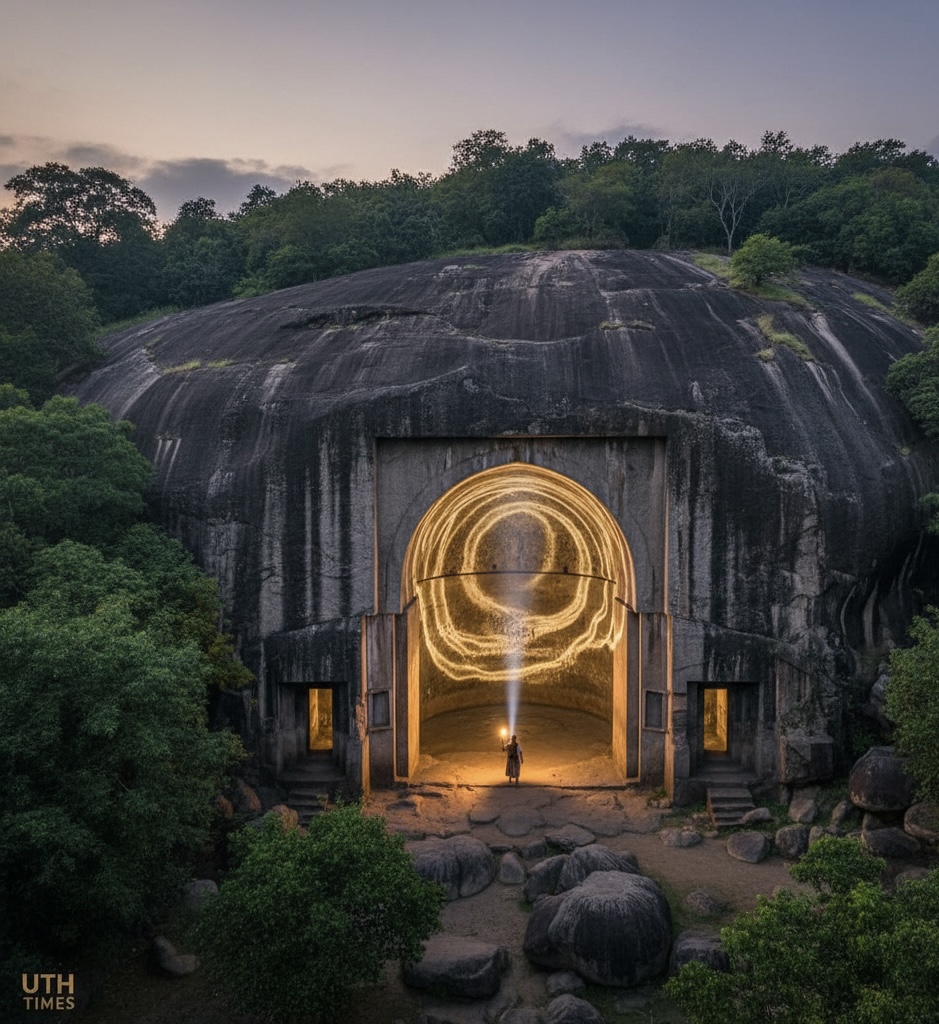
The Barabar Caves date back to the Mauryan Empire (3rd century BCE), specifically during the reign of Emperor Ashoka and his successor Dasharatha Maurya. Hewn with astonishing precision into hard granite, they are considered India’s earliest surviving rock-cut caves.
Each cave bears polished interiors so mirror-smooth that they reflect torchlight like glass — a feat unmatched for centuries. Their surfaces are so meticulously cut that even modern laser tools would struggle to replicate such perfection in granite.
🕉️ Caves of Faith: Ajivikas and Beyond
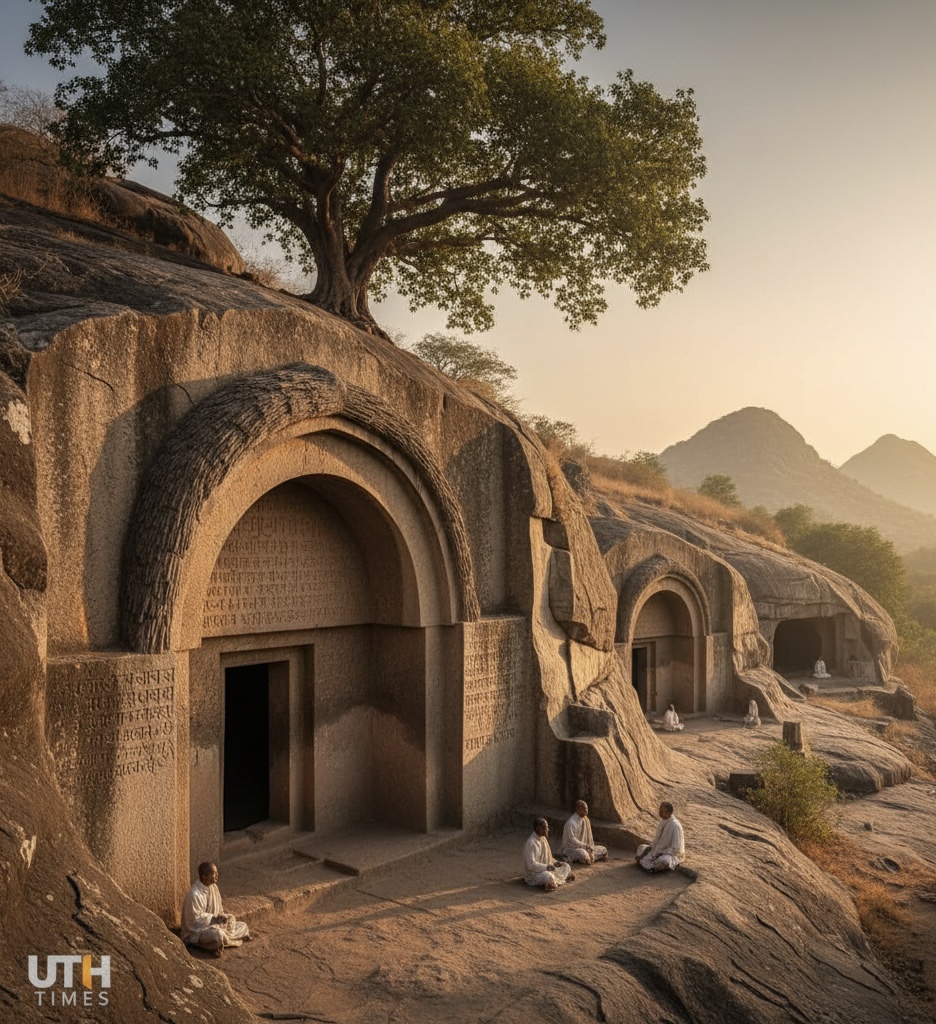
Originally, these caves were dedicated to the Ajivika sect — an ascetic order contemporaneous with Buddhism and Jainism. Emperor Ashoka, known for his patronage of diverse philosophies, granted these caves for their meditations. Inscriptions in Brahmi script still survive on the walls, recording this royal devotion.
The four principal caves — Lomas Rishi, Sudama, Karan Chaupar, and Visvakarma — form the Barabar group, while the nearby Nagarjuni Hills host three more, carved by Dasharatha.
🏛️ Architectural Brilliance Beyond Time
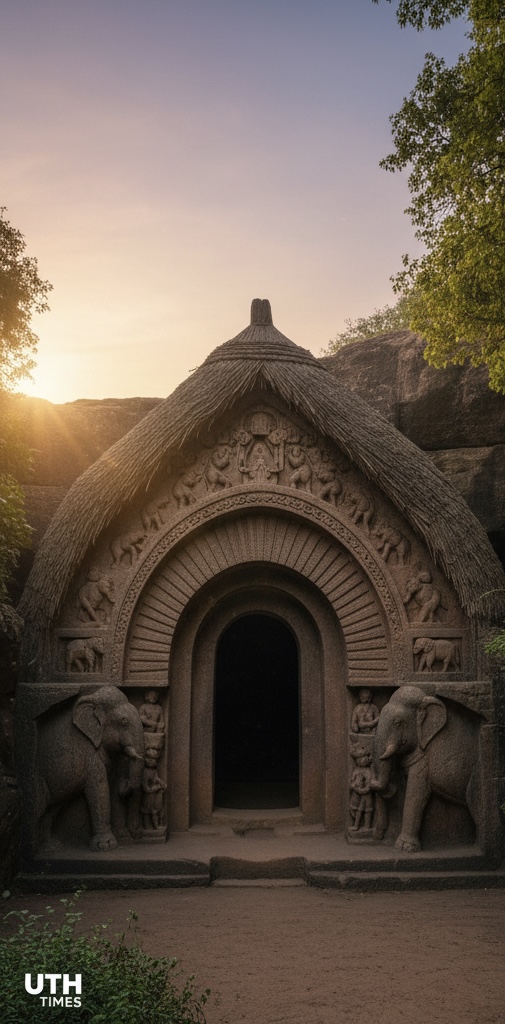
💠 Lomas Rishi Cave, the crown jewel, features a magnificent arched doorway resembling a thatched hut — a design that became the prototype for later Buddhist chaityas.
💠 Sudama Cave, perfectly divided into two chambers, displays the legendary Mauryan polish and acoustic resonance that makes every sound echo like a mantra.
💠 The geometrical perfection and symmetry of the walls reveal not just artistry, but an early understanding of engineering and sound design.
🗿 Legacy Carved in Silence
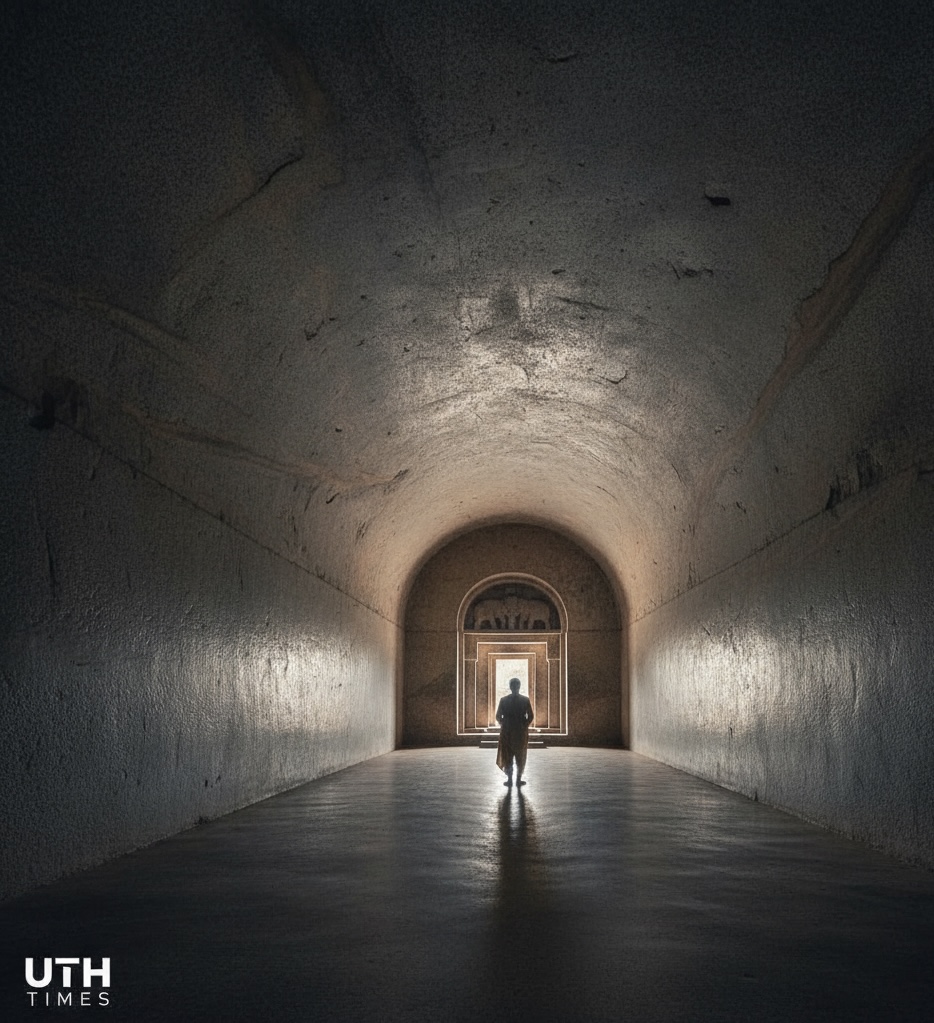
Centuries later, these caves influenced later cave temples across India — from Ajanta to Elephanta. Yet, Barabar remains distinct: raw, minimal, and almost otherworldly. Standing inside, one feels not just history, but harmony — the meeting of human will and natural stone.
🌅 Conclusion
The Barabar Caves are more than relics; they are the first heartbeat of India’s architectural soul. In their silence lies the story of ancient faiths, Mauryan mastery, and the eternal quest to carve eternity out of stone.

