In late December 2025, India silently began construction of its most formidable naval weapon yet—the S-5 Class Nuclear Ballistic Missile Submarine. No ceremonies. No announcements. Just steel being cut and a doctrine being rewritten.
This is not incremental progress. This is a tectonic shift in nuclear deterrence across the Indo-Pacific.
⚓ A Behemoth Beneath the Waves
The S-5 is designed as a true blue-water leviathan—built not for coastal defense, but for persistent, global deterrence.
🔹 Displacement leap
• Arihant class: ~6,000 tonnes
• S-5 class: ~13,500 tonnes
🔹 Why size matters
• Longer underwater endurance
• Greater acoustic stealth
• Vast payload capacity for missiles, sensors, and crew survivability
This is the transition from survivable to unstoppable.
🚀 Firepower Redefined: When Range Decides Power
The S-5’s weapon philosophy is brutally simple: strike from anywhere, without warning.
🔥 Missile architecture
• 12–16 Vertical Launch Tubes (up from 4)
• Designed for K-6 SLBMs
🌍 Global reach
• Estimated range: 6,000–8,000+ km
• MIRV capability — multiple nuclear warheads per missile
From the Bay of Bengal, an S-5 can reach deep into Asia and beyond—rendering adversary “safe zones” obsolete.
⚛️ The 190 MW Heart of a Predator
At the core lies a new 190 MW+ Pressurized Water Reactor—the answer to every limitation of earlier SSBNs.
⚡ What it enables
• Sustained high underwater speeds
• Rapid repositioning across the Indian Ocean
• Ability to evade hunter-killer submarines
The S-5 doesn’t just hide. It hunts invisibly.
🌏 The Geopolitical Shockwave
This project redraws strategic equations for China and beyond.
🧭 The message is unmistakable:
• The Indian Ocean is not contested—it is watched
• Land borders are no longer the sole pressure point
• India’s nuclear triad is now unbreakable
Deterrence has moved from minimum credibility to assured retaliation.
🔧 Construction has begun in Visakhapatnam
⏳ Expected induction: 2030–2032
🌊 By mid-2030s: permanent Continuous At-Sea Deterrence (CASD)
The Ending, Quiet but Absolute
The S-5 is not a weapon meant to be fired.
It exists so that no one ever dares to force that moment.
India has entered the deepest tier of strategic power—and it did so without making a sound.
When Dhurandhar released on December 5, 2025, and audiences began talking about Rakesh Bedi with the kind of awe usually reserved for prestige character actors, it felt like a sudden discovery.
In reality, it was something else: recognition finally catching up to a career that never stopped working.
Bedi’s post-Dhurandhar appreciation has been loud because the performance is loud in impact, but the path to it has been built quietly across films, television sitcoms, and decades of theatre.
Delhi roots, formal training, and the stage-first spine
Born in New Delhi on 1 December 1954, Bedi’s early relationship with performance began in school through mono-acting competitions and later deepened through formal training at FTII, Pune.
He is also associated with Delhi’s theatre ecosystem, an important context because it explains why his performances often carry live, audience-aware timing even on camera.
In a 2018 interview, Bedi put it plainly: theatre was and remains his first love. That line matters because his career has never been screen-only; stage has been a parallel engine running underneath everything else.

The 1980s: Cult comedy and the reliable scene-stealer era
Bedi’s film breakthrough came in the early 1980s when Hindi cinema’s comedy was sharp, character-driven, and often anchored by ensembles.
His work in films like Chashme Buddoor (1981) helped establish him as a comic actor whose humour came from behaviour, not punchlines.
From there, his career expanded into a long run of films, often in supporting or character parts. That supporting actor label can be misleading.
It frequently means being handed the responsibility of making a scene land, keeping momentum alive, and giving the story texture, work that audiences enjoy instantly but industry conversations often under-credit.
The 1980s to 2000s TV boom: When India learned his face by heart
If films made him visible, television made him permanent.
Bedi became a household name through India’s sitcom era, shows that did not just entertain but shaped how comedy was written and performed on Indian TV.
His roles across major comedy series, especially Yeh Jo Hai Zindagi, Shrimaan Shrimati, and Yes Boss, cemented him as an actor with rare strengths: rhythm, innocence, chaos-control, and the ability to make a character iconic without turning them cartoonish.
This era also explains a strange career paradox. When you are too good at comedy and become too familiar, the industry can start seeing you as safe rather than serious.
You keep working constantly, but the due recognition keeps getting postponed.
The theatre decades: Not a side-quest, an entire second legacy
While audiences saw him weekly on television, Bedi kept doing what many screen actors gradually leave behind: regular theatre.
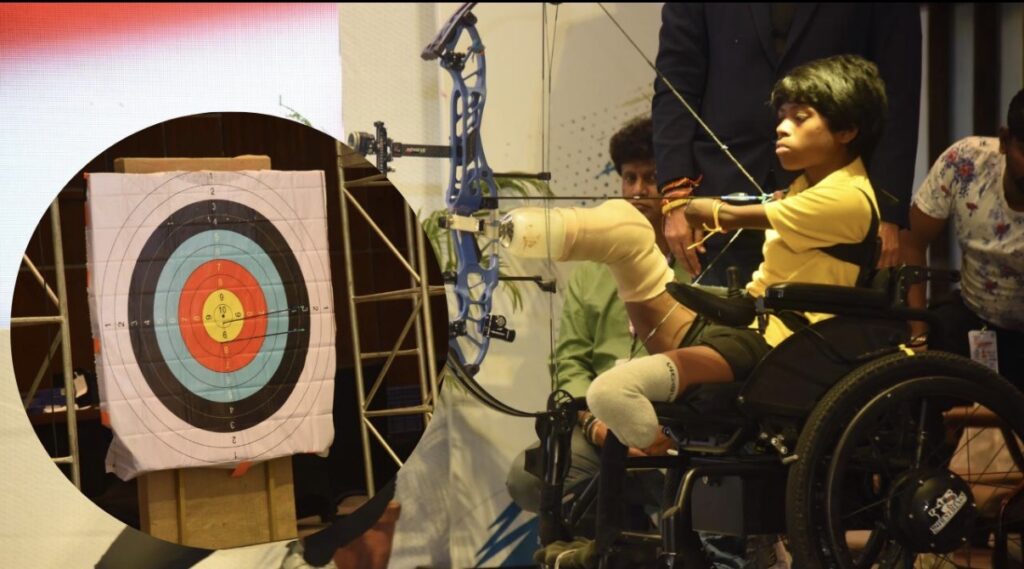
One of the most cited examples is his acclaimed one-man play Massage, where he performs 24 characters on stage.

It is an acting marathon that functions as a live demonstration of range, voice control, and character switching at speed.
He has also been active in contemporary theatre as a writer, director, and performer. He has been credited with writing and directing plays such as Mera Woh Matlab Nahi Tha, along with works like Shimla Coffee House and Jab We Separated.
In 2023, he noted that he had done around 200 shows with Felicity Theatre and described it as his main theatre group, numbers that underline how continuous, not occasional, his stage practice has been.
This theatre continuity is key to understanding Dhurandhar. Stage keeps an actor sharp because you cannot hide behind editing, multiple takes, or camera angles. It builds presence.
The 2010s and 2020s: Reinvention through consistency, not rebranding
In recent years, Bedi continued showing up across mainstream film and TV projects, often in character parts that audiences remember even when they do not remember the character’s name.
The work remained steady, but the public narrative did not shift until he got a role that forced the audience to see him differently.
Dhurandhar: The role that did not change him, only changed the spotlight
In Dhurandhar, Bedi plays Jameel Jamali, a serious political figure in a high-stakes spy thriller world.
What makes this performance resonate is not just the writing, it is the actor’s homework. Bedi has spoken about building the character by observing Pakistani politicians, studying speech patterns, diction, tone, and body language to get the portrayal right.
Then came the emotional aftermath. After the film’s success, casting director Mukesh Chhabra recalled Bedi being moved to tears, saying he had been working for 49 years and still never truly felt like a star until this moment of recognition arrived.
That is the real headline. A veteran did not suddenly become great. Audiences finally got the chance to notice it at scale.
Why people are rewatching his old work after Dhurandhar
The post-Dhurandhar wave is not only new fans. It is also older viewers revisiting his sitcom era and realising something they may have overlooked:
The comedy was not easy comedy, it was craft.
The timing was not loud timing, it was controlled timing.
The supporting roles were often the roles holding the emotional and comedic architecture of scenes together.
In other words, Dhurandhar gave Rakesh Bedi what many long-serving actors wait for: a cultural moment that reframes an entire career.
The “less-known genius” behind Dhurandhar’s soundtrack is Shashwat Sachdev — the film’s composer (songs and background score), and the person most responsible for shaping the album’s overall sound-world.
Why he’s the key name (and why many people missed it) He didn’t just create individual “songs” — he designed an entire sonic universe. The music seamlessly moves between rap, synth-pop bangers, folk-rooted melodies, and intense cinematic tension cues, making the soundtrack feel like an extension of the film’s storytelling rather than a pause in it. The album’s real “secret sauce” lies in smart curation and reinvention. Shashwat and his team reimagined older Indian classics into high-energy, contemporary forms, striking a rare balance between nostalgia and modern sound design. The result feels familiar yet completely fresh.
He also made the soundtrack globally sticky by going cross-border. A standout example is the use of Bahraini rapper Flipperachi’s track Fa9la for a major character entry — a scene cue that unexpectedly crossed over into mainstream pop culture and viral circulation. Shashwat Sachdev isn’t new to the industry — he’s simply been underrated by the masses.
A National Film Award–winning composer for his background score in Uri, his technical confidence and big-cinema instincts are clearly audible throughout Dhurandhar. The “invisible” co-geniuses who amplified the album Even with Sachdev as the primary creative force, two key contributors quietly elevate the album to another level:
Lyric backbone: Irshad Kamil, who wrote most of the lyrics (with a few tracks penned by featured artists), grounding the music emotionally while preserving its cinematic scale. Sound finishing: Justin Jose, who handled the re-recording and final mix — the last layer of polish that makes the music truly hit inside a theatre.
All songs on the official album (11 tracks) and what they do in the movie Below is the complete album tracklist and the narrative or cinematic function each song serves inside the film. 1) Dhurandhar – Title Track
A high-voltage “mission statement” song with modern Punjabi and hip-hop energy, built on a classic remake. It sets the film’s core attitude and functions as its signature theme. 2) Ishq Jalakar – Karvaan
The modern qawwali pulse of the movie. Recreated from the classic Na To Karvan Ki Talash Hai / Yeh Hai Ishq Ishq lineage, it injects scale and gravitas, becoming the film’s big “heritage meets modern spy-thriller” moment. 3) Gehra Hua
The romance anchor of the film. It carries the emotional breathing space within an otherwise gritty spy narrative, grounding the story through intimacy and vulnerability. 4) Tere Ni Kararan
Pure Punjabi swagger energy, reimagined from a Lal Chand Yamla Jatt classic. In the film’s flow, it works as a cool, kinetic vibe track used during momentum-driven or attitude-heavy stretches. 5) Run Down The City – Monica
A retro-modern club and party banger built on the legacy of Piya Tu Ab To Aja. It acts as the film’s “fun chaos” release valve, breaking tension without disrupting pace. 6) Shararat
A flashy, crowd-facing item number featuring special appearances. Designed as an event song, it brings spectacle and mass appeal while aiming for viral recall. 7) Ez-Ez
The action-montage and chaos anthem of the film. Teasing violence, gunshots, explosions, and raw emotion, this track translates the film’s combat intensity directly into music. 8) Lutt Le Gaya
A mood-shifter rather than an anthem. More melody-led, it functions as a story-color song during the middle portions of the film, often supporting emotional turns or internal conflict. 9) Move – Yeh Ishq Ishq
Another qawwali-heritage reinvention connected to Yeh Hai Ishq Ishq. It works as an attitude and tempo bridge, sustaining the film’s identity of old-world poetry fused with modern pacing. 10) Naal Nachna
The film’s pure dance-energy Punjabi track. Built to spike tempo and keep the theatrical energy high when the narrative needs a lift. 11) Ramba Ho
A Bappi Lahiri-era throwback remix reworked for contemporary audiences. It delivers a strong retro punchline — the kind of song audiences remember walking out of the theatre. Bonus: Non-album needle drops that became iconic in the film These tracks are not part of the official 11-song album but play a crucial role in shaping the film’s texture and character identity.
Fa9la by Flipperachi — used during a key character sequence, functioning as a dramatic entry theme and adding an unexpected global edge to the film’s soundscape.
Hawa Hawa and Dum Maro Dum — classic callbacks used for character introductions and vibe-setting moments, reinforcing nostalgia and cultural memory.
India is preparing for a strategic leap in space-based security. In a major announcement, the Chief of Indian Space Research Organisation (ISRO) revealed plans to deploy 100–150 satellites over the next three years — a move aimed at dramatically strengthening border surveillance, intelligence gathering, and national security readiness. This is not just an expansion of satellites; it’s the birth of an orbital security architecture.
🛰️ The Plan: A Dense Constellation, Not Isolated Satellites
Unlike traditional single-satellite missions, this initiative focuses on constellation-based deployment.
🔹 Low Earth Orbit (LEO) satellites for high-resolution, frequent imaging
🔹 Near-real-time monitoring of land borders, coastlines, and sensitive zones
🔹 Persistent coverage — no blind spots, no long revisit gaps
This layered constellation ensures that every strategic inch of India’s borders is observed multiple times a day, transforming how threats are detected and tracked.
🛡️ Why Border Security Needs Space Power
India’s borders stretch across mountains, deserts, dense forests, and oceans — terrains where human surveillance is limited.
✨ Space-based monitoring enables:
🚨 Detection of infiltration attempts in real time
🚚 Tracking of unauthorised movements and logistics
🌊 Enhanced coastal and maritime domain awareness
🔥 Early warning for conflict escalation or unusual activity
This system acts as a silent guardian, watching even when ground forces cannot.
🧠 Intelligence, Integration & Military Readiness
These satellites won’t operate in isolation.
🧩 They will be integrated with:
🛰️ Existing military satellites
🧠 AI-driven image analysis systems
📡 Ground-based radar & drone networks
The result? Actionable intelligence, not just images — enabling faster decisions, quicker deployments, and strategic dominance.
🇮🇳 Atmanirbhar Bharat in Orbit
This ambitious expansion reinforces India’s push for self-reliance in critical technologies.
Boost to private space startups and defence-tech ecosystem
Long-term reduction in dependence on foreign surveillance data
India isn’t just securing borders — it’s building sovereign space power.
🌍 Beyond Security: Dual-Use Advantages
While security is the core driver, these satellites will also support:
🌱 Disaster management
🌾 Agricultural monitoring
🛣️ Infrastructure planning
🌊 Climate & environmental tracking
A single constellation — multiple national benefits.
This 150-satellite vision marks a doctrinal shift: from reactive defence to predictive, space-enabled security. As India fortifies its borders from orbit, the message is clear — the future of national security is written in the stars, and India is ready.
India is preparing for a transportation milestone. On August 15, 2027, the country will witness the historic launch of its first-ever bullet train, inaugurating the Mumbai–Ahmedabad High-Speed Rail Corridor. The date is symbolic — Independence Day — marking India’s liberation not only in spirit, but now in speed, technology, and ambition.
🚆 ⚙️ The MAHSR Corridor: India’s High-Speed Backbone
📏 Epic Specs
🚄 Length: ~508 km from Mumbai (Maharashtra) to Ahmedabad (Gujarat)
⚡ Speed: 320 km/h — reducing travel time from 8 hours ➝ just 2–2.5 hours
🏢 Stations: 12 ultra-modern stops including Thane, Surat, Vadodara & Vapi
🧬 Technology: Japan’s world-famous Shinkansen system for precision, earthquake-proofing & safety
🏗️ Symbolism: Represents India’s shift from delayed rails ➝ to bullet-fast execution
This is not just a train — it is India saying to the world: we have arrived.
📅 Phased Launch: Smart Rollout Strategy
Rather than opening the full track at once, the Indian Railways will execute a strategic phased release:
Deep in the Himalayan silence, where snow whispers and time dissolves, destiny staged a divine confrontation — Kamdev, the god of desire, dared to aim his floral bow at the supreme ascetic, Lord Shiva. What happened next became one of the most defining spiritual moments in Hindu mythology.
🌼 Why Kamdev Took the Ultimate Risk — Desire as a Cosmic Duty
Kamdev did not act out of mischief — he acted for the survival of creation itself.
✨ His Divine Purpose
🌺 Shiva’s endless tapasya threatened balance — the world needed the birth of Kartikeya to defeat the demon Tarakasura.
🌺 Parvati’s devotion awaited fulfilment — love had to awaken for union to manifest.
🌺 Kamdev became the chosen spark — willingly stepping into danger.
✨ Kamdev’s Floral Weapon — A Symbolic Strike
🌸 Flowers show desire appears softly — never forceful, always seductive.
🌸 His arrows target the mind, proving temptation begins internally.
🌸 His presence represents life, fertility, and continuity of existence.
🔥 Shiva’s Third Eye Ignites — The Fire of Ultimate Truth
In a single micro-second, meditation turned into cosmic eruption. Shiva — unmoving like the eternal mountain — opened his third eye.
✨ What the Third Eye Represents
🔥 Awareness that sees beyond illusion (Maya)
🔥 Fire that burns ego, uncontrolled craving, and attachment
🔥 State where divinity is not emotional — but absolute and impartial
✨ The Incineration
⚡ Kamdev was reduced to ash — but not out of rage
⚡ Shiva did not kill desire — he purified it
⚡ Love was transformed, not destroyed — returning later in subtler, divine form
🌌 Witnessing the Unthinkable — The Universe Holds Its Breath
Celestial beings, nature, and Parvati herself felt the tremor of this act.
✨ Cosmic Observations
🪷 Destruction here was evolution — ego burned, destiny awakened
🪷 Even gods must sometimes sacrifice for balance
🪷 Kamdev’s fall became a reminder: uncontrolled passion blinds, but aligned desire enlightens
🕉 The Eternal Lesson — A Scripture for Human Life
This moment is not just mythology — it is a mirror for every seeker.
✨ Spiritual Takeaway
💠 Desire is a tool — not a master
💠 Too much attachment consumes; total denial disconnects
💠 Balance between desire and discipline is the true path of liberation
Kamdev vanished — but love remained, now sacred, refined, and eternal. His sacrifice etched a universal truth: sometimes, fire destroys not to end — but to elevate.
🌏 Setting the Stage: A New Era in India-Australia Trade
From January 1, 2026, a historic shift in global trade is set in motion as Australia abolishes tariffs on all Indian goods under the India-Australia Economic Cooperation and Trade Agreement (ECTA) — a pact that has been carefully phased in since its entry into force in December 2022. This landmark move signifies the fullest expression yet of one of India’s most ambitious trade agreements with a developed economy, bringing every tariff line to zero duty and massively enhancing market access for Indian exporters in a high-income market.
🚀 Why This Moment Matters: A Trade Game-Changer
📈 🔥 Zero Tariffs = Unlimited Opportunity
✔️ From January 1, 2026, 100 % of Australian tariff lines on Indian exports will attract zero customs duty — meaning goods ranging from textiles to machinery can enter Australia without additional taxation.
✔️ Until now, Australia had already eliminated tariffs on the vast majority of Indian exports; this final phase completes the transition.
✔️ This is especially powerful for labour-intensive sectors and MSMEs, where thinner margins now gain breathing room to price aggressively and scale exports.
Impact Snapshot:
👉 Indian manufacturing goods
👉 Textiles & leather products
👉 Chemicals & pharmaceuticals
👉 Petroleum goods
👉 Gems & jewellery
👉 Agriculture & processed foods
All now enjoy frictionless entry into the Australian market.
🤝 How ECTA Built This Bridge
The India-Australia ECTA, which came into force at the end of 2022, was designed to systematically dismantle tariff barriers on both sides. Before this final phase:
🔹 Australia had already moved to tariff-free access on well over 90% of Indian export value.
🔹 India also offered concessions on a range of goods, strengthening reciprocal access.
🔹 The phased approach ensured stable adjustment and allowed exporters to adapt strategically.
This infrastructure now culminates in a true duty-free regime, providing clarity and predictability for businesses.
💼 Real Gains Beyond Numbers
📊 India’s exports to Australia have already grown impressively — recording an 8 % rise in 2024-25 under ECTA’s influence — and the fully duty-free regime is expected to accelerate this further.
✨ Agri & Food Processing: Farmers and processors find new outlets for produce.
✨ Services & Supply Chains: Stronger linkages, especially through mutual recognition arrangements like organic products.
✨ MSMEs: Easier access means greater scale and global reach.
⚡ Strategic Implications: A Partnership Beyond Trade
This is not just economics — it’s strategy. By deepening economic ties, both nations solidify a partnership that enhances regional supply chain resilience, diversifies trade away from traditional partners, and reinforces Indo-Pacific cooperation.
🔚 The Dawn of a Dynamic Trade Frontier
As Australia drops tariffs on all Indian goods, a new trade frontier unfolds. Indian exporters gain unfettered access to a premium market, while Australia taps into India’s dynamic production ecosystem. This is not merely a policy shift — it is a strategic alliance transforming bilateral trade, economic growth, and shared prosperity.
Before Rama raised his bow against Ravana, he raised his heart in devotion. His pause before war was not hesitation— it was a declaration that no action is righteous unless aligned with divine purpose.
👑 I. Humility of the Ideal Ruler
Lord Rama, hailed as Maryada Purushottam, is often remembered for courage, dharma, and kingly duty. Yet the greatest revelation of his character lies in this moment of surrender—when even an incarnation of Vishnu bows to the Mother Goddess.
What This Symbolizes:
🌺 🕉️ Strength is borrowed, not owned
🌺 👑 Power is purified when ego dissolves
🌺 🔱 Leadership blossoms when guided by a higher force
Rama’s humility redefines what it means to rule: authority must be anchored in reverence, not arrogance.
🌙 II. Worship Before War — Choosing Dharma Over Pride
The battle against Ravana was not a personal feud, but the restoration of balance. Before stepping into the battlefield, Rama invoked Shakti through sacred worship—seeking blessings to act as an instrument of dharma, not a conqueror.
Deeper Insight:
🪷 Shakti is the cosmic force that sustains courage and protection
🪷 Valor without divine alignment becomes violence
🪷 Victory gained through ego is defeat in disguise
Rama ensured his mission carried purity in intention—turning war into a spiritual vow.
🔥 III. Shakti — The Feminine Energy Behind Every Triumph
In Hindu cosmology, even gods are incomplete without the feminine. Vishnu–Lakshmi, Shiva–Parvati, Rama–Shakti—divinity is always dual.
Rama’s worship is a universal truth:
No being, however exalted, can conquer darkness without first invoking the light.
Lessons Hidden in This Act:
✨ True power flows through Shakti, never around it
✨ Courage is strongest when rooted in surrender
✨ Moral balance is sustained by the sacred feminine
This reverence brings balance to masculine force—preventing strength from becoming tyranny.
🕊️ IV. The Modern Takeaway — Leadership Rewritten
Rama teaches today’s world—from political leaders to dream-chasers—that success must begin with grounding.
🧭 Bow to purpose before you chase victory
🧭 Humility is a strategy, not a weakness
🧭 Divine connection turns action into destiny
When we let ego step aside, Shakti enters—and life transforms.
🌈 The Prayer Behind the Power
Rama’s worship whispers across ages:
“Let my victory be Yours. Let my action be pure.”
In surrender, he found Shakti. And in Shakti, he found triumph.
There are temples — and then there are places where the universe itself bends in silence. These rare old photos of Mahadev’s divine shrines capture not stone… but shakti — frozen in time.
🕉️ THE SACRED TEN — WHERE SHIVA BREATHES THROUGH AGES
1️⃣ Kedarnath, Uttarakhand — Where Earth Touches Heaven
Nestled at 3,583 m in the snow-clad Himalayas, Kedarnath is not just a Jyotirlinga — it’s a test of devotion. ❄️
🪶 Believed to be established by Pandavas seeking liberation
🕯️ Ancient stone architecture said to have stood against centuries of storms Here, the air is thin — but faith is thick enough to carry you.
2️⃣ Sri Amarnath Cave Temple, J&K — Ice That Speaks
In this mystical cave, an ice-lingam forms naturally each year — believed to be Shiva himself manifesting.
🔺 Legend: Lord Shiva revealed the secret of immortality (Amar Katha) here to Parvati
🕉️ A trek through glaciers and cliffs — where every breath is a prayer
3️⃣ Mahakaleshwar Jyotirling, Ujjain — Time Bows Here
This is the only Jyotirlinga facing south, symbolizing Mahakala — the Lord of Time.
🔥 Famous for its Bhasma Aarti performed with sacred ash A temple where dawn begins with fire… and ends with surrender.
4️⃣ Omkareshwar, Madhya Pradesh — The Island Shaped Like OM
Floating on river Narmada’s island of Mandhata (ॐ) itself — Omkareshwar is devotion carved by nature.
🌊 Pilgrims say even the winds whisper the mantra “Om Namah Shivaya.”
5️⃣ Kashi Vishwanath, Uttar Pradesh — Moksha’s Final Doorway
Ancient texts say — Shiva whispers the Taraka Mantra here at death.
🛕 One of the world’s most worshipped Shiva shrines
🌙 A place where life and liberation meet
6️⃣ Somnath, Gujarat — Temple Death Couldn’t Kill
Destroyed 17 times by invaders, rebuilt each time — Somnath is a heartbeat that refuses to stop.
🏹 Testament to India’s spiritual spine
🏛️ Overlooking the Arabian Sea — where waves chant endlessly
7️⃣ Nageshwar Jyotirling, Gujarat Protector From Poison
Known for shielding devotees from negativity and venom — physical or emotional.
🧿 Ancient lore: Shiva killed the serpent demon Daruka here
8️⃣ Grishneshwar, Maharashtra — Final Jyotirling, Final Realization
Close to Ellora Caves — a fusion of art, history, and divinity.
💎 Carved pillars echo ancient sculptors’ devotion
🕍 The smallest — yet spiritually the most intimate shrine
9️⃣ Bhimashankar, Maharashtra — Jungle of Legends
Hidden inside the Sahyadris, shielded by forests and fog —
🐅 Here, Shiva defeated the demon Bhima
🌧️ Origin of sacred Bhima River
🔟 Trimbakeshwar, Maharashtra — Where the Holy River Is Born
The cradle of River Godavari — believed to wash away karmas.
🔱 Home of the trinity-lingam — Brahma, Vishnu & Shiva
These aren’t monuments.
They are portals — where every stone hums “Har Har Mahadev.”
Once in a lifetime… witness them — before life itself ends.
India is crafting a maritime behemoth — the Project 18 (P-18) Next-Generation Destroyer (NGD) — set to redefine naval warfare and power projection. Designed to be the most potent surface combatant in the Indian fleet, this warship promises unparalleled striking power, advanced sensors, and sovereign combat capability.
🛡️ A Colossus at Sea: Displacement & Classification
🔹 Massive Displacement: At an estimated 13,000 tonnes, the P-18 dwarf’s India’s current Visakhapatnam-class destroyers and might be classified internationally as a cruiser due to its sheer size.
🔹 Flagship Potential: This next-level surface combatant is slated to be among the largest indigenous warships ever produced, marking India’s ambition to dominate deep-water engagements in the Indo-Pacific.
🚀 Arsenal Unleashed: 144 Missiles of Destruction
🔥 Formidable Vertical Launch System (VLS):
The P-18 is designed with 144 VLS cells — triple the missile load of current Indian destroyers — making it one of the most heavily armed warships globally.
✨ Layered Firepower Configuration:
• 🛫 Long-Range Air Defense: ~32 VLS dedicated to long-range SAMs (like PGLRSAM) protecting from aircraft and ballistic threats.
• 💥 Strike Power: ~48 cells for BrahMos extended-range supersonic cruise missiles and indigenous cruise missiles targeting ships or land objectives.
• 🛡️ Short-Range Defense: ~64 cells for very short-range surface-to-air missiles, creating a tight defensive bubble.
This layered configuration enables the P-18 to fight in anti-air, anti-surface, and layered defense scenarios — a true multi-domain powerhouse.
📡 Eyes That Never Blink: Advanced Sensors & Tracking
👁️🗨️ State-of-the-Art Radar Suite:
Equipped with four AESA radar panels and advanced sensor arrays developed by DRDO and BEL, the ship can detect and track threats beyond 500 km — a strategic edge in modern warfare.
🔍 360° Battlefield Awareness:
The integrated radar and sensor suite delivers comprehensive situational awareness, allowing simultaneous tracking of multiple aerial and surface threats — a critical capability in contested waters.
🛠️ Indigenous Design & Versatile Combat Roles
🇮🇳 Atmanirbhar Bharat Vision:
With around 75% indigenous content, Project 18 aligns with India’s self-reliance goals, showcasing cutting-edge naval engineering and domestic tech integration.
⚙️ Multi-Role Warfare:
• 🚁 Operates two multi-role helicopters
• 🤖 Launches autonomous underwater drones
• 🪖 Performs anti-submarine, anti-air, and surface warfare missions
This adaptability makes P-18 a true warfighting platform across conflict spectrums.
🏁 Conclusion: A Strategic Game-Changer
The Project 18 destroyer isn’t just a ship — it’s India’s bold statement to the world. By integrating immense firepower, long-range sensors, and indigenous systems, it positions the Indian Navy as a decisive force in the Indo-Pacific and beyond. As maritime competition intensifies, this next-generation destroyer could very well be the crown jewel of India’s future fleet.