
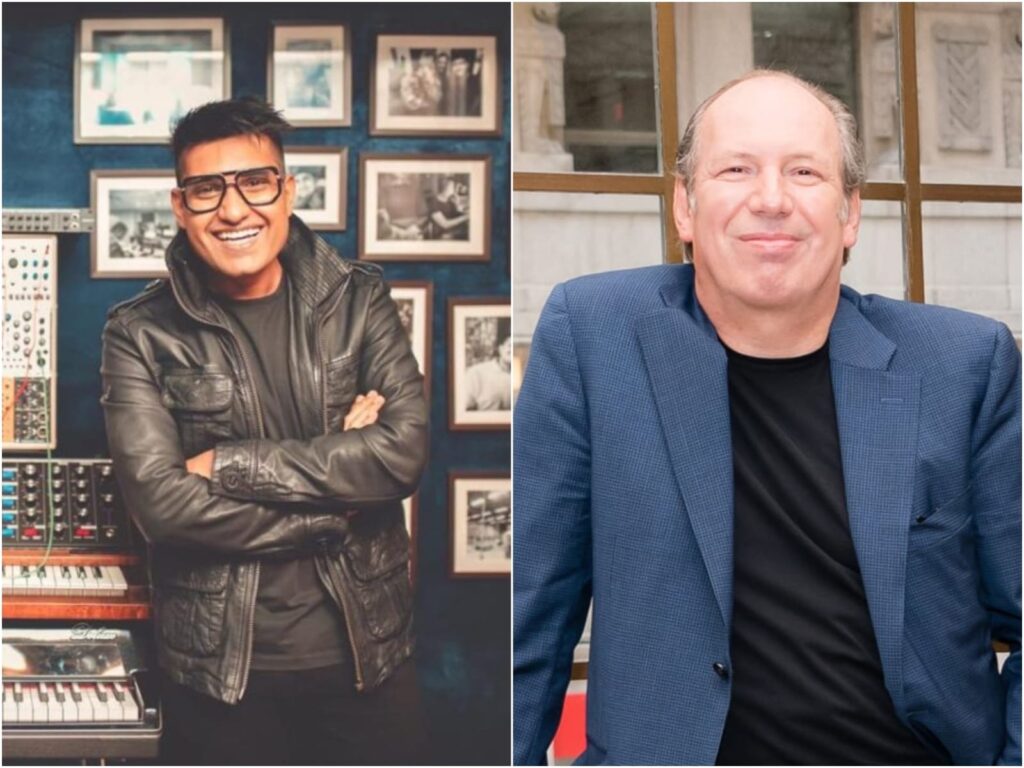
The “less-known genius” behind Dhurandhar’s soundtrack is Shashwat Sachdev — the film’s composer (songs and background score), and the person most responsible for shaping the album’s overall sound-world.

Why he’s the key name (and why many people missed it)
He didn’t just create individual “songs” — he designed an entire sonic universe. The music seamlessly moves between rap, synth-pop bangers, folk-rooted melodies, and intense cinematic tension cues, making the soundtrack feel like an extension of the film’s storytelling rather than a pause in it.
The album’s real “secret sauce” lies in smart curation and reinvention. Shashwat and his team reimagined older Indian classics into high-energy, contemporary forms, striking a rare balance between nostalgia and modern sound design. The result feels familiar yet completely fresh.

He also made the soundtrack globally sticky by going cross-border. A standout example is the use of Bahraini rapper Flipperachi’s track Fa9la for a major character entry — a scene cue that unexpectedly crossed over into mainstream pop culture and viral circulation.
Shashwat Sachdev isn’t new to the industry — he’s simply been underrated by the masses.

A National Film Award–winning composer for his background score in Uri, his technical confidence and big-cinema instincts are clearly audible throughout Dhurandhar.
The “invisible” co-geniuses who amplified the album
Even with Sachdev as the primary creative force, two key contributors quietly elevate the album to another level:

Lyric backbone: Irshad Kamil, who wrote most of the lyrics (with a few tracks penned by featured artists), grounding the music emotionally while preserving its cinematic scale.
Sound finishing: Justin Jose, who handled the re-recording and final mix — the last layer of polish that makes the music truly hit inside a theatre.
All songs on the official album (11 tracks) and what they do in the movie
Below is the complete album tracklist and the narrative or cinematic function each song serves inside the film.
1) Dhurandhar – Title Track
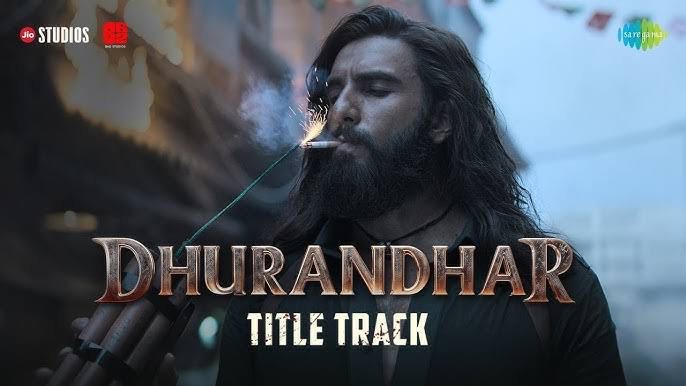
A high-voltage “mission statement” song with modern Punjabi and hip-hop energy, built on a classic remake. It sets the film’s core attitude and functions as its signature theme.
2) Ishq Jalakar – Karvaan
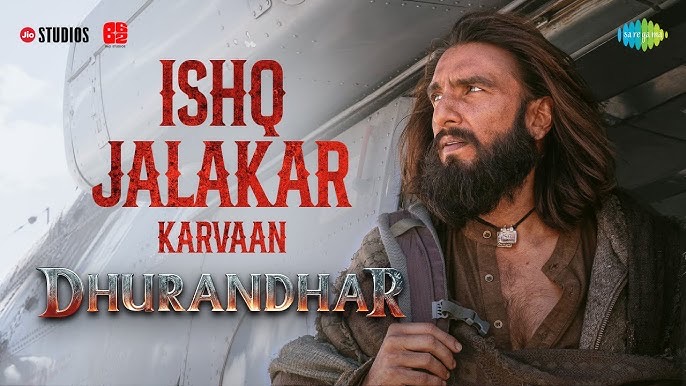
The modern qawwali pulse of the movie. Recreated from the classic Na To Karvan Ki Talash Hai / Yeh Hai Ishq Ishq lineage, it injects scale and gravitas, becoming the film’s big “heritage meets modern spy-thriller” moment.
3) Gehra Hua
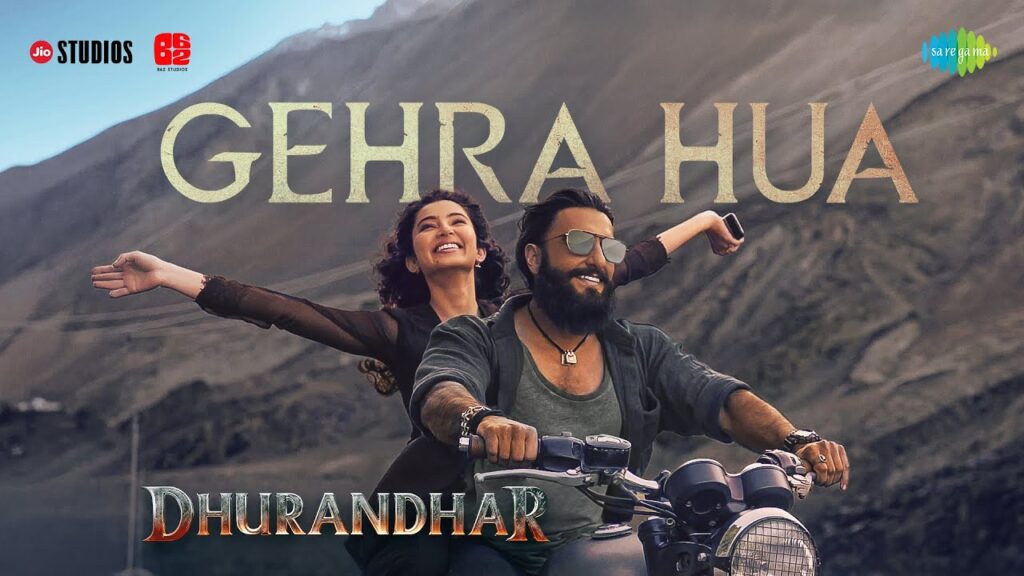
The romance anchor of the film. It carries the emotional breathing space within an otherwise gritty spy narrative, grounding the story through intimacy and vulnerability.
4) Tere Ni Kararan
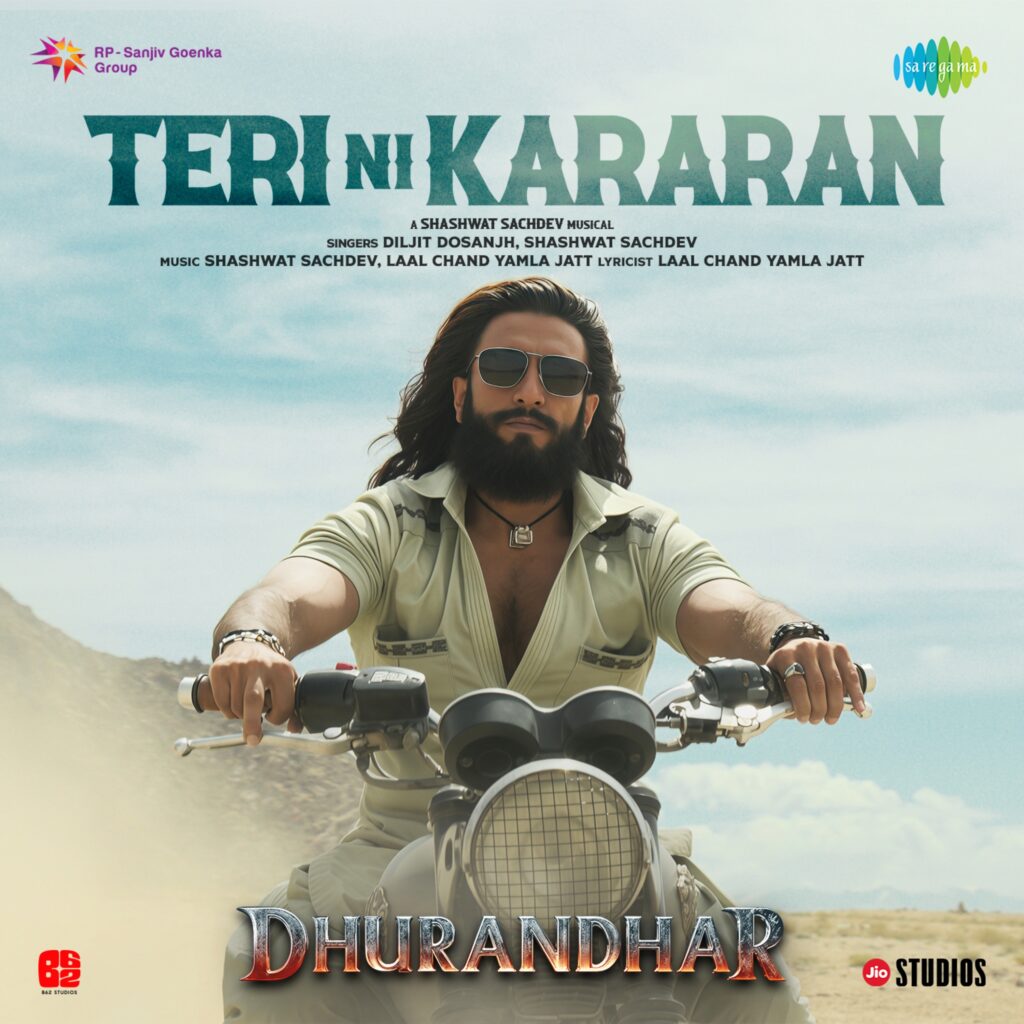
Pure Punjabi swagger energy, reimagined from a Lal Chand Yamla Jatt classic. In the film’s flow, it works as a cool, kinetic vibe track used during momentum-driven or attitude-heavy stretches.
5) Run Down The City – Monica
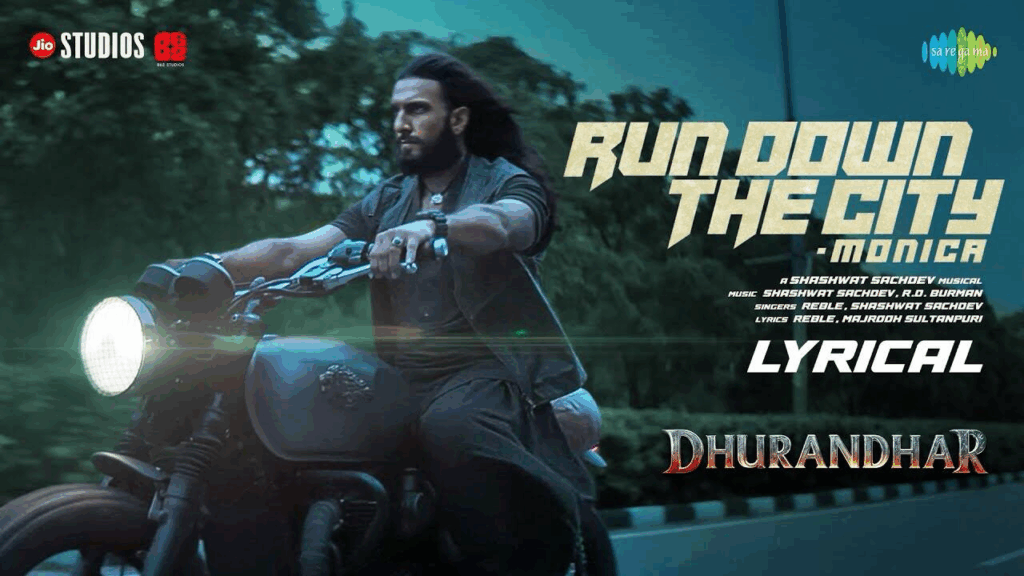
A retro-modern club and party banger built on the legacy of Piya Tu Ab To Aja. It acts as the film’s “fun chaos” release valve, breaking tension without disrupting pace.
6) Shararat
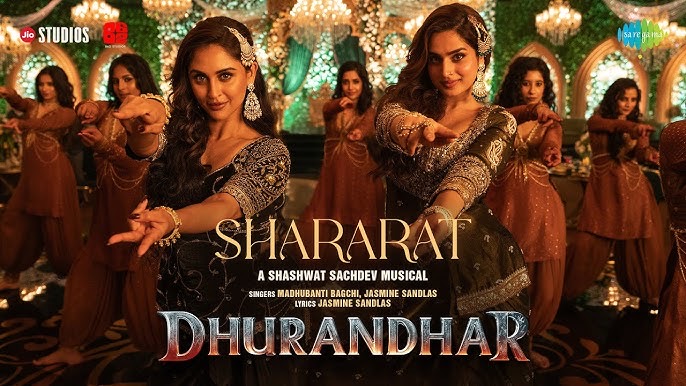
A flashy, crowd-facing item number featuring special appearances. Designed as an event song, it brings spectacle and mass appeal while aiming for viral recall.
7) Ez-Ez
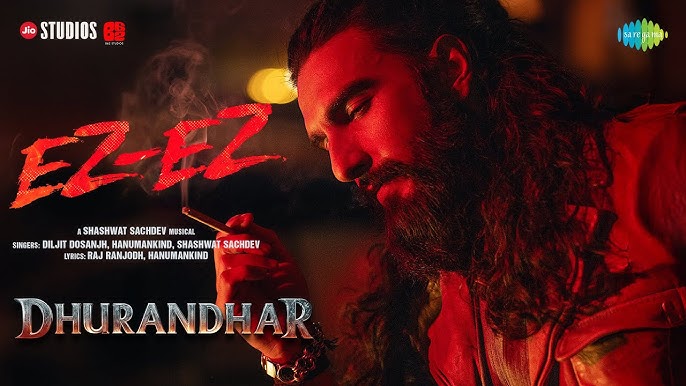
The action-montage and chaos anthem of the film. Teasing violence, gunshots, explosions, and raw emotion, this track translates the film’s combat intensity directly into music.
8) Lutt Le Gaya
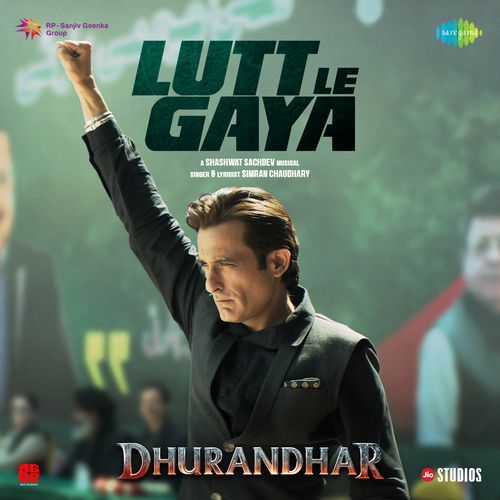
A mood-shifter rather than an anthem. More melody-led, it functions as a story-color song during the middle portions of the film, often supporting emotional turns or internal conflict.
9) Move – Yeh Ishq Ishq
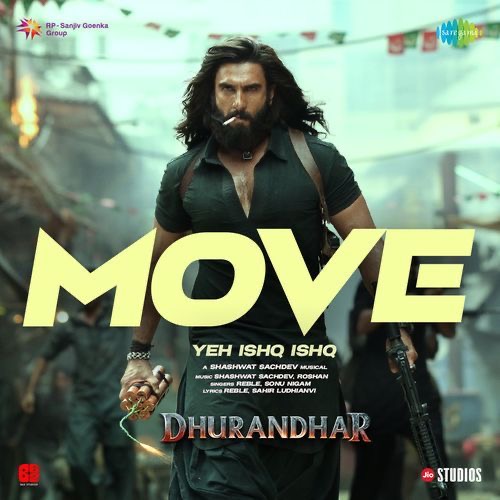
Another qawwali-heritage reinvention connected to Yeh Hai Ishq Ishq. It works as an attitude and tempo bridge, sustaining the film’s identity of old-world poetry fused with modern pacing.
10) Naal Nachna
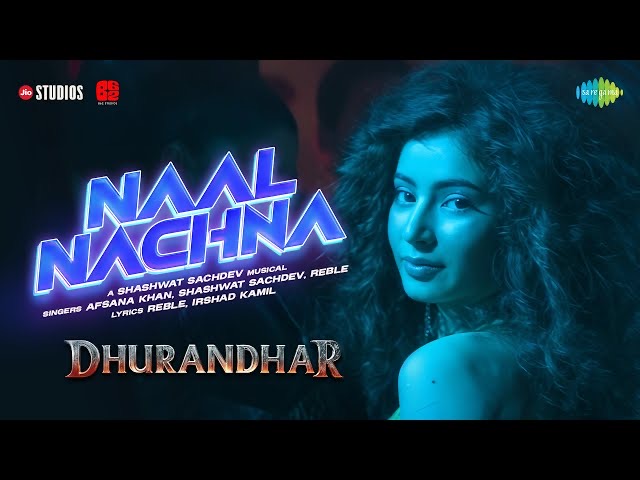
The film’s pure dance-energy Punjabi track. Built to spike tempo and keep the theatrical energy high when the narrative needs a lift.
11) Ramba Ho
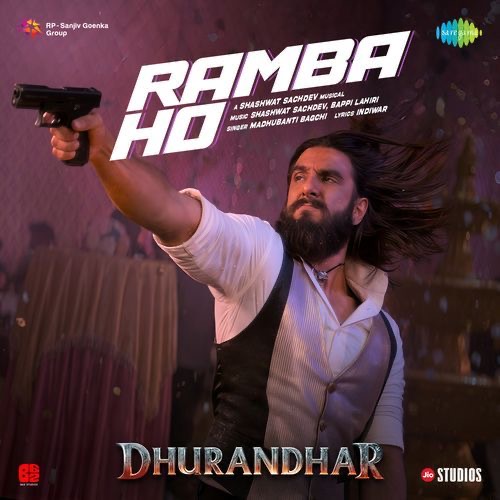
A Bappi Lahiri-era throwback remix reworked for contemporary audiences. It delivers a strong retro punchline — the kind of song audiences remember walking out of the theatre.
Bonus: Non-album needle drops that became iconic in the film
These tracks are not part of the official 11-song album but play a crucial role in shaping the film’s texture and character identity.
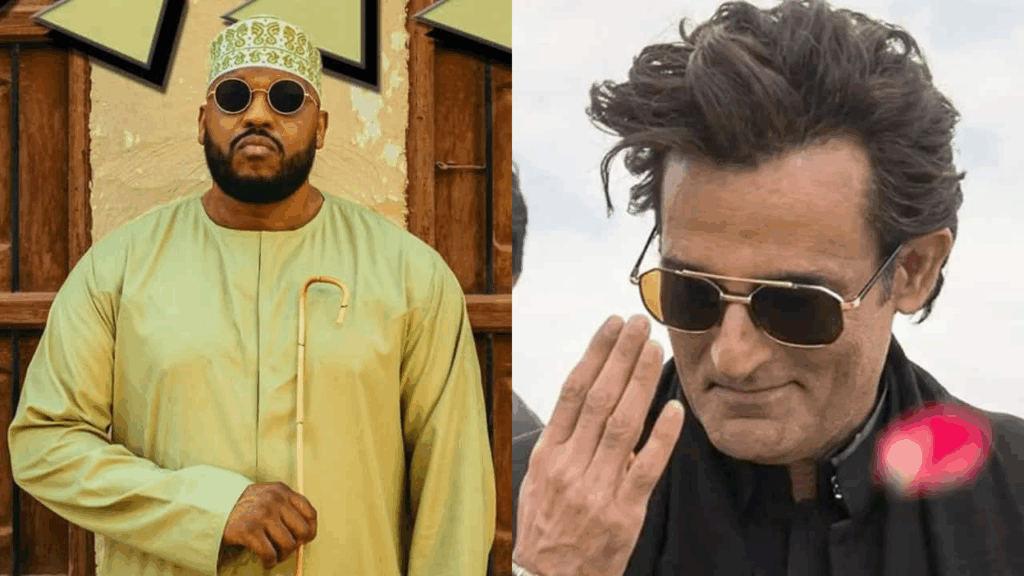
Fa9la by Flipperachi — used during a key character sequence, functioning as a dramatic entry theme and adding an unexpected global edge to the film’s soundscape.
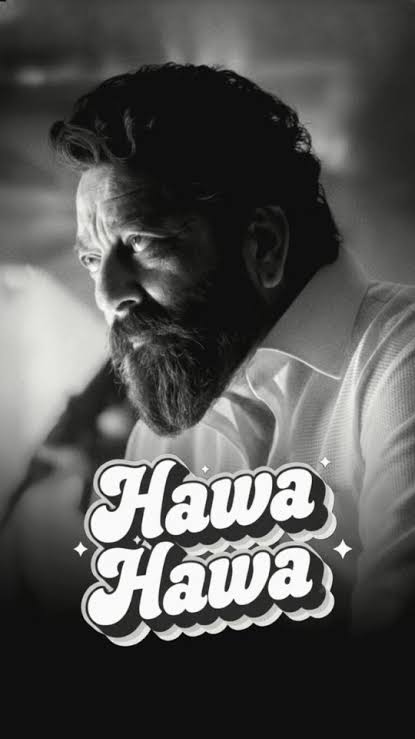
Hawa Hawa and Dum Maro Dum — classic callbacks used for character introductions and vibe-setting moments, reinforcing nostalgia and cultural memory.

