
When Dhurandhar released on December 5, 2025, and audiences began talking about Rakesh Bedi with the kind of awe usually reserved for prestige character actors, it felt like a sudden discovery.
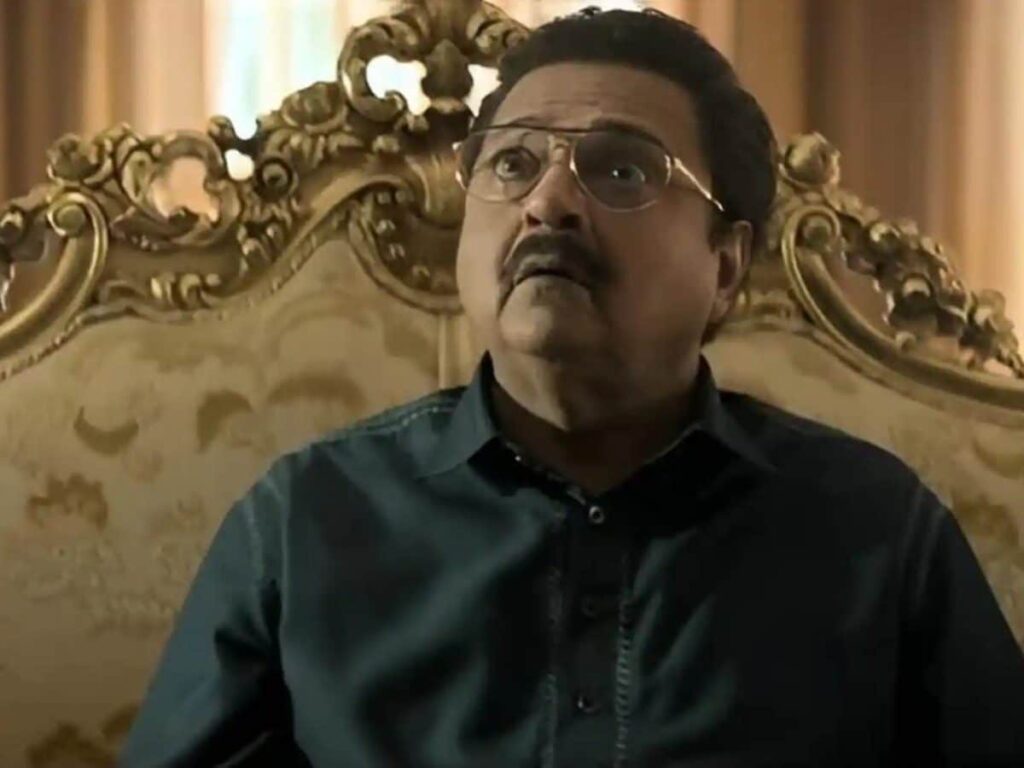
In reality, it was something else: recognition finally catching up to a career that never stopped working.
Bedi’s post-Dhurandhar appreciation has been loud because the performance is loud in impact, but the path to it has been built quietly across films, television sitcoms, and decades of theatre.
Delhi roots, formal training, and the stage-first spine
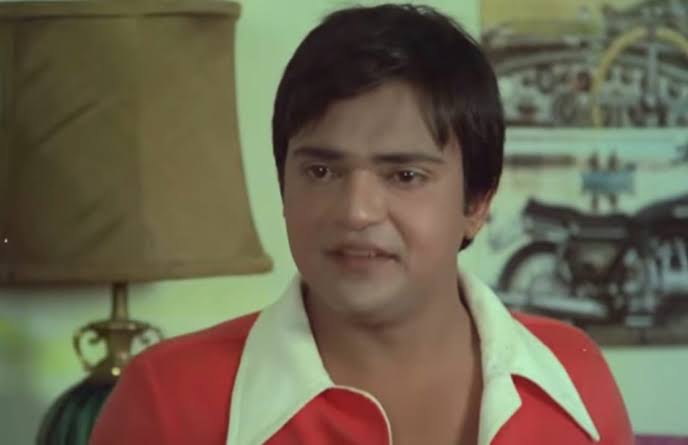
Born in New Delhi on 1 December 1954, Bedi’s early relationship with performance began in school through mono-acting competitions and later deepened through formal training at FTII, Pune.
He is also associated with Delhi’s theatre ecosystem, an important context because it explains why his performances often carry live, audience-aware timing even on camera.
In a 2018 interview, Bedi put it plainly: theatre was and remains his first love. That line matters because his career has never been screen-only; stage has been a parallel engine running underneath everything else.
The 1980s: Cult comedy and the reliable scene-stealer era
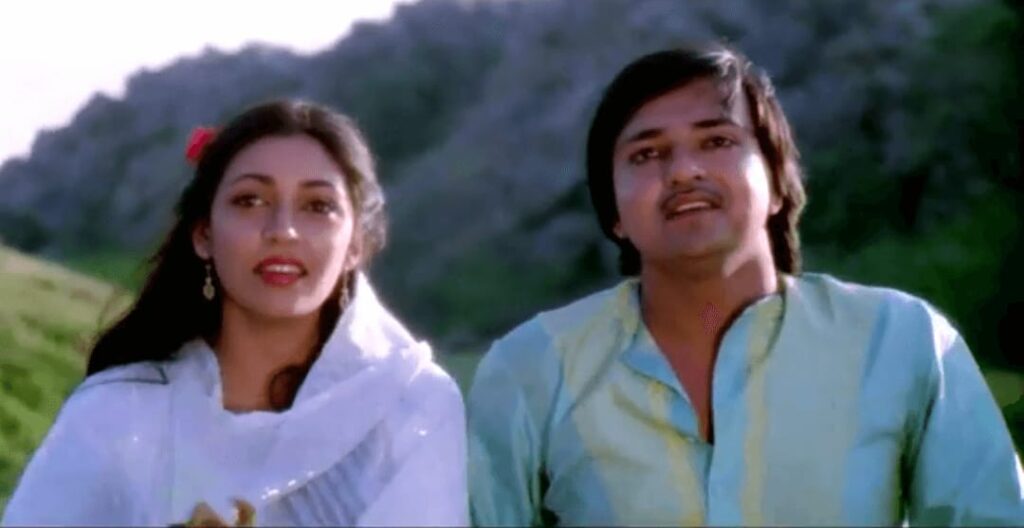
Bedi’s film breakthrough came in the early 1980s when Hindi cinema’s comedy was sharp, character-driven, and often anchored by ensembles.
His work in films like Chashme Buddoor (1981) helped establish him as a comic actor whose humour came from behaviour, not punchlines.
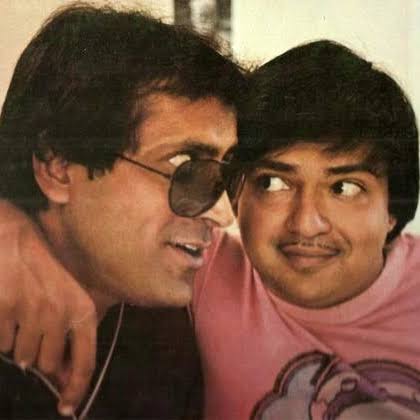
From there, his career expanded into a long run of films, often in supporting or character parts. That supporting actor label can be misleading.
It frequently means being handed the responsibility of making a scene land, keeping momentum alive, and giving the story texture, work that audiences enjoy instantly but industry conversations often under-credit.
The 1980s to 2000s TV boom: When India learned his face by heart
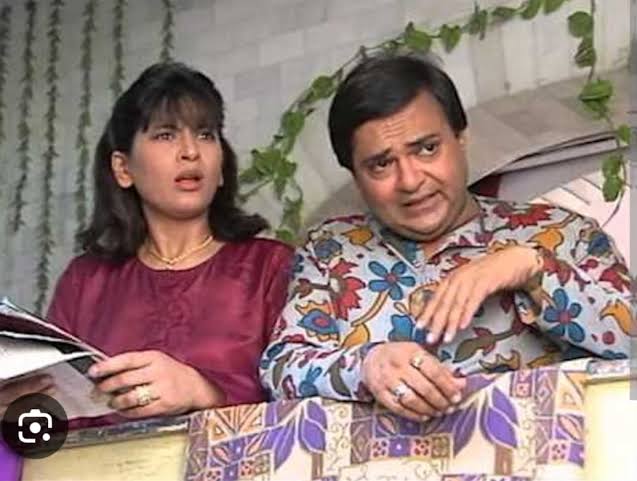
If films made him visible, television made him permanent.
Bedi became a household name through India’s sitcom era, shows that did not just entertain but shaped how comedy was written and performed on Indian TV.
His roles across major comedy series, especially Yeh Jo Hai Zindagi, Shrimaan Shrimati, and Yes Boss, cemented him as an actor with rare strengths: rhythm, innocence, chaos-control, and the ability to make a character iconic without turning them cartoonish.
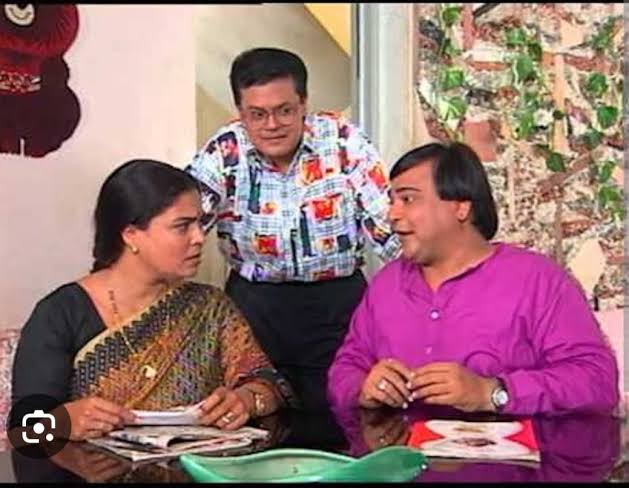
This era also explains a strange career paradox. When you are too good at comedy and become too familiar, the industry can start seeing you as safe rather than serious.
You keep working constantly, but the due recognition keeps getting postponed.
The theatre decades: Not a side-quest, an entire second legacy
While audiences saw him weekly on television, Bedi kept doing what many screen actors gradually leave behind: regular theatre.
One of the most cited examples is his acclaimed one-man play Massage, where he performs 24 characters on stage.
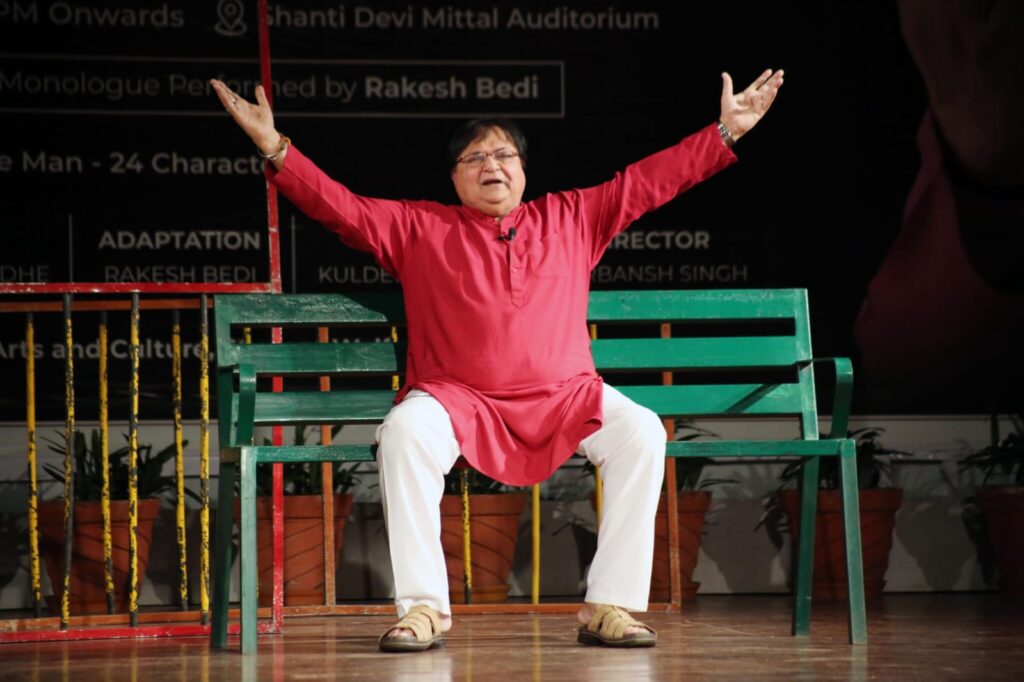
It is an acting marathon that functions as a live demonstration of range, voice control, and character switching at speed.
He has also been active in contemporary theatre as a writer, director, and performer. He has been credited with writing and directing plays such as Mera Woh Matlab Nahi Tha, along with works like Shimla Coffee House and Jab We Separated.
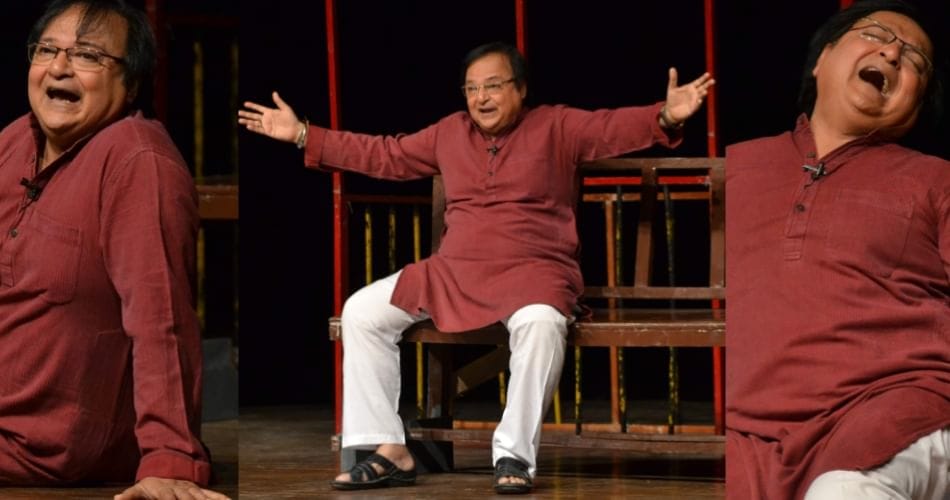
In 2023, he noted that he had done around 200 shows with Felicity Theatre and described it as his main theatre group, numbers that underline how continuous, not occasional, his stage practice has been.
This theatre continuity is key to understanding Dhurandhar. Stage keeps an actor sharp because you cannot hide behind editing, multiple takes, or camera angles. It builds presence.
The 2010s and 2020s: Reinvention through consistency, not rebranding
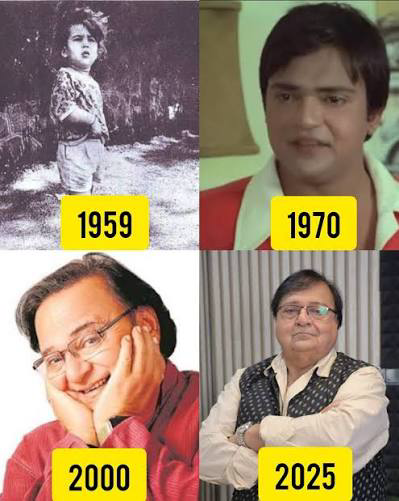
In recent years, Bedi continued showing up across mainstream film and TV projects, often in character parts that audiences remember even when they do not remember the character’s name.
The work remained steady, but the public narrative did not shift until he got a role that forced the audience to see him differently.
Dhurandhar: The role that did not change him, only changed the spotlight
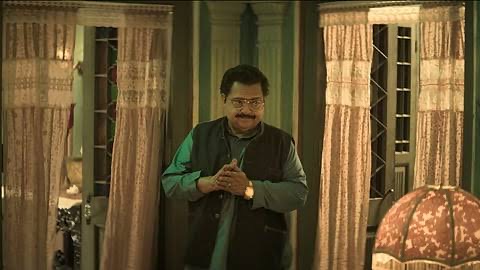
In Dhurandhar, Bedi plays Jameel Jamali, a serious political figure in a high-stakes spy thriller world.
What makes this performance resonate is not just the writing, it is the actor’s homework. Bedi has spoken about building the character by observing Pakistani politicians, studying speech patterns, diction, tone, and body language to get the portrayal right.
Then came the emotional aftermath. After the film’s success, casting director Mukesh Chhabra recalled Bedi being moved to tears, saying he had been working for 49 years and still never truly felt like a star until this moment of recognition arrived.
That is the real headline. A veteran did not suddenly become great. Audiences finally got the chance to notice it at scale.
Why people are rewatching his old work after Dhurandhar
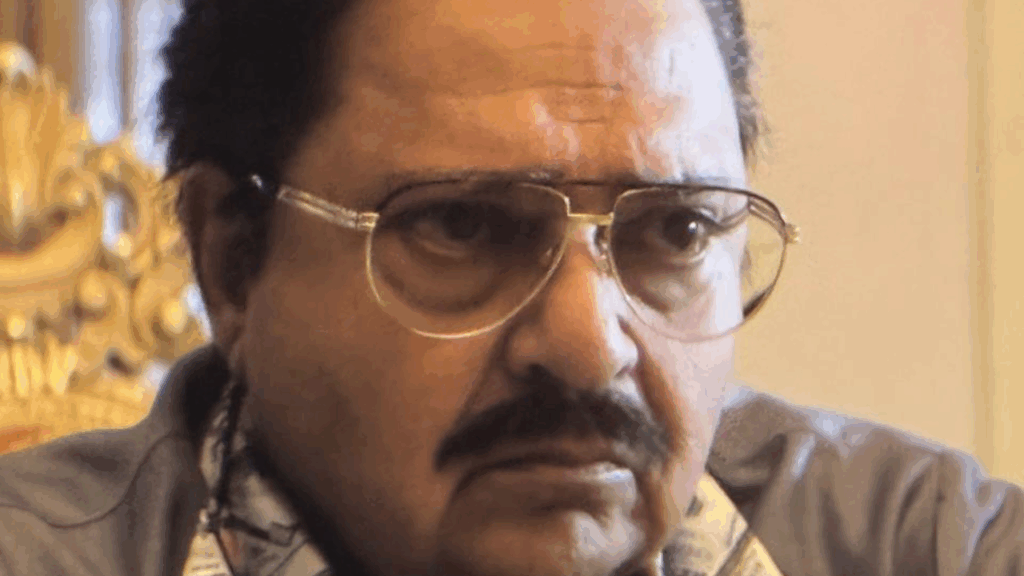
The post-Dhurandhar wave is not only new fans. It is also older viewers revisiting his sitcom era and realising something they may have overlooked:
The comedy was not easy comedy, it was craft.
The timing was not loud timing, it was controlled timing.
The supporting roles were often the roles holding the emotional and comedic architecture of scenes together.
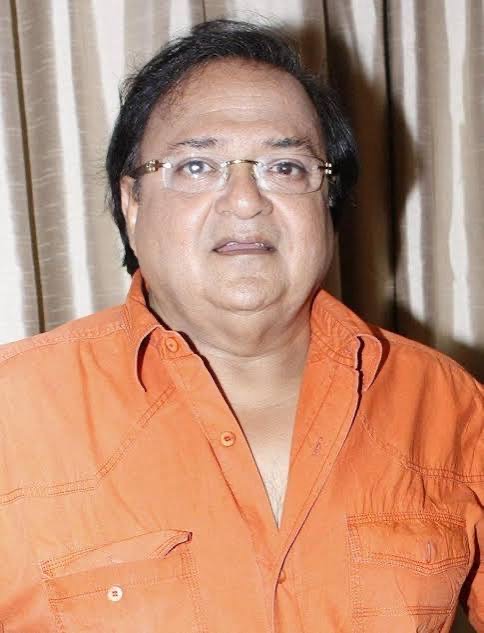
In other words, Dhurandhar gave Rakesh Bedi what many long-serving actors wait for: a cultural moment that reframes an entire career.

