Home Blog Page 14

Praggnanandhaa Creates History: India’s New Chess King Conquers Norway

In a moment that will be remembered as one of the greatest achievements in Indian chess history, R. Praggnanandhaa became the first-ever Indian to win the prestigious Norway Chess Championship. The 20-year-old Grandmaster sealed the title with a brilliant final-round victory against Germany’s Vincent Keymer in Oslo, turning a remarkable comeback into a historic triumph.  

What makes this victory even more special is that the tournament has witnessed some of the greatest players in the world over the years, yet no Indian had ever lifted the coveted trophy—until now.  

♟️The Comeback That Defined a Champion

Praggnanandhaa’s road to glory was anything but easy.

🔹 He was not among the frontrunners during the early stages of the tournament.

🔹 As the competition intensified, he displayed extraordinary resilience, composure, and tactical brilliance.

🔹 Entering the final rounds, he produced a series of powerful performances that completely changed the standings.

🔹 His decisive victory over Vincent Keymer in the final round secured the championship and completed one of the most impressive comebacks seen in elite chess.  

The triumph showcased not only his technical mastery but also his mental toughness under immense pressure.

🌍ALandmark Moment for Indian Chess

Praggnanandhaa’s victory is much bigger than an individual achievement.

🧠 It reflects India’s growing dominance in world chess.

🧠 It adds another golden chapter to the country’s rapidly rising chess revolution.

🧠 It proves that the new generation of Indian Grandmasters can challenge and defeat the very best on the global stage.

The achievement becomes even more remarkable considering that this title had eluded several legendary players from India in the past.  

👑The Rise of a Global Superstar

Over the last few years, Praggnanandhaa has evolved from a talented prodigy into one of the most feared competitors in international chess.

✨ Fearless against elite opponents.

✨ Calm under pressure.

✨ Consistently delivering on the biggest stages.

His Norway Chess triumph further cements his position among the brightest stars of modern chess and a leading figure in India’s sporting future.  

A Victory Beyond the Chessboard

Praggnanandhaa’s historic win is more than a trophy—it is a statement. It symbolizes the confidence, ambition, and global rise of a new generation of Indian talent. As he stood victorious in Oslo, he didn’t just win a championship; he inspired millions and announced that Indian chess has entered a bold new era. ♟️🇮🇳

📌 History was made in Norway, but its impact will be felt across India for years to come.

India’s Young Hockey Stars Conquer Asia: U-18 Team Lifts Asia Cup 2026

A Golden Moment for Indian Hockey

Indian hockey added another glorious chapter to its rich legacy as the Indian U-18 Men’s Hockey Team defeated host nation Japan 4-1 in the final of the Men’s U-18 Asia Cup 2026 in Kakamigahara, Japan. The emphatic victory not only secured the continental title but also showcased the immense depth of talent emerging through India’s hockey development system.

For a team filled with young players carrying big dreams, this triumph was more than a trophy—it was a statement that the next generation of Indian hockey is ready for the global stage.

🏑 A Final Dominated by India

From the opening whistle, India displayed remarkable composure, tactical discipline, and attacking intent. Playing in front of a home crowd, Japan hoped to use local support to their advantage, but India quickly took control of the contest.

🔹 Fast-paced passing movements stretched the Japanese defense.

🔹 Midfield dominance allowed India to dictate the tempo.

🔹 Clinical finishing ensured that scoring opportunities were converted into goals.

As the match progressed, India’s confidence grew, while Japan struggled to contain the relentless pressure. The final scoreline of 4-1 reflected India’s superiority and highlighted the team’s ability to perform under the pressure of a championship match.

🌟 A Tournament That Showcased Future Superstars

The Asia Cup served as a platform for several young Indian players to announce themselves on the international stage.

🏆 Consistent performances throughout the tournament demonstrated exceptional technical skills.

🏆 Strong teamwork and communication became the foundation of India’s success.

🏆 The squad showed maturity beyond its years, handling difficult situations with calmness and confidence.

The victory is expected to serve as a stepping stone for many players who may eventually progress into India’s senior national setup.

🇮🇳 What This Victory Means for Indian Hockey

This title is significant not only because of the trophy itself but because it reflects the strength of India’s grassroots and youth development programs.

✨ It reinforces India’s status as one of Asia’s hockey powerhouses.

✨ It highlights the effectiveness of talent identification and training systems.

✨ It provides valuable international exposure to future national team stars.

Most importantly, it inspires thousands of young hockey enthusiasts across the country to dream bigger and pursue excellence in the sport.

The Men’s U-18 Asia Cup 2026 crown is a proud achievement, but it is also the beginning of a new journey. With skill, determination, and confidence on their side, these young champions have shown that India’s hockey future is in safe hands. Their victory in Japan will be remembered not just as a title win, but as the rise of a generation determined to carry Indian hockey to even greater heights. 🇮🇳🏆

Kadiya Dhro Canyon: Gujarat’s Hidden Grand Canyon on the Lyari Riverbed

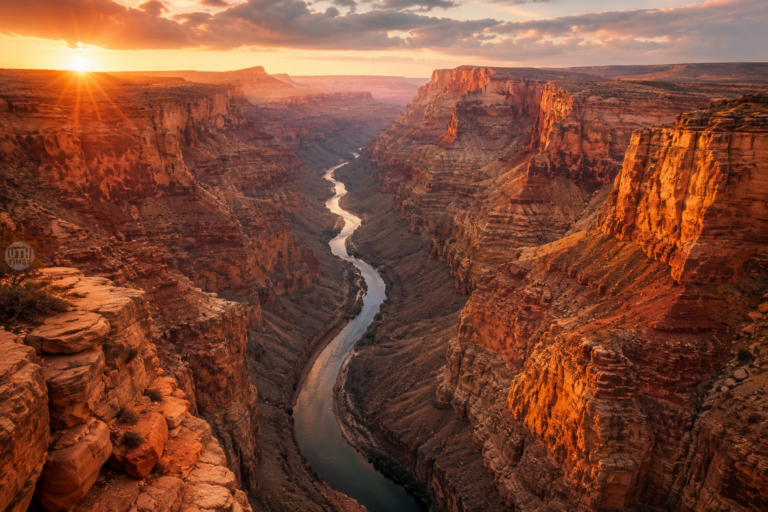
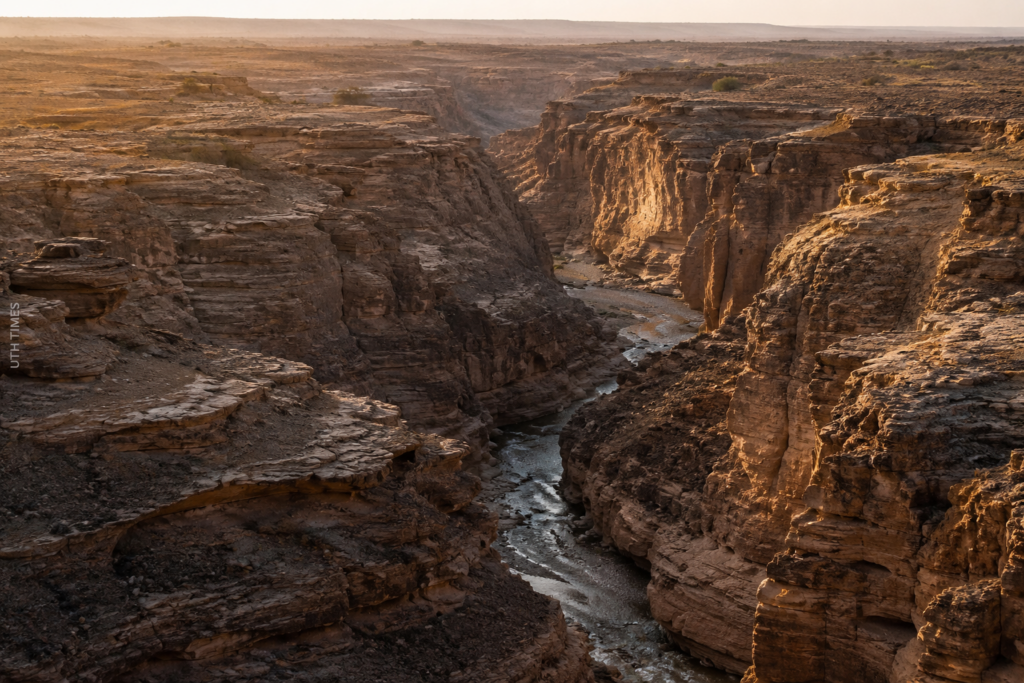
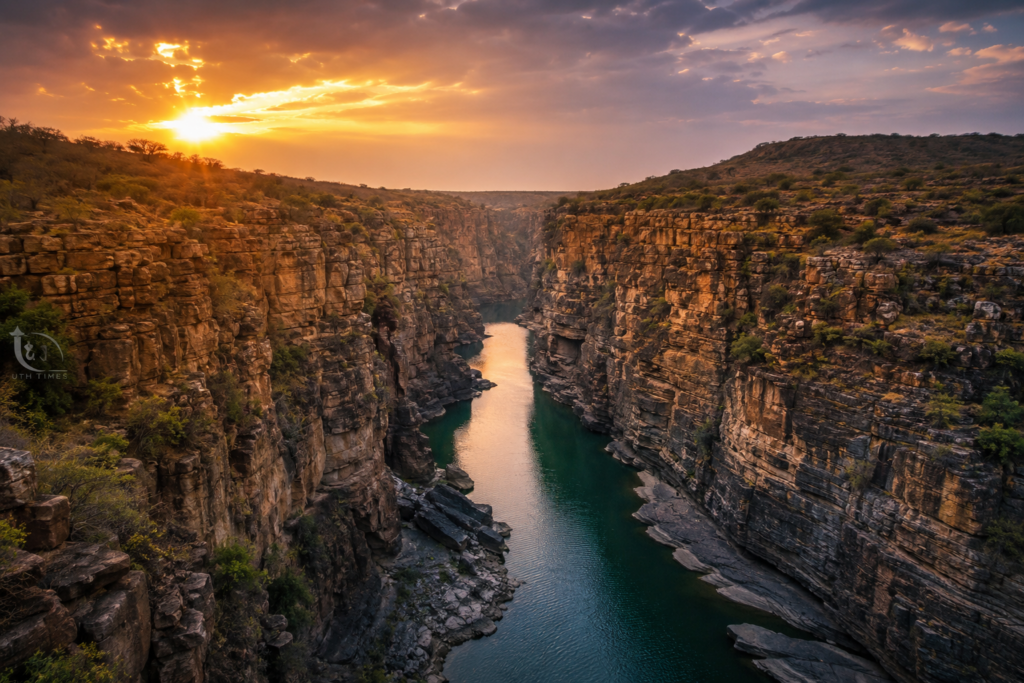
Most travelers visiting Kutch dream of the White Rann, colorful handicrafts, and vast salt deserts. Yet hidden deep within the rugged landscape lies a spectacular natural wonder that remains one of Gujarat’s best-kept secrets—Kadiya Dhro Canyon. Carved by the Lyari River over thousands of years, this dramatic geological formation offers breathtaking views, towering rock walls, and an adventure unlike any other in western India.

A Natural Wonder Sculpted by Time

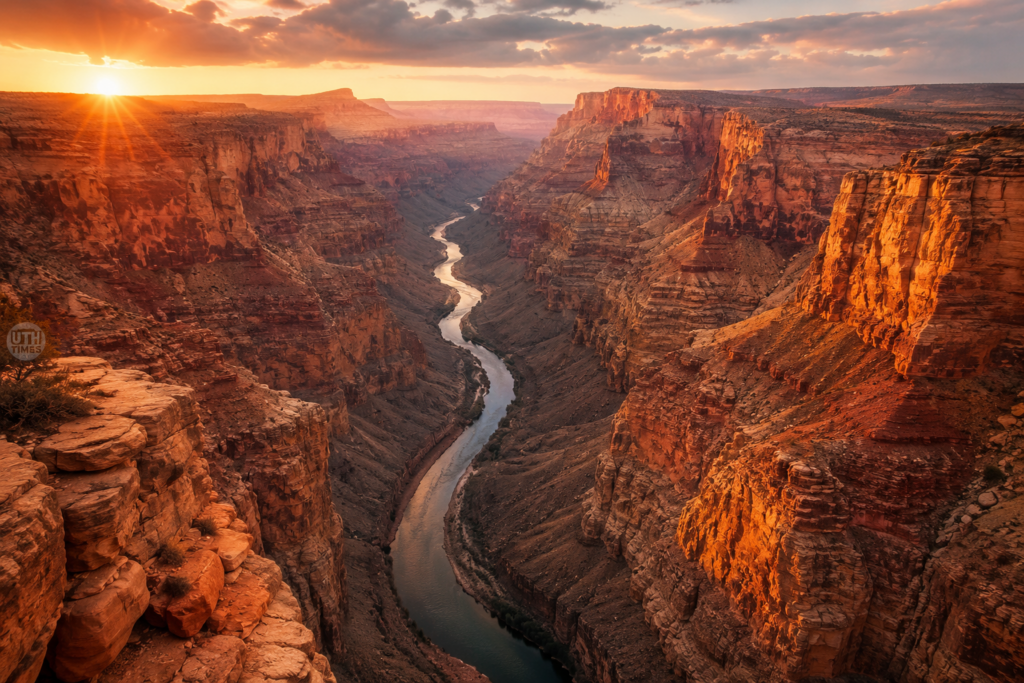
Nestled in the Kutch region of Gujarat, Kadiya Dhro Canyon is often described as the “Grand Canyon of Gujarat.” The canyon has been naturally carved by the seasonal flow of the Lyari River, creating deep gorges, steep cliffs, and fascinating rock formations.

🔹 The canyon stretches through a rugged landscape shaped by erosion.

🔹 Layers of exposed rock reveal millions of years of geological history.

🔹 The dramatic terrain creates a striking contrast against Kutch’s otherwise flat and arid surroundings.

What makes the canyon extraordinary is its untouched beauty. Unlike many popular tourist destinations, Kadiya Dhro remains relatively unexplored, offering visitors a rare sense of discovery.

The Stunning Landscape That Leaves Visitors Speechless

Standing at the edge of the canyon is an unforgettable experience. The steep rocky walls descend into narrow passages and winding channels, creating a breathtaking panorama.

🌄 Massive sandstone and sedimentary rock formations dominate the landscape.

🌄 Sunlight changes the canyon’s colors throughout the day, producing shades of gold, brown, and deep orange.

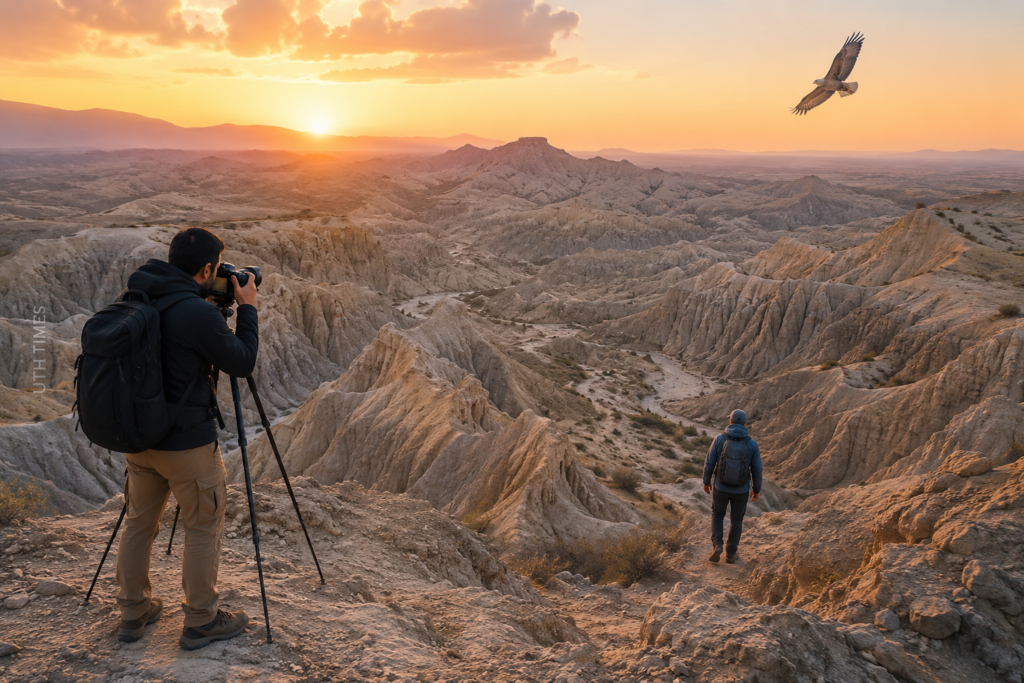
🌄 During sunrise and sunset, the scenery transforms into a photographer’s paradise.

The unique topography makes every viewpoint look like a scene straight out of a nature documentary.

A Paradise for Adventure and Photography

For nature lovers and thrill-seekers, Kadiya Dhro offers countless opportunities for exploration.

📸 Landscape photographers are drawn to its dramatic geological features.

🥾 Trekking enthusiasts enjoy navigating the rocky terrain and discovering hidden viewpoints.

🦅 Birdwatchers often spot local wildlife and migratory birds in the surrounding region.

Its raw beauty and peaceful atmosphere make it an ideal destination for those looking to escape crowded tourist spots.

Why Kadiya Dhro Matters

Beyond its visual appeal, Kadiya Dhro is an important geological landmark that showcases the natural forces that have shaped Kutch over centuries.

🌍 It highlights the region’s rich geological heritage.

🌍 It promotes eco-tourism and sustainable travel.

🌍 It reminds visitors of the incredible landscapes that exist beyond mainstream destinations.

Kadiya Dhro Canyon proves that some of India’s most remarkable wonders remain hidden in plain sight. Rising from the Lyari Riverbed with its dramatic cliffs and timeless beauty, this canyon is not just a destination—it is an experience that reveals a completely different side of Gujarat, one that few travelers ever get to witness.

Varanasi to Get a 130-Foot Shivling Under ₹104-Crore Oxygen Park Project

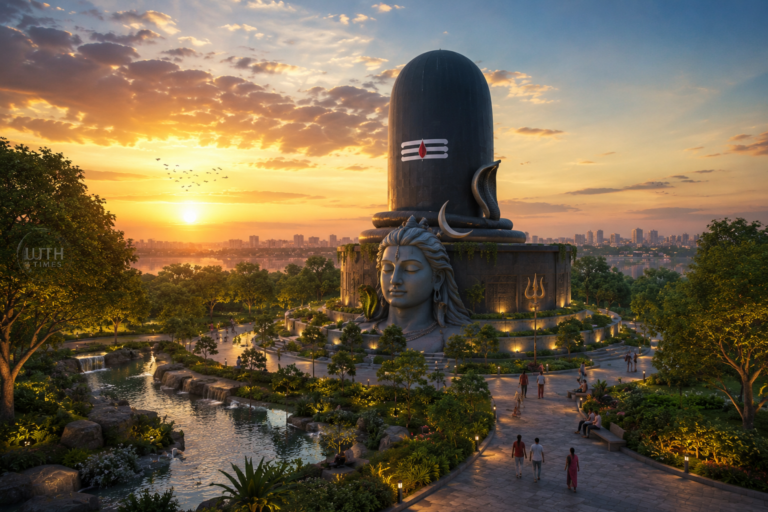
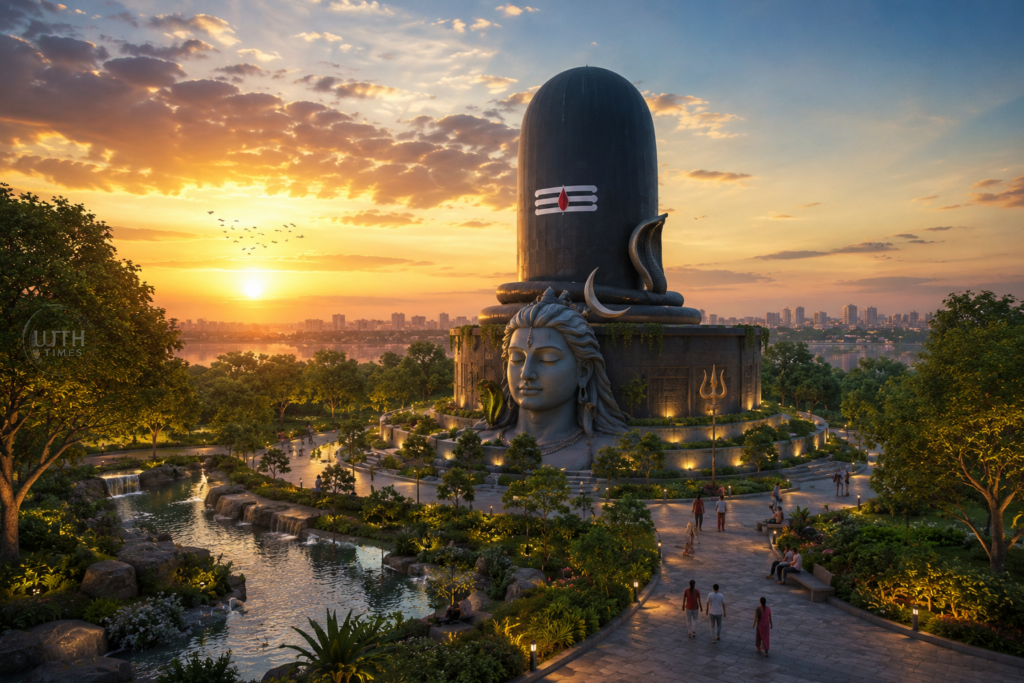
Varanasi, one of the world’s oldest living cities and the spiritual heart of India, is set to add another iconic landmark to its skyline. A massive 130-foot-tall Shivling will be installed in the city’s Bhelupur area as part of a grand ₹104-crore Oxygen Park project. The ambitious initiative aims to blend spirituality, environmental sustainability, tourism, and public recreation into one transformative destination.

The project is expected to become a major attraction for devotees, tourists, and environmental enthusiasts alike, reinforcing Varanasi’s identity as a city where tradition and modern development walk hand in hand.

🌿 More Than a Park: A Green Vision for the Future

The Oxygen Park project is not merely about constructing a monumental Shivling. It has been envisioned as a large-scale urban green space designed to improve environmental conditions and provide residents with a healthier atmosphere.

🔹 Thousands of trees and plants are expected to be incorporated into the park.

🔹 The green zone will help improve air quality and contribute to ecological balance.

🔹 Walking paths, landscaped gardens, and recreational spaces are planned to encourage public engagement with nature.

🔹 The project reflects growing efforts to create sustainable urban environments while preserving cultural heritage.

By combining environmental goals with spiritual symbolism, the Oxygen Park seeks to offer visitors a unique experience rarely seen elsewhere in the country.

🔱 The 130-Foot Shivling: A New Symbol of Devotion

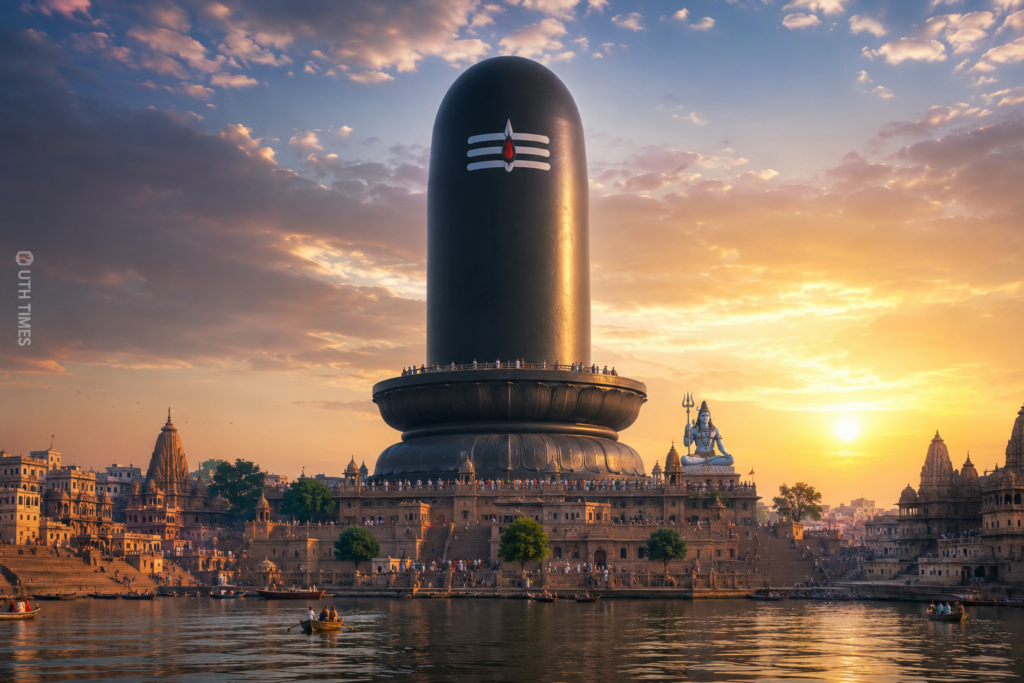
The centerpiece of the project will undoubtedly be the colossal Shivling, standing at an impressive height of 130 feet.

✨ The structure is expected to become one of the tallest Shivling installations in India.

✨ It will serve as a powerful symbol of Lord Shiva, the deity most closely associated with Kashi (Varanasi).

✨ The monument is likely to emerge as a significant pilgrimage attraction, drawing devotees from across the country and beyond.

✨ Its imposing presence is expected to create a visually striking landmark that complements the city’s spiritual landscape.

The Shivling’s scale reflects both the deep religious significance of Varanasi and the city’s aspiration to develop world-class cultural attractions.

🏛️ Tourism, Culture, and Economic Impact

The Oxygen Park project is expected to generate benefits beyond spirituality and environmental conservation.

🚀 Increased tourist footfall could boost local businesses, hotels, restaurants, and transport services.

🚀 The project may create employment opportunities during both construction and operational phases.

🚀 It is likely to strengthen Varanasi’s reputation as one of India’s most important cultural and religious destinations.

As infrastructure and tourism continue to grow in the city, such landmark projects are becoming important drivers of regional development.

A Landmark for Generations

The upcoming 130-foot Shivling and Oxygen Park represent more than a construction project—they symbolize a vision where faith, nature, and modern urban planning come together. Once completed, the site is expected to stand as a powerful tribute to Lord Shiva while offering a greener and more vibrant space for future generations.

Atiqa Mir: The 11-Year-Old Indian Racer Taking the World by Storm

At just 11 years old, Atiqa Mir has achieved what many racers spend years chasing. On a challenging international circuit in Thessaloniki, Greece, the young Indian karting sensation delivered a masterclass in speed, precision, and composure, securing a dominant pole-to-flag victory at the Champions of the Future Academy Program. Her remarkable performance has not only put India on the global motorsport map once again but has also established her as one of the brightest young talents in world karting.  tement.

🚀 From Kashmir Roots to Global Racing Circuits

Born into a family with roots in Jammu and Kashmir and raised in Dubai, Atiqa has been steadily climbing the ranks of international karting. While most children her age are still discovering their hobbies, she is competing against some of the world’s most promising young racers on Europe’s toughest tracks.  

Earlier this year, she became the first Indian driver to receive support from the Formula 1 Academy development programme—an endorsement reserved for exceptional talent. Her performances in Spain, Italy, and now Greece have convinced many motorsport experts that she possesses the potential to become a future global racing star.  

🇮🇳 More Than a Win—A Moment of National Pride

Perhaps the most emotional moment came after the race.

🎖️ As India’s national anthem played in Greece, Atiqa stood atop the podium knowing she had represented her country with distinction.

The young racer described hearing the anthem after victory as one of the most special moments of her life. For a nation still seeking greater representation in global motorsport, her triumph carries significance far beyond a single race.  

🌟 The Road Ahead

Atiqa Mir’s victory is a reminder that talent has no age limit. In a sport dominated by experience, technology, and immense pressure, an 11-year-old Indian girl has shown that courage, discipline, and determination can overcome every barrier.

Today, she is winning karting races.

Tomorrow, she may be chasing Formula One history.

And if her journey so far is any indication, the world should keep its eyes firmly on Atiqa Mir.

The Doctor Who Refused to Be Defined by His Height: The Inspiring Journey of Ganesh Baraiya

Some stories inspire. Others redefine what determination truly means. The journey of Ganesh Baraiya belongs to the second category.

Born with dwarfism and standing only three feet tall, Ganesh grew up in a world that often judged him before he even had the chance to prove himself. From childhood, he faced relentless bullying, social prejudice, and constant reminders that he was “different.” Yet while others focused on his height, Ganesh focused on something much bigger—his dream of becoming a doctor.

🩺 A Dream Bigger Than Every Limitation

Growing up in Gujarat, Ganesh was fascinated by medicine and wanted to dedicate his life to helping others. Despite financial difficulties and societal barriers, he excelled academically.

📚 He worked tirelessly in school.

📚 He performed exceptionally well in science.

📚 He cleared the highly competitive medical entrance examination, achieving a score that qualified him for admission.

For many students, this achievement would have marked the beginning of their medical journey. For Ganesh, however, the toughest battle was still ahead.

⚖️ Rejected Not for Ability, But for Appearance

After successfully qualifying, Ganesh was denied admission to medical college because of his physical condition. Authorities argued that his height and dwarfism made him unsuitable for the profession.

The decision shocked many.

Here was a student who had demonstrated intelligence, dedication, and academic excellence, yet his dream was being blocked because of assumptions rather than capability.

Instead of accepting defeat, Ganesh chose to fight.

🚀 The Courtroom Battle That Changed Everything

Determined to challenge the discrimination, Ganesh took his case to court.

⚡ He refused to let prejudice decide his future.

⚡ He argued that physical appearance should not define professional competence.

⚡ He stood up not only for himself but for countless individuals facing similar barriers.

His persistence paid off. The legal battle ultimately opened the doors that had been unfairly closed, allowing him to pursue medical education and move closer to achieving his lifelong ambition.

🌟 A Symbol of Courage Beyond Medicine

Today, Ganesh Baraiya is celebrated as far more than a doctor.

He represents resilience in the face of rejection, courage in the face of discrimination, and the power of believing in oneself when the world refuses to.

His journey sends a powerful message: success is not determined by height, appearance, or circumstances—it is determined by the strength to keep moving forward when every obstacle says stop.

Ganesh Baraiya did not grow taller than his challenges. He grew stronger than them. And in doing so, he became living proof that the size of a dream is never measured in feet and inches.

The Gravity Challenge: Former NASA Engineer Claims Discovery of a New Force

Imagine a spacecraft that never runs out of fuel.

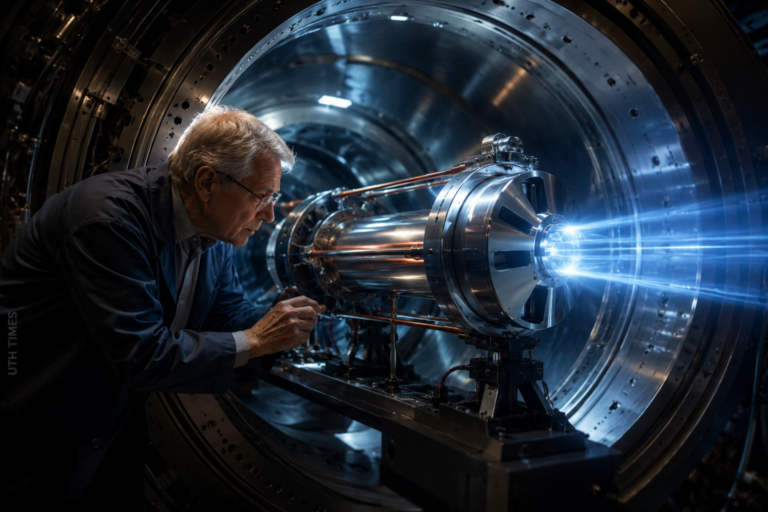
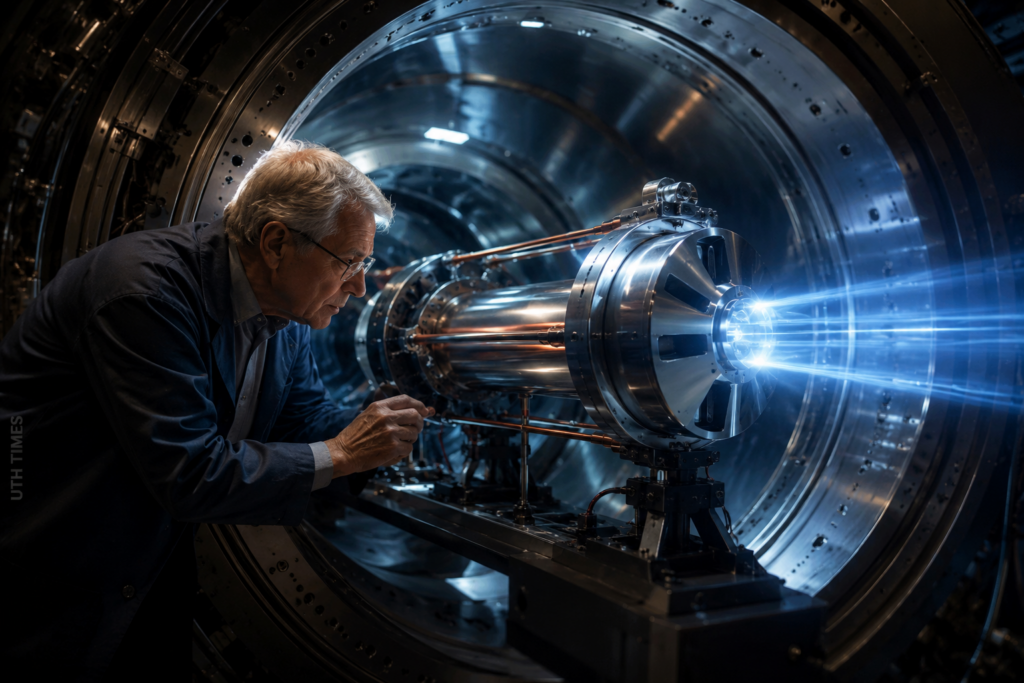
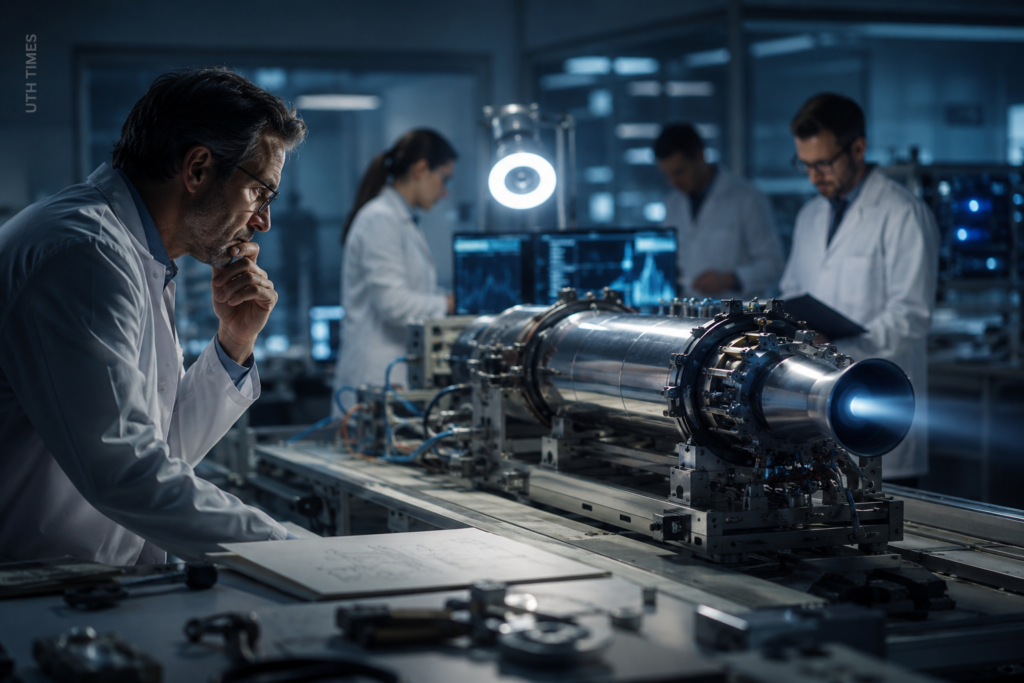
That futuristic vision has suddenly moved into the spotlight after a remarkable claim by former NASA engineer Charles Buhler, who says his team has discovered a previously unknown force capable of generating thrust without propellant. If verified, the breakthrough could become one of the most significant developments in aerospace technology since the invention of the rocket.

🚀 A Claim That Challenges Modern Physics

For more than a century, every rocket, satellite, and spacecraft has relied on the same fundamental principle: expelling mass to generate thrust.

Charles Buhler, who previously led NASA’s Electrostatics and Surface Physics Laboratory at Kennedy Space Center, now heads Exodus Propulsion Technologies. His company claims to have developed a propulsion system that creates force using only electric fields.

According to Buhler, vacuum chamber tests showed the device producing measurable thrust strong enough to counter Earth’s gravitational pull—without burning fuel, releasing gas, or ejecting any form of propellant.

If confirmed, the discovery would challenge long-standing assumptions about how motion is generated in space.

⚡ How the Technology Allegedly Works

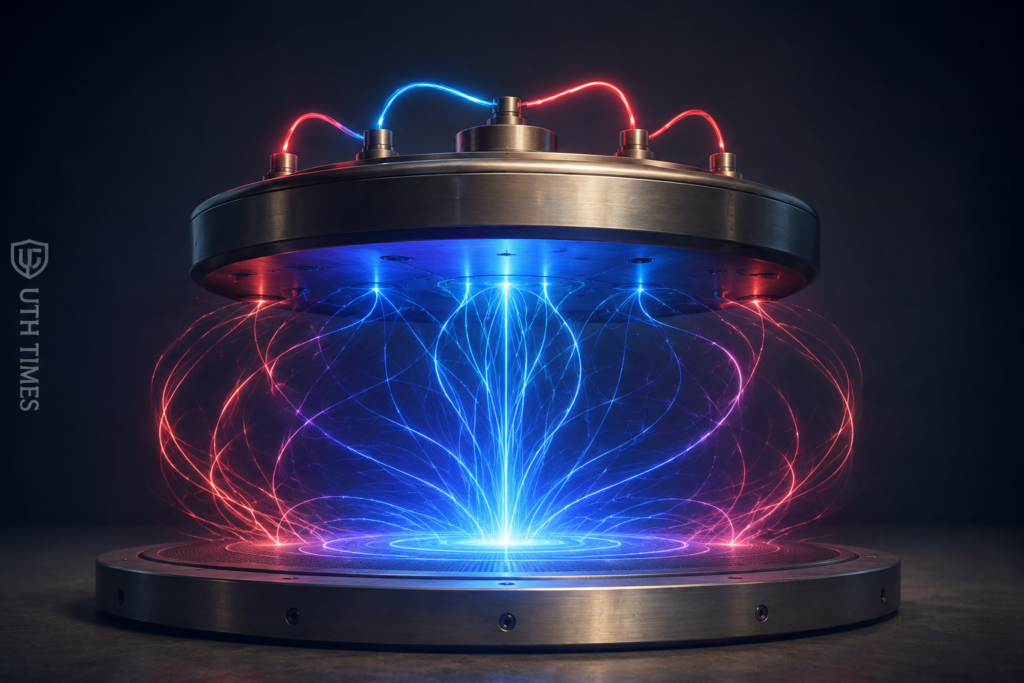
While the company has not yet revealed every technical detail, the system reportedly uses carefully controlled electrostatic fields to generate force.

🎯 No rocket fuel

🎯 No combustion

🎯 No moving mechanical parts

🎯 No mass expelled into space

Instead, the device relies entirely on electrical energy.

This has led some researchers to describe the concept as a potential “new force”—a phenomenon not fully explained by existing propulsion models.

The scientific community remains cautious, however. Similar propellantless propulsion claims in the past have failed independent testing. That is why external verification will be the ultimate test.

🌌 Why This Could Transform Space Exploration

If the technology performs as claimed, its impact could be revolutionary.

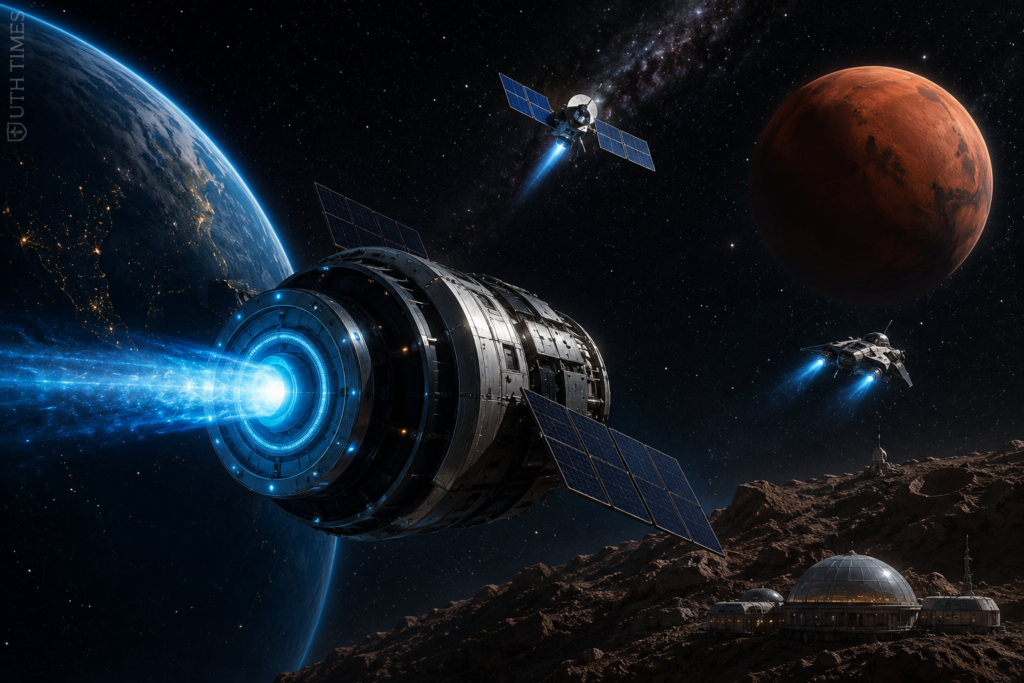
🚀 Deep-space missions could travel farther without carrying enormous fuel reserves.

🛰️ Satellites could maintain their positions for years while using minimal energy.

🌍 Launch costs could eventually decline as spacecraft become lighter and more efficient.

🔬 Future missions to Mars and beyond could become significantly more practical.

Perhaps most importantly, spacecraft could maneuver continuously without worrying about fuel depletion—a limitation that currently defines every mission.

🔍 The Scientific Hurdle Ahead

Extraordinary claims require extraordinary evidence.

At present, the technology has not yet undergone broad independent replication by outside laboratories. Scientists will want to determine whether the observed thrust is genuinely new physics or the result of experimental effects that have not yet been fully understood.

Until then, excitement remains balanced by skepticism.

✨ A Turning Point—or Another Scientific Mystery?

History remembers moments when impossible ideas became reality. Today, Charles Buhler’s claim sits at that crossroads.

Whether this “new force” becomes a revolutionary breakthrough or a fascinating scientific puzzle, one fact is certain: it has reignited one of humanity’s oldest dreams—moving through space without limits.

The next chapter will depend on what the evidence reveals.

From Coding at 7 to a ₹100 Crore AI Startup: The Remarkable Journey of Pranjali Awasthi

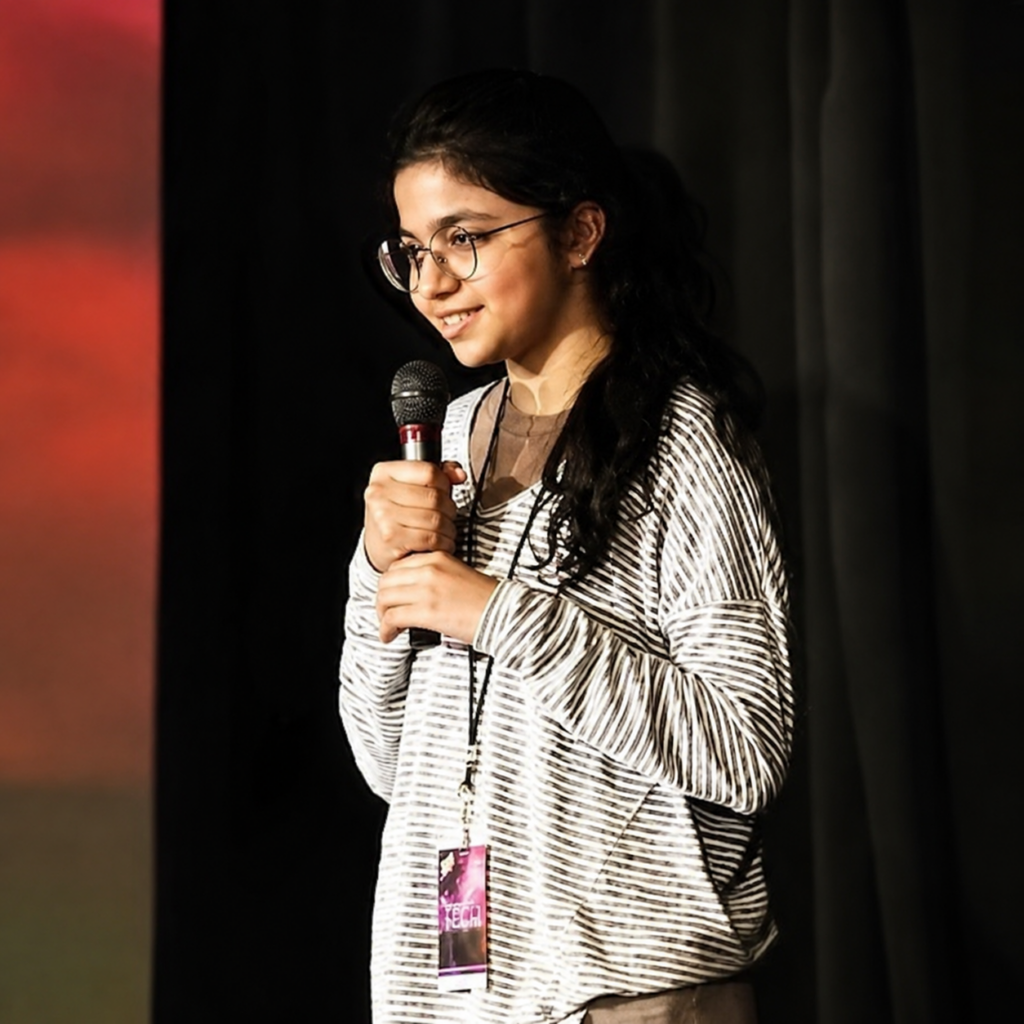
In a world where most teenagers are figuring out their future, 16-year-old Pranjali Awasthi has already built one. The young entrepreneur has transformed her passion for technology into a fast-growing AI startup valued at nearly ₹100 crore, proving that innovation has no age limit.

🚀 A Childhood Fueled by Curiosity

Pranjali’s journey began long before she became a startup founder.

Born in India and later relocating to Florida, USA, with her family, she was introduced to the world of technology at an early age. Inspired by her engineer father, she started learning coding when she was just seven years old.

What began as a childhood interest soon evolved into a serious passion. While most children her age were exploring hobbies, Pranjali was diving into programming languages, algorithms, and problem-solving techniques that would eventually shape her entrepreneurial future.

💡 From Student to AI Researcher

By the age of 13, Pranjali was already stepping into the world of advanced technology.

🔹 She worked on machine learning projects through research internships.

🔹 She gained hands-on experience with real-world AI applications.

🔹 She balanced academic responsibilities while actively participating in research environments.

These experiences exposed her to a major challenge faced by researchers worldwide—finding relevant information quickly from vast amounts of online content.

Instead of accepting the problem, she decided to solve it.

🤖 Building Delv.AI: An Idea with Global Potential

In January 2022, Pranjali launched Delv.AI, an artificial intelligence platform designed to help researchers discover, organize, and extract valuable insights from online information more efficiently.

The platform reduces the time spent searching through lengthy documents and research materials, allowing users to focus on analysis rather than information gathering.

At a time when AI-powered productivity tools were rapidly gaining attention, Delv.AI positioned itself as a solution for one of research’s biggest pain points—information overload.

💰 Winning Investor Confidence

Pranjali’s vision quickly attracted attention from the startup ecosystem.

🎯 She secured a place in a prestigious Miami-based startup accelerator.

🎯 She received mentorship from experienced entrepreneurs and industry experts.

🎯 Investors recognized the platform’s potential and backed the company.

Delv.AI successfully raised approximately ₹3.7 crore ($450,000) in funding from notable firms, including On Deck and Village Global.

This early support helped accelerate the company’s growth and establish credibility in the competitive AI landscape.

🌟 A New Face of Young Innovation

Today, Delv.AI is reportedly valued at nearly ₹100 crore, making Pranjali Awasthi one of the youngest founders to build a rapidly growing AI startup.

Her story is more than a startup success—it is a reminder that groundbreaking ideas can come from anyone, regardless of age. Armed with curiosity, skills, and determination, Pranjali has shown that the next generation is not waiting for the future—they are already building it.

RAI Institute’s Ultra Mobility Vehicle Pushes the Limits of AI-Powered Motion

0

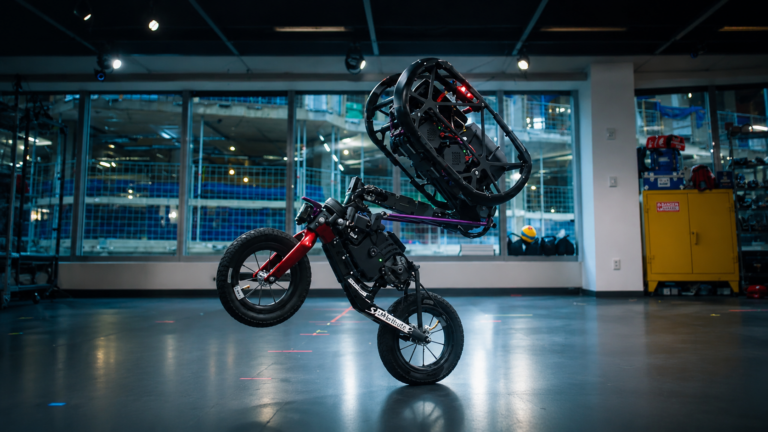
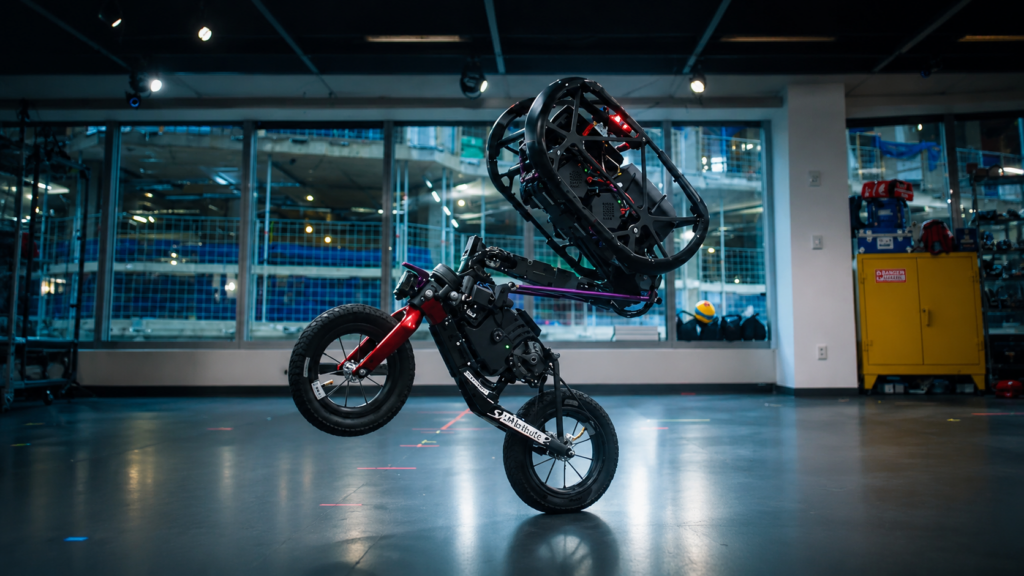
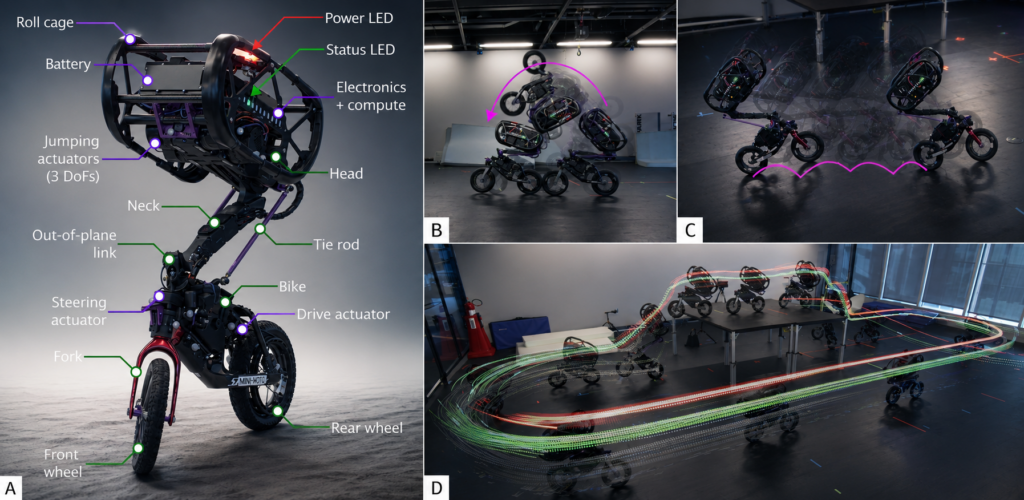
As artificial intelligence continues to reshape the future of mobility, RAI Institute has unveiled a remarkable demonstration of what next-generation robotic vehicles can achieve. Its Ultra Mobility Vehicle is no ordinary machine—it is a highly agile, AI-powered platform capable of performing movements that seem more suited to extreme sports athletes than autonomous vehicles.

A Machine That Moves Like a Living Athlete

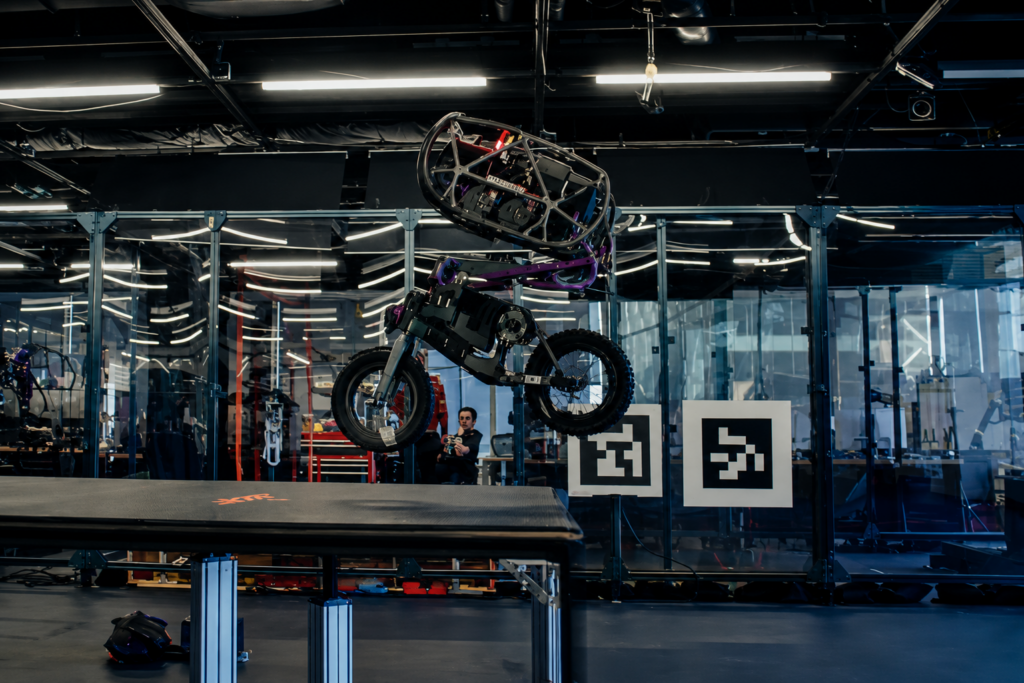
The latest demonstrations showcase the vehicle executing an extraordinary range of dynamic maneuvers with confidence and precision.

🔹 Smooth 360-degree spins with seamless control

🔹 High-powered kip jumps that launch the vehicle into the air

🔹 Full flips that demonstrate advanced aerial stability

🔹 Bunny hops that allow rapid obstacle negotiation

🔹 Sharp turns and quick directional changes without losing balance

What makes these movements remarkable is not merely the visual spectacle. Each maneuver requires the vehicle to continuously process vast amounts of data, predict its own motion, and make split-second adjustments while maintaining stability.

The AI Brain Behind the Performance

At the heart of the Ultra Mobility Vehicle lies a sophisticated artificial intelligence system designed to understand terrain, vehicle dynamics, and motion planning in real time.
🚀 The AI constantly monitors balance and orientation.

🚀 Advanced control algorithms calculate optimal movement trajectories.

🚀 Real-time sensors provide continuous environmental awareness.

🚀 Machine learning enables the vehicle to adapt to changing conditions.

This allows the machine to perform complex actions that would traditionally challenge even highly skilled human operators.

Redefining What Mobility Means

The vehicle represents a significant shift in how mobility platforms are designed. Traditional vehicles focus primarily on transportation, while the Ultra Mobility Vehicle emphasizes adaptability, agility, and intelligent movement.

Its ability to jump, rotate, recover from disturbances, and navigate difficult terrain suggests future applications far beyond conventional mobility.

Potential use cases include:

🎯 Military reconnaissance in challenging environments

🎯 Search-and-rescue missions after disasters

🎯 Exploration of hazardous or inaccessible terrain

🎯 Industrial inspections in complex locations

🎯 Advanced robotic logistics operations

The technology demonstrates how future autonomous systems may be able to move through environments that are currently difficult or impossible for standard vehicles.

A Glimpse Into the Future of Robotics

Perhaps the most exciting aspect of the demonstration is that it represents only an early stage of development. The vehicle’s current capabilities already blur the line between robotics and athletic performance.
As AI, sensing technologies, and mobility systems continue to evolve, machines like the Ultra Mobility Vehicle could transform how humans interact with difficult environments. What appears today as a collection of impressive stunts may soon become practical capabilities that redefine transportation, robotics, and autonomous operations.
The Ultra Mobility Vehicle is not simply showcasing tricks—it is offering a glimpse into the future of intelligent movement itself.

Bajrang UAV’s 16,400-Foot Breakthrough: India’s Drone Logistics Revolution Takes Flight

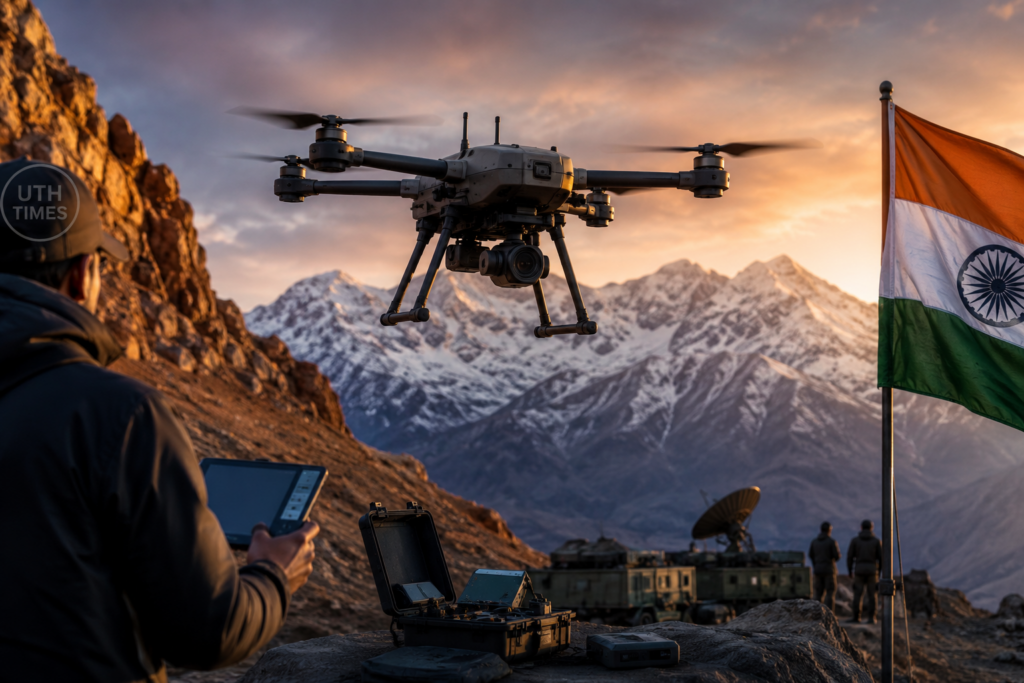
🇮🇳 From the deserts of Ahmedabad to the icy heights of Ladakh, an Indian startup has just achieved a breakthrough that could redefine logistics in some of the world’s toughest terrains. Bajrang UAV’s successful high-altitude demonstration of its PX4P2300 heavy-lift drone is not merely a technology test—it is a glimpse into the future of military and emergency supply operations in the Himalayas.

🚁 Bajrang UAV Conquers the High Himalayas

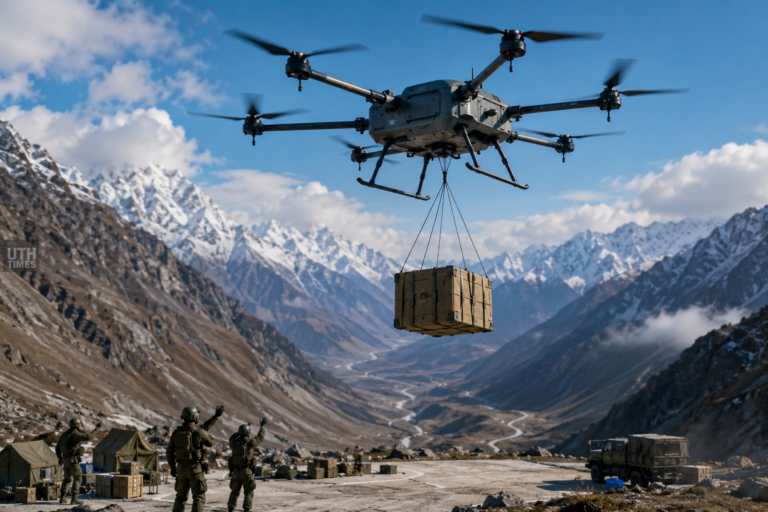
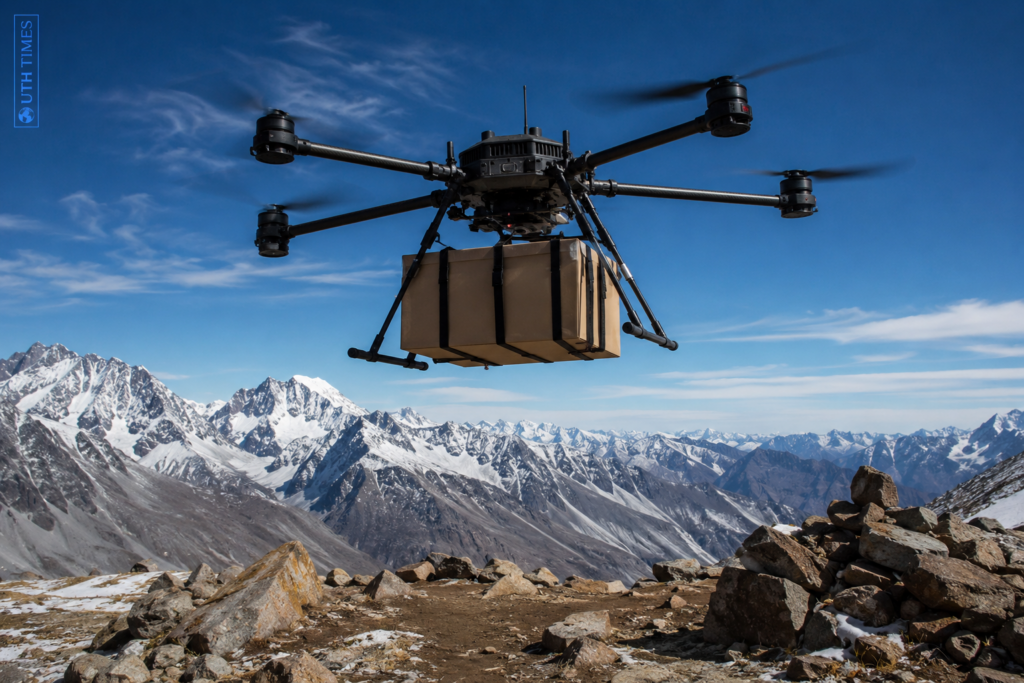
Ahmedabad-based Bajrangv UAV has successfully demonstrated its PX4P2300 heavy-lift drone at an altitude of 16,400 feet at Shinkula Top in Ladakh, one of the most challenging environments for aerial systems.

What makes this achievement remarkable is that the drone successfully carried a 30-kilogram payload despite the thin air, low oxygen levels, unpredictable winds, and harsh weather conditions that typically affect aircraft performance at such elevations.

🔹 30 kg payload carried successfully
🔹 Tested at 16,400 feet above sea level
🔹 Conducted in extreme Himalayan conditions
🔹 Designed and developed by an Indian startup

🏔️ Why This Achievement Matters

High-altitude logistics remains one of the most difficult challenges for armed forces and emergency responders operating in mountainous regions.

Traditionally, supplies are transported through:

🚁 Expensive helicopter missions
🚚 Long and risky mountain routes
👨‍🚒 Human-led transport operations in dangerous conditions

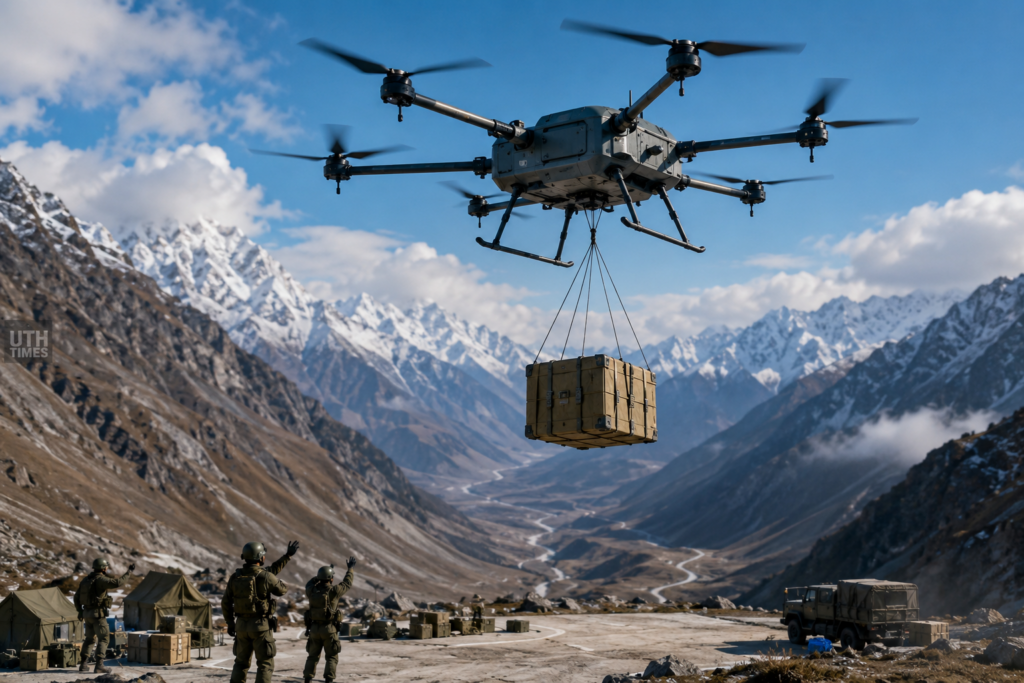
Bajrang UAV’s heavy-lift drone offers an alternative that is faster, more flexible, and potentially more cost-effective. By transporting critical supplies directly to remote locations, such systems can significantly reduce operational risks while improving response times.

⚔️ A Strategic Asset for Defence and Disaster Response

The PX4P2300 has the potential to become a valuable tool across multiple sectors.

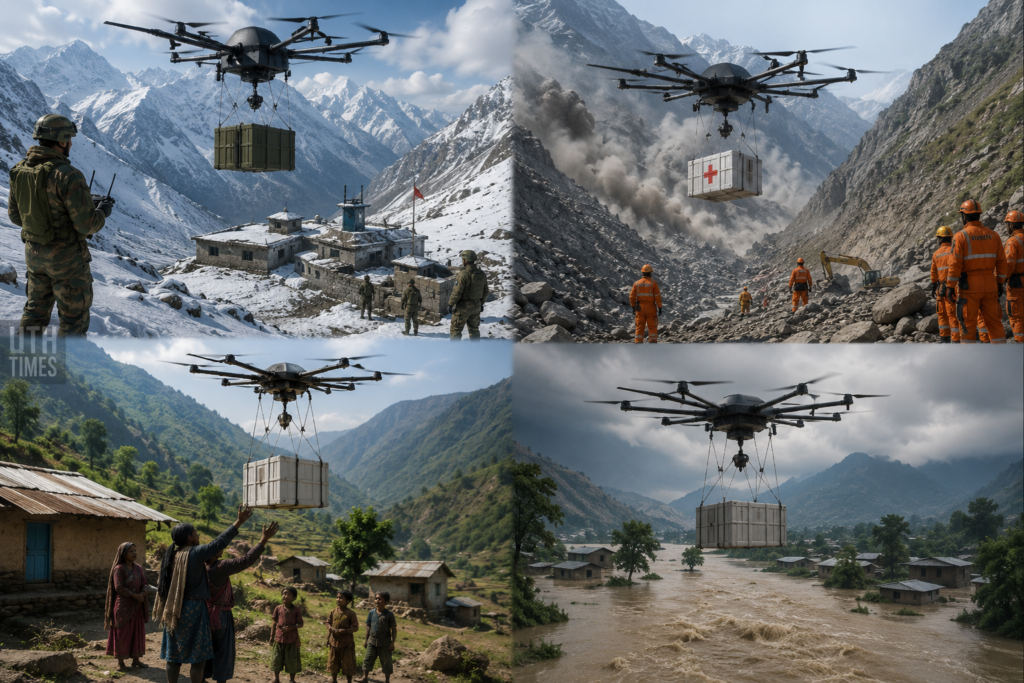
🎯 Delivering ammunition, food, and medical supplies to remote border posts
🚑 Supporting disaster relief operations during landslides, floods, and earthquakes
🏥 Transporting emergency medicines and equipment to isolated communities
🌨️ Maintaining supply chains in regions cut off by extreme weather

For India’s border regions, where accessibility often determines operational effectiveness, such drone technology could become a force multiplier.

🚀 Powering India’s Indigenous Drone Ecosystem

Beyond the successful test itself, the achievement highlights the rapid growth of India’s homegrown drone industry.

As India pushes for greater self-reliance in defence and advanced technology manufacturing, startups like Bajrang UAV are proving that indigenous innovation can deliver solutions specifically engineered for the country’s unique geographical and strategic requirements.

The future of Himalayan logistics may no longer depend solely on roads and helicopters. With Bajrang UAV’s successful 16,400-foot demonstration, India has taken another significant step toward building a smarter, faster, and more self-reliant logistics network—powered by technology designed, developed, and tested on Indian