
Before spacetime bent.
Before Einstein dreamed of relativity.
There was John Michell — a clergyman with the mind of a cosmic revolutionary.
In 1783, he quietly published an idea that would one day shake the pillars of astrophysics: the concept of a star so dense that even light itself couldn’t escape its grip. Today we call it a black hole. But Michell called it something poetic, haunting, and ahead of its time—a “dark star.”
🔭 The Visionary in the Shadows
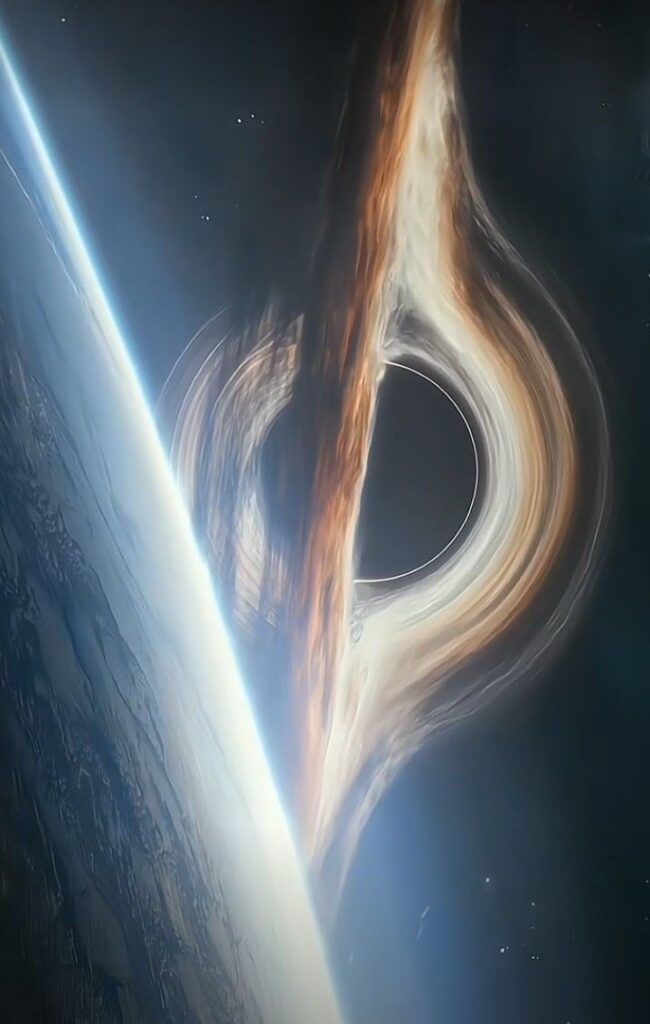
In an age when telescopes barely grazed the heavens and science still walked hand-in-hand with theology, John Michell stood at the crossroads of genius and obscurity.
🧠 Who was he?
- A Cambridge-educated polymath
- A geologist, astronomer, philosopher, and priest
- The man who invented the idea of measuring the mass of Earth using gravity
- And above all, the first human to mathematically predict a black hole
Using Newton’s laws and the corpuscular theory of light (where light was thought to be made of particles), Michell crafted a radical hypothesis:
If a star were both extremely massive and incredibly compact, its escape velocity would exceed the speed of light — and light could never leave.
A cosmic prison. A star turned shadow.
🌠 The Physics That Pierced the Veil
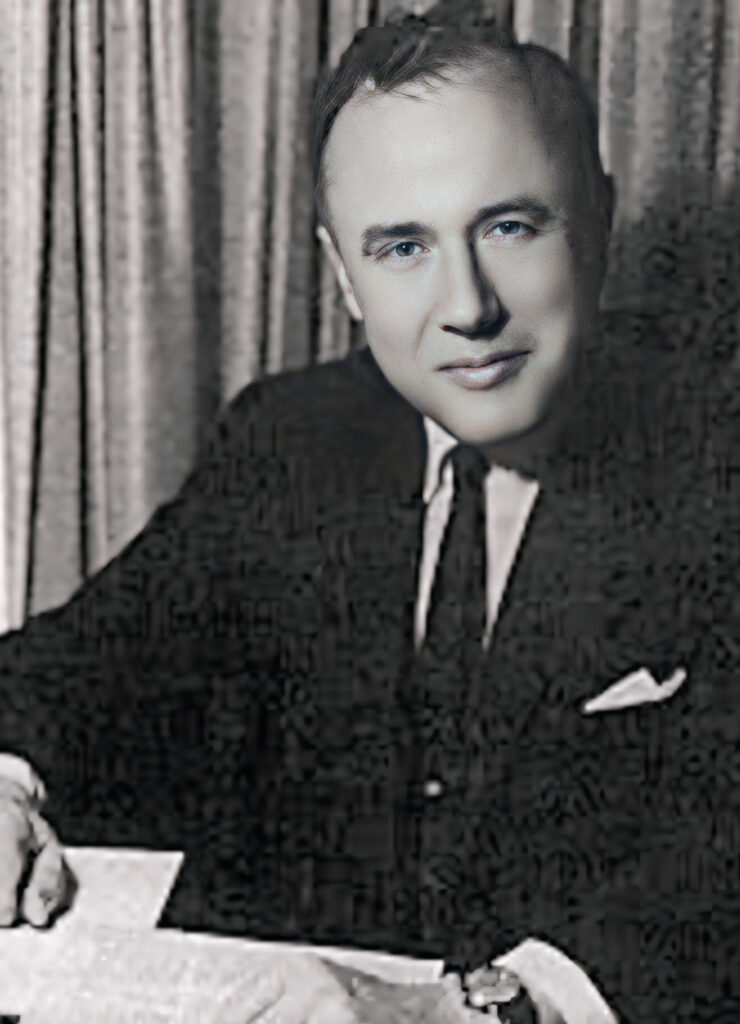
At the heart of Michell’s reasoning was a simple yet powerful formula:
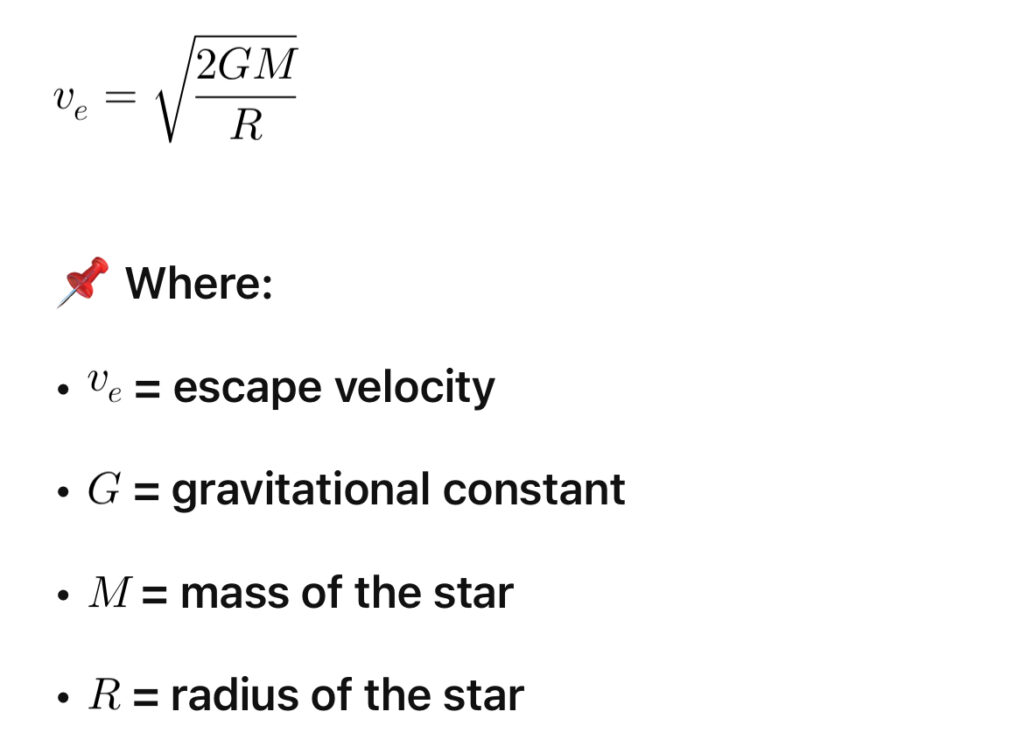
And just like that, the idea of a “dark star” was born — a celestial body whose pull is so intense that light, the fastest traveler in the universe, is forever trapped.
Even more astonishing? Michell predicted that:
- 🌌 These invisible giants might populate the universe
- 🌟 They could be detected indirectly—through their gravitational pull on nearby stars
A method still used today to find black holes!
🕯️ Why the World Forgot
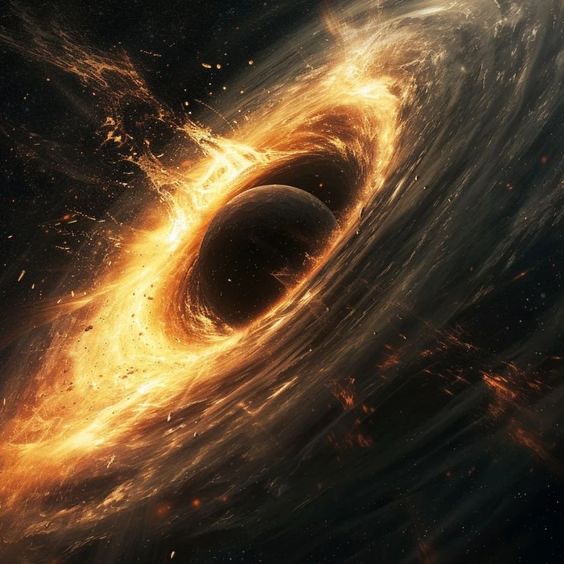
So why didn’t Michell become the father of modern astrophysics?
Because the world wasn’t ready.
⚫ The wave theory of light soon replaced the particle model, discrediting his logic.
⚫ His paper was buried in journals few read.
⚫ And telescopes of the time couldn’t see far enough to find such “dark stars.”
It would take over 130 years, Einstein’s theory of general relativity, and finally modern astronomy to bring Michell’s ghost back into the conversation.
🔮 Legacy of the Invisible

Today, we call them black holes—raging monsters at the centers of galaxies, devouring stars, warping time.
But their spiritual father was a quiet genius in 18th-century Yorkshire.
He imagined the invisible before the telescope could see.
He whispered the truth of black holes before science had a name for them.
John Michell didn’t just predict black holes —
He dared to see darkness as a presence, not an absence.
And in doing so, he reached out across centuries…
…to tell us that sometimes, the most powerful forces in the universe are the ones we can’t see at all.

