
🔮A Forgotten River’s Ripple Effect
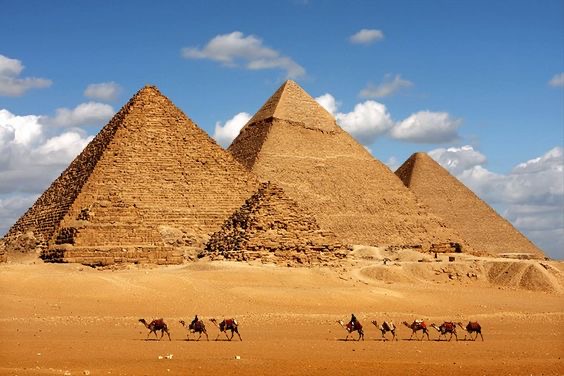
In the silent sands of ancient Egypt lies a forgotten whisper from the East. Could the mighty Indus-Sarasvati civilization have silently ignited the birth of Pharaohs through the economic corridors it created? Dive into this layered tale of trade, tombs, and truth—lost to time and politics.
🌊 Maritime Highways: The Indus-Sarasvati’s Economic Web
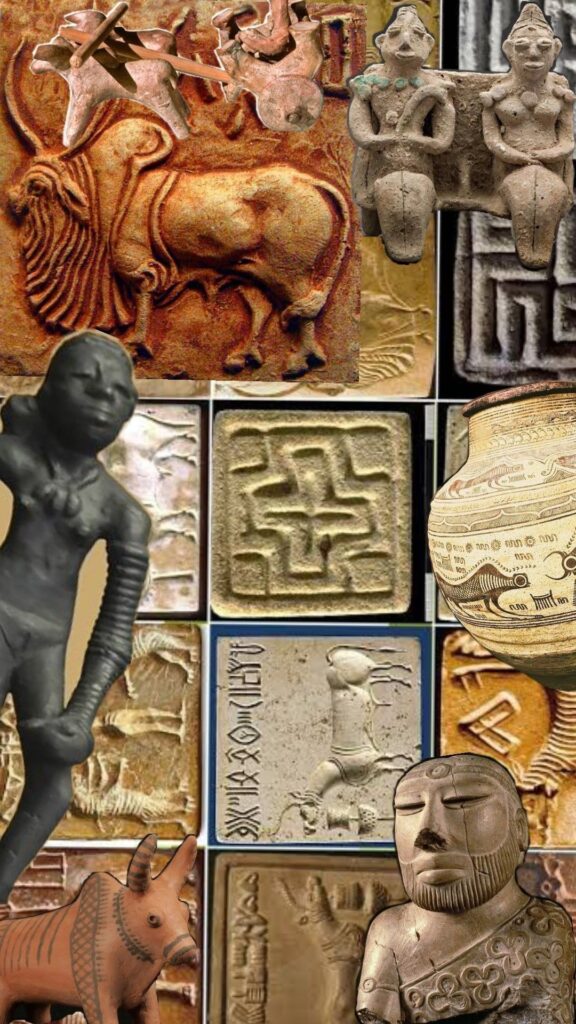
The Indus-Sarasvati civilization was not just an isolated marvel; it was the engine room of ancient global trade. With its ports like Lothal and Dholavira, it connected the Indian subcontinent to Sumer, Elam, and perhaps, unwittingly, to Egypt.
- 🌐 Exports: Rich in timber, spices, lapis lazuli, pearls, cotton, and grains.
- ⚓ Demand in Sumer: These products were vital to the Mesopotamian economy.
- 🛳️ Trade Imbalance: Sumer had few high-value items to reciprocate—making Egypt’s gold a lucrative solution.
🏛️ Uruk’s Ambition: The Dynastic Race Theory
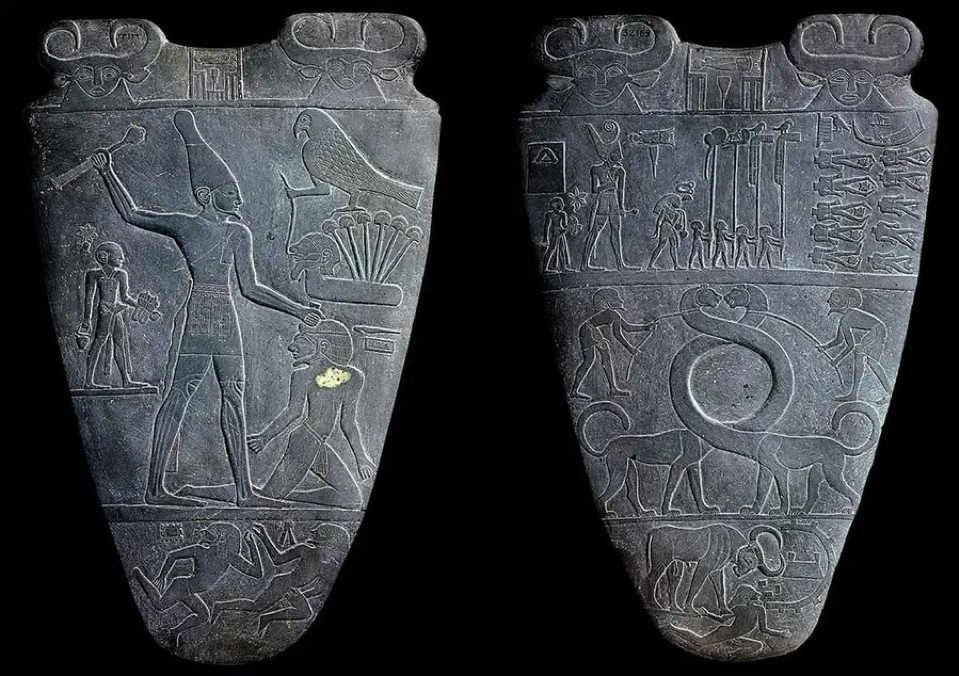
Sir Flinders Petrie’s 1890s excavations at Naqada changed everything. He discovered Sumerian-style mud-brick tombs, Afghan lapis, and cylinder seals eerily similar to those in Mesopotamia.
- 🗿 Architecture: Recessed brickwork found in Uruk mirrored in Abydos and Naqada.
- ⚔️ Weapons: Pear-shaped maces and flint knives with Mesopotamian designs.
- 📜 Theory: Petrie proposed the Dynastic Race Theory—that Uruk invaders founded the first Egyptian dynasty.
🐫 Petroglyphs, Boats & Burial Clues
1930s discoveries of desert petroglyphs showed invaders on Sumerian-style reed boats, holding maces and wearing foreign headdresses.
- 🚢 Abydos Boat Graves (1990s): Royal boats pre-dating dynastic Egypt.
- ⛏️ Khufu’s Boat (1954): Gigantic ship buried near the Great Pyramid, indicating advanced maritime culture.
- 🔍 These clues were buried beneath a political tide post-WWII.
🧠 Politics vs. Archaeology: The Post-War Suppression
After the Holocaust and in an era of decolonization, narratives shifted:
- 🧨 Race-based theories were seen as politically dangerous.
- 🇪🇬 Egyptology pivoted toward indigenous development, minimizing foreign influence.
- 🧾 Trade was offered as a safer, sanitized explanation for cultural similarities.
📚 The Return of Doubt: Scholars Speak Again
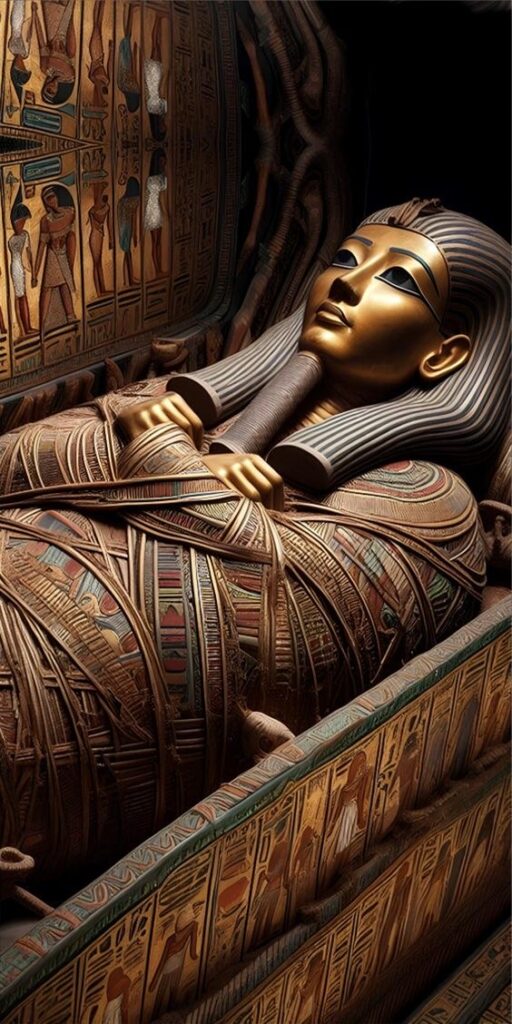
Despite academic silence, scholars like Peter James and Jared Diamond questioned the abrupt emergence of hieroglyphs, state power, and religion in Egypt.
- 🌌 Creation myths: The Seven Sages, Nun/Nunki echo Mesopotamian roots.
- 🏛️ Architecture & Pottery: Shared styles across Indus, Sumer, and early Egypt hint at transplants, not just trade.
🪙 The Real Prize: Gold and Power
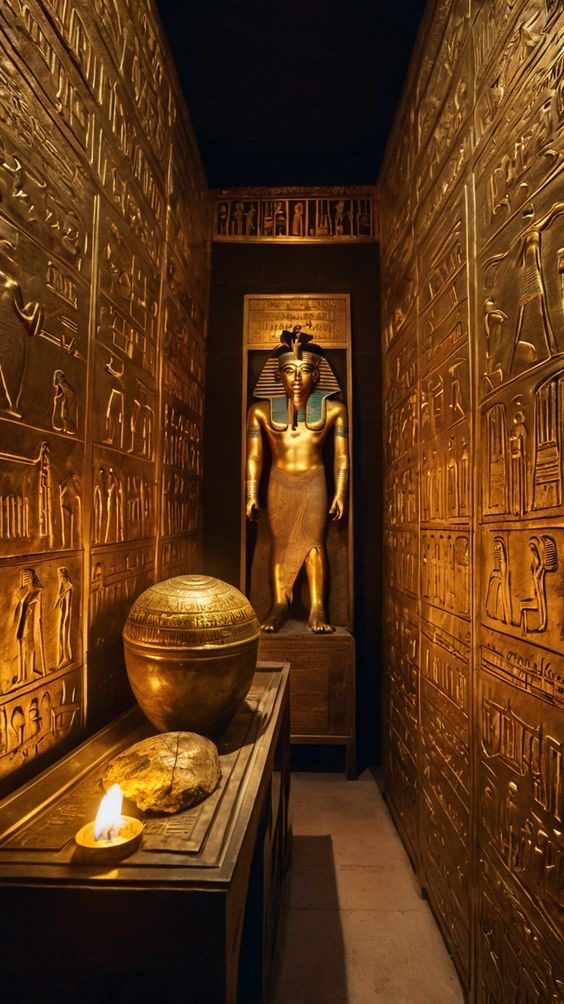
Uruk’s economic motives were likely not conquest, but access to Egyptian gold, a material treasured across India. The Indus-Sarasvati economy may have silently orchestrated the geopolitical chessboard, urging Uruk’s expansion to Egypt.
🔚 OUTRO: What We Forgot in the Sands
When history becomes politically inconvenient, facts are often buried. But boats, bricks, and blades still whisper across time. Perhaps it’s time we rediscover the Indusfluence behind one of history’s most iconic civilizations—Pharaonic Egypt.

