Home Blog Page 55

The Mystery of Tassili n’Ajjer: Alien Gods of the Sahara?

0

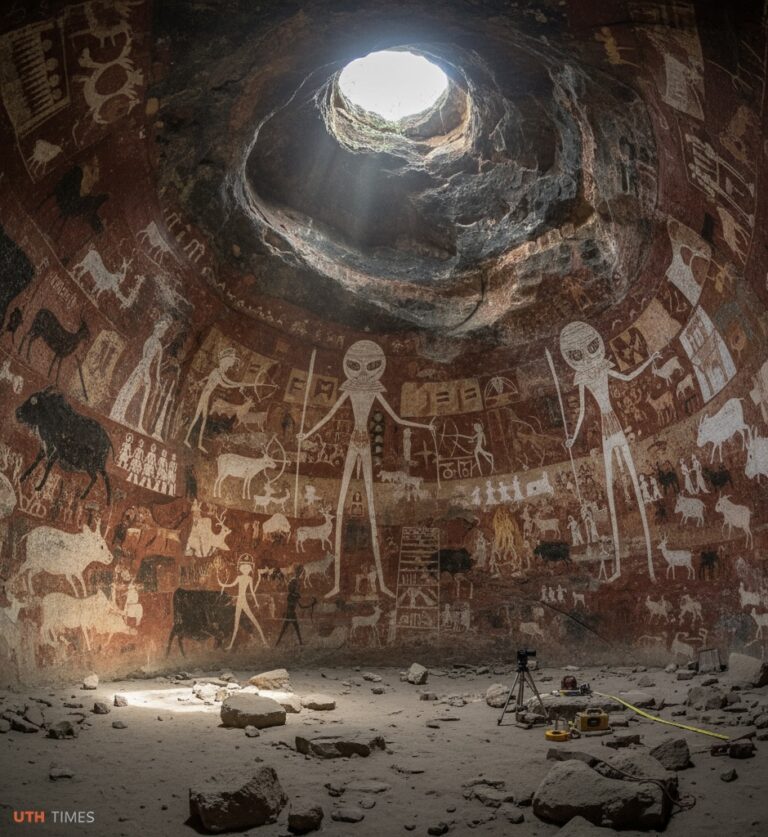
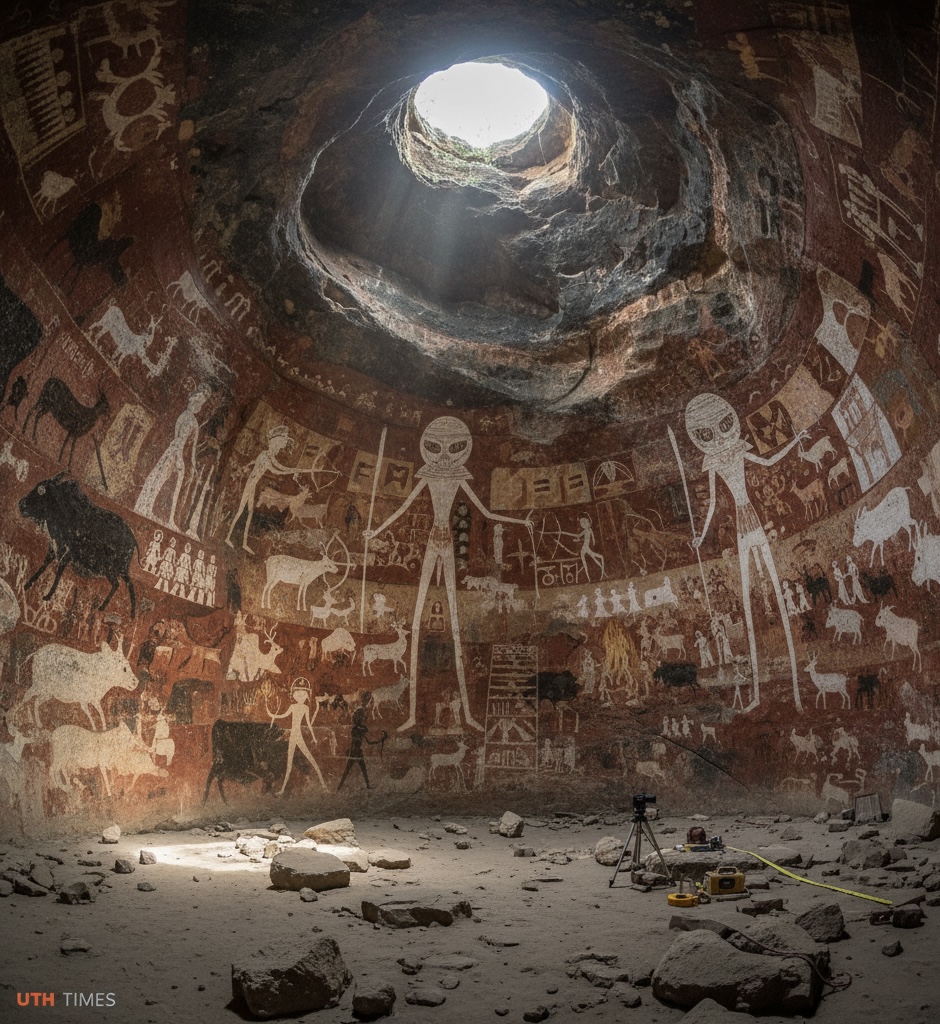
Deep in the Sahara Desert lies one of humanity’s most mystifying treasures—the Tassili n’Ajjer rock art of southern Algeria. These ancient paintings, dating back nearly 10,000 years, portray beings and scenes that defy explanation. Were they mere expressions of primitive imagination—or a record of something extraordinary?

🌍 The Timeless Canvas of the Sahara

Hidden within rugged sandstone plateaus, the Tassili n’Ajjer region spans over 72,000 sq. km, making it one of the largest open-air museums on Earth. Recognized as a UNESCO World Heritage Site, this area preserves over 15,000 paintings and engravings that trace the evolution of life in the Sahara—from wild animals and hunting rituals to mysterious figures unlike anything seen before.

These works were created when the Sahara was not the arid desert we know today but a lush, green savanna teeming with rivers, animals, and human life.

👽 The Enigmatic “Round-Head Beings”
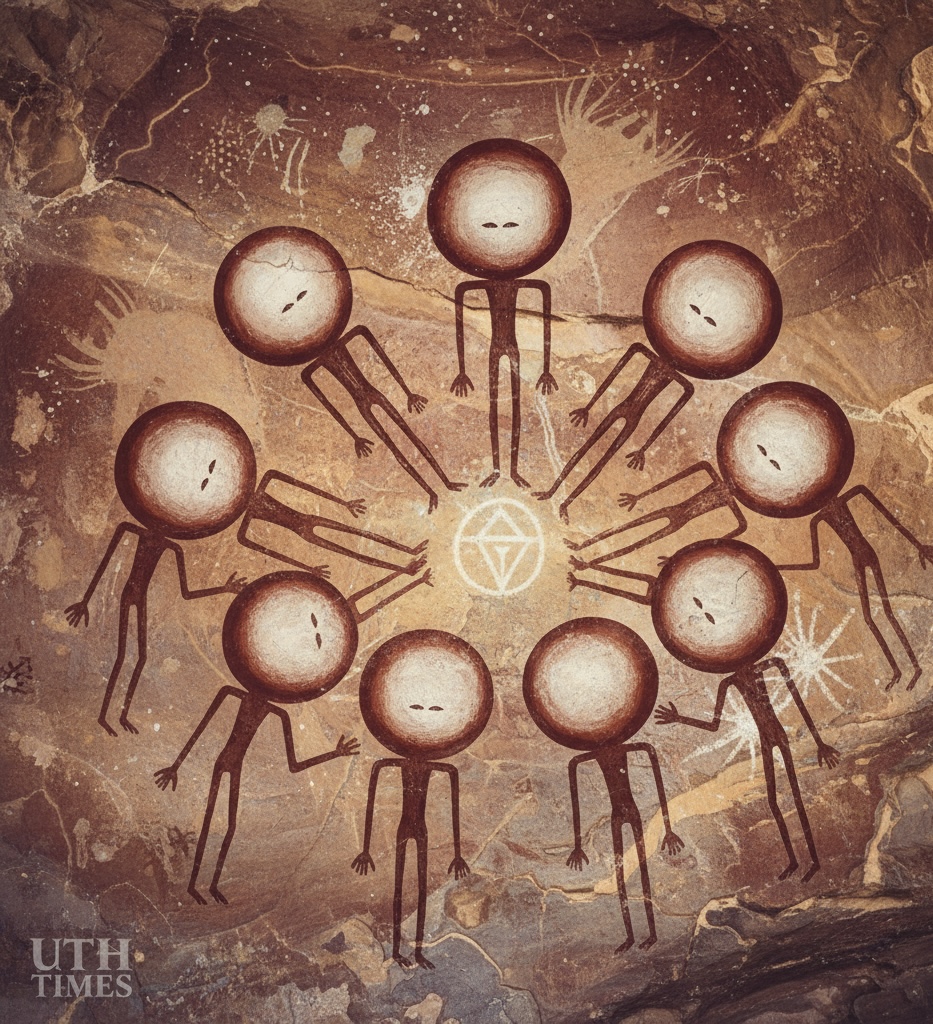
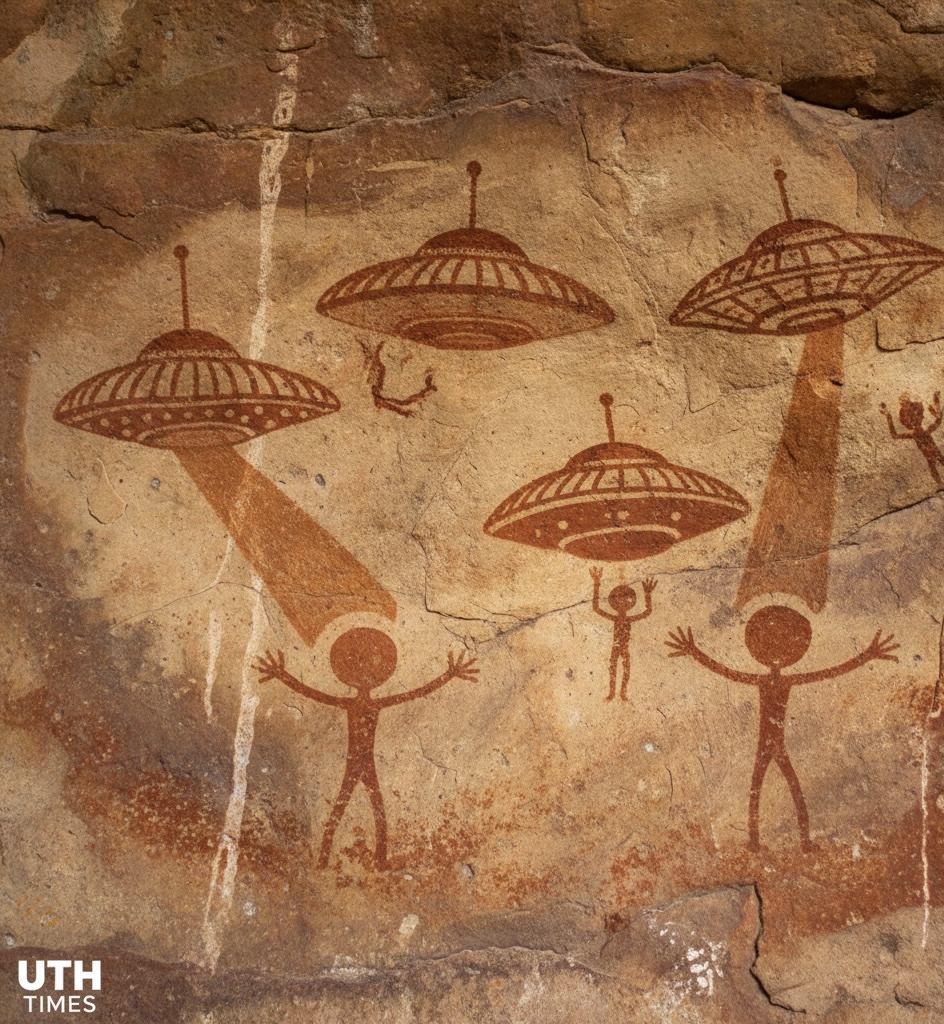
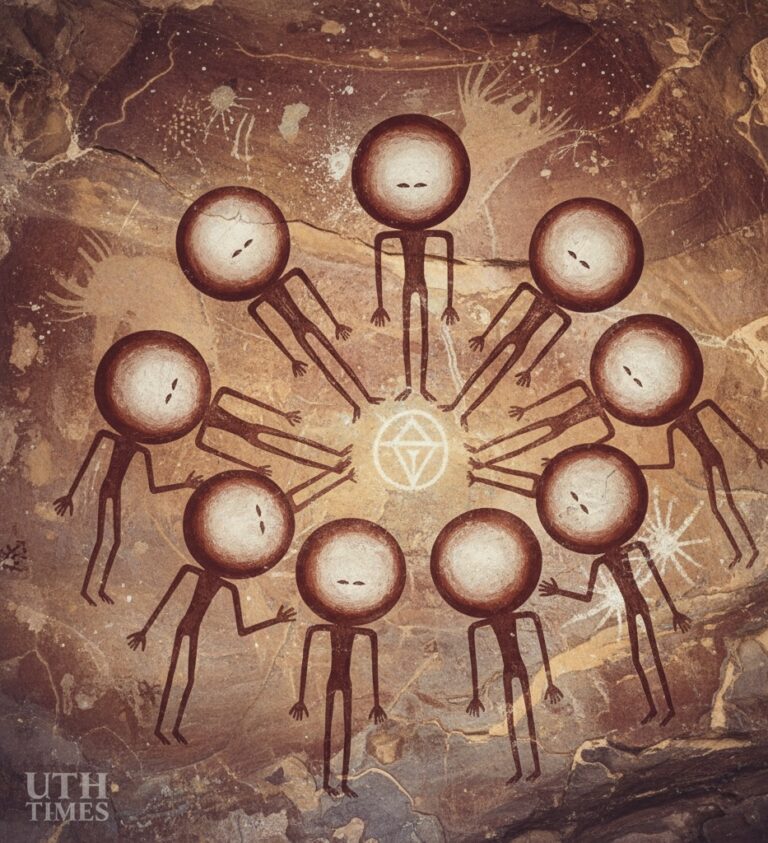
Among the most striking are the “Round Head” figures, humanoid beings painted with large, bulbous heads and strange elongated bodies. Some appear to float, while others are shown in groups as if part of a ritual or otherworldly encounter.

Archaeologists suggest they may represent gods, shamans, or spiritual visions. Yet, their resemblance to modern depictions of extraterrestrials has fueled an entire wave of theories that they could be records of ancient alien contact.

🐾 Daily Life Meets the Unknown
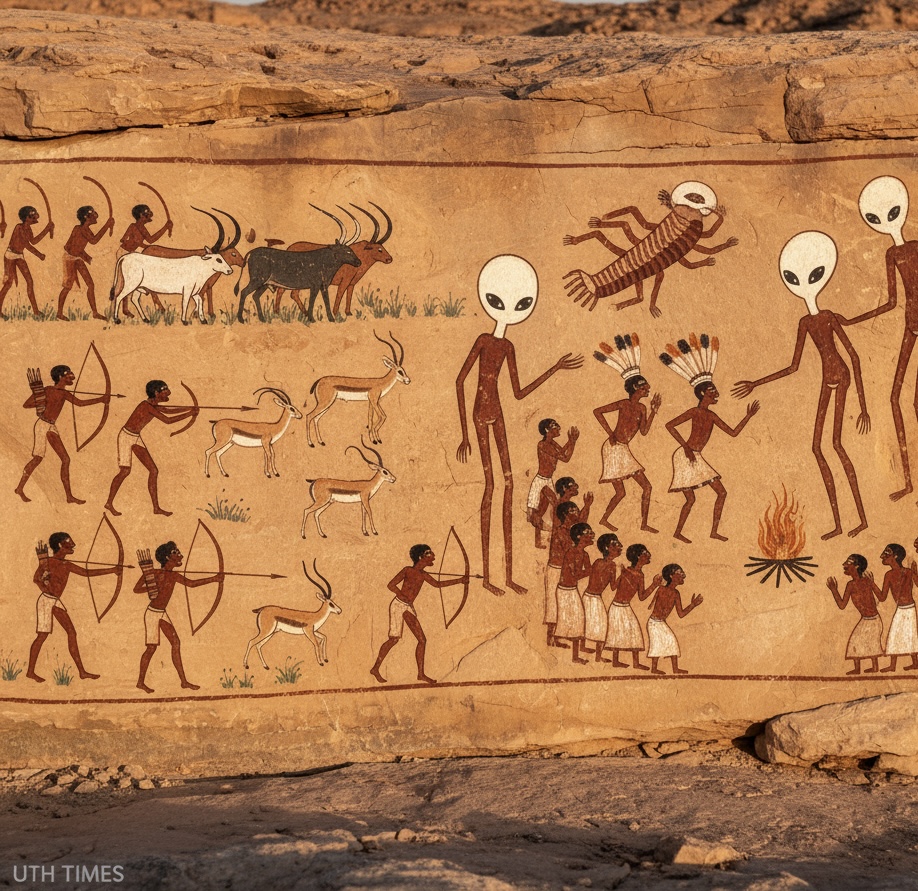
Not all of Tassili’s art is mysterious—many panels vividly capture everyday life:

  • 🐂 Herding of cattle and domestication of animals
  • 🏹 Hunting with bows, arrows, and spears
  • 💃 Ritual dances and communal gatherings

But the presence of the bizarre “otherworldly” figures alongside these ordinary scenes raises a burning question: why would early humans mix real life with visions of strange beings unless they believed—or experienced—something beyond the natural world?

🔥 Myths, Theories, and Modern Fascination
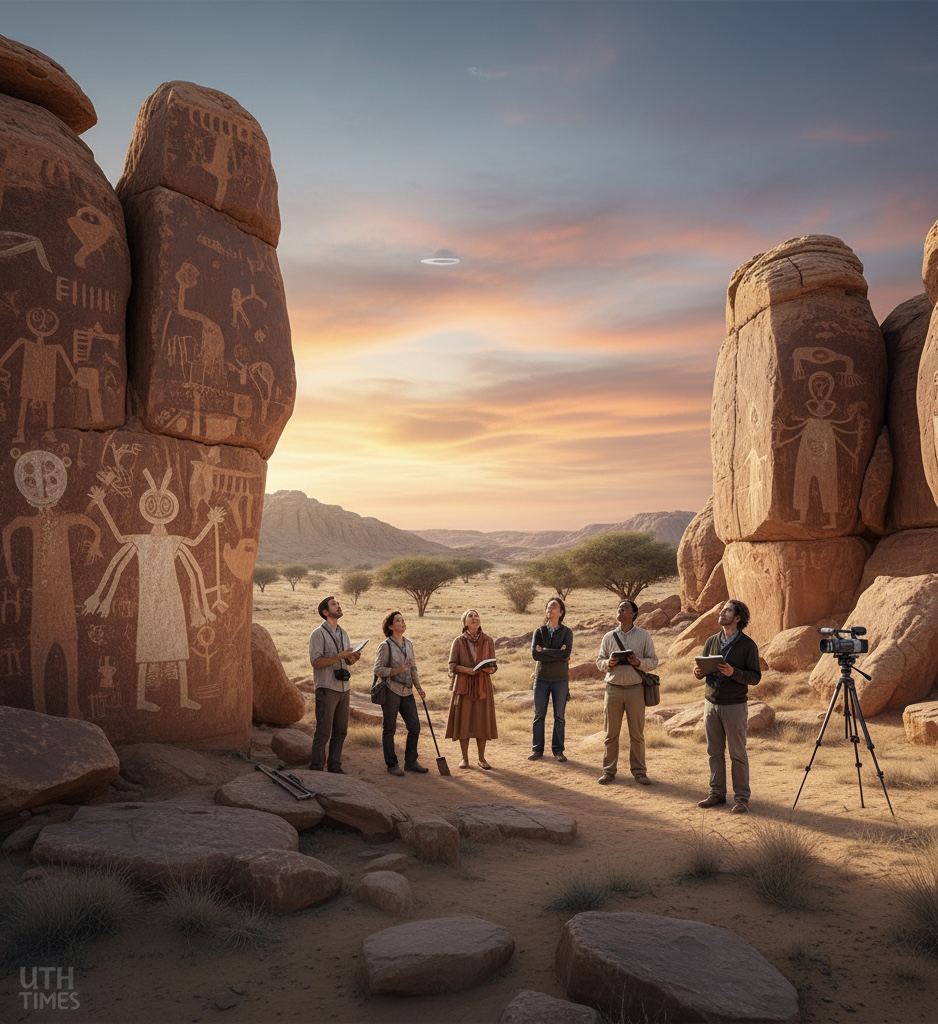
Some scholars argue the figures symbolize altered states of consciousness brought about by ritual practices or hallucinogenic plants. Others remain convinced they are evidence of forgotten encounters with advanced beings who once walked the Earth.

Regardless of interpretation, the Tassili rock art continues to inspire debate, drawing archaeologists, historians, and even UFO researchers from across the globe.

Conclusion

The Tassili n’Ajjer rock paintings remain a riddle etched in stone—bridging the worlds of myth, spirituality, and cosmic mystery. Whether depictions of gods, spirits, or visitors from the stars, they remind us that humanity’s earliest stories may hold secrets far greater than we can imagine.
Anunnaki: Survivors of a Lost Civilization?

0

For centuries, the Anunnaki have been described as gods from the ancient Sumerian world. But what if they weren’t divine beings at all? What if they were simply remnants of a highly advanced civilization that collapsed long before recorded history—mistaken for gods by early humanity?

🌍 The Anunnaki in Sumerian Records

Ancient Sumer, often called the cradle of civilization, described the Anunnaki as powerful beings who shaped laws, guided rulers, and influenced destiny. To the Sumerians, they were “gods.” Yet, when we study the texts closely, these beings weren’t always presented as supernatural—they had disputes, hierarchies, and tasks. Could this mean they were not immortal deities but influential humans from a forgotten age?

🏛️ Survivors of a Lost Civilization?

Imagine a civilization so advanced that their tools appeared magical to early humans:

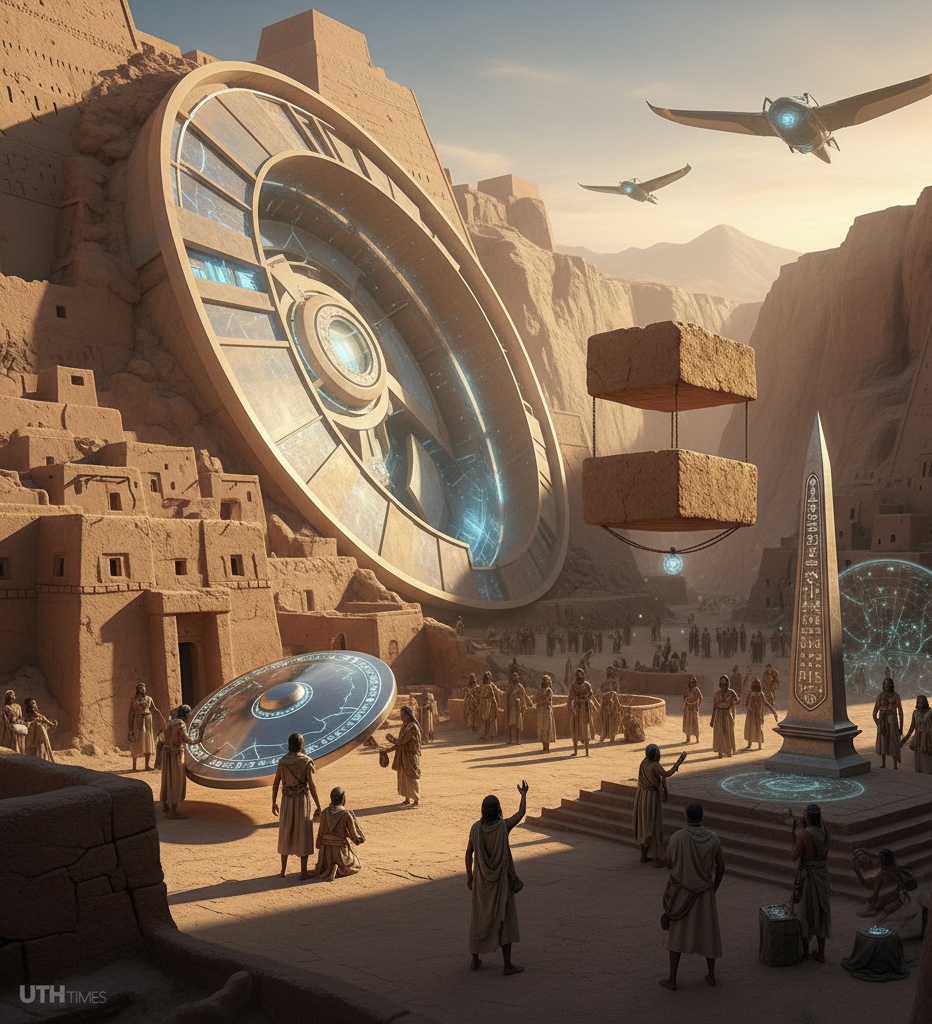
  • 🔧 Technology mistaken for magic: Machines, weapons, or flying crafts could have been interpreted as gifts of the gods.
  • 📚 Knowledge as divine law: Their wisdom in astronomy, agriculture, and governance might have seemed unattainable, embedding itself as “commandments” in myth.
  • 🏗️ Architecture as evidence: The sudden leap in human structures—from ziggurats to advanced city-planning—raises the question: did humans truly develop this alone, or did they inherit knowledge from “survivors”?

🌌 Not From the Stars, But From the Past

Popular theories often link the Anunnaki to aliens. But what if the truth is closer to home? Instead of extraterrestrials, they could have been descendants of a pre-flood civilization—perhaps destroyed by natural catastrophe, like the Younger Dryas impact or great floods. Their survivors, carrying fragments of lost science, would have seemed like otherworldly beings to newly emerging societies.

📖 Myths as History in Disguise

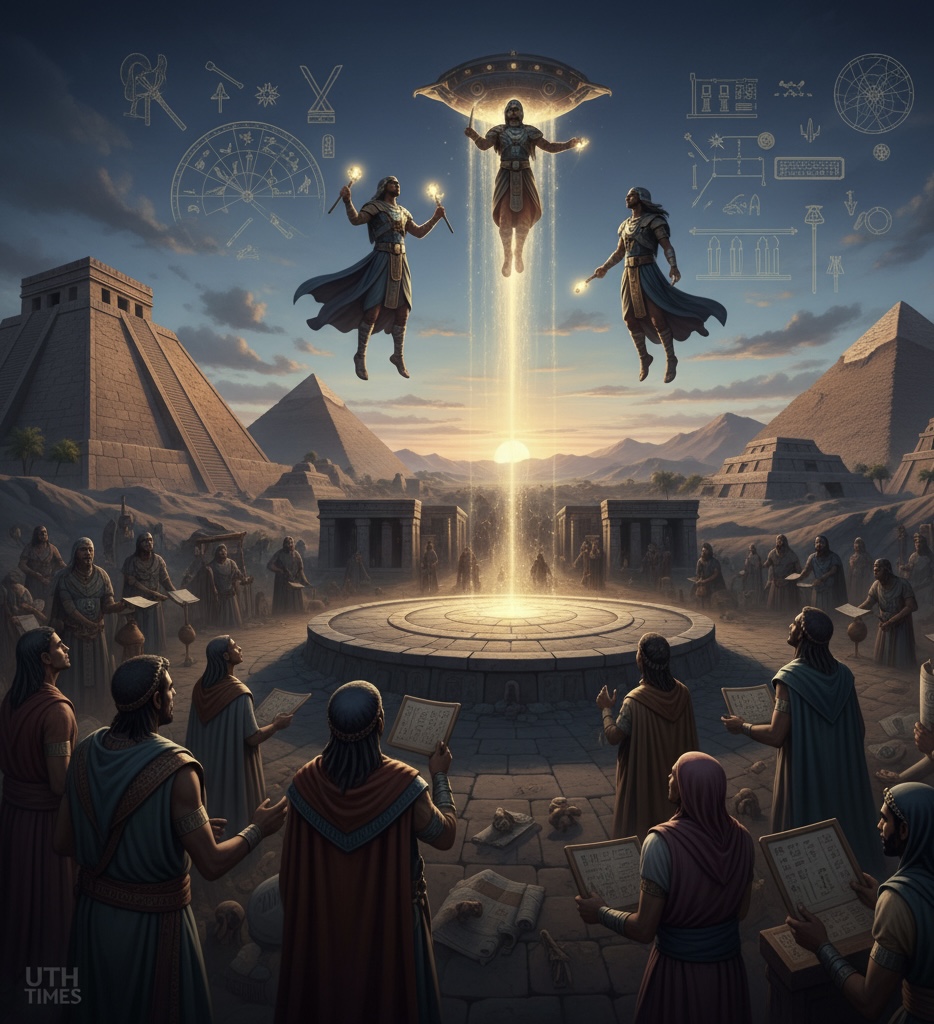
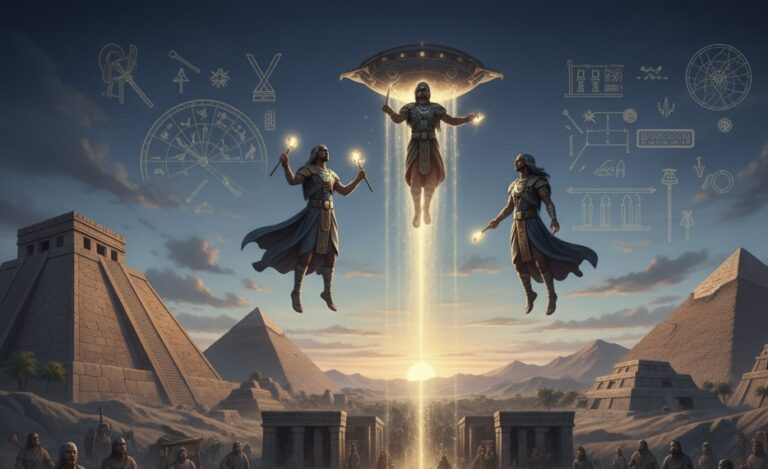
Across cultures—Sumerian, Egyptian, Mesoamerican—we find recurring myths of gods descending, teaching, and ruling. These could be cultural echoes of the same event: encounters with survivors of a once-great civilization. Myths, then, aren’t pure fantasy, but veiled memories passed down through generations.

🔔 Conclusion

The Anunnaki may not have been gods from the stars—but humans from Earth’s forgotten chapter. Survivors carrying wisdom, shaping myths, and leaving behind mysteries we still struggle to decode. Perhaps mythology isn’t about worshipping the divine—it’s about remembering what humanity lost.

Sanatan Dharma’s Secret of Brahmacharya: Awakening the Medha Nadi for Superhuman Memory

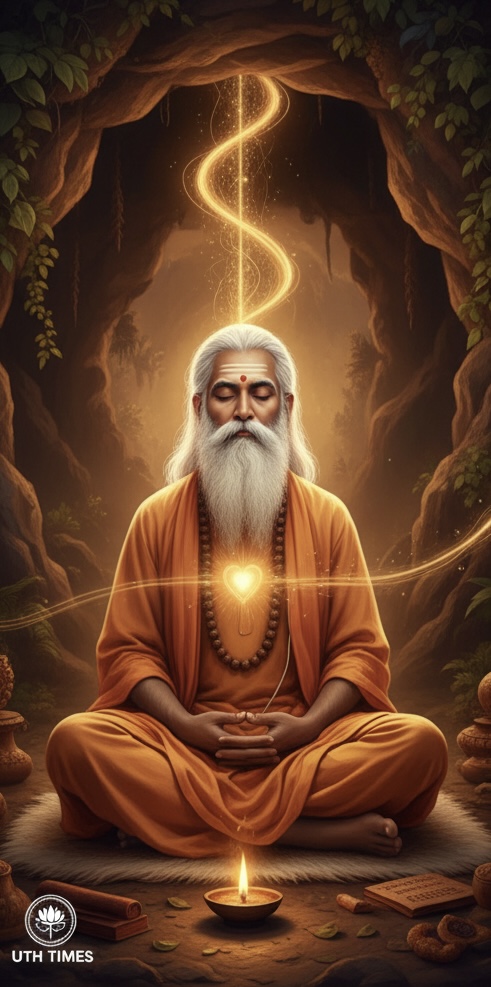
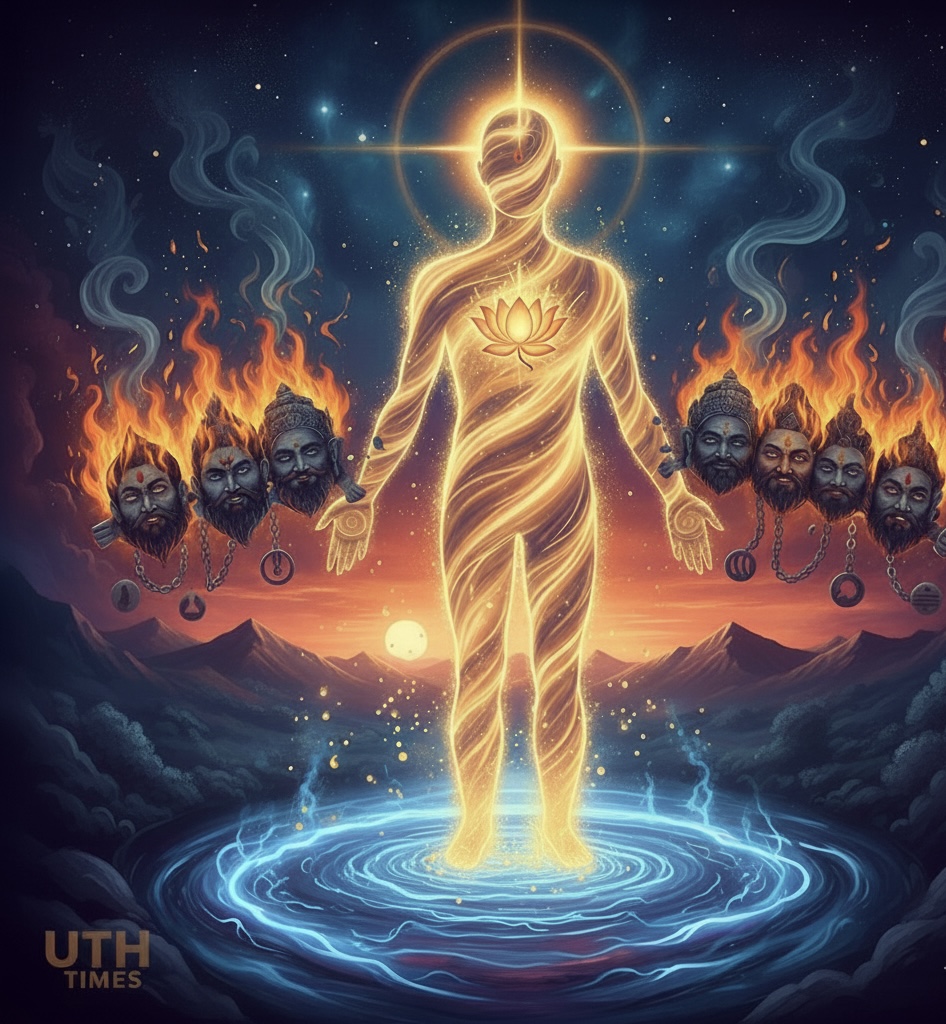
Sanatan Dharma holds within it profound sciences of human transformation. Among its most guarded secrets is the awakening of the Medha Nadi—a hidden nerve channel that unlocks superhuman clarity, memory, and wisdom through 12 years of disciplined Brahmacharya.

🌌 Brahmacharya Beyond Celibacy: The Art of Ojas Conservation

  • In Sanatan Dharma, Brahmacharya is not about denial—it is about channeling Ojas (vital energy).
  • Instead of being wasted at lower centers, this energy is redirected into the brain, fueling brilliance and divine willpower.
  • The result? Ordinary human strength is transformed into extraordinary inner mastery.

🧠 The Medha Nadi: A Hidden Superconductor of Intelligence

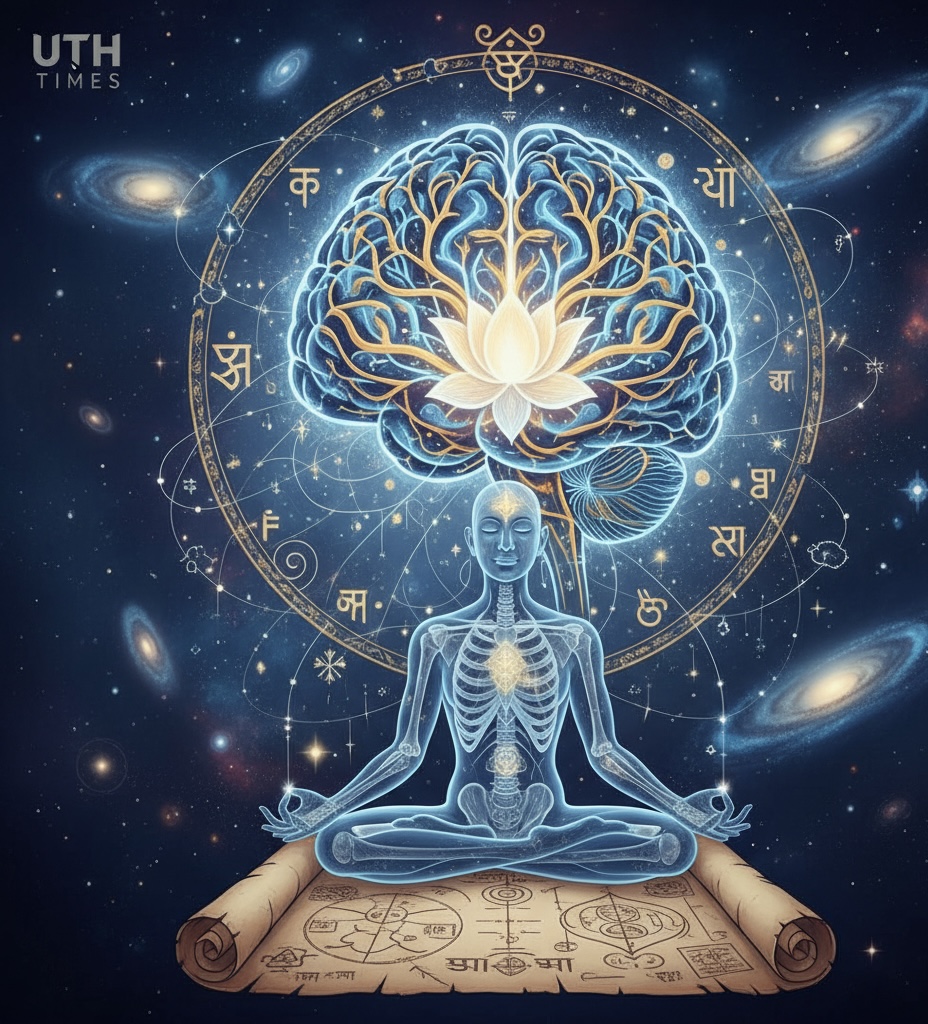
  • After 12 continuous years of Brahmacharya, yogic texts describe the awakening of Medha Nadi, a subtle channel in the brain.
  • This Nadi becomes a superconductor for focus, memory, and intelligence, unlocking capacities far beyond ordinary human limits.
  • Long before neuroscience discovered neuroplasticity, Sanatan sages had already mapped this inner transformation.

⚡ What Happens When Medha Nadi Awakes?

✅ Photographic-like memory power

✅ Laser-sharp concentration

✅ Deep emotional balance

✅ Intuitive wisdom beyond logic

This is not just an upgrade—it’s a shift from human mode to divine consciousness, the very state through which Rishis revealed eternal scriptures.

📜 The Rishis and Eternal Wisdom

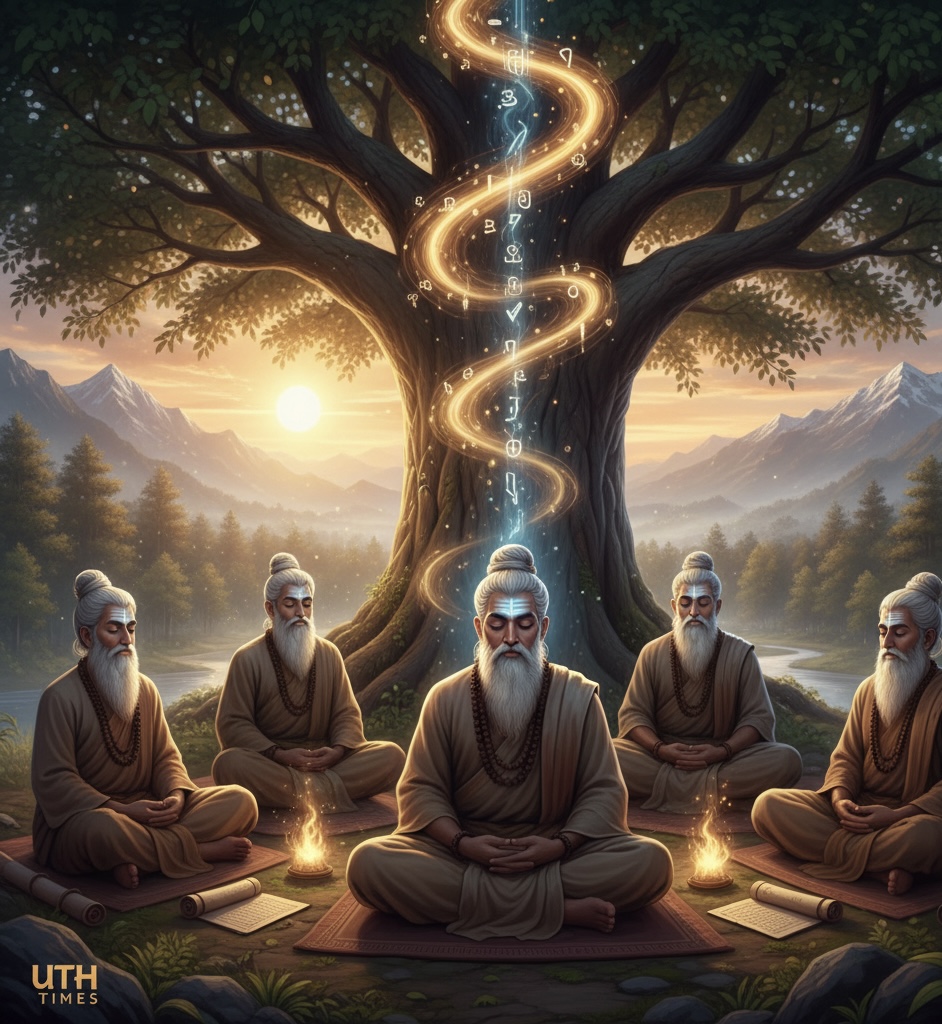
  • The timeless brilliance of the Vedas and Upanishads was possible because the Rishis practiced Brahmacharya.
  • Their words were not written from fleeting thought but flowed directly from the awakened Medha Nadi—hence their eternal resonance even today.

🔬 Sanatan Wisdom Meets Modern Science

  • Neuroscience now confirms what Rishis knew—energy conserved and directed upwards rewires the brain.
  • This explains why Brahmacharya, when practiced with discipline, results in heightened cognition, mental stability, and spiritual awakening.

🕉️ Sacred Mantra for Brahmacharya

“ॐ वज्रं वज्राय तेजः स्मृतये स्वाहा”

🔸 This mantra builds memory, strengthens willpower, and channels life-force toward higher consciousness.

🔹 Conclusion

In the vision of Sanatan Dharma, Brahmacharya is not suppression—it is mastery. The awakening of the Medha Nadi is not mythology but a forgotten science of human potential. To walk this path is to transform memory, intelligence, and consciousness into their divine state.

Vijaya Dashami: The Eternal Triumph of the Soul

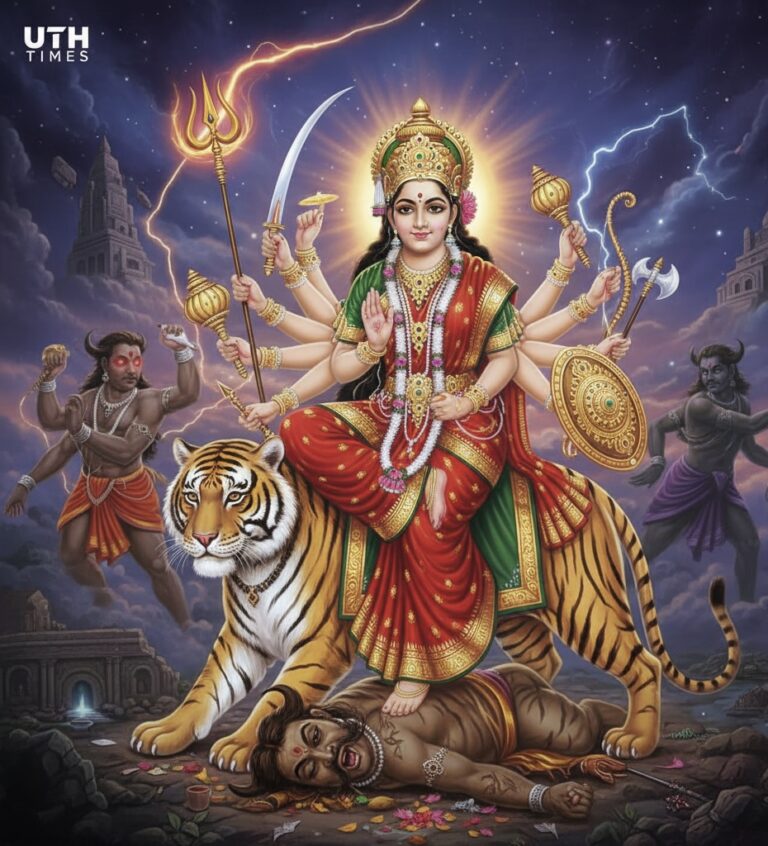
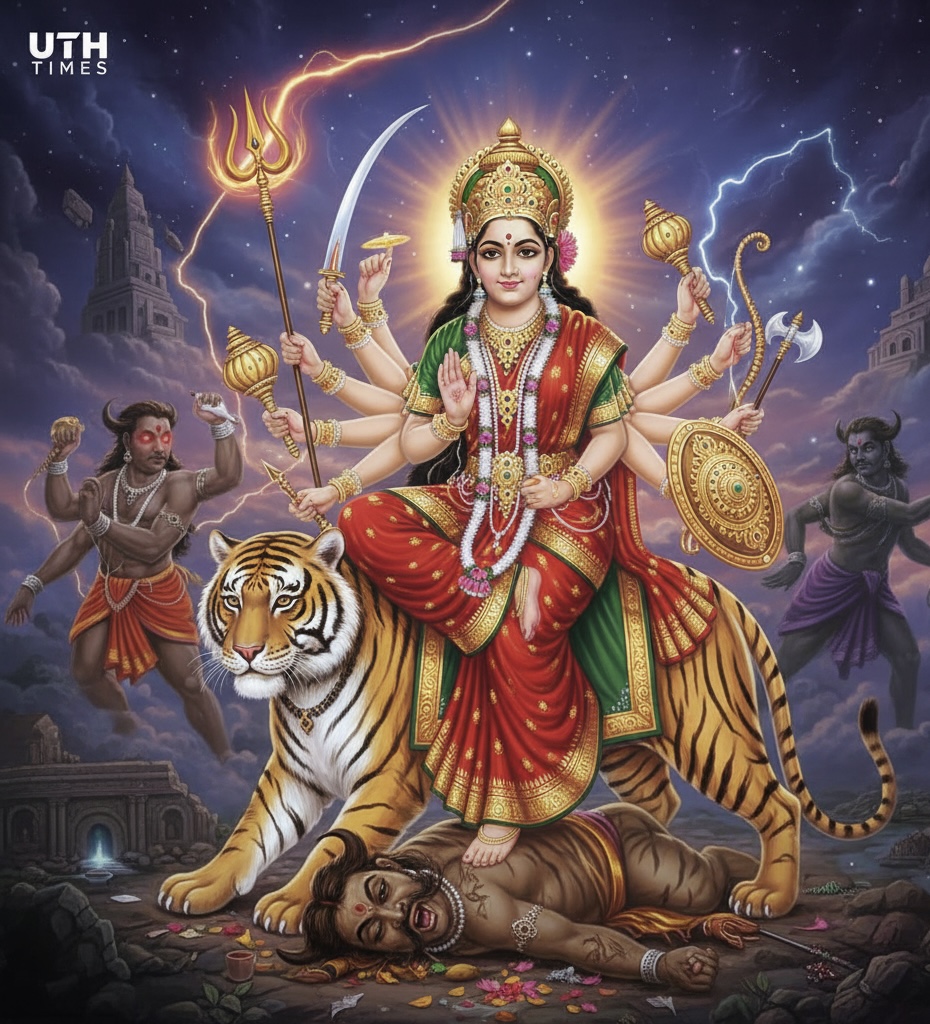
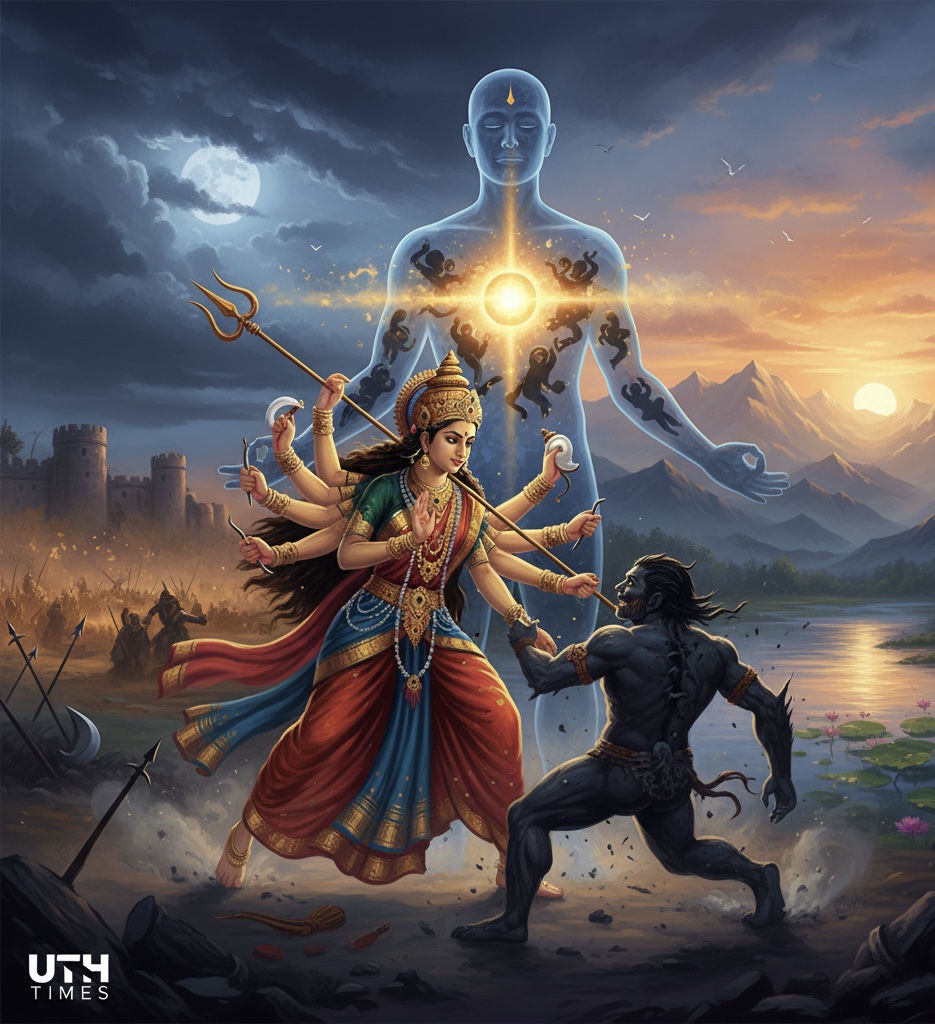
Vijaya Dashami, also known as Dussehra, is not just a cultural festival—it is a profound reminder of the eternal truth: light always prevails over darkness. On this sacred day, Maa Durga’s victory over Mahishasura reflects the triumph of the Higher Self over the asuric forces of ego, ignorance, and fear within us.

🔱 The Significance Beyond Mythology

Vijaya Dashami carries a universal message that extends far beyond rituals and legends.

  • 🌺 It marks the culmination of Navaratri, when the worship of Maa Durga in Her nine forms leads to spiritual purification and awakening.
  • 🌺 The tenth day symbolizes completeness—victory achieved through perseverance, devotion, and inner discipline.
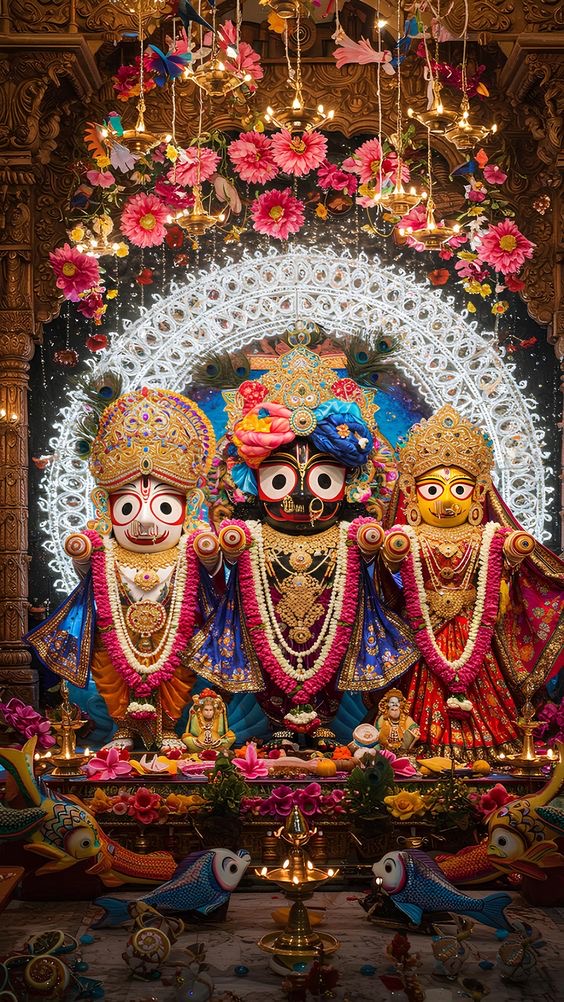
  • 🌺 The festival is a mirror of our inner journey, reminding us that the battle against negativity is not external but within our own consciousness.

⚔️ Maa Durga: The Divine Force Within

Durga is not only a goddess of mythology but the cosmic power that sustains and protects life.

  • 🌼 Her ten arms signify the strength to confront multiple challenges at once—both worldly struggles and inner weaknesses.
  • 🌼 Her weapons—trident, discus, sword, bow—represent divine tools of wisdom, clarity, courage, and self-mastery.
  • 🌼 Each demon She defeats symbolizes a vice: Mahishasura (ignorance), Shumbha (pride), Nishumbha (doubt). The victory is the soul’s freedom from bondage.

Thus, worshipping Durga is not external alone—it is an invocation of Shakti, the divine power sleeping within every being.

🔥 Vijaya Dashami as an Inner Awakening

On this day, Hindus celebrate with grandeur—burning effigies of Ravana and immersing idols of Durga—but the deeper meaning lies in spiritual awakening.

  • 🌸 The burning of Ravana represents the annihilation of ego and the ten negative tendencies that bind us.
  • 🌸 The immersion of idols signifies detachment—Durga may return to the cosmos, but Her energy remains alive within the devotee.
  • 🌸 It is an invitation to awaken the Yoga Shakti, to rise above limitations, and to live fearlessly with divine guidance.

Vijaya Dashami is not just the end of a festival; it is the beginning of a transformed life.

🌟 Conclusion

Vijaya Dashami is the eternal reminder that the soul is destined to triumph. The goddess slays the forces of darkness, but the true battlefield lies within us. When ignorance falls and wisdom arises, when ego dissolves and Self shines forth—that is the real Vijaya Dashami.

The UFO Cave Paintings of Charama: India’s Prehistoric Mystery

Deep in the tribal region of Charama, Chhattisgarh, lie rock shelters that may hold one of humanity’s most enigmatic puzzles. These prehistoric paintings, dated over 10,000 years old, depict strange beings and flying objects eerily similar to modern UFO imagery. Are they myth, imagination—or evidence of something extraordinary?

🌌 The Ancient Canvas of Charama

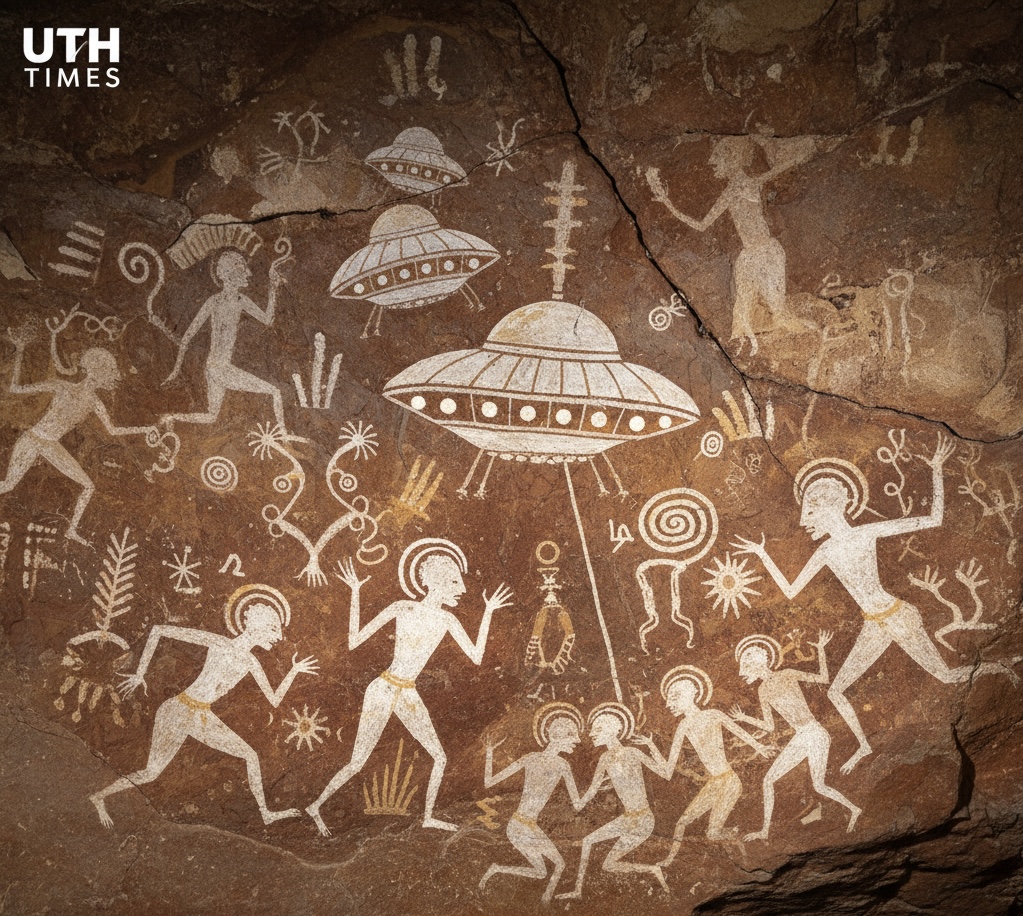
Hidden within dense forests, the caves of Charama preserve artworks believed to be created by ancient hunter-gatherer societies. Painted with natural pigments that astonishingly survived millennia, the rock art showcases animals, hunting scenes, and everyday life. But what grabs global attention are figures that defy explanation—humanoids with elongated limbs, large heads, and strange helmets.

Archaeologists confirm these artworks belong to the Mesolithic period, making them at least 10,000 years old. Yet, their details do not match typical human or animal representations of the time.

🛸 The “Flying Saucer” Enigma

Among the most striking images are disc-shaped objects hovering above the humanoid figures. Some appear to have antennas, while others resemble classic “flying saucers” described in 20th-century UFO sightings.

⚫ These shapes are unique in Indian prehistoric art.

⚫ They resemble no known tool, chariot, or weapon from that era.

⚫ Local tribal legends speak of “Rohela people” who descended from the sky and took some villagers away, never to return.

Such folklore eerily aligns with the imagery, fueling debates among archaeologists, historians, and UFO researchers alike.

🧩 Archaeology Meets Mystery

The Chhattisgarh State Department of Archaeology has acknowledged the paintings’ peculiar nature. Experts suggest they may represent early human imagination, ritualistic symbolism, or even visions experienced in altered states of consciousness.

Yet, skeptics struggle to explain why primitive societies would envision flying crafts so closely resembling what we today call UFOs. Unlike animals and daily activities, these saucer-like objects have no connection to their survival-driven reality.

🌍 Global Connections

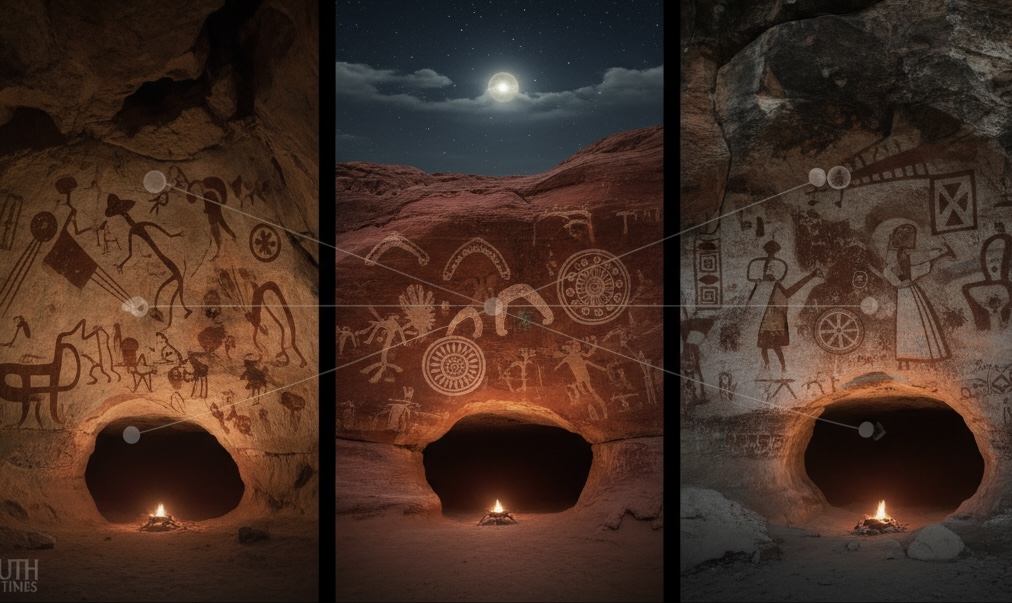
Interestingly, similar cave paintings of mysterious beings and disc-shaped crafts have been found in France, Australia, and parts of Africa. This raises a provocative question: Did early civilizations across continents share a common myth—or witness the same otherworldly visitors?

🔮 Conclusion

Charama’s cave paintings remain one of India’s most mystifying archaeological treasures. Whether products of ritual, imagination, or cosmic encounters, they challenge us to rethink what our ancestors truly experienced. The silence of the caves whispers an unanswered question: Did the past hold visitors from the stars?

The Secret of the Third Eye: Awakening Vision Beyond the Ordinary

0

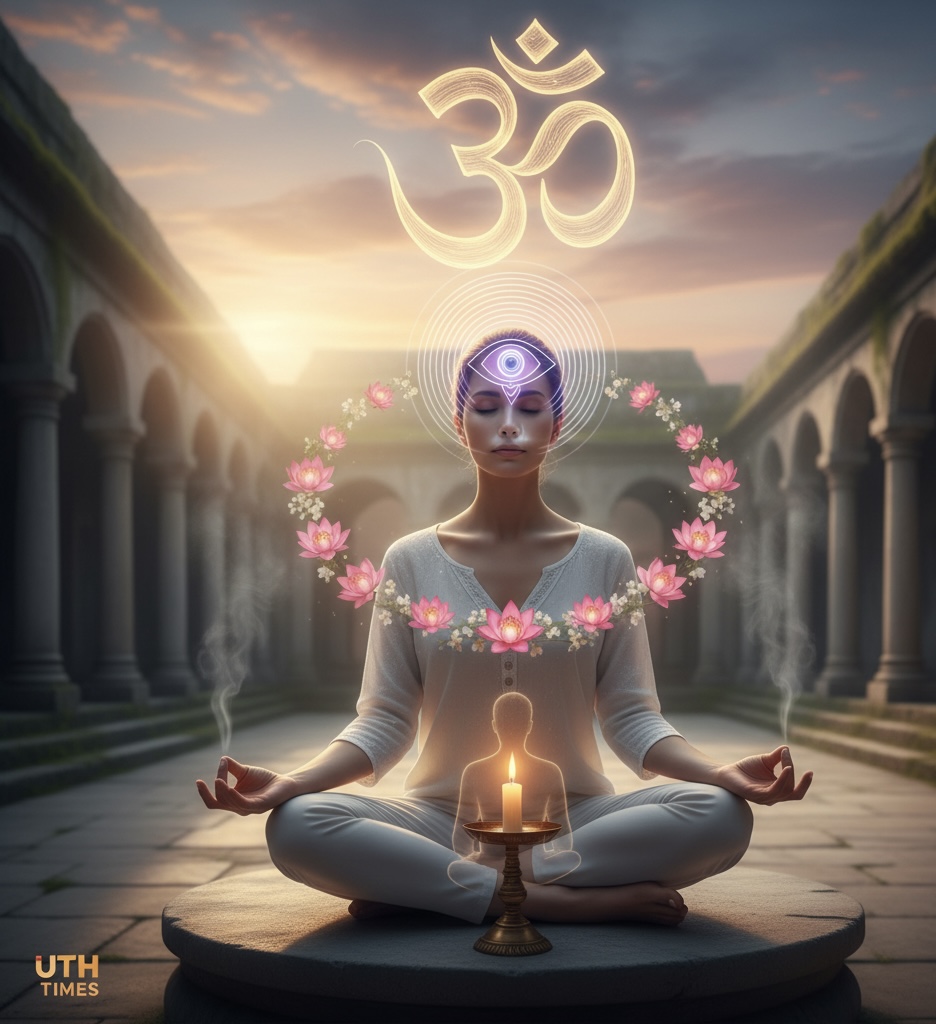
Beyond the physical eyes lies a mystical inner eye — the Third Eye. Known as the Ajna Chakra in yogic science, it is more than myth. It is the seat of intuition, insight, and higher consciousness. For thousands of years, sages, mystics, and philosophers have spoken of this hidden power that allows one to see beyond illusions.

👁️ What is the Third Eye?

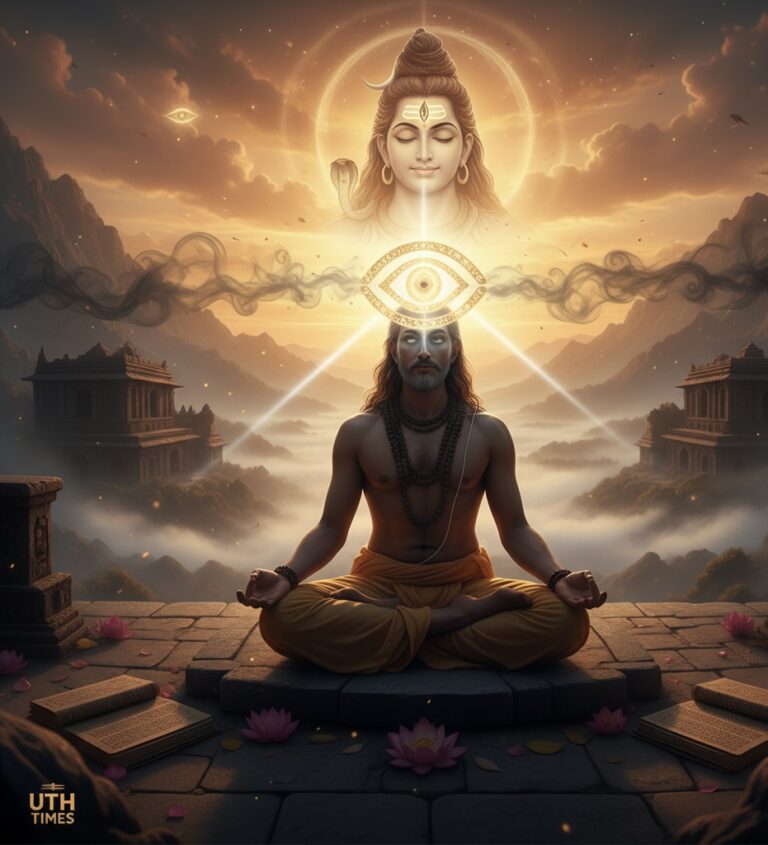
The Third Eye is the Ajna Chakra, located between the eyebrows. It is believed to be the gateway to spiritual perception — allowing awareness that transcends the five senses. In yogic texts, it is described as the center of command, where wisdom and vision beyond the ordinary arise.

⚡ Why is the Third Eye Powerful?

When awakened, the Third Eye grants a heightened state of consciousness. It is said to unlock:

  • ✨ Deep intuition that guides decisions
  • ✨ Clarity of thought beyond confusion
  • ✨ Awareness of subtle, unseen energies
  • ✨ Connection with universal consciousness

This vision is not about physical sight — it is about seeing with awareness.

📜 Ancient Wisdom of the Third Eye

The Upanishads and Tantras refer to the Third Eye as the “Eye of Shiva.” When this eye opens, ignorance is destroyed, and truth shines. The great yogis of India emphasized that this awakening is the key to liberation (moksha), freeing one from the illusions of material existence.

🔬 Science and the Third Eye

Modern research connects the Third Eye to the pineal gland — a pea-sized gland in the brain. Though small, it regulates circadian rhythm, hormonal balance, and has been linked with mystical experiences. Ancient yogis identified this center of power long before neuroscience began to explore it.

🌌 Signs of Awakening the Third Eye

Those on the path of awakening often experience:

  • ✨ Heightened intuition and “gut feelings”
  • ✨ Vivid, symbolic dreams
  • ✨ A deep sense of inner peace
  • ✨ Awareness of subtle vibrations and energies
  • ✨ Feeling connected with something greater than oneself

🧘 Techniques to Open the Third Eye

The journey of awakening requires discipline and purity. Yogic traditions recommend:

  • 🌸 Meditation on the Ajna Chakra
  • 🌸 Trataka (Candle Gazing for focus)
  • 🌸 Chanting “Om” — the universal vibration
  • 🌸 Breath practices (Pranayama)
  • 🌸 Silence and mindfulness in daily living

These practices gradually sharpen perception and align the mind to higher awareness.

⚠️ Why Awakening is Not Easy

Opening the Third Eye is not a shortcut to power. Without mental discipline and inner purity, one may feel imbalance or confusion. This is why sages emphasize preparation, devotion, and self-purification before attempting Third Eye practices.

🌈 The Real Goal of the Third Eye

The Third Eye is not about mystical visions or psychic powers. Its true purpose is transcending illusion, ego, and material blindness. When awakened, it allows one to perceive reality as it truly is — infinite, boundless, and divine.
✨ Conclusion

The Third Eye is not a fantasy — it is the doorway to inner wisdom and higher truth. To awaken it is to rise above illusion and step into the realm of spiritual clarity. When opened with discipline and devotion, it becomes the light that guides us to the ultimate truth.

The 33 Vedic Gods: Decoding the Divine Pillars of Sanatan Dharma

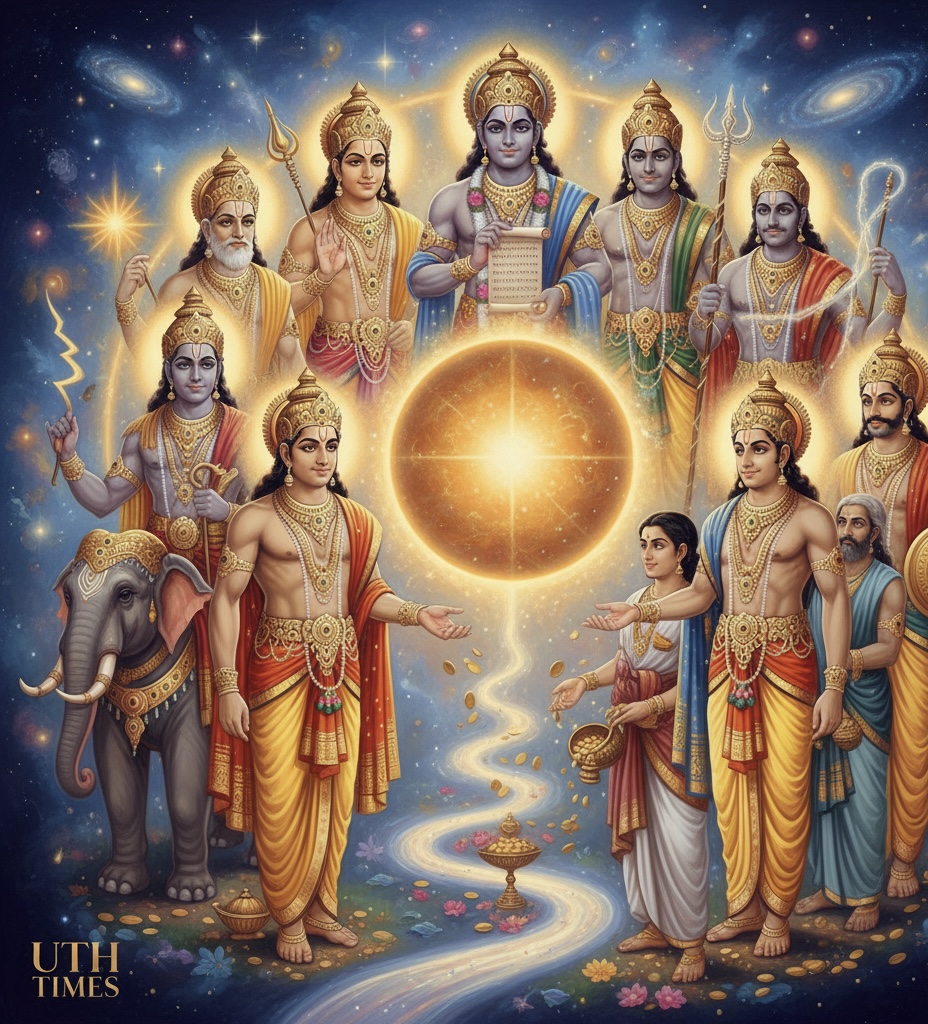
You’ve heard of 33 koti devata and probably thought it meant 33 crore gods. But in the Vedic context, koti also means class or type. That’s the secret—there are not millions, but 33 foundational deities, cosmic archetypes that shape existence itself. Let’s uncover these ancient forces, divided into Vasus, Adityas, Rudras, and Ashvins.
🌍 The Eight Vasus: Forces of Material Reality

The Vasus represent the building blocks of the cosmos, governing space, energy, and matter. They embody the raw materials that sustain creation.

  • Dyau (Sky) – The vast dome above.
  • Prithvi (Earth) – The nurturing ground.
  • Agni (Fire) – Transformative energy.
  • Vayu (Wind) – Breath of life.
  • Nakshatras (Stars) – Celestial timekeepers.
  • Soma (Moon) – Nourisher of life and mind.
  • Varuna (Water) – Flow of existence.
  • Mitra (Friendship/Light) – The bond that holds beings together.

These are not just natural elements—they are living principles that shape destiny.

☀️ The Twelve Adityas: Guardians of Cosmic Order

The Adityas are radiant deities, protectors of ṛta (cosmic law and harmony). Each represents a dimension of virtue and governance.

Some key Adityas include:

  • Mitra – Harmony and contracts.
  • Varuna – Oaths and moral order.
  • Aryaman – Hospitality and social bonds.
  • Bhaga – Distributor of wealth.
  • Amsa – Provider of shares.
  • Vivasvan – Ancestral Sun.
  • Daksha – Skill and ritual power.
  • Indra – Warrior upholder of heaven.

Together, they ensure that truth, prosperity, and justice flow in the universe.

🌪️ The Eleven Rudras: Breath of Life and Storm

The Rudras are fierce, storm-like powers—winds of prana that bring both healing and destruction. Listed in the Matsya Purana:

Kapali, Pingala, Bhima, Virupaksha, Vilohita, Ajapada, Ahirbudhnya, Shasta, Shambhu, Chanda, Bhava.

They embody the turbulent yet vital energy of existence: storms that destroy stagnation, winds that give breath, and power that transforms mortality into immortality.

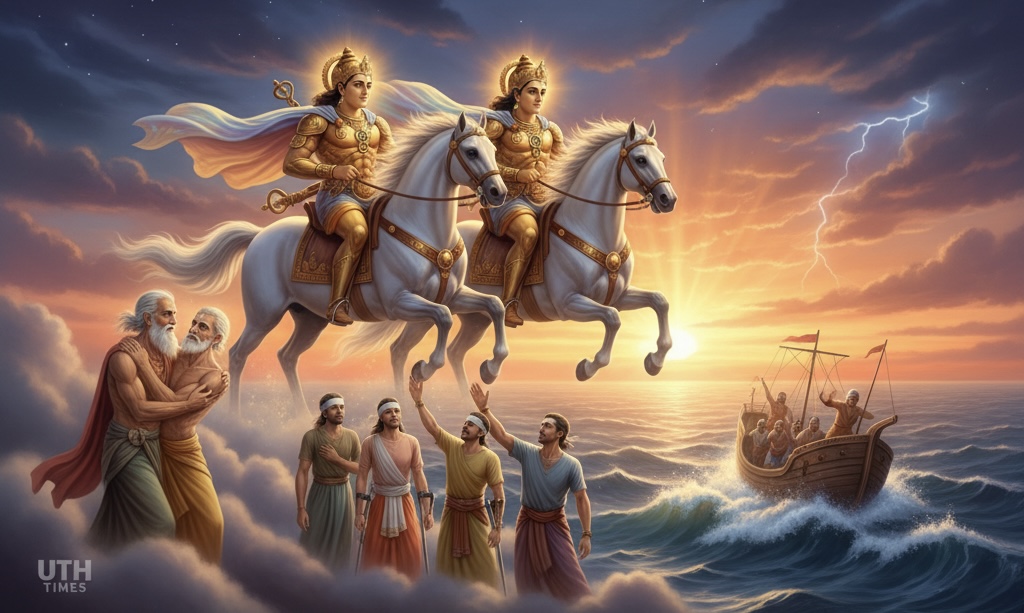
🐎 The Two Ashvins: Twin Healers of Dawn

The Ashvins, golden-hued horsemen, arrive at daybreak—physicians of gods and saviors of men. They:

  • Restore youth to the old.
  • Heal the blind and the crippled.
  • Rescue sailors from stormy seas.

They represent the threshold between night and light, symbolizing renewal and hope.

Conclusion

The 33 Vedic gods are not mere deities but cosmic codes. They embody matter, law, energy, and healing—pillars on which the entire Vedic worldview rests. To understand them is to glimpse the architecture of the universe itself.

The Lost Labyrinth of Egypt: Greater Than the Pyramids?

0

For centuries, whispers told of a colossal underground labyrinth in Egypt—said to be even more awe-inspiring than the Pyramids of Giza. Today, researchers believe they’ve found proof that this myth was no myth at all.

🔮 Ancient Legends Come Alive

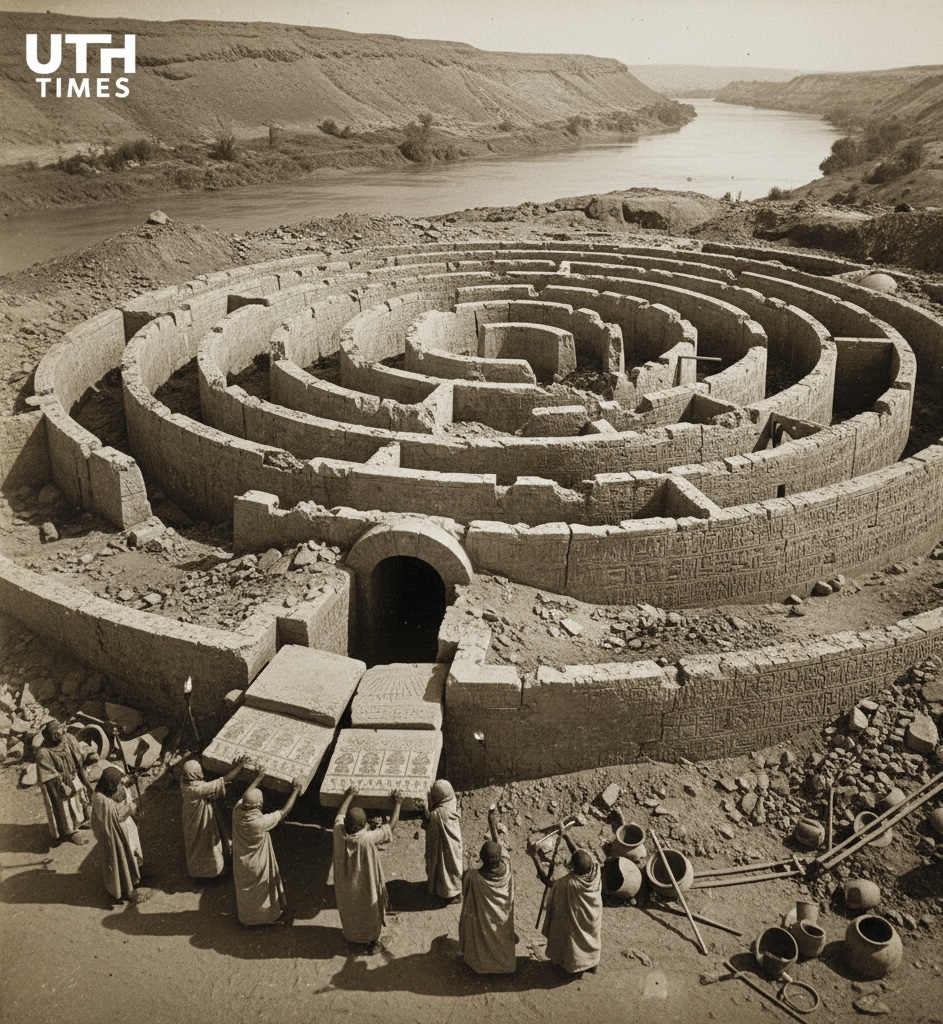
Greek historian Herodotus, known as the “Father of History,” described a labyrinth so vast and intricate that it overshadowed every temple and pyramid of his time. He claimed it held 3,000 rooms, both above and below ground, filled with sacred carvings and mysterious chambers. Yet for millennia, its existence was dismissed as folklore—until now.

🏛️ A Discovery Beneath the Sands

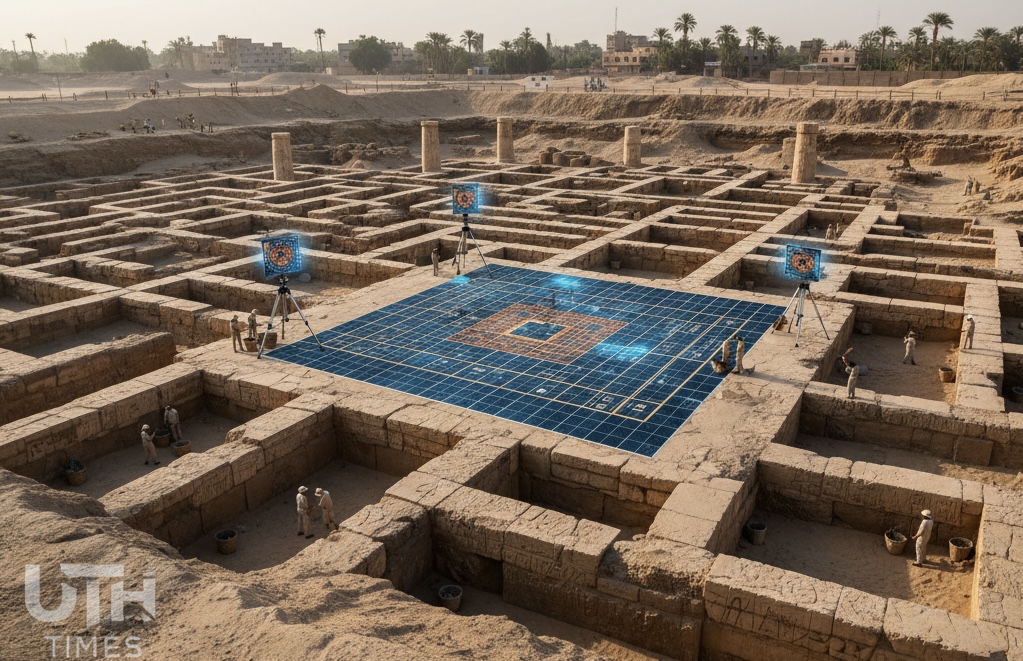
Recent archaeological surveys in Hawara, near the Fayum Oasis, have revealed what appears to be the remnants of this labyrinth. Ground-penetrating radar has detected an immense stone structure sprawling over several acres, buried beneath desert sands and mud. Unlike the Pyramids, which rise toward the heavens, this labyrinth extends horizontally beneath the earth—hidden from sight, but not from history.

📜 What Lies Within the Labyrinth?

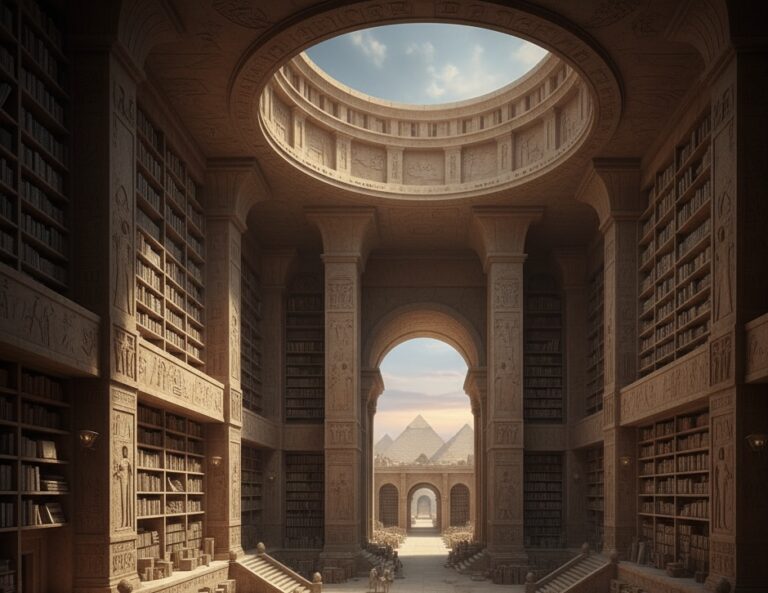
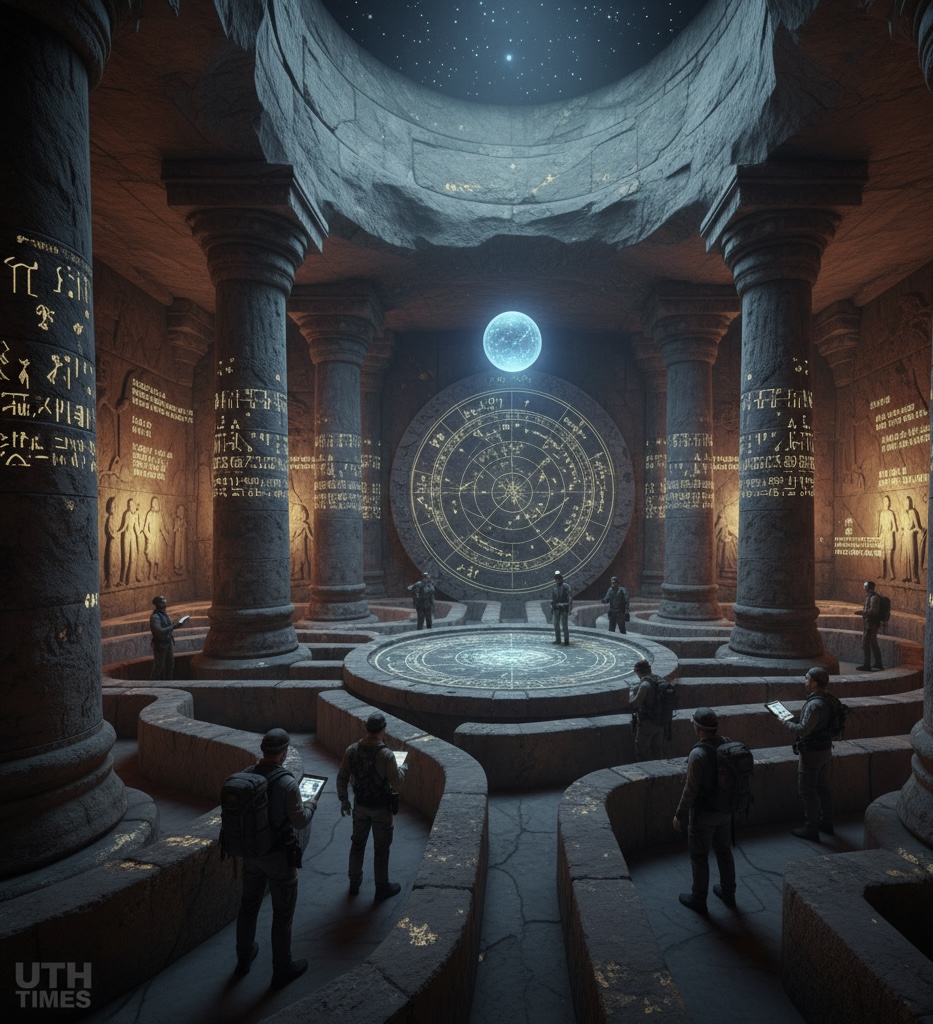
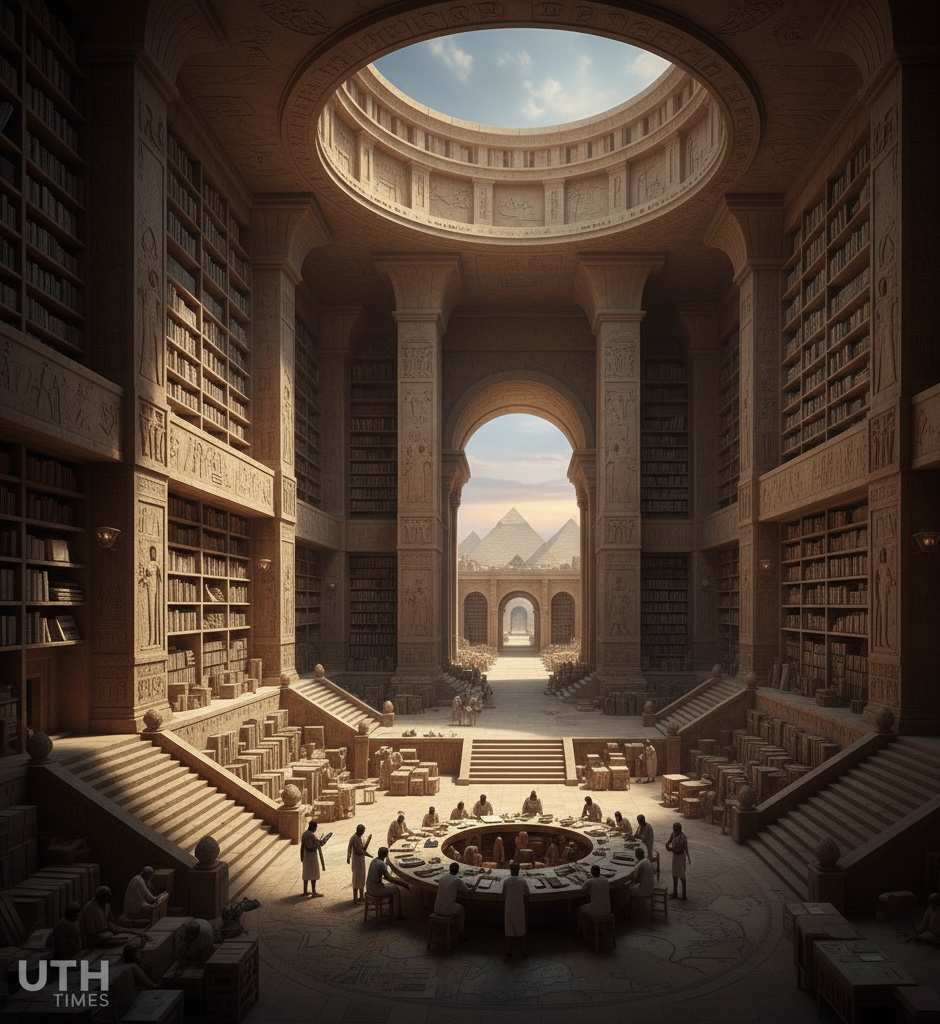
Researchers suggest the labyrinth was not just a monument but a cosmic archive. The underground chambers are believed to contain hieroglyphs detailing Egypt’s lost dynasties, forgotten rituals, and even astronomical knowledge. Some historians argue it might be the true “Hall of Records”—a place that holds the memory of a civilization older than Egypt itself.

⚖️ Why Was It Buried?

Theories abound. Some believe the labyrinth was deliberately sealed by priests to safeguard its wisdom from invaders. Others claim natural disasters—flooding from the Nile—buried it under centuries of mud. Either way, its concealment preserved a treasure trove of history, waiting for modern science to rediscover.

🌍 Greater Than the Pyramids?

If proven fully intact, the labyrinth could eclipse the Pyramids as Egypt’s greatest monument. Where the Pyramids symbolize eternal kingship, the labyrinth symbolizes eternal knowledge—a library carved in stone, stretching endlessly below the earth.

✨ Closing Thought

The sands of Egypt still whisper secrets. With this discovery, one truth emerges: we have only scratched the surface of ancient civilization. Beneath the pyramids of stone may lie pyramids of knowledge—waiting to be revealed.

5 Mystical Temples in India with Unique Legends

0

India is not just a land of spirituality but also of fascinating myths and legends. Many temples here aren’t only architectural wonders—they hold stories that defy logic, making them mysterious and divine at the same time. Here are five mystical temples in India with legends that continue to intrigue devotees and travelers alike.

1. Kailasa Temple, Ellora (Maharashtra)

  • Legend: Built in the 8th century, this monolithic temple is carved from a single rock. Folklore says it was constructed in just one night by divine intervention.
  • Mystery: No records exist of how such precision and scale were achieved with the tools of that time.

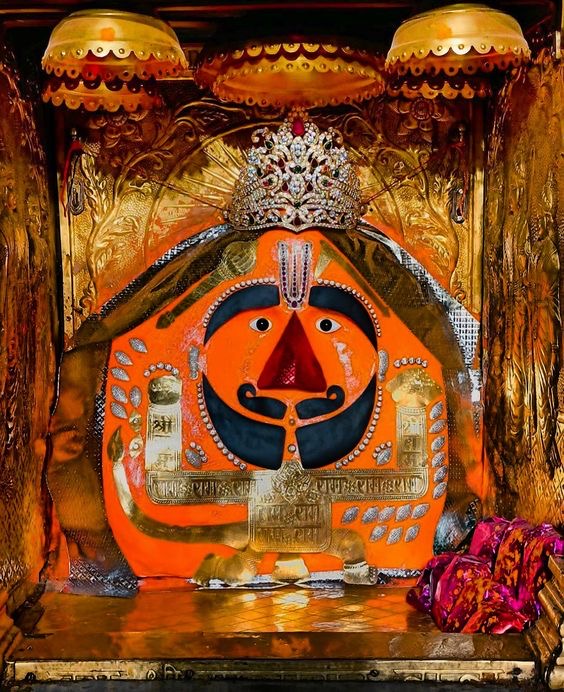
2. Mehandipur Balaji Temple (Rajasthan)

  • Legend: Dedicated to Lord Hanuman, this temple is believed to heal people possessed by spirits or suffering from black magic.
  • Mystery: Even today, rituals of exorcism are performed here, drawing people from across India.

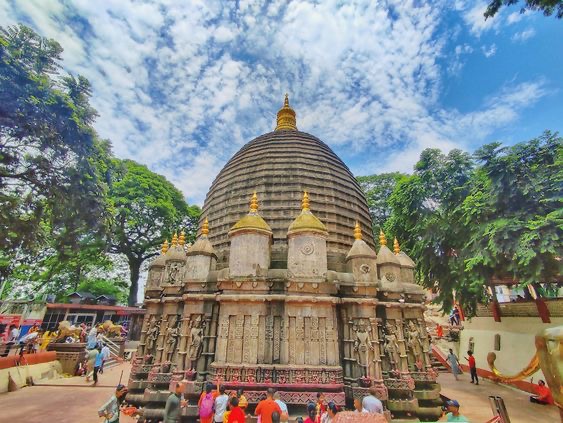
3. Kamakhya Temple (Assam)

  • Legend: One of the most powerful Shakti Peethas, it is believed to be where Goddess Sati’s womb fell.
  • Mystery: Every year during Ambubachi Mela, the temple closes for three days as it is believed the Goddess undergoes menstruation.

4. Jagannath Temple, Puri (Odisha)

  • Legend: Known as the home of Lord Jagannath, the temple’s rituals remain unchanged for centuries.
  • Mystery: The temple flag always flutters against the wind, and no bird or plane flies over its dome—something science still struggles to explain.

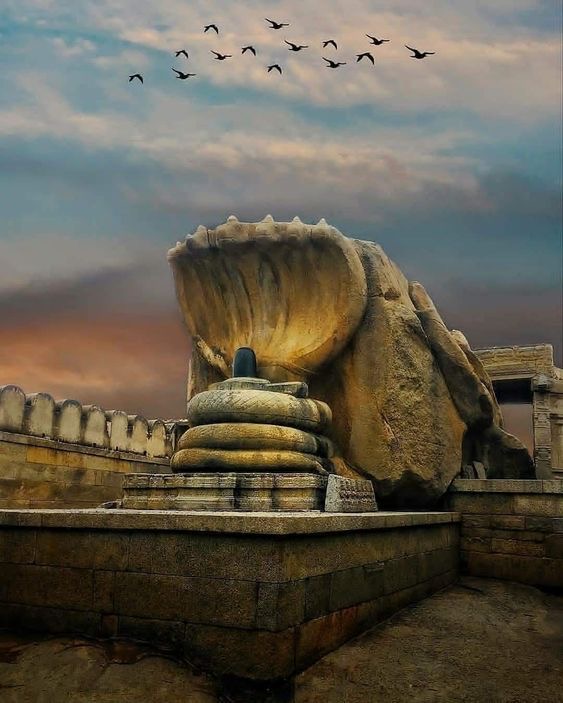
5. Veerabhadra Temple, Lepakshi (Andhra Pradesh)

  • Legend: Associated with the Ramayana, it is believed that Jatayu fell here while fighting Ravana.
  • Mystery: The temple has a “hanging pillar” that does not touch the ground, and people pass cloth beneath it to prove the phenomenon.

✨ These temples prove that India is not just a place of devotion but also of unexplained wonders. Whether you see them through faith or curiosity, their legends make them unforgettable.

5 Reasons Why Indians Should Consider Downloading Arratai

0

In an era dominated by global apps, India is steadily moving toward self-reliance in digital communication. Arratai, an emerging Indian chat platform, is designed with this vision in mind. Here are five compelling reasons why Indians should give it a try:

1. Made in India, for India

Arratai is proudly homegrown, tailored to Indian users’ needs. By supporting local innovation, users directly contribute to India’s growing digital ecosystem and reduce dependency on foreign tech giants.

2. Strong Privacy & Data Security

Unlike many global apps where data often flows overseas, Arratai ensures user data remains secure with Indian-compliant policies. This aligns with the government’s focus on data sovereignty.

3. Regional Language Support

India’s strength lies in its diversity. Arratai integrates multiple Indian languages, making digital conversations more inclusive and allowing millions of non-English speakers to connect effortlessly.

4. Lightweight & Optimized for India

Designed to run smoothly even on budget smartphones and patchy internet connections, Arratai is accessible to Tier-2 and Tier-3 cities, not just metros.

5. Boosting the Atmanirbhar Bharat Vision

Every download of Arratai strengthens India’s tech independence. By adopting local solutions, Indians help build companies that can compete globally, just as UPI did in payments.

Final Word

Arratai is not just another messaging app; it’s a step toward digital independence, cultural inclusivity, and secure communication. Supporting it means supporting India’s future in the tech world.