
India is preparing for one of the biggest transportation transformations in its history. With the clearance of seven high-speed rail corridors, the country is moving closer to a future where intercity travel will be faster, smarter, and more efficient than ever before. From business hubs to cultural capitals, these bullet train routes promise to shrink distances and unlock new economic opportunities.
🌟 The Corridors That Could Change India Forever
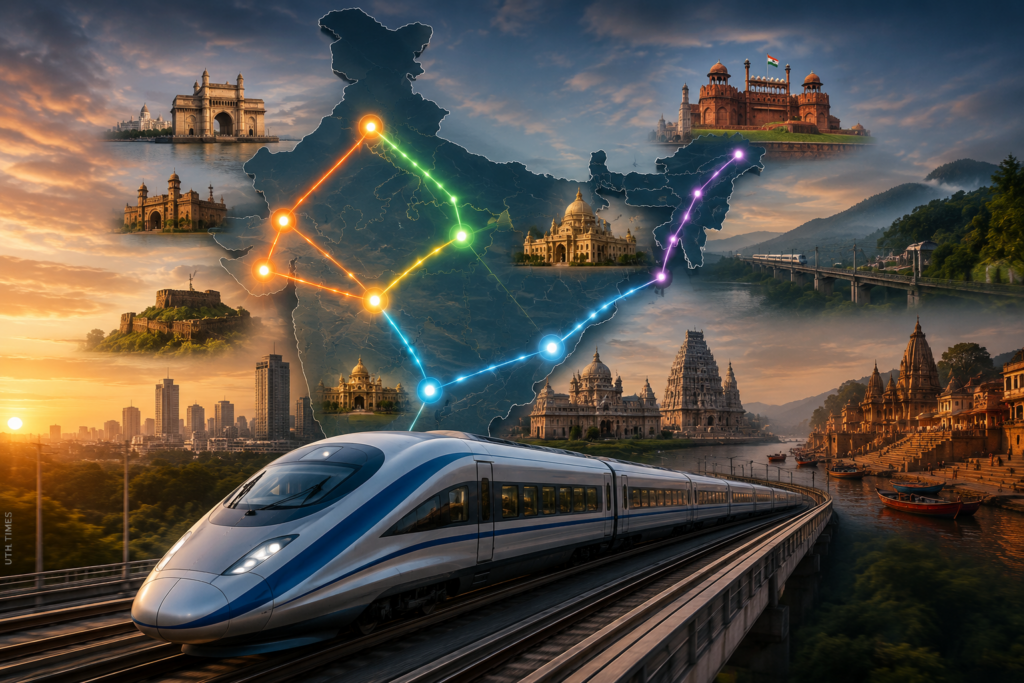
The proposed high-speed rail network will connect some of India’s most important cities with travel times that were once unimaginable.
🔹 Mumbai–Ahmedabad: 1 hour 57 minutes
🔹 Mumbai–Pune: 48 minutes
🔹 Bengaluru–Chennai: 73 minutes
🔹 Bengaluru–Hyderabad: 2 hours 10 minutes
🔹 Pune–Hyderabad: 2 hours 8 minutes
🔹 Delhi–Lucknow: 2 hours
🔹 Delhi–Varanasi: 3 hours 15 minutes
🔹 Delhi–Siliguri: 6 hours
These corridors could allow travelers to cover hundreds of kilometers in a fraction of the time currently required by road or conventional rail.
💼 More Than Just Faster Trains
The high-speed rail project is not merely about reducing travel time—it is about reshaping India’s economic landscape.
🚀 Faster connectivity can encourage investment across regions.
🏙️ Emerging cities may become attractive destinations for businesses, startups, and industries.
💰 Improved mobility could boost tourism, hospitality, real estate, and local economies.
👨💼 Professionals may find it easier to work in one city while living in another, creating entirely new economic corridors.
Experts believe that cities connected by high-speed rail often experience accelerated development due to improved accessibility and increased commercial activity.
🌐 Connecting India’s Growth Engines
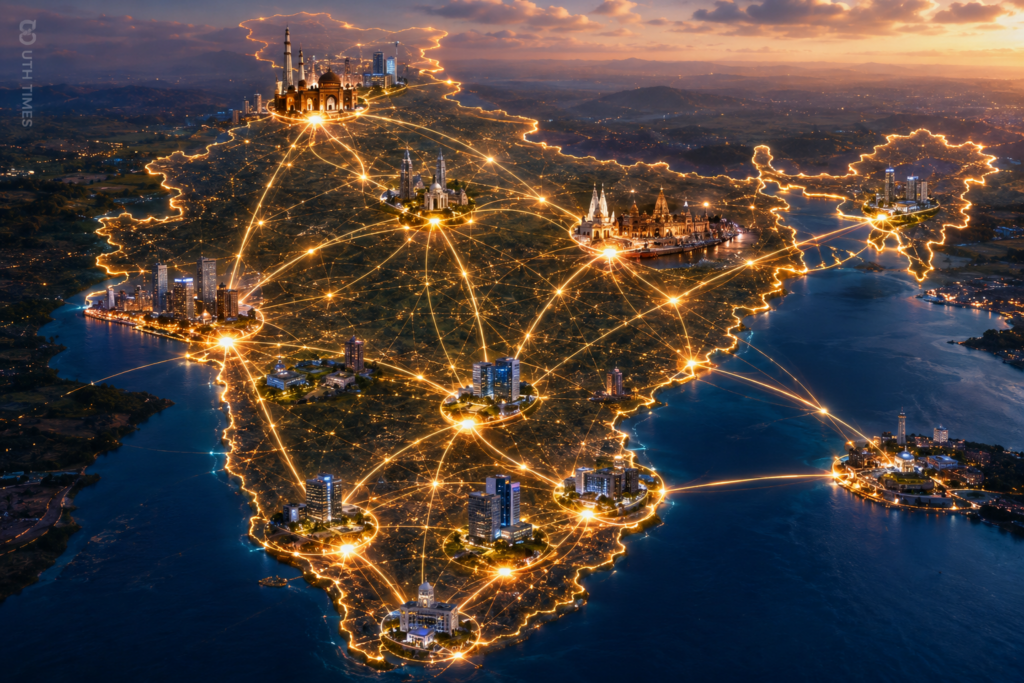
One striking aspect of the proposed network is its strategic focus on linking India’s major economic and innovation hubs.
🔸 Mumbai and Pune – Maharashtra’s financial and industrial powerhouses.
🔸 Bengaluru, Chennai, and Hyderabad – India’s technology triangle.
🔸 Delhi, Lucknow, Varanasi, and Siliguri – key administrative, cultural, and regional growth centers.
This interconnected network could strengthen supply chains, improve regional integration, and support India’s ambition of becoming a global economic powerhouse.
⚡ What This Means for Ordinary Indians
For millions of passengers, bullet trains could redefine convenience.
✅ Same-day business trips become easier.
✅ Tourism becomes more accessible.
✅ Long-distance travel becomes less tiring.
✅ Better connectivity creates new employment opportunities.
The vision is simple yet transformative: making distance less relevant in a rapidly growing nation.
India’s high-speed rail ambitions signal much more than infrastructure development—they represent a bold statement about the country’s future. If these corridors become reality, they could mark the beginning of a new chapter where speed, connectivity, and economic growth travel together on the same track.

