
Medicine is no longer just about pills and surgeries—it’s entering the microscopic battlefield. Scientists are now engineering DNA-based nanorobots, devices so small they can operate at the molecular level, potentially transforming how we treat disease forever.
DNA robots are programmable nanostructures built using a technique called DNA origami, where strands of DNA are folded into specific shapes and functions.
🔹 They are not alive—but they behave like machines
🔹 Designed to recognize specific cells or signals
🔹 Capable of carrying molecular “cargo” like drugs
These robots operate with surgical precision at a cellular level, something traditional medicine could never achieve.
How They Work ⚙️
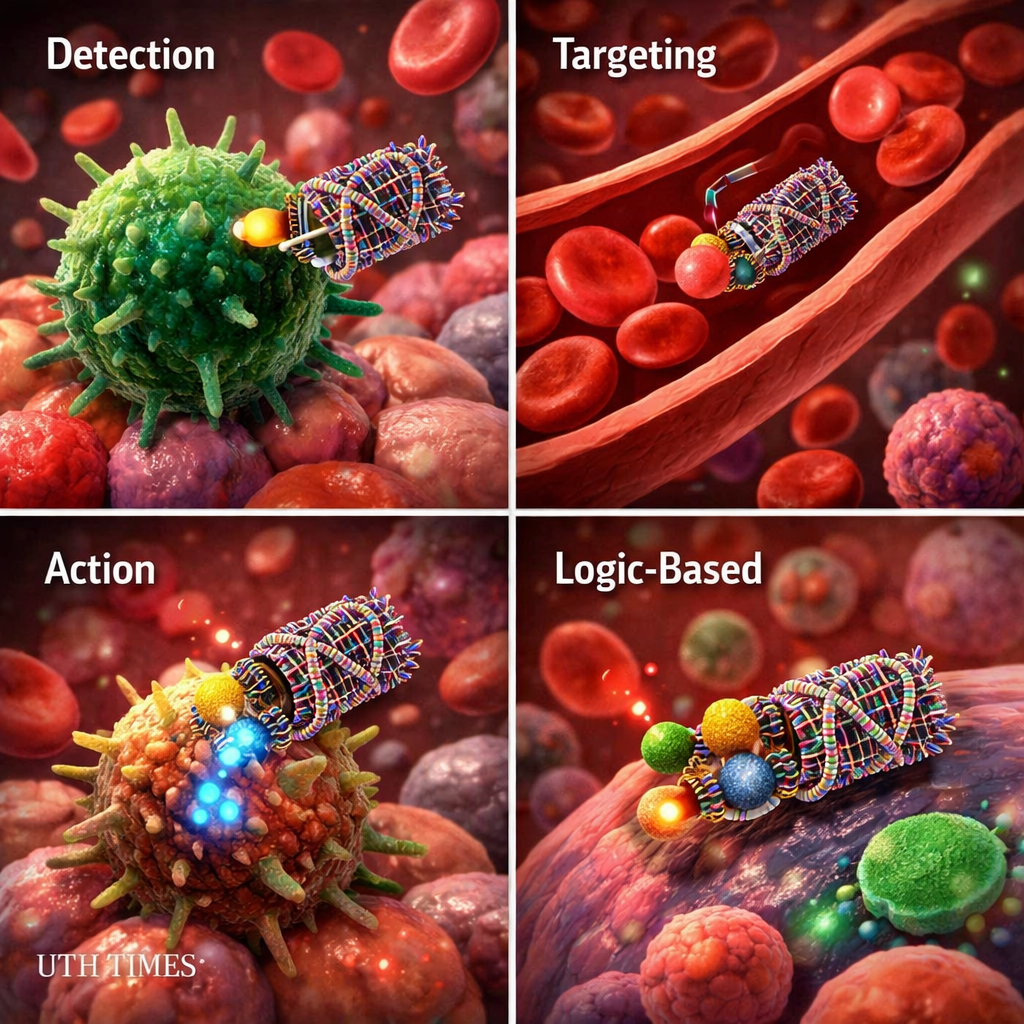
At the core, DNA robots function like smart delivery systems:
🔬 Detection:
They identify diseased cells (like cancer) using molecular markers
📦 Targeting:
They travel through the bloodstream without harming healthy cells
💥 Action:
They release drugs only at the exact site of disease
🧠 Logic-based behavior:
Some advanced designs use biological logic gates, meaning they act only when multiple conditions are met
This makes them highly selective, efficient, and safer than conventional treatments.
Revolutionizing Healthcare 🏥
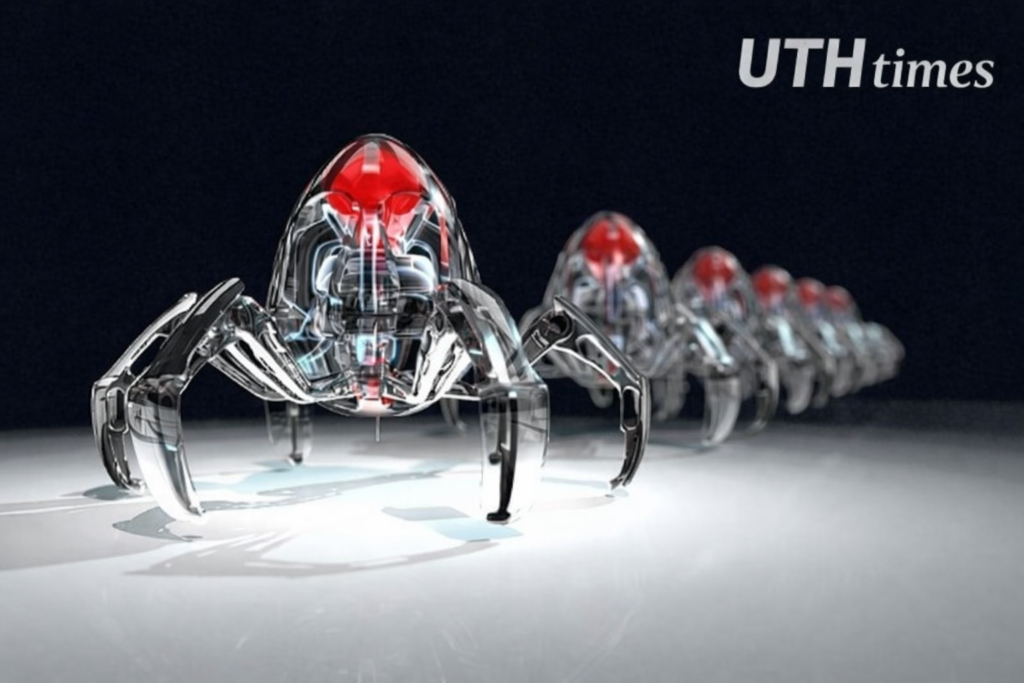
The implications are groundbreaking:
💊 Cancer Therapy:
Destroy tumors without damaging surrounding tissue
🧠 Neurological Disorders:
Target specific brain cells for diseases like Parkinson’s
🦠 Infection Control:
Attack viruses and bacteria at their source
🧬 Personalized Medicine:
Treatments tailored to an individual’s genetic profile
This could shift medicine from generalized treatment → hyper-personalized precision care.
Challenges & Ethical Questions ⚖️
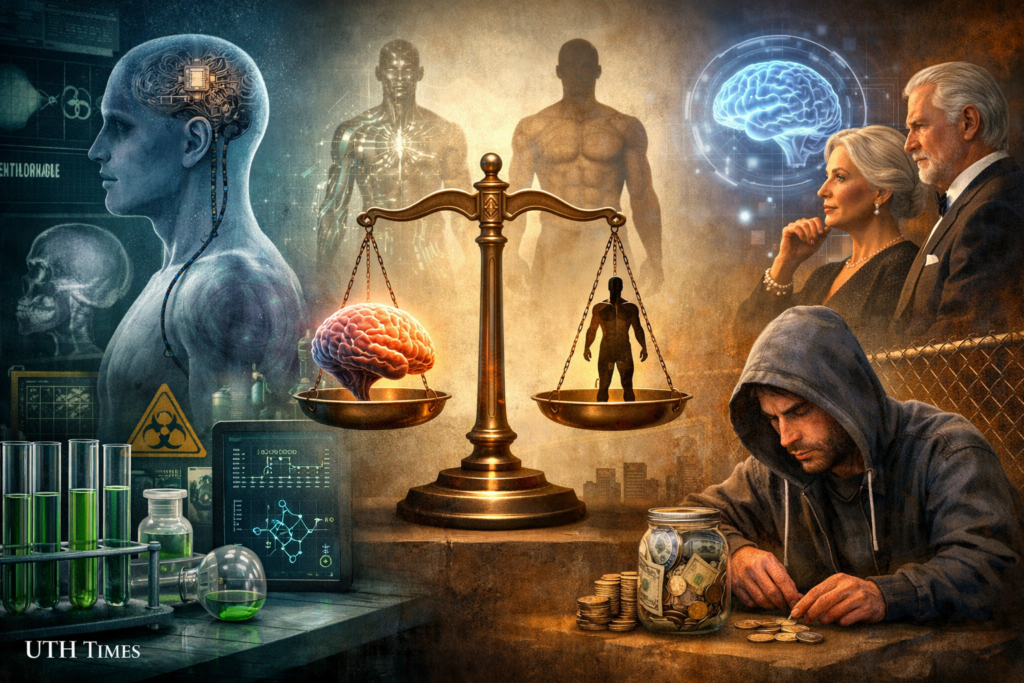
Even with promise, concerns remain:
🔐 Biological safety: Long-term effects inside the body are still under study
⚖️ Ethics: Where do we draw the line between treatment and enhancement?
💰 Accessibility: Will this tech be available to all or only the elite?
The science is advancing fast—but society must keep up.
DNA robots represent a shift from treating symptoms to reprogramming disease itself. As research accelerates, these invisible machines may soon become the most powerful doctors we’ve ever created—working silently, precisely, and intelligently within us.

