
The future just moved from science fiction to reality—and it’s wired directly into the human brain.
China has officially approved its first commercial brain-computer interface (BCI) implant, marking a historic leap in neurotechnology. Unlike experimental trials seen globally, this approval signals real-world application, where neural implants are no longer confined to labs but are entering everyday medical use.
This device is designed to create a direct communication link between the brain and external systems, allowing individuals to control devices using thought alone. From restoring movement in paralyzed patients to enabling speech for those who cannot talk, the implications are massive—and immediate.
⚙️ How the Implant Works
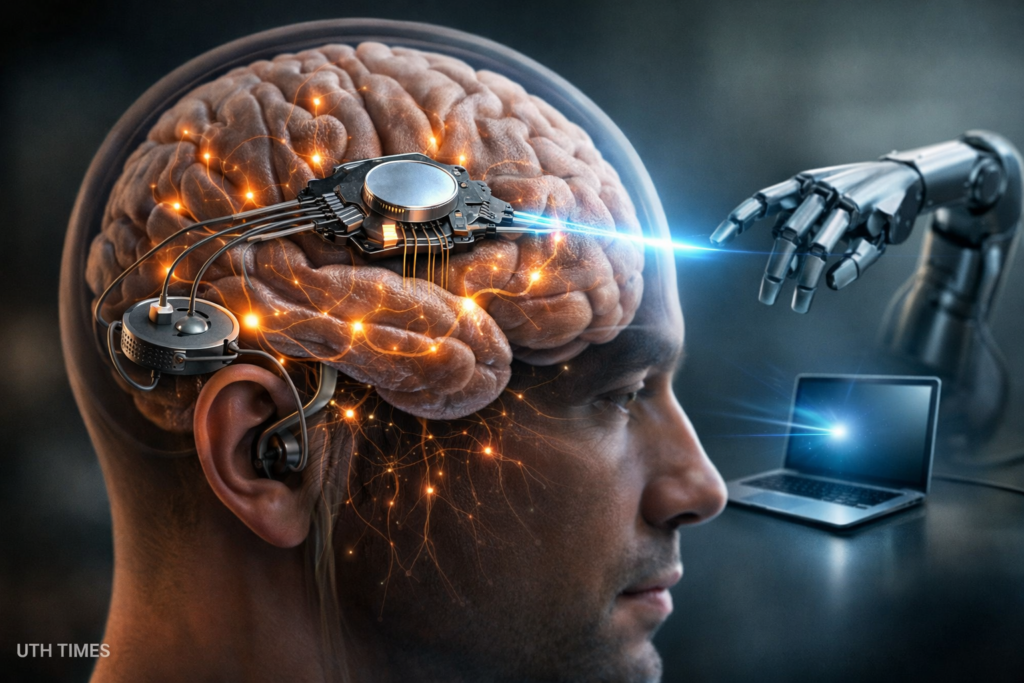
The implant functions by embedding microelectrodes into specific regions of the brain. These electrodes:
- ⚡ Detect neural signals in real time
- 🔄 Convert brain activity into digital commands
- 📡 Transmit signals to external devices like computers or prosthetics
What sets this apart is its commercial readiness—meaning it has passed safety, stability, and usability thresholds required for broader deployment, not just clinical testing.
🚀 Why This Is a Global First
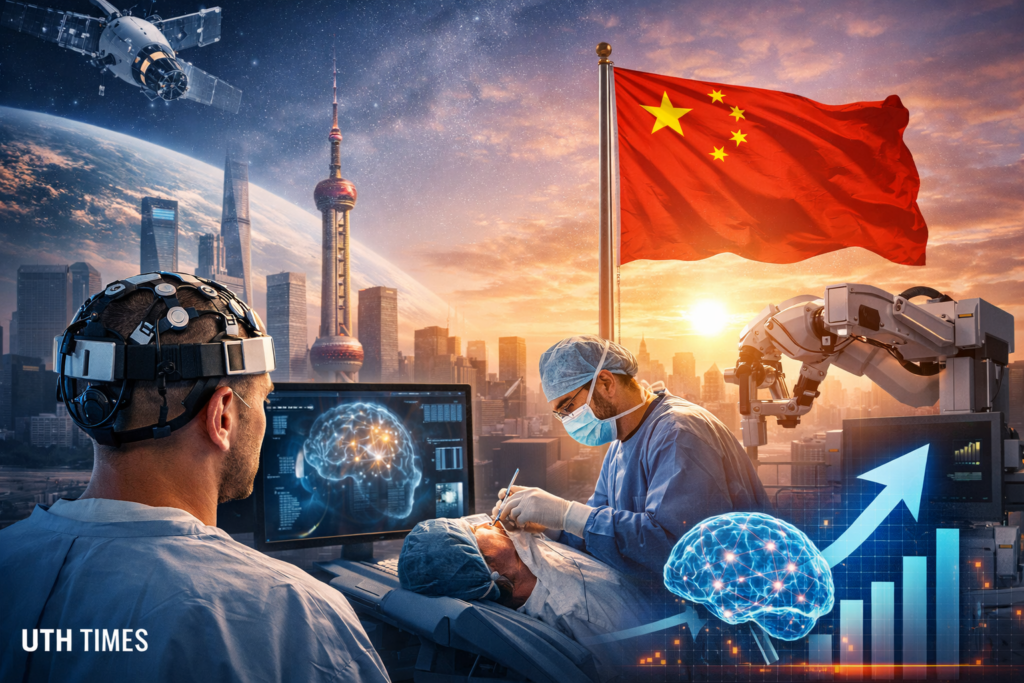
While companies worldwide (including the US and Europe) are actively developing BCIs, China’s approval stands out because:
- 🌍 It’s among the first to move beyond experimental trials into market use
- 🏥 It is being positioned for medical-scale adoption, not niche testing
- 📈 It signals China’s aggressive push to dominate the neurotech industry
This move could accelerate a global race, forcing competitors to fast-track their own approvals and innovations.
🔬 Medical & Human Impact
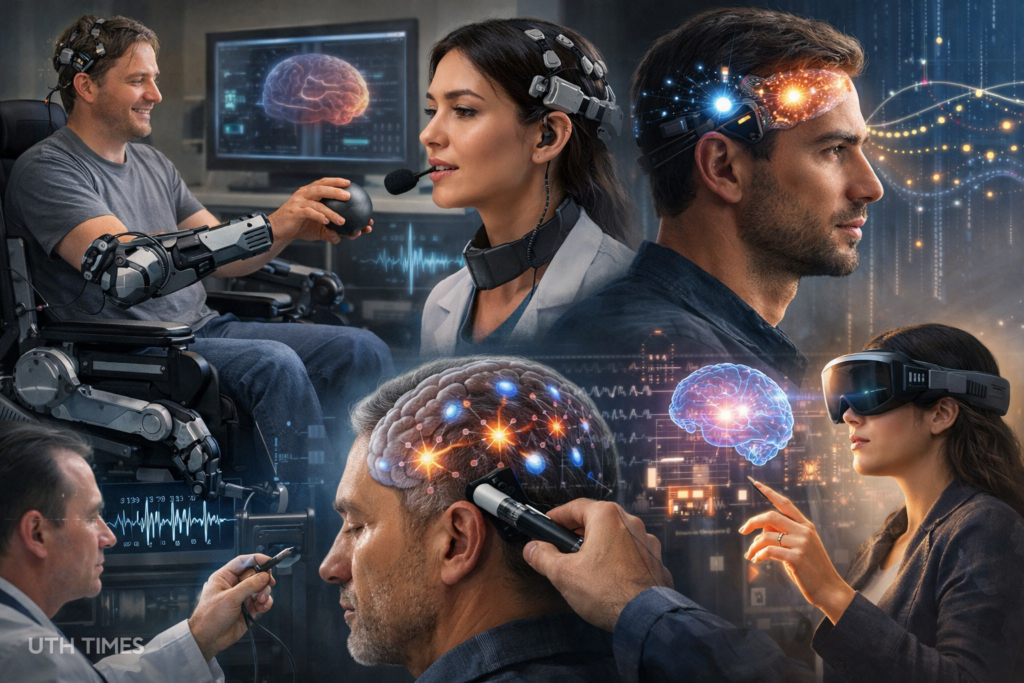
The most immediate benefits are expected in healthcare:
- 🧑🦽 Paralysis treatment: Patients may regain control over limbs via robotic assistance
- 🗣️ Speech restoration: Brain signals can be converted into synthesized speech
- 🧠 Neurological disorders: Potential treatments for epilepsy, Parkinson’s, and more
But beyond medicine, this opens doors to human enhancement, where cognition, memory, and even learning could be augmented.
⚠️ Ethical Questions & Risks
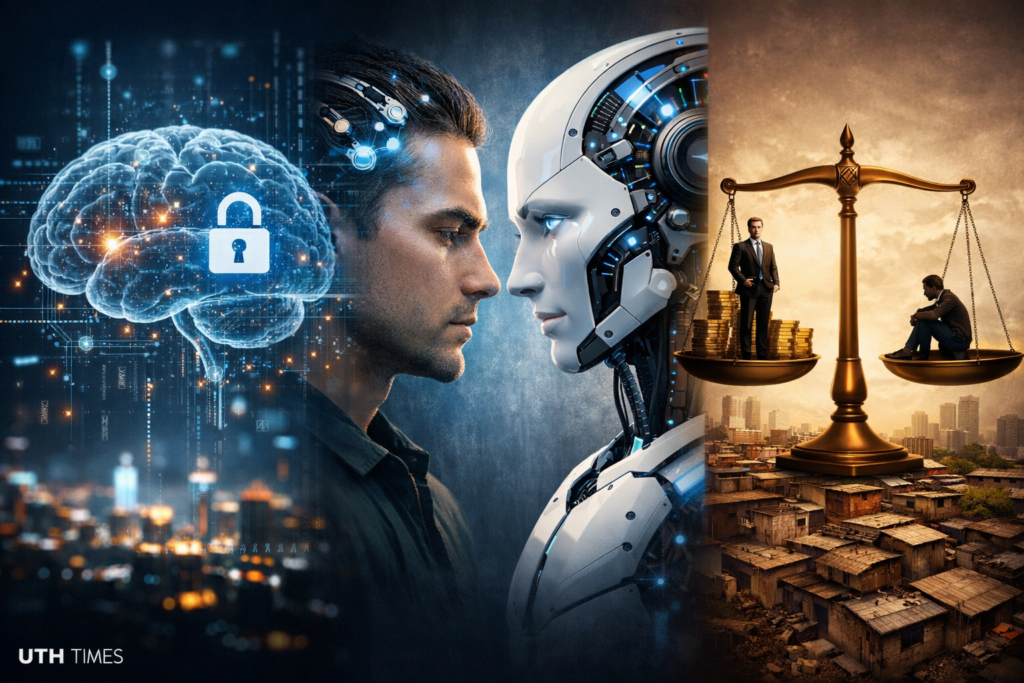
With great power comes complex dilemmas:
- 🔐 Data privacy: Who owns your brain data?
- 🧬 Human identity: Where do we draw the line between human and machine?
- ⚖️ Access inequality: Will this tech widen social gaps?
The approval isn’t just a technological milestone—it’s a societal turning point.
China’s move is more than innovation—it’s a statement. The age of thought-controlled technology has begun, and the boundaries between mind and machine are dissolving faster than ever.

