
AI’s Energy Escape Route
Elon Musk is sounding an alarm the world can’t ignore: AI’s growth is about to hit a wall—not because of algorithms, but because Earth won’t be able to power what’s coming.
🌍 AI’s Insatiable Power Demand: Earth Is Too Small
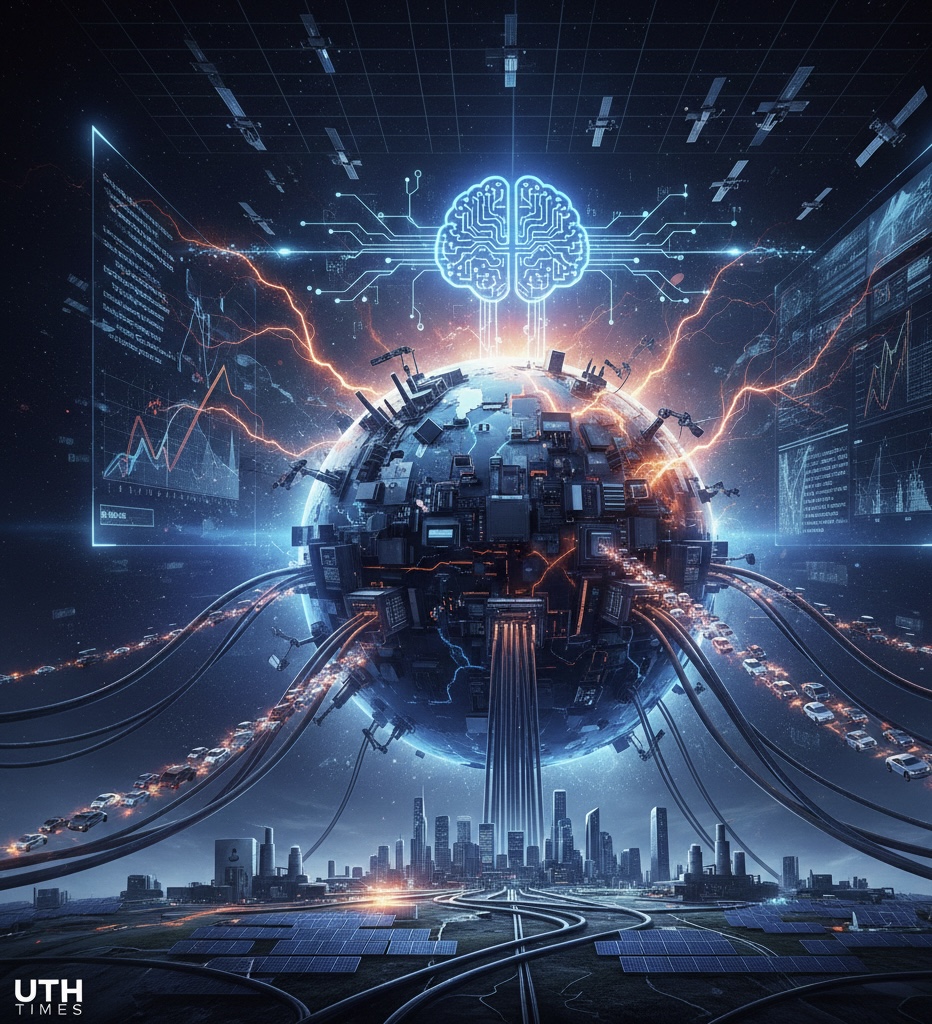
AI isn’t just advancing—it’s scaling at a planetary level. Musk highlights a staggering projection: within the next few years, AI could consume 300 gigawatts of power annually.
🟡 That’s nearly two-thirds of the entire electricity output of the U.S.
🟡 That’s more than many nations produce in a decade.
Why so extreme?
- 🤖 Trillion-parameter AI models
- 🏭 Robotics and automation across industries
- 🚗 Self-driving fleets needing nonstop computation
- 🌐 Massive inference load from billions of users
Even with expanding solar farms, nuclear capacity, better grids, and faster data centers—Earth’s infrastructure can’t scale fast enough.
⚡ The 1-Terawatt Wall: Earth Reaches Its Limit
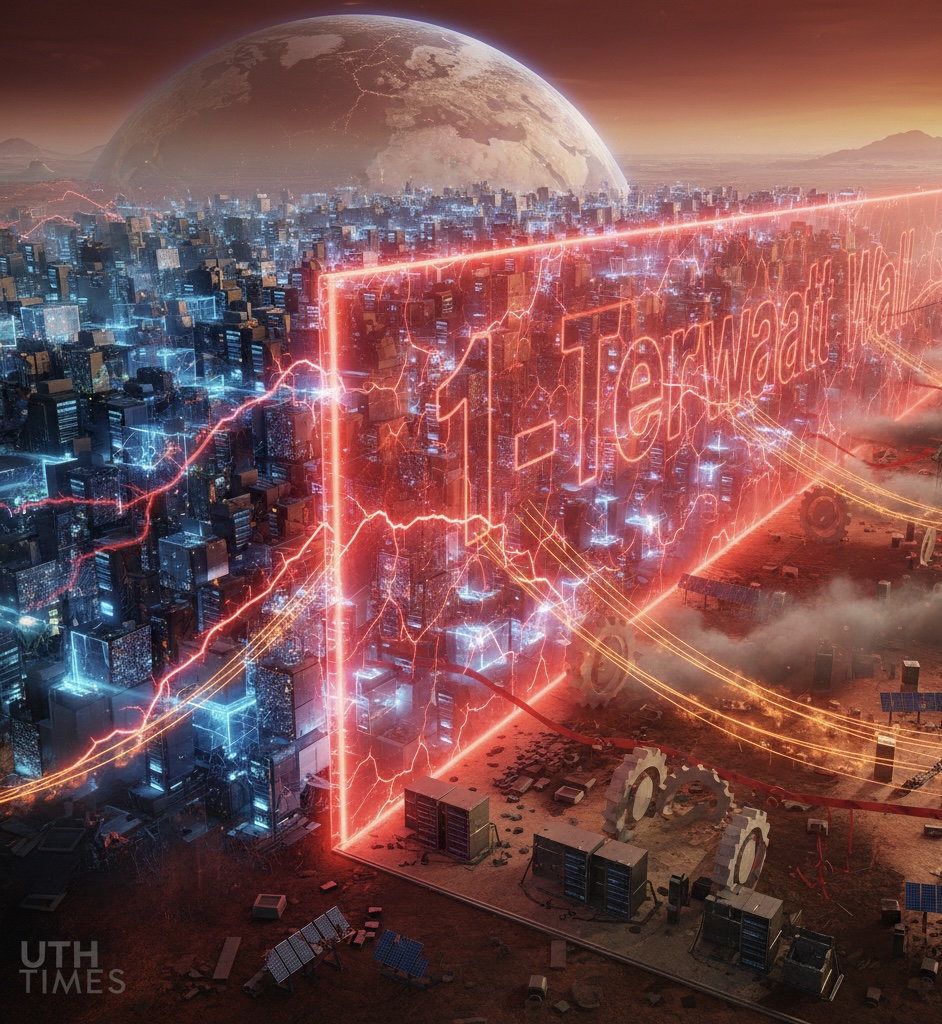
Once AI hits 1 terawatt of annual energy consumption, Musk says the world will hit a hard physical limit.
Earth’s constraints become unavoidable:
- 🟥 Limited land for solar arrays
- 🟥 Transmission losses across long-distance grids
- 🟥 Battery storage shortages
- 🟥 Environmental and regulatory bottlenecks
Even doubling or tripling renewable capacity won’t solve it. We’d be trying to power a digital universe using a grid designed for the 20th century.
AI will simply outgrow the planet that built it.
☀️ Space: The Only Place With Unlimited Power
This is where Musk’s bold solution steps in:
Build solar-powered AI satellites in orbit.
Space offers advantages Earth never will:
- ☀️ Continuous sunlight—no clouds, no night
- 🔆 3–4x more efficient solar generation than Earth
- 🛰 Zero land usage
- 🔋 No environmental impact
- ♾️ Limitless expansion capacity
Imagine clusters of solar megastructures powering orbital AI supercomputers—training models, running global inference, optimizing Earth systems, and even beaming energy back to the surface.
This isn’t sci-fi. Musk argues it’s the only logical next step.
🚀 The Five-Year Window: Why This Must Happen Soon
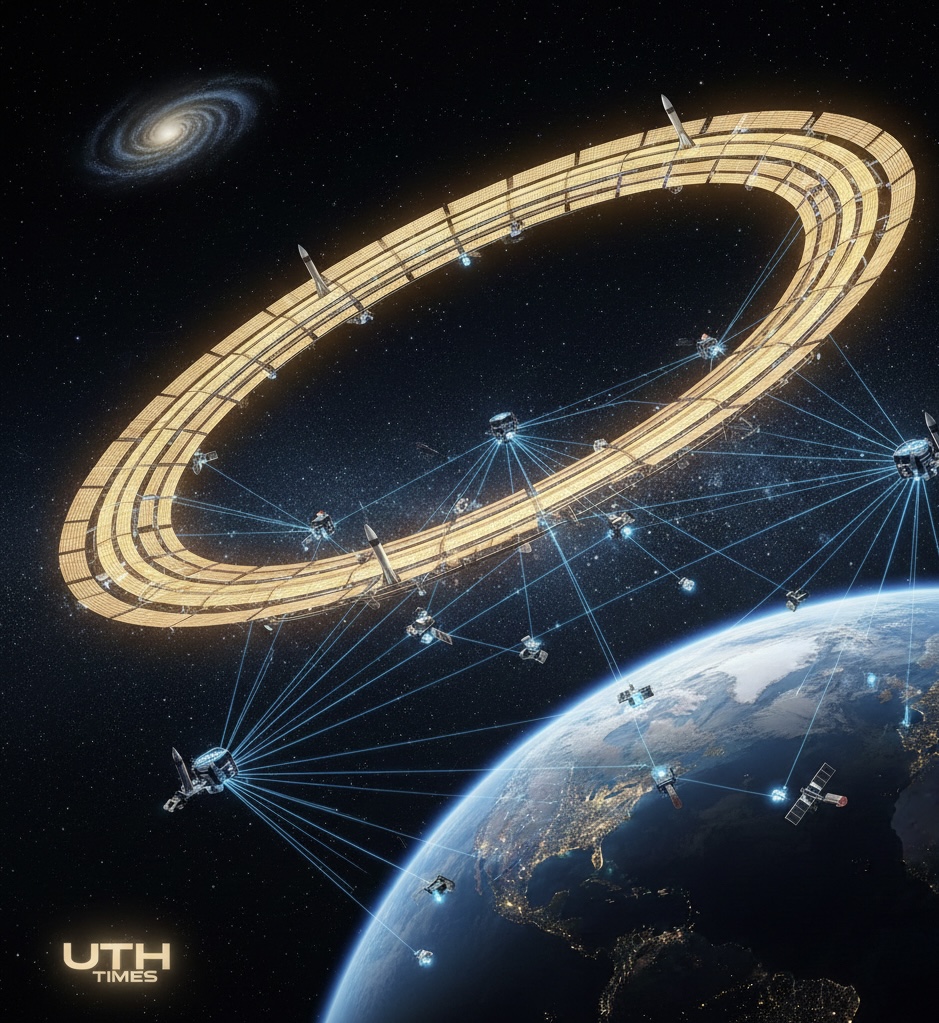
Musk believes solar-powered AI satellites will emerge within five years due to:
- 🚀 Starship slashing launch costs
- 🧠 Exponential AI compute demands
- 🌞 Advances in ultra-thin space solar arrays
- 📡 Breakthroughs in wireless power transmission
The energy future of AI won’t be on the ground—it’ll be in orbit.
Ending:
AI is becoming too powerful for Earth’s limits. And as Musk warns, the sky is no longer the limit—it’s the destination. Space will become the engine room of the world’s intelligence revolution.

