
India has crossed a historic green energy landmark by achieving 250 GW of installed non-fossil capacity as of September 2025. This reflects the country’s rapid progress toward clean energy and sustainable growth.
🔑 Five Key Takeaways
1. ☀️ Solar Leads the Way
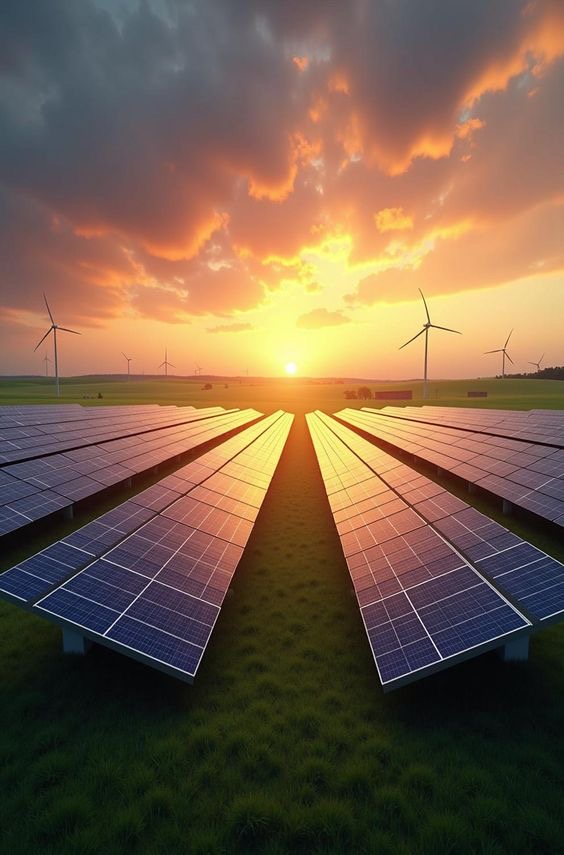
With 123.13 GW, solar power has become the backbone of India’s renewable energy story. From rooftop panels to vast solar parks, India is now one of the world leaders in tapping sunlight to power homes, businesses, and industries.
2. 💧 Hydro Powering Stability
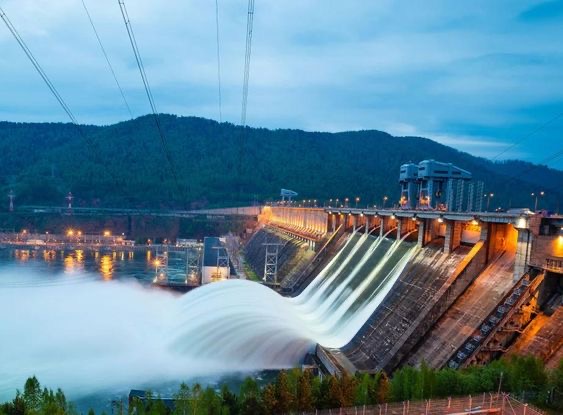
India’s 55.22 GW of hydro capacity ensures round-the-clock clean power. Hydropower provides both renewable energy and grid stability, acting as a balancing source during fluctuations in solar and wind supply.
3. 🌬️ Wind Energy Gains Momentum
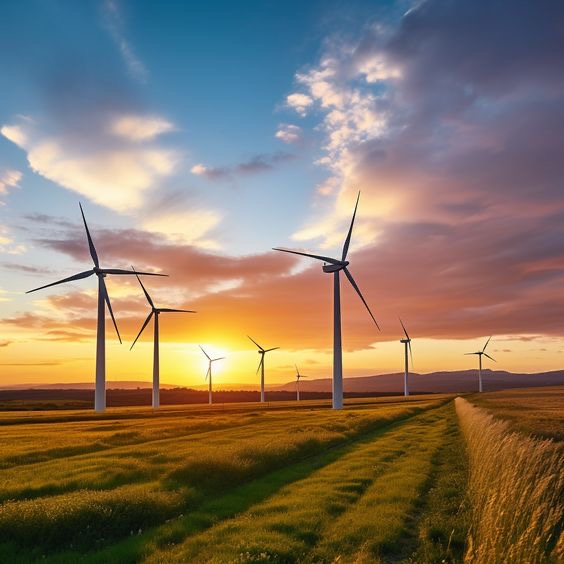
At 52.68 GW, wind power is another crucial pillar of India’s non-fossil strategy. Wind farms across Tamil Nadu, Gujarat, and coastal belts continue to harness natural resources efficiently, cutting dependency on fossil fuels.
4. 🌱 Diversified Mix: Bio & Nuclear
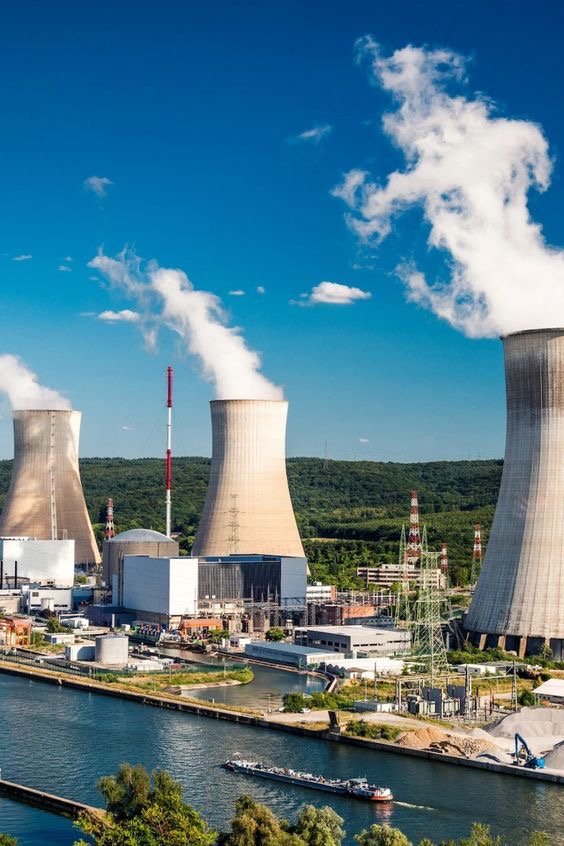
While smaller in scale, 11.6 GW of bio-energy and 8.78 GW of nuclear contribute significantly to India’s clean energy diversity.
- Bio-energy supports rural economies by converting agricultural waste.
- Nuclear adds a reliable low-carbon base load.
5. 🌍 A Big Step Toward Net Zero

Crossing 250 GW non-fossil capacity positions India strongly on its path to achieving 500 GW of renewables by 2030 and the Net Zero 2070 vision. This milestone highlights India’s commitment to green growth, global climate leadership, and energy independence.
✅ Conclusion
India’s 250 GW achievement isn’t just a number—it is a signal of transformation. With solar, wind, hydro, bio, and nuclear working together, India is powering its future sustainably, creating green jobs, reducing carbon footprint, and setting an example for the world.

