
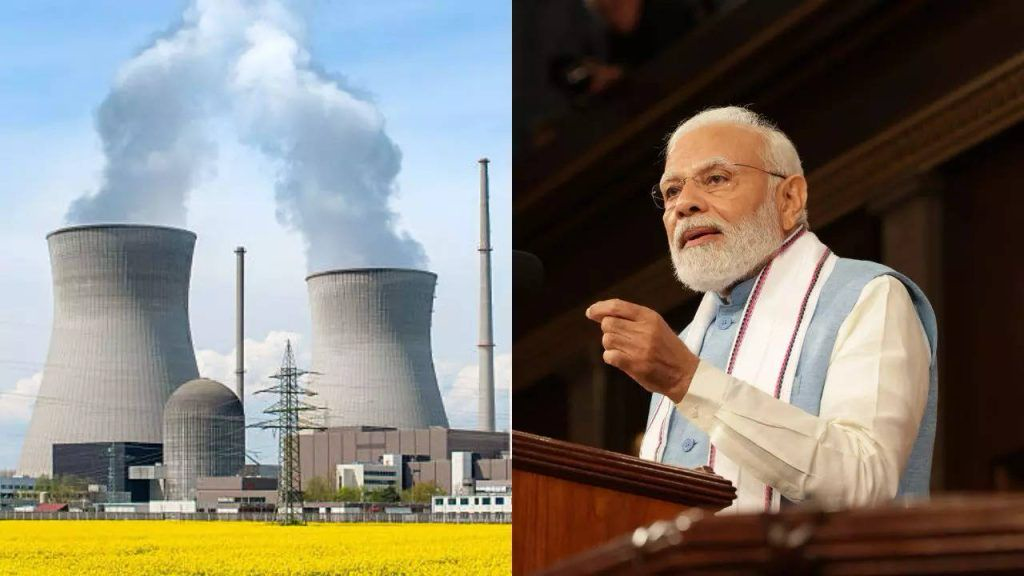
In a decisive policy moment, Prime Minister Narendra Modi’s government has cleared the Atomic Energy Bill, 2025 — the SHANTI Bill, signalling a historic shift in India’s nuclear journey. What was once a tightly guarded state monopoly is now opening its doors to private participation, investment, and innovation.
⚛️ What is the SHANTI Bill — and Why It Matters
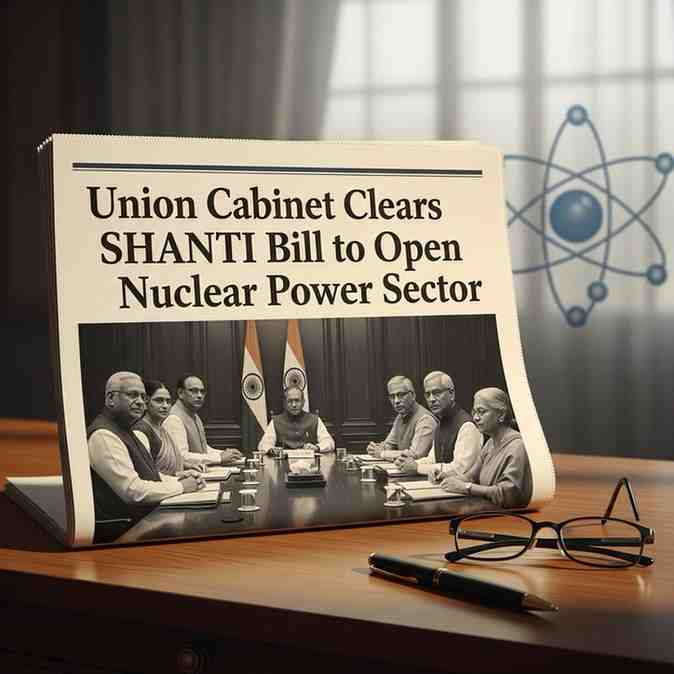
🔹 SHANTI stands for Sustainable Harnessing and Advancement of Nuclear Technology for India.
🔹 The Bill modernises India’s decades-old nuclear framework and allows private players to participate in nuclear power generation, under strict regulation.
👉 This is not deregulation. It is strategic liberalisation.
For a country racing toward energy security, climate commitments, and economic expansion, nuclear power is no longer optional — it is essential.
🔑 What Changes Under PM Modi’s SHANTI Bill
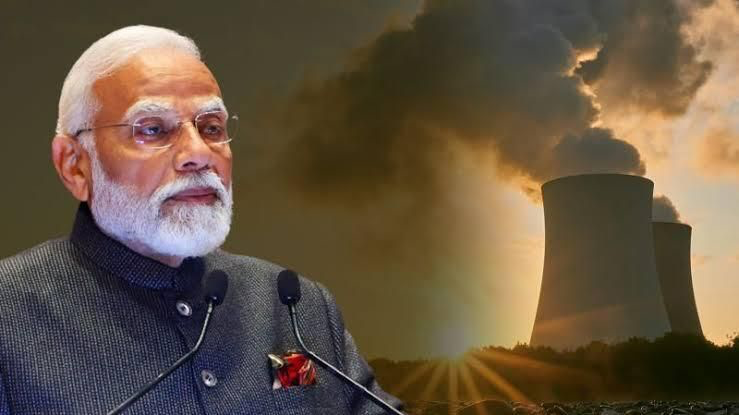
✨ Key Transformations Introduced:
- ☢️ Private participation in nuclear power plants, alongside public sector giants
- 💰 Domestic & foreign investment allowed within defined limits
- ⚖️ Clearer liability framework to reduce investor risk
- 🏗️ Entry across the nuclear value chain — construction, components, fuel handling (regulated)
- 🛡️ Strong safety oversight remains with national regulators
➡️ The government retains control, but execution becomes faster and more efficient.
⚡ Why India Needs This Nuclear Push — Now
📈 Soaring Energy Demand
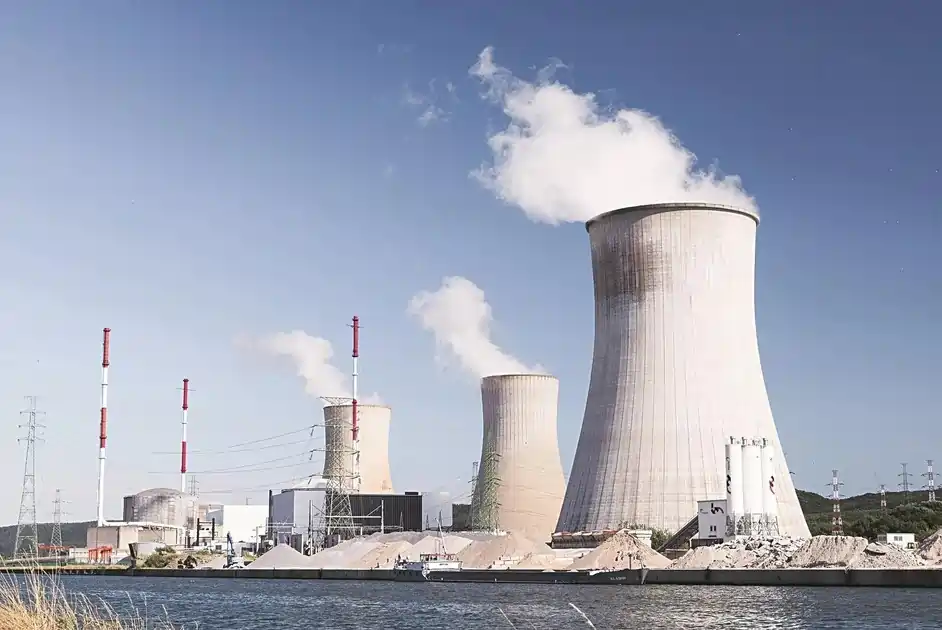
India’s electricity needs are growing faster than renewables alone can handle. Nuclear provides 24×7 baseload power — clean, reliable, and scalable.
🌱 Climate Commitments
To achieve Net Zero by 2070, India must reduce coal dependency. Nuclear power emits near-zero carbon and complements solar and wind.
🚀 Technology & Speed
Private players bring:
- Advanced reactor technology
- Better project execution
- Global expertise and capital
➡️ What took decades can now take years.
🧠 Concerns Addressed — Safety, Liability & Control
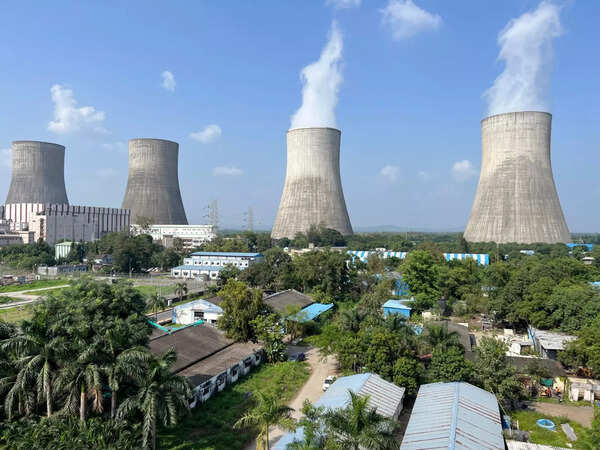
⚠️ Safety First
Even with private participation:
- Nuclear safety standards remain non-negotiable
- Government regulators retain full authority
- International safety norms apply
⚖️ Liability Clarity
Earlier uncertainty scared investors. SHANTI introduces structured liability mechanisms, balancing public safety with commercial viability.
☢️ Waste Management
Radioactive waste handling continues under strict government protocols, ensuring long-term environmental protection.
🌍 What This Means for India’s Global Standing
🌐 Positions India as a serious nuclear energy leader
🤝 Enables international partnerships
🏭 Boosts Make in India for nuclear equipment
👷 Creates high-skilled employment
This is not just energy reform — it’s geopolitical positioning.
PM Modi’s SHANTI Bill is bold, calculated, and transformative. If implemented with discipline and transparency, it can power India’s cities, protect the climate, strengthen the economy, and secure the future.
The law opens the door. The way India walks through it will define the outcome. ⚡🇮🇳

