
Lucknow may soon witness a quiet but historic transformation. The Uttar Pradesh government is planning to introduce a Water Metro system on the Gomti River, turning a cultural lifeline into a modern transport corridor. This initiative isn’t just about boats—it’s about redefining how cities move, breathe, and grow.
🌊 Why the Gomti Water Metro Matters
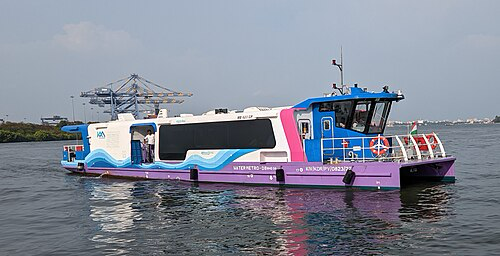
For decades, Lucknow’s mobility story has been road-heavy, congested, and pollution-prone. The Water Metro proposes a radical alternative—using the river as a transport artery, not just a scenic backdrop.
✨ Key objectives
- 🚤 Reduce road congestion in core urban zones
- 🌱 Promote low-emission, eco-friendly transport
- 🕰️ Offer faster, predictable commute options
- 🏙️ Reintegrate the river into everyday urban life
The Gomti isn’t being decorated—it’s being activated.
🚢 How the System Is Expected to Work
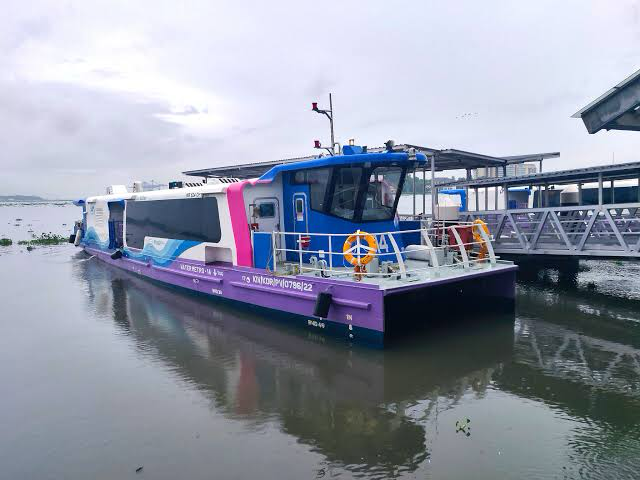
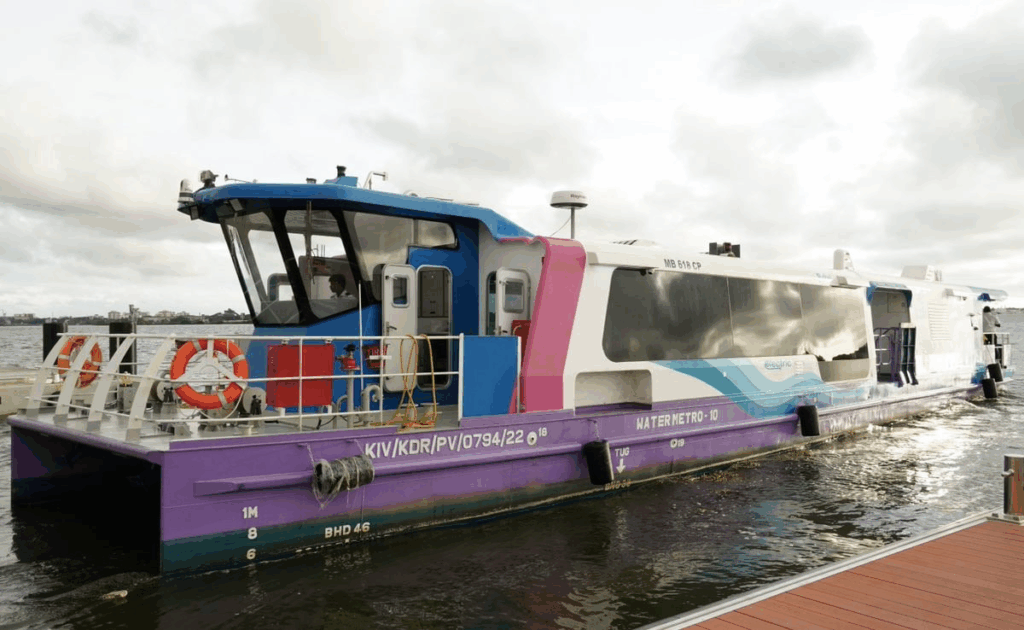
Inspired by successful water transport models, the Lucknow Water Metro is expected to operate electric or hybrid ferries along selected stretches of the Gomti.
🔹 Operational highlights
- ⚡ Battery-powered boats with zero direct emissions
- 🛑 Multiple jetties at key residential, commercial & tourism nodes
- 🎟️ Integrated ticketing with city transport systems
- 🧭 Fixed schedules ensuring reliability—not leisure-only rides
This is public transport on water, not a luxury cruise.
🏙️ Urban, Environmental & Economic Impact
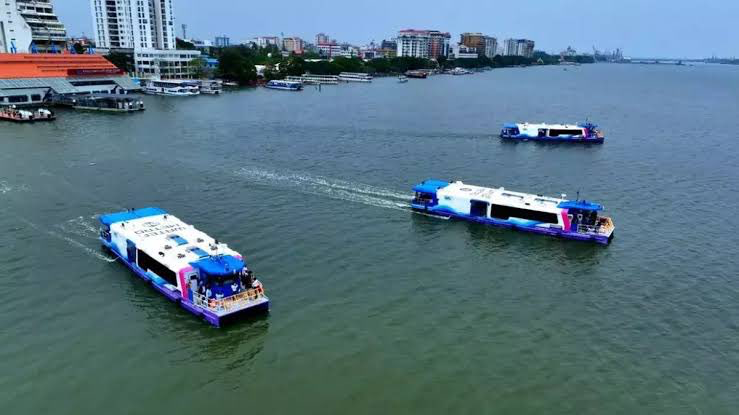
The project carries significance far beyond mobility.
🌿 Environmental gains
- 🌬️ Lower air pollution from reduced vehicular load
- 💧 Incentive for river cleaning and monitoring
- 🐟 Healthier river ecosystem through regulated use
💼 Economic & social boost
- 🧳 New tourism circuits along the riverfront
- 👷 Job creation in operations, maintenance & services
- 🏘️ Value uplift for river-adjacent neighborhoods
The river becomes an asset—economically and ecologically.
🧠 Strategic Vision Behind the Project
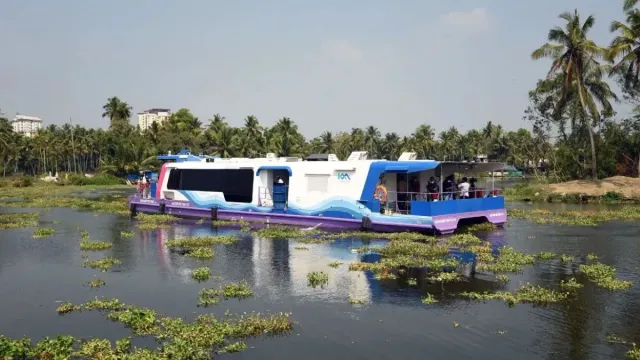
For Lucknow, the Water Metro aligns with a larger vision: future-ready urban planning. By integrating the Gomti River into daily transport, the city moves toward multimodal, climate-conscious infrastructure—without expanding road footprints.
This is sustainable growth without spatial sprawl.
No transformation is without hurdles.
⚠️ Critical considerations
- 🌊 Maintaining navigable water levels year-round
- 🧹 Ensuring river cleanliness alongside operations
- 🏗️ Sensitive infrastructure development without ecological damage
Execution will determine whether this becomes a model—or a missed opportunity.
✨ The Bigger Picture
The Gomti Water Metro is not just a transport project—it’s a mindset shift. If executed with precision and responsibility, Lucknow could set a national benchmark for river-based urban mobility, proving that smart cities don’t always need more roads—sometimes, they just need to look back at their rivers.

