
Deep beneath the soil of Baripada in Odisha’s Mayurbhanj district, scientists have uncovered a remarkable window into Earth’s ancient history. Nearly 15-million-year-old fossils, believed to date back to the Miocene Epoch, have been discovered, shedding fresh light on the ecosystems that existed in the Indian subcontinent millions of years before humans appeared.
🦴A Discovery That Rewrites the Region’s Natural History
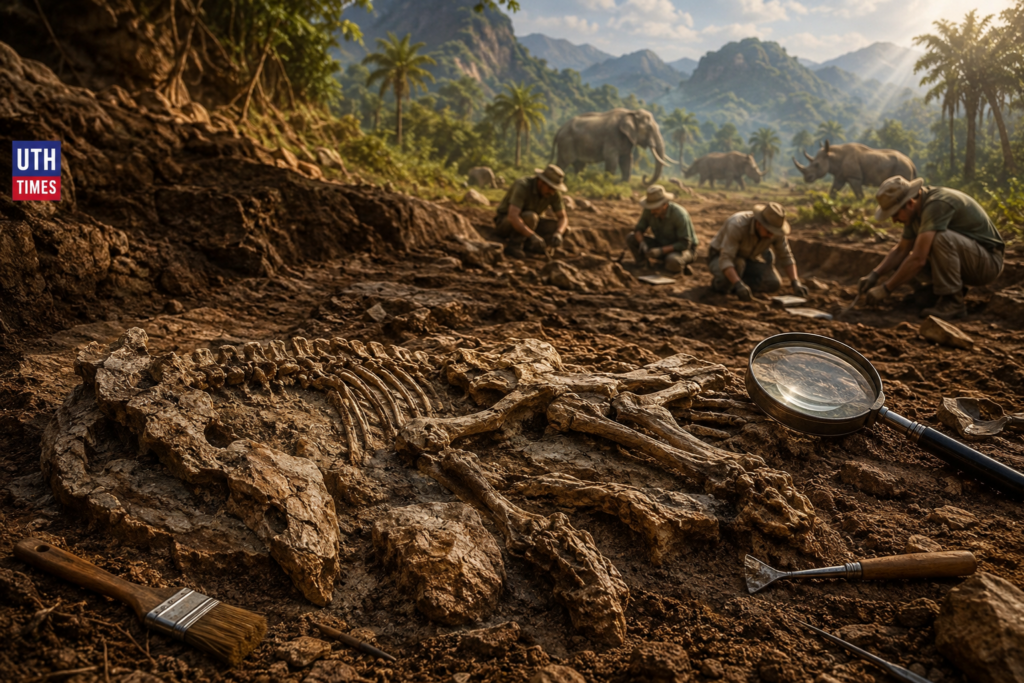
The fossil remains, unearthed in Baripada, are estimated to be around 15 million years old, placing them in the Miocene period—a time when dramatic climatic shifts and the evolution of modern mammals shaped life on Earth.
🔹 The findings are expected to help researchers reconstruct prehistoric landscapes in eastern India.
🔹 Fossils from this era often preserve evidence of extinct mammals, reptiles, and ancient vegetation.
🔹 Such discoveries provide clues about migration patterns and environmental changes over millions of years.
🔹 The site could emerge as an important destination for future paleontological studies.
🌍 Why the Miocene Epoch Matters
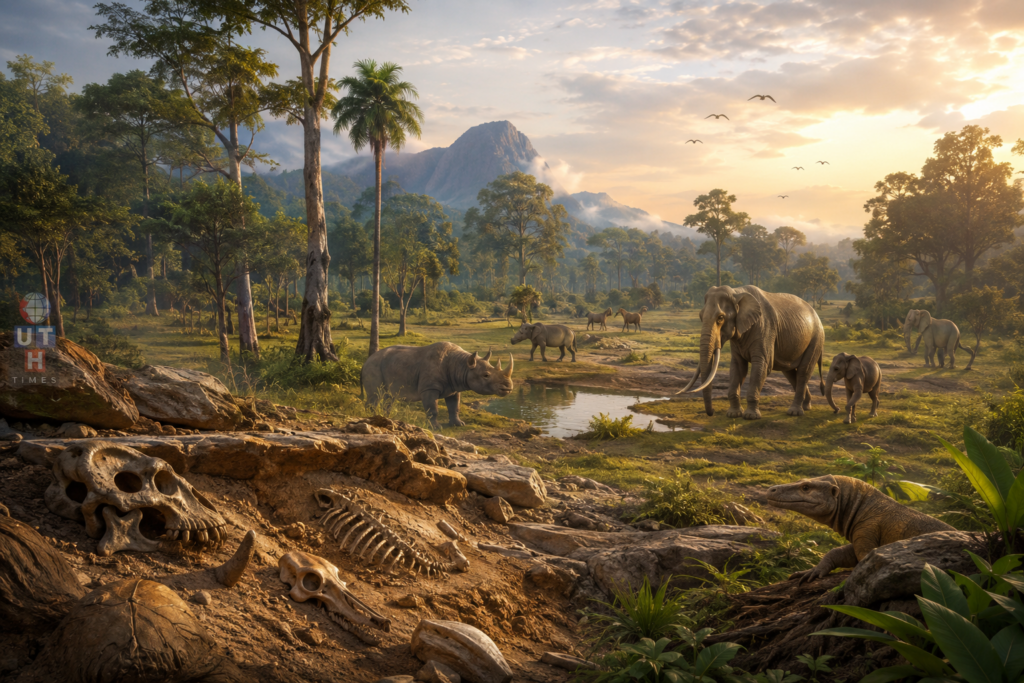
The Miocene, spanning roughly 23 to 5.3 million years ago, was one of the most transformative chapters in Earth’s geological timeline.
🌿 Vast grasslands expanded across continents.
🌿 Many modern animal families evolved or diversified during this period.
🌿 Global temperatures gradually cooled, altering habitats worldwide.
🌿 India witnessed ecological transitions that influenced biodiversity still visible today.
Studying fossils from this era allows scientists to understand how species adapted to changing climates and how ancient ecosystems compare with present-day environments.
🔬 A Treasure Trove for Scientists and Historians
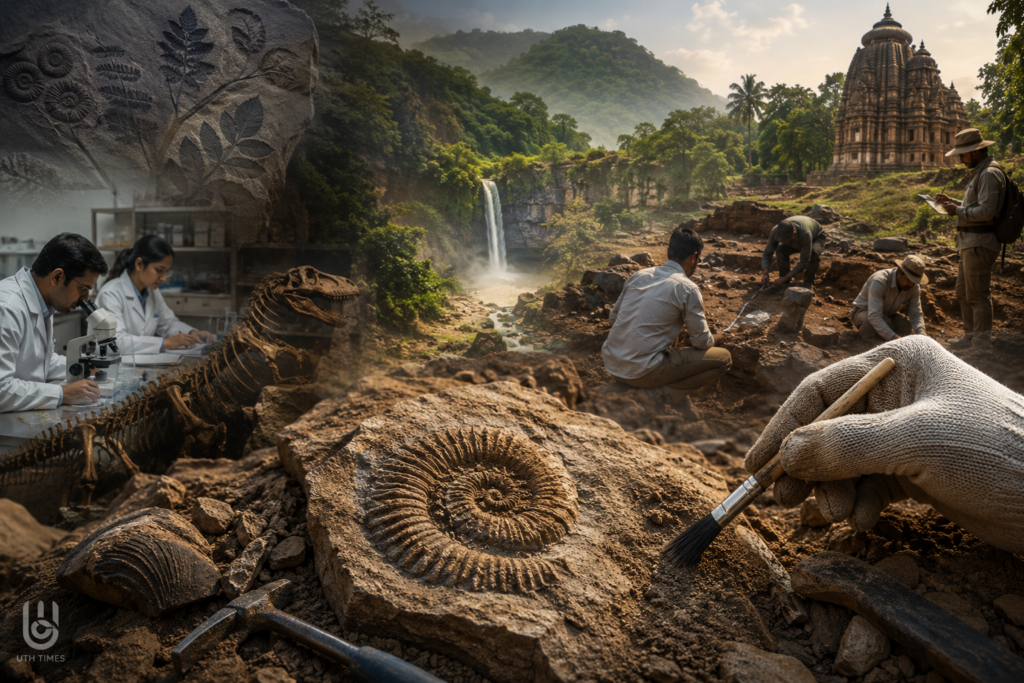
Beyond their age, these fossils carry immense scientific value.
🧬 They can reveal details about extinct species and food chains.
🧬 Sedimentary layers surrounding the fossils may preserve information about ancient rivers, forests, and climate.
🧬 Researchers may use modern imaging and dating techniques to identify previously unknown species.
🧬 The discovery strengthens India’s growing contribution to global paleontological research.
Experts believe continued excavations in the region could uncover even more significant remains, offering deeper insights into South Asia’s prehistoric evolution.
🇮🇳 A Reminder of India’s Hidden Geological Wealth
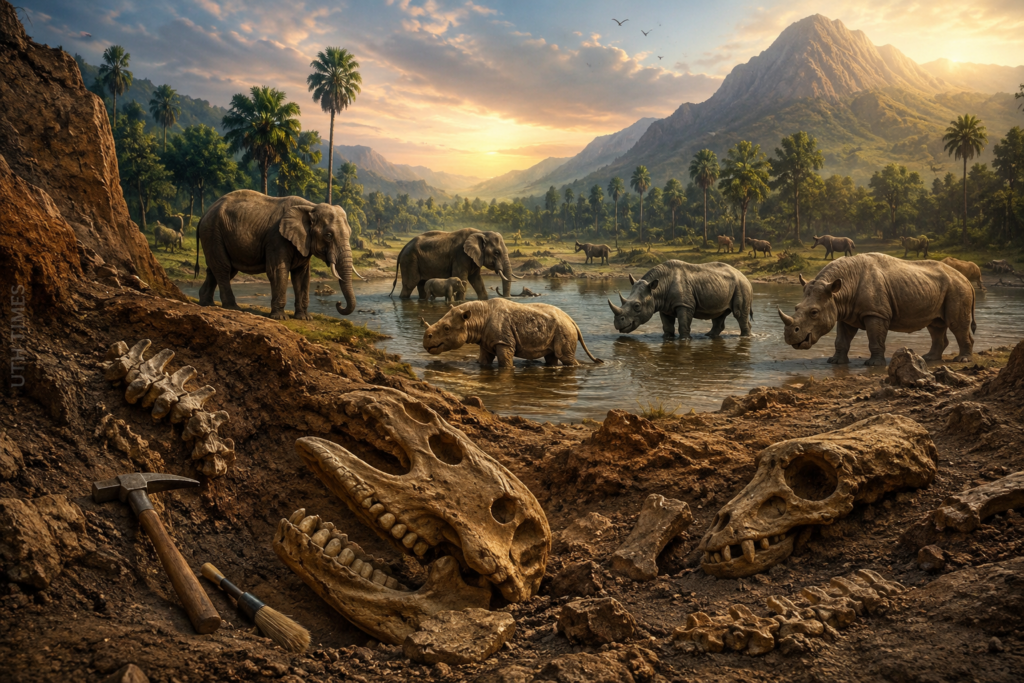
From dinosaur nesting sites in Gujarat to ancient marine fossils in the Himalayas, India has repeatedly demonstrated its extraordinary geological heritage. The Baripada discovery adds another fascinating chapter to that legacy, emphasizing the importance of conserving fossil-bearing regions and encouraging scientific exploration.
The unearthing of nearly 15-million-year-old Miocene fossils in Odisha’s Mayurbhanj district is far more than an archaeological curiosity—it is a journey into a forgotten world. As researchers continue to investigate these ancient remains, the discovery promises to deepen our understanding of Earth’s history and reinforce India’s place on the global map of paleontological wonders.

