
Long before freedom was reduced to flags, borders, and constitutions, India explored a more dangerous idea—freedom from within. While civilizations fought wars to change rulers, Indian thought questioned the ruler inside the human mind. This was not rebellion against the state; it was rebellion against bondage itself.
Inner freedom was never a slogan. It was a lifelong discipline.
A Civilization That Refused to Outsource Freedom
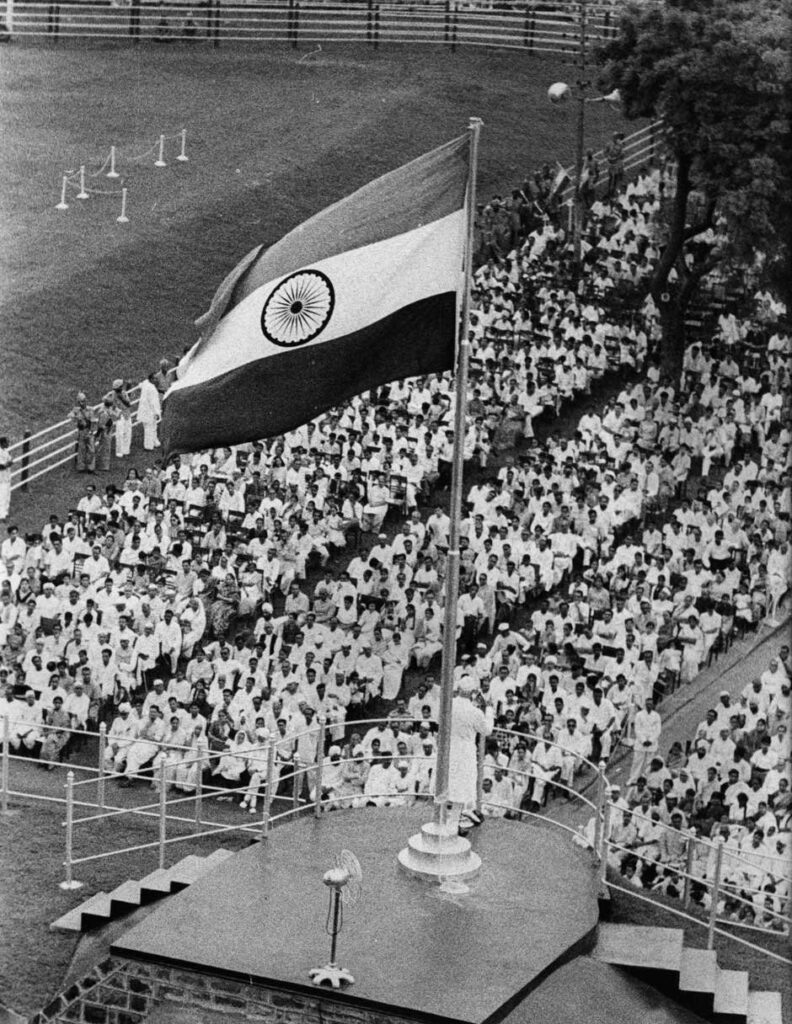
Most cultures defined freedom as external: land, power, rights, victory. Indian philosophy asked a quieter but sharper question—what is the use of external freedom if the mind remains enslaved?
From the Upanishads to the Bhagavad Gita, freedom was defined as:
- 🧠 mastery over desire
- 🧘 detachment without escape
- 🔥 action without attachment to outcome
This idea was radical because it refused dependency. No king, empire, or institution could grant or take it away.
Why Inner Freedom Was Revolutionary
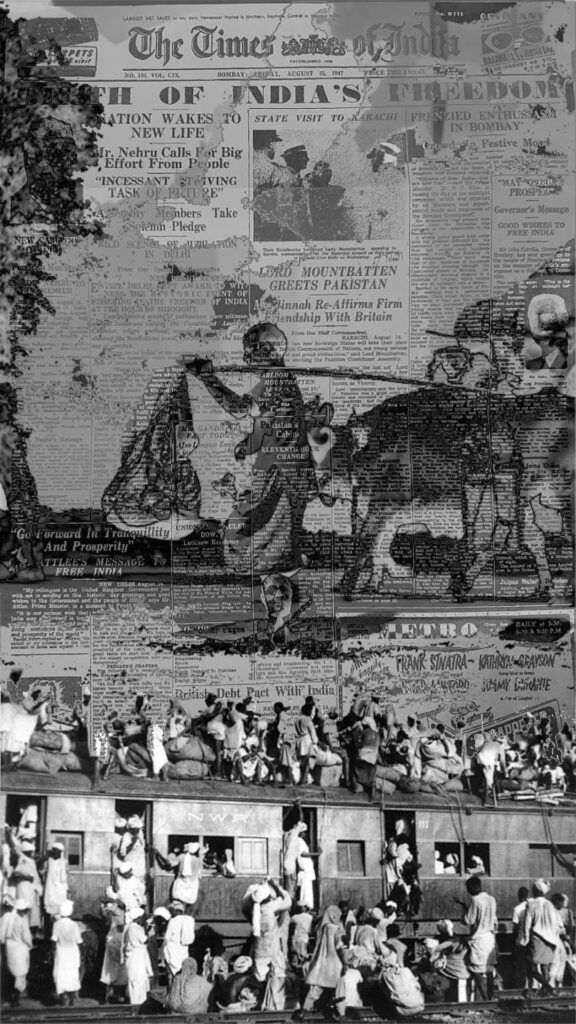
Inner freedom threatened every form of control. A person who is not ruled by fear, greed, or ego is impossible to manipulate.
This is why:
- Saints challenged emperors without armies
- Monks walked away from thrones without regret
- Teachers spoke truth without fear of punishment
India produced rebels who didn’t overthrow governments—they made them irrelevant.
The Gita’s Quiet Explosion
The Bhagavad Gita didn’t ask Arjuna to renounce the world. It asked him to act without inner slavery. Krishna’s teaching was revolutionary:
- ⚖️ Do your duty, but don’t become its prisoner
- 🪶 Win or lose—remain free
- 🕊️ Let the world touch your hands, not your soul
This was not escapism. It was psychological liberation in the middle of chaos.
Why the World Took Centuries to Understand It
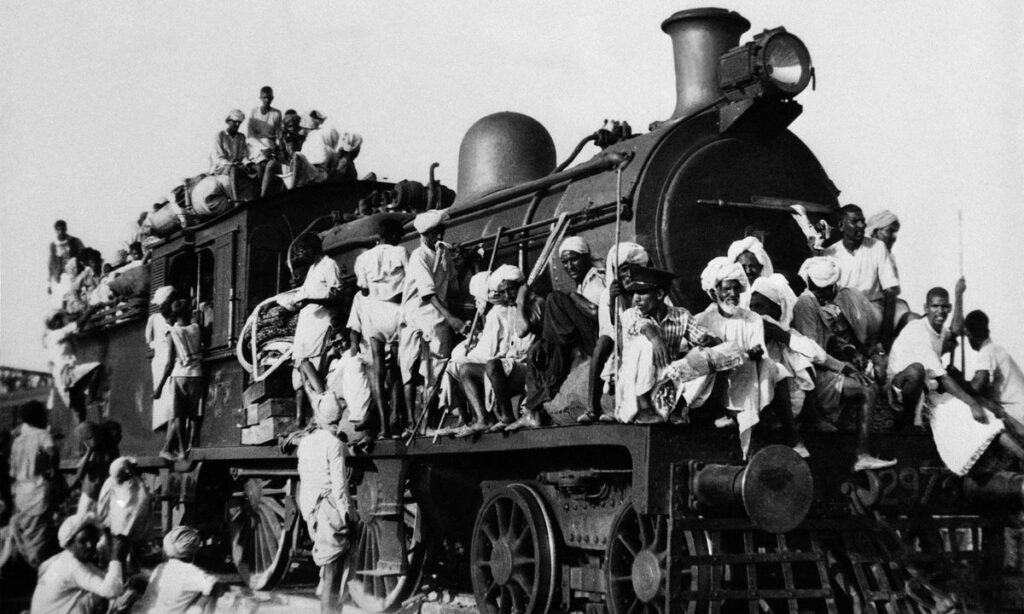
The modern world chased freedom outward—rights, revolutions, reforms. Yet anxiety, addiction, and identity crises grew stronger.
Only now does the world circle back to ideas India normalised:
- mindfulness
- detachment
- self-awareness
- mental resilience
What India offered was not self-help. It was self-mastery.
Inner Freedom in a Controlled World

Today, surveillance can track bodies, algorithms can influence minds, and systems can shape behaviour—but inner freedom remains untouchable.
That is India’s most radical export:
A human being who is free even when circumstances are not.
Inner freedom doesn’t make obedient citizens. It makes conscious humans. And conscious humans are the hardest to control.
Empires rise and fall. Technologies age. Laws change.
But a civilization that taught people how to remain free inside created something eternal.
India didn’t just imagine freedom.
It made it unbreakable.

