
The Mahābhārata is often remembered as a grand war—armies clashing on Kurukṣetra, heroes falling, kingdoms changing hands. But to reduce it to a tale of victory and defeat is to miss its true intent. The Mahābhārata was never written to celebrate triumph. It was written to examine dharma when it is tested, twisted, and forced to survive under unbearable pressure.
🔱 Kurukṣetra: A Battlefield of Conscience
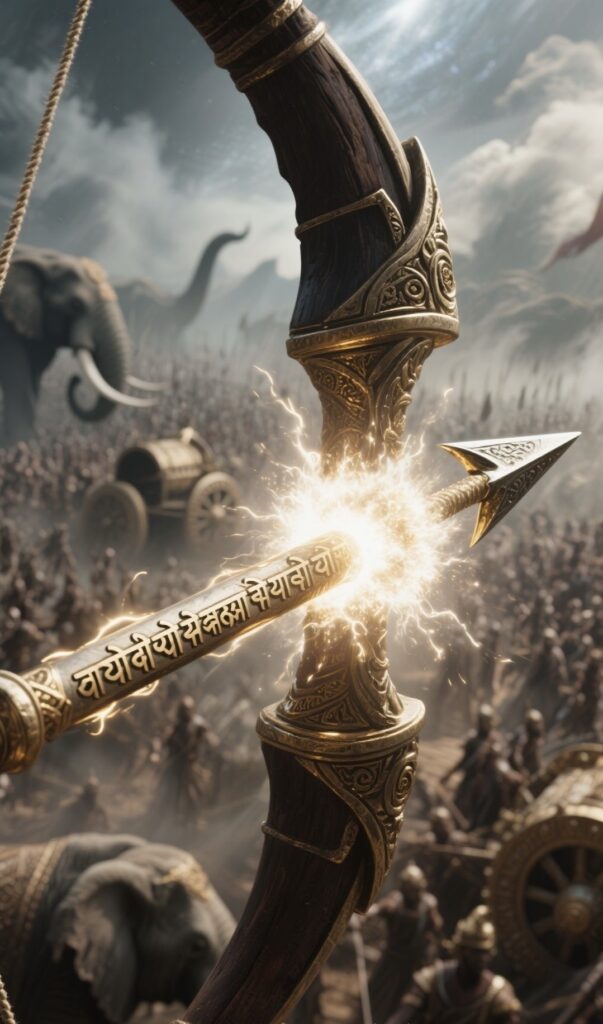
Kurukṣetra was not merely a physical battleground; it was a moral laboratory. Every character entered the war knowing that no choice would remain pure. Dharma was no longer comfortable—it was conditional, situational, and painful. The epic repeatedly asks: What is the right action when every option carries guilt?
👉 Winning was inevitable. Staying righteous was not.
🧠 Krishna: The Guide, Not the Judge
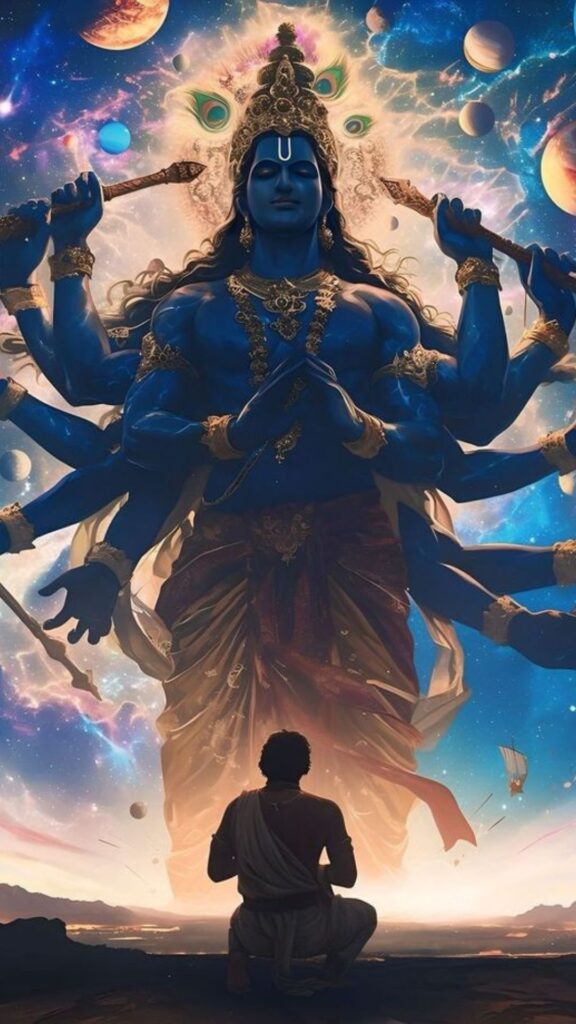
Krishna never promised the Pāṇḍavas a spotless victory. He promised clarity in chaos. His teachings in the Bhagavad Gītā do not glorify war; they explain responsibility. Action without attachment. Duty without ego. Choice without illusion.
Krishna’s role proves a critical truth: dharma is not about moral perfection, but conscious decision-making under uncertainty.
⚔️ Yudhiṣṭhira: The Burden of Truth
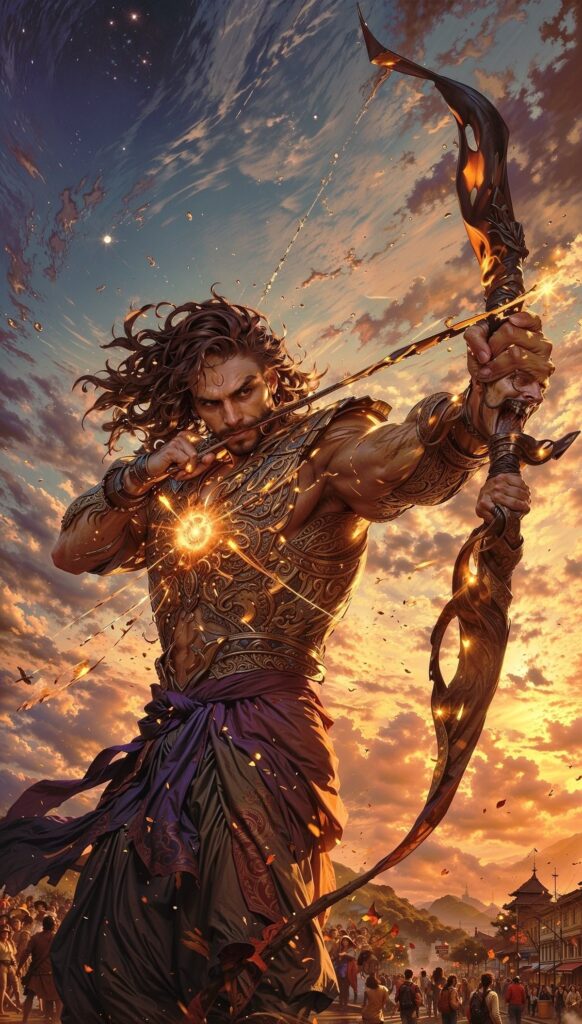
Yudhiṣṭhira, often called Dharmarāja, faced the cruelest irony—his commitment to truth led him into falsehood. His silence during Aśvatthāmā’s death announcement remains one of the epic’s most disturbing moments. Yet the Mahābhārata does not condemn him. It shows us that even truth can fracture under pressure.
👉 Dharma here is not clean. It is costly.
🔥 Karna, Bhīṣma, Droṇa: When Loyalty Betrays Dharma
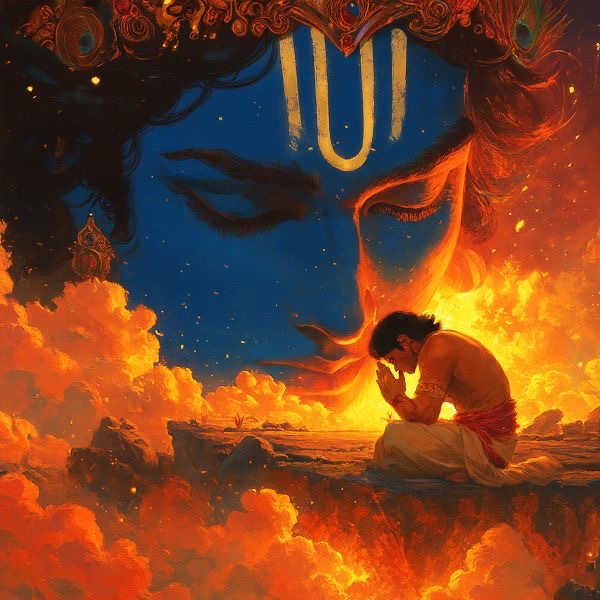
Karna’s unwavering loyalty to Duryodhana, Bhīṣma’s vow-bound silence, Droṇa’s emotional manipulation—none were born from evil. They were born from misplaced duty. The Mahābhārata warns that loyalty, when detached from ethical awareness, can become destructive.
👉 Not all wrongdoers are wicked. Some are simply rigid.
🪔 Draupadī: The Moral Spark
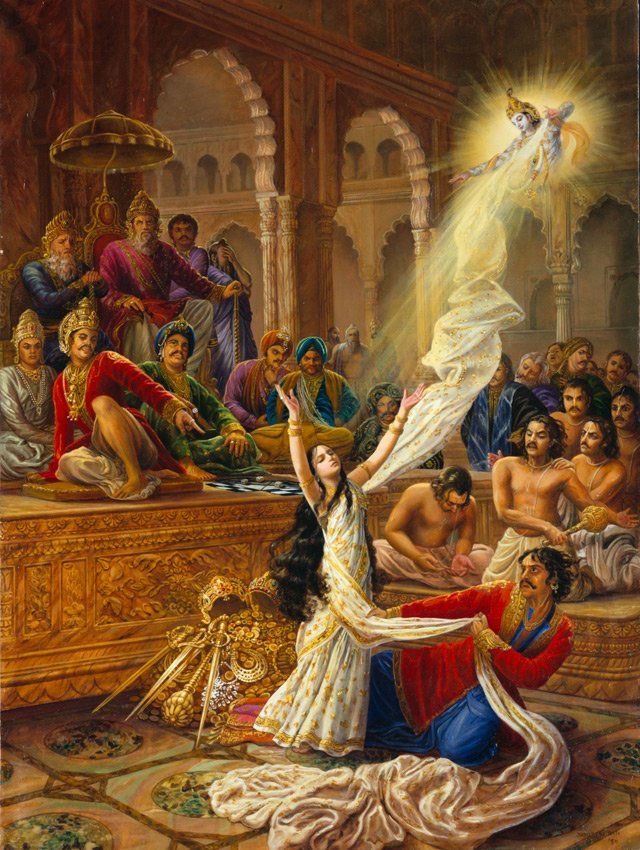
When Draupadī was humiliated in the royal court, the war became inevitable. Her unanswered questions—“Was I lost before or after Yudhiṣṭhira lost himself?”—exposed the hollowness of dharma when it refuses to protect dignity.
👉 The war began not with weapons, but with silence.
🏁 Dharma Is Tested, Not Proved
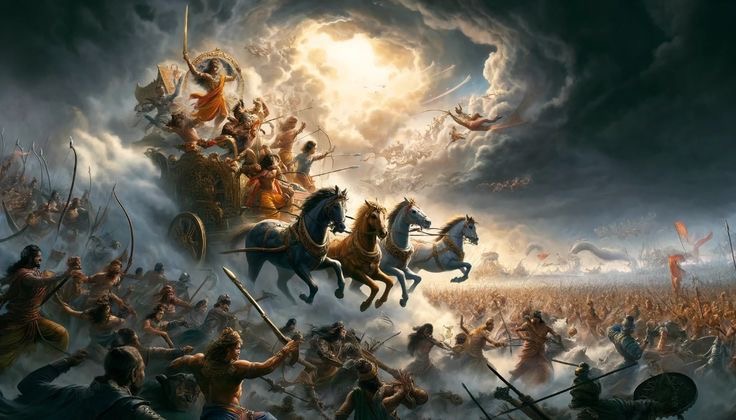
The Mahābhārata ends without celebration. Victory feels heavy. Survivors are burdened with loss. The message is unmistakable: winning means nothing if dharma collapses in the process.
This epic endures because it does not offer comfort. It offers clarity. It tells us that dharma is not about choosing the good—it is about choosing the least destructive path when goodness itself is under siege.
The Mahābhārata is not a story of who won.
It is a warning about what it costs to be right.

