
Artificial Intelligence is no longer just about writing code or building chatbots—it is about controlling the infrastructure that powers the digital future. As nations compete to dominate the AI race, India stands at a defining moment where building its own AI backbone could determine whether it becomes a global leader or remains dependent on others.
🚀 AI Leadership Is Now About Infrastructure, Not Software
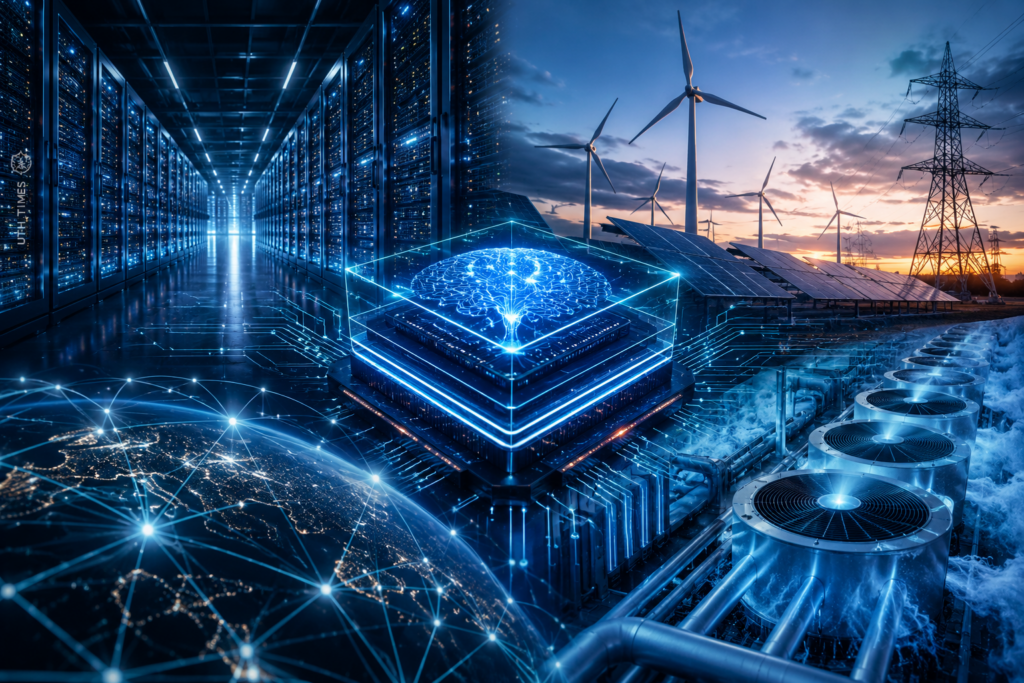
The next era of AI will be won by countries that possess massive computing power, advanced data centres, reliable electricity, and high-speed digital networks. Algorithms can be copied and improved, but the physical infrastructure supporting AI requires years of investment and strategic planning.
🔹 Key pillars include:
- 💻 High-performance computing clusters capable of training advanced AI models.
- 🏢 Large-scale data centres with secure storage and processing capabilities.
- ⚡ Reliable and renewable energy sources to power AI operations sustainably.
- 🌐 High-speed networking systems that ensure seamless connectivity and low latency.
- ❄️ Advanced cooling technologies to keep energy-intensive processors operating efficiently.
🇮🇳 India Has the Ingredients—but Needs the Engine
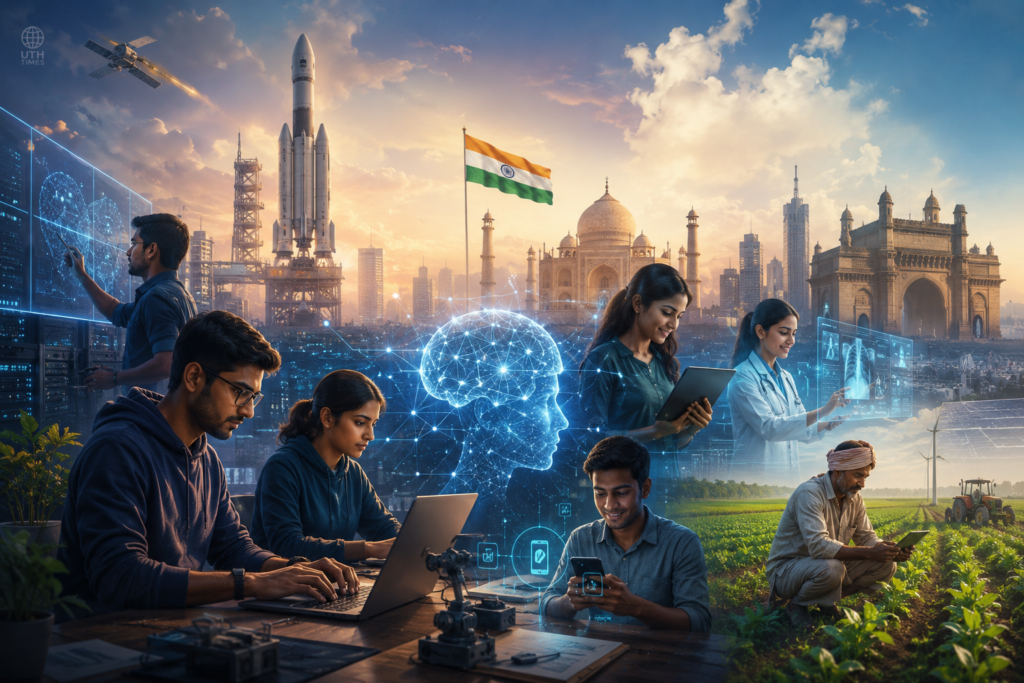
India already possesses several competitive advantages that make it a natural AI contender.
✨ The country benefits from:
- 👨💻 One of the world’s largest pools of software engineers and AI researchers.
- 📱 A thriving digital ecosystem supported by platforms like UPI, Aadhaar-enabled services, and expanding internet penetration.
- 🚀 A rapidly growing startup ecosystem that is experimenting with AI across healthcare, education, agriculture, finance, and manufacturing.
- 📚 A young population eager to adopt and build emerging technologies.
However, affordable large-scale computing infrastructure remains limited, forcing many innovators to depend on overseas cloud resources.
🔥 The Risk of Falling Behind

Without domestic AI infrastructure, India’s startups and research institutions could face high costs, slower innovation cycles, and dependence on foreign technology providers.
🌍 This could lead to:
- 💰 Increased operational expenses for AI companies.
- 🔒 Strategic reliance on external infrastructure for critical technologies.
- 📉 Reduced competitiveness in developing frontier AI models.
- 🧠 Potential migration of talent toward regions with better computational resources.
🌱 Building India’s AI Backbone
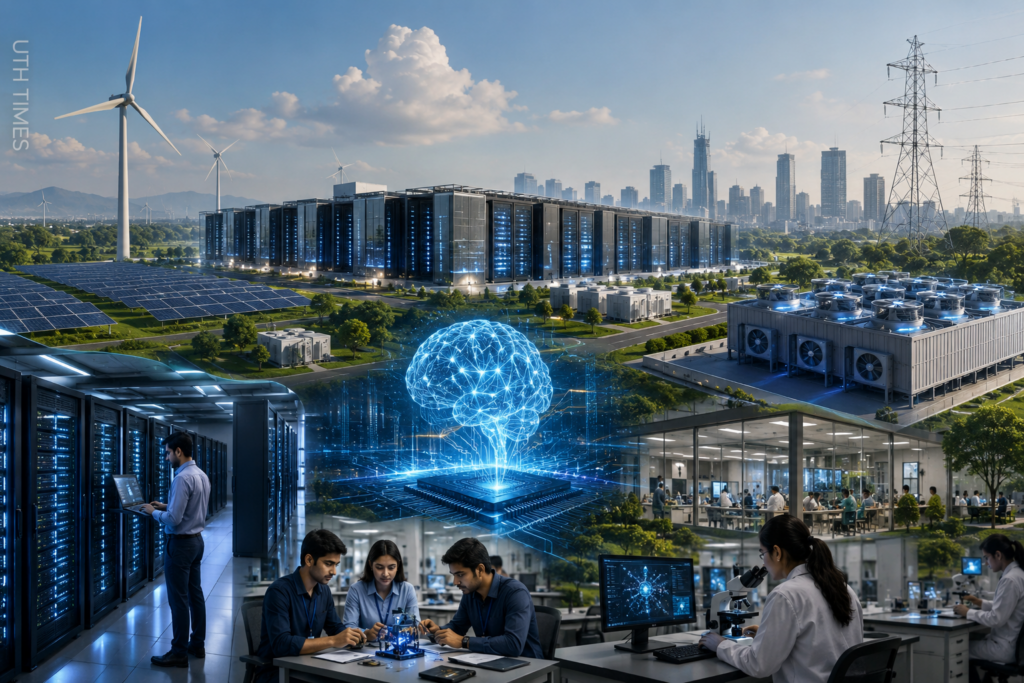
Experts argue that India should create an integrated AI ecosystem combining technology, energy, and public access.
🎯 Priorities include:
- 🏗️ Expanding world-class data centres across the country.
- ☀️ Integrating renewable energy to ensure sustainable AI growth.
- 🖥️ Investing in high-performance computing and domestic compute capacity.
- 🔬 Providing open infrastructure access to startups, universities, researchers, and public institutions.
- ⚙️ Strengthening resilient power grids and advanced cooling systems to support future demand.
Such investments would democratize innovation and reduce barriers for emerging entrepreneurs.
🌍 More Than Technology—A National Strategy
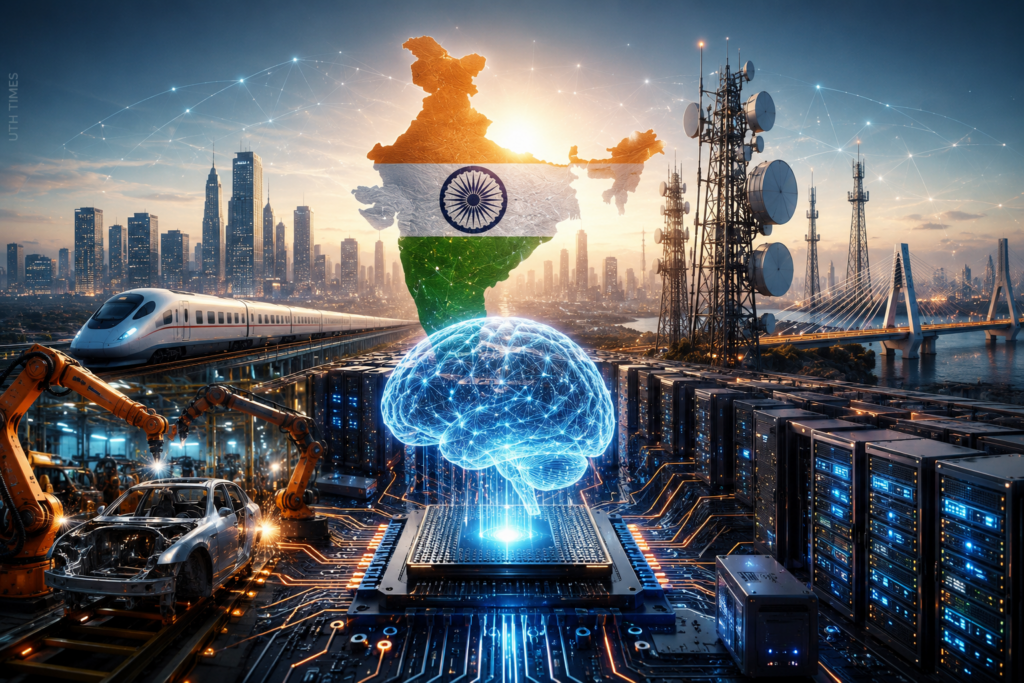
AI is becoming as strategically important as transportation, telecommunications, and manufacturing once were. Countries that own the infrastructure powering intelligence will shape future industries, economic growth, and technological sovereignty.
India has the talent, ambition, and digital foundation to become a global AI powerhouse. The next decisive step is investing in homegrown infrastructure that empowers innovators rather than relying on external resources. In the age of artificial intelligence, building the machines behind the intelligence may prove just as important as building the intelligence itself.

