Located on the southeastern side within the premises of the Ramalingēśwara Temple in Ramangud Tanda, there stands a distinctive yet weathered vigraha of Mahālakshmi in the Samabhanga posture.
This statue, though damaged, remains a testament to the exquisite craftsmanship and historical significance of the temple.Mahālakshmi is portrayed with four hands, each holding meaningful symbols.
In her upper right hand, she wields a Gadha (mace), while her upper left hand holds a Khetaka (shield). Unfortunately, her lower hands, which once held a Mātulunga fruit on the right and a Pānapātra (water vessel) on the left, have sustained damage over time.
A serpent gracefully entwines around her head, forming a crown that supports a Shivalinga at its base, symbolizing a harmonious blend of divine energies
Adding to her divine appearance, Mahālakshmi is adorned with Sarpakundala (serpent-shaped earrings), enhancing her protective and regal aura. This damaged vigraha not only highlights the artistic heritage of the region but also preserves the spiritual essence of the Ramalingēśwara Temple.
Exquisite 13th-Century Hoysala Saraswati Idol at Mysore’s Archaeology
Museum Discover the artistic brilliance of the Hoysala dynasty with the stunning idol of Goddess Saraswati, prominently displayed in the Display Department of the Archaeology Museum and Heritage in Mysore, Karnataka.
This 13th-century masterpiece exemplifies the intricate craftsmanship and architectural sophistication that the Hoysala period is renowned for Goddess Saraswati, the revered deity of knowledge, music, and arts, is beautifully depicted in this idol, embodying grace and serenity.
The Hoysala architectural style is characterized by elaborate carvings, detailed ornamentation, and precise geometric patterns, all of which are magnificently showcased in this sculpture.
Every aspect of the idol, from Saraswati’s flowing garments to the delicate instruments she holds, highlights the meticulous attention to detail and the high level of artistry achieved during this era.
Visitors to the Archaeology Museum and Heritage in Mysore can marvel at the fine craftsmanship and appreciate the cultural significance of this artifact.
The Saraswati idol not only serves as a religious symbol but also as a testament to the rich cultural and artistic heritage of Karnataka.
It offers a glimpse into the spiritual and artistic life of the Hoysala period, making it a must-see for history enthusiasts and devotees alike.
Celebrate the timeless beauty and divine essence of Goddess Saraswati by visiting this remarkable exhibit.
Jai Maa Saraswati! 🙏🚩 #HoysalaArchitecture #GoddessSaraswati #MysoreHeritage #AncientArt #KarnatakaCulture
Discover the Timeless Arulmighu Chandra Choodeswarar Temple in Hosur.
Nestled in the serene locale of Sanasandiram, Hosur, Tamil Nadu, the Arulmighu Chandra Choodeswarar Temple stands as a testament to India’s rich spiritual heritage.
Dedicated to Bhagwan Shiva, the temple venerates the deity in his unique form, Chandra Choodeswarar, meaning “the one who adorns the moon on his head.”
This depiction underscores Lord Shiva’s cosmic significance, highlighting his dominion over time and celestial bodies.
The temple’s origins trace back to the 13th century, with substantial contributions from the Cholas, Hoysalas, and Vijayanagara empires.
It is believed that the Hoysala king, Thirupuvanamalla Barvatharaja Anthiyazhvar, was instrumental in constructing the current structure around 1260 CE.
This historical lineage is further affirmed by a 13th-century inscription discovered during the temple’s patronage, showcasing its enduring legacy.
Perched atop a picturesque hill, the temple offers breathtaking panoramic views of the surrounding landscape, making the journey to its gates as rewarding as the spiritual experience within.
The architecture is a splendid example of traditional South Indian design, adorned with intricate carvings that depict Vedic historical scenes and various deities.
These detailed artworks not only enhance the temple’s aesthetic appeal but also serve as a visual narration of ancient Hindu lore.
Arulmighu Chandra Choodeswarar Temple is a pivotal pilgrimage destination, especially revered during the grand celebration of Maha Shivaratri.
This annual festival attracts devotees from neighboring regions of Tamil Nadu and Karnataka, fostering a vibrant community of faith and devotion. Whether you are a spiritual seeker or an admirer of historical architecture, the temple offers a profound glimpse into the sanctity and artistry of Vedic temples.Plan your visit to this ancient marvel and immerse yourself in the divine ambiance that has inspired countless generations. Experience the harmonious blend of spirituality, history, and natural beauty that defines the Arulmighu Chandra Choodeswarar Temple.#ancient #worldwidehindutemples #bharat #sanatandharma #vedictemples #Tamilnadu
Gopurams, the towering gateways of South Indian temples, are celebrated for their architectural grandeur and intricate artistry.
—
The picture above is from Suchindram Temple [Suchindram Shri Thanumalaya Swamy Temple, Kanyakumari, Tamilnadu, Bharat]
The Suchindram Shri Thanumalaya Swamy Temple, near Kanyakumari, Tamil Nadu, is a unique temple dedicated to the Hindu trinity of Shiva, Vishnu, and Brahma.
Renowned for its stunning Dravidian architecture, the temple features a towering gopuram adorned with intricate carvings, musical pillars that produce musical notes, and a 22-feet Hanuman statue.
With a rich history linked to the Cholas, Cheras, and Pandyas, and legends from the Ramayana, the temple is a major pilgrimage site, especially during Shivaratri and Vaikunta Ekadashi, attracting thousands of devotees every year.
—
Often regarded as masterpieces of architecture, some gopurams feature an astonishing number of carvings, with certain examples boasting over 1 lakh (100,000) exquisite sculptures.
These carvings not only enhance the beauty of the temple but also carry deep spiritual and cultural significance.
—
What Is a Gopuram?
A gopuram serves as the entrance to a Hindu temple complex.
These massive structures are typically adorned with tier upon tier of intricate sculptures, each telling stories from Hindu itihaas or depicting deities, celestial beings, and intricate decorative patterns.
The sheer scale and detail of these carvings make them marvels of craftsmanship, turning stone into an expressive form of storytelling.
Craftsmanship Behind the Carvings
The creation of a gopuram involves meticulous artistry, often taking years to complete.
Artisans skilled in stone carving spend endless hours crafting detailed figures of gods, supreme beings, animals, and floral designs.
These carvings, while decorative, serve an educational purpose, depicting sacred stories and embodying the spiritual essence of the temple.
Over 1 lakh carvings is an extraordinary achievement, reflecting not only the scale of the temple but also the level of devotion and dedication involved in its construction.
Each carving is unique, reflecting different aspects of Hindu cosmology and artistic tradition.
Famous Gopurams with 1 Lakh+ Carvings
Meenakshi Temple, Madurai
One of the finest examples is the Meenakshi Temple in Madurai. Its towering gopurams are adorned with thousands of sculptures, depicting itihaas scenes and divine figures.
Some estimates suggest the combined carvings on the temple’s gopurams exceed 1 lakh, making it a pinnacle of artistic achievement.
Sri Ranganathaswamy Temple, Srirangam
Another notable example is the Sri Ranganathaswamy Temple in Srirangam, which houses one of the largest temple complexes in India.
Its gopurams are famed for their ornate designs, with carvings that number in the tens of thousands. The attention to detail is breathtaking, with every sculpture reflecting intricate workmanship and religious symbolism.
Cultural and Spiritual Importance
Gopurams are more than architectural structures; they represent a spiritual passage.
The carvings on these monumental towers are intended to inspire devotion and reverence, offering visual narratives of Hindu traditions and beliefs. They also symbolize the link between the earthly and divine, inviting devotees to transition from the mundane world into the sacred space of the temple.
Conclusion
Gopurams with over 1 lakh carvings stand as testaments to the artistic genius and spiritual devotion of ancient craftsmen. These structures, rich in symbolism and beauty, continue to captivate both devotees and art enthusiasts alike.
By preserving these monumental works, we ensure that future generations can marvel at their intricate artistry and cultural significance.For those interested in architecture or spirituality, visiting these temples is a journey into the heart of India’s rich cultural and religious heritage.
Amit Shah: The Political Genius Steering India’s Future
Amit Shah, a prominent figure in Indian politics, has earned the reputation of a political genius through his strategic acumen, unwavering dedication, and ability to navigate complex political landscapes.
Here are five key reasons why Amit Shah stands out as a master strategist in India’s political arena:
1. Mastery of Organizational Politics
As the architect behind the Bharatiya Janata Party’s (BJP) robust organizational structure, Amit Shah has demonstrated unparalleled skill in grassroots mobilization.
His tenure as the BJP President saw the party expand its reach across diverse regions, transforming it into a formidable force in both national and state elections. Shah’s ability to unify various factions within the party and maintain discipline has been instrumental in the BJP’s sustained success.
2. Strategic Election Planning
Amit Shah’s approach to elections is marked by meticulous planning and data-driven strategies. He leverages advanced analytics to understand voter behavior, optimize campaign resources, and identify swing constituencies.
This precision in targeting has resulted in significant electoral victories, often turning tight races into decisive wins. Shah’s foresight in anticipating political shifts allows the BJP to stay ahead of its competitors.
3. Effective Coalition Building
Navigating the complexities of coalition politics requires deft negotiation skills and the ability to align diverse interests. Amit Shah excels in forging alliances with regional parties, ensuring a cohesive front that can secure legislative majorities.
His diplomatic prowess in balancing differing ideologies and demands has been crucial in maintaining the stability and longevity of the BJP-led government.
4. Policy Advocacy and Implementation
Beyond electoral success, Amit Shah has played a pivotal role in shaping and advocating for key government policies.
His involvement in initiatives like the Goods and Services Tax (GST), the abrogation of Article 370, and the Citizenship Amendment Act (CAA) underscores his influence in driving legislative agendas. Shah’s ability to translate political vision into actionable policies has solidified the BJP’s governance credentials.
5. Resilience and Adaptability
The dynamic nature of Indian politics demands resilience and the capacity to adapt to changing circumstances. Amit Shah has consistently demonstrated these qualities, whether facing internal party challenges or external political pressures.
His ability to stay focused on long-term objectives while swiftly responding to immediate threats ensures that the BJP remains agile and resilient in a competitive political landscape.
Conclusion
Amit Shah’s combination of strategic foresight, organizational expertise, and political savvy makes him a quintessential political genius. His contributions have not only propelled the BJP to new heights but have also significantly influenced India’s political trajectory.
As India continues to evolve on the global stage, Amit Shah’s leadership will undoubtedly play a crucial role in shaping its future.
In the rich tapestry of Vedic itihaas, the concept of Chiranjeevi—immortals destined to live until the end of the current cosmic cycle—holds a significant place.
These eternal beings embody virtues, wisdom, and unwavering devotion, serving as enduring symbols across Hindu traditions.
While traditional accounts often highlight seven Chiranjeevis, various interpretations and regional beliefs expand this number to eight.
Here, we explore the eight revered Chiranjeevis as celebrated in Vedic itihaas (history).
1. Ashwatthama
Origin: Son of Drona, the royal guru in the Mahabharata.
Significance: Cursed by Lord Krishna to roam the earth eternally with wounds that never heal, Ashwatthama represents the consequences of vengeance and the perpetual struggle between good and evil.
2. King Mahabali
Origin: A benevolent Asura king celebrated during the festival of Onam in Kerala.
Significance: Known for his generosity and devotion, Mahabali was granted a boon by Lord Vishnu to visit his people once a year, symbolizing the triumph of humility and selflessness.
3. Vibhishana
Origin: The righteous brother of the demon king Ravana in the Ramayana.Significance: Vibhishana’s unwavering commitment to dharma (righteousness) led him to join Lord Rama, illustrating the importance of moral integrity over familial loyalty.
4. Hanuman
Origin: The mighty monkey deity and devotee of Lord Rama.Significance: Embodying strength, loyalty, and devotion, Hanuman is revered as a symbol of selfless service and unwavering faith, inspiring countless devotees across generations.
5. Kripacharya
Origin: The royal guru and warrior in the Mahabharata.Significance: As a paragon of duty and knowledge, Kripacharya serves as a mentor to the Pandavas and Kauravas, highlighting the essential role of wisdom and guidance in leadership.
6. Parashurama
Origin: The sixth avatar of Lord Vishnu, known for his martial prowess.
Significance: Parashurama’s relentless pursuit of justice and his role in restoring balance by combating corrupt rulers underscore the necessity of righteous action in maintaining societal order.
7. Vyasa
Origin: The sage credited with composing the Mahabharata and compiling the Vedas.Significance: As the embodiment of wisdom and literary genius, Vyasa’s contributions to Hindu scripture and philosophy make him a cornerstone of Vedic tradition.
8. Markandeya
Origin: A devoted sage granted eternal youth and longevity by Lord Shiva.
Significance: Markandeya’s devotion and perseverance, especially in his unwavering faith during his confrontation with death, exemplify the power of devotion and spiritual resilience.
The Enduring Legacy of the Chiranjeevis
The Chiranjeevis, each with their unique stories and attributes, serve as eternal reminders of the virtues upheld in Hindu philosophy—devotion, righteousness, wisdom, and unwavering duty.
Their immortal status ensures that their teachings and legacies persist, inspiring countless generations to navigate the complexities of life with grace and integrity.
In regional traditions, the tales of these immortals are celebrated through festivals, rituals, and oral storytelling, reinforcing cultural values and spiritual beliefs.
Whether it’s Hanuman’s unwavering devotion or Vyasa’s scholarly contributions, the Chiranjeevis embody the timeless principles that continue to shape the moral and ethical landscape of Hindu society.
As we reflect on the lives of these eight Chiranjeevis, we gain insight into the enduring human quest for meaning, purpose, and connection with the divine.
Their stories not only enrich the Vedic itihaas but also offer timeless lessons that resonate across cultures and epochs, underscoring the universal pursuit of truth and virtue.
The Untouched Power of the Vayu Lingam at Srikalahasti
The temple of Srikalahasti, located in the Chittoor district of Andhra Pradesh, is home to one of the five Pancha Bhoota Sthalams, which represent the five elements of nature.
This sacred site houses the Vayu Lingam, the element of wind or air. Unlike other lingams, the Shivalingam here is never touched by human hands, even during the sacred ritual of Abhishekam (holy bathing).
It is believed that the Vayu Lingam is so powerful that even the temple priests refrain from direct contact. During the Abhisheka, they perform the ritual by pouring water, milk, and other offerings from a distance, without physically touching the lingam.
After the ritual, a protective cover (Kavacham) is placed back over the Lingam to shield it from any inadvertent touch.The significance of not touching the Shivalingam lies in the belief that it holds immense energy.
The untouched Lingam is said to embody the raw, unfiltered power of Shiva in his Anilachala form (the form associated with wind), making it a site of profound spiritual experience for devotees.
For pilgrims and worshippers, the Srikalahasti temple is not just a place of worship but a living testament to the elemental force of nature.
The untouched Vayu Lingam serves as a reminder of Shiva’s omnipresence in every breath of wind and the power that lies in both reverence and restraint.#Srikalahasti #Vayulingam #Shiva
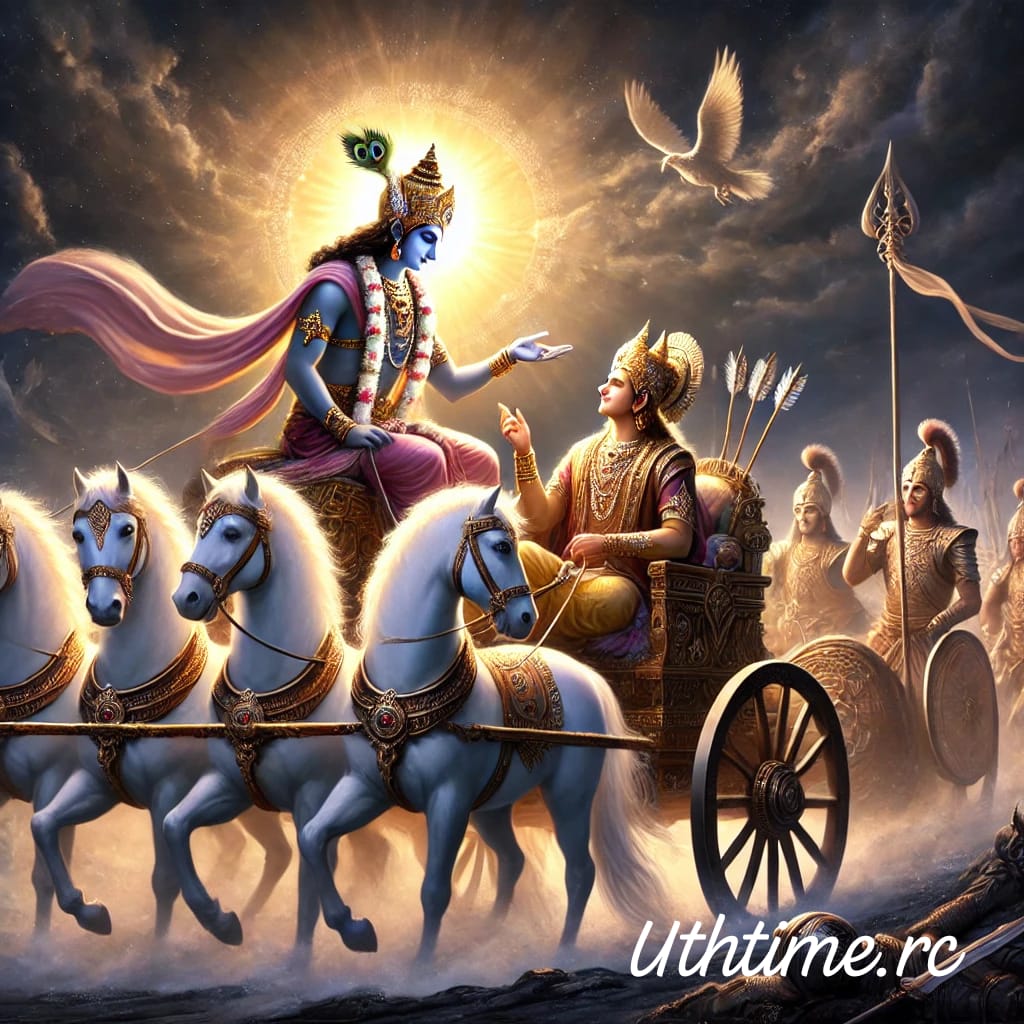
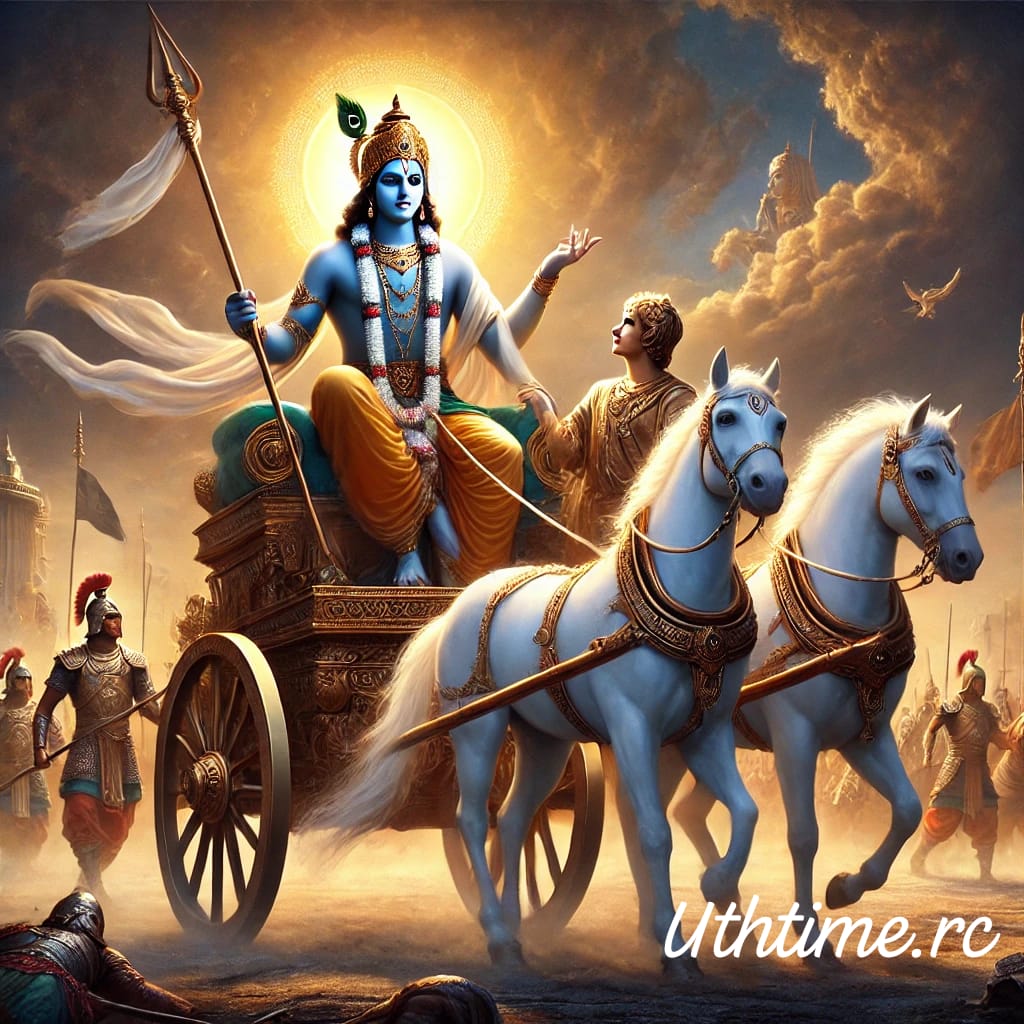
The Bhagavad Gita, often referred to simply as the Gita, is a 700-verse Hindu scripture that is part of the Indian epic Mahabharata.
This ancient text is a conversation between Prince Arjuna and Lord Krishna, who serves as his charioteer and spiritual guide. Facing a moral dilemma on the battlefield, Arjuna seeks Krishna’s counsel, leading to profound teachings that transcend time and culture.
Here are ten essential lessons from the Bhagavad Gita that remain relevant and inspiring today.
1. Fulfill Your Duty (Dharma) Without Attachment to Results
The Gita emphasizes the importance of performing one’s prescribed duties without attachment to the outcomes. Acting selflessly and focusing on the righteousness of the action itself leads to inner peace. This teaches us to give our best effort without being overly concerned about success or failure.
2. Understand the Immortality of the Soul (Atman)
Lord Krishna explains that the soul is eternal and indestructible, while the physical body is temporary. Recognizing this distinction helps alleviate fear of death and encourages a deeper understanding of our true nature beyond the material existence.
3. Practice Selfless Action (Karma Yoga)
Karma Yoga is the path of selfless service. By dedicating our actions to a higher purpose and serving others without expecting rewards, we purify our hearts and minds. This principle highlights the transformative power of altruism.
4. Cultivate Knowledge and Wisdom (Jnana Yoga)
The pursuit of spiritual knowledge leads to enlightenment. By studying sacred texts, engaging in self-reflection, and seeking truth, we can overcome ignorance and realize the unity of all existence.
5. Devotion and Love for the Divine (Bhakti Yoga)
Bhakti Yoga is the path of devotion and unconditional love towards God. Through sincere devotion, one can experience a deep connection with the divine, leading to inner joy and fulfillment.
6. Maintain Equanimity in Success and Failure
The Gita teaches us to remain balanced in both pleasure and pain, success and failure. By cultivating equanimity, we can navigate life’s ups and downs with grace and resilience.
7. Control of Mind and Senses
Mastery over one’s mind and senses is crucial for spiritual growth. Discipline helps prevent negative thoughts and habits from controlling our actions, allowing for a more focused and peaceful life.
8. Recognize the Three Gunas (Qualities of Nature)
The material world is influenced by three qualities: Sattva (goodness), Rajas (passion), and Tamas (ignorance). Understanding these can help us identify our tendencies and strive towards a more harmonious state of being.
9. See the Divine in All Beings
Krishna reveals his universal form to Arjuna, illustrating that the divine permeates everything. This vision encourages us to respect all forms of life and recognize the interconnectedness of the universe.
10. Seek Liberation (Moksha) from the Cycle of Rebirth
The ultimate goal is to achieve liberation from the cycle of birth and death. By following the paths of selfless action, knowledge, and devotion, one can attain self-realization and eternal peace.
Conclusion
The Bhagavad Gita offers timeless wisdom that addresses the fundamental questions of life. Its teachings encourage us to live with purpose, act with integrity, and seek a deeper connection with the world around us.
Whether one is on a spiritual journey or simply seeking guidance for daily living, the Gita provides profound insights that can inspire and enrich our lives.
If SpaceX were to go public today, it would be valued at approximately $1.5 trillion USD.
Assuming Elon Musk holds around 54% equity, this would add roughly $700 billion to his net worth, bringing his total close to $1 trillion.
Even if SpaceX were to list at half that value, Elon would still surpass the trillion-dollar mark when considering his other ventures like Neuralink, The Boring Company, X, xAI, Tesla, and more.
Before the end of the decade, he is projected to exceed a trillion dollars in net worth. Additionally, it’s important to remember that Elon was one of the co-founders of OpenAI, bringing together some of the brightest initial engineers.
May supreme beings and the universe continue to bless him. #ElonMusk #SpaceX #Tesla #Neuralink #TheBoringCompany
Exploring the Cosmic Pathways: The 27 Nakshatras of Vedic Astrology
In the vast expanse of Vedic astrology, the concept of Nakshatras holds a celestial significance that predates many astronomical traditions.
Derived from ancient Indian scriptures, nakshatras are lunar mansions or star constellations that the moon passes through during its 27-day journey around the Earth.
Each nakshatra spans 13 degrees and 20 minutes of the zodiac, collectively covering the 360-degree celestial circle. Let’s embark on an enlightening journey through these 27 cosmic pathways, uncovering their unique attributes and mystical allure.
1. Ashwini (0°00′ – 13°20′ Aries) Symbolized by a horse’s head, Ashwini is governed by the Ashwini Kumaras, the celestial healers. This nakshatra embodies speed, agility, and a pioneering spirit, often associated with healers, physicians, and individuals who initiate transformative actions.
2. Bharani (13°20′ – 26°40′ Aries) Ruled by Yama, the god of death, Bharani represents the womb and the cycle of birth and death. It signifies responsibility, inner transformation, and the power of creativity, reflecting individuals who are resilient and deeply understanding of life’s complexities.
3. Krittika (26°40′ Aries – 10°00′ Taurus) Symbolized by a sharp blade, Krittika is ruled by Agni, the fire god. It embodies purification, courage, and the cutting away of impurities. This nakshatra is associated with leaders and warriors who possess a fiery determination.
4. Rohini (10°00′ – 23°20′ Taurus) Governed by Prajapati, the creator god, Rohini is symbolized by a chariot. It represents beauty, abundance, and fertility. Individuals born under Rohini are often artistic, charismatic, and possess a magnetic allure.
5. Mrigashira (23°20′ Taurus – 6°40′ Gemini) Symbolized by a deer’s head and ruled by Soma, the moon god, Mrigashira embodies the search for knowledge and fulfillment. It signifies curiosity, adaptability, and a questing nature, often linked to travelers and seekers.
6. Ardra (6°40′ – 20°00′ Gemini) Ruled by Rudra, the storm god, and symbolized by a teardrop, Ardra represents transformation through destruction. It embodies intense emotions, learning through adversity, and the cleansing power of storms.
7. Punarvasu (20°00′ Gemini – 3°20′ Cancer) Symbolized by a quiver of arrows and governed by Aditi, the mother of gods, Punarvasu signifies renewal, restoration, and return to origins. It represents individuals who are optimistic, resilient, and nurturing.
8. Pushya (3°20′ – 16°40′ Cancer) Ruled by Brihaspati, the guru of the gods, Pushya is symbolized by a cow’s udder. It embodies nourishment, spirituality, and prosperity. This nakshatra is associated with teachers, priests, and those who provide sustenance to others.
9. Ashlesha (16°40′ – 30°00′ Cancer) Symbolized by a coiled serpent and governed by the Nagas, Ashlesha represents wisdom, mysticism, and hidden knowledge. It embodies intuition, cunning, and the transformative power of the serpent energy.
10. Magha (0°00′ – 13°20′ Leo) Ruled by the Pitris, the ancestral spirits, and symbolized by a royal throne, Magha signifies heritage, authority, and leadership. Individuals born under Magha often possess a regal bearing and a deep respect for traditions.
11. Purva Phalguni (13°20′ – 26°40′ Leo) Symbolized by the front legs of a bed and governed by Bhaga, the god of delight, Purva Phalguni embodies love, creativity, and pleasure. It signifies artistic talents, romance, and the enjoyment of life’s comforts.
12. Uttara Phalguni (26°40′ Leo – 10°00′ Virgo) Ruled by Aryaman, the god of patronage, and symbolized by the back legs of a bed, Uttara Phalguni represents friendship, generosity, and commitment. It embodies the virtues of partnerships and mutual support.
13. Hasta (10°00′ – 23°20′ Virgo) Symbolized by an open hand and governed by Savitar, the solar deity, Hasta signifies skill, craftsmanship, and dexterity. Individuals under this nakshatra are often industrious, clever, and possess healing abilities.
14. Chitra (23°20′ Virgo – 6°40′ Libra) Ruled by Tvashtar, the celestial architect, and symbolized by a shining jewel, Chitra embodies beauty, creativity, and illusion. It signifies individuals who are artistic, charismatic, and visionary.
15. Swati (6°40′ – 20°00′ Libra) Symbolized by a young plant swaying in the wind and governed by Vayu, the wind god, Swati represents independence, flexibility, and self-confidence. It embodies the qualities of adaptability and exploration.
16. Vishakha (20°00′ Libra – 3°20′ Scorpio) Ruled by Indra and Agni, and symbolized by a triumphant arch, Vishakha signifies determination, goal-oriented actions, and the power of focus. Individuals here are ambitious and often experience transformative journeys.
17. Anuradha (3°20′ – 16°40′ Scorpio) Symbolized by a lotus and governed by Mitra, the god of friendship, Anuradha represents devotion, harmony, and success in relationships. It embodies loyalty, cooperation, and the ability to overcome obstacles.
18. Jyeshtha (16°40′ – 30°00′ Scorpio) Ruled by Indra, the king of gods, and symbolized by an earring, Jyeshtha signifies seniority, authority, and protection. It represents individuals who are influential, courageous, and responsible.
19. Moola (0°00′ – 13°20′ Sagittarius) Symbolized by a tied bunch of roots and governed by Nirriti, the goddess of dissolution, Moola embodies the search for truth, probing into the roots, and transformative destruction. It signifies profound change and spiritual exploration.
20. Purva Ashadha (13°20′ – 26°40′ Sagittarius) Ruled by Apah, the water deity, and symbolized by a fan, Purva Ashadha represents invigoration, invincibility, and optimism. Individuals here are often enthusiastic, persuasive, and possess a pioneering spirit.
21. Uttara Ashadha (26°40′ Sagittarius – 10°00′ Capricorn) Symbolized by an elephant tusk and governed by the Vishvadevas, the universal gods, Uttara Ashadha signifies righteousness, leadership, and lasting achievements. It embodies integrity, perseverance, and the pursuit of noble goals.
22. Shravana (10°00′ – 23°20′ Capricorn) Ruled by Vishnu, the preserver, and symbolized by an ear, Shravana represents listening, learning, and the transmission of knowledge. Individuals under this nakshatra are often wise, communicative, and seek enlightenment.
23. Dhanishta (23°20′ Capricorn – 6°40′ Aquarius) Symbolized by a drum and governed by the eight Vasus, Dhanishta embodies wealth, rhythm, and societal success. It signifies individuals who are ambitious, generous, and often excel in music or performance arts
.24. Shatabhisha (6°40′ – 20°00′ Aquarius) Ruled by Varuna, the god of cosmic waters, and symbolized by a hundred physicians, Shatabhisha represents healing, mystery, and seclusion. It embodies the pursuit of hidden knowledge and the healing arts.
25. Purva Bhadrapada (20°00′ Aquarius – 3°20′ Pisces) Symbolized by the front legs of a funeral cot and governed by Aja Ekapada, the one-footed goat, this nakshatra signifies transformation, purification, and depth. It represents individuals who delve into profound spiritual or philosophical realms.
26. Uttara Bhadrapada (3°20′ – 16°40′ Pisces) Ruled by Ahir Budhnya, the serpent of the deep sea, and symbolized by the back legs of a funeral cot, Uttara Bhadrapada embodies wisdom, inner stability, and benevolence. It signifies the ability to support others and profound inner peace.
27. Revati (16°40′ – 30°00′ Pisces) Symbolized by a fish and governed by Pushan, the nourisher, Revati represents journey’s end, prosperity, and safe travels. It embodies compassion, generosity, and guidance, often linked to those who assist others in reaching their goals.
The Celestial Tapestry Unveiled
The 27 nakshatras weave a complex tapestry of cosmic influences that shape human destiny according to Vedic astrology. Each nakshatra, with its unique deity, symbol, and attributes, offers profound insights into personality traits, life paths, and karmic patterns.
They serve as guiding stars, illuminating the path towards self-discovery and spiritual growth.Understanding nakshatras enriches one’s astrological exploration, providing a deeper connection to the rhythms of the cosmos.
Whether one seeks to comprehend personal astrological charts or simply appreciates the ancient wisdom embedded in these celestial markers, the nakshatras stand as timeless beacons in the night sky, inviting us to ponder the mysteries of the universe and our place within it.