Home Blog Page 86

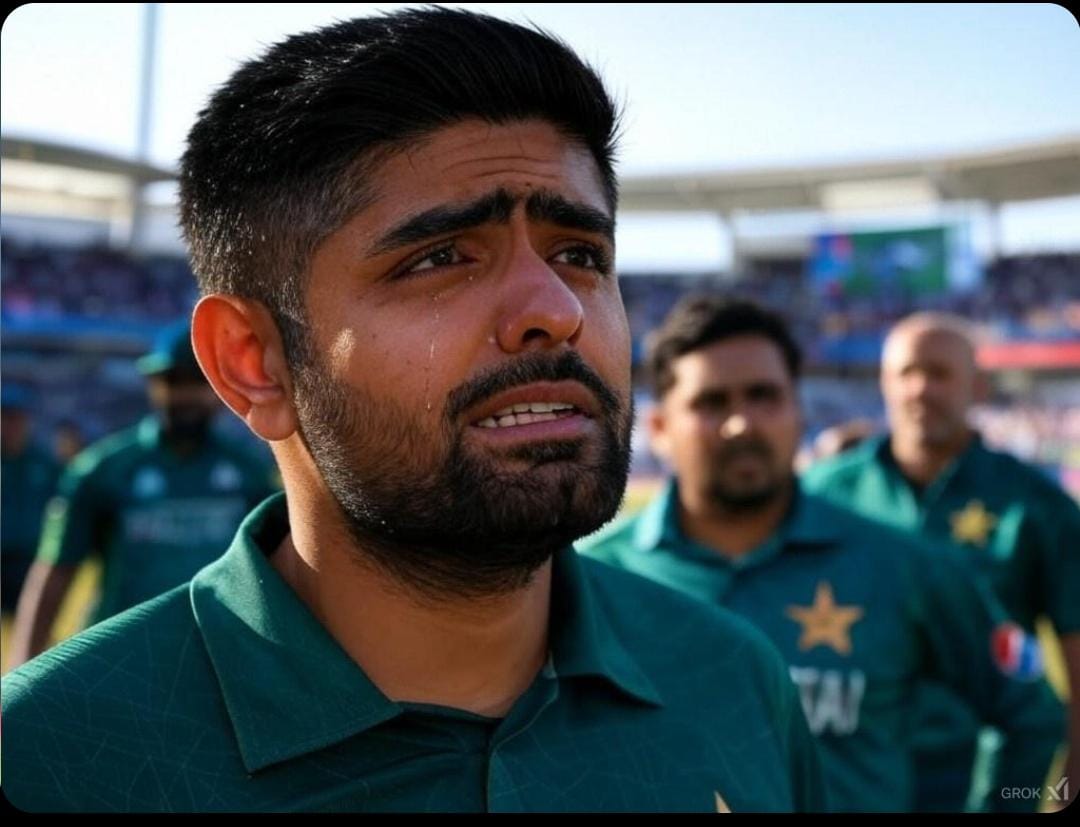
Why Pakistan team is the worst performing cricket team in recent times?

0

In recent years, many Pak fans and analysts have voiced concerns about their underwhelming performances on the international stage.

Several factors seem to contribute to these struggles, ranging from inconsistent leadership and administrative issues to a lack of stable infrastructure.

One major concern is inconsistent leadership. The captaincy has changed hands multiple times in recent years, disrupting team cohesion. Frequent changes in captaincy can lead to confusion over tactics, selection choices, and even player roles.

As a result, the squad often finds itself without a clear, unified direction, making it more challenging to build momentum and confidence.

Another contributing factor is the lack of a robust domestic cricket structure.

While Pakistan’s domestic leagues have produced world-class talents, critics argue that they do not consistently offer the level of competitiveness needed to prepare players for the pressures of international matches.

Strengthening the domestic circuit—ensuring higher standards of coaching, facilities, and competition—would help cultivate young talents who are better equipped to handle the rigor of the global arena.
Additionally, off-field controversies and internal board politics often overshadow the actual sport. Frequent administrative upheavals within the Pakistan Cricket Board (PCB) have sometimes resulted in abrupt staff changes, sidelining coaches, and conflicting directives that can hamper long-term team development.

When the focus shifts from the game to boardroom disputes, players can suffer from uncertainty and a lack of clear guidance.Limited opportunities to play top-tier international cricket on home soil have also been a hurdle.

For a prolonged period, international teams were hesitant to tour Pakistan due to security concerns, forcing Pakistan’s “home” matches to be held predominantly in the UAE. Although the situation has improved somewhat, the absence of a strong, consistent home advantage for many years likely impacted team morale and hindered the cultivation of a winning mindset in familiar conditions.

Finally, mental resilience is an often-overlooked aspect of modern cricket. With high expectations from millions of passionate fans, Pakistani cricketers face immense pressure.

Without proper sports psychology support, players can lose confidence quickly after a few poor performances.Despite these challenges, Pakistan’s cricket team has shown flashes of brilliance that remind fans of the squad’s past glories.

By addressing administrative instability, investing in domestic cricket, and fostering strong leadership, Pakistan can regain a competitive edge on the international stage. The team’s resilience and talent suggest that a turnaround is possible—provided these systemic issues are comprehensively resolved.
50,000 Carvings, 5,000 Inscriptions: A Window into Ancient Vedic Civilizations

0

1. A Hidden Gem of Prehistoric Art in the Mountains of Pakistan-Occupied Jammu and Kashmir

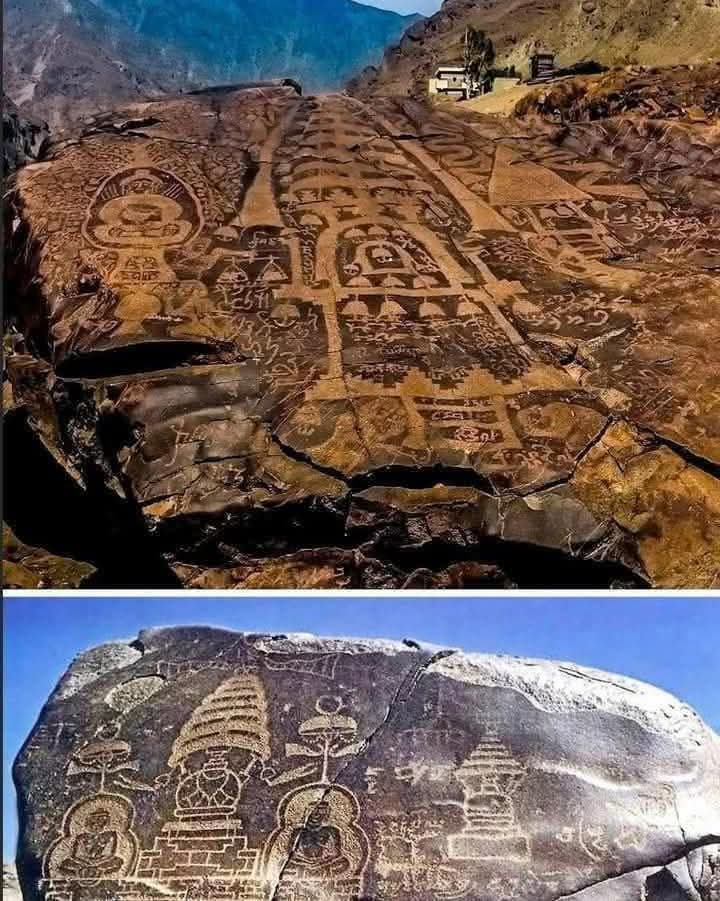
Nestled in the rugged terrain of Pakistan-Occupied Jammu and Kashmir, a stunning outdoor gallery of prehistoric rock art stretches nearly 100 kilometers between Shatial and Raikot Bridge. This remarkable site boasts over 50,000 rock carvings and 5,000 inscriptions, dating from the 9th century BCE to the 16th century CE.

These artifacts provide a rare window into the diverse cultures and religions that flourished in this region over millennia.The carvings depict scenes of daily life, hunting, and spiritual practices, with symbols representing various religious traditions, including Jainism, Buddhism, and Hinduism.

Of particular interest are the Jain motifs, showcasing tirthankaras (spiritual teachers) and meditative postures, reflecting the widespread influence of Jain philosophy along ancient trade routes. This site highlights the region’s historical role as a cultural crossroads where merchants, pilgrims, and travelers exchanged goods and ideas.

Preservation efforts are underway to safeguard this treasure trove, which continues to fascinate historians and archaeologists worldwide.

2. Jain Legacy in the Rock Art of Shatial to Raikot Bridge

The rock art site stretching from Shatial to Raikot Bridge is not only a hub of prehistoric carvings but also a testimony to Jain history in the region. Amid depictions of Buddhist stupas and Hindu deities, the Jain influences stand out.

Carvings of meditative postures, tirthankaras, and symbolic motifs like the swastika highlight Jainism’s historical presence in the area.These artworks underscore the extensive reach of Jainism, likely spread through ancient trade routes connecting South Asia to Central Asia.

The carvings reveal a blend of spiritual traditions, suggesting peaceful coexistence among various faiths. For Jain historians, this site offers a unique perspective on the religion’s influence beyond its traditional strongholds in India.

3. Preserving the Ancient Rock Art of Pakistan-Occupied Jammu and Kashmir

The prehistoric rock carvings between Shatial and Raikot Bridge are a priceless cultural heritage at risk. These carvings, dating from 9th century BCE to the 16th century CE, narrate stories of life, trade, and spirituality in the ancient world.

The Jain depictions, alongside Buddhist and Hindu symbols, reflect the harmonious coexistence of religions along vital trade routes.However, natural erosion, human activity, and lack of awareness threaten these artworks.

Preservation initiatives are crucial to safeguard this unique outdoor gallery, which serves as a historical bridge connecting diverse traditions and cultures.This ancient treasure awaits global recognition, offering profound lessons about cultural exchange and artistic expression in the past.

The Cosmic Clash: Bhagwan Shiv vs Bhagwan Krishna

0

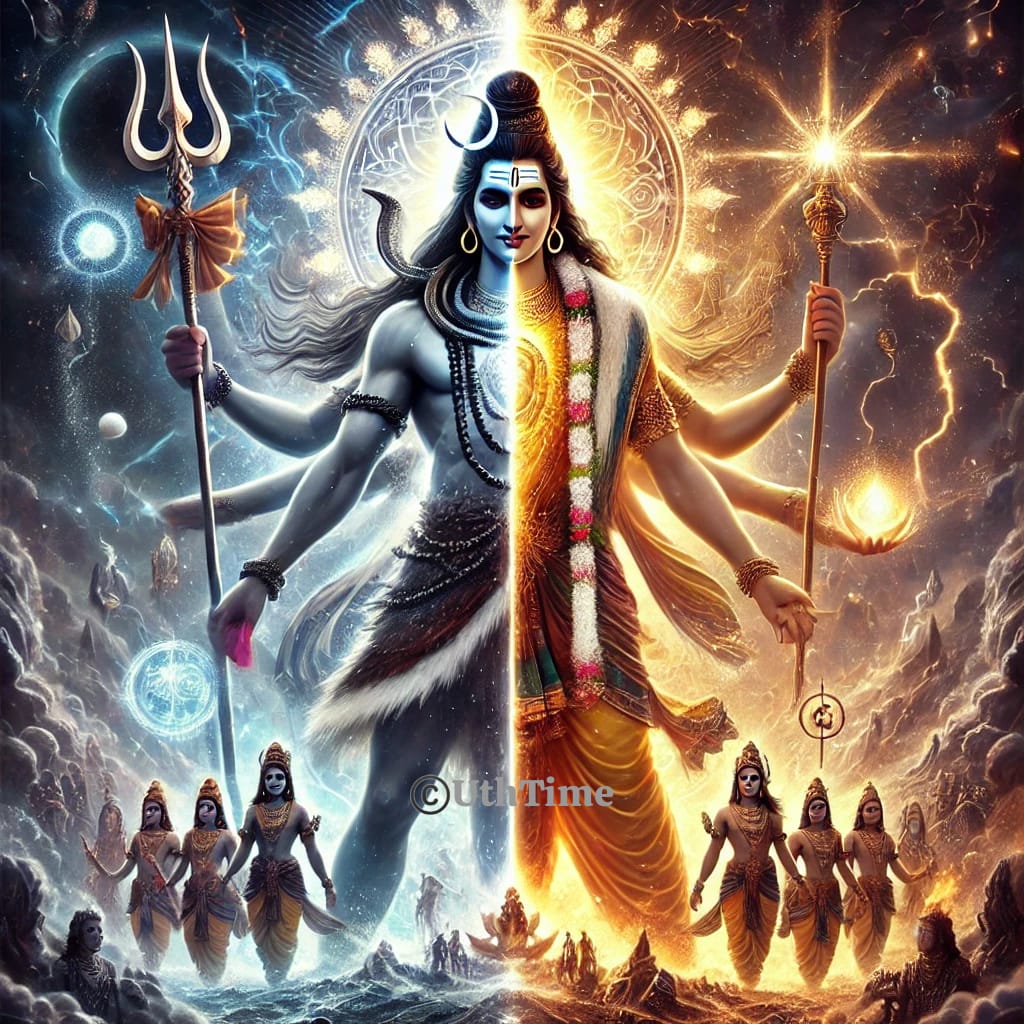
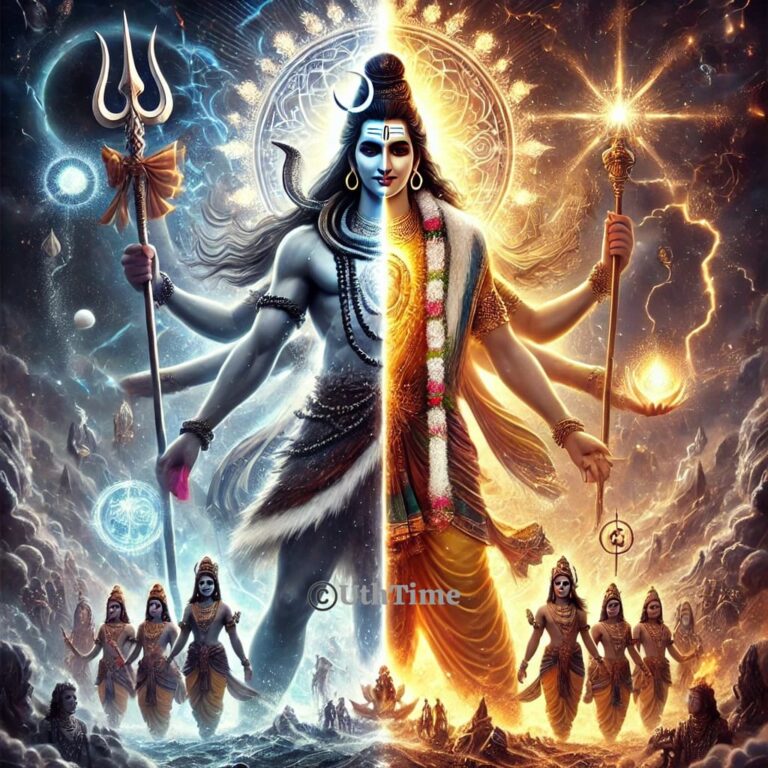
In Hindu itihaas, a notable encounter between Bhagwan Shiva and Bhagwan Krishna unfolds during the tale of Banasura, an asura king and devout follower of Shiva.

Banasura, endowed with a thousand arms and immense power through Shiva’s boon, became arrogant and sought worthy opponents for battle.

His daughter, Usha, fell in love with Aniruddha, Krishna’s grandson, leading to Aniruddha’s captivity in Banasura’s city, Shonitapura. Upon learning of his grandson’s predicament, Krishna, accompanied by his brother Balarama and a formidable army, marched to Shonitapura to rescue Aniruddha.

Banasura, relying on Bhagwan Shiva’s protection, confronted Krishna. A fierce battle ensued, with Shiva and his son Kartikeya supporting Banasura against Krishna and his forces. The clash was intense, with both deities deploying divine weapons and exhibiting extraordinary prowess.

During the confrontation, Krishna employed the ‘Jrimbhanastra,’ a weapon that induced drowsiness, causing Shiva to momentarily withdraw from the battle.

Seizing this opportunity, Krishna used his Sudarshana Chakra to sever Banasura’s numerous arms, thereby subduing him.

When Shiva awoke, he acknowledged Krishna’s supremacy and pleaded for Banasura’s life, citing his devotion.

Krishna, honoring Shiva’s request, spared Banasura, leaving him with four arms, and granted him immortality. This act not only humbled Banasura but also reinforced the principles of duty and cosmic balance.

This narrative exemplifies the harmonious interplay between deities in Hindu tradition, where duty and devotion guide actions, and cosmic equilibrium is maintained through divine interventions.

For a visual depiction of this epic encounter, you might find the following video insightful:

Somnath Mahadev: The First Jyotirlinga and the Origin of Krishna & Shukla Paksha

0

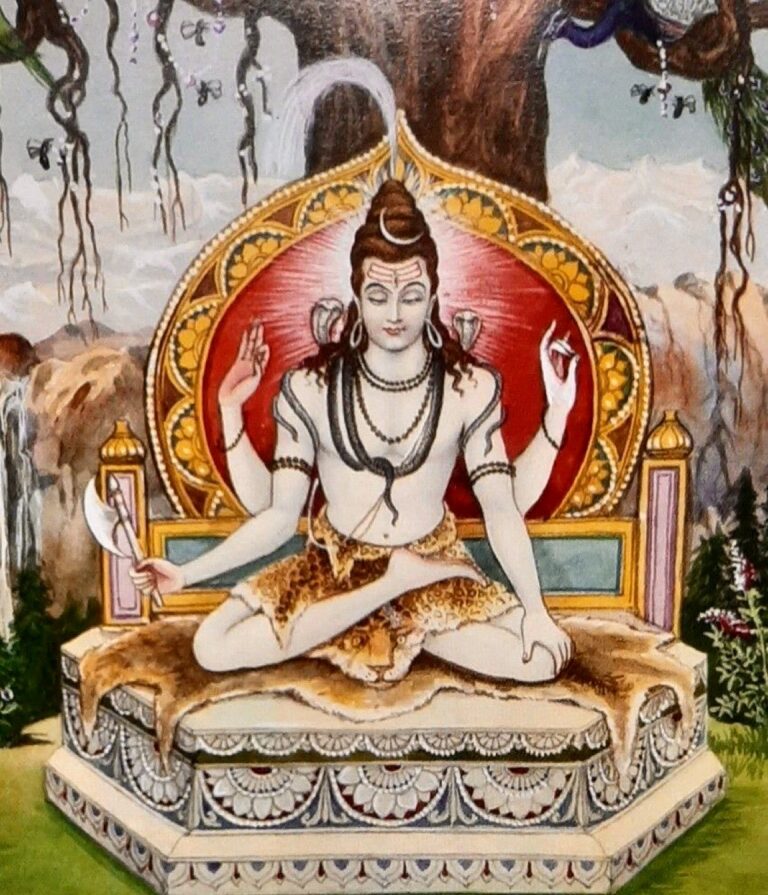
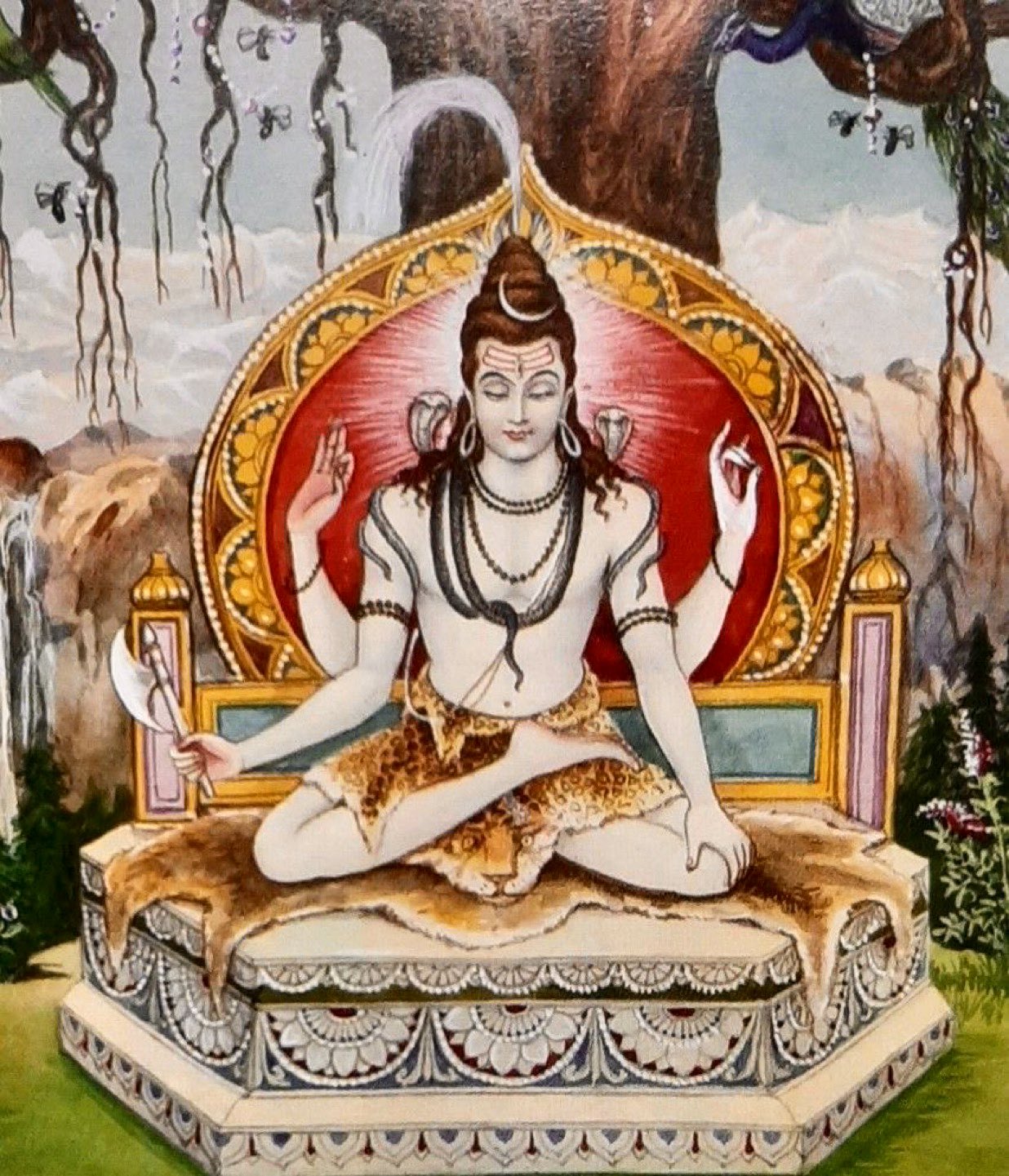
Somnath Mahadev is revered as the first of the twelve Jyotirlingas of Lord Shiva, located in the coastal town of Prabhas Patan in Gujarat.

The name Somnath translates to the “Lord of the Moon.” According to legend, Daksha Prajapati cursed the Moon God, Chandra, for neglecting his other daughters while favoring only Rohini.

As a result, Chandra lost his radiance and began to wane. Desperate for relief, he offered fervent prayers to Lord Shiva at Prabhas Kshetra. Pleased by his devotion, Shiva partially lifted the curse, allowing Chandra to wax for half the month and wane for the other half.

This cycle forms Krishna Paksha (dark fortnight) and Shukla Paksha (bright fortnight) in each lunar month. It is said that Shiva manifested as a divine column of light, signifying his eternal presence.

This celestial pillar of energy eventually became known as Somnath Jyotirlinga, symbolizing the boundless power and compassion of Lord Shiva.

Pilgrims from all over India visit Somnath Mahadev, drawn by its legendary origin and sacred aura.

Thus, the emergence of Somnath Mahadev and the inception of the lunar phases remain deeply woven into India’s spiritual tapestry, inspiring countless devotees through the ages. Its legacy endures across countless generations.

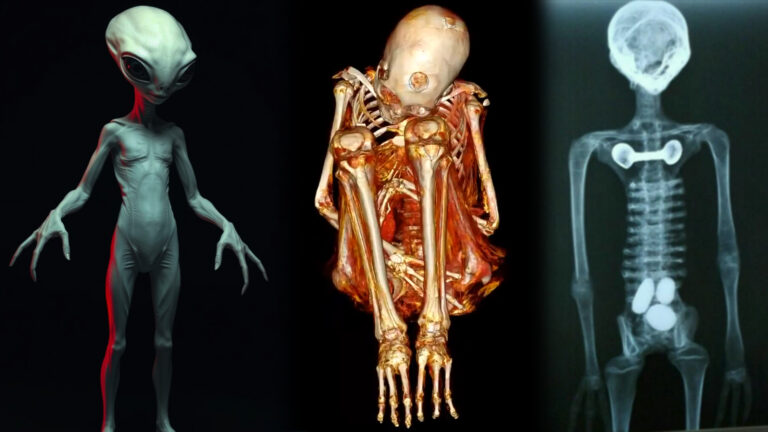
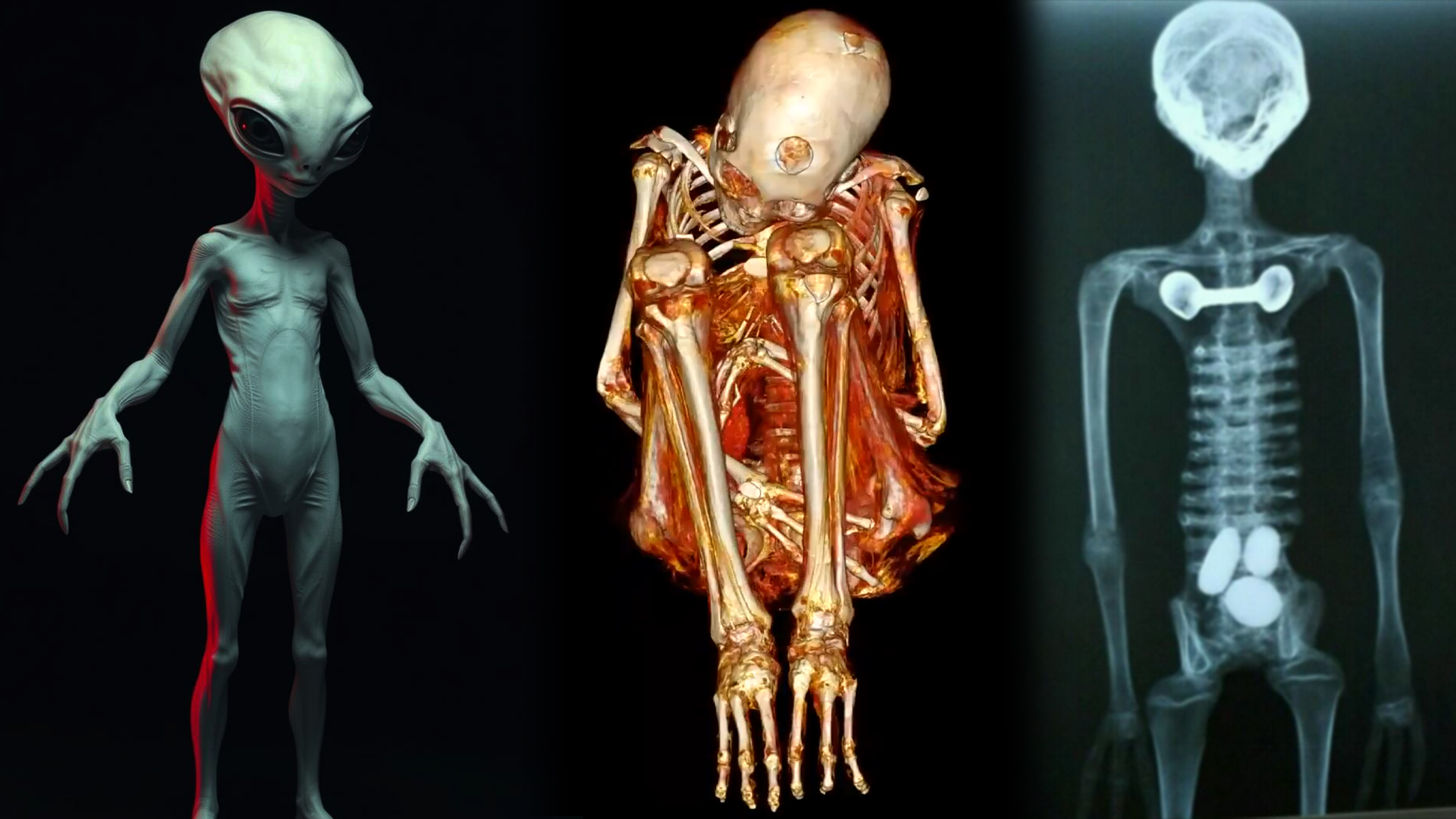
THIS CASE WILL NOT GO AWAY…Forget what you know, and what you’ve been told

The Tridactyl Bodies have been rigorously tested and scientifically analyzed. There is a lot of data suggesting they are not humans.I wanted answers, so I interviewed the scientists and legal authorities involved. Part 1 of a 4 part series will premiere on my channel today.📌 Details for 1st episode in 1st comment.

Here is the thread:

Spiritual Tapestry in Basalt: A Journey Through the Ellora Caves

0

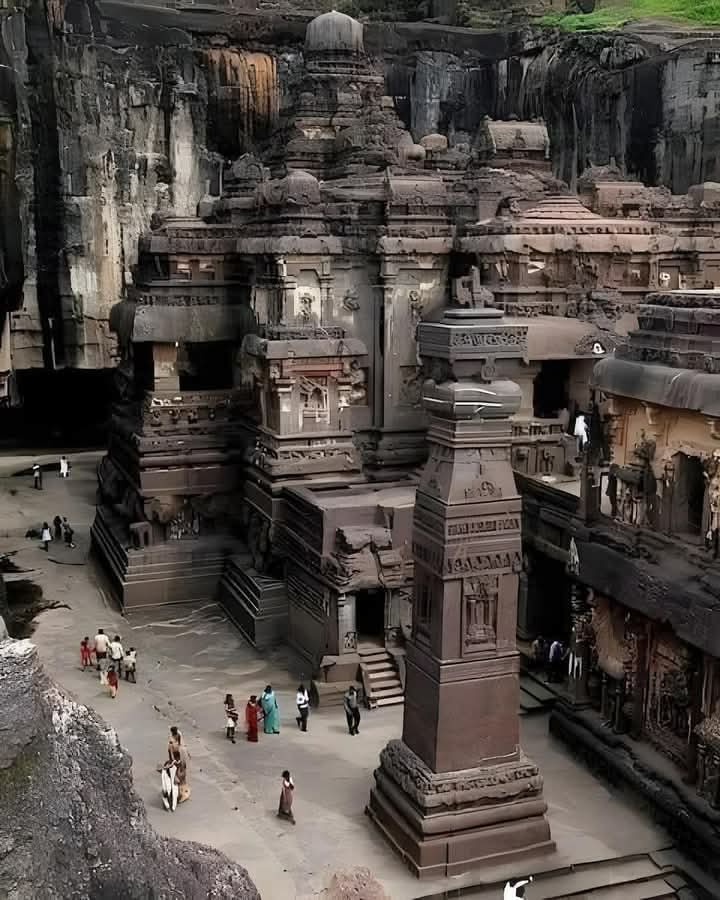
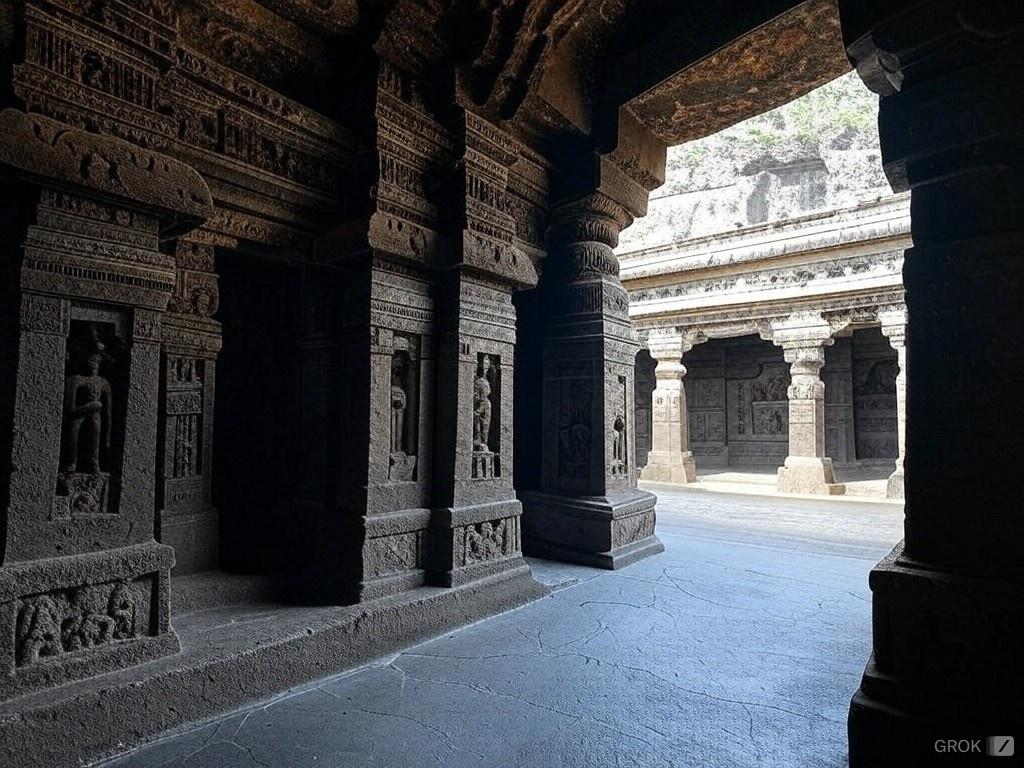
Nestled amid the rugged landscapes of Maharashtra, the Ellora Cave Complex stands as a breathtaking testament to the skill and devotion of ancient artisans.

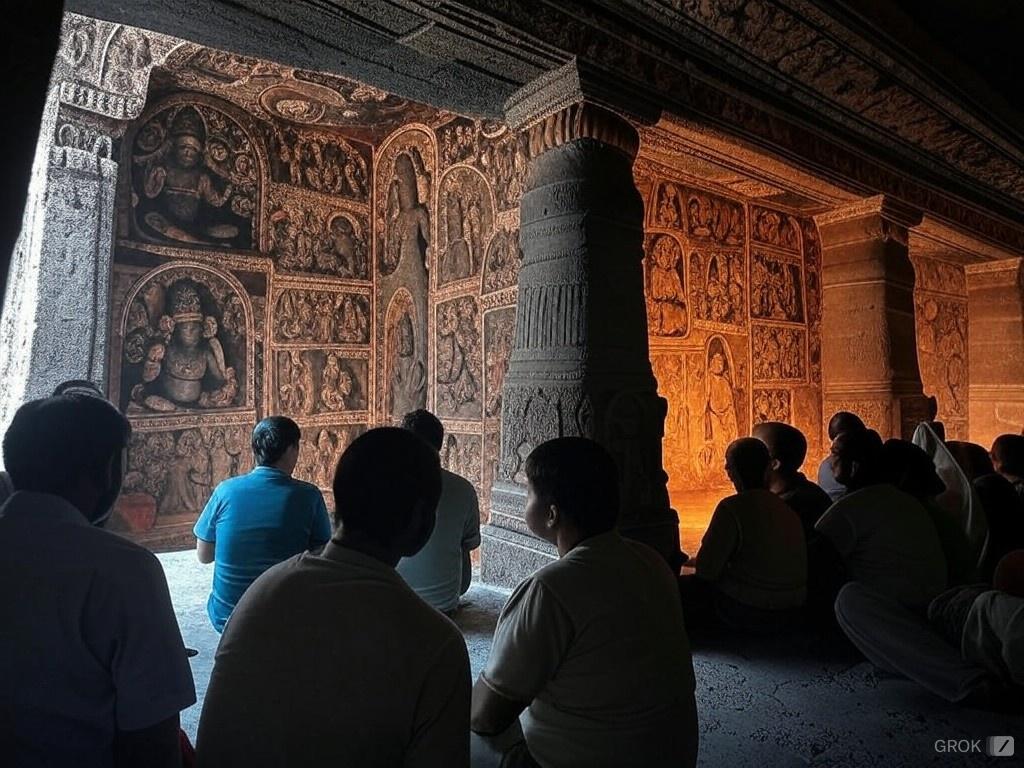
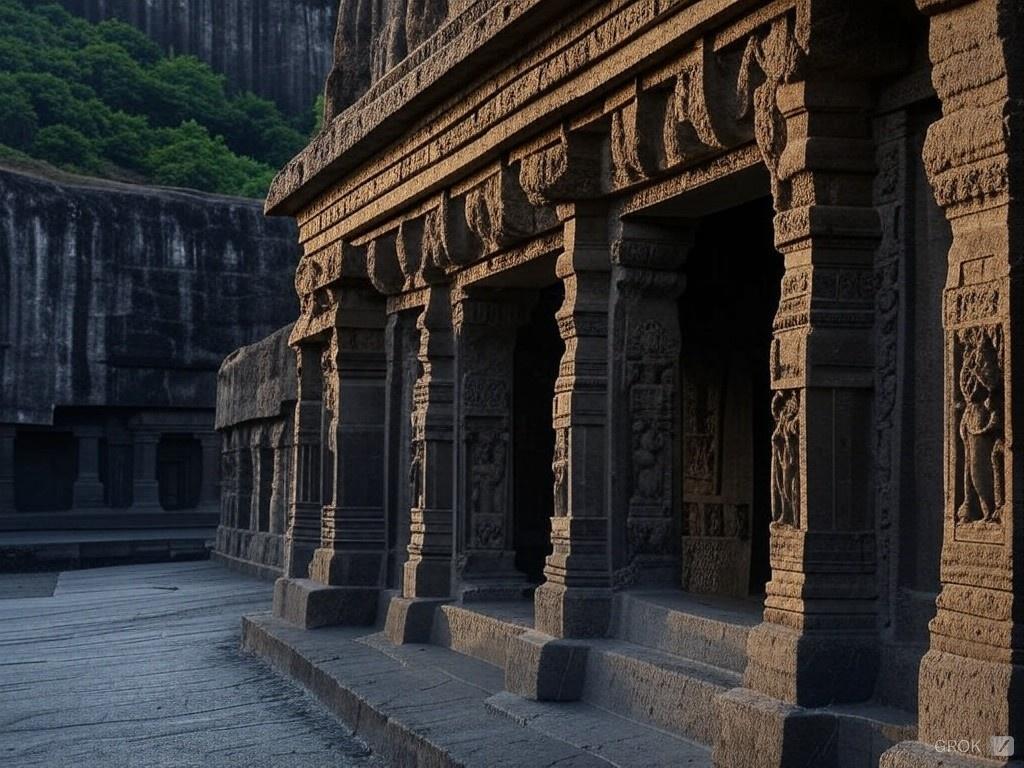
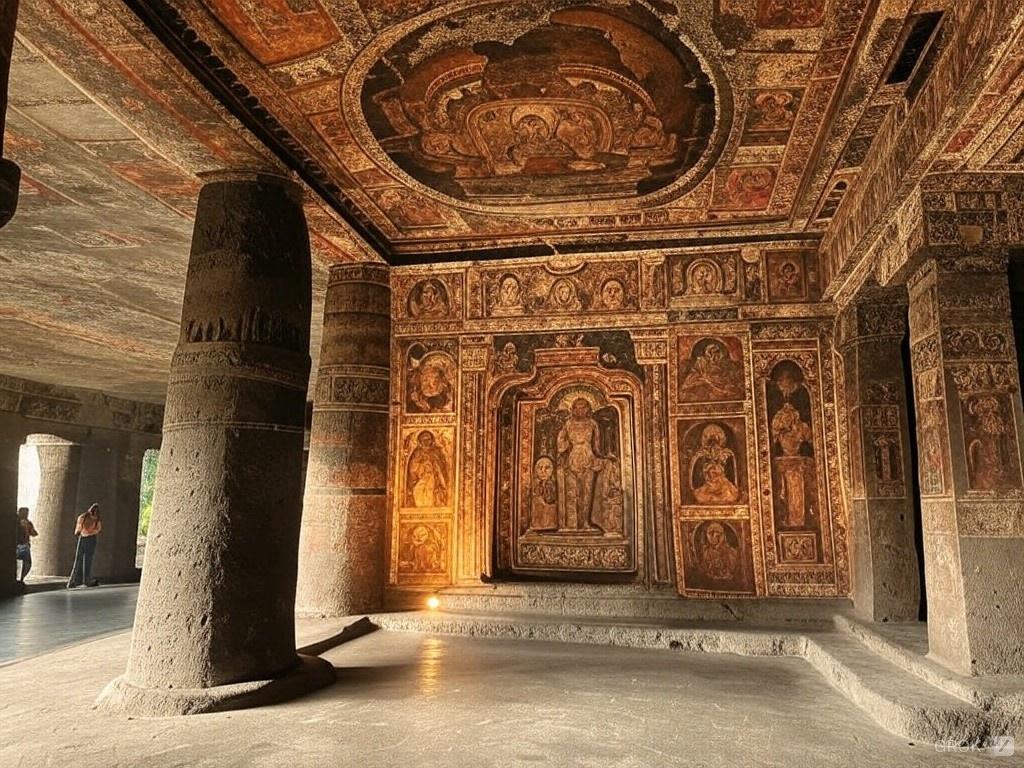
Carved into the basalt cliffs near Jalgaon, these monumental cave temples showcase a fascinating blend of vedic art [incl. Hindu, Buddhist & Jain] spanning several centuries (from around the 6th to the 10th century CE).

This UNESCO World Heritage Site dazzles visitors with its sheer scale and intricate carvings that vividly depict religious stories, legendary deities, and the cultural tapestry of the times.

Among the 34 cave temples at Ellora, the Kailasa Temple (Cave 16) is undoubtedly the crown jewel. Excavated from a single rock, its massive courtyards and intricately sculpted pillars are a marvel of ancient engineering.

Equally captivating are the neighboring Buddhist and Jain caves, each boasting distinct architectural styles and sculptures that pay tribute to the spiritual and artistic influences of their respective periods. From the quiet halls of the Buddhist chaityas to the elaborately adorned Jain shrines, Ellora’s sacred spaces offer a peaceful respite from the bustle of modern life.

A trip to Ellora is not just a journey through awe-inspiring rock-cut architecture but also an immersion in the region’s diverse cultural and religious heritage.

The proximity to Jalgaon, alongside other historic sites such as the Ajanta Caves, makes Ellora a crucial stop on the travel circuit of Maharashtra.

Whether you are an art enthusiast, a history buff, or simply a curious traveler, Ellora promises an unforgettable voyage into the spiritual and creative legacy of Bharat.

Top 10 Countries for Medical Tourism: India Leads

0

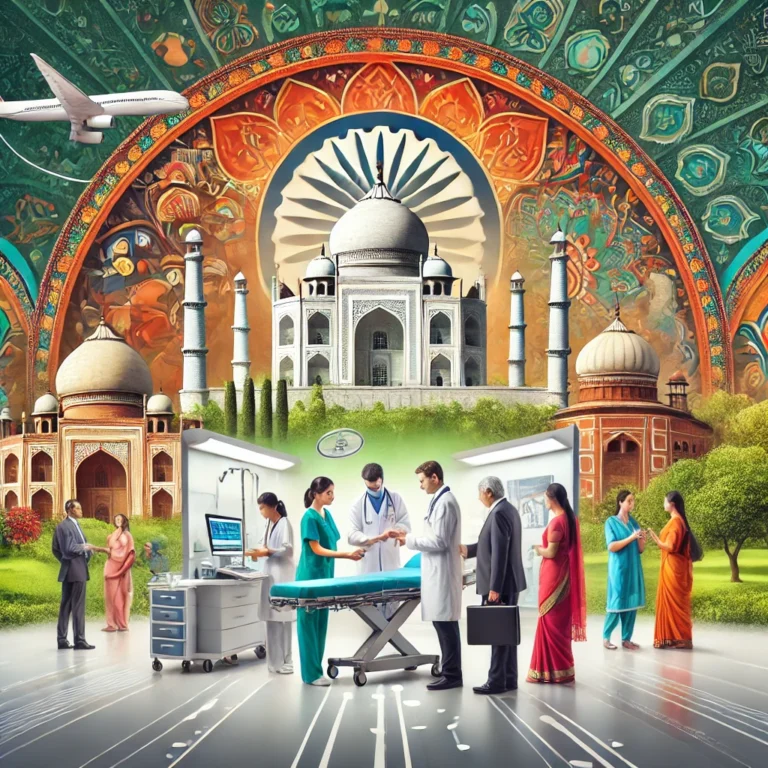
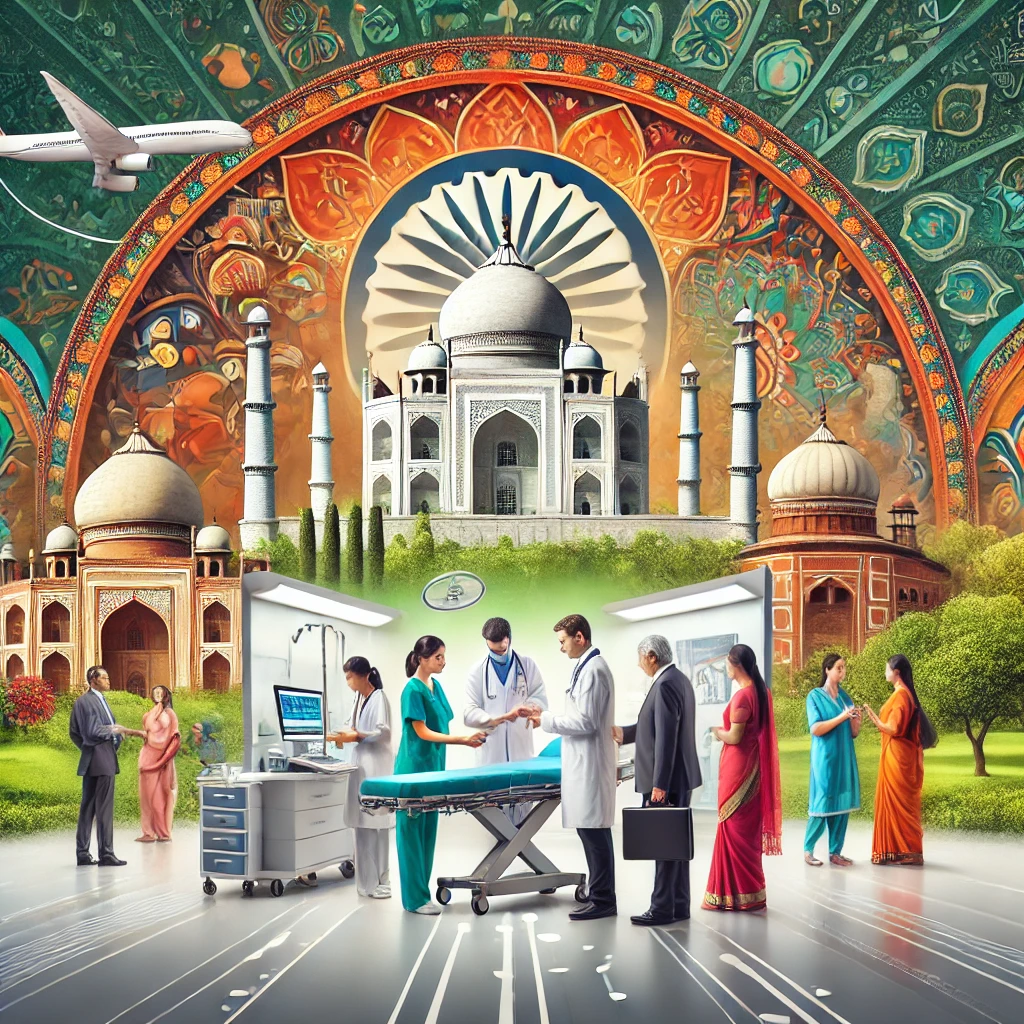
The following countries are often regarded as top destinations for medical tourism due to their combination of high-quality healthcare, affordability, and well-developed infrastructure for international patients:

1. India

Why Popular: Affordable and world-class healthcare, skilled doctors, and advanced technologies.

Specialties: Cardiac surgery, orthopedics, organ transplants, and alternative medicine (e.g., Ayurveda).

Advantages: Lower costs (up to 80% cheaper than Western countries) and English-speaking medical professionals.

2. Thailand

Why Popular: A mix of excellent healthcare and a strong focus on wellness tourism.Specialties: Cosmetic surgery, dental care, and fertility treatments.

Advantages: Modern hospitals and an emphasis on combining treatment with relaxation in scenic locations.

3. Turkey

Why Popular: State-of-the-art facilities and affordable care, especially in cities like Istanbul.

Specialties: Hair transplants, cosmetic surgery, and ophthalmology.

Advantages: Geographical convenience for European and Middle Eastern patients.

4. Mexico

Why Popular: Proximity to the United States and significantly lower costs.

Specialties: Dentistry, bariatric surgery, and orthopedics.

Advantages: Quality care at a fraction of U.S. costs and minimal travel time for Americans.

5. Singapore

Why Popular: High-quality healthcare and medical research advancements.

Specialties: Oncology, cardiology, and complex surgeries.

Advantages: Accredited hospitals and highly trained medical staff.

6. Malaysia

Why Popular: Affordable treatment with excellent patient care.

Specialties: Fertility treatments, cardiology, and general wellness.

Advantages: Multilingual medical staff and a focus on medical-wellness tourism.

7. South Korea

Why Popular: Advanced technology and expertise in specialized fields.Specialties: Plastic surgery, dermatology, and cancer treatments.Advantages: Cutting-edge technology and internationally accredited hospitals.

8. United Arab Emirates (UAE)

Why Popular: Luxury medical services and advanced healthcare facilities.

Specialties: Orthopedics, dentistry, and cosmetic surgery.

Advantages: Internationally trained doctors and a focus on VIP treatment.

9. Costa Rica

Why Popular: Affordable healthcare in a serene environment.Specialties: Dental work and cosmetic surgery.Advantages: English-speaking doctors and proximity to North America.

10. BrazilWhy Popular: A global leader in plastic and cosmetic surgery.Specialties: Aesthetic procedures, bariatric surgery, and orthopedics.

Advantages: Highly skilled surgeons and advanced facilities.

Each of these countries has specific strengths depending on the type of medical treatment sought. Many of them also emphasize combining medical care with tourism, offering an overall enriching experience.

Scientists close to creating ‘simple pill’ that cures diabetes

0

Researchers at the Icahn School of Medicine at Mount Sinai have made significant strides toward developing an oral treatment for diabetes, potentially eliminating the need for daily insulin injections.

In 2015, the team identified harmine, a DYRK1A inhibitor capable of stimulating the regeneration of insulin-producing beta cells in the pancreas.

Subsequent studies revealed that combining harmine with GLP-1 receptor agonists, such as semaglutide (Ozempic) or exenatide (Byetta), significantly enhanced beta cell proliferation.

By July 2024, harmine alone was shown to increase human beta cell mass by 300%, and by 700% when combined with a GLP-1 receptor agonist. A recent breakthrough suggests that alpha cells in the pancreas can transform into insulin-producing beta cells.

Since alpha cells are abundant in individuals with both type 1 and type 2 diabetes, they may serve as a reservoir for generating new beta cells.

Dr. Esra Karakose, Assistant Professor of Medicine at Mount Sinai, stated, “This is an exciting finding that shows harmine-family drugs may be able to induce lineage conversion in human pancreatic islets.”

The Mount Sinai team is now advancing these studies toward human trials, aiming to develop an affordable and scalable oral treatment for the millions affected by diabetes worldwide.

Dr. Andrew F. Stewart, Director of the Mount Sinai Diabetes, Obesity, and Metabolism Institute, noted, “A simple pill, perhaps together with a GLP1RA like semaglutide, is affordable and scalable to the millions of people with diabetes.” This potential therapy could revolutionize diabetes management, offering a more accessible and less invasive alternative to insulin injections.

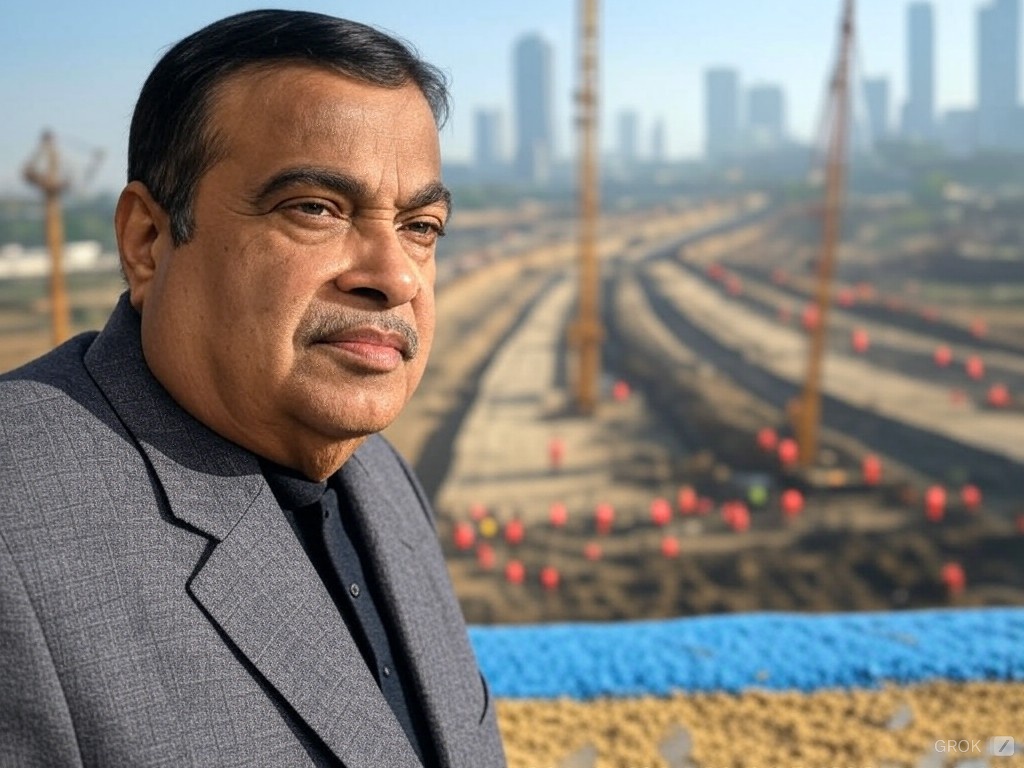
Transforming India: The Story of Nitin Gadkari

0

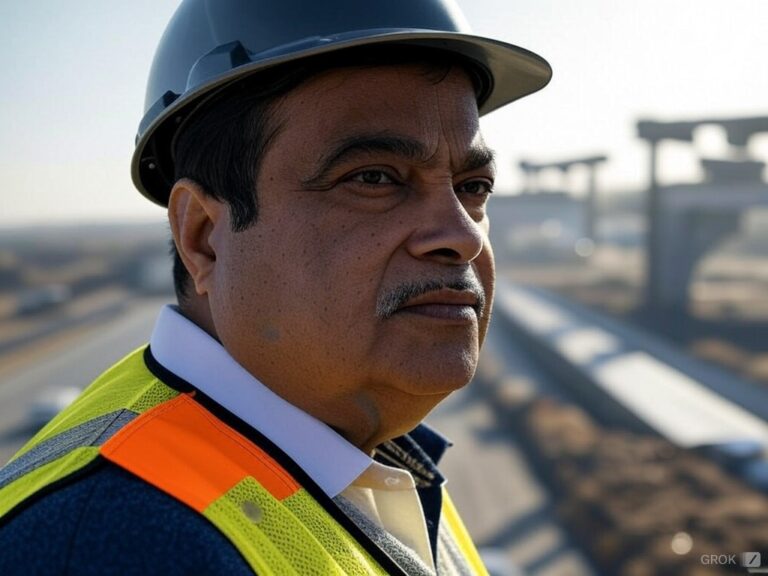
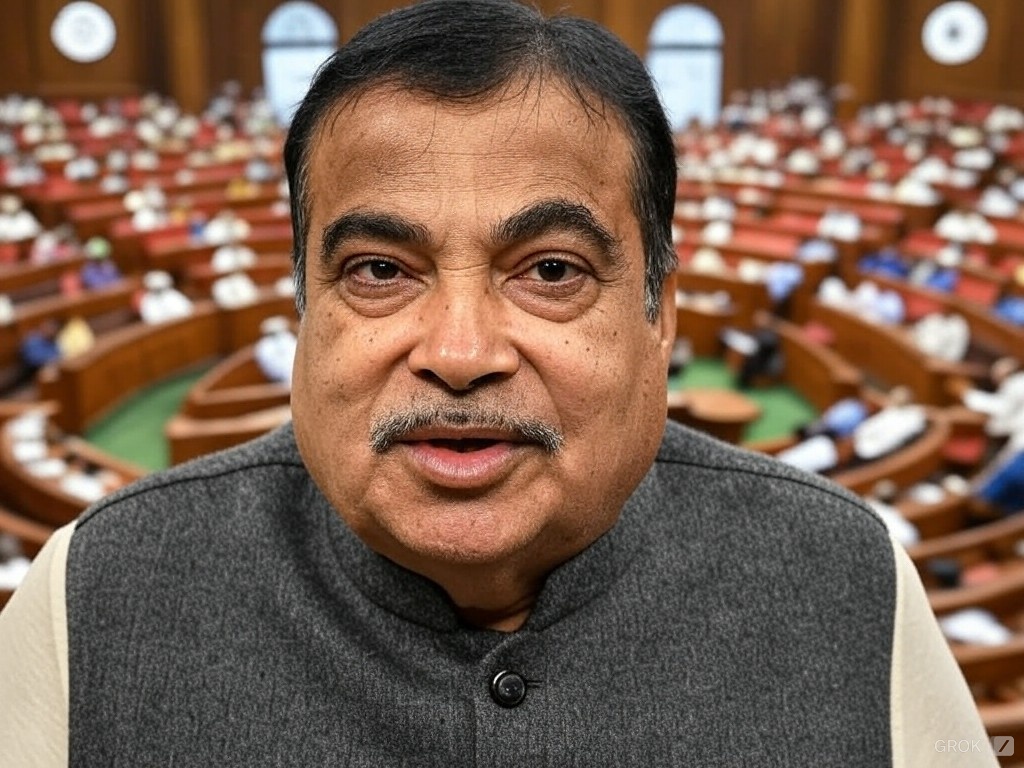
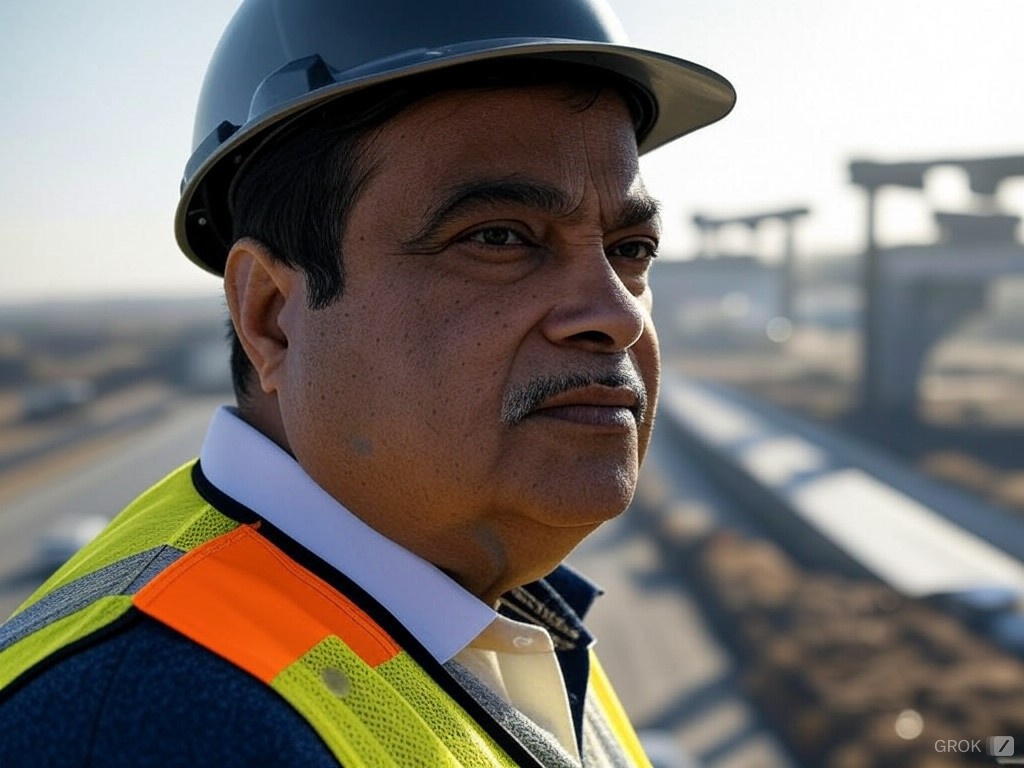
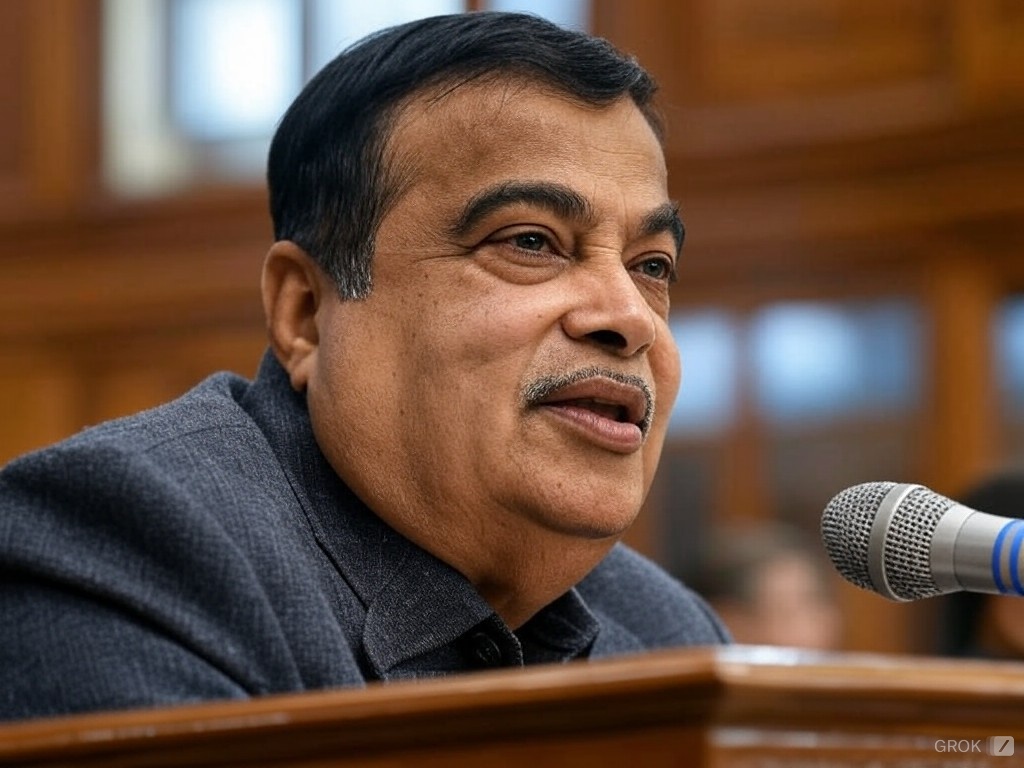
Nitin Gadkari, born on May 27, 1957, in Nagpur, Maharashtra, is a prominent Indian politician affiliated with the Bharatiya Janata Party (BJP).

He has been serving as the Minister of Road Transport & Highways since 2014, making him the longest-serving minister in this role.

Gadkari is often referred to as the “Highway Man of India” due to his significant contributions to the country’s infrastructure development. Here are ten interesting points about him:

1. Early Life and Education: Gadkari holds degrees in commerce and law from Nagpur University.

2. Political Career: He began his political journey with the BJP and has held various positions, including President of the Maharashtra BJP and later, National President of the party.

3. Mumbai-Pune Expressway: As Maharashtra’s Public Works Department Minister from 1995 to 1999, he spearheaded the construction of India’s first six-lane concrete, high-speed expressway, the Mumbai-Pune Expressway.

4. National Highway Expansion: Under his leadership, over 90,000 km of national highways and 30,000 km of new roads have been constructed in the last decade.

5. Bharatmala Pariyojana: Gadkari launched this ambitious project to improve road connectivity across the country, enhancing trade and economic growth.

6. Sagarmala Programme: He initiated this program to modernize India’s ports and integrate them with special economic zones, aiming to boost maritime trade.

7. Promotion of Green Fuels: Gadkari advocates for alternative fuels and has been instrumental in promoting the use of ethanol, methanol, and biofuels in the transportation sector.

8. Public-Private Partnerships (PPP): Recognized by the World Economic Forum as a pioneer in PPP models, he has effectively leveraged private investments for public infrastructure projects.

9. Road Safety Initiatives: Gadkari has introduced measures to improve road safety, including the implementation of the Bharat NCAP for vehicle safety standards.

10. Nagpur Metro: He played a key role in the development of the Nagpur Metro project, enhancing urban mobility in his hometown.

Gadkari’s visionary approach and dedication have been pivotal in transforming India’s infrastructure landscape, earning him the moniker “Highway Man of India.”

Who is D Gukesh? India’s Rising Star and World Chess Champion

0

Indian chess prodigy Dommaraju Gukesh has made history by becoming the youngest-ever World Chess Champion at 18, surpassing Garry Kasparov’s record set in 1985. Gukesh clinched the title by defeating reigning champion Ding Liren of China with a final score of 7.5 to 6.5 in a 14-game series held in Singapore.

Born on May 29, 2006, in Chennai, India, Gukesh began playing chess at the age of seven. His early achievements include winning the Under-9 section of the Asian School Chess Championships in 2015 and the Under-12 title at the World Youth Chess Championships in 2018.

In 2019, he became the second-youngest grandmaster in history at 12 years, 7 months, and 17 days. Gukesh’s journey to the world title was marked by significant milestones, including winning the FIDE Candidates Tournament in April 2024, which earned him the right to challenge Ding Liren.

The championship match in Singapore was a closely contested battle, with Gukesh securing victory in the final game. This victory makes Gukesh the second Indian to hold the World Chess Champion title, following his mentor Viswanathan Anand.

His achievement has been celebrated across India, with congratulations from Prime Minister Narendra Modi and the chess community worldwide. Gukesh’s triumph not only marks a personal milestone but also signifies a new era in chess, inspiring a generation of young players globally.