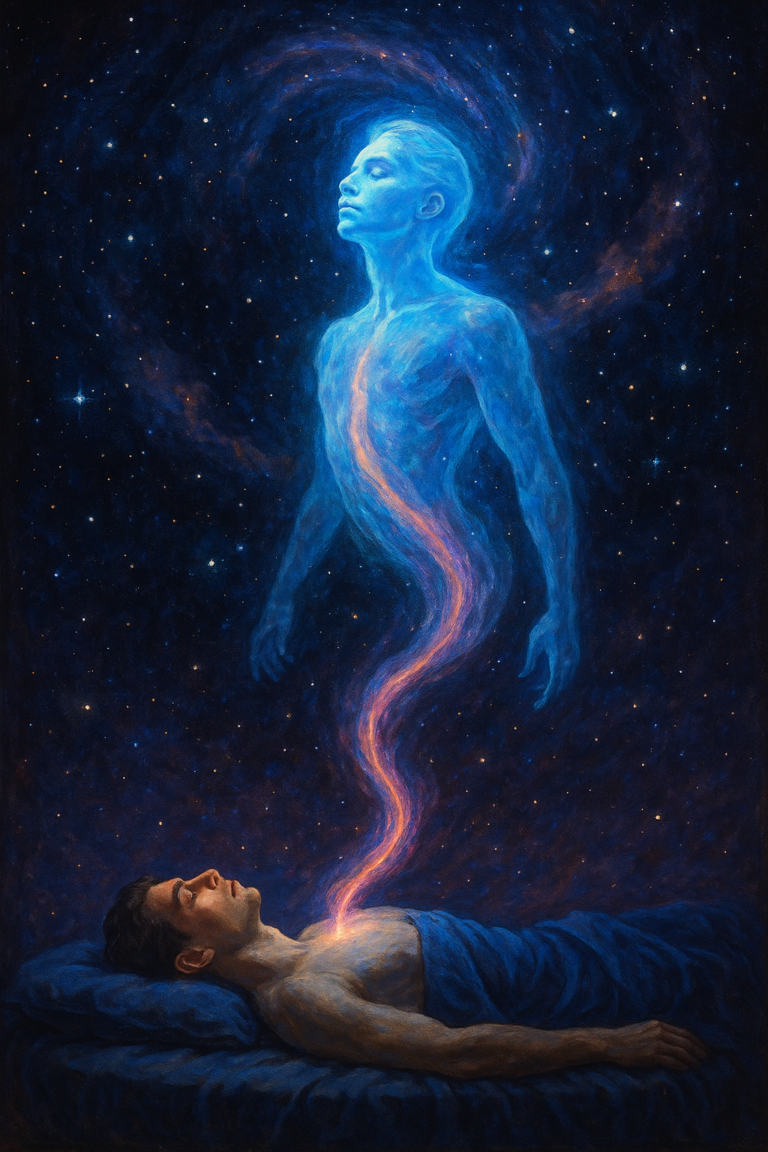
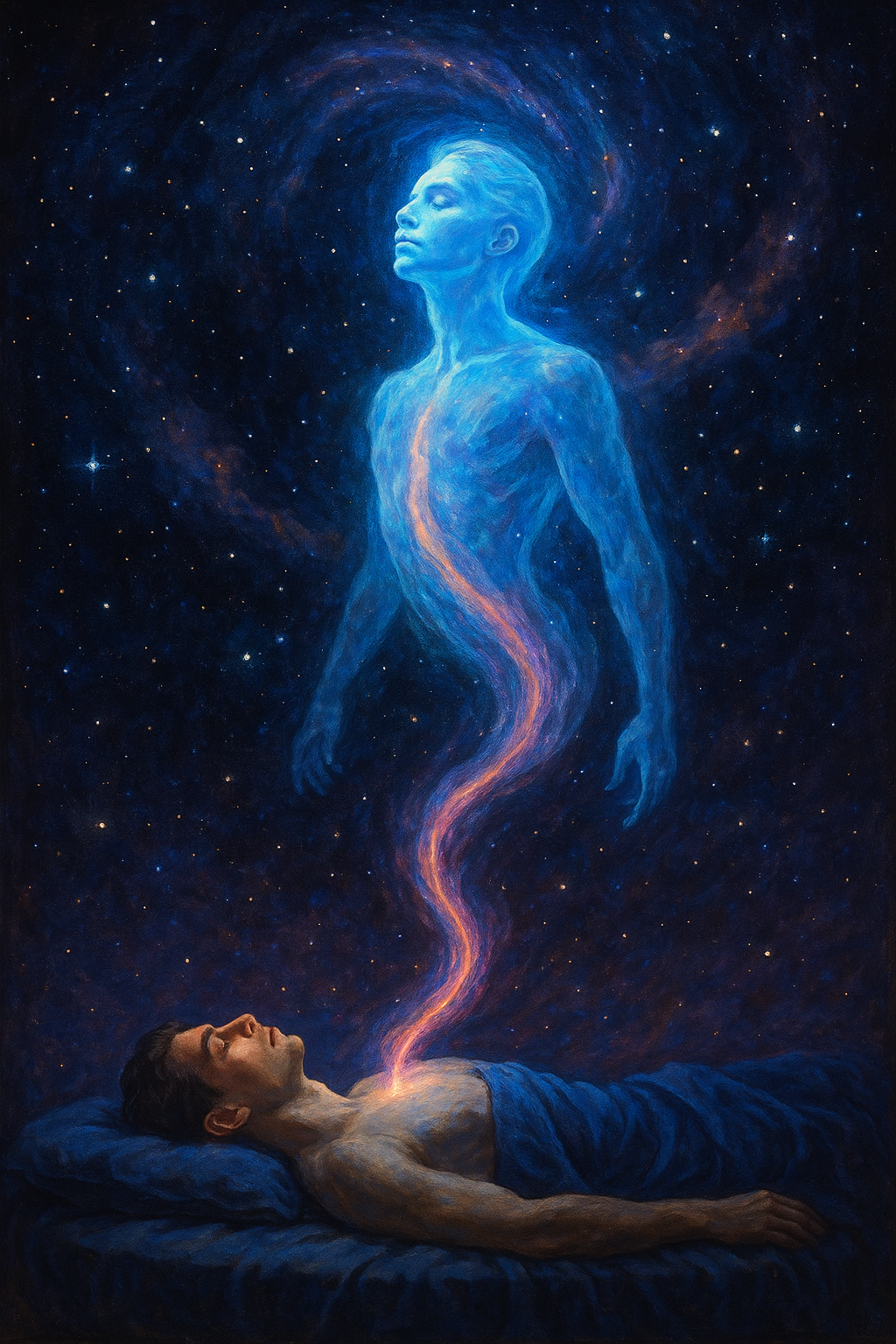
For thousands of years, yogic traditions in India have spoken of astral travel — the ability to consciously leave the body and journey into other realms of existence. While for a long time these ideas were seen as mystical or metaphorical, modern scientists, including researchers at NASA, are now exploring consciousness beyond the body. Astonishingly, ancient Indian sages seem to have documented these experiences in rich detail over a millennium ago.
Here are four legendary yogis known for their mastery over astral projection:
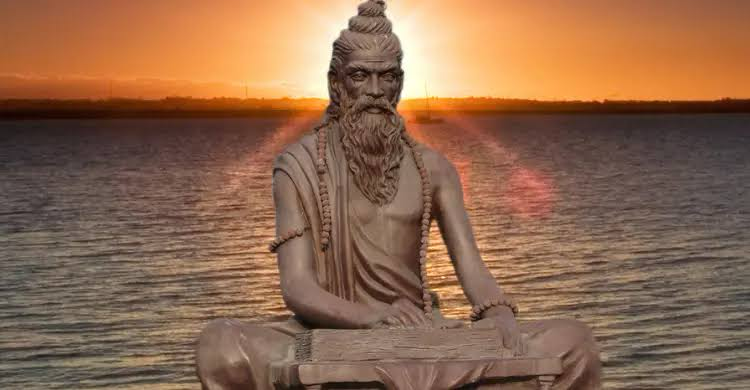
1. Patanjali (2nd Century BCE) Widely regarded as the father of Yoga, Patanjali compiled the Yoga Sutras, where he described practices like Samyama — a deep meditative absorption that could unlock extraordinary abilities. Some interpretations suggest that through intense meditation, the yogi’s consciousness could transcend physical limitations, an experience very similar to what today is described as astral travel.
2. Matsyendranath (9th-10th century CE) Founder of the Nath tradition, Matsyendranath taught secretive yogic techniques designed to control the subtle body. His teachings hinted at the ability to consciously leave the body and move through different dimensions. Followers of his path practiced deep internal meditations to unlock this hidden potential.
3. Adi Shankaracharya (8th Century CE) One of India’s greatest philosophers, Shankaracharya emphasized the illusion (Maya) of the material world. His writings often spoke about the separateness of the soul (Atman) from the physical body. Some legends state that he traveled spiritually across India through astral means, leaving his body temporarily to resolve spiritual debates and guide his followers.
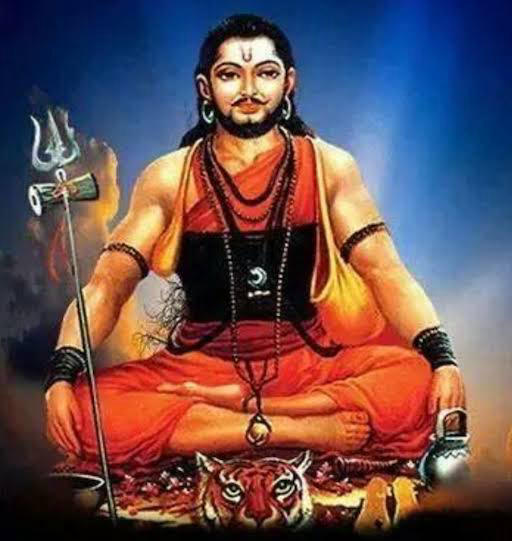
4. Gorakhnath (11th Century CE) The most famous disciple of Matsyendranath, Gorakhnath is revered for detailing techniques that included out-of-body travel, time manipulation, and exploration of hidden dimensions. His advanced yogic practices hinted that the physical form was merely a vessel and could be transcended at will.
Today, as NASA explores consciousness phenomena through projects like the Gateway Process, there is a renewed interest in ancient knowledge systems. Were these yogis simply mystics, or early pioneers in understanding the true power of human consciousness? As science pushes into new frontiers, it seems the ancient yogic masters might have been far ahead of their time.
Maybe the answers to the universe lie not in technology alone, but in the forgotten wisdom hidden within ourselves.
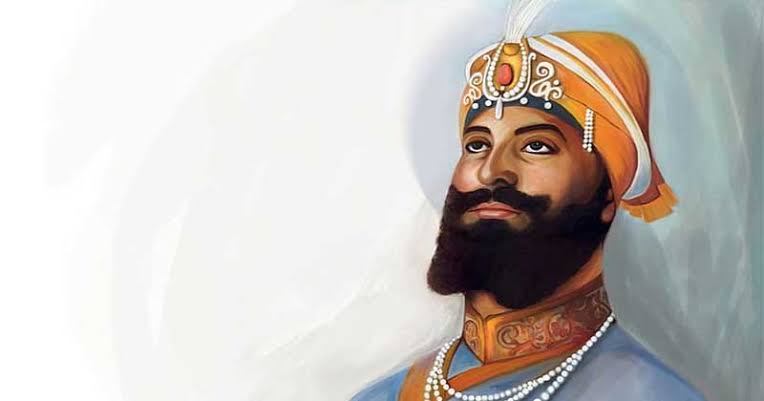
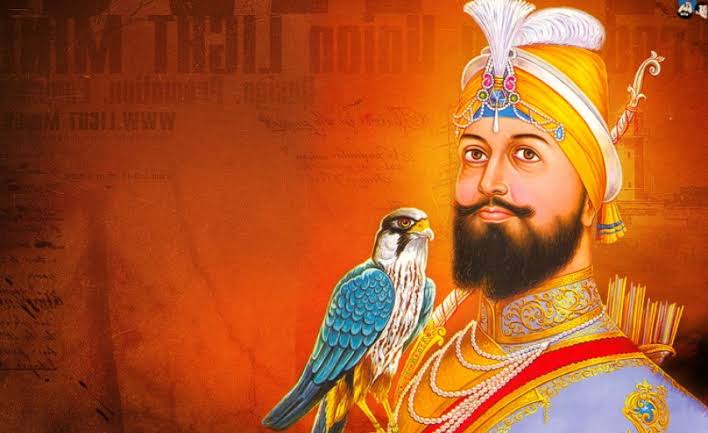
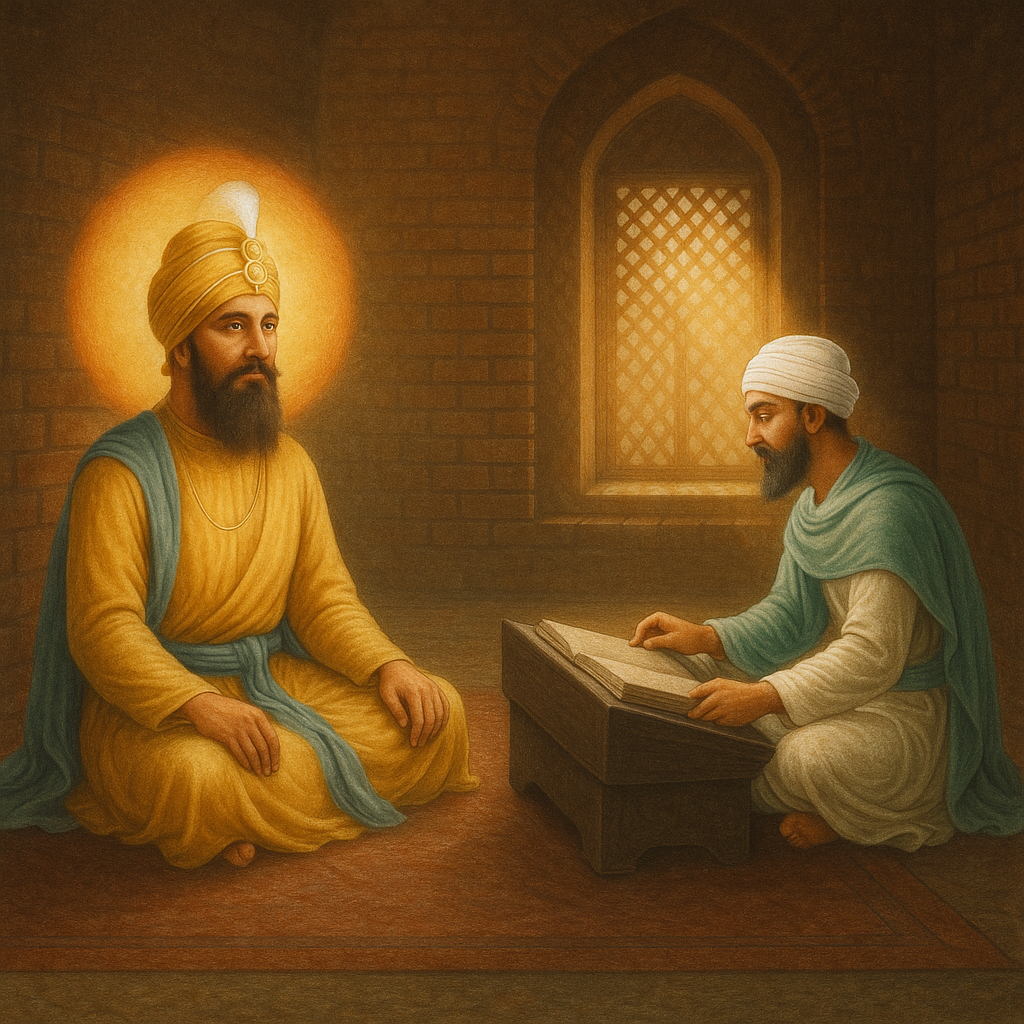
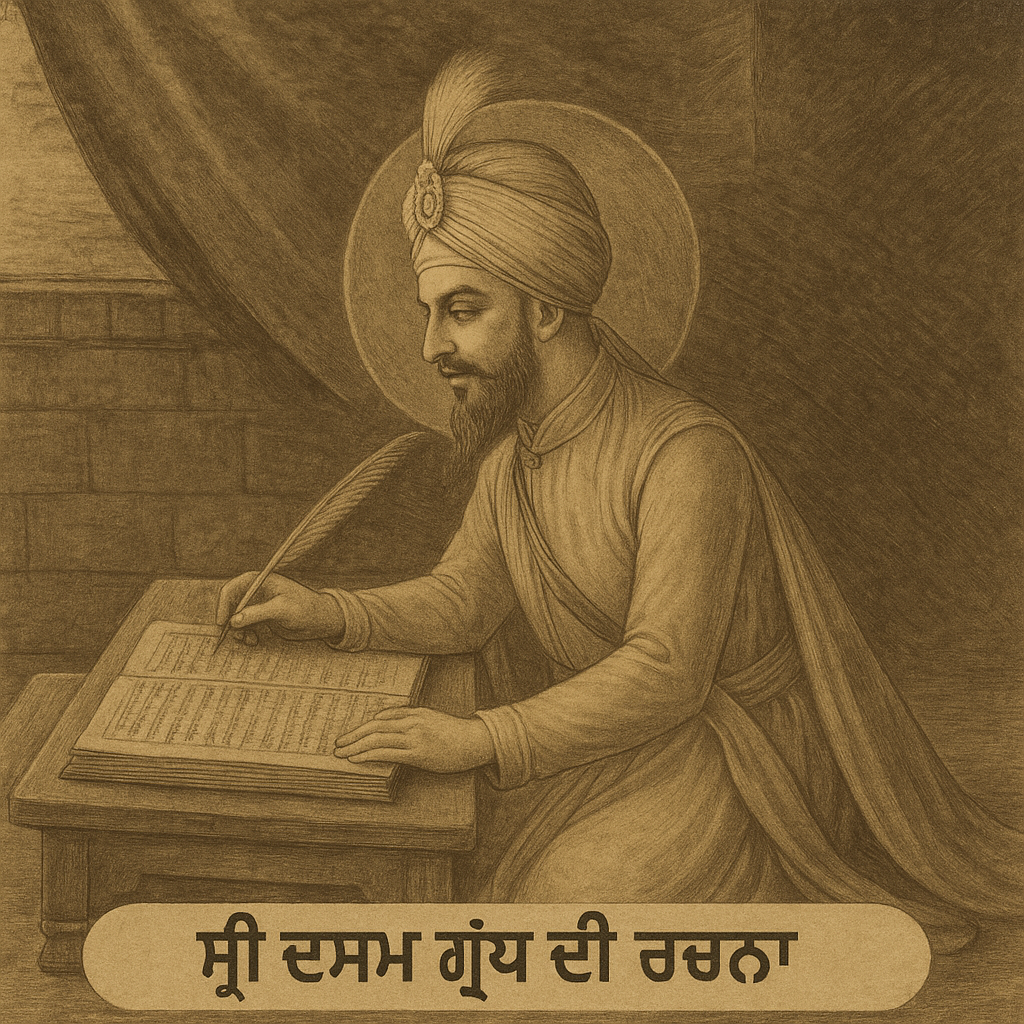
Guru Gobind Singh Ji, the tenth Sikh Guru, was not only a spiritual leader but also a profound philosopher whose teachings transcend time. His spiritual wisdom is surprisingly aligned with concepts that modern quantum physics is only beginning to explore — ideas that challenge our understanding of reality, the universe, and the mind.
At the heart of Guru Gobind Singh Ji’s teachings is the belief that the universe is governed by an invisible, all-encompassing energy — a divine force that is both formless (Nirgun) and manifested through creation (Sargun). This duality is strikingly similar to the principles of quantum physics, where particles exhibit both wave-like and particle-like properties, depending on how they are observed. Just as quantum physics tells us that particles exist in multiple states at once until observed, Guru Gobind Singh Ji spoke of the universe as being full of infinite possibilities, where reality exists in a fluid, interconnected state.
One of the key concepts in quantum mechanics is quantum entanglement, where particles remain connected even when separated by vast distances, instantly influencing each other. Guru Gobind Singh Ji’s teachings about the oneness of creation reflect a similar interconnectedness. According to him, all beings and the entire universe are linked by a single divine consciousness. In his perspective, nothing is truly separate — everything is a manifestation of the divine energy, just as quantum entanglement shows that the universe operates as a unified system at the microscopic level.
Guru Gobind Singh Ji also emphasized the power of consciousness in shaping reality. He believed that the mind has the ability to transcend the physical world and tap into the spiritual dimension. This is remarkably similar to modern quantum theories that suggest consciousness may play a key role in the collapse of the quantum wave function — effectively bringing reality into being through observation and awareness.
Through his teachings, Guru Gobind Singh Ji emphasized a deeper understanding of life and the universe, which modern science is only now beginning to understand. The parallels between his spiritual wisdom and quantum physics provide a fascinating glimpse into how ancient teachings may have anticipated the discoveries of modern science.
Guru Gobind Singh Ji’s philosophy urges us to look beyond the surface of the material world and embrace the deeper, interconnected truth of existence — an idea that resonates just as strongly in the world of quantum physics as it did in his time.
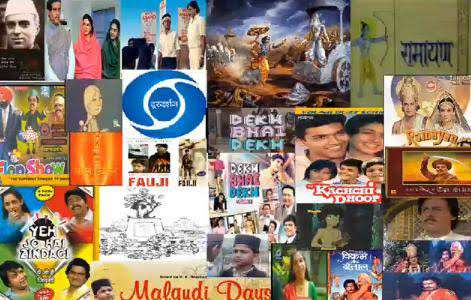
Before cable TV and OTT platforms, there was Doordarshan — India’s first national broadcaster that brought the nation together through a single screen.
Launched on 15th September 1959, Doordarshan began as an experimental service in Delhi with only 180 television sets. It aired educational programs twice a week — simple, slow, and sincere.
In 1982, India watched history unfold as Doordarshan introduced colour television during the Asian Games in New Delhi. From black-and-white classrooms to colour sports fields, Doordarshan changed the way India saw itself.
The 1980s and 90s became its golden era. Shows like Ramayan, Mahabharat, Hum Log, Fauji, and Byomkesh Bakshi weren’t just TV shows — they were nationwide events. Streets emptied during airings, and families planned weekends around them.
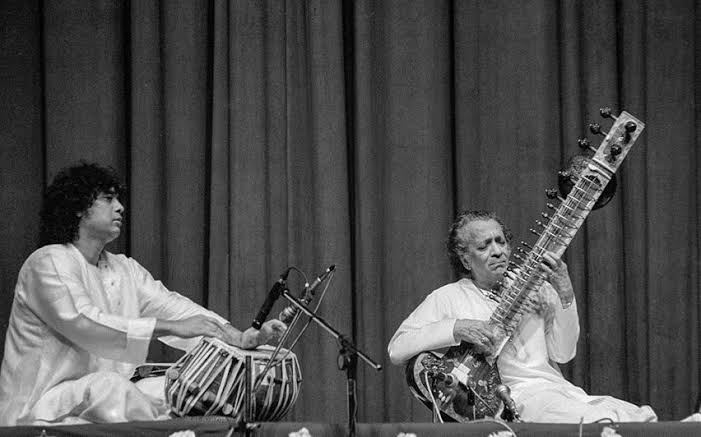
Its signature tune, composed by Pandit Ravi Shankar and Ustad Ali Ahmed Hussain Khan, became the morning anthem of Indian households. Simple visuals and strong messages made Doordarshan a symbol of public trust.
Even its news bulletins, delivered in a calm, unbiased tone, were considered the voice of the nation.
With liberalisation in the 1990s and the rise of private channels, Doordarshan’s popularity declined. But its impact remains unmatched.
In an age of digital noise, Doordarshan is remembered as the channel that told stories without drama, shared news without chaos, and gave India a common screen to dream on.
Until 2010, India’s currency had no unique symbol. We used abbreviations like “Rs” or “INR”, which lacked identity in a global economy. Then came a quiet revolution—not of money, but of meaning. The ₹ symbol was born, and with it, India’s place in the financial world grew stronger.
The idea behind the new symbol was simple: give the Indian Rupee an international identity, just like the dollar ($), euro (€), or pound (£). The Ministry of Finance announced a national design competition in 2009—and received thousands of entries. The winning design came from D. Udaya Kumar, a design student at IIT Bombay.
The symbol combines the Devanagari ‘र’ (Ra) and the Latin capital ‘R’, creating a clever bridge between Indian tradition and global relevance. The two horizontal lines at the top, which resemble the tricolours of the Indian flag, also symbolise economic equality and stability.
The government officially adopted the symbol on 15 July 2010, and it was soon integrated into Unicode and Indian keyboards. It became a silent statement of India’s growing economic confidence, especially after surviving the 2008 global financial crisis.
Today, the ₹ symbol is more than just a design. It’s on currency notes, digital payments, corporate reports, and even memes. It reminds young Indians that our economy has a face—and it’s here to stay.
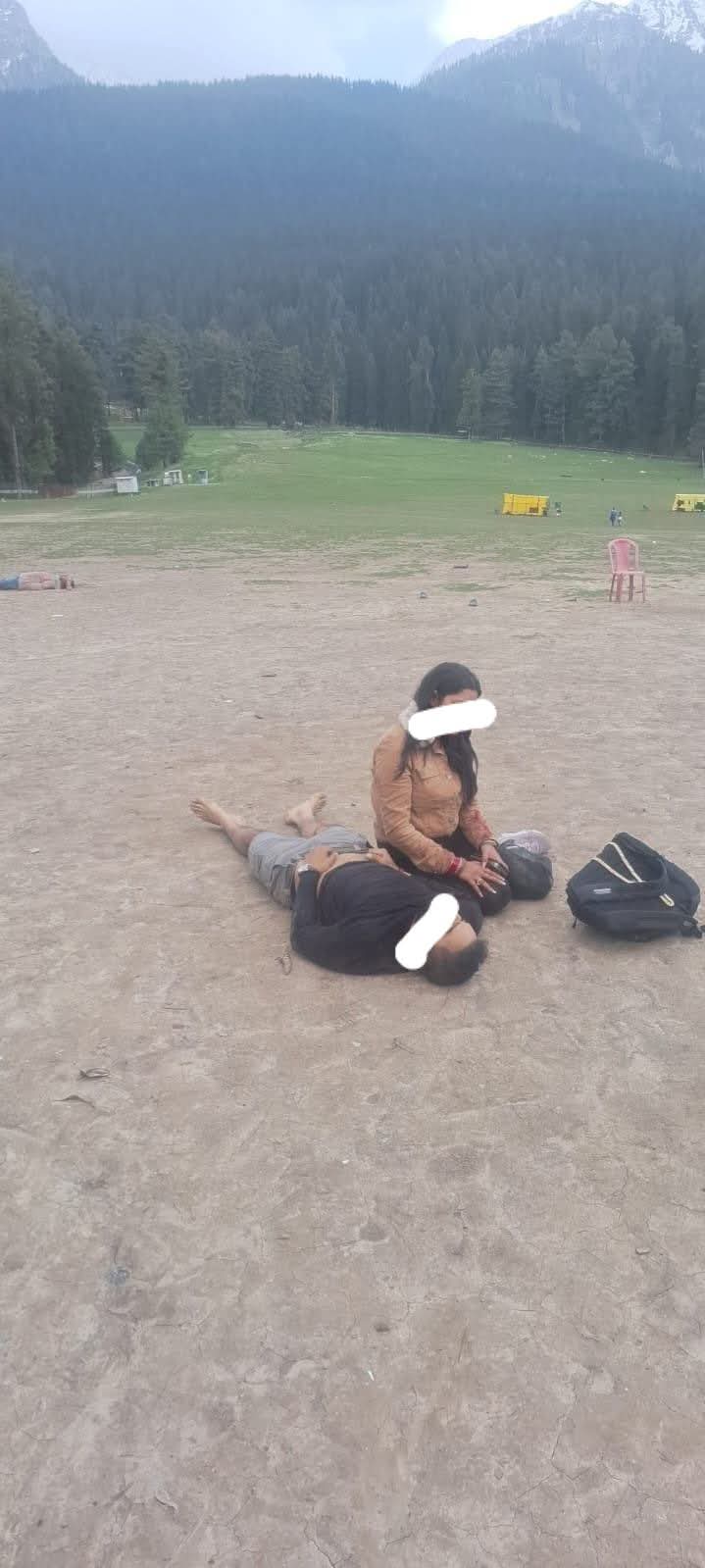
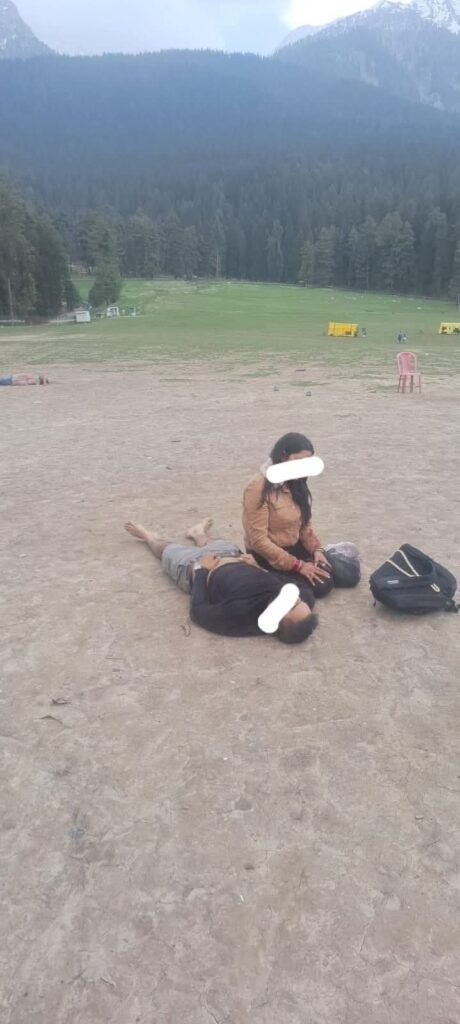
On April 22, 2025, the serene Baisaran meadow near Pahalgam in Jammu and Kashmir, India, known as “mini-Switzerland” for its picturesque beauty, became the site of a horrific terrorist attack.
This incident, one of the deadliest in the region since the 2019 Pulwama bombing, shattered the peace of a popular tourist destination, targeting civilians and leaving a trail of grief and outrage. The attack, claimed by The Resistance Front (TRF), an offshoot of the Pakistan-based Lashkar-e-Taiba, sparked global condemnation and prompted swift responses from Indian authorities.
This summary outlines ten key points to provide a clear and comprehensive understanding of what transpired, drawing from multiple sources while critically examining the event’s details and implications.
Key Points
1. Nature and Location of the Attack:
The attack occurred around 2:50 PM on April 22, 2025, in the Baisaran meadow, a remote tourist spot in the Anantnag district, accessible only by foot or pony. Four to six militants, reportedly from The Resistance Front (TRF), emerged from dense forests and opened fire on a group of tourists gathered in the valley, many posing for photographs in traditional Kashmiri attire.
The meadow, surrounded by pine-covered ridges, was bustling with 1,000 to 1,500 visitors, slightly fewer than usual. The attack’s timing and location suggest a planned assault to maximize civilian casualties in a high-visibility tourist area.
2. Casualty Figures and Victims:
At least 26 to 28 people were killed, with estimates varying slightly across sources, and over 20 others were injured, some critically. The victims included mostly Indian tourists from states like Gujarat, Maharashtra, Karnataka, Uttar Pradesh, and Odisha, as well as two foreign nationals from the UAE and Nepal.
Notable casualties included Lieutenant Vinay Narwal, a 26-year-old Indian Navy officer on leave, recently married on April 16, and Prashant Satpathy, a 43-year-old tourist from Odisha. The high death toll and diverse victim profiles underscore the attack’s indiscriminate nature.
3. Perpetrators and Motive:
The Resistance Front (TRF), a militant group linked to Lashkar-e-Taiba, claimed responsibility. Intelligence agencies identified Saifullah Kasuri (alias Khalid), a top Lashkar-e-Taiba commander, and two Pakistan-based operatives as masterminds.
The attack was reportedly aimed at resisting alleged demographic changes in the Kashmir Valley, a narrative often used by militant groups opposing Indian rule.
Some sources suggest Pakistan’s involvement, citing the attack’s scale and timing as a sign of desperation amid improving security in Jammu and Kashmir. However, Pakistan’s Defence Minister Khawaja Asif denied any role.
4. Targeting of Specific Groups:
Survivor accounts indicate the attackers selectively targeted Hindu men, sparing women and children. Some reports claim terrorists checked victims’ identities, with one survivor alleging they shot a man after confirming his Hindu identity by inspecting his ID and clothing.
This selective targeting, if accurate, suggests a communal motive, though such claims require further verification due to their sensitive nature.
The attack’s execution, with point-blank shootings, heightened its brutality and psychological impact.
5. Immediate Response and Rescue Efforts:
Security forces, including the Indian Army, Rashtriya Rifles, CRPF, and Jammu and Kashmir Police, launched a joint search operation in Pahalgam’s dense forests, using advanced technologies like foliage-penetrating radar to locate the attackers.
The injured were rushed to hospitals in Anantnag and Srinagar, with medical teams mobilized swiftly. Local guides, such as Waheed, assisted in evacuating the wounded on horseback due to the terrain’s inaccessibility.
The response highlighted logistical challenges but also rapid mobilization.
6. Government and Political Reactions:
Prime Minister Narendra Modi cut short his Saudi Arabia visit, returning to Delhi on April 23 to hold a high-level meeting with National Security Advisor Ajit Doval and External Affairs Minister S. Jaishankar.
Union Home Minister Amit Shah visited Srinagar, paid tributes to victims, and reviewed security arrangements.
Jammu and Kashmir Chief Minister Omar Abdullah called the attack an “abomination,” emphasizing its unprecedented scale against civilians.
Opposition leader Rahul Gandhi and Congress chief Mallikarjun Kharge demanded justice and support for victims’ families.
7. International Condemnation:
World leaders condemned the attack, with U.S. President Donald Trump pledging support, Russian President Vladimir Putin calling it a “brutal crime,” and UN Secretary-General Antonio Guterres stressing that attacks on civilians are unacceptable.
Leaders from Saudi Arabia, Germany, Australia, and Nepal also expressed solidarity. U.S. Vice President JD Vance, visiting India during the attack, extended condolences.
The global outcry underscored the attack’s violation of international norms against targeting civilians
8. Impact on Tourism and Local Economy:
The attack triggered widespread cancellations of hotel and flight bookings to Jammu and Kashmir, with travel agents reporting a surge in inquiries.
Airlines like Air India and IndiGo operated additional flights from Srinagar to Delhi and Mumbai on April 23, waiving cancellation and rescheduling fees until April 30.
The incident, occurring ahead of the Amarnath Yatra pilgrimage, raised concerns about tourism safety, potentially reversing recent gains in visitor numbers following improved security
9. Public and Regional Response:
A complete shutdown (bandh) was observed in Jammu and Kashmir on April 23, supported by political parties like the National Conference and Peoples Democratic Party, as well as organizations like the Jammu Chamber of Commerce and Vishva Hindu Parishad.
Protests erupted in Jammu, Reasi, Kathua, and Samba, with locals burning tires and suspending schools and traffic. Candlelight marches in Sopore, Ganderbal, and Bandipora reflected public grief and anger, signaling widespread condemnation of the attack.
10. Security and Policy Implications:
The attack exposed vulnerabilities in tourist-heavy areas despite claims of reduced terrorism post-Article 370 revocation. Union Home Minister Amit Shah’s earlier statements in March 2025 noted a 70% drop in terror-related deaths since 2014, but this incident challenged narratives of normalcy.
It prompted calls for enhanced counter-terrorism measures, including advanced surveillance and intelligence. The National Investigation Agency (NIA) joined the probe, and a major offensive was launched against militants.
The attack’s timing, coinciding with U.S. Vice President JD Vance’s visit and Modi’s Saudi trip, suggested a strategic intent to embarrasing India
**Summary**
The Pahalgam attack on April 22, 2025, was a meticulously planned act of terrorism that killed at least 26 to 28 people, mostly tourists, in the Baisaran meadow, executed by TRF militants linked to Lashkar-e-Taiba.
The selective targeting of Hindu men, high casualty toll, and attack on a tourist hub marked it as one of the deadliest civilian strikes in Jammu and Kashmir’s recent history.
Swift security responses, international condemnation, and political actions followed, but the incident raised serious questions about tourism safety and counter-terrorism efficacy.
Public outrage, expressed through shutdowns and protests, underscored the attack’s profound impact on the region. As investigations continue, the attack serves as a grim reminder of persistent security challenges in Jammu and Kashmir, necessitating robust measures to prevent future tragedies and restore confidence in the region’s stability.
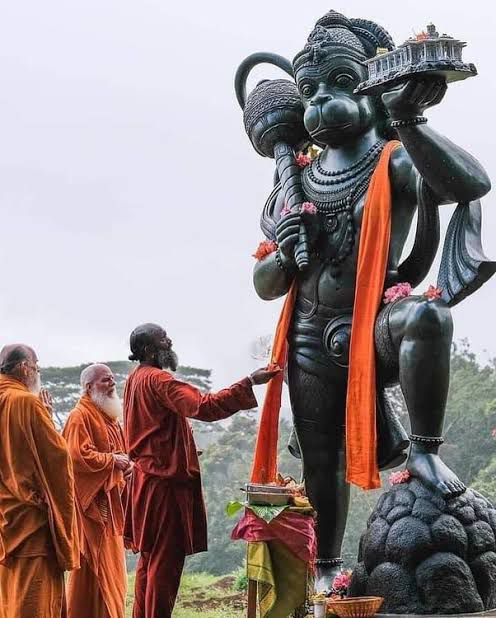
Every Tuesday, across countless Indian homes and temples, the air thickens with the scent of sindoor, the rhythm of Hanuman Chalisa, and the sound of bells echoing in quiet reverence. For many, it’s tradition. For some, it’s habit. But behind this weekly ritual lies a story rarely told—a tale not of power alone, but of promise, purpose, and a profoundly human devotion.
Most of us grow up hearing that Lord Hanuman is worshipped on Tuesdays because he grants strength, removes fear, and helps us conquer life’s toughest battles. But if you look a little deeper, you’ll find a quieter truth—one that isn’t just about divine muscle, but emotional resilience.
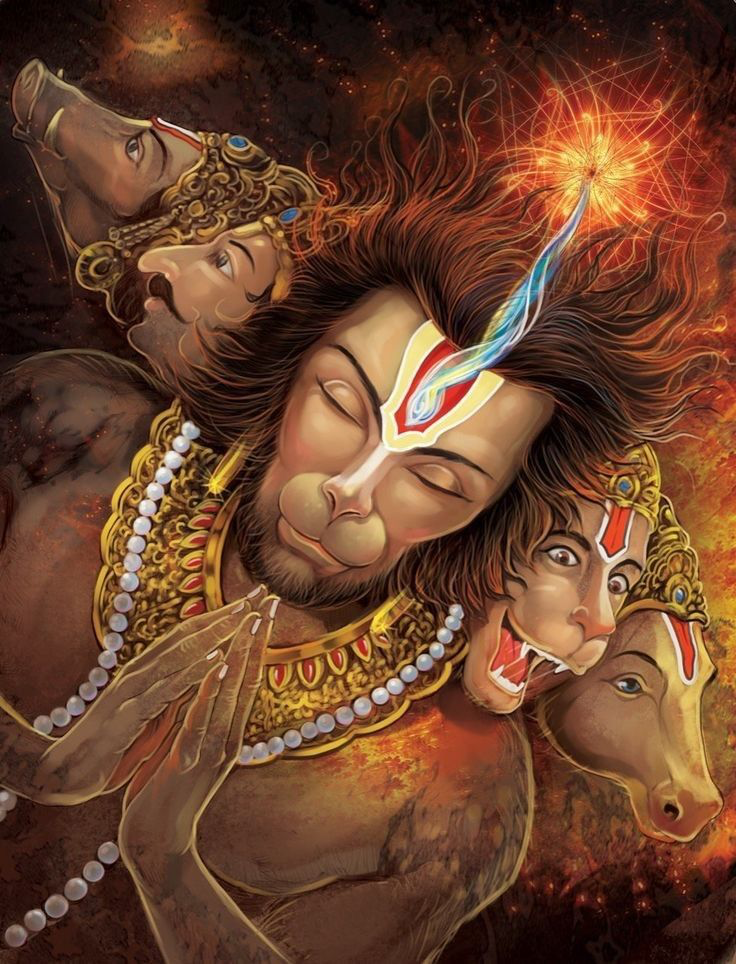
According to some lesser-known interpretations of the scriptures, the origin of Tuesday as Hanuman’s day goes back to the Shani Dev episode—a tale steeped not just in itihaas, but in subtle spiritual symbolism. When Shani Dev (the grah energy – Shani, often associated with hardship and karmic debt) tried to torment Lord Hanuman, Hanuman calmly offered his tail. As Shani dev tried to sit on it, Hanuman began twirling it—faster and faster—until Shani begged for mercy. Hanuman ji spared him, but only on one condition: that Shani would not trouble his devotees, especially those who worshipped him on Tuesdays.
But why Tuesday?
Because Tuesday, governed by Manga grah, represents aggression, conflict, and impulsiveness in astrology. It’s the day of heat, fire, war. And yet, Bhagwan Hanuman—humble, calm, and fiercely loyal—chooses this fiery day as his own. In doing so, he transforms its energy. What should have been a day of rage becomes a day of refuge. A day when we don’t just ask for strength—but for the wisdom to use it well.
Hanuman ji isn’t just a god of power. He’s a god of balance. Of surrender. Of silent, unwavering bhakti. And on Tuesdays, when life feels rushed, heavy, and full of noise, we turn to him—not to win wars, but to make peace within.
So the next time you light that diya on a quiet Tuesday morning, don’t just ask for strength. Ask for steadiness. For grace. For the kind of power that holds, not hurts. In Hanuman’s world, devotion is louder than fear, and gentleness is the greatest kind of strength.
Because on Tuesdays, it’s not just about worshipping a god with immense might:
It’s about finding the calm within the storm, the stillness within the struggle, and the divine within yourself.
And somewhere in the soft glow of sindoor and the last echo of the Chalisa,
Before Netflix and YouTube ruled our screens, these TV shows kept us hooked, made us laugh, cry, and dream.
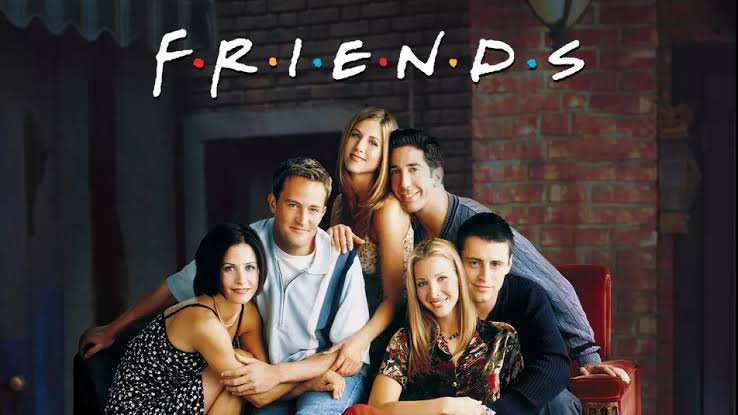
1. Friends (1994–2004)
Six friends. One coffee shop. Endless memories. Friends brought us laughter, tears, and love through ten unforgettable seasons. With relatable characters, iconic quotes, and timeless chemistry, this New York-based sitcom became a global comfort show, making Chandler, Joey, Monica, Ross, Rachel, and Phoebe household names across the world.
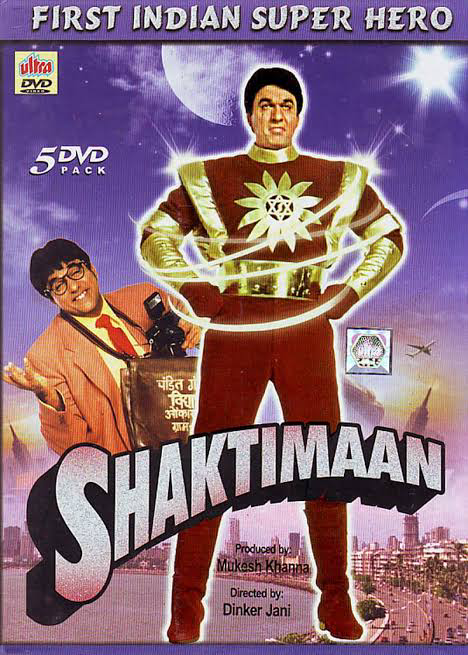
2. Shaktimaan (1997–2005)
India’s first superhero, Shaktimaan, was more than fiction—it was a movement. With his spinning transformation and moral lessons, Mukesh Khanna’s character became every child’s hero. The show combined action with ethics, creating a powerful legacy that still echoes through reruns, comic books, and childhood memories of Sunday mornings.
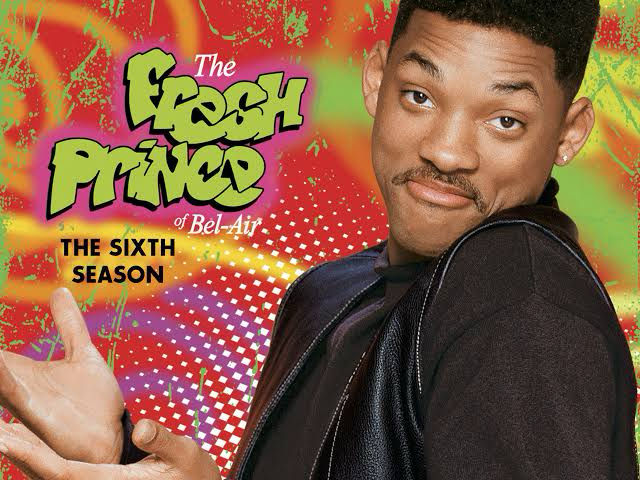
3. The Fresh Prince of Bel-Air (1990–1996)
Will Smith’s breakout role as a West Philly teen in a Bel-Air mansion brought fresh humor and heart. From dance moves to emotional family scenes, this show blended comedy with social commentary. Its stylish 90s vibe and catchy theme song made it a defining sitcom of the decade.
4. CID (1998–2018)
With suspenseful storylines, dramatic dialogues, and iconic characters, CID ruled Indian television for two decades. ACP Pradyuman, Daya, and Abhijeet became legends, especially with the iconic line, “Daya, darwaza tod do!” It wasn’t just a crime show—it was an emotion for every 2000s kid watching Sony TV.
5. Full House (1987–1995)
A widowed father, his three daughters, and a quirky support crew—Full House delivered family warmth wrapped in humor. Set in San Francisco, it taught valuable life lessons with every episode. Whether it was Michelle’s sass or Uncle Jesse’s cool, the show remains an evergreen pick for feel-good TV.
6. Office Office (2001–2004)
Facing corrupt officers and ridiculous red-tapism, Mussadilal’s weekly struggles resonated with every Indian. Office Office hilariously portrayed the flaws of public offices, with Pankaj Kapur’s brilliance leading the satire. With characters like Bhatia and Shukla, the show was not just funny—but painfully real and cleverly reflective of society.
7. The Simpsons (1989–Present)
America’s most dysfunctional animated family has been predicting the future since 1989. The Simpsons offered biting satire, political commentary, and family chaos through Homer, Marge, Bart, Lisa, and Maggie. With its signature yellow characters and Springfield setting, it became a pop culture phenomenon spanning over 30 seasons.
8. Dekh Bhai Dekh (1993–1994)
A joint family, endless chaos, and comic timing that’s still unmatched—Dekh Bhai Dekh is one of India’s finest sitcoms. Produced by Jaya Bachchan, it followed the Diwans’ daily drama with a light-hearted lens. Quick-witted dialogues and lovable characters made it a true classic of early Indian TV.
9. That 70s show :
Set in the 70s but loved in the 2000s, this coming-of-age sitcom followed a gang of teens as they explored life, love, and rebellion. Basement hangouts, retro fashion, and hilarious parents made it iconic. That ’70s Show blended nostalgia and youth culture with brilliant humor and heart.
10. Khichdi (2002–2004)
Meet the Parekh family—unapologetically silly, oddly relatable, and endlessly funny. Khichdi redefined Indian sitcoms with its absurd humor and iconic catchphrases. From Praful’s hilarious misunderstandings to Hansa’s legendary “Main kya karu?”, the show’s simplicity, timing, and quirky characters left an imprint that fans still quote today.
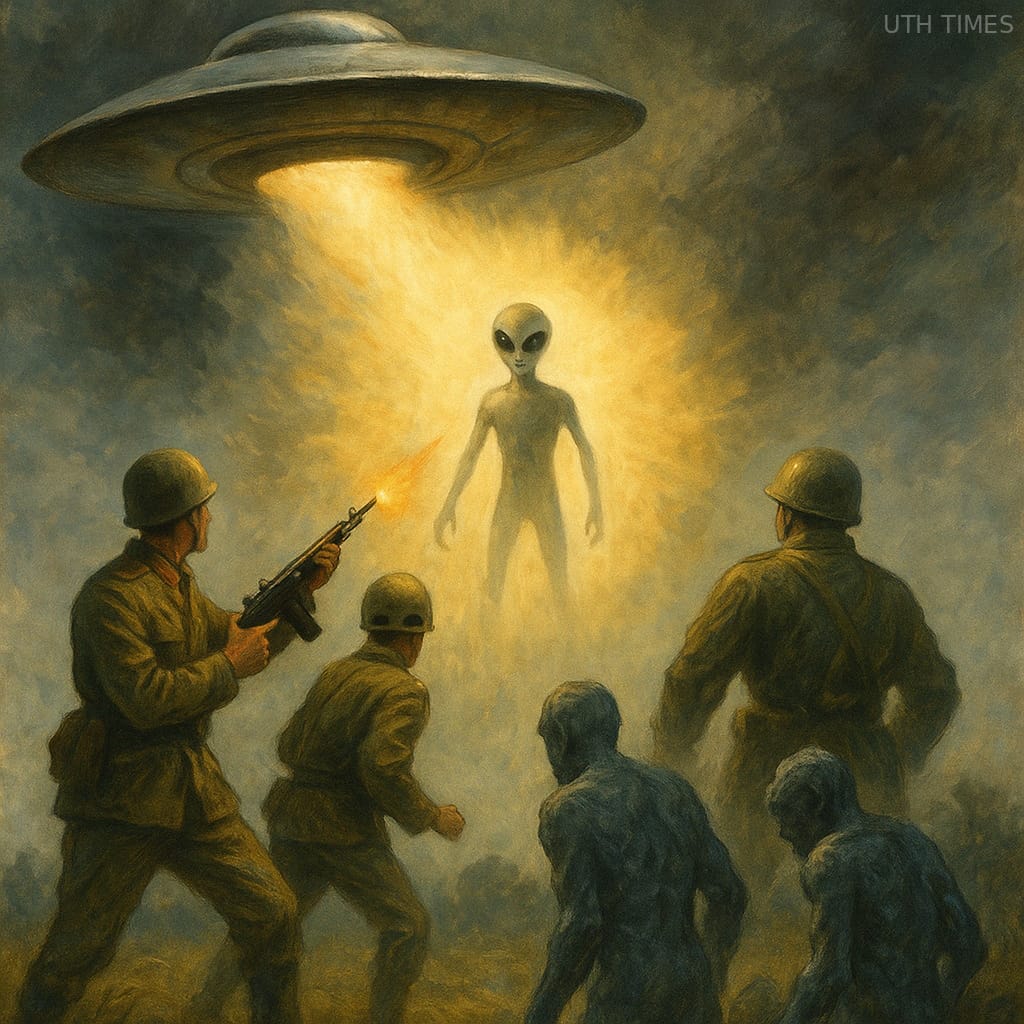
Cold War Mystery: CIA Files Reveal Alleged Alien Attack on Soviet Troops
A newly declassified CIA document has sparked global intrigue with claims that Soviet soldiers were turned to stone by a UFO during the Cold War.
The file references a 250-page KGB report detailing a bizarre encounter in Ukraine, where a military unit allegedly shot down a low-flying, saucer-shaped object.
Following the crash, five humanoid beings with large heads and black eyes reportedly emerged. The story takes a chilling turn as these beings merged into a glowing orb that released an intense burst of light, petrifying 23 soldiers instantly.
Only two survived—reportedly shielded by nearby cover. According to the report, the stone-like bodies and wreckage were transported to a top-secret laboratory near Moscow.
Scientists allegedly concluded that the soldiers’ molecular structure had been transformed into a limestone-like compound by an unknown energy source.
A CIA analyst described it as a “horrific picture of revenge by extraterrestrial beings.”Though unverified and questioned by experts, the document continues to fuel speculation about alien encounters and secret Cold War incidents.
It adds yet another layer to the ever-growing archive of UFO-related disclosures by intelligence agencies.
HINDI:
शीत युद्ध रहस्य: CIA दस्तावेज़ में दावा – एलियंस ने सोवियत सैनिकों पर किया हमलाएक हाल ही में डीक्लासिफ़ाई किए गए CIA दस्तावेज़ ने दुनियाभर में सनसनी फैला दी है।
दस्तावेज़ में दावा किया गया है कि शीत युद्ध के दौरान यूक्रेन में सोवियत सैनिकों पर एक अज्ञात उड़नतश्तरी (UFO) ने हमला किया, जिसमें 23 सैनिक पत्थर जैसे बन गए।यह रिपोर्ट एक 250-पृष्ठों की KGB फ़ाइल पर आधारित है, जो सोवियत संघ के विघटन के बाद CIA को मिली।
इसमें कहा गया है कि सोवियत सैन्य अभ्यास के दौरान एक उड़नतश्तरी को गोली मारकर गिरा दिया गया। उसके बाद उसमें से पांच बड़े सिर और काली आंखों वाले प्राणी बाहर निकले।वे प्राणी एक चमकते हुए गोले में बदल गए और तेज़ प्रकाश की किरण छोड़ी, जिससे 23 सैनिक तुरंत पत्थर जैसे बन गए।
दो सैनिक किसी तरह जीवित बचे, क्योंकि वे छाया में थे।बताया गया कि पत्थर बने शव और UFO के मलबे को मास्को के पास एक गुप्त प्रयोगशाला में ले जाया गया। वहां वैज्ञानिकों ने निष्कर्ष निकाला कि एक अज्ञात ऊर्जा स्रोत ने सैनिकों की कोशिकाओं को चूना-पत्थर जैसी संरचना में बदल दिया।
CIA विश्लेषक ने इसे “एलियन प्राणियों द्वारा प्रतिशोध की भयावह तस्वीर” बताया। यद्यपि घटना की सत्यता पर सवाल उठे हैं, पर यह दस्तावेज़ एलियन और UFO संबंधी घटनाओं में एक और रहस्यमयी अध्याय जोड़ता है।
The Mpemba Effect is one of the most puzzling phenomena in modern chemistry and physics: under certain conditions, hot water appears to freeze faster than cold water.
This counterintuitive observation was popularized in 1963 by Tanzanian student Erasto Mpemba, who noticed that hot mixtures froze more quickly than cooler ones while making ice cream. I
Initially dismissed by teachers and scientists, the effect was later confirmed experimentally and named after him.At first glance, the Mpemba Effect defies basic thermodynamic logic. A
According to classical understanding, hot water must first cool to the temperature of cold water before freezing, so how could it possibly freeze faster? Over the years, several possible explanations have been proposed, but none are universally accepted.
These include faster evaporation (reducing volume), changes in convection currents, supercooling behaviors, and differences in dissolved gas content between hot and cold water.
Despite decades of study, there is no single, conclusive explanation for when or why the Mpemba Effect occurs. Some scientists argue that the effect is real but depends heavily on initial conditions, such as container shape, ambient temperature, and impurities. Others suggest it’s a combination of multiple small effects.
The Mpemba Effect remains a fascinating reminder of nature’s unpredictability—and science’s enduring curiosity.
The double-slit experiment is a famous physics demonstration that reveals the dual nature of light and matter.
First performed by Thomas Young in 1801 using light, and later repeated with electrons and other particles, the experiment shows that particles can behave both as waves and as particles.In the setup, a beam of light (or particles like electrons) is directed at a barrier with two narrow slits.
On the other side of the barrier is a screen that detects where the particles land. When only one slit is open, a simple pattern forms on the screen, resembling the shape of the slit.
However, when both slits are open, instead of seeing two bands, an interference pattern appears—light and dark fringes—suggesting wave behavior.This wave interference happens even when particles are sent one at a time, indicating that each particle somehow interferes with itself.
But when detectors are placed at the slits to observe which slit the particle passes through, the interference pattern disappears, and the particles behave like classical particles.This paradox highlights a core principle of quantum mechanics: observation affects reality.
It challenges classical notions of determinism and locality, and suggests that particles exist in a superposition of states until measured.













![Did Aliens Really Turn 23 Soviet Soldiers to Stone? Yes [Read How] 😮 [Eng & Hindi] 👽](https://uthtimes.com/wp-content/uploads/2025/04/IMG-20250416-WA0000-1-768x768.jpg "Did Aliens Really Turn 23 Soviet Soldiers to Stone? Yes [Read How] 😮 [Eng & Hindi] 👽")


![Quantum Strangeness Explained: The Double-Slit Experiment [1-Min Read]](https://uthtimes.com/wp-content/uploads/2025/04/images-2025-04-13T172242.870.jpeg "Quantum Strangeness Explained: The Double-Slit Experiment [1-Min Read]")