
For decades, global trade revolved around one dominant currency—the US dollar. But a major shift is quietly unfolding. India is increasingly conducting international trade in national currencies, reducing exposure to dollar fluctuations and strengthening its financial sovereignty. What began as a strategic experiment is now evolving into a significant pillar of India’s economic diplomacy.
🌐 India’s Multi-Currency Trade Strategy Gains Momentum
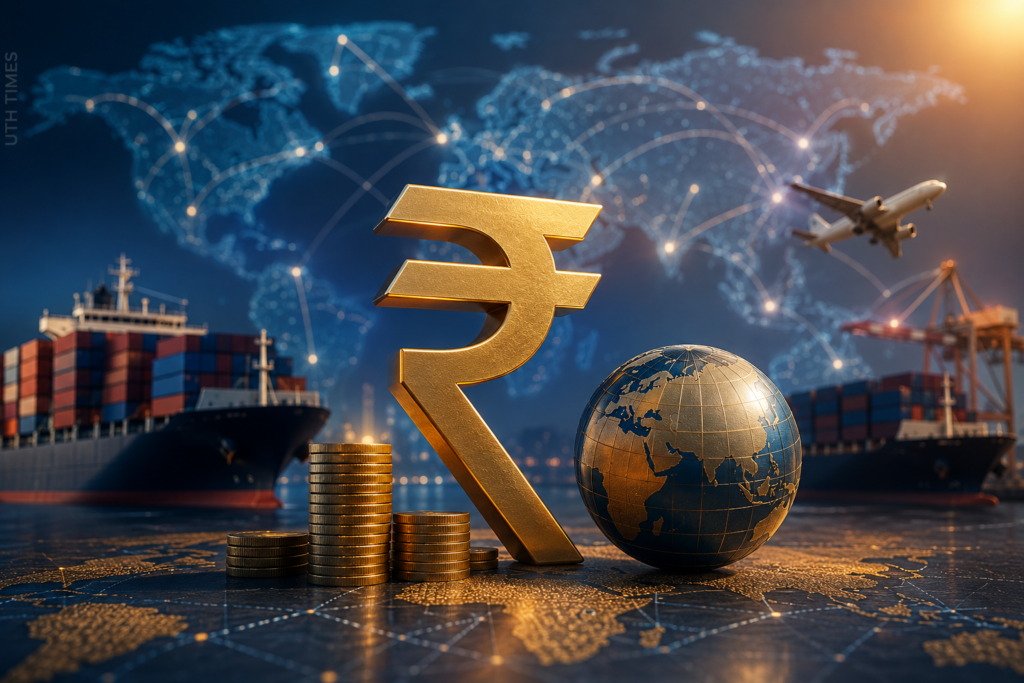
India is actively building an alternative trade architecture by settling transactions directly in partner currencies rather than converting everything into US dollars first.
This reduces transaction costs, lowers exchange rate risks, and protects trade from geopolitical disruptions and sanctions.
The initiative has gathered pace since 2022, with the Reserve Bank of India approving an impressive 156 Special Rupee Vostro Accounts (SRVAs) across 30 countries, creating the banking infrastructure needed for international rupee trade.
🇷🇺 Russia: The Biggest Test Case
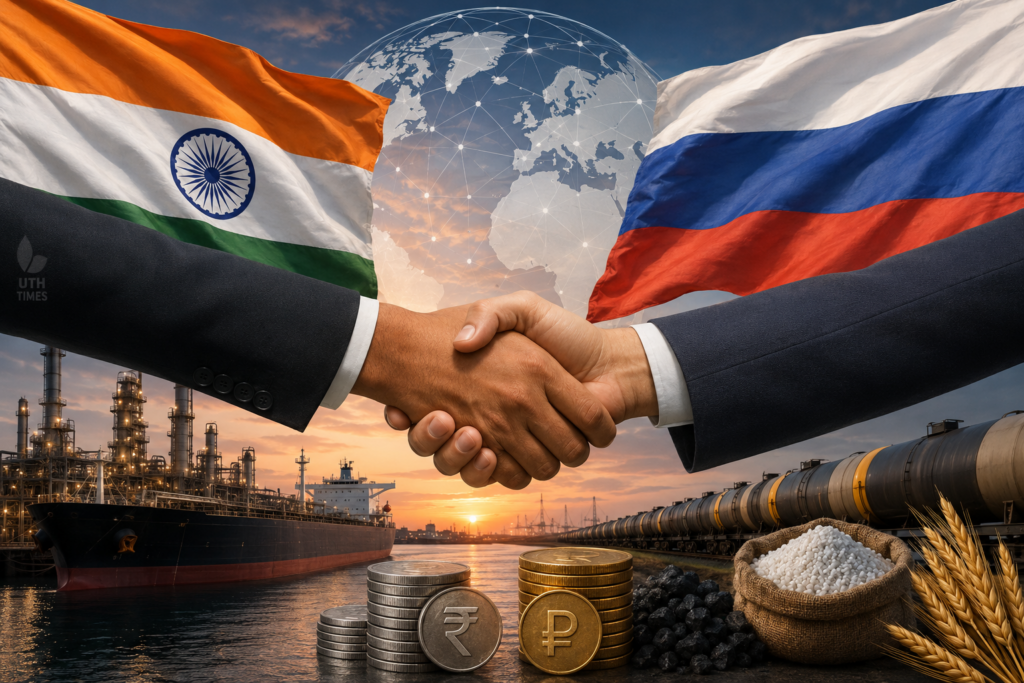
Russia became India’s largest experiment in de-dollarised trade following Western sanctions.
🔹 Indian importers pay in rupees while Russian exporters receive payments through the Rupee-Ruble mechanism.
🔹 The arrangement ensured uninterrupted imports of crude oil, fertilizers, coal and strategic commodities.
🔹 It demonstrated that major bilateral trade can function even outside the dollar ecosystem.
🇦🇪 UAE: Building a Financial Corridor

The India-UAE partnership has emerged as one of the most advanced local currency frameworks.
🔹 Trade settlements are increasingly occurring through the Rupee-Dirham mechanism.
🔹 The move supports one of India’s largest trading relationships and strengthens financial connectivity between the two economies.
🔹 It is expected to significantly benefit energy trade, investments and remittance flows.
🌏 Expanding Across Asia
India’s currency diplomacy is rapidly spreading across the Indo-Pacific region.
🔹 🇮🇩 Indonesia: Direct Rupee-Rupiah settlements are simplifying trade for businesses on both sides.
🔹 🇱🇰 Sri Lanka: The SRVA framework allows rupee-based trade and helps stabilize regional financial transactions.
🔹 🇲🇻 Maldives: The Local Currency Settlement System is reducing dependence on third-country currencies.
🔹 🇯🇵 Japan: Discussions on direct Yen-Rupee settlement could create one of Asia’s most important bilateral payment corridors.
🏦 Why SRVAs Matter So Much
Special Rupee Vostro Accounts allow foreign banks to hold rupee balances with Indian banks.
✨ Their advantages include:
🔹 Faster settlements.
🔹 Lower transaction costs.
🔹 Reduced exposure to dollar volatility.
🔹 Greater resilience against global financial shocks.
🔹 A stronger international role for the Indian rupee.
🚀 More Than Economics — A Strategic Transformation
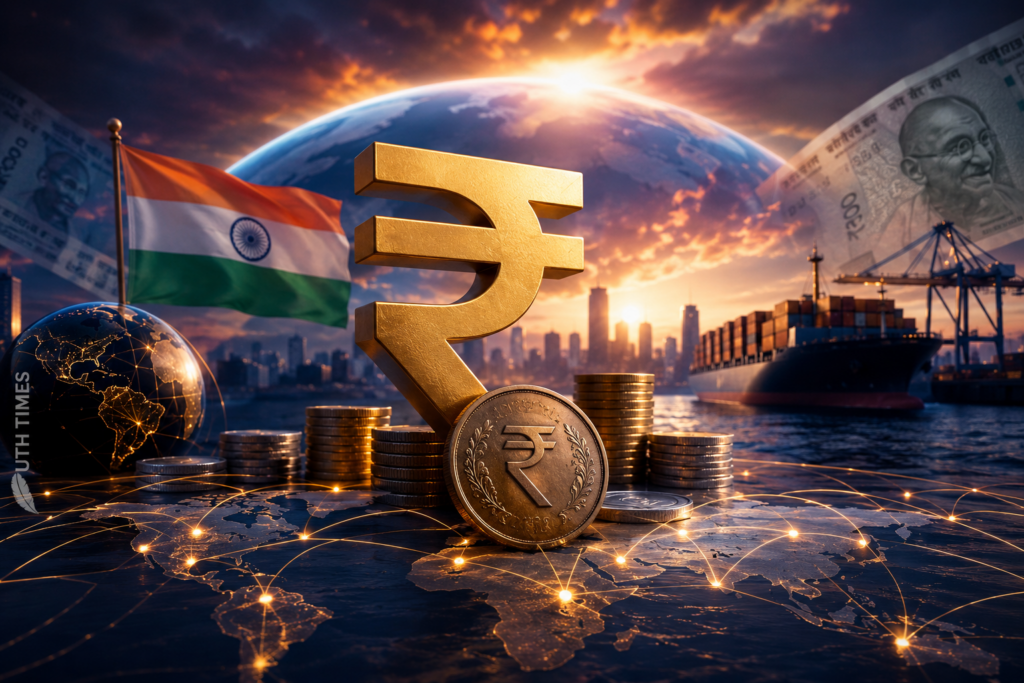
This is not an attempt to replace the dollar overnight. Instead, India is creating flexibility, resilience and strategic autonomy in international trade.
As the world’s fastest-growing major economy expands its global footprint, the rupee is gradually moving from being merely a domestic currency to becoming an increasingly important instrument of international commerce.
India’s currency strategy may be unfolding quietly, but its implications are enormous. The age of a more multipolar financial world is emerging—and the Indian rupee is steadily securing its seat at the table.

