
India’s clean energy journey is entering a new phase. After successfully blending ethanol with petrol, the government is now exploring a dedicated policy to make ethanol a mainstream cooking fuel. If implemented on a large scale, this initiative could transform household energy, reduce dependence on imported LPG, and create a stronger domestic biofuel ecosystem.
🌱 Why is India Promoting Ethanol for Cooking?
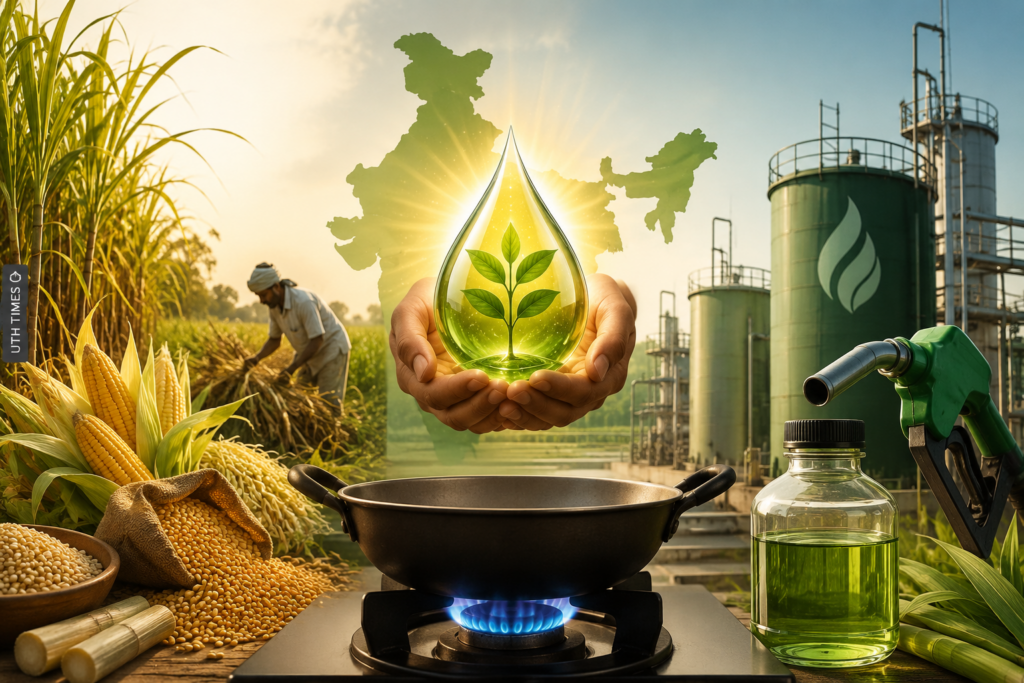
India imports a significant portion of its LPG requirements, making household cooking vulnerable to global fuel prices and supply disruptions. Ethanol offers a renewable alternative because it is produced domestically from agricultural feedstocks such as sugarcane, maize, damaged food grains, and agricultural residues.
🔹 Reduced dependence on imported fossil fuels.
🔹 Better energy security through domestic production.
🔹 Lower greenhouse gas emissions compared to conventional cooking fuels.
🔹 Greater value addition for India’s agriculture sector.
The proposed policy is expected to complement India’s long-term clean energy and carbon reduction goals while expanding the country’s biofuel economy beyond transportation.
🔥 How Will Ethanol Cooking Fuel Work?

Unlike traditional LPG cylinders, ethanol cooking systems use specially designed clean-burning stoves and fuel containers that ensure safe combustion with minimal smoke and soot.
✨ Key expected advantages include:
🔸 Cleaner indoor air with fewer harmful pollutants.
🔸 Efficient combustion that produces significantly less particulate matter.
🔸 Reduced dependence on firewood, charcoal, and kerosene in many regions.
🔸 Potential integration with portable, refillable ethanol fuel canisters for convenient household use.
Since ethanol burns with a nearly smokeless flame, it can contribute to healthier kitchens, particularly in areas where biomass is still used for cooking.
🌾 A Major Opportunity for Farmers and Industry
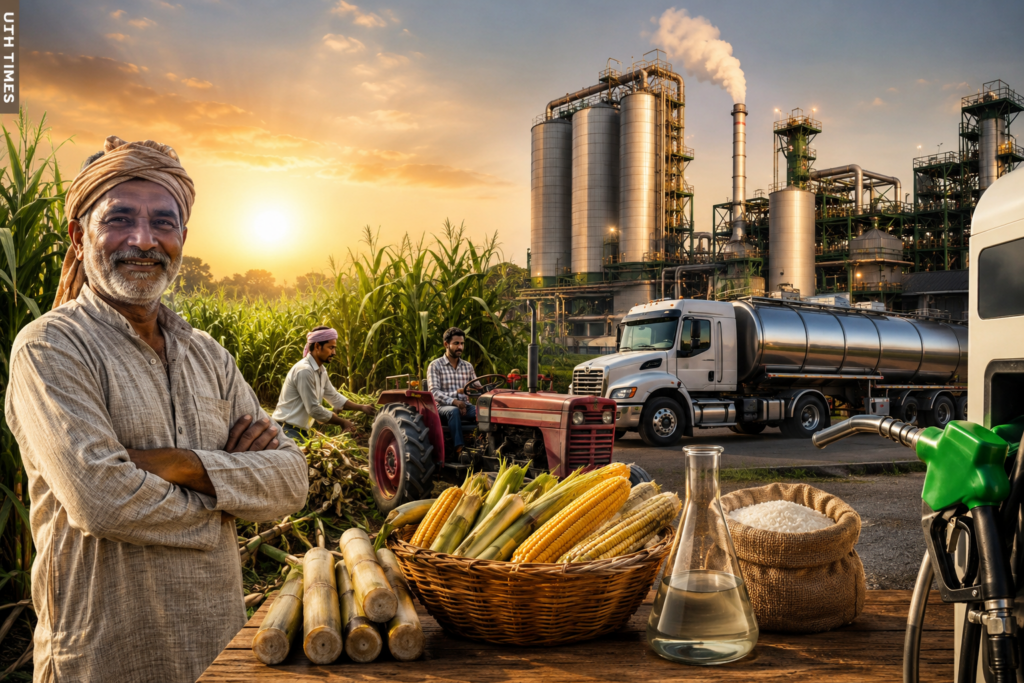
The policy could create a new and stable market for ethanol producers and agricultural communities.
🚜 Possible economic benefits include:
🔹 Increased demand for crops used in ethanol production.
🔹 Additional income opportunities for farmers.
🔹 Expansion of ethanol distilleries and rural industries.
🔹 New employment across manufacturing, logistics, storage, and distribution networks.
A diversified ethanol market would also reduce overdependence on a single sector, making India’s biofuel industry more resilient.
⚠️ Challenges That Need Attention
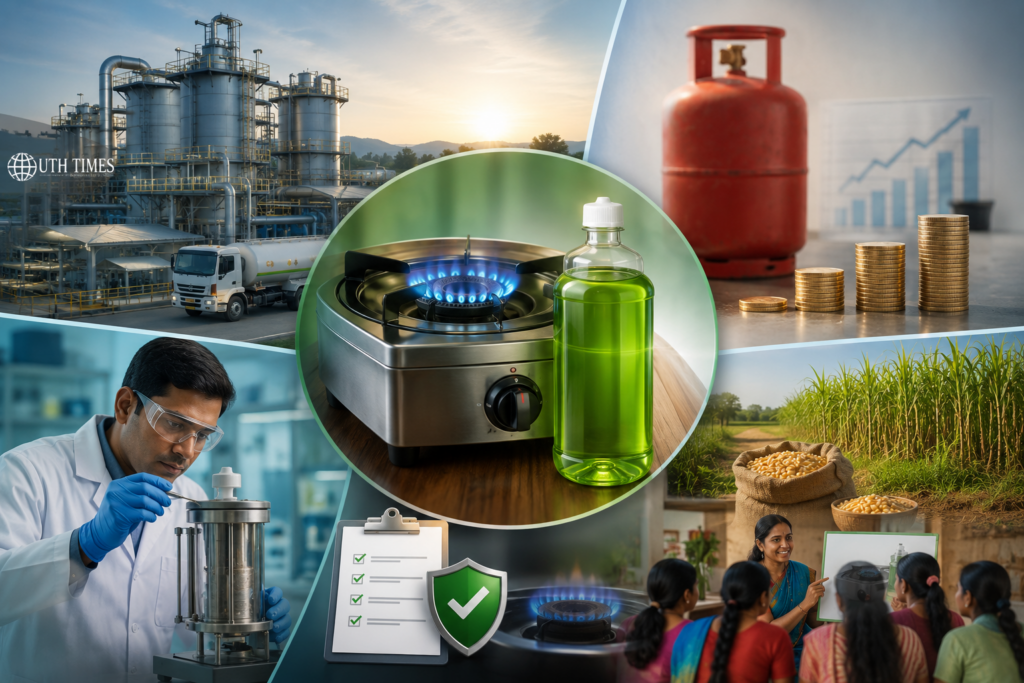
Despite its promise, large-scale adoption will require careful planning.
📌 Key issues include:
🔸 Establishing nationwide production, storage, and distribution infrastructure.
🔸 Ensuring ethanol remains affordable compared to subsidised LPG.
🔸 Developing certified, high-safety cooking appliances.
🔸 Preventing competition between fuel production and food security.
🔸 Creating strong quality standards and consumer awareness programmes.
Addressing these challenges will be essential before ethanol can become a widely accepted household cooking fuel.
🚀 A Step Towards India’s Clean Energy Future
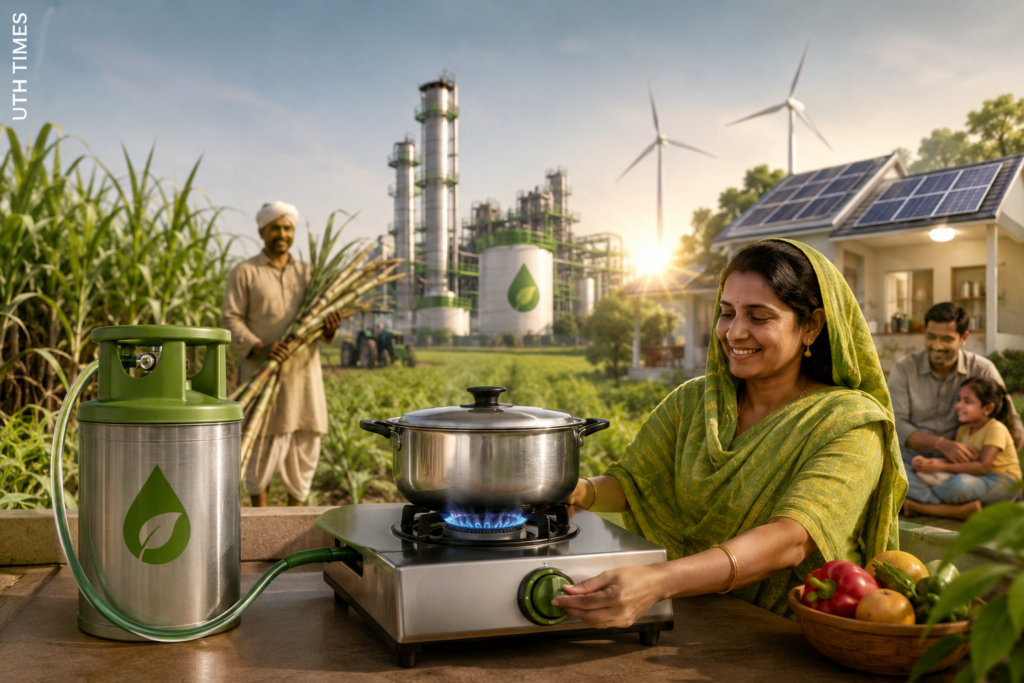
India’s proposed ethanol cooking fuel policy represents more than just a new kitchen fuel—it reflects a broader strategy to strengthen energy independence, empower farmers, and accelerate the transition toward cleaner and more sustainable household energy. If supported by robust infrastructure, competitive pricing, and strong safety standards, ethanol could emerge as one of the country’s most significant clean-energy innovations for millions of homes.

