
👁️ A Future Once Imagined: Now Engineered
In a world where blindness has long been considered irreversible—especially for those without functioning eyes or optic nerves—Elon Musk’s Neuralink has just shattered a boundary once thought unbreakable.
BlindSight, Neuralink’s newest brain-computer interface (BCI), is not just a medical device—it’s a revolution. A chip implanted in the brain, it feeds visual information directly into the visual cortex, bypassing damaged or missing eyes completely.
🧠 How Does It Work? Vision Through the Mind
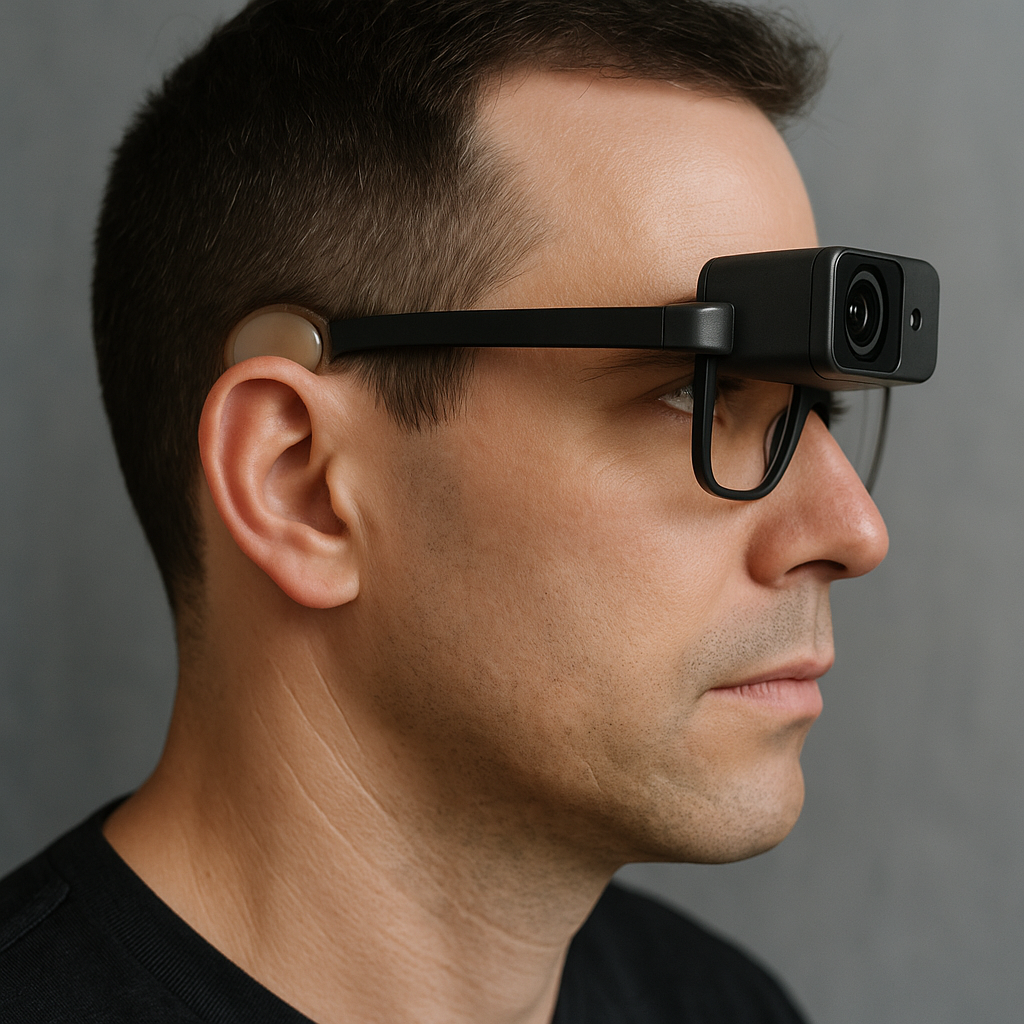
🧬 Direct-to-Brain Visual Input:
BlindSight uses a combination of external cameras and internal algorithms to capture visual data and convert it into electrical signals that the brain can interpret as vision. It doesn’t rely on the eyes or optic nerves—it skips them altogether.
🔌 Brain-Machine Synchrony:
The implant communicates wirelessly with a wearable camera system, translating imagery into a neural language the brain understands. The key requirement? A healthy visual cortex. Even people blind since birth could potentially see for the first time.
🎮 Welcome to the Atari Era of Vision
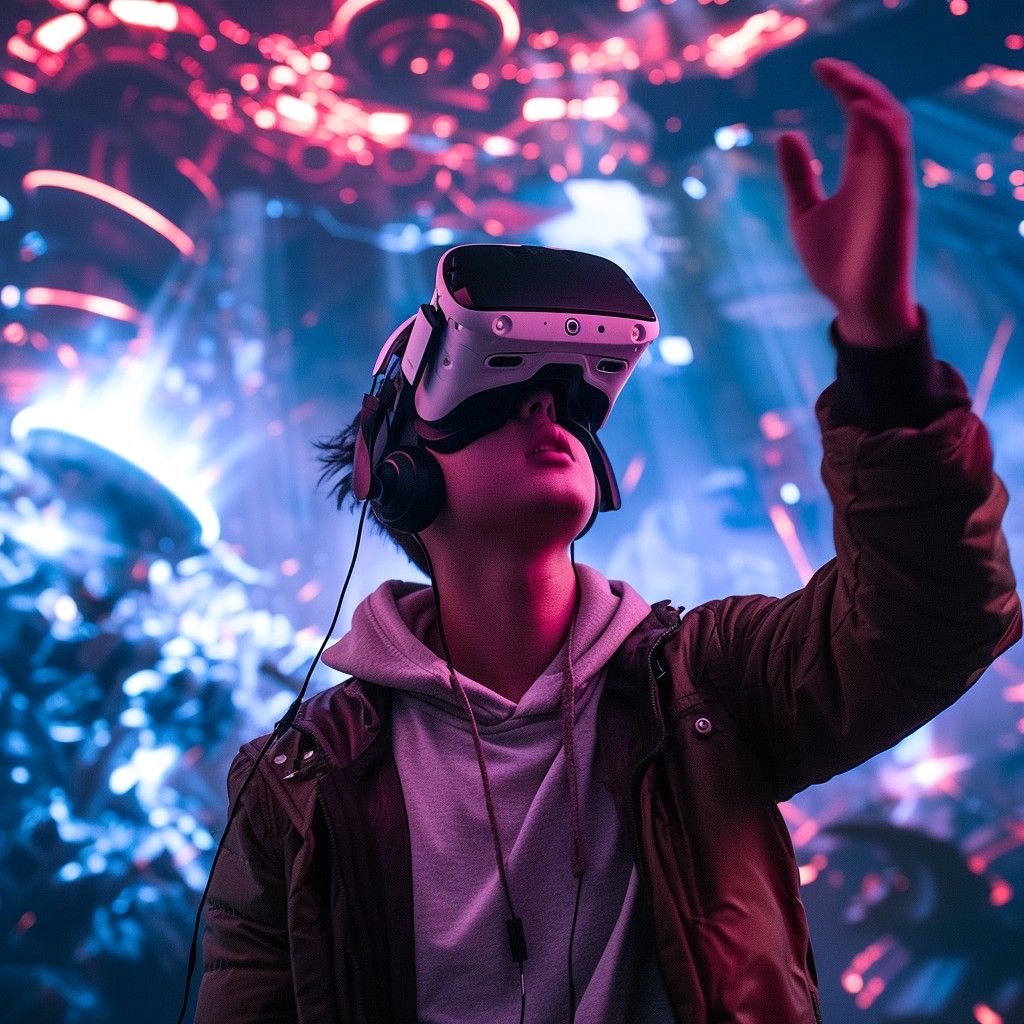
🖼️ What Will You See First?
Initially, the visuals will be pixelated—comparable to Atari-era graphics. Think geometric shapes, vague silhouettes, and outlines. But that’s just the beginning.
⚡ Evolving Clarity:
Thanks to machine learning and cortical plasticity, the resolution will improve over time as the brain adapts. Eventually, BlindSight promises to go beyond human limits—into realms of infrared, ultraviolet, and radar-like vision.
🚀 Beyond Biology: Superhuman Potential
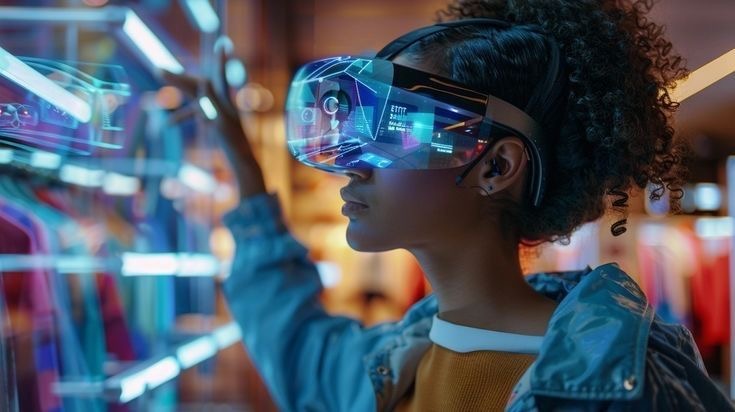
🔭 Not Just Vision—Enhanced Perception:
BlindSight won’t just restore natural sight. It’s designed to augment human capability. Users could one day toggle between night vision, zoomed perspectives, or even see through fog—abilities once reserved for science fiction heroes like Geordi La Forge from Star Trek.
📡 Total Sensory Expansion:
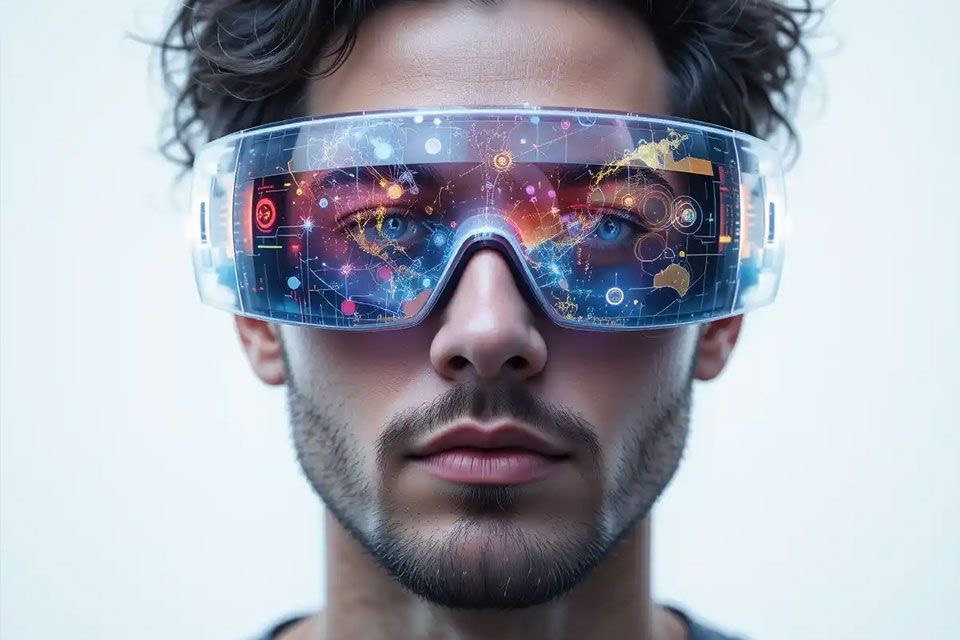
By integrating new wavelengths and perspectives, this device positions humans to perceive the world in ways nature never intended.
🧩 Who Can Benefit?
✔️ People with:
- Complete loss of both eyes
- Severed or damaged optic nerves
- Congenital blindness (if visual cortex is intact)
This is the first device in history to promise restored vision without requiring functional eyes—a landmark moment for the blind community.
🌟 A Short Blink Into the Future
BlindSight isn’t just about seeing—it’s about reclaiming a lost dimension of life. For millions who live in darkness, this is more than technology. It’s hope—powered by the brain itself.

