
The global investment map is changing rapidly—and India is quietly becoming one of its biggest success stories. In a year marked by economic uncertainty, geopolitical tensions, and slowing global capital flows, India has emerged as one of the world’s fastest-rising destinations for foreign investment.
🌍 India’s Big Leap in the Global Investment Race
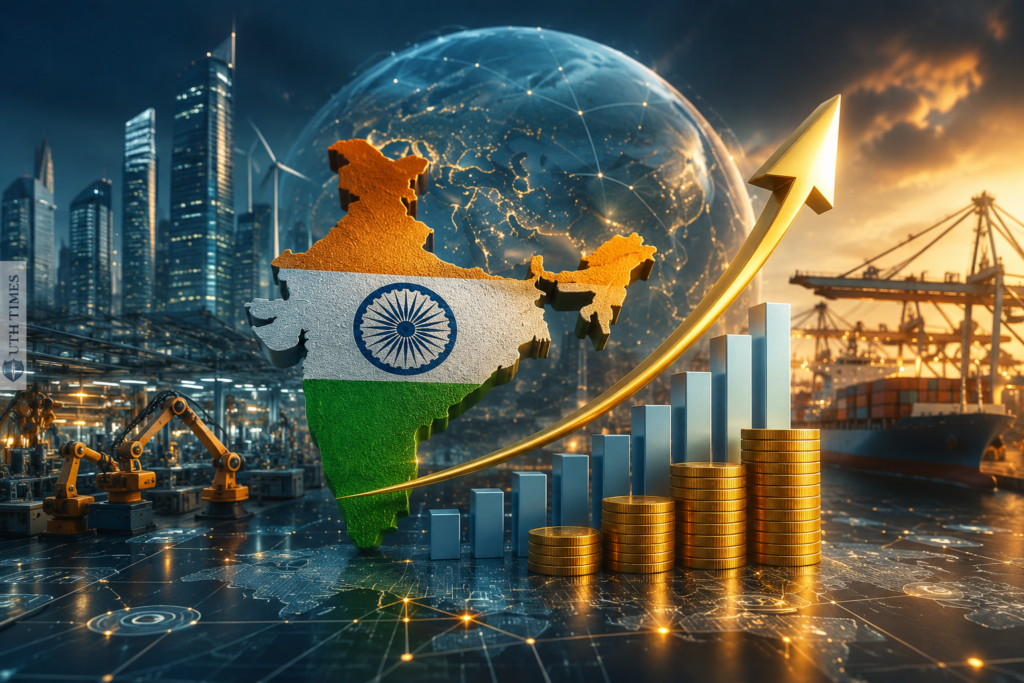
According to the latest report by United Nations Conference on Trade and Development (UNCTAD), India climbed two places to become the 11th-largest recipient of Foreign Direct Investment (FDI) globally in 2025, attracting an impressive $39 billion in inflows, a remarkable 44% increase compared to the previous year.
This rise places India ahead of several advanced economies and major emerging markets, including Australia, Saudi Arabia, Sweden, France, Indonesia and Vietnam.
🔹 India’s 2025 FDI Inflows: $39 Billion
🔹 Annual Growth: +44%
🔹 Global Rank: 11th
🔹 Position Gained: 2 Spots Up
📈 Why Global Investors Are Betting Big on India

India’s investment surge is not accidental—it is the result of a decade-long structural transformation that has fundamentally reshaped the country’s business environment.
✨ Key drivers behind the FDI boom include:
🔹 Massive investments in manufacturing under the Make in India initiative.
🔹 Expansion of semiconductor, electronics and EV supply chains.
🔹 Rapid growth in digital infrastructure and fintech ecosystems.
🔹 Large-scale infrastructure spending on highways, ports, logistics and industrial corridors.
🔹 Political stability and policy continuity attracting long-term capital.
🔹 The rise of India as a trusted alternative in global supply chain diversification strategies.
For multinational corporations seeking scale, talent and market access simultaneously, few economies offer opportunities comparable to India.
🏭 Which Sectors Are Driving the Momentum?

Foreign capital is increasingly flowing into India’s high-growth sectors rather than traditional industries alone.
🚀 Key investment magnets include:
🔹 Electronics manufacturing and semiconductor ecosystems.
🔹 Renewable energy and green hydrogen projects.
🔹 Artificial intelligence and digital services.
🔹 Financial technology and digital payments.
🔹 Automobile and electric mobility manufacturing.
🔹 Defence and aerospace production.
This shift indicates that investors increasingly view India not merely as a consumer market but as a major global production and innovation hub.
🌐 The Global FDI League Table
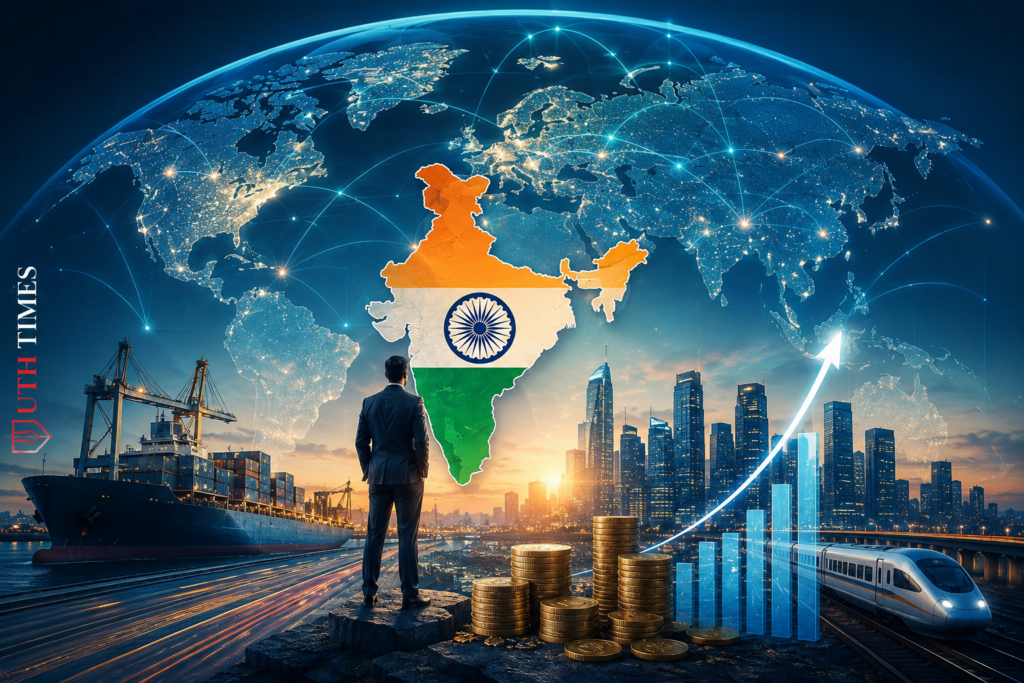
The global rankings continue to be led by the United States ($277 billion), followed by Singapore ($151 billion), Hong Kong ($138 billion) and China ($105 billion).
India now sits just behind Mexico ($41 billion) and ahead of economies such as Australia ($35 billion) and Saudi Arabia ($33 billion), highlighting the country’s growing importance in international capital allocation.
India’s climb to the 11th position is more than a statistical achievement—it signals growing global confidence in the country’s long-term economic story. As manufacturing expands and global companies continue diversifying supply chains, India’s next milestone may no longer be entering the top ten, but competing among the world’s elite investment destinations.

