
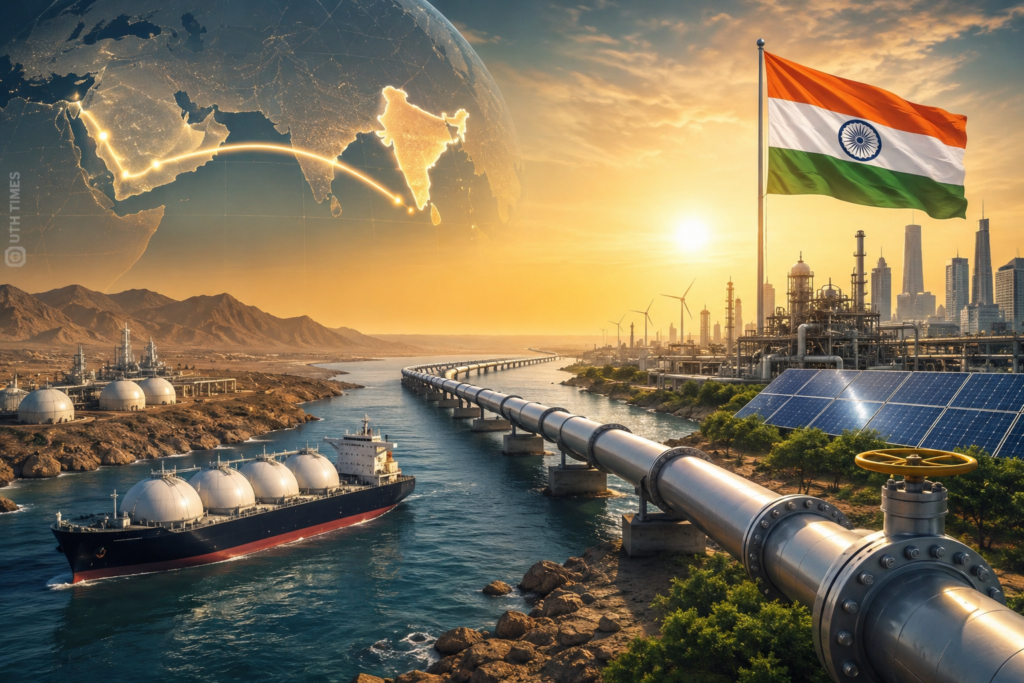
As geopolitical tensions continue to threaten global oil and gas routes, India is preparing for one of its most ambitious energy infrastructure projects ever — a proposed ₹40,000 crore deep-sea gas pipeline connecting Oman directly to Gujarat.
The 2,000-km subsea pipeline is not just an engineering project. It is a strategic move aimed at protecting India’s future energy supply from global disruptions, especially around the sensitive Strait of Hormuz.
Why This Pipeline Matters So Much 🌍
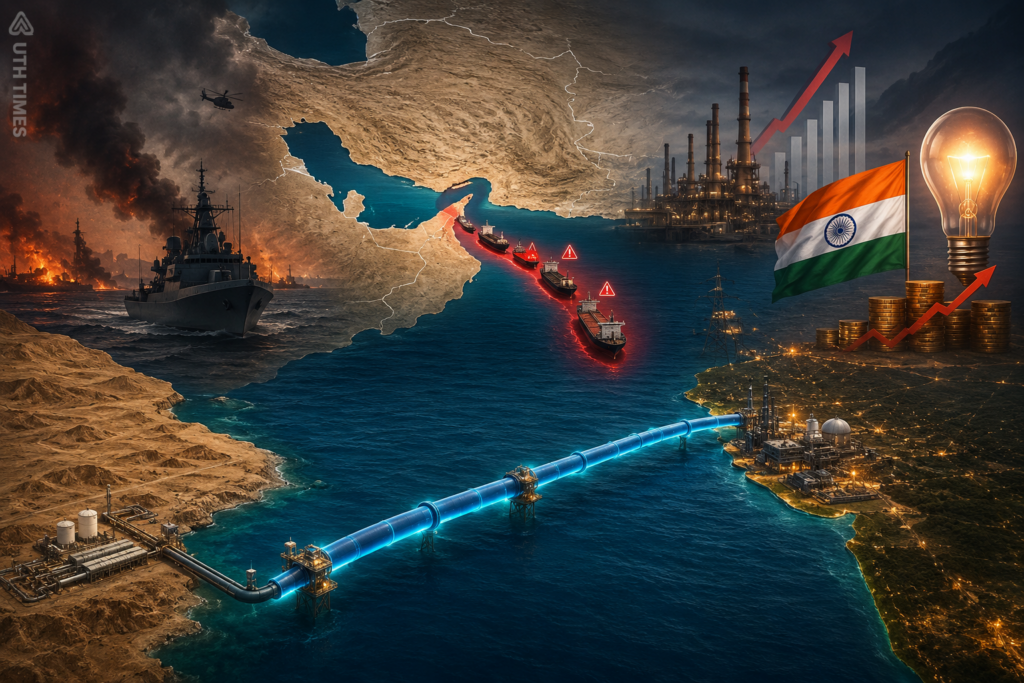
India imports a massive portion of its energy requirements from the Gulf region. Most of these supplies currently pass through the Strait of Hormuz — one of the world’s most sensitive maritime chokepoints.
Any conflict, military tension, or shipping disruption in this narrow route can severely affect:
🔹 India’s fuel supply
🔹 Energy prices
🔹 Industrial production
🔹 Electricity generation
🔹 Economic stability
The Oman-Gujarat pipeline is being viewed as a long-term insurance policy for India’s energy future.
The Vision Behind the Project 🚢
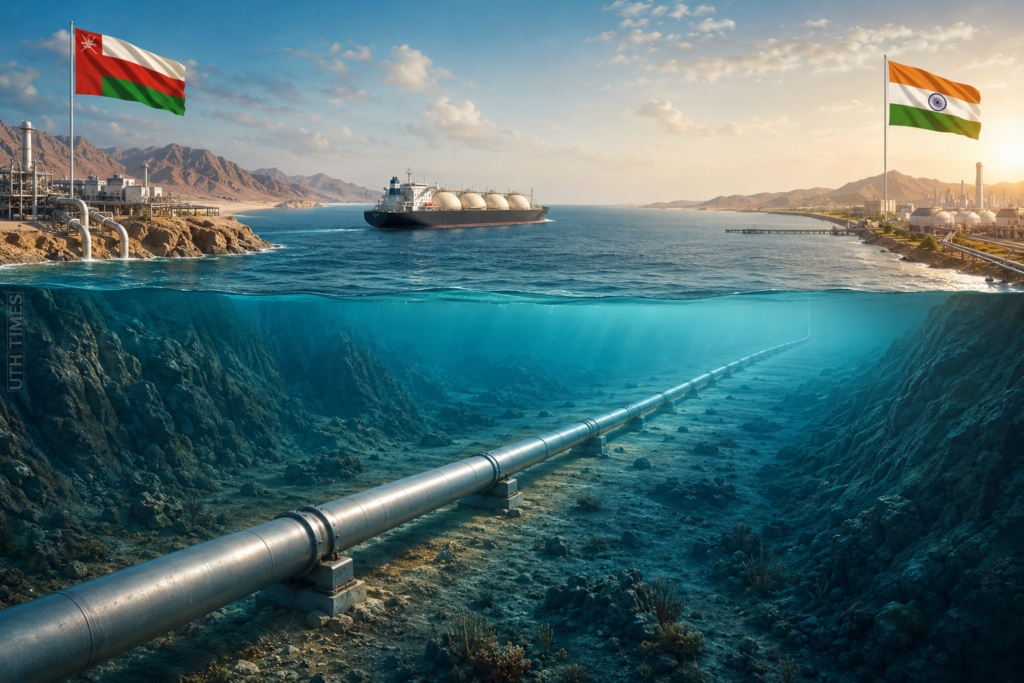
The proposed underwater pipeline is expected to directly transport natural gas from Oman to India’s western coast, likely Gujarat.
Key Highlights 📌
🔹 Estimated Cost: ₹40,000 crore
🔹 Length: Nearly 2,000 km
🔹 Route: Oman → Arabian Sea → Gujarat
🔹 Purpose: Secure uninterrupted gas supply
🔹 Focus: Reduce shipping dependence and strategic vulnerability
Experts believe the pipeline could significantly reduce risks associated with tanker transportation through unstable maritime zones.
Oman has emerged as one of India’s most trusted Gulf partners.
The country offers:
🌐 Strategic geographic access
⚡ Stable energy exports
🤝 Strong diplomatic relations with India
🚢 Connectivity to major energy routes
Unlike some conflict-prone regions, Oman provides relatively stable long-term cooperation, making it ideal for a project of this scale.
A Massive Boost for India’s Economy 📈
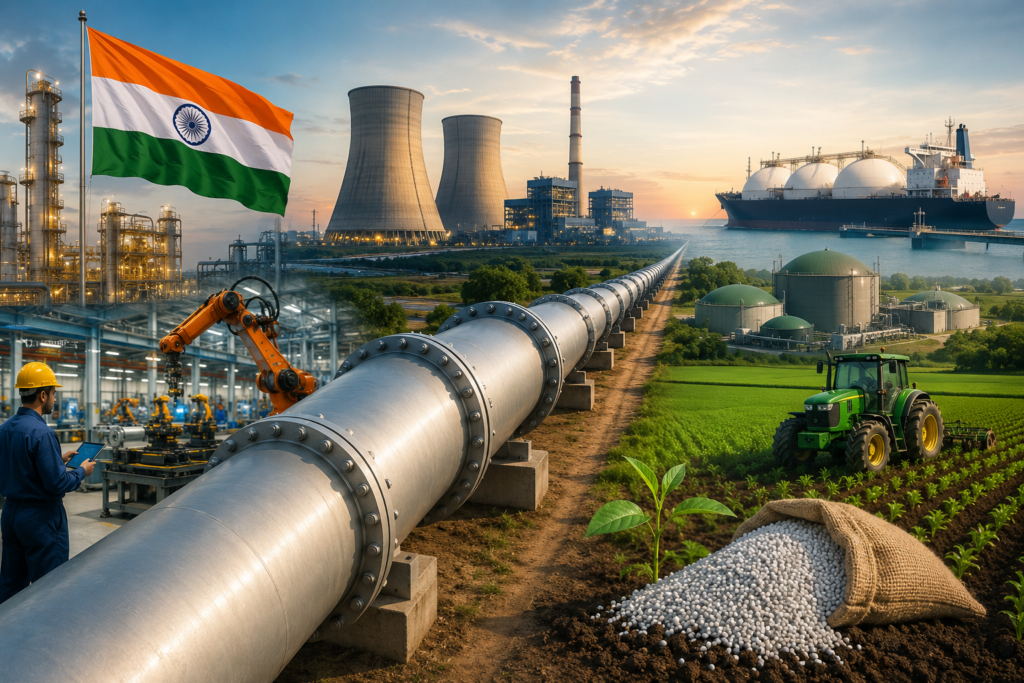
Natural gas is becoming increasingly important in India’s transition toward cleaner energy.
This pipeline could:
🔹 Support manufacturing industries
🔹 Strengthen fertilizer production
🔹 Power gas-based electricity plants
🔹 Reduce energy price volatility
🔹 Help India move toward lower carbon emissions
The project may also transform Gujarat into an even larger energy hub for western India.
The Engineering Challenge Beneath the Ocean 🌊
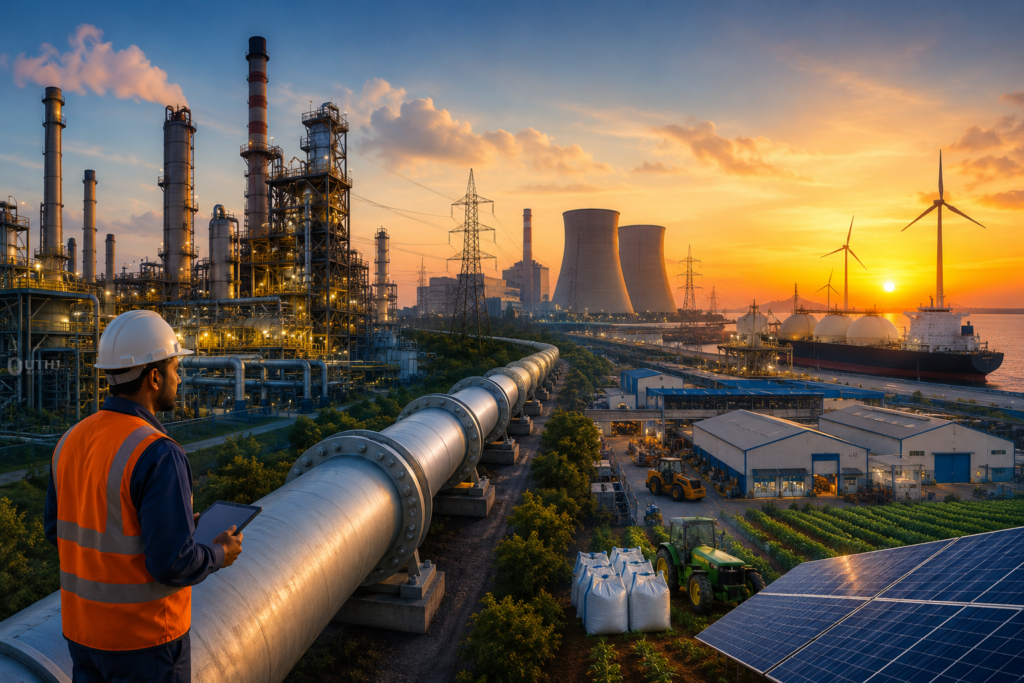
Building a 2,000-km deep-sea pipeline is an extremely complex task.
Engineers will need to tackle:
⚙ Deep-water pressure
⚙ Seismic activity risks
⚙ Corrosion protection
⚙ Marine ecosystem concerns
⚙ Long-term underwater maintenance
If completed, it could become one of the region’s most strategically important subsea energy corridors.
A Strategic Message to the World 🌏
This project reflects a bigger shift in India’s global approach.
India is no longer thinking only about immediate energy imports — it is planning decades ahead.
The Oman-Gujarat gas corridor signals:
🇮🇳 Energy independence ambitions
🇮🇳 Strategic resilience
🇮🇳 Infrastructure modernization
🇮🇳 Stronger Gulf partnerships
In a world shaped by supply shocks and geopolitical uncertainty, this pipeline could become one of India’s boldest energy security moves of the decade.

