
At the heart of this breakthrough is HoverIt, a Lucknow-based startup steadily pushing India into the elite league of long-range loitering munition developers. The successful demonstration of a vehicle-based launch system for the Divyastra Mk2 is more than a technical milestone—it signals a shift toward mobility-driven, rapid-response warfare.
Unlike traditional UAVs tethered to fixed runways, this system hints at a future where strike assets move with the battlefield itself.
⚙️ Engineering a Silent Predator
Divyastra Mk2 isn’t just another drone—it’s designed as a persistent hunter.
🔹 Massive Wingspan: At 3.2 meters, it enables extended glide efficiency
🔹 Extreme Range: 1,500–2,000 km—deep strike without forward bases
🔹 Endurance Window: 8–12 hours of loitering capability
🔹 Payload Flexibility: 50–100 kg for varied mission profiles
🔹 Speed Dynamics: ~180 km/h cruise with high-speed terminal dive
This combination allows it to circle, observe, decide, and strike—a capability that compresses the traditional “detect-to-destroy” cycle into a single platform.
🎯 Beyond Strike: ISR Integration
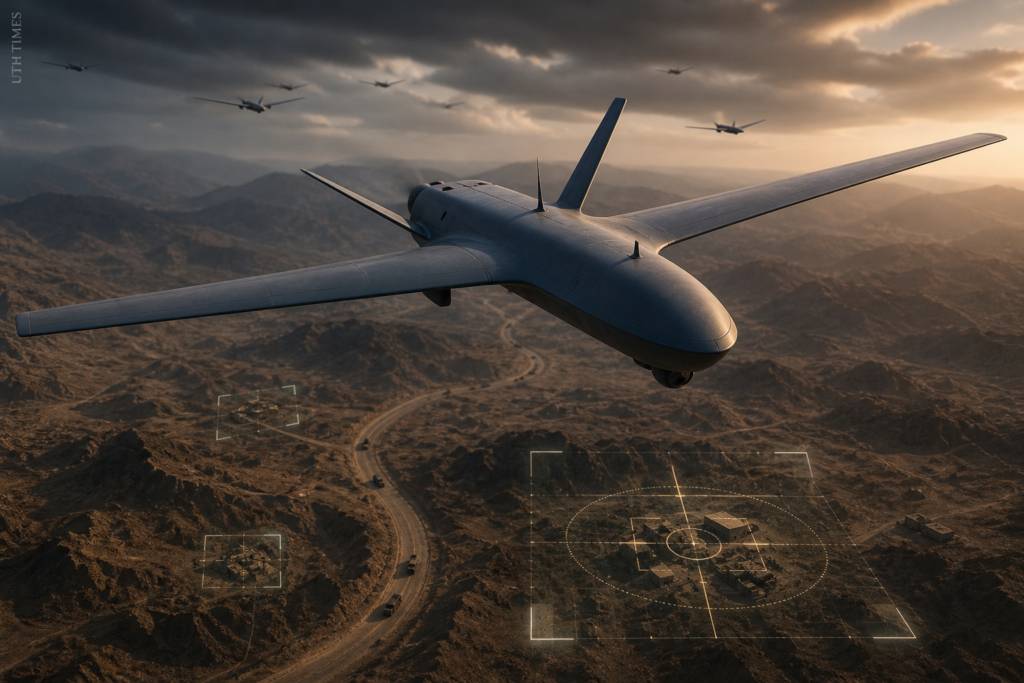
Divyastra Mk2 is built for dual-role dominance:
🛰️ ISR (Intelligence, Surveillance, Reconnaissance)
→ Real-time battlefield awareness
💥 Precision Strike Capability
→ Engage high-value targets with minimal delay
This fusion transforms it into a decision-making weapon, not just a delivery system. It doesn’t just hit targets—it chooses the right moment to do so.
🚛 Mobility: The Real Game Changer
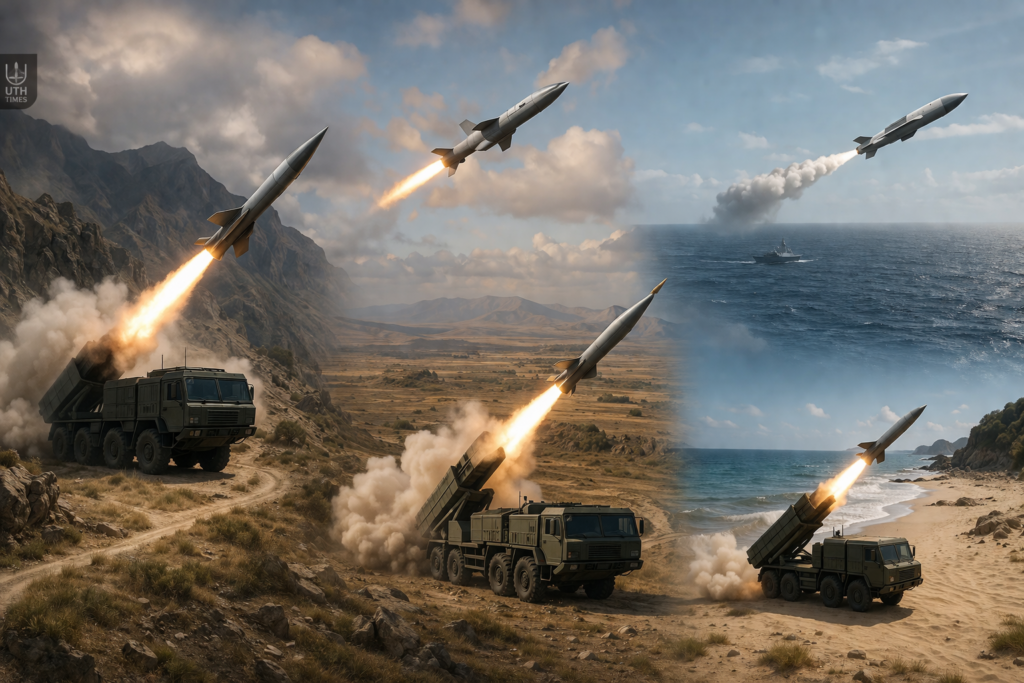
The recent vehicle-based launch test introduces a critical tactical advantage:
🚚 Rapid Deployment Anywhere
🚚 Reduced Dependence on Airstrips
🚚 Enhanced Survivability through Mobility
The upcoming rocket-assisted takeoff (RATO) aims to eliminate runway requirements entirely, allowing launches from remote, rugged, or contested environments—a crucial edge in modern conflict zones.
🤖 The Future: AI Swarms & Sovereign Systems
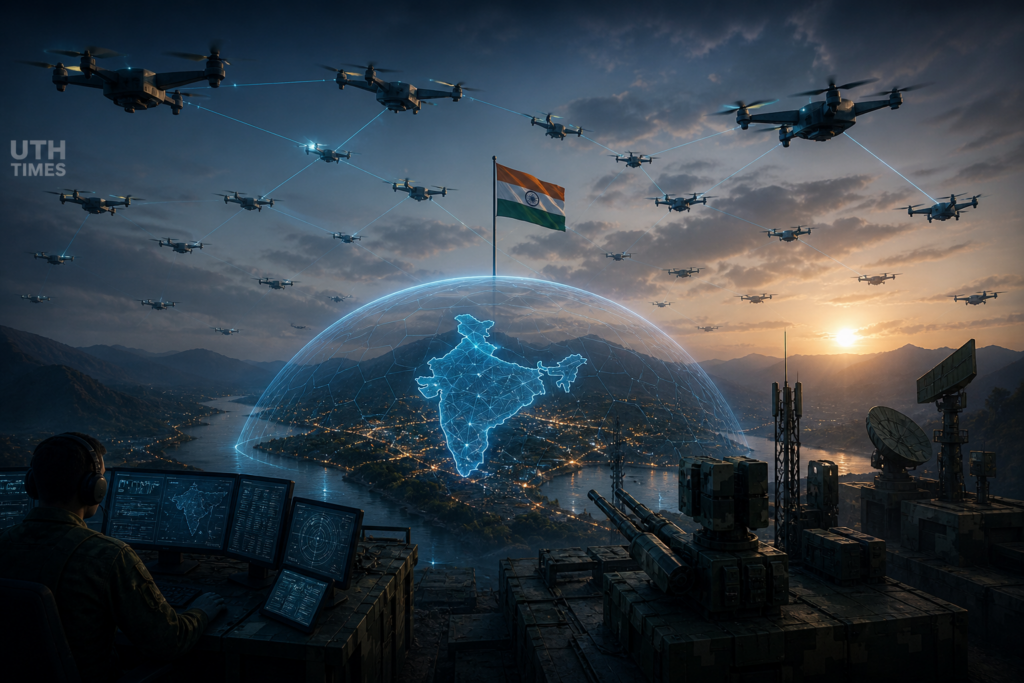
HoverIt’s roadmap goes beyond individual drones:
🧠 AI-Enabled Swarm Intelligence
→ Coordinated multi-drone attacks overwhelming defenses
🇮🇳 Sovereign Control Systems
→ No reliance on foreign tech ecosystems
This aligns with India’s broader push toward strategic autonomy, ensuring that critical defence technologies remain indigenously controlled and adaptable.
⚡ Strategic Implications
Divyastra Mk2 represents a deeper transformation:
🔸 Rise of private-sector defence innovation
🔸 Shift toward long-range autonomous warfare
🔸 Blending of AI, mobility, and precision strike
It’s still under development—but its trajectory is clear: India is no longer just acquiring advanced systems—it’s building them from the ground up.
Divyastra Mk2 doesn’t just expand India’s arsenal—it redefines how distance, time, and decision converge in warfare.

