
🕰️ A Glimpse Into the Dawn of Indian Writing
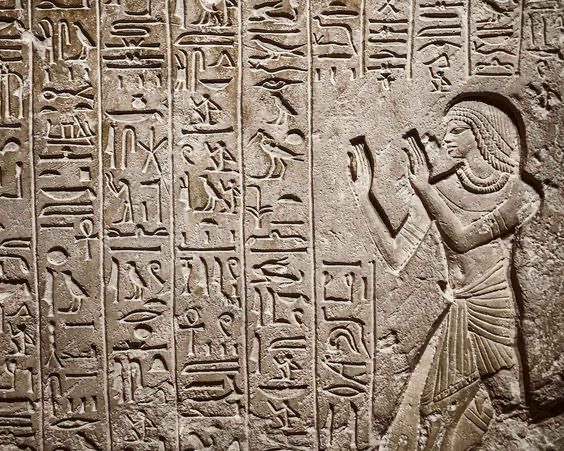
For centuries, scholars believed that early Indians relied mainly on oral traditions, leaving no trace of written language before the later Vedic age. But nestled in a fragile corner of India lies a site that shatters this assumption—a 3,500-year-old inscription from 1500 BCE, the only one of its kind. This mysterious script does not just whisper history—it roars with the possibility of being the Rosetta Stone for decoding the Indus script, a key to unlocking one of the world’s most perplexing linguistic puzzles.
📜 Why This Inscription Matters
- 🌍 A Singular Survivor: Unlike scattered carvings or undeciphered marks, this inscription provides structured linguistic data, making it a potential breakthrough for understanding ancient Indian civilization.
- 🔑 Decoding the Indus Script: Just as the Rosetta Stone unlocked Egyptian hieroglyphs, this could hold the parallel language key scholars have long prayed for.
- 🧬 Rewriting History: If fully deciphered, it could push back the timeline of Indian literacy by centuries, reframing how we understand Vedic culture, trade, and knowledge systems.
⚠️ A Legacy in Peril
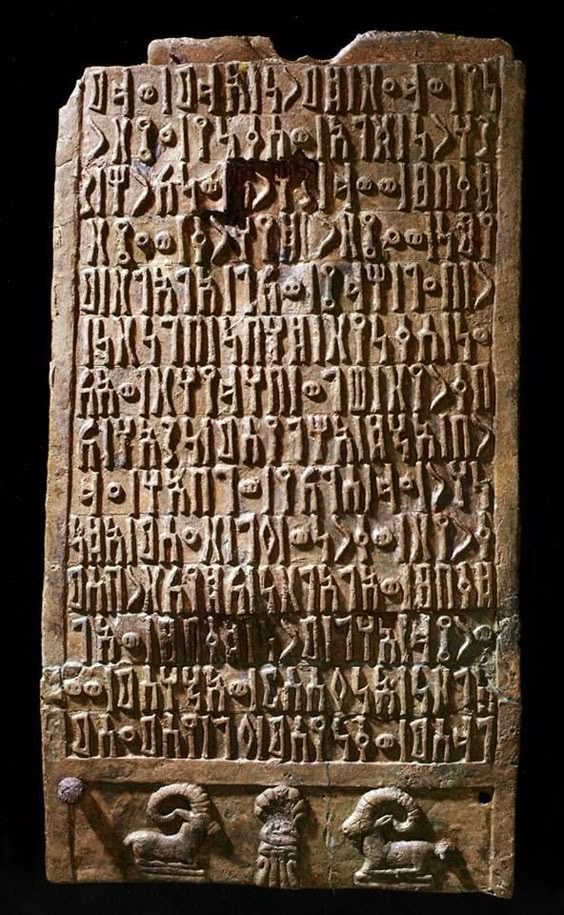
Despite surviving invasions, climate shifts, and 35 centuries of erosion, this cultural treasure now faces its greatest threat yet:
- ⛏️ Mining Menace: Nearby coal and sponge mining operations are shaking its very foundation, slowly eating into the earth that protects it.
- 🖊️ Vandalism’s Shadow: Graffiti and reckless damage already scar parts of the site, a painful reminder of negligence.
- ⏳ Time Is Running Out: Experts warn that in just 35 years, what survived millennia may vanish forever.
🌐 The Call to Protect
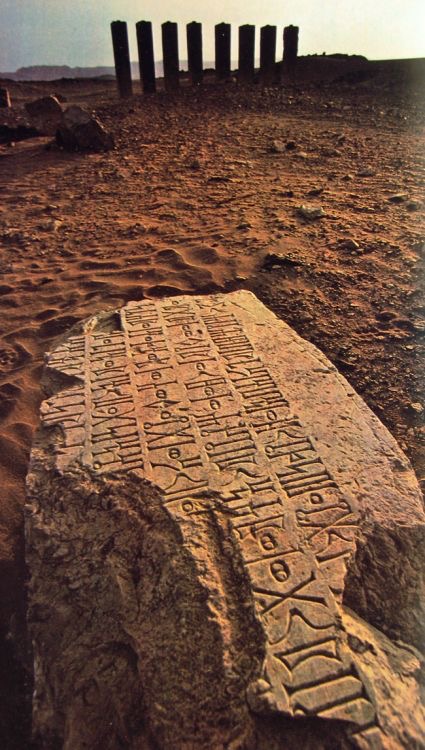
This isn’t just an inscription—it’s a civilizational code. Protecting it means:
- 📖 Preserving Knowledge: Giving future generations the chance to decode the Indus script.
- 🛡️ Cultural Responsibility: Safeguarding a heritage that predates empires, borders, and modern nations.
- 🌎 Global Significance: This is not just India’s story—it is humanity’s shared memory of how writing, culture, and thought first evolved.
✨ Conclusion
The inscription of 1500 BCE has waited silently for us to listen. If lost, we lose not just a stone but a key to history itself. The question is—will we act before silence swallows it forever?

