
India is no longer the promise of tomorrow — it is the force of today shaping the future. According to a landmark EY (Ernst & Young) report, by 2038, India will rise to the world’s second rank in GDP (PPP terms), overtaking the United States with a projected $34.2 trillion economy. This isn’t just economics; it’s history correcting itself.
📊 The Big Shift: From Emerging to Dominating
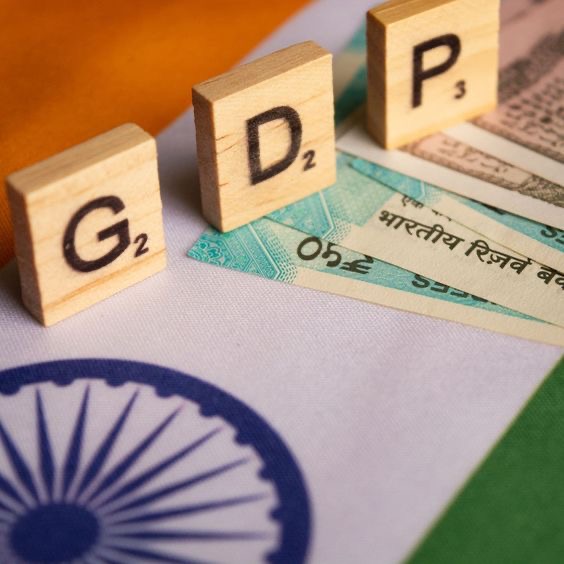
For years, India was boxed into the label of an “emerging market.” But those days are over. The transition from the world’s fifth-largest economy in nominal terms today to the second-largest in PPP by 2038 is a dramatic shift in global hierarchy.
This leap is more than just numbers — it’s a civilizational return to scale. India, once home to one of the greatest economies in pre-colonial times, is reclaiming its place at the head table of global power.
⚡ The Power Drivers of India’s Rise
India’s ascent is not accidental; it’s driven by deep structural strengths and bold reforms:
- 👩💼 Demographic Muscle: By the 2030s, India will command the world’s largest workforce, with a median age far younger than most advanced economies. This demographic dividend ensures labor, talent, and innovation at unmatched scale.
- 🏭 Industrial Momentum: From semiconductor plants to defense manufacturing, India is turning into a factory hub of the world. Programs like Make in India and Production-Linked Incentives are pulling global giants into Indian soil.
- 📲 Digital Revolution: No other economy has built a public digital stack like India — UPI, Aadhaar, CoWIN, and ONDC are case studies in digital inclusion, efficiency, and speed. This foundation is boosting productivity across sectors.
- 🌱 Green Transformation: India is set to become the largest renewable energy hub of the future. With solar, EVs, and green hydrogen, the country is ensuring growth without compromising sustainability.
🏆 Global Impact
India’s arrival at the world’s No. 2 economic rank will have seismic global consequences:
- 🌍 Strategic Balance: For the first time in centuries, the global economic order will be led by two Asian giants — China and India — with the US pushed to third place.
- 💸 Investment Magnet: Stable democracy, a rising middle class, and a booming consumer market will make India the prime destination for global capital.
- 🔗 Trade Rewiring: From ASEAN to Africa, India will become the nerve center of the Global South, connecting supply chains, digital flows, and energy corridors.
- 🏛️ Voice of the People: Unlike China’s closed model, India offers the world a democratic growth alternative, amplifying its moral and political weight.
🔮 The Future Path: Beyond Numbers
By 2038, the world will not just witness India’s rise — it will feel it in trade policies, cultural influence, and global decision-making. The second economy title is not the endgame, but a stepping stone towards global leadership in innovation, sustainability, and governance.
🔥 Closing
The forecast is clear: by 2038, India will not just rise — it will reign as the world’s second economy, leaving the US behind and reshaping global power for generations. The future isn’t shifting west or east anymore. The future is Indian. 🇮🇳

