
Aging may not be as irreversible as once believed. New research is revealing that some of the biological machinery behind aging can be reprogrammed, repaired or switched back toward a younger state—raising a striking possibility for future medicine.
🧬 The “Switch” Inside Aging Cells
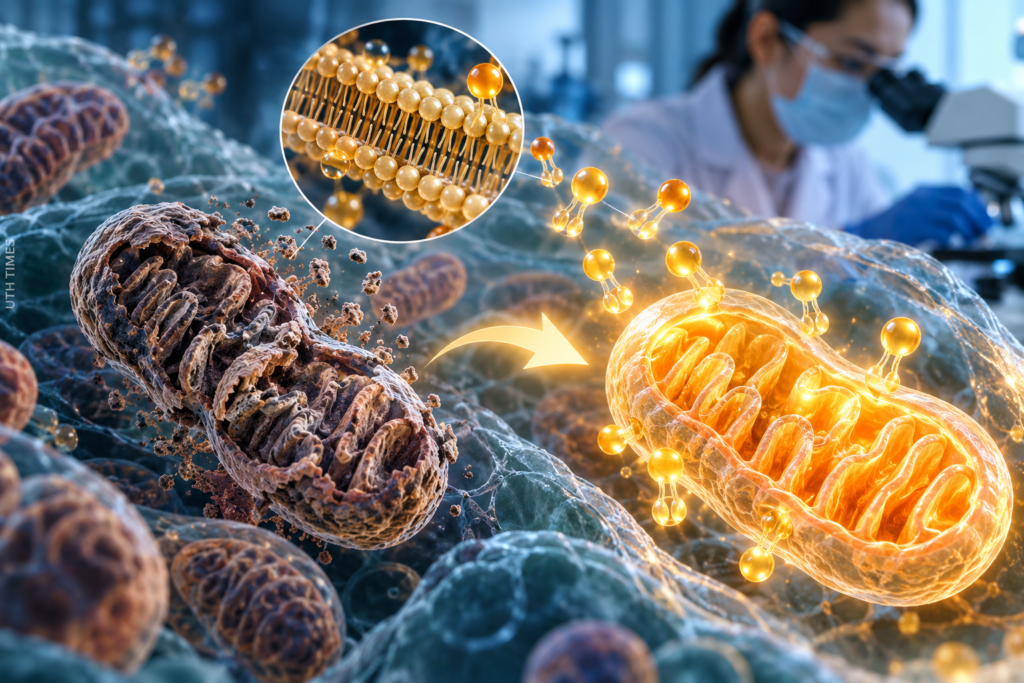
One major clue comes from mitochondria, the structures responsible for producing much of the energy cells need.
Researchers have identified a critical role for phosphatidylcholine, a membrane lipid that helps mitochondria maintain the flexibility and structure required to function properly. As organisms age, levels of this lipid can decline, leaving mitochondria more fragmented and less efficient.
🔹 Scientists found that restoring phosphatidylcholine helped improve mitochondrial performance in aging laboratory organisms.
🔹 The finding challenges the idea that age-related cellular decline is simply a one-way process.
🔹 Instead, at least some aspects of cellular aging may be biologically adjustable.
⚡ Why Mitochondria Could Be the Key
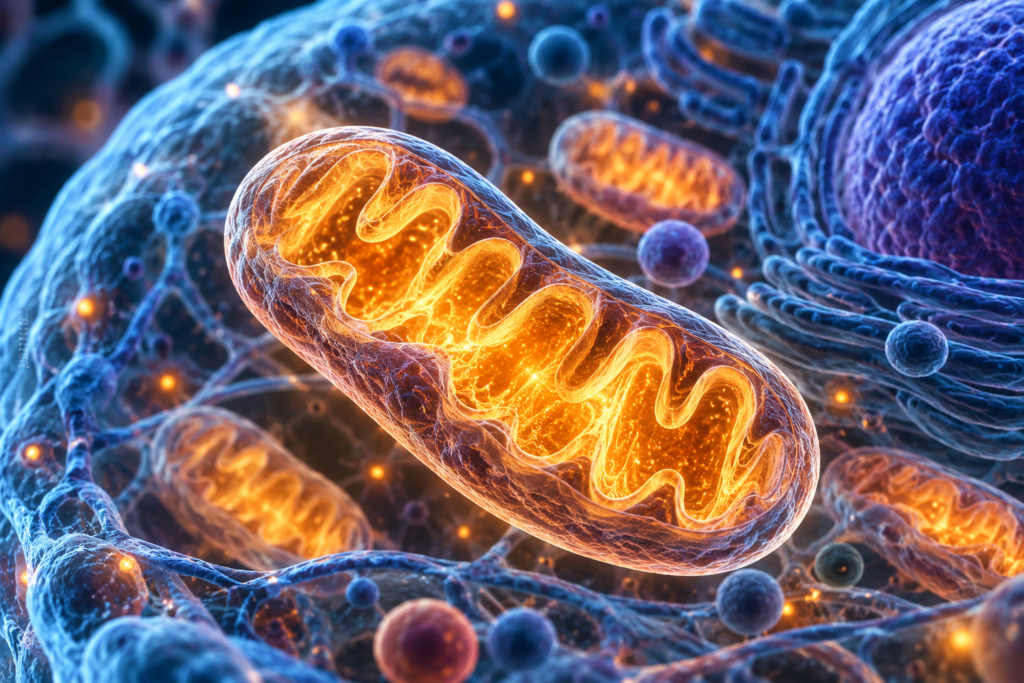
Mitochondria do far more than generate energy. They are deeply involved in cellular communication, metabolism, stress responses and tissue maintenance.
When mitochondrial networks become dysfunctional, cells struggle to meet their energy demands and repair themselves efficiently. Researchers found that changes in membrane composition can interfere with mitochondrial fusion—the process that allows mitochondria to connect, exchange resources and maintain healthier networks.
That makes the discovery particularly exciting: rather than treating every consequence of aging separately, scientists may be able to target a fundamental cellular mechanism.
🔬 Another “Switch” Is Hiding in the Immune System
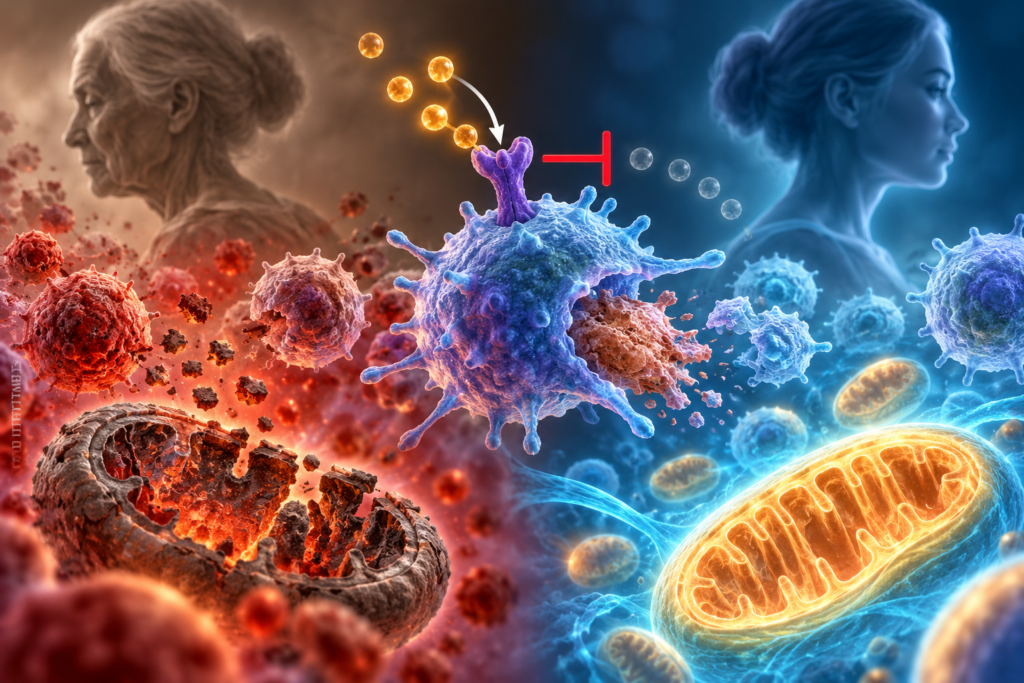
The mitochondrial discovery is part of a much larger shift in aging research.
A separate 2026 study identified an immune pathway involving EP2, a receptor found on tissue-resident macrophages. In older mice, increased EP2 activity appeared to interfere with macrophages’ ability to clear aging and damaged immune cells, contributing to chronic inflammation.
Blocking the receptor in mice helped preserve more youthful characteristics across several organs, including the brain, liver, heart and muscles.
🧪 Could Aging Actually Be Reversed?
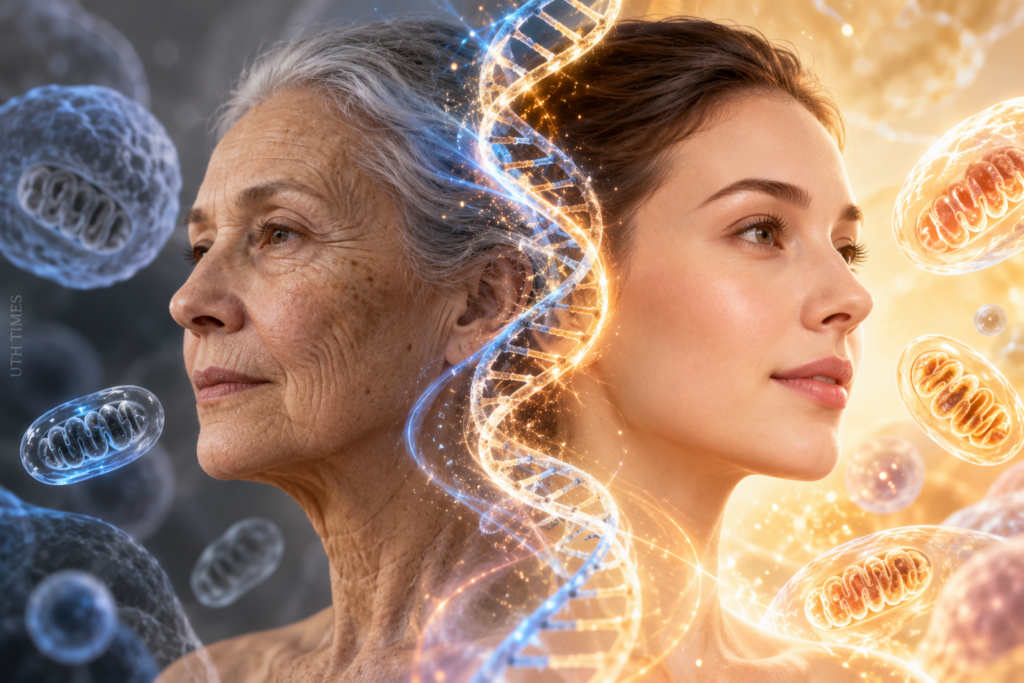
This is where the science becomes fascinating—but caution is essential.
Scientists have also demonstrated that manipulating gene activity can rejuvenate aged cells. NIH-funded research found that altering transcription factors could make old fibroblast cells behave more like younger cells and improve aspects of health in aged mice.
Other approaches, known as partial cellular reprogramming, are being investigated to restore youthful molecular patterns while preserving a cell’s identity.
But none of this means scientists have discovered a human “anti-aging switch” that can currently be flipped with a pill.
The real breakthrough may be conceptual: aging is increasingly being viewed as something biology can potentially modify rather than simply endure.
From mitochondrial membranes to immune receptors and gene-control systems, researchers are uncovering multiple points where age-related decline might be interrupted.
Human clinical trials will ultimately determine whether these discoveries can become safe therapies.
For now, the message is powerful: the cellular clock may have more moving parts—and more flexibility—than scientists once imagined.

