
India’s defence-export story is entering a new phase—and BrahMos is at the centre of it. The supersonic cruise missile, jointly developed by India and Russia, is rapidly becoming one of the most visible symbols of India’s emergence as a defence exporter.
🚀 Southeast Asia Becomes BrahMos’ New Strategic Market
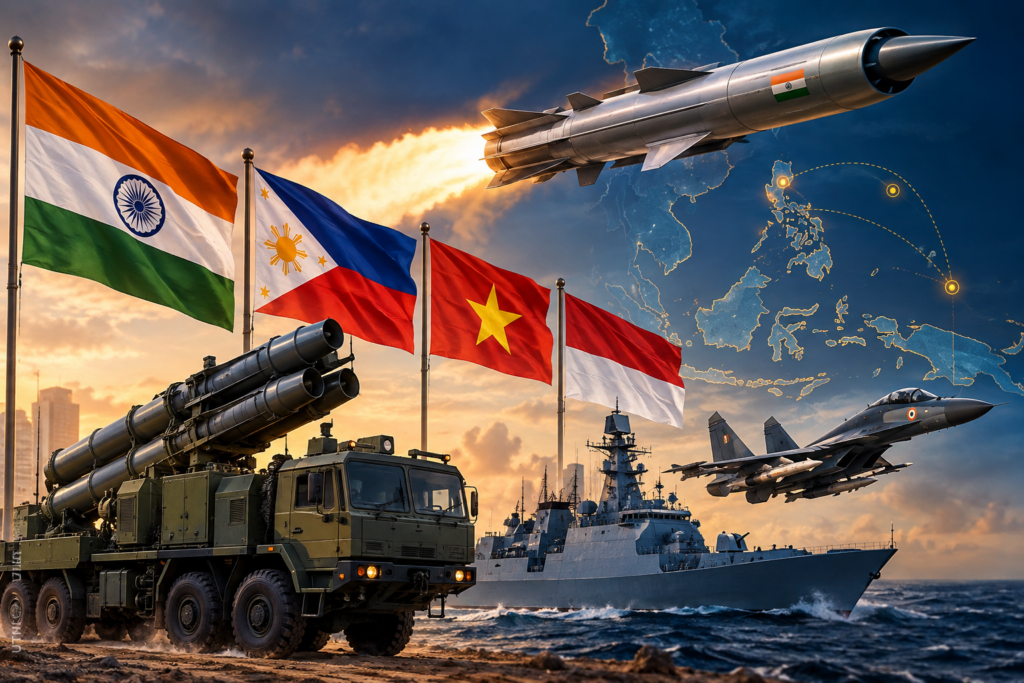
BrahMos’ export journey has moved beyond a single customer and into a broader Southeast Asian network.
🔹 Philippines: India signed a deal worth around $375 million for the BrahMos coastal defence system, with deliveries already underway.
🔹 Vietnam: India has officially confirmed that a BrahMos supply agreement has been signed, although the financial and technical details have not been publicly disclosed.
🔹 Indonesia: Jakarta became the third Southeast Asian buyer, signing an agreement with India in July 2026. The system can be deployed from land, naval platforms and aircraft, giving Indonesia a mobile long-range strike capability for protecting its extensive maritime geography.
Together, these deals are expected to push BrahMos-related exports beyond $600 million, marking a significant expansion of India’s high-end defence footprint in the region.
⚡ More Than Just a Missile
BrahMos stands out because it is not restricted to one launch platform. Its family includes land-, ship- and air-launched variants, while its supersonic speed and anti-ship/land-attack capabilities make it relevant to countries seeking stronger maritime and coastal defence.
For Southeast Asian nations surrounded by critical sea lanes and strategic waterways, such systems offer a way to strengthen indigenous deterrence without depending entirely on traditional suppliers.
That makes every BrahMos contract bigger than a conventional arms sale—it can also become the foundation for deeper defence-industrial cooperation, training, maintenance and long-term strategic relationships.
🌏 From Importer to Exporter
The BrahMos momentum comes against a much larger transformation in India’s defence industry.
India’s defence exports reached a record ₹38,424 crore in FY 2025–26, a 62.66% increase over the previous year. The Defence Ministry says Indian defence products are now being exported to more than 80 countries, with both public-sector and private-sector companies contributing to the growth.
This wider export ecosystem includes missiles, artillery systems, electronics, aircraft components and other military equipment.
🛡️ Combat Experience Adds Another Dimension
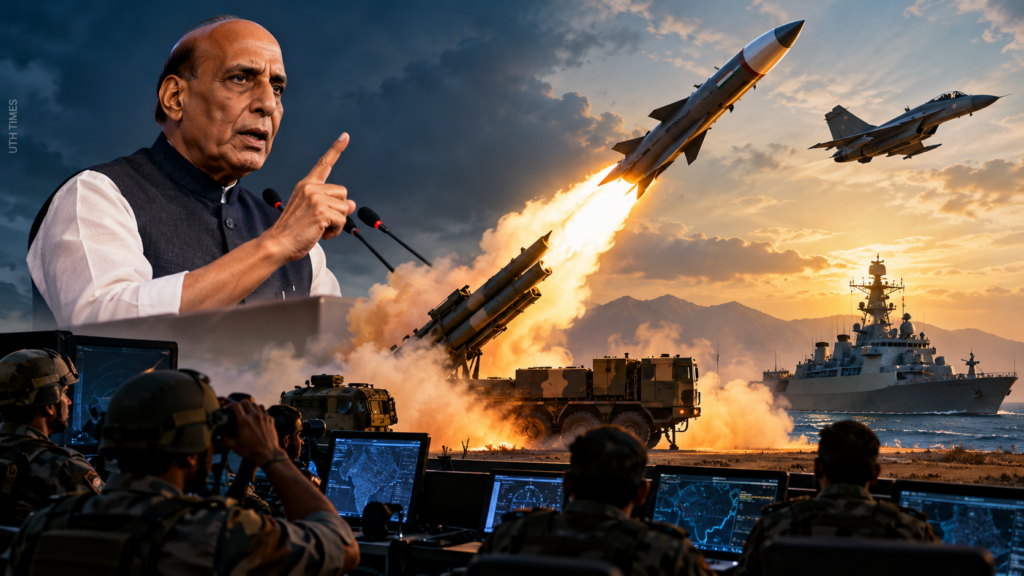
BrahMos has also gained additional visibility following Operation Sindoor. In July 2026, Defence Minister Rajnath Singh said advanced systems including BrahMos were effectively used during the operation, describing it as an example of technology-enabled warfare.
For potential buyers, the combination of development experience, operational deployment and export support can strengthen confidence in the system.
🇮🇳 India’s Missile Moment
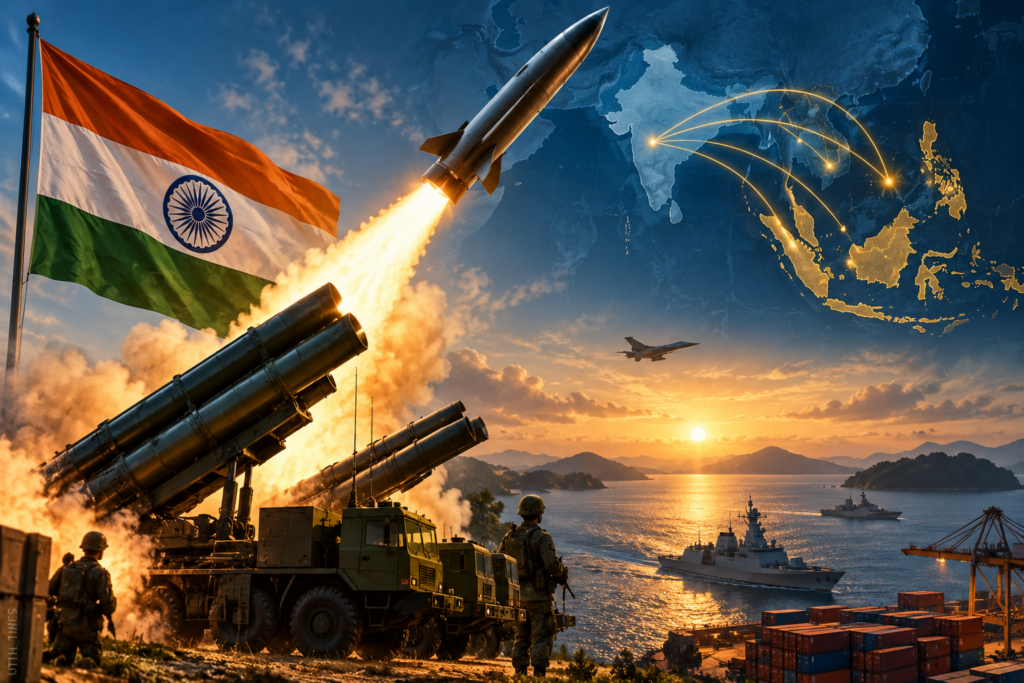
The BrahMos story reflects a broader shift: India is increasingly moving from purchasing sophisticated weapons to designing, manufacturing and exporting them.
With Southeast Asia becoming a major market, BrahMos is no longer simply an Indian-Russian missile programme. It is becoming a major instrument of India’s growing defence-industrial presence abroad.
The missile is travelling farther—and so is India’s defence-export ambition.

